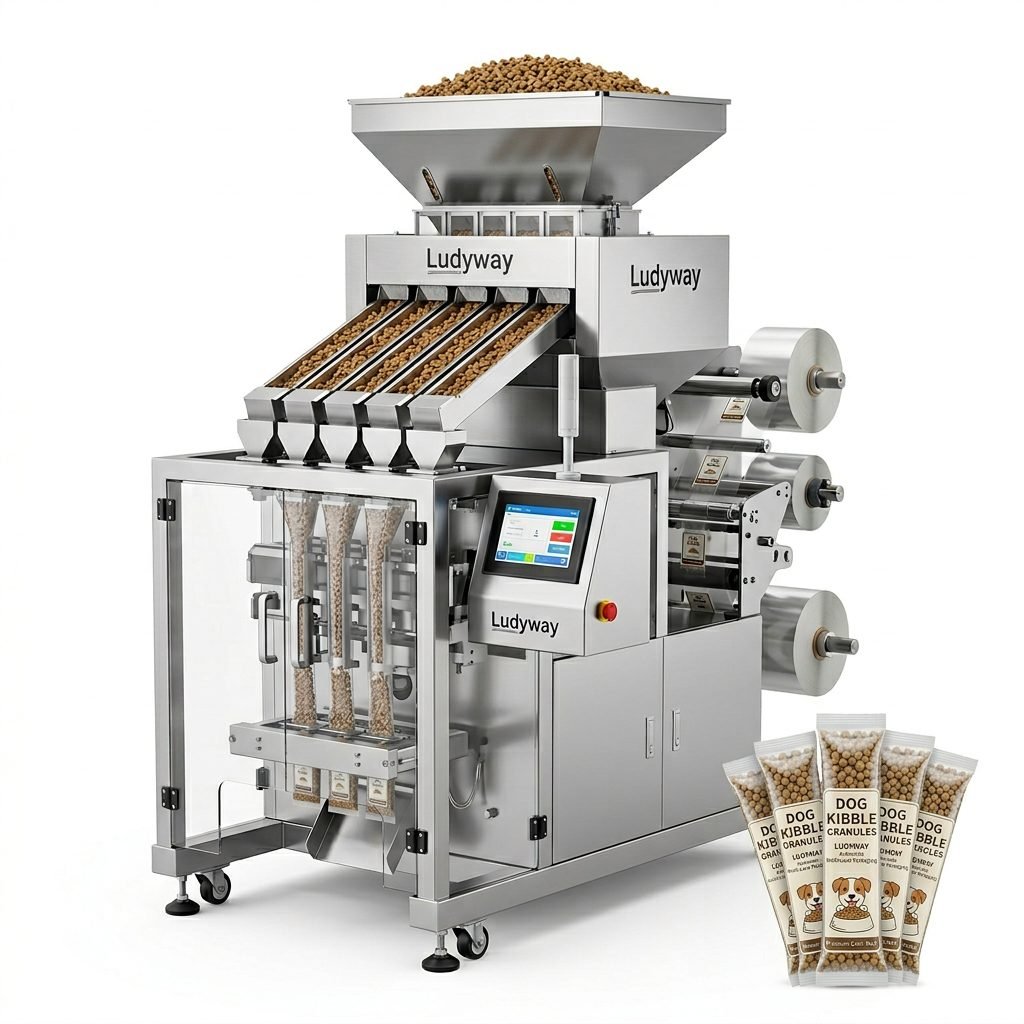
The food processing industry relies heavily on efficient and hygienic packaging to ensure product safety, extend shelf life, and meet consumer demands. Selecting the right packaging equipment is crucial for operational success. This guide explores the top equipment types, their core functions, and key factors for making an informed selection.
Essential Packaging Equipment for Food Processing
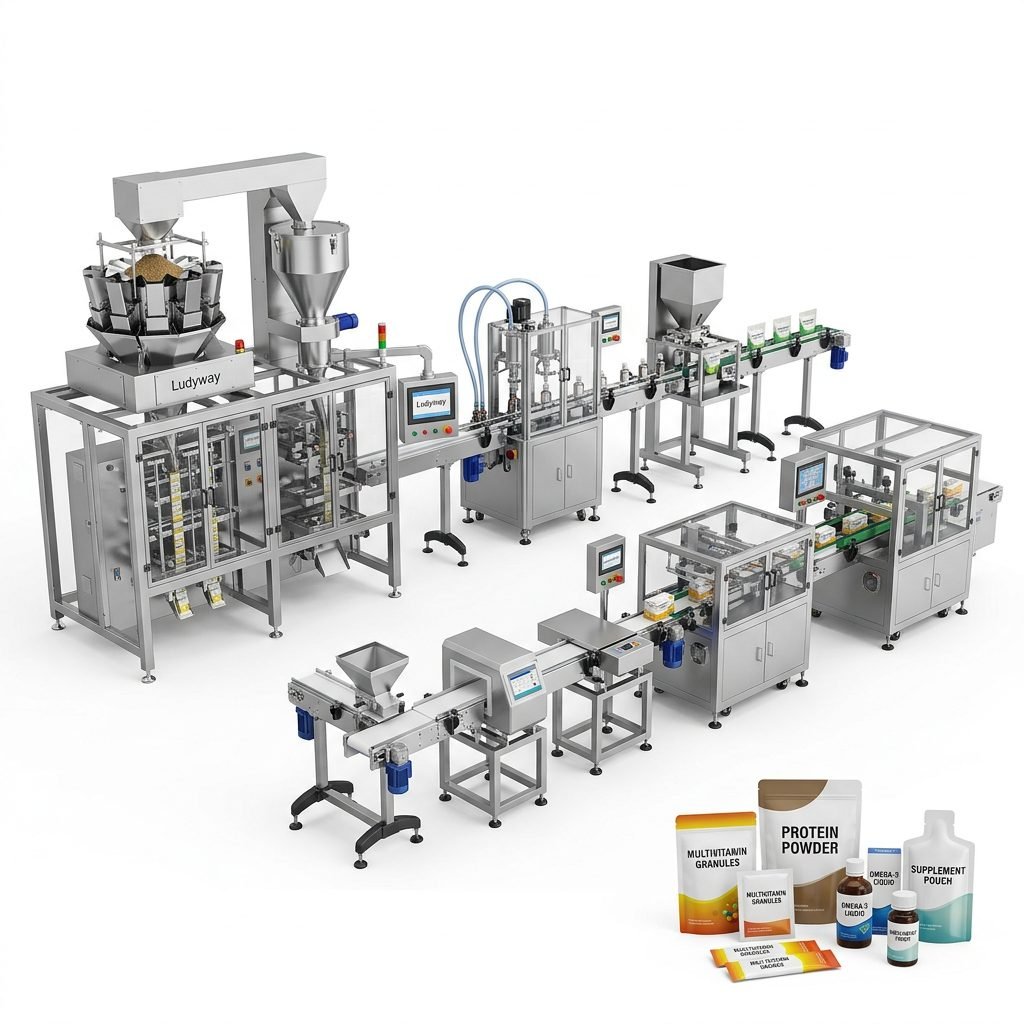
Modern food production lines utilize a variety of specialized machines. Understanding each type’s role is the first step toward optimizing your packaging process.
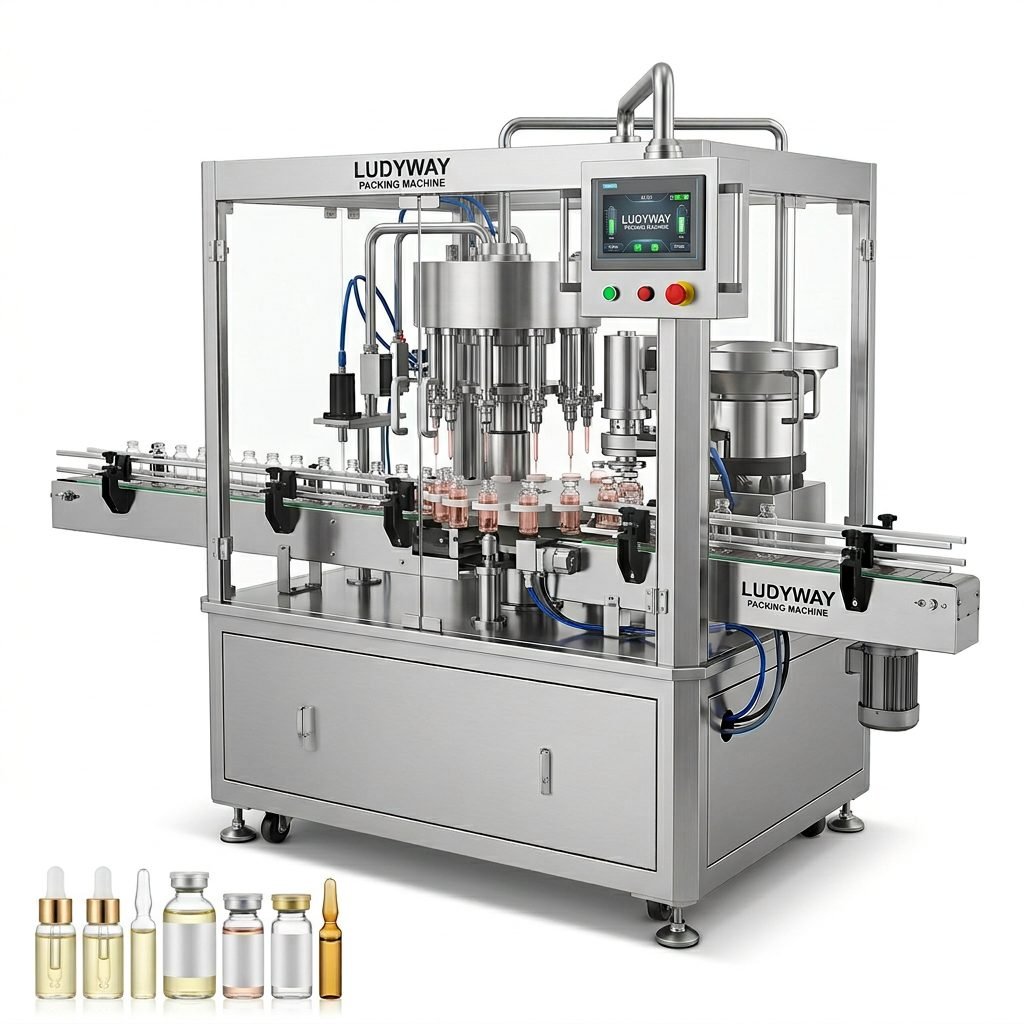
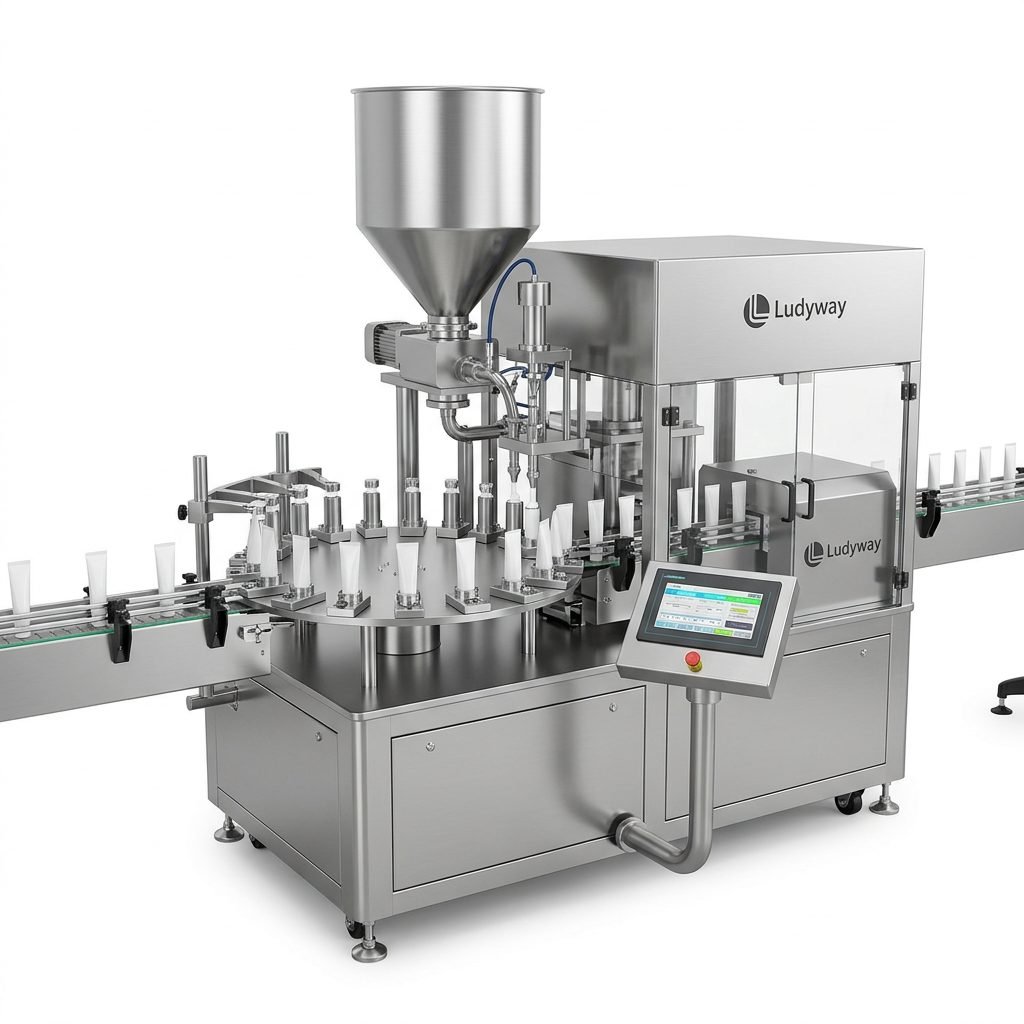
Filling Machines
These are the workhorses of packaging, designed to accurately dispense product into containers. Accuracy is paramount to avoid give-away and ensure compliance.
Key Takeaway: The choice between volumetric, auger, net weight, and liquid fillers depends entirely on your product’s form (granule, powder, liquid) and the required precision.
Volumetric Fillers
Ideal for free-flowing granules or powders, these machines use cups or pistons to measure a consistent volume per cycle. They offer high-speed operation and are cost-effective for many dry goods.
Auger Fillers
Perfect for powders, spices, and non-free-flowing products. A rotating auger screw conveys a precise amount of product. They excel in handling fine, dusty, or cohesive materials that challenge other filler types.
Liquid Fillers
Ranging from simple gravity fillers to sophisticated piston or pump fillers, these handle sauces, oils, dressings, and beverages. Sanitary design and prevention of dripping or foaming are critical features.
Sealing Machines
Sealing creates a hermetic barrier against contaminants, moisture, and air. The method varies by packaging material.
Heat Sealers
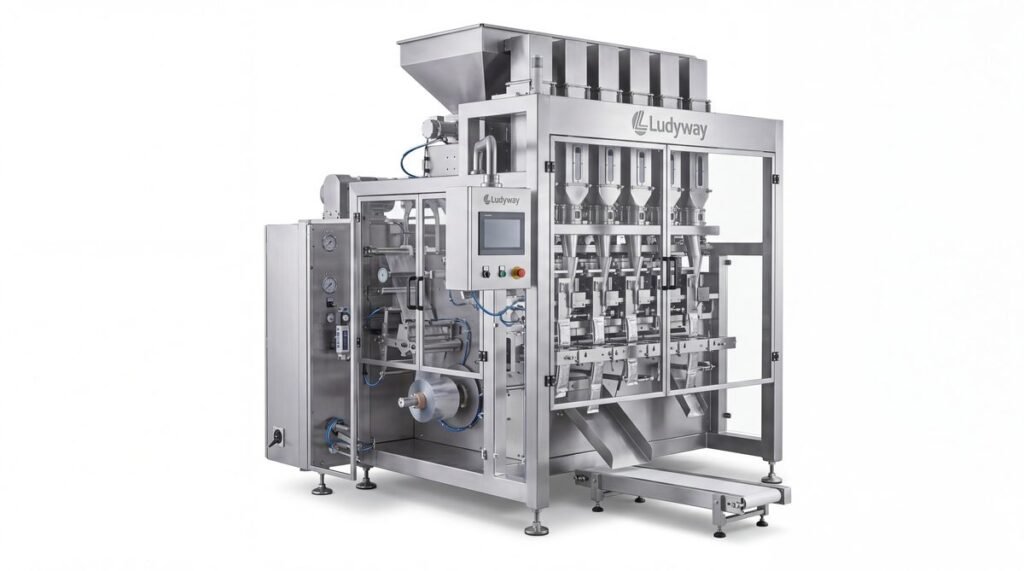
Common for pouches, sachets, and stick packs made from thermoplastic films. Heated jaws melt the inner layer of the film to form a bond. Consistent temperature control ensures strong, leak-proof seals.
Induction Sealers
Used for containers with a foil liner under a plastic cap. An electromagnetic field heats the foil, bonding it to the container rim. This provides a tamper-evident, leak-proof secondary seal crucial for liquids and sensitive products.
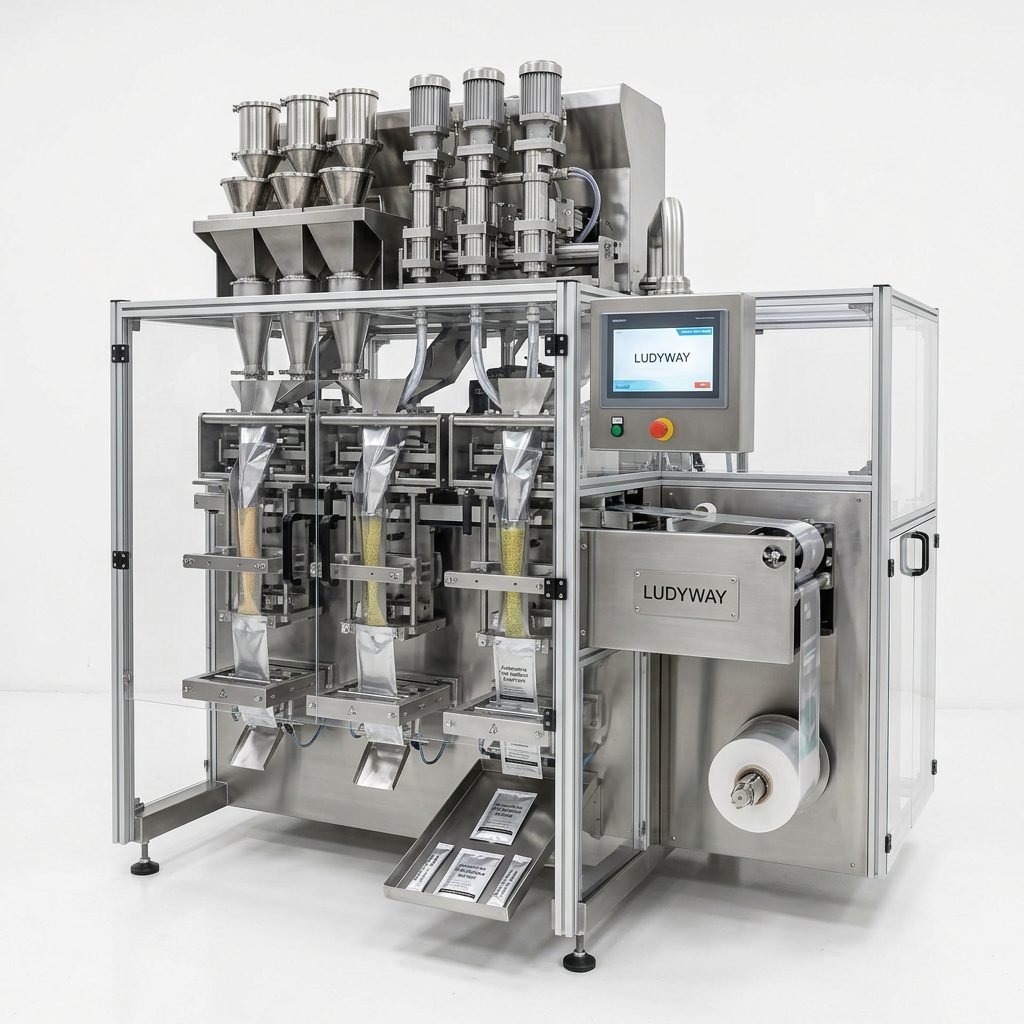
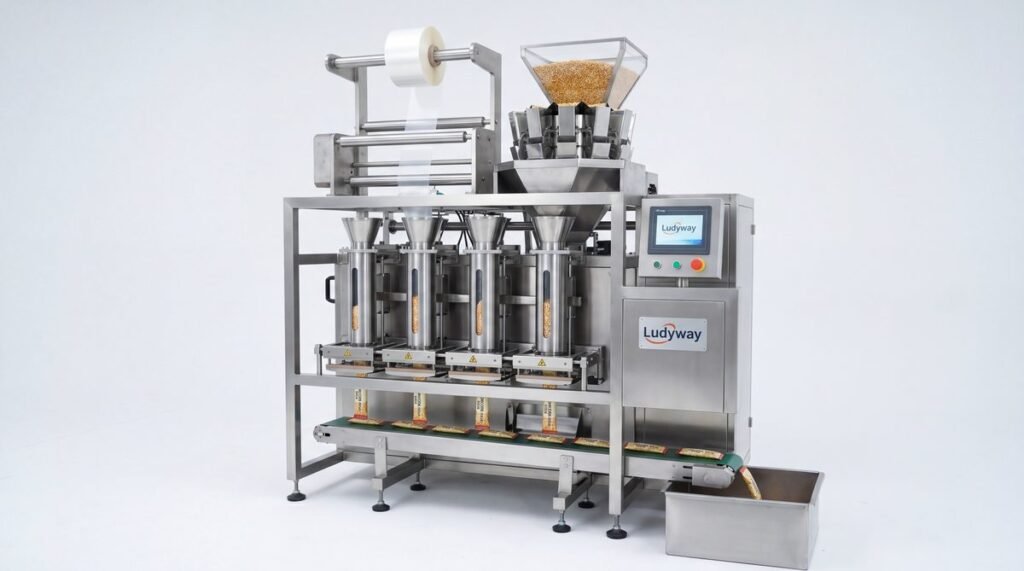
Form-Fill-Seal (FFS) Machines
FFS machines are highly integrated systems that form packaging from a roll of film, fill it with product, and seal it—all in one continuous operation. They maximize efficiency and minimize material handling.
Vertical Form-Fill-Seal (VFFS)
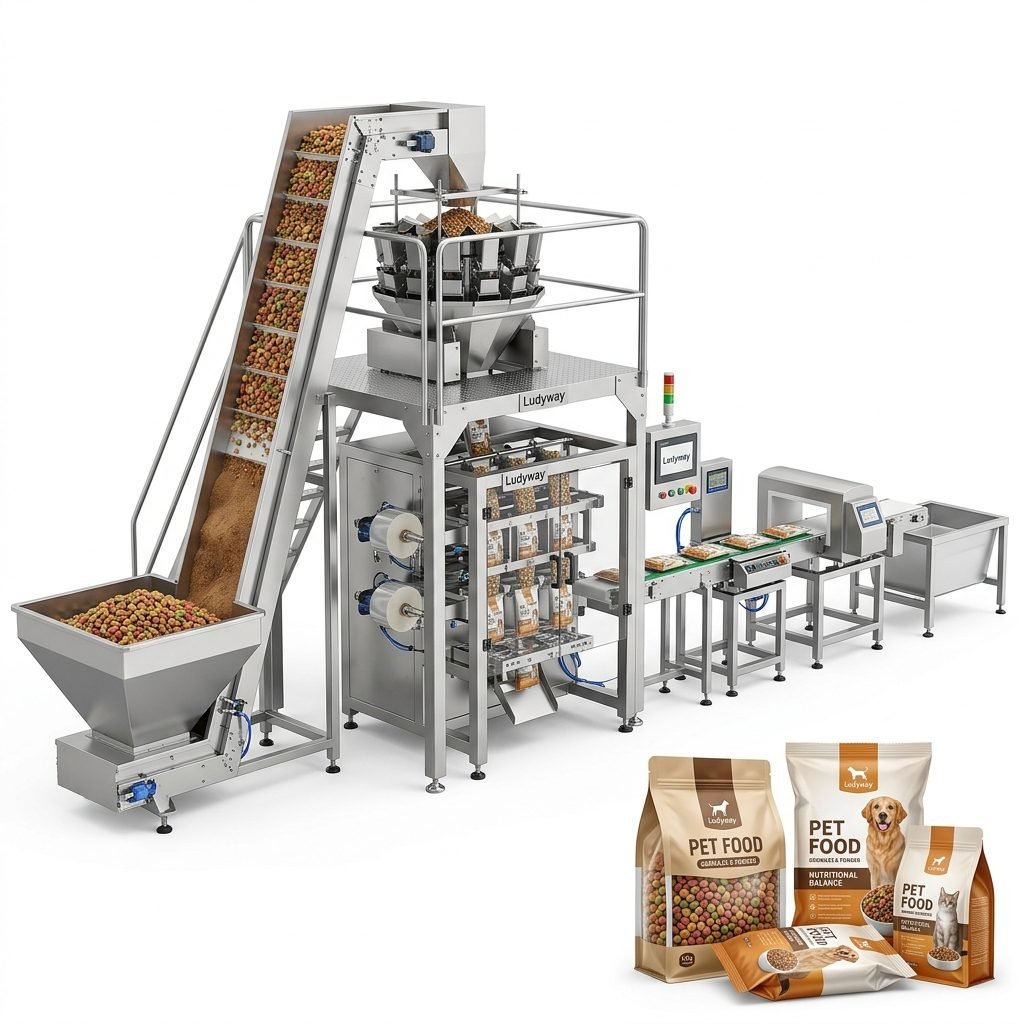
The film moves vertically, forming a tube that is sealed at the bottom, filled, and then sealed at the top. It’s the standard for packaging snacks, grains, frozen foods, and powders into pouches or bags.
Horizontal Form-Fill-Seal (HFFS)
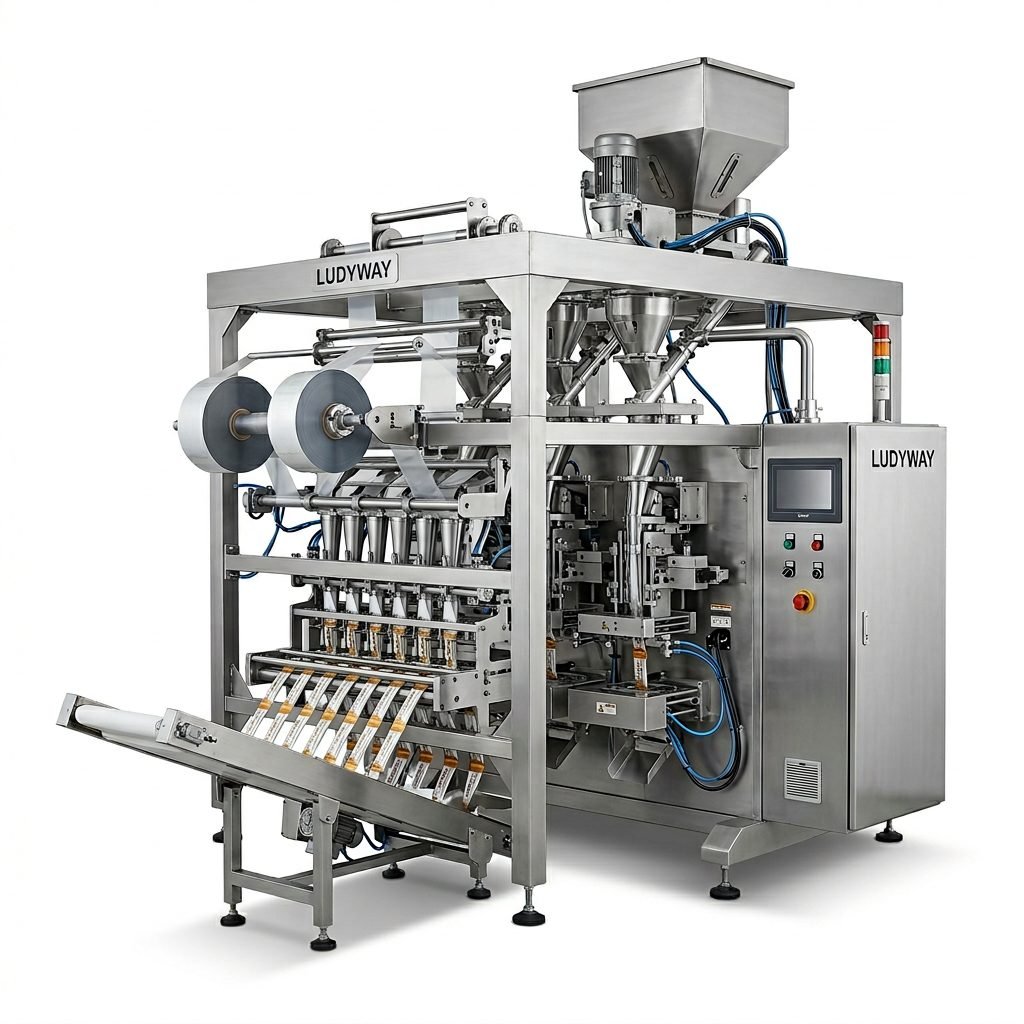
The film moves horizontally, often used for more complex shapes like sachets for sauces, condiments, or pharmaceutical products. It allows for precise placement of multiple products or components in a single pack.
Labeling and Coding Equipment
This equipment applies vital information, branding, and traceability data to the package.
Critical Functions:
Labelers: Apply pre-printed primary labels, nutritional panels, or promotional stickers.
Coders: Print variable data like batch numbers, expiry dates, and barcodes directly onto the package or label using technologies like Inkjet (CIJ/DOD) or Laser.
Core Functions of Packaging Equipment
Beyond their primary task, packaging systems serve several strategic functions for a food business.
Product Protection & Preservation: The fundamental role. Equipment must create a secure barrier against physical damage, oxygen, moisture, and light to maintain freshness and safety.
Operational Efficiency & Speed: Automated equipment dramatically increases output (packages per minute) while reducing labor costs and human error, directly impacting your bottom line.
Dosing Accuracy & Cost Control: Precision filling minimizes product “giveaway,” ensuring you aren’t putting more product than paid for into each package, which saves significant material costs over time.
Brand Presentation & Consistency: High-quality, consistent seals, fills, and labels present a professional image that builds consumer trust and brand equity on the shelf.
Compliance & Traceability: Modern equipment facilitates compliance with food safety regulations (like FDA, EU standards) by enabling accurate labeling, coding, and the use of tamper-evident features.
Comprehensive Selection Guide
Choosing the right machine requires a systematic evaluation of your specific needs.
1. Analyze Your Product Characteristics
This is the most critical step. Define your product’s physical state (liquid, powder, granule, solid), viscosity, abrasiveness, oiliness, and sensitivity (e.g., to heat or pressure). This will narrow down compatible machine types immediately.
2. Define Packaging Specifications
Determine your package type (pouch, bottle, sachet, stick pack), material (film type, thickness), and required seal type. The equipment must be compatible with your chosen packaging format.
3. Evaluate Production Requirements
Calculate your required output speed (packages per minute/hour). Consider both current needs and future growth. Also, assess the desired level of automation—from semi-automatic to fully automated turnkey production lines.
4. Prioritize Hygiene and Safety
For food contact, machines must have easy-to-clean designs, often with stainless steel food-grade surfaces. Ensure the equipment and its materials comply with relevant food safety standards in your target market.
5. Consider Total Cost of Ownership (TCO)
Look beyond the initial purchase price. Factor in installation, operational costs (energy, compressed air), maintenance, spare part availability, and the potential cost of downtime. A reliable machine from a reputable supplier like Ludyway Packing Machine often offers better long-term value.
6. Assess Supplier Support
The supplier’s reputation is key. Evaluate their technical support, training, warranty, and availability of spare parts. A supplier with deep industry experience can provide invaluable guidance and reliable after-sales service.
Frequently Asked Questions (FAQs)
Q1: What is the main difference between VFFS and HFFS machines?
A: VFFS (Vertical) machines are typically used for free-flowing products filled into bags or pouches that are formed from a single roll of film. HFFS (Horizontal) machines are often used for more complex packaging, like sachets containing viscous liquids or multiple components, where the product is placed onto a flat web of film before forming and sealing.
Q2: How do I know if I need an auger filler or a volumetric filler for my powder?
A: If your powder is free-flowing (like sugar or salt) and high speed is a priority, a volumetric filler may suffice. If your powder is fine, compactable, dusty, or non-free-flowing (like flour, spices, or protein powder), an auger filler is almost always necessary for consistent and accurate dosing.
Q3: What are the key hygiene features to look for in food packaging equipment?
A: Prioritize equipment with food-grade stainless steel (e.g., 304 or 316) contact surfaces, minimal crevices where product can accumulate, easy disassembly for cleaning, and designs that prevent lubricant contamination. Sealed electrical components for washdown environments are also crucial.
Q4: Can one machine handle different package sizes?
A: Many modern machines are designed with quick-change features for format flexibility. However, the degree of changeover ease varies. Discuss your need for multiple package sizes with your supplier to ensure the machine can accommodate them with minimal tooling changeover time and cost.
Q5: Why is supplier after-sales support so important?
A: Packaging equipment is a long-term investment. Reliable technical support, readily available spare parts, and proper operator training are essential to minimize costly downtime, ensure optimal machine performance throughout its lifespan, and protect your production output.