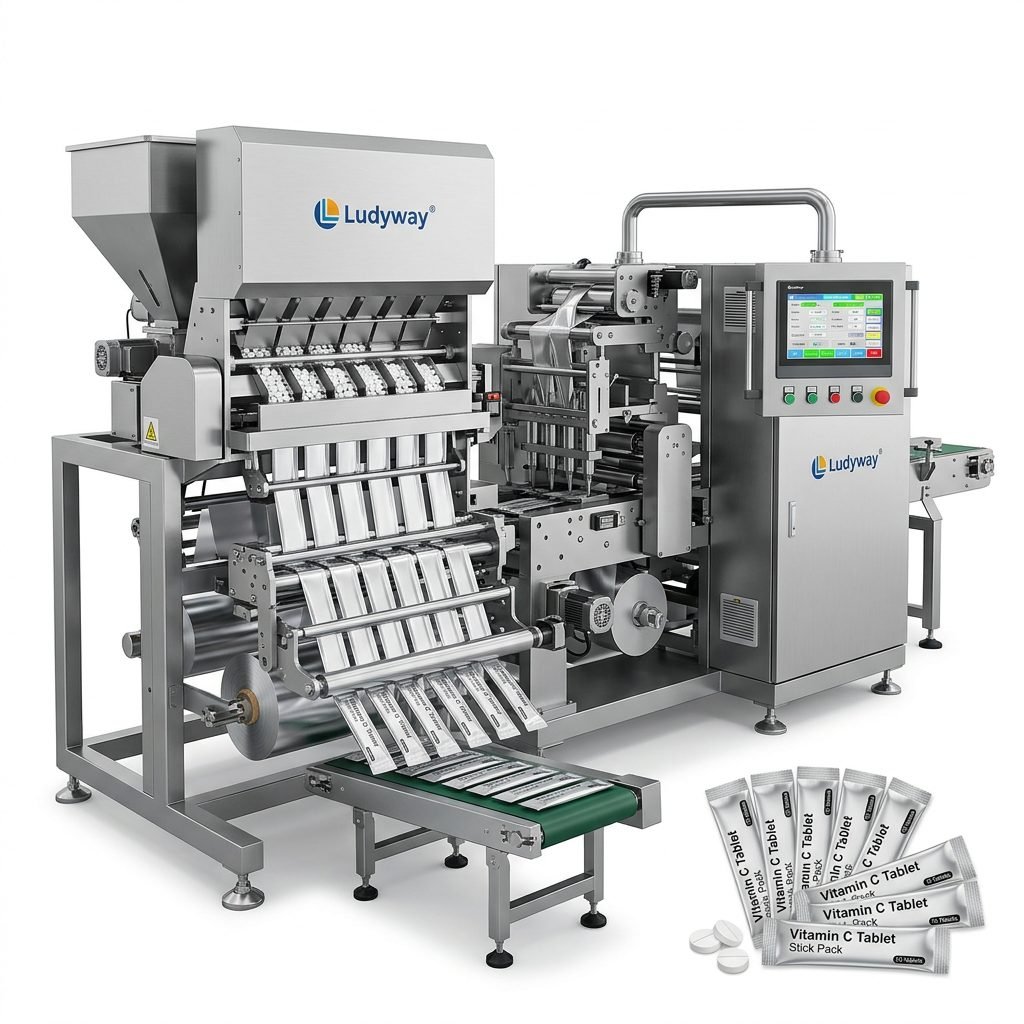
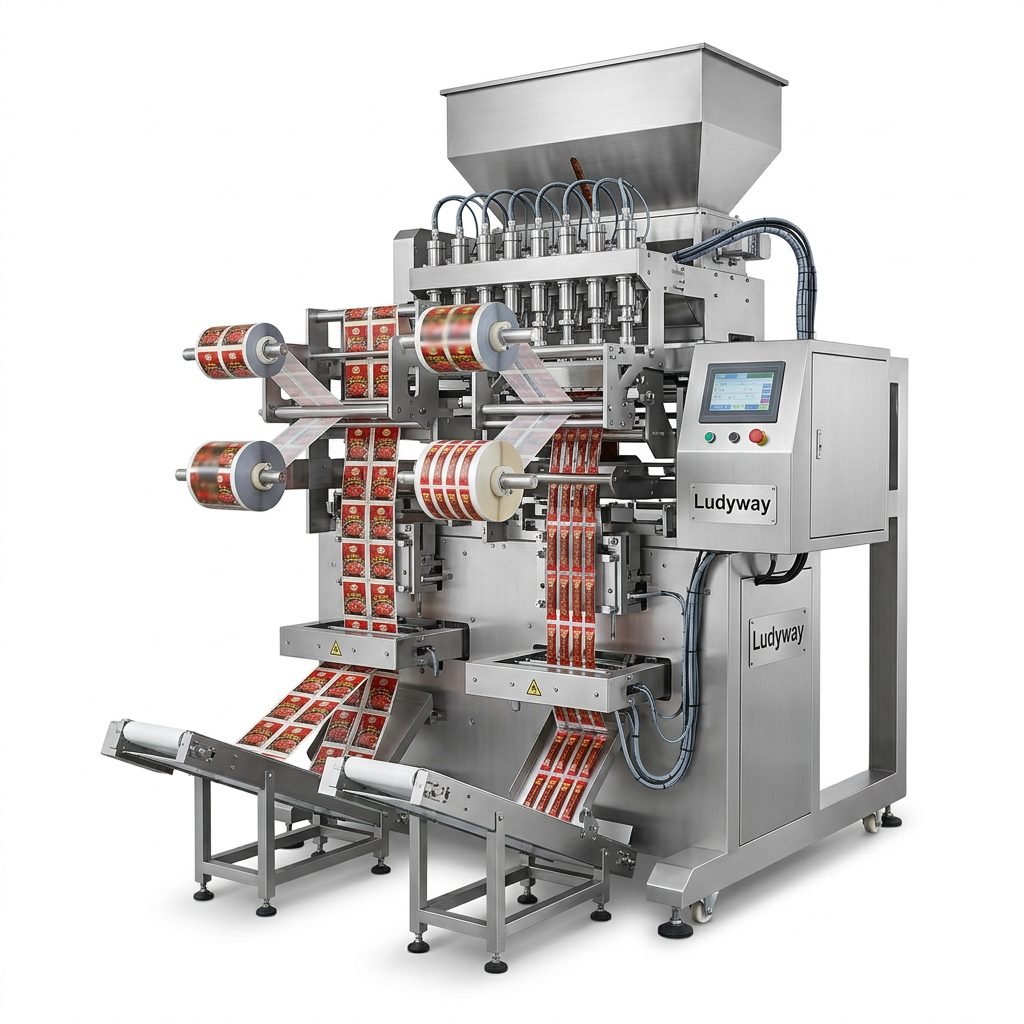
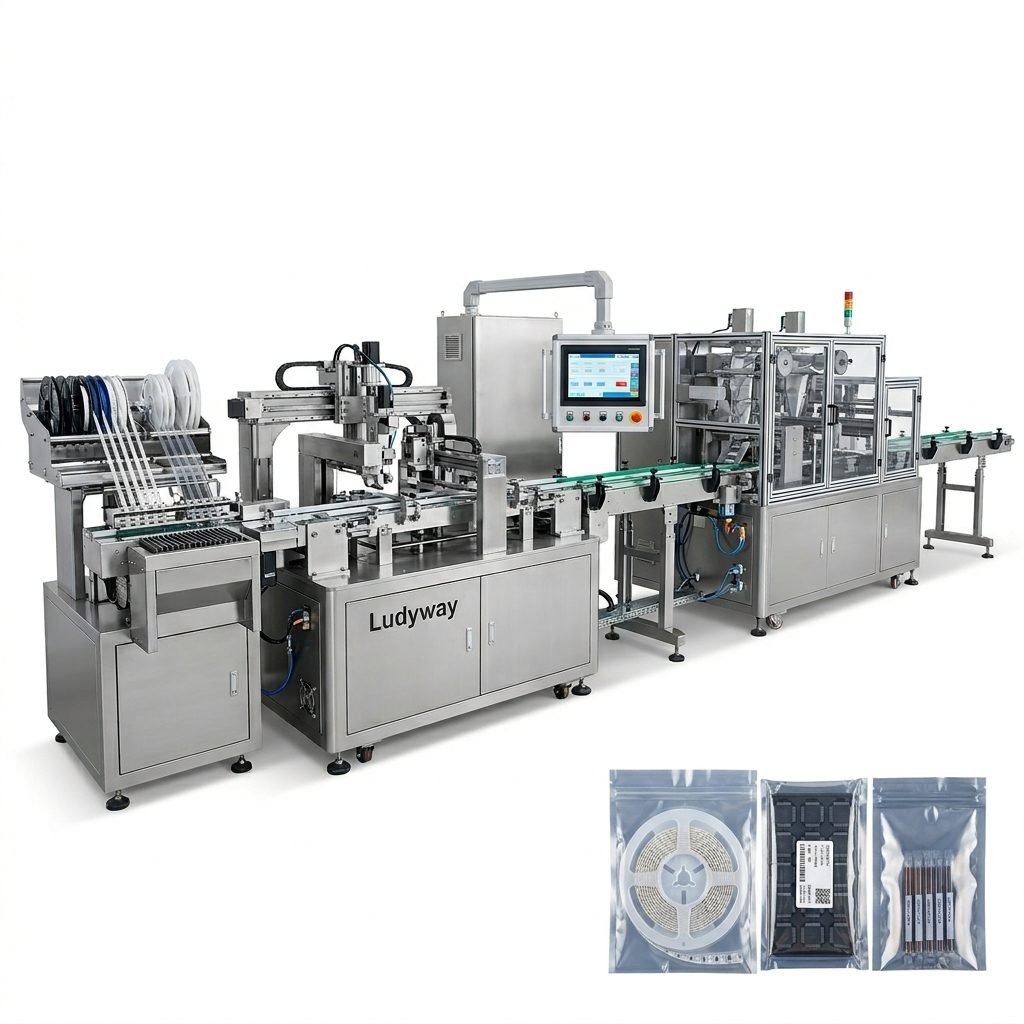
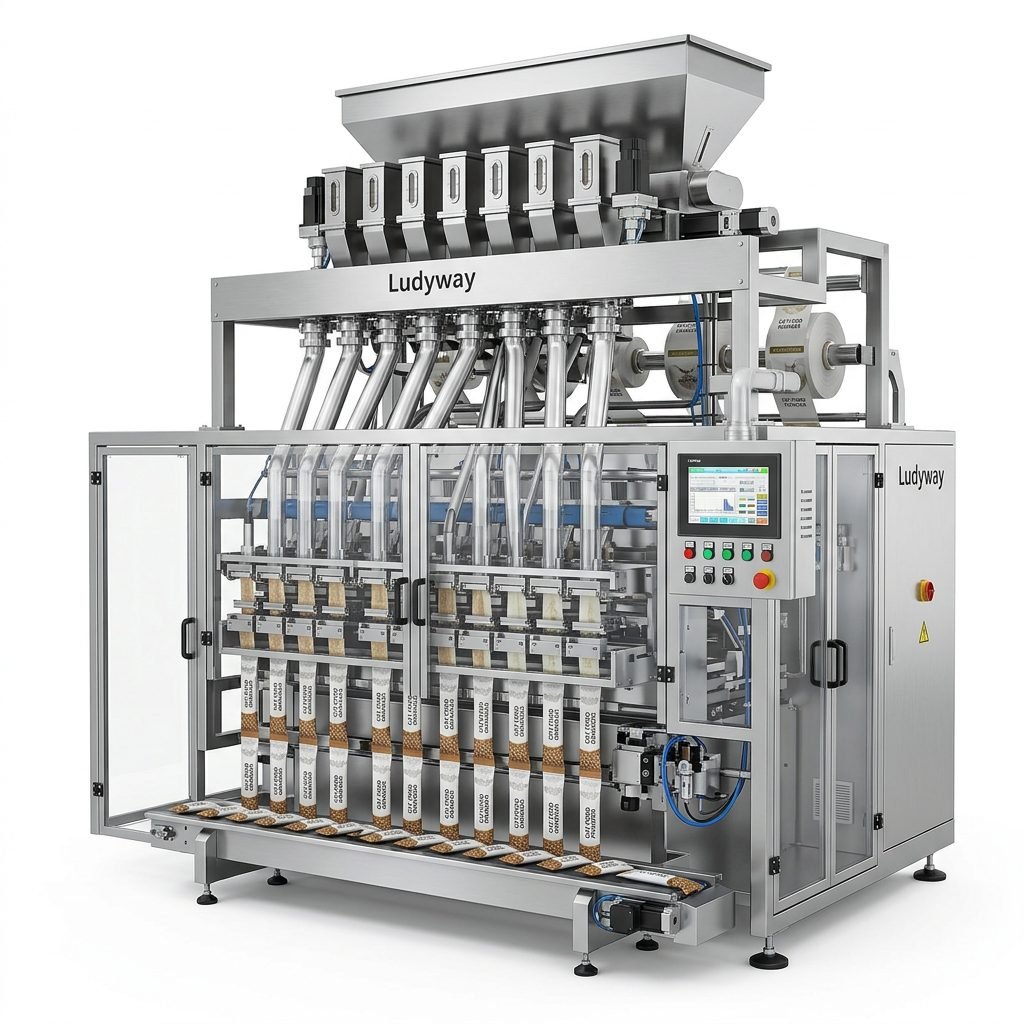
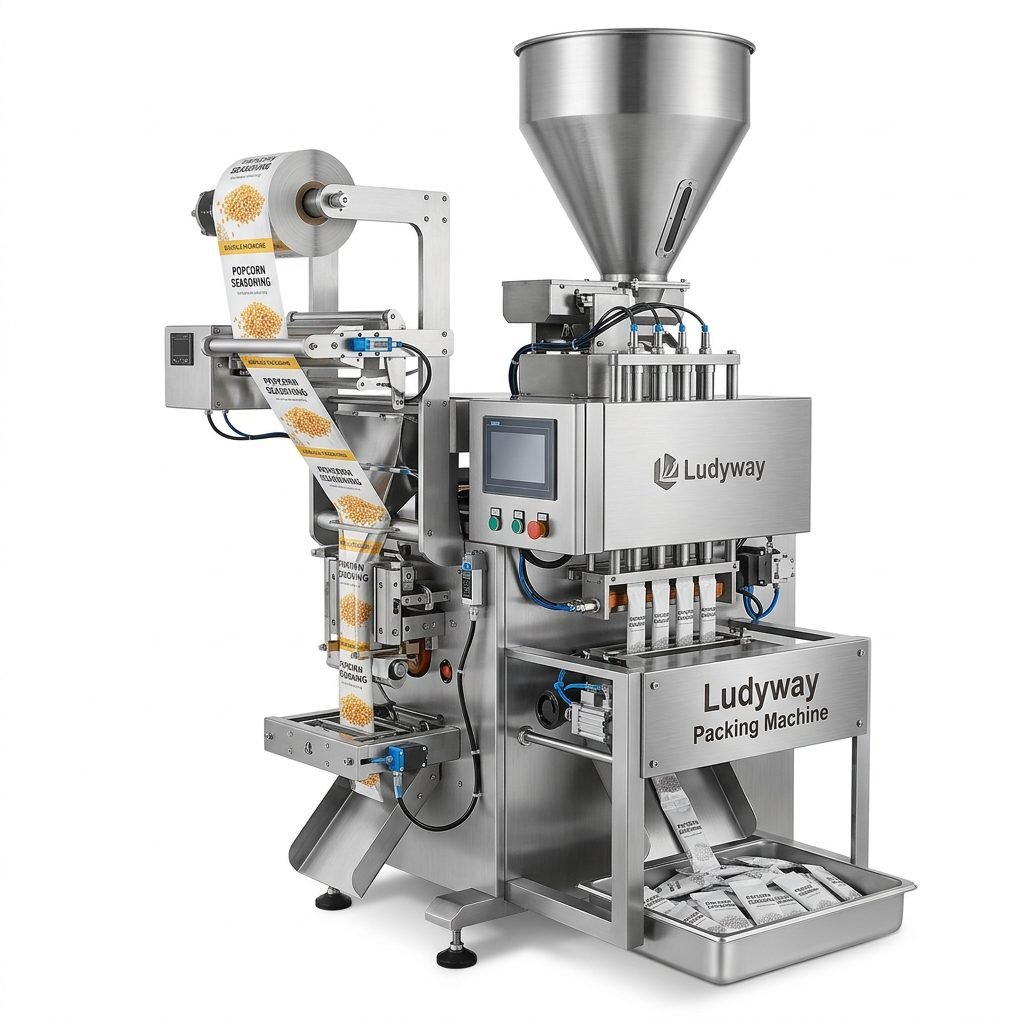
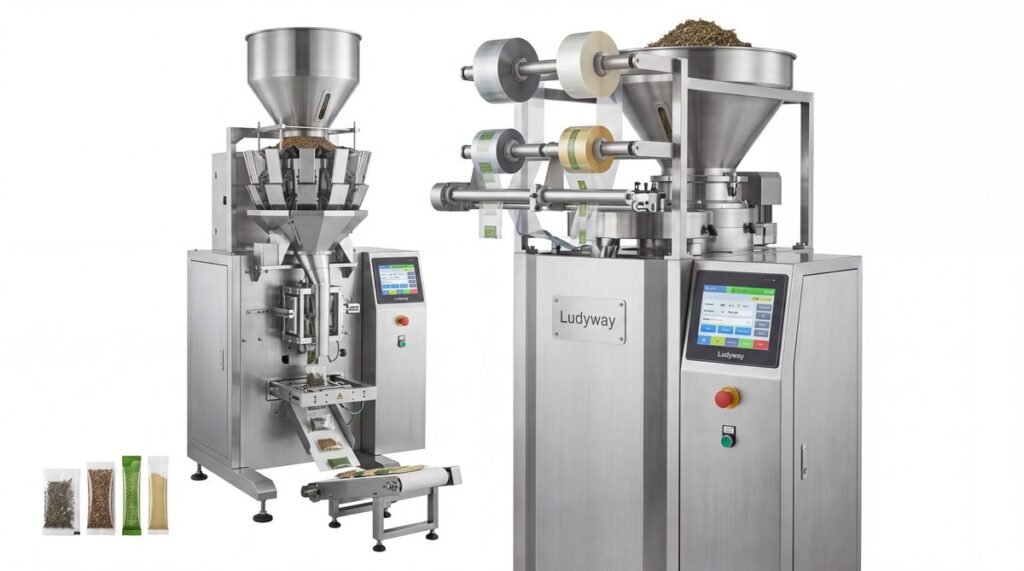
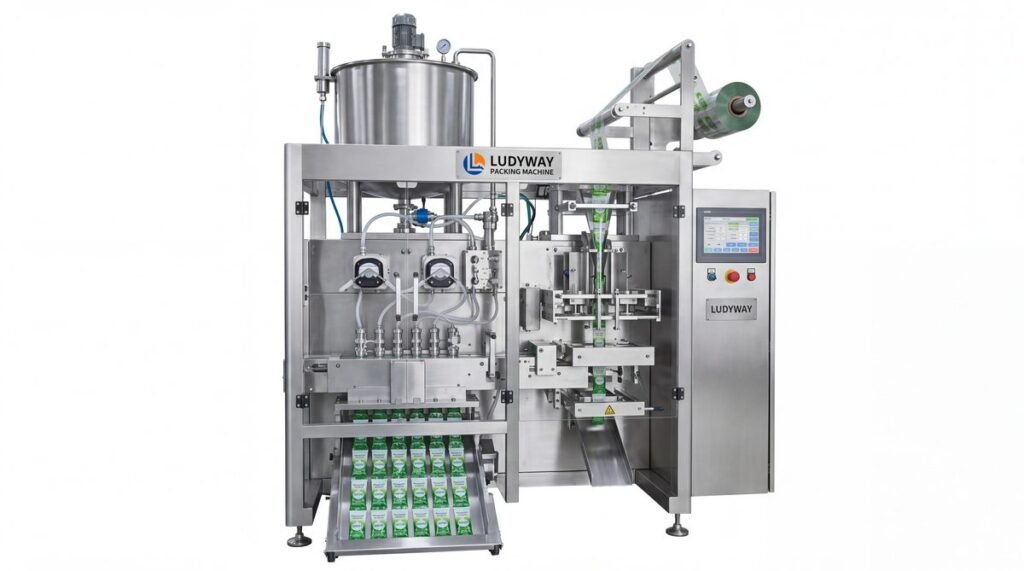
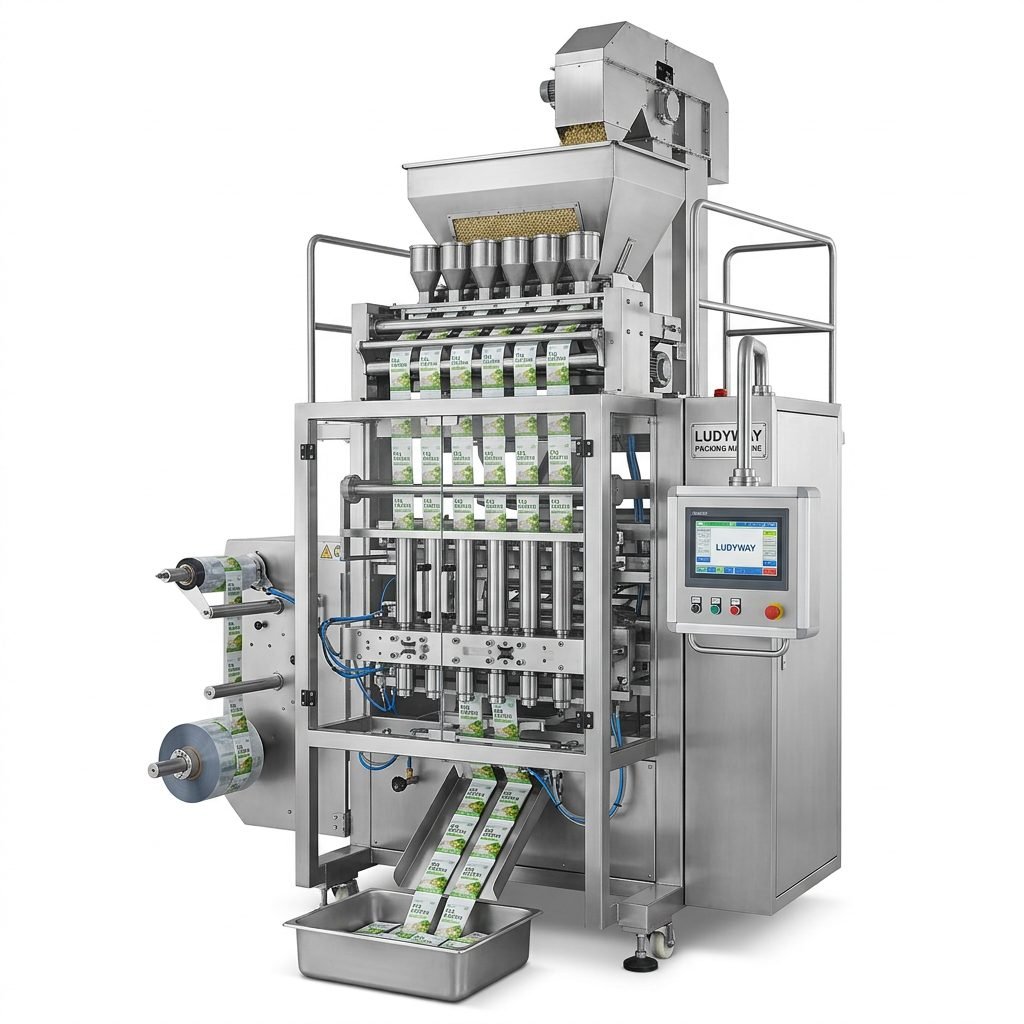
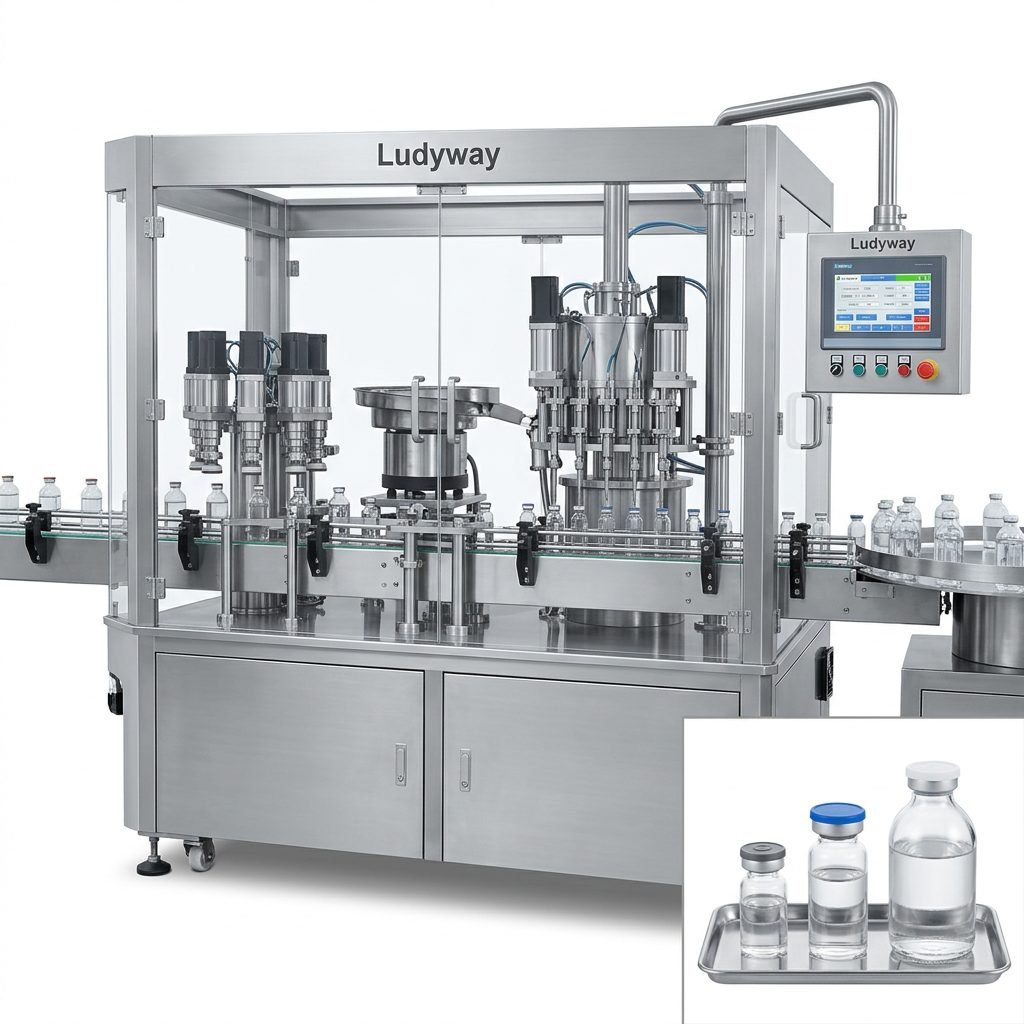
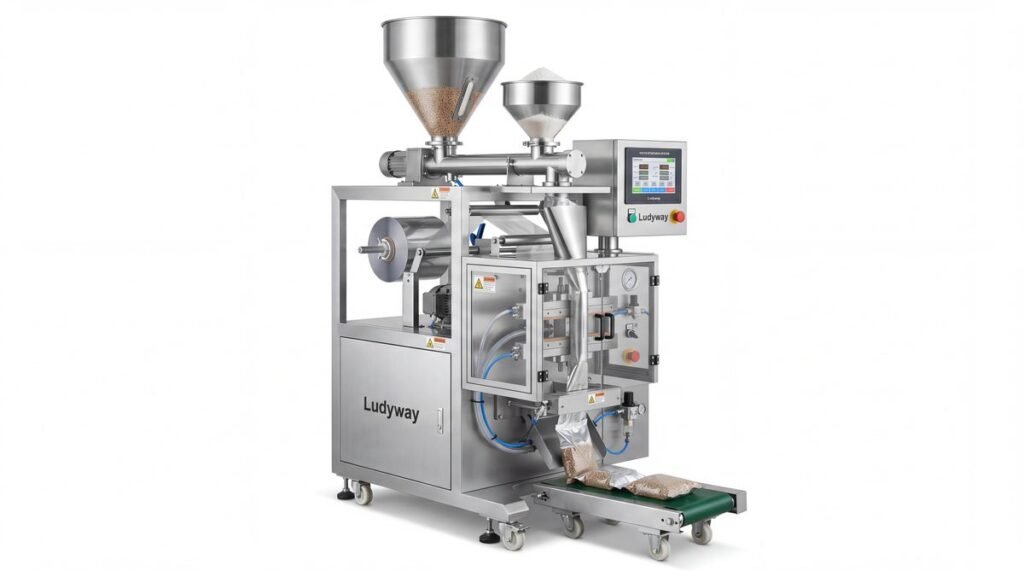
Selecting the right packaging machine manufacturer is a critical decision that directly impacts your production efficiency, product quality, and overall operational success. With numerous companies in the market, from global giants to specialized regional suppliers, identifying the partner that best fits your specific needs requires careful consideration. This guide explores the landscape of top packaging machine companies and provides a detailed framework to help you choose the ideal manufacturer for your production line.
Understanding the Packaging Machinery Landscape
The packaging machinery industry is diverse, with companies specializing in different technologies, industries, and scales of operation. Major players often offer comprehensive lines for filling, sealing, labeling, and cartoning, while niche manufacturers might excel in specific areas like stick pack machines or liquid dosing systems. When beginning your search, it’s helpful to categorize potential suppliers by their core competencies and market focus.
Key Supplier Categories:
➤ Full-Line Integrators: These companies provide end-to-end solutions, from single machines to complete turnkey packaging lines. They are ideal for large-scale projects requiring system integration.
➤ Specialized Technology Experts: Manufacturers focused on a particular packaging format (e.g., sachets, pouches, bottles) or product type (e.g., powders, granules, viscous liquids). They offer deep expertise in their niche.
➤ Regional Service Champions: Suppliers known for exceptional local support, spare parts availability, and service responsiveness within a specific geographic area.
Core Criteria for Evaluating a Packaging Machine Manufacturer
Beyond the basic specifications, several fundamental factors separate adequate suppliers from exceptional long-term partners. A thorough evaluation should cover the following areas.
1. Technical Capability & Innovation
The manufacturer’s engineering prowess is paramount. Assess their R&D investment, the modernity of their machine designs, and their ability to handle customizations. A company like Ludyway Packaging Machinery, with over 30 years of industry experience and a portfolio of 50+ intelligent machine models, demonstrates a commitment to evolving technology. Look for features like user-friendly HMI controls, precision dosing systems, and robust construction that ensures longevity.
2. Industry Experience & Application Knowledge
Machinery that works for snacks may not be suitable for pharmaceuticals. Choose a manufacturer with proven success in your specific sector—be it food, pharmaceutical, health products, or chemicals. Their experience translates into understanding unique challenges like hygiene standards (e.g., FDA, GMP), product characteristics, and regulatory compliance. Review their case studies and ask for references from clients with similar products.
3. Production Scale & Flexibility
Can the manufacturer support your required output? Evaluate their own production facility’s scale. For instance, a partner operating from a 20,000㎡ modern production facility likely has the capacity for consistent quality and timely delivery. Also, consider if they offer scalable solutions, allowing you to start with a semi-automatic machine and later upgrade to a fully automated line as your business grows.
4. Quality Assurance & Reliability
Reliability is non-negotiable in production. Inquire about the quality of components (e.g., motors, PLCs, sensors), assembly processes, and testing protocols. Machines should undergo rigorous factory acceptance tests (FAT) before shipment. A reliable machine minimizes downtime, reduces maintenance costs, and ensures consistent package quality, protecting your brand reputation.
5. After-Sales Support & Service Network
The relationship begins after installation. Comprehensive support includes thorough operator training, clear technical documentation, readily available spare parts, and responsive technical assistance. A global service network or reliable local agents are crucial for minimizing production stoppages. Ensure the manufacturer is committed to long-term partnership, not just a one-time sale.
The Selection Process: A Step-by-Step Guide
Turning these criteria into action requires a structured approach. Follow this process to systematically narrow down your options and make a confident decision.
Step 1: Define Your Requirements Precisely
Create a detailed specification sheet covering: product type (granule, powder, liquid), desired packaging format (stick pack, sachet, pouch), target speed (packages per minute), materials (film type), and any special needs (nitrogen flushing, dust extraction).
Step 2: Research & Create a Shortlist
Use industry directories, trade shows, and peer recommendations to identify 5-10 potential suppliers. Review their websites, technical literature, and online presence to gauge their suitability.
Step 3: Request Proposals & Conduct Deep-Dive Meetings
Submit your RFQ to the shortlisted companies. Schedule video calls or factory visits to discuss your project in detail, assess their communication skills, and see their operations. Ask to see similar working machine videos.
Step 4: Evaluate Proposals & Check References
Compare proposals not just on price, but on total value: machine features, warranty terms, delivery timeline, and payment terms. Speak directly to 2-3 of their existing customers.
Step 5: Final Negotiation & Contract Clarity
Clarify all terms, including responsibilities for installation, commissioning, training, and after-sales support. Ensure the contract includes detailed technical specifications and performance guarantees.
Why a Strategic Partnership Matters
Choosing a manufacturer is not merely a procurement activity; it’s forming a strategic partnership. The right partner, such as Ludyway, which focuses on innovative, efficient, and high-quality automated solutions, becomes an extension of your team. They can provide insights on future trends, help optimize your packaging process, and support your expansion into new markets or product lines. This collaborative approach ensures your packaging operations remain competitive and agile.
Common Questions (FAQs)
What is the typical lead time for a standard packaging machine?
Lead times vary based on complexity and customization. For standard models from established manufacturers, expect 8-16 weeks from order to shipment. Always confirm this during the quotation stage and plan your project timeline accordingly.
Can one machine handle multiple different products or package sizes?
Many modern machines offer quick-changeover features, allowing you to switch between similar products or sizes with minimal downtime (e.g., 15-30 minutes). However, significant differences in product characteristics (e.g., from powder to granules) usually require dedicated machines or major component changes.
How important is it to visit the manufacturer’s factory before purchasing?
Highly recommended. A factory visit allows you to inspect build quality, observe testing procedures, meet the engineering team, and assess the company’s professionalism firsthand. It’s one of the best ways to build trust and verify capabilities.
What are the key differences between semi-automatic and fully automatic packaging systems?
Semi-automatic machines require some manual intervention (like feeding bags or initiating cycles) and are lower cost, suitable for lower volumes or start-ups. Fully automatic systems integrate all steps (forming, filling, sealing, counting) and are designed for high-volume, continuous production with minimal labor.
What ongoing costs should I budget for after the machine purchase?
Beyond the initial investment, budget for regular maintenance, spare parts (like sealing jaws and photocells), consumables (lubricants), potential utility upgrades, and operator training refreshers. A reliable supplier will help you forecast these costs.