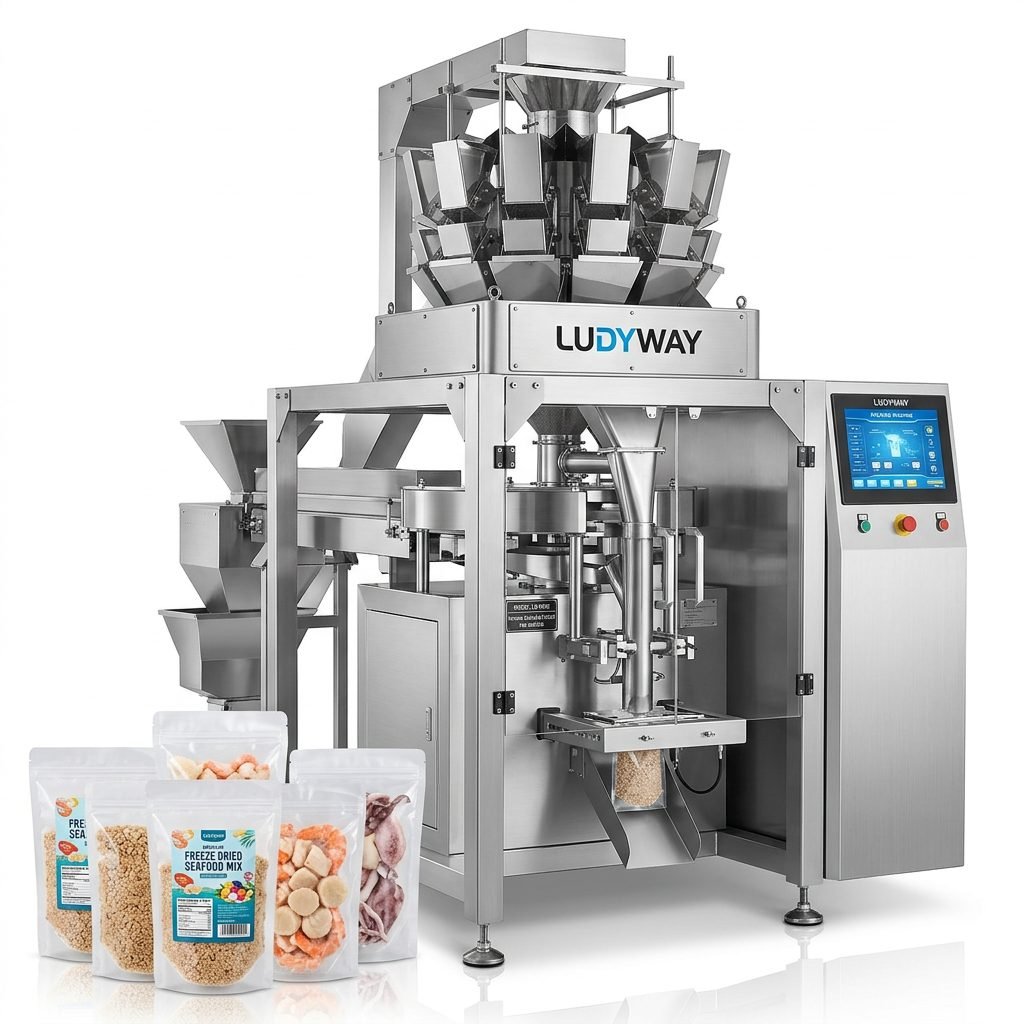
Selecting the right tuna can packaging machine is a critical decision for any seafood processing business. This comprehensive guide will walk you through the different types of machines, their key features, pricing factors, and a step-by-step framework to help you choose the best equipment for your production line, ensuring efficiency, quality, and a strong return on investment.
Understanding Tuna Can Packaging Machines
These specialized machines automate the process of filling, sealing, and preparing tuna cans for distribution. They are designed to handle the specific challenges of seafood packaging, such as maintaining product integrity, ensuring hermetic seals for shelf stability, and operating in environments that require high standards of hygiene and corrosion resistance. Investing in the right system can dramatically increase output, reduce labor costs, and minimize product waste.
Core Function:
The primary function is to automate the filling of pre-cooked tuna into cans, followed by the addition of oil, brine, or water, and finally the sealing of the can with a lid. Advanced systems may also include pre-vacuumizing chambers to remove air before sealing, which is crucial for extending shelf life and preserving flavor.
Primary Types of Tuna Can Packaging Machinery
The market offers several configurations, each suited to different production scales and operational complexities.
1. Semi-Automatic Tuna Can Sealers
These machines require manual loading of filled cans onto the sealer. An operator places the lid, and the machine performs the clinching and sealing process. They are ideal for small to medium-scale producers, startups, or businesses with lower volume requirements or multiple product lines.
- ✓ Lower initial investment and simpler maintenance.
- ✓ Greater flexibility for short production runs.
- ✗ Higher labor dependency and lower overall output speed.
2. Automatic Rotary Canning Lines
This is the most common system for medium to high-volume production. Cans are automatically fed, filled, lidded, and sealed in a continuous rotary motion. They are highly efficient and can be integrated with upstream processes like cooking and downstream processes like labeling.
- ✓ High-speed production with consistent output.
- ✓ Integrated vacuum sealing and coding capabilities.
- ✗ Significant capital investment and floor space requirement.
3. Full Turnkey Packaging Lines
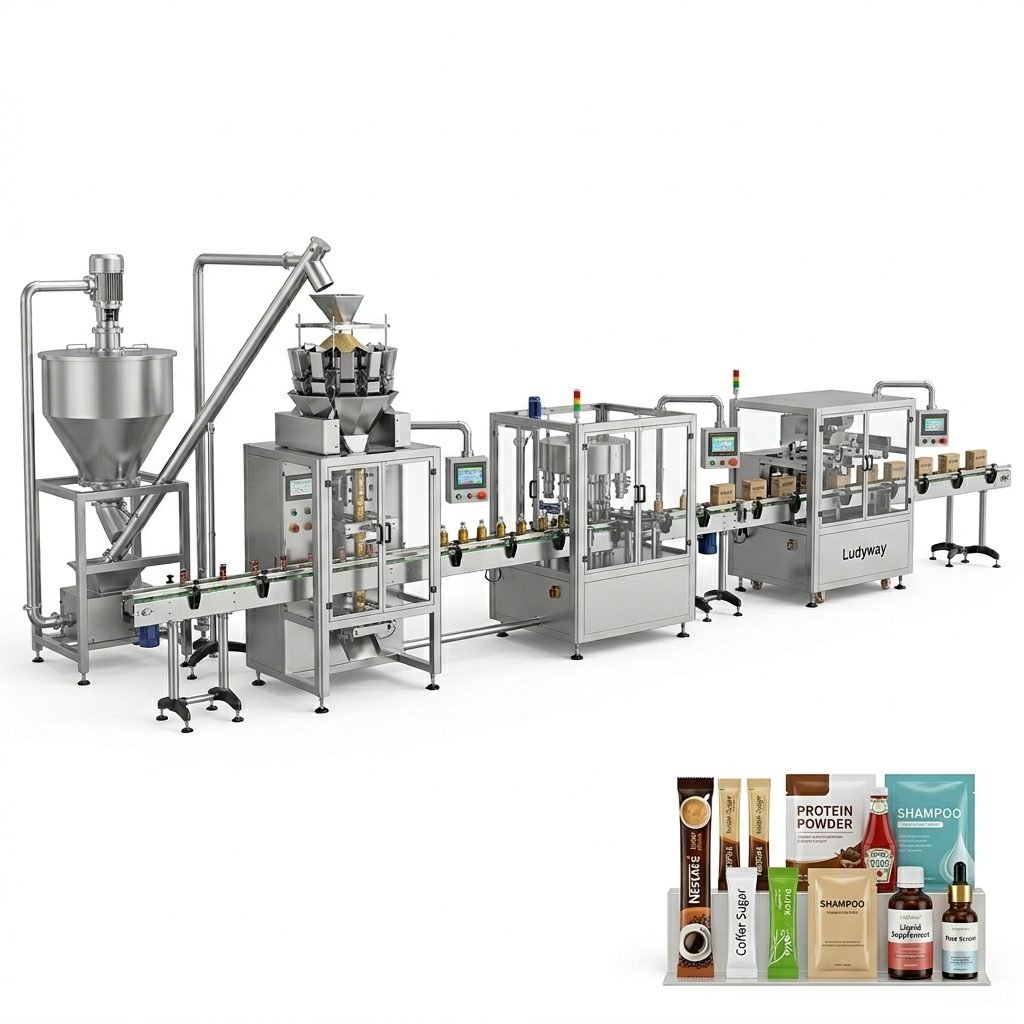
These are complete, integrated systems that handle everything from empty can depalletizing to filled case palletizing. They include the can filler, seamer, cooker/cooler (retort), labeler, and case packer. Providers like Ludyway Packaging Machinery specialize in designing such customized solutions to match exact production goals.
Key Advantage: A turnkey line ensures seamless compatibility between all components, optimized workflow, and single-source accountability for service and parts, which minimizes downtime and technical headaches.
Essential Features & Technical Considerations
Beyond the basic type, several features dictate performance, product quality, and operational cost.
Construction & Hygiene
Look for machines constructed with food-grade stainless steel (e.g., SS304 or SS316) on all product contact surfaces. This prevents corrosion from salt and acids, ensures easy cleaning, and complies with global food safety standards like FDA and EHEDG guidelines.
Seaming Technology
The seamer is the heart of the machine. It creates the double-seam that makes the can hermetic. Critical factors include:
• Seam Consistency: Precision rollers and chucks are vital for a perfect seal every time.
• Changeover Time: How quickly can the seamer be adjusted for different can sizes? Look for quick-change parts.
• Vacuum Capability: Integrated vacuum pumps remove air from the headspace before sealing, critical for product quality.
Automation & Control Level
Modern machines feature Programmable Logic Controllers (PLCs) and touch-screen Human-Machine Interfaces (HMIs). These allow for recipe storage, precise parameter control, production data tracking, and easier troubleshooting. Connectivity for Industry 4.0 data collection is a growing trend.
Speed & Capacity
Speed is measured in cans per minute (CPM). Your required speed depends on your target output. Remember, the slowest machine in your line (often the seamer) determines the overall line speed. Balance speed needs with budget and future growth projections.
Guide to Pricing & Investment Factors
Prices vary widely based on automation level, speed, brand, and customization.
- Semi-Automatic Sealers: $10,000 – $50,000 USD.
- Automatic Rotary Lines: $80,000 – $300,000+ USD.
- Full Turnkey Lines: $500,000 to several million USD, depending on scale and complexity.
Beyond the Sticker Price: Total Cost of Ownership (TCO)
When evaluating cost, consider the Total Cost of Ownership:
• Installation & Training: Costs for technicians and operator training.
• Energy & Consumables: Power usage, compressed air, and spare parts (seaming rolls, gaskets).
• Maintenance & Service: Availability and cost of technical support. Partnering with a reliable supplier like Ludyway Machinery, known for strong after-sales support, can significantly reduce long-term TCO.
• Production Efficiency: A slightly more expensive but more reliable and faster machine can pay for itself through reduced downtime and higher output.
How to Choose the Best Machine: A Step-by-Step Framework
Step 1: Analyze Your Current & Future Needs
Define your current production volume and realistic 3-5 year growth forecast. Determine the range of can sizes and shapes you use or plan to use. This prevents buying a machine that becomes obsolete too quickly.
Step 2: Assess Your Production Environment
Evaluate your available factory floor space, utility connections (power, compressed air, water), and in-house technical expertise. This will narrow down the type and size of machine that is feasible to install and maintain.
Step 3: Research Reputable Suppliers
Look for manufacturers or integrators with proven experience in seafood or canned food packaging. Request client references and, if possible, visit a working installation. Review their service network and spare parts policy. A supplier’s reputation for reliability is as important as the machine’s specs.
Step 4: Request Detailed Proposals & Conduct Trials
Provide potential suppliers with your exact product and production data. Request a detailed quotation including all specifications, delivery terms, warranty, and service costs. Always insist on a production trial using your actual tuna product and cans to verify performance, fill accuracy, and seal quality.
Step 5: Evaluate the Complete Package
Make your final decision based on a combination of machine quality, supplier support, overall value (TCO), and compatibility with your team’s capabilities. The cheapest option often becomes the most expensive in the long run due to downtime and poor support.
For businesses seeking a comprehensive solution, exploring customized packaging line solutions from experienced integrators can streamline this entire process.
Frequently Asked Questions (FAQs)
1. What is the most important part of a tuna can packaging machine?
The seaming head is arguably the most critical component. It is responsible for creating the airtight double seam that ensures product safety and shelf life. Its precision, reliability, and ease of maintenance are paramount.
2. Can one machine handle different can sizes?
Yes, most machines are capable of changeovers, but the time and complexity involved vary. Semi-automatic machines may require manual adjustments, while high-speed rotary lines use “quick-change” parts. Always clarify changeover time and procedures with the supplier.
3. How do I ensure the machine meets food safety standards?
Verify that the machine is constructed with appropriate food-grade materials (stainless steel) and that the supplier can provide documentation or design features that comply with relevant standards (e.g., FDA, USDA, EU regulations) for your target markets.
4. What kind of maintenance does these machine require?
Daily cleaning and lubrication, weekly checks of seamer roll conditions and wear parts, and periodic major servicing as per the manufacturer’s schedule. A robust preventive maintenance plan is essential to avoid unplanned stoppages.
5. Why is creating a vacuum in the can so important?
Removing oxygen from the headspace before sealing prevents oxidation (which causes rancidity and color change), inhibits the growth of aerobic bacteria, and helps maintain the concave shape of the can ends, which is a visual indicator of seal integrity for consumers.