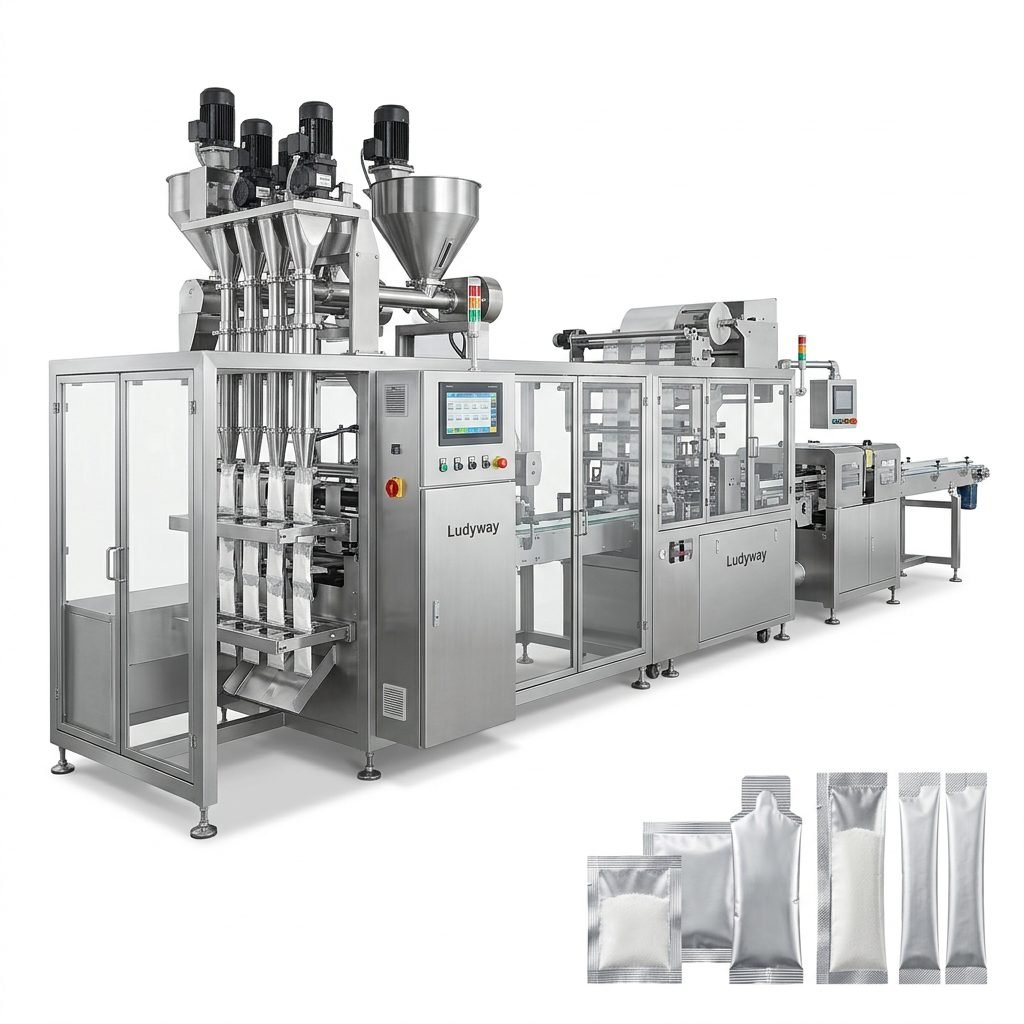
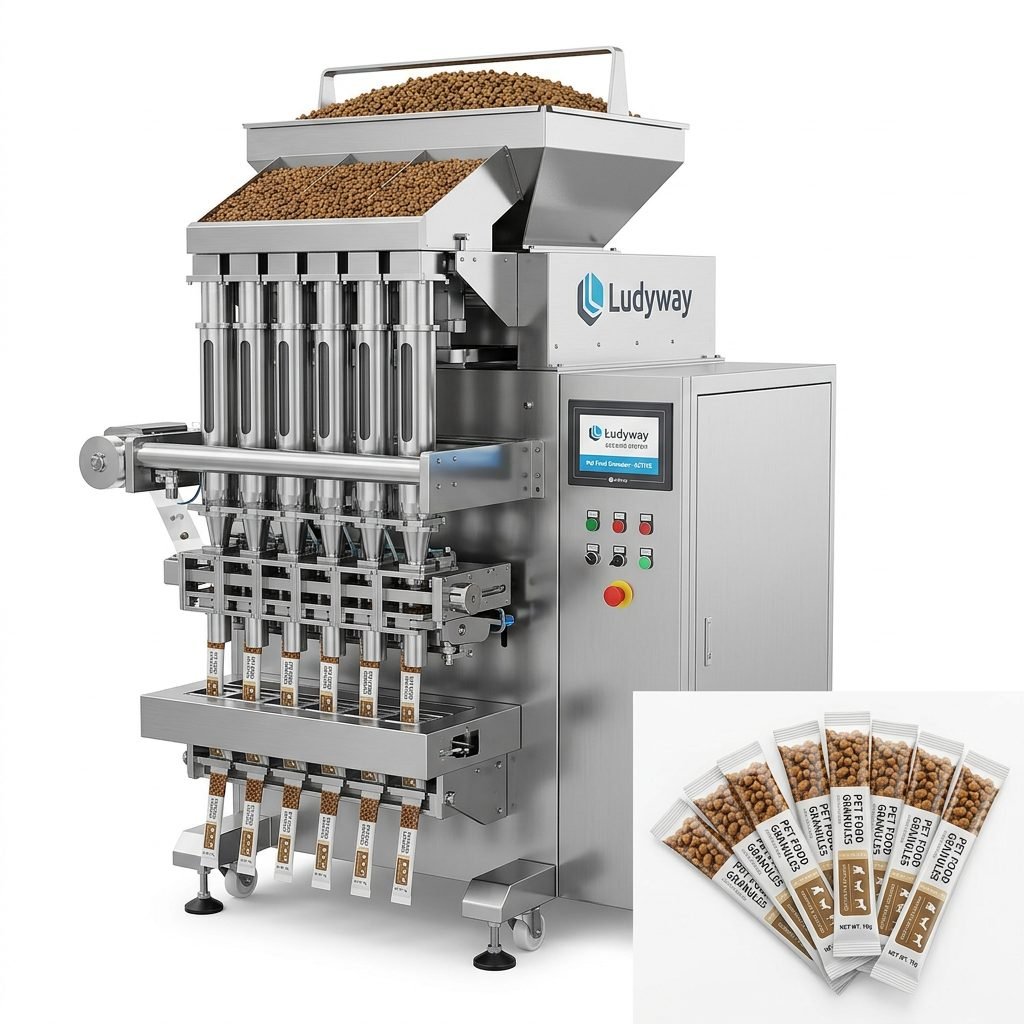
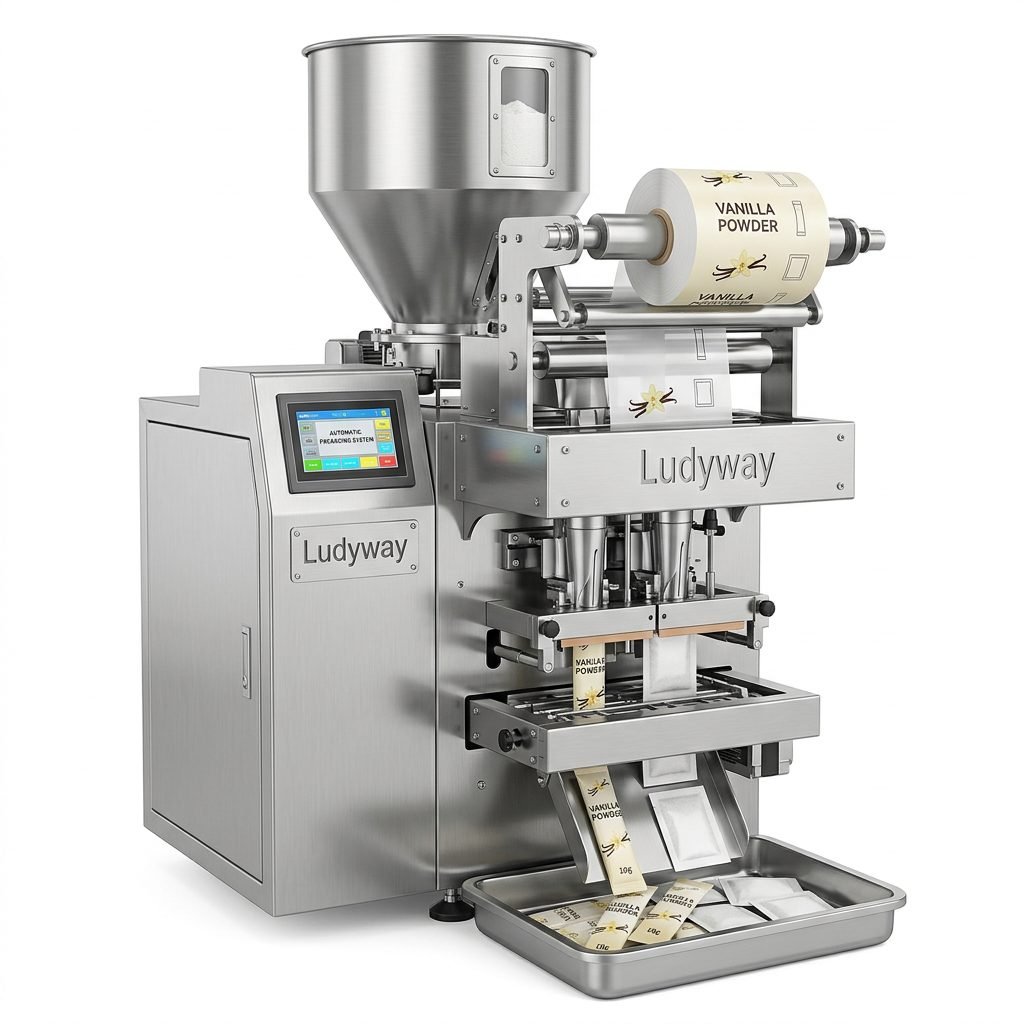
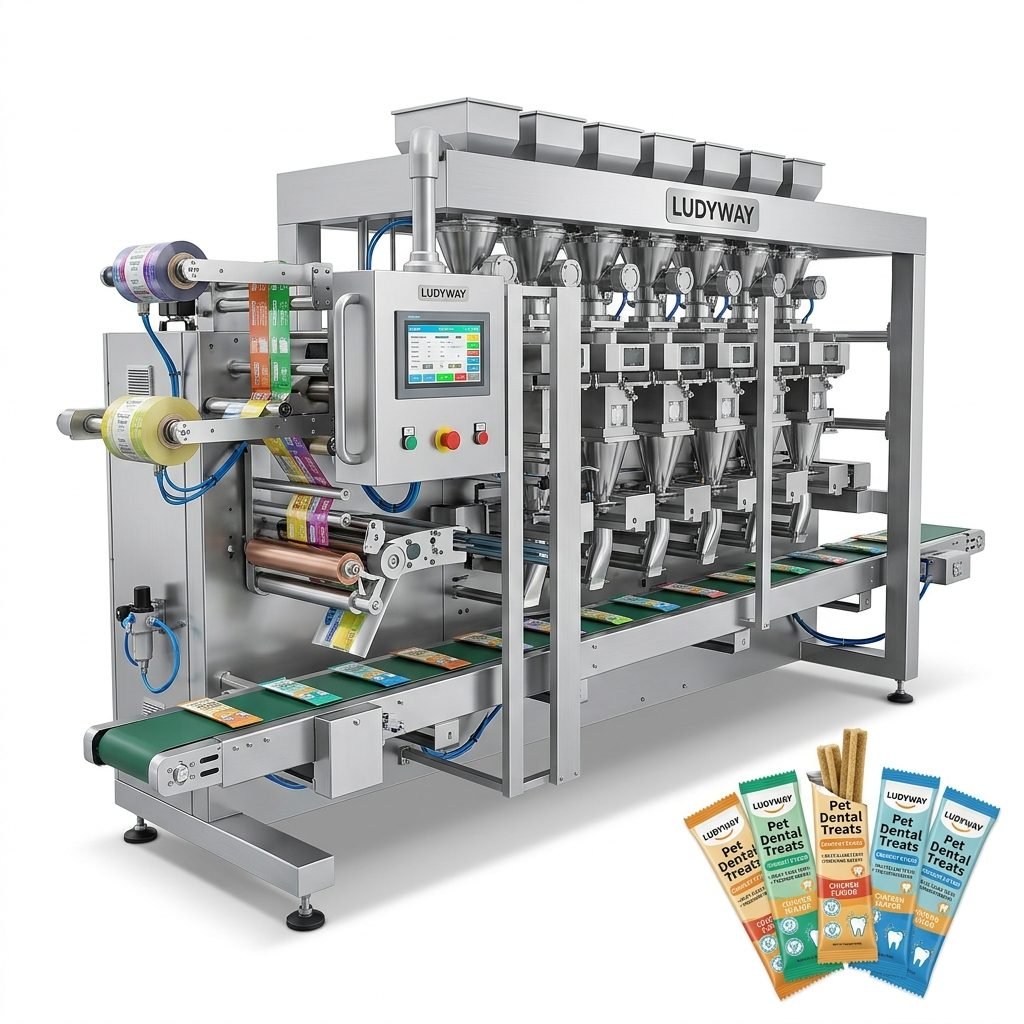
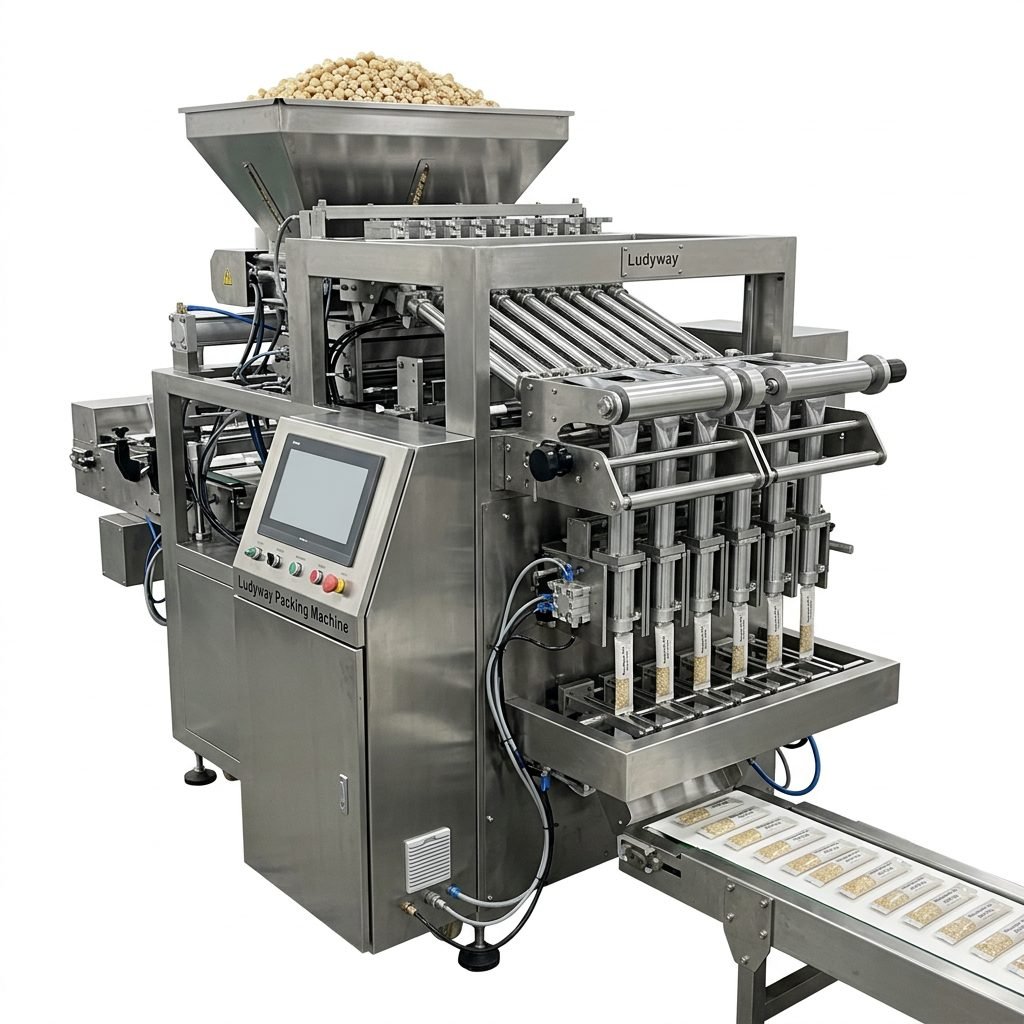
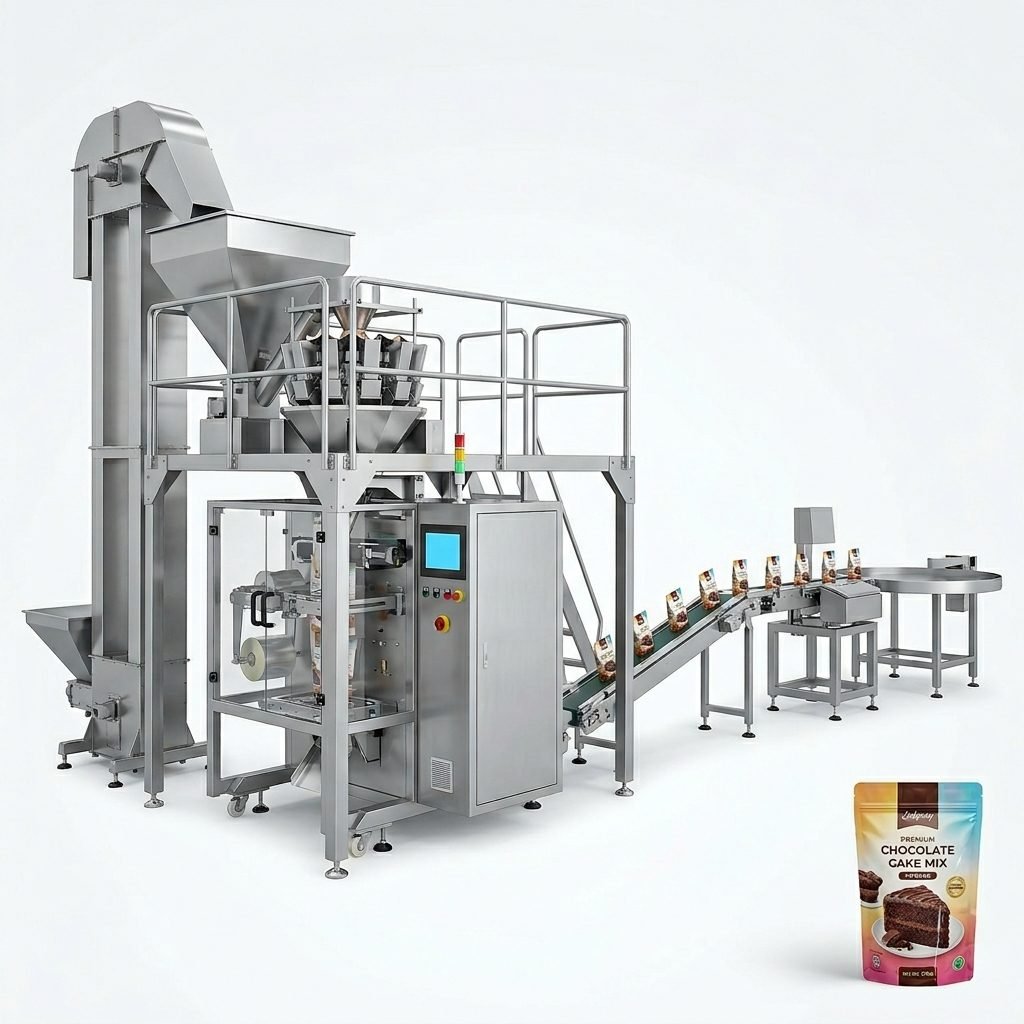
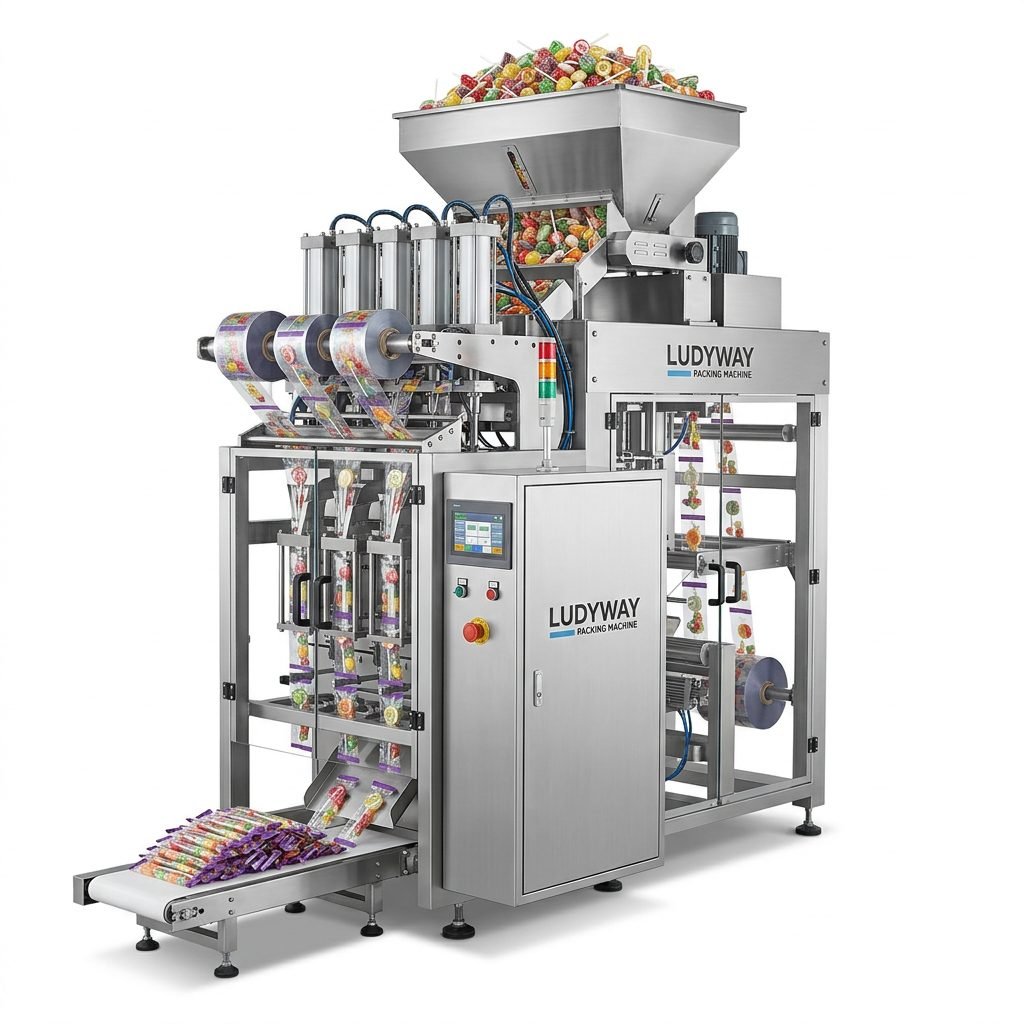
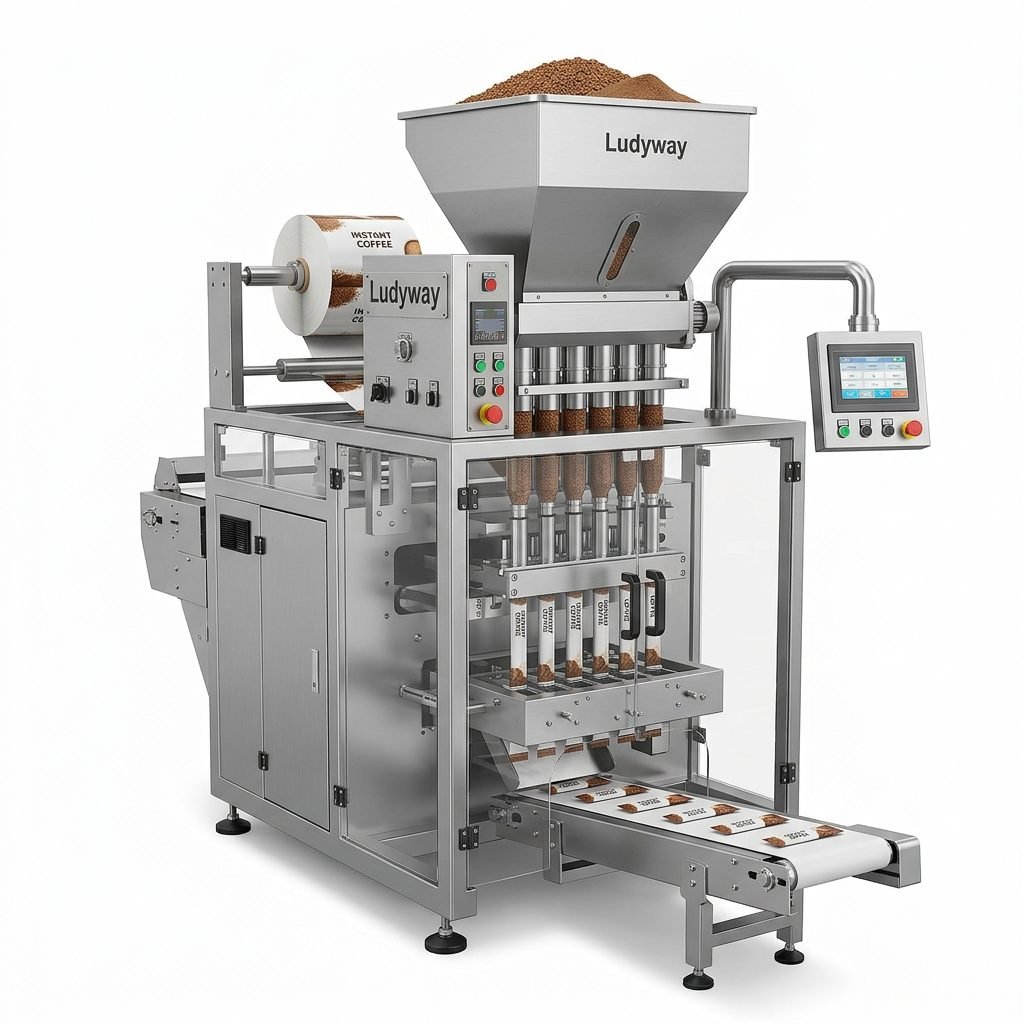
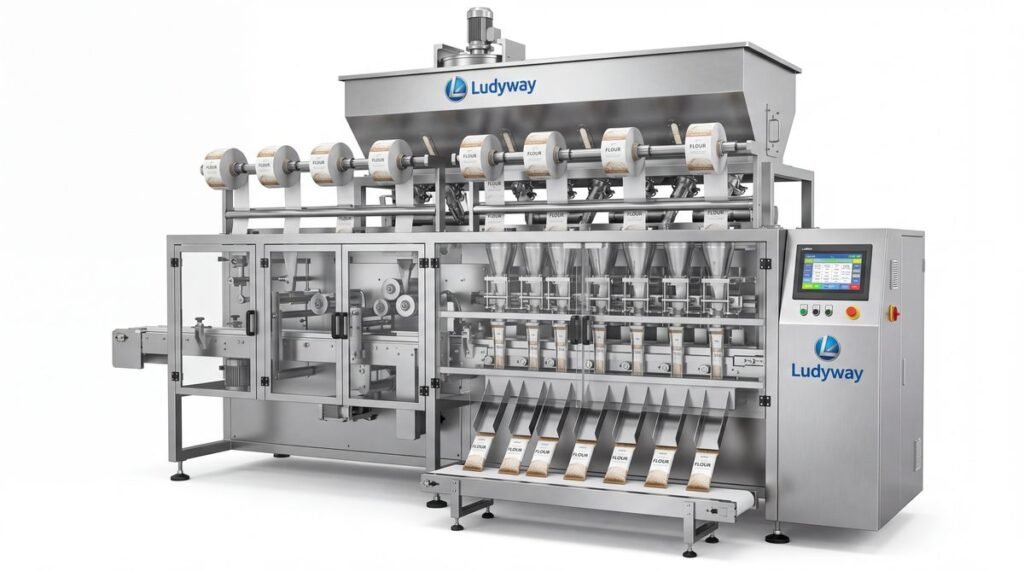
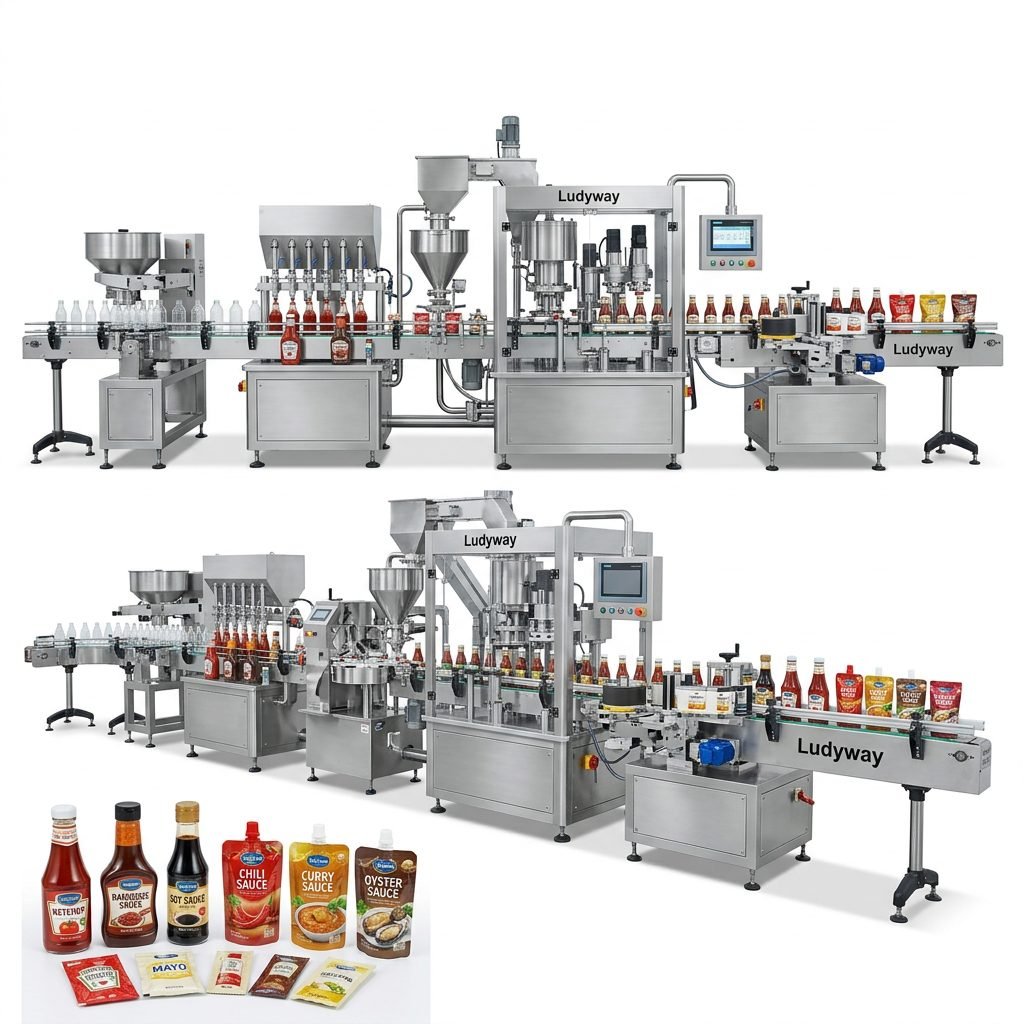
In today’s fast-paced manufacturing world, efficiency and precision are paramount. For businesses handling food products, powders, and granules, the packaging process is a critical bottleneck that can impact productivity, product quality, and overall profitability. This is where the High Speed Automatic Packaging Machine becomes an indispensable asset. These sophisticated systems are engineered to automate the bagging process, ensuring consistent, hygienic, and rapid packaging that meets the stringent demands of modern production lines.
The Core Advantages of High-Speed Automatic Bagging
Transitioning to automated packaging offers a multitude of benefits that directly translate to a stronger bottom line and competitive edge.
Unmatched Production Speed and Efficiency
The primary driver for adopting this technology is its incredible throughput. Manual or semi-automatic bagging simply cannot compete with the continuous, high-velocity operation of a fully automated machine. These systems can form, fill, and seal hundreds, even thousands, of bags per minute, dramatically increasing your daily output and allowing you to scale production to meet market demands effortlessly.
Key Benefit: By maximizing output per hour, high-speed baggers significantly reduce your cost per unit, improving overall operational efficiency and profitability.
Precision and Consistency in Every Bag
Product giveaway due to overfilling or customer dissatisfaction from underfilling are costly errors. Automatic packaging machines utilize highly accurate weighing and volumetric filling systems, such as auger fillers for powders or cup fillers for granules. This ensures each bag contains the exact predetermined weight or volume, guaranteeing product consistency, reducing material waste, and ensuring compliance with labeling regulations.
Enhanced Product Safety and Hygiene
In the food and pharmaceutical sectors, contamination is a critical concern. Automated systems minimize human contact with the product. Many machines are constructed with food-grade stainless steel and feature designs that are easy to clean and sanitize. Furthermore, they can be integrated into controlled environments or equipped with purge systems for sensitive products, upholding the highest standards of hygiene and safety.
Versatile Applications Across Industries
The flexibility of modern high-speed automatic packaging machines is a key strength. They are not limited to a single product type but are adept at handling a diverse range of materials.
Food Products
From snack foods like nuts and chips to ingredients like sugar, salt, spices, and dried herbs. They perfectly package powdered drink mixes, instant soups, and baking ingredients like flour.
Powders
This includes dairy powders (milk, whey), protein powders, nutritional supplements, detergents, chemical compounds, and cosmetic powders like foundation or blush.
Granules
Ideal for grains, rice, beans, pet food, fertilizers, seeds, and plastic pellets. The gentle handling mechanisms prevent product damage during the filling process.
Choosing the Right Machine for Your Needs
Selecting the optimal packaging system requires careful consideration of several factors:
✔ Product Characteristics: Is it free-flowing, sticky, abrasive, or fragile? This determines the filling technology.
✔ Bag Type & Material: Do you need pillow bags, stand-up pouches, or stick packs? What film material (laminate, polyethylene) will be used?
✔ Production Speed (BPM): Define your required output in bags per minute to match the machine’s capacity.
✔ Integration Needs: Should the machine connect with upstream feeders, checkweighers, or downstream cartoning systems?
Technological Features Driving Performance
Behind the speed and reliability are advanced technological components.
Advanced Control Systems
Modern machines are governed by intuitive PLC (Programmable Logic Controller) interfaces and touchscreen HMIs (Human-Machine Interfaces). These allow for easy recipe storage, quick changeovers between different products or bag sizes, and real-time monitoring of production data and machine diagnostics.
Robust Sealing Mechanisms
A secure seal is vital for product integrity. Machines employ precise heat sealing jaws with accurate temperature control to create strong, airtight seals on a variety of packaging films, ensuring product freshness and preventing leaks.
Precision Filling Technology
The heart of the machine. Auger fillers with servo drives offer exceptional accuracy for powders. Weight scales (linear or multi-head) provide net-weight filling for granules. Volumetric cup or pump fillers handle liquids or pastes. The choice is tailored to the product.
Implementing a high-speed system is an investment in your factory’s future. Beyond the immediate speed boost, it leads to long-term labor savings, as one machine can do the work of multiple operators. It reduces repetitive strain injuries associated with manual packing and allows your skilled workforce to focus on supervision, quality control, and more value-added tasks. The consistency in packaging also strengthens your brand image on retail shelves, with every bag looking professionally identical.
Frequently Asked Questions (FAQs)
What is the typical speed range for these machines?
Speeds vary greatly based on bag size, product, and machine configuration. For standard sachets or small pouches, speeds can range from 60 to over 400 bags per minute (BPM). Larger bags for granular products typically run from 20 to 120 BPM. It’s essential to discuss your specific product and output goals with a supplier like Ludyway Machinery for an accurate assessment.
How difficult is it to change over bag sizes on the machine?
Modern machines are designed for quick changeover. Many models feature tool-less adjustments or cassette-style change parts, allowing operators to switch bag sizes in as little as 15-30 minutes. This flexibility is crucial for production lines running multiple SKUs.
Can one machine handle both powders and granules?
Some versatile models can handle both with a change of the filling system (e.g., swapping an auger filler for a cup filler). However, for optimal performance and hygiene, especially when switching between very different products (like flour and rice), dedicated lines or thoroughly validated cleaning procedures are recommended.
What kind of maintenance do these machines require?
Regular preventative maintenance is key to longevity. This includes daily cleaning, lubrication of moving parts as per the manual, inspection of seals and wear parts, and periodic calibration of weighing systems. Reputable suppliers provide comprehensive manuals and training to empower your team to perform routine maintenance.
Are these machines suitable for small businesses or startups?
Yes, the market offers a range of solutions. While large, fully-integrated lines exist, there are also compact, semi-automatic, and lower-speed automatic models that are perfect for small to medium enterprises (SMEs) looking to automate their first step. The investment is often justified by the rapid ROI gained through reduced labor and increased output.