Corrugated packaging equipment forms the backbone of modern packaging operations, enabling the production of versatile, protective, and cost-effective boxes and displays. From simple brown shipping boxes to intricate retail-ready packaging, the right machinery determines efficiency, quality, and scalability. This guide explores the core types of equipment, how they integrate into complete production lines, and provides a framework for selecting the optimal machine for your specific needs.
Key Takeaway
Choosing the right corrugated packaging equipment is not just about a single machine; it’s about building a cohesive system that matches your material, box design, volume, and automation goals. A strategic investment here directly impacts your bottom line and market competitiveness.
Core Types of Corrugated Packaging Equipment
The manufacturing journey from corrugated board to a finished box involves several specialized machines, each performing a critical function.
1. Corrugators
This is where it all begins. Corrugators are massive production lines that bond flat liner sheets to a fluted medium using heat, pressure, and adhesive. They produce the continuous sheets of single-wall, double-wall, or even triple-wall corrugated board. The choice of flute profile (A, B, C, E, F, etc.) happens here, dictating the board’s thickness, cushioning, and printability.
2. Flexo Folder Gluers (FFG)
Often considered the workhorse of box plants, the FFG is a highly versatile machine that performs multiple operations in-line. It typically handles:
- ➤ Printing: Uses flexible printing plates for direct printing on the board.
- ➤ Slotting & Creasing: Cuts slots and creates fold lines (scores).
- ➤ Folding & Gluing: Folds the box blank and applies adhesive to form the final case.
FFGs are ideal for medium to high-volume production of standard Regular Slotted Containers (RSC) and other common styles.
3. Die-Cutters
For complex box designs beyond simple RSCs, die-cutting is essential. These machines use a custom-made steel rule die to cut, crease, and perforate the board in a single stroke.
Types of Die-Cutters:
Flatbed Die-Cutters: Best for short runs, sample making, and heavy board. The die presses onto a stationary sheet.
Rotary Die-Cutters: Integrated into high-speed production lines. A cylindrical die rolls against an anvil cylinder, offering superior speed for long runs. This is a core technology for companies like Ludyway Machinery when configuring automated packaging lines for high-volume consumer goods.
4. Folder Gluers (Post-Print)
These machines are dedicated to folding and gluing pre-printed and die-cut box blanks. They are critical in operations where high-quality, complex graphics are printed offline (e.g., on a large format digital or offset press) before being converted into finished boxes. Precision in folding and gluing is paramount to maintain graphic registration.
5. Specialty & Finishing Equipment
This category includes machines that add functionality or aesthetics:
- Window Patching Machines: Automatically apply film or acetate windows to boxes.
- Handle Applicators: Attach carry handles to retail boxes.
- Automatic Tapers/Sealers: For sealing filled shipping boxes at the end of the packing line.
- Bundlers & Palletizers: For grouping and preparing finished boxes for shipment.
Building a Complete Production Line Solution
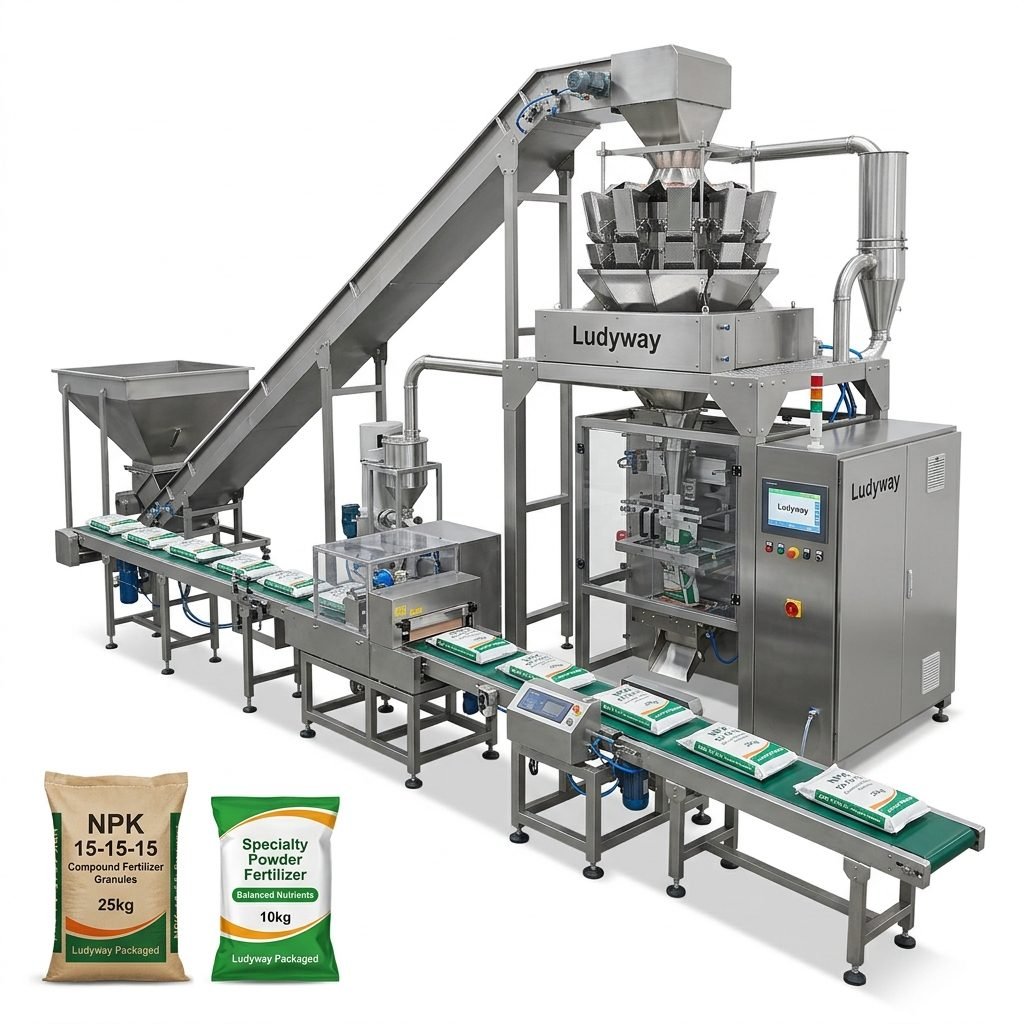
A single machine rarely operates in isolation. The true power lies in integrating equipment into a seamless, automated production line. Solutions vary based on product and scale.
High-Volume Retail Packaging Line
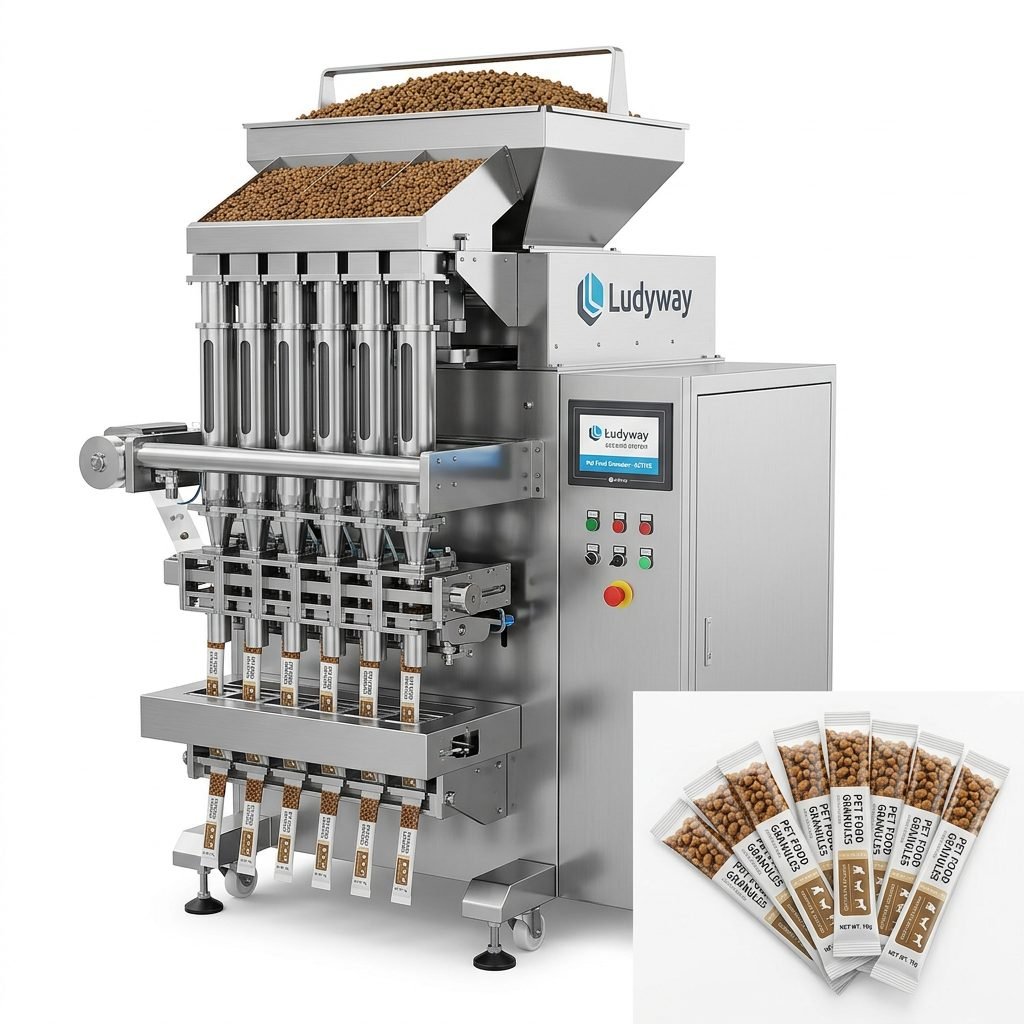
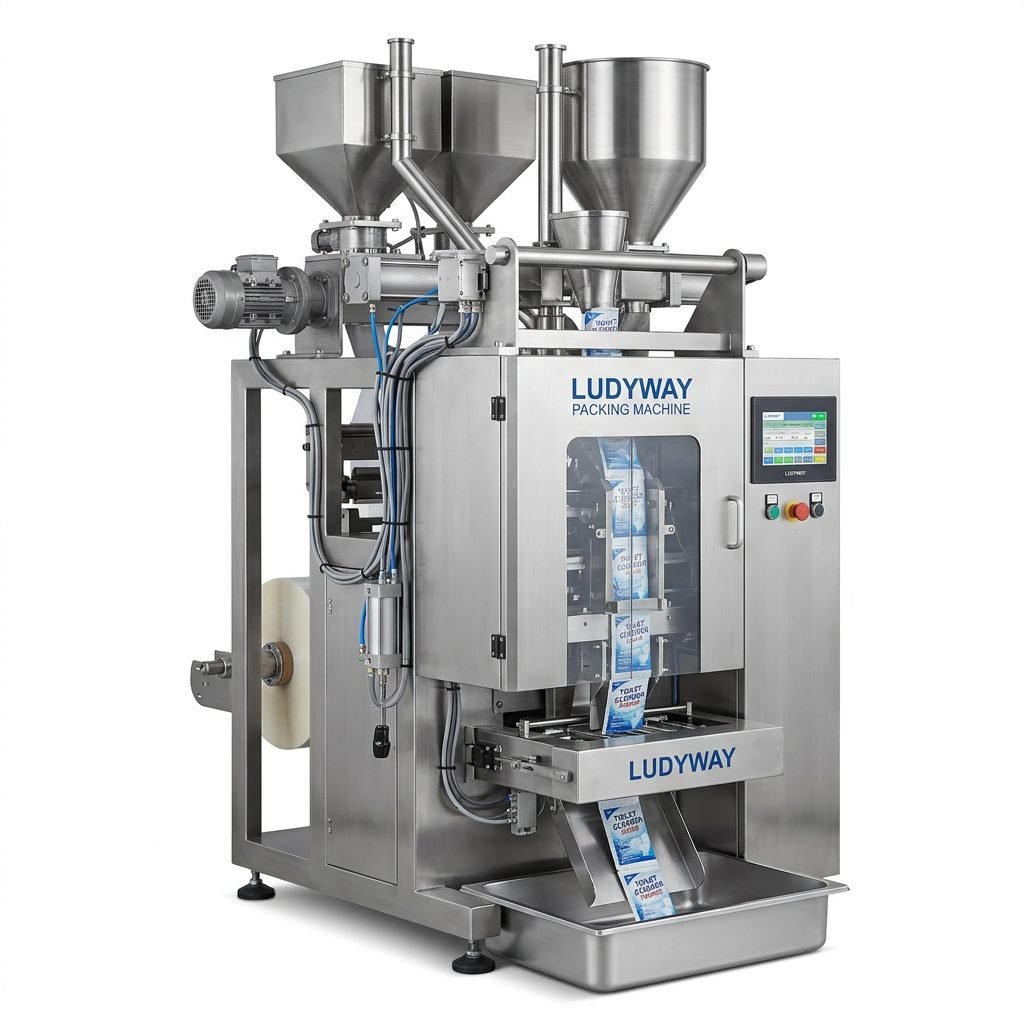
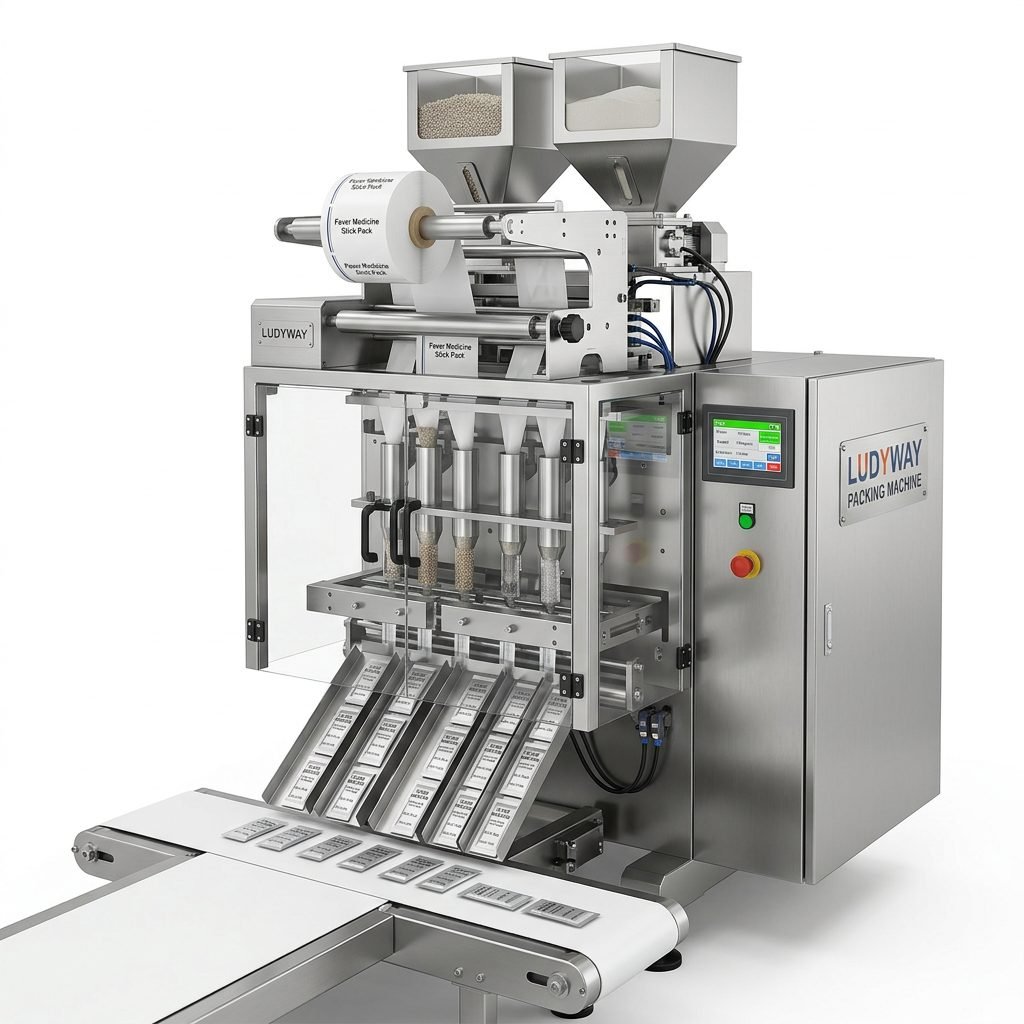
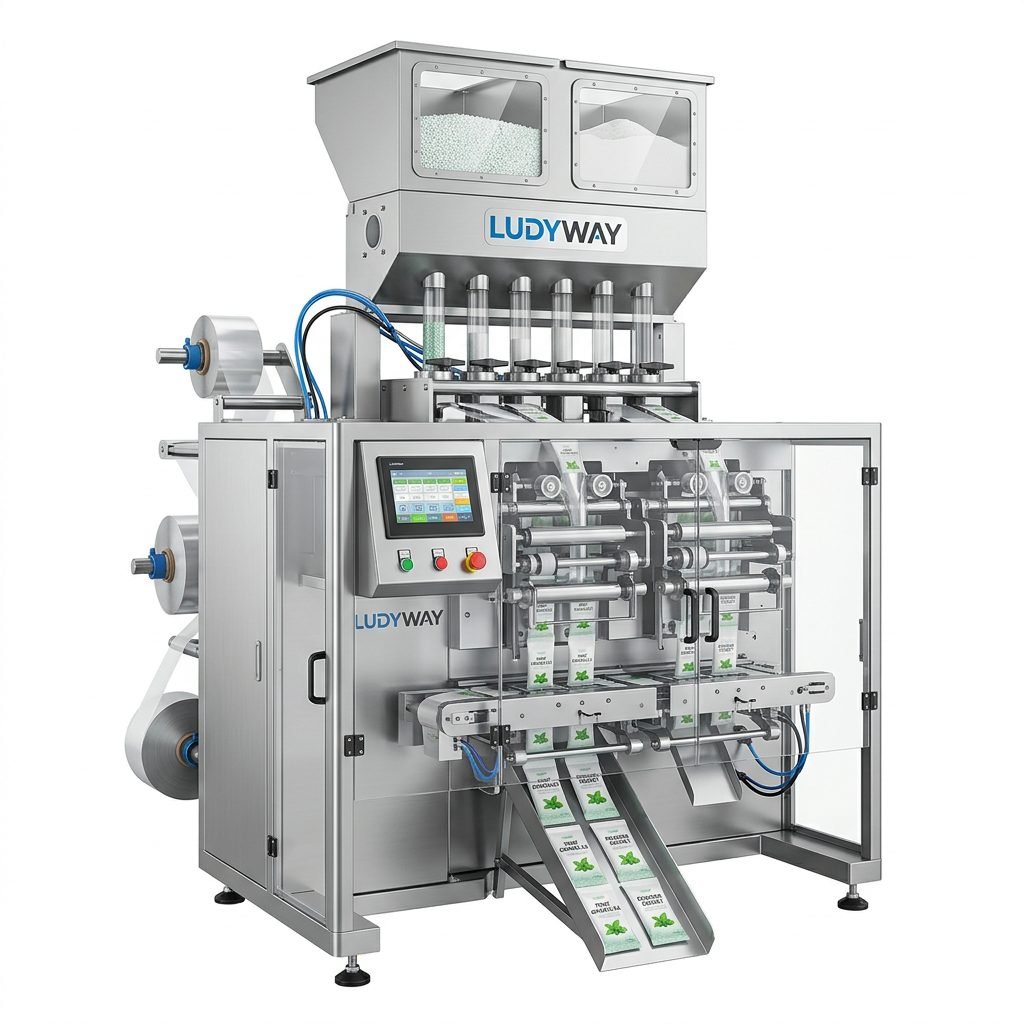
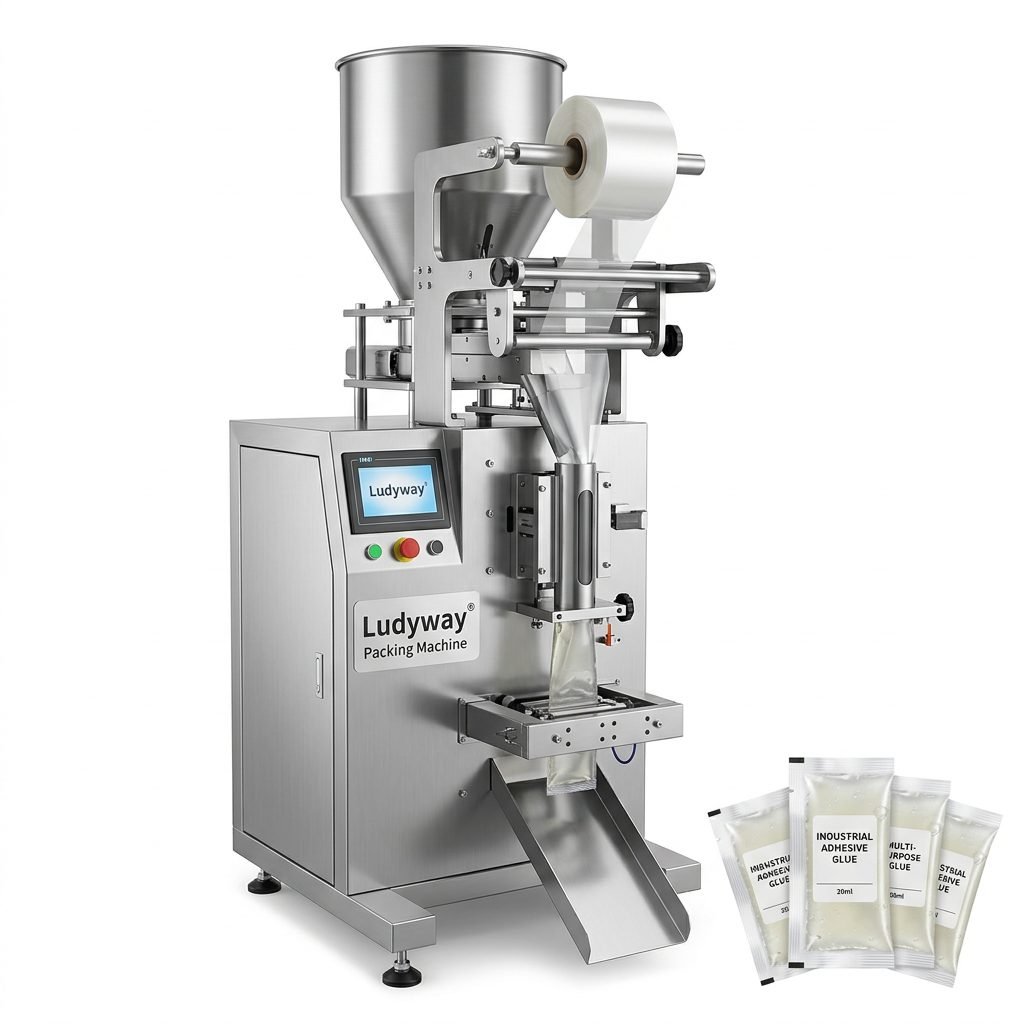
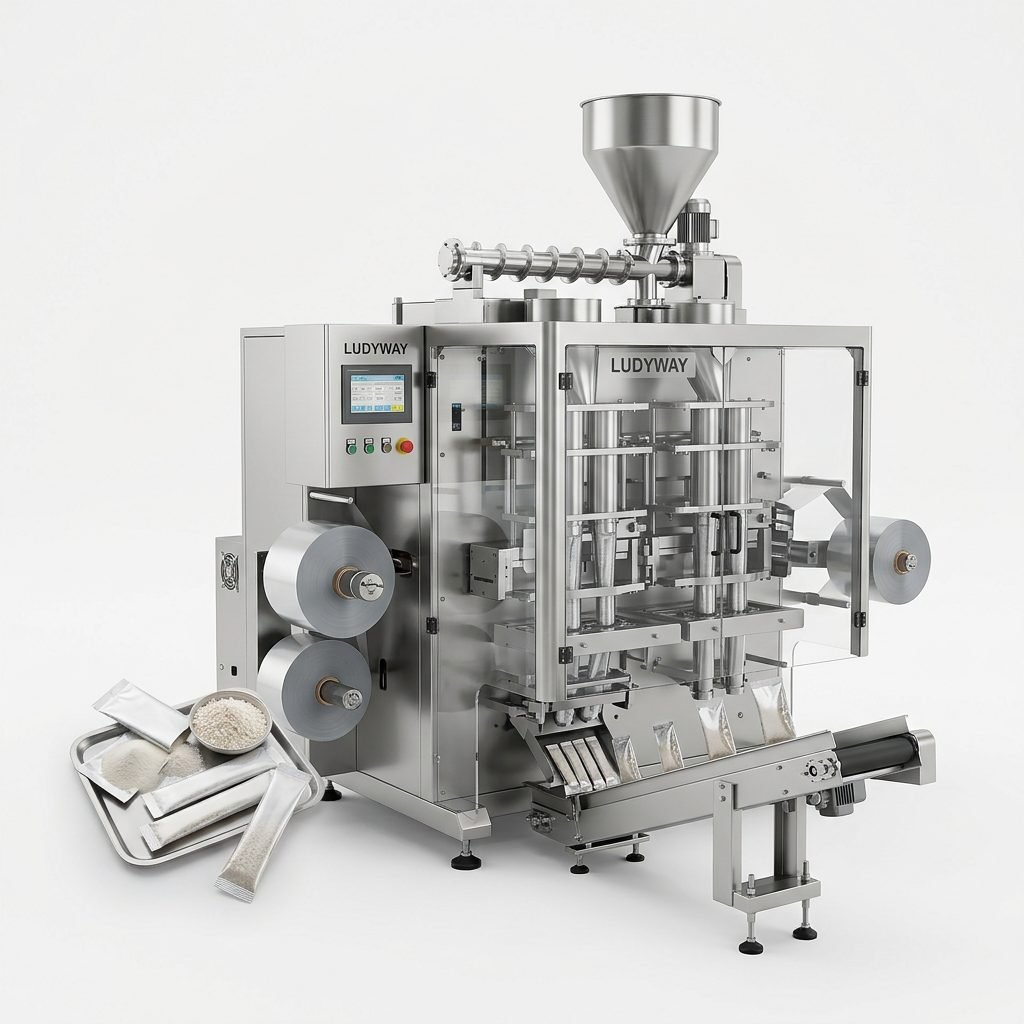
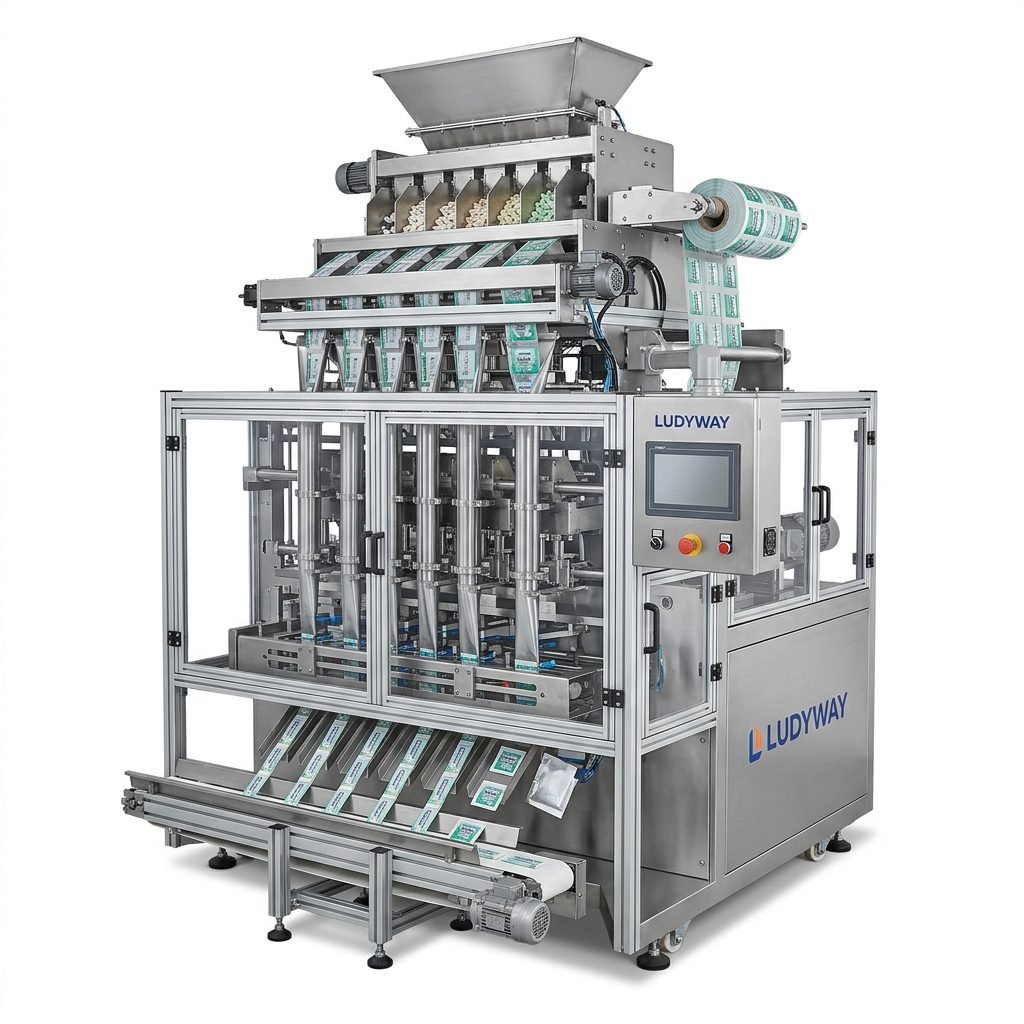
For products like food sachets, tea sticks, or pharmaceuticals destined for retail shelves, the line often starts with the packaging machine itself (e.g., a stick pack machine) and integrates downstream with corrugated case packing.
- Primary Packaging: Machine (e.g., multi-lane stick packer) fills and seals the product into individual pouches.
- Collation & Counting: Pouches are grouped into saleable counts.
- Cartoning: Groups are loaded into small cartons (if required).
- Case Packing: Cartons or direct pouches are automatically loaded into corrugated shipping cases. This is where a case erector, packer, and sealer system comes in.
- Palletizing: Sealed cases are stacked onto pallets.
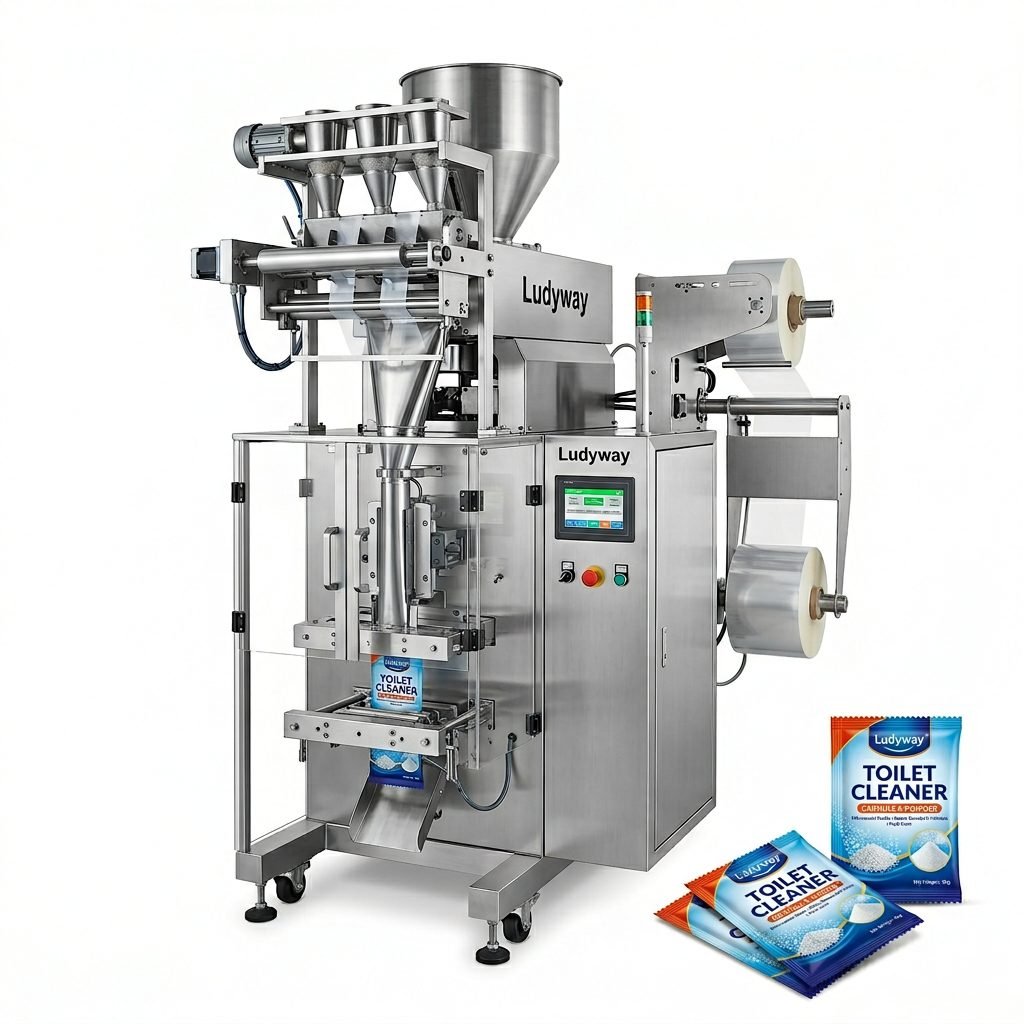
Suppliers with deep expertise in turnkey packaging solutions are vital here, as they ensure harmony between the primary packaging machine and the secondary corrugated handling equipment.
Standard Box Manufacturing Line
In a corrugated sheet plant, a typical line might be: Corrugator → Rotary Die-Cutter → Automatic Folder Gluer → Bundling System. The level of automation between stations (using stackers, conveyors, and robotic arms) drastically impacts labor costs and throughput.
How to Choose the Right Corrugated Packaging Machine
Selecting equipment is a strategic decision. Follow this framework to make an informed choice.
Selection Checklist
Evaluate your needs against these critical factors.
1. Define Your Box Specifications & Volume
Box Style & Complexity: Are you making simple RSCs, intricate die-cut displays, or boxes with windows? This dictates whether you need an FFG, a die-cutter, or a combination.
Board Grade & Flute: Machine must handle your required board weight and flute type.
Run Length & Speed (SPM): High-volume, long runs justify faster, more automated rotary machines. Short runs favor flatbed or semi-automatic equipment.
2. Assess Integration & Automation Needs
Is this a standalone machine or part of a larger line? Consider:
- Upstream/Downstream Compatibility: Can it connect to your printer, die-cutter, or bundler?
- Changeover Time: How quickly can you switch between different box sizes? Look for features like quick-change print cylinders and motorized adjustment.
- Labor Requirements: Automatic feeders and stackers reduce manual handling.
3. Evaluate Print Quality Requirements
If printing on the box, determine the needed graphic quality. Simple line markings can be done on an FFG. High-fidelity, multi-color graphics may require a separate printing process (pre-print) and a dedicated folder gluer. The trend towards digital printing on corrugated is also creating new equipment options for short-run, customized packaging.
4. Consider Total Cost of Ownership (TCO)
Look beyond the initial purchase price:
Operational Costs: Energy consumption, adhesive usage, and tooling (dies, plates) costs.
Maintenance & Support: Availability of spare parts and local technical service. A reliable supplier with over 30 years of industry experience can minimize costly downtime.
Floor Space: Ensure your facility can accommodate the machine and material flow.
5. Choose a Reputable Technology Partner
Your equipment supplier should be a long-term partner. Seek a provider that offers:
- Proven Technology & Reliability: Look for a track record in your industry.
- Customization Ability: Can they tailor the solution to your unique product?
- Comprehensive Support: From installation and training to ongoing maintenance.
Companies that provide complete production line solutions, backed by strong engineering and a global service network, like Ludyway Machinery, can de-risk your investment and ensure a smoother path to productivity.
Conclusion
Investing in corrugated packaging equipment is a significant step toward optimizing your packaging operations. By thoroughly understanding the different machine types—from corrugators and FFGs to die-cutters and folder gluers—you can map out the right production line for your output. The selection process must be grounded in your specific box specifications, volume, quality demands, and automation goals. Partnering with an experienced equipment provider ensures you get not just a machine, but a integrated solution that drives efficiency, reduces waste, and scales with your business growth.
Frequently Asked Questions (FAQs)
What is the main difference between a Flexo Folder Gluer (FFG) and a Die-Cutter?
An FFG is best for producing standard-style boxes (like RSCs) with direct printing, slotting, and gluing in one pass. A die-cutter is essential for creating custom, non-rectangular shapes, intricate cuts, and complex creasing patterns that an FFG cannot achieve. They are often used in tandem.
How do I decide between a rotary and a flatbed die-cutter?
Choose a rotary die-cutter for high-volume, long production runs where speed is critical and tooling costs can be amortized. Opt for a flatbed die-cutter for shorter runs, prototyping, sample making, or when working with very thick or heavy board grades where a rolling action is less effective.
Can one machine handle all my corrugated packaging needs?
For very simple, low-volume operations, a versatile semi-automatic machine might suffice. However, for most commercial applications, a combination of specialized machines integrated into a line yields the highest quality, speed, and efficiency. A single machine typically has limitations on box style, print quality, or throughput.
What are the key maintenance requirements for this equipment?
Regular maintenance is crucial. Key tasks include daily cleaning of glue systems and rollers, lubrication of moving parts as per the manual, inspection and replacement of worn cutting blades and scoring rules, and calibration of sensors and drives. Partnering with a supplier that offers reliable spare parts and service is highly recommended.
Is automation worth the investment for a small box shop?
It depends on growth plans and labor costs. Even basic automation like an automatic feeder on a folder gluer can boost output per operator, improve consistency, and reduce physical strain. Start by automating the most labor-intensive or bottlenecked step in your process. The ROI can be faster than expected through increased capacity and reduced errors.