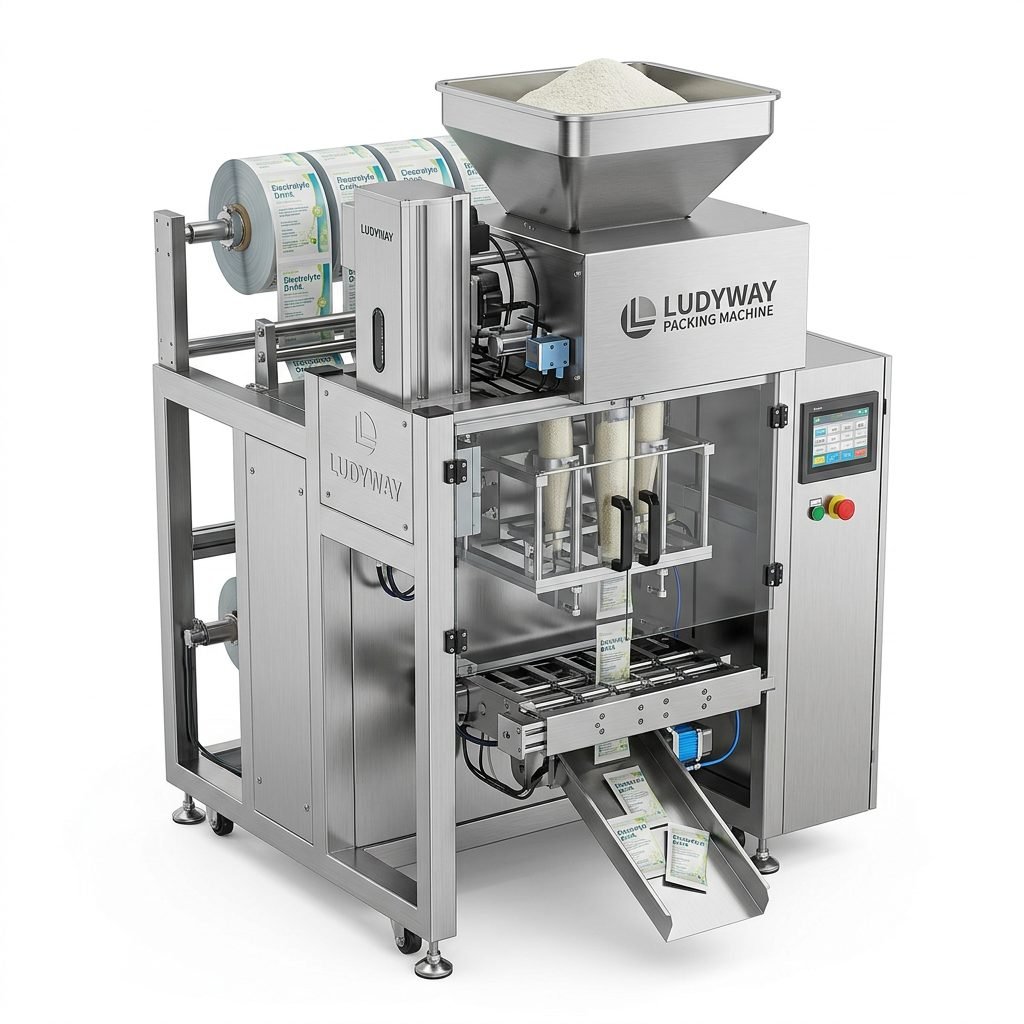
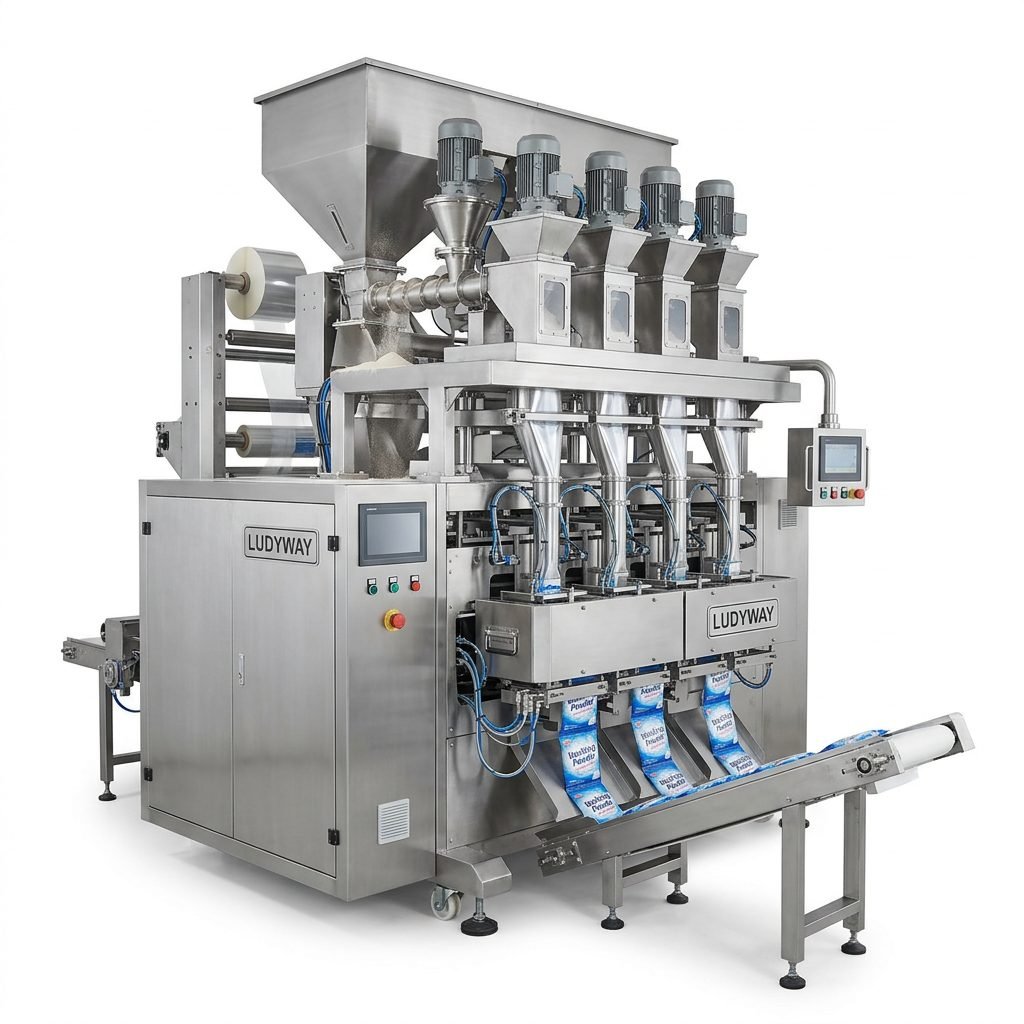
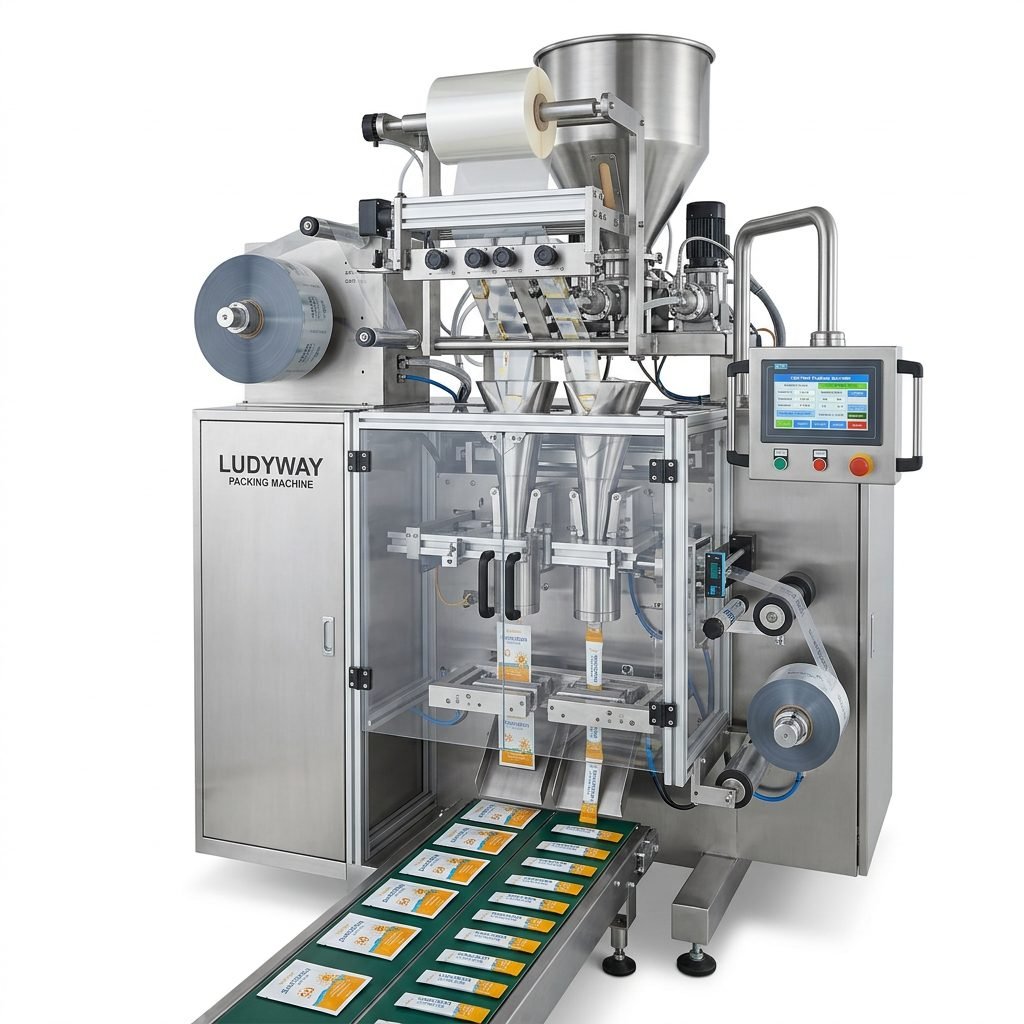
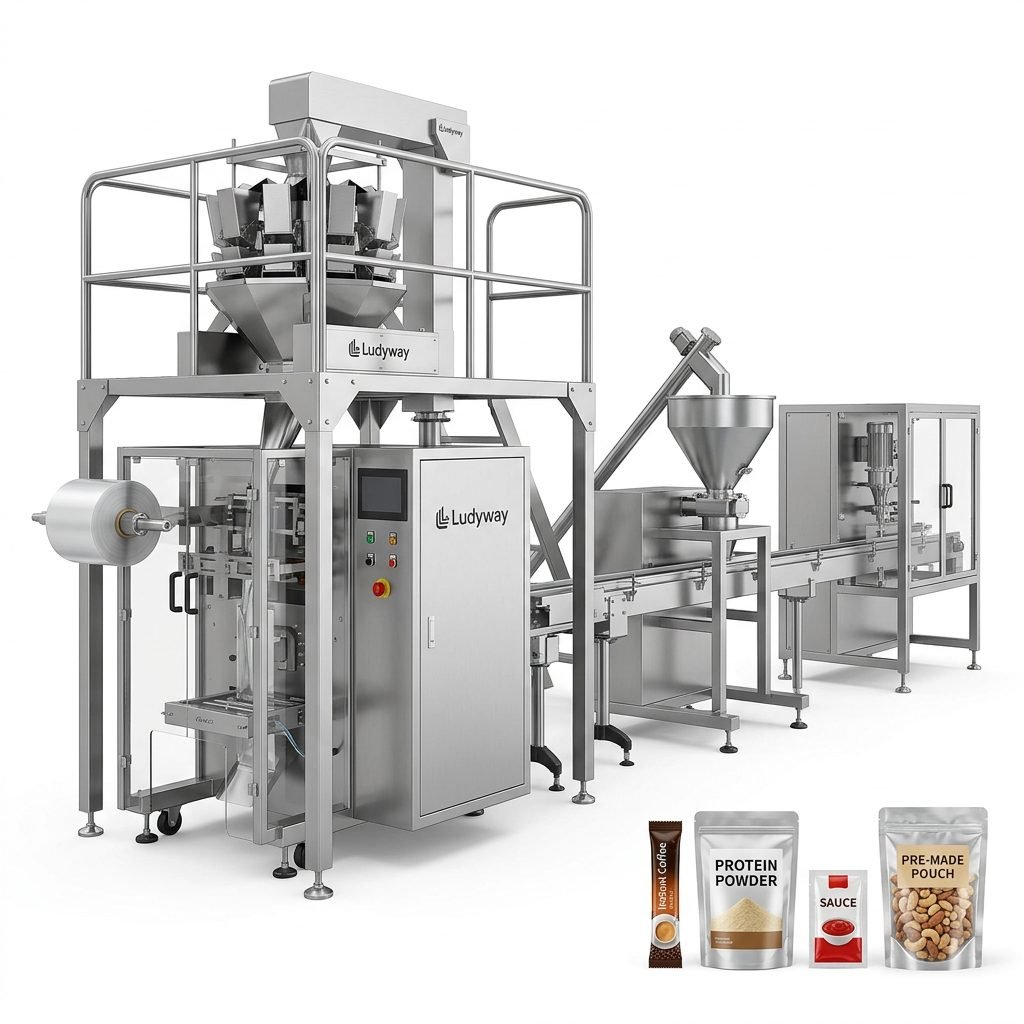
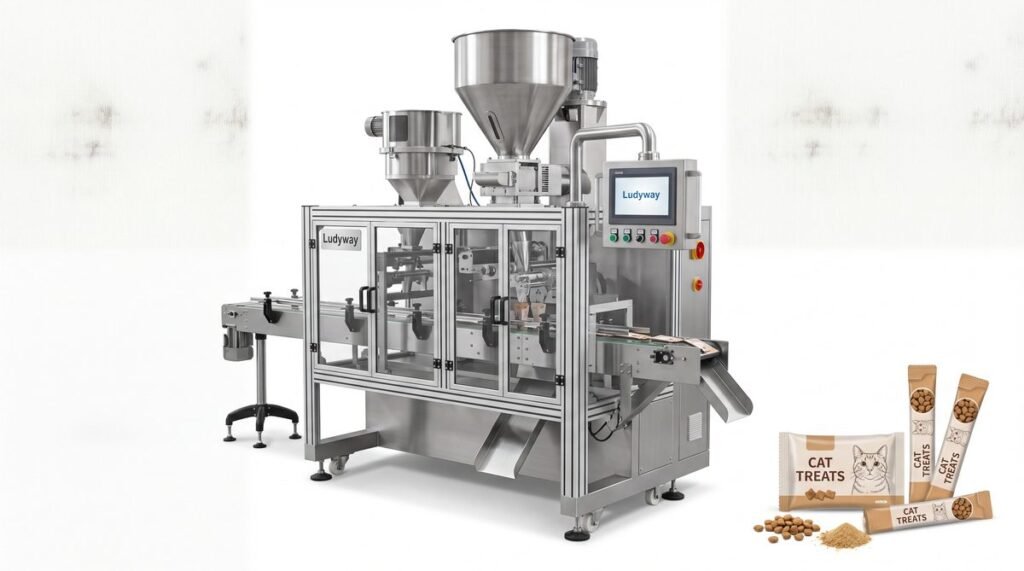
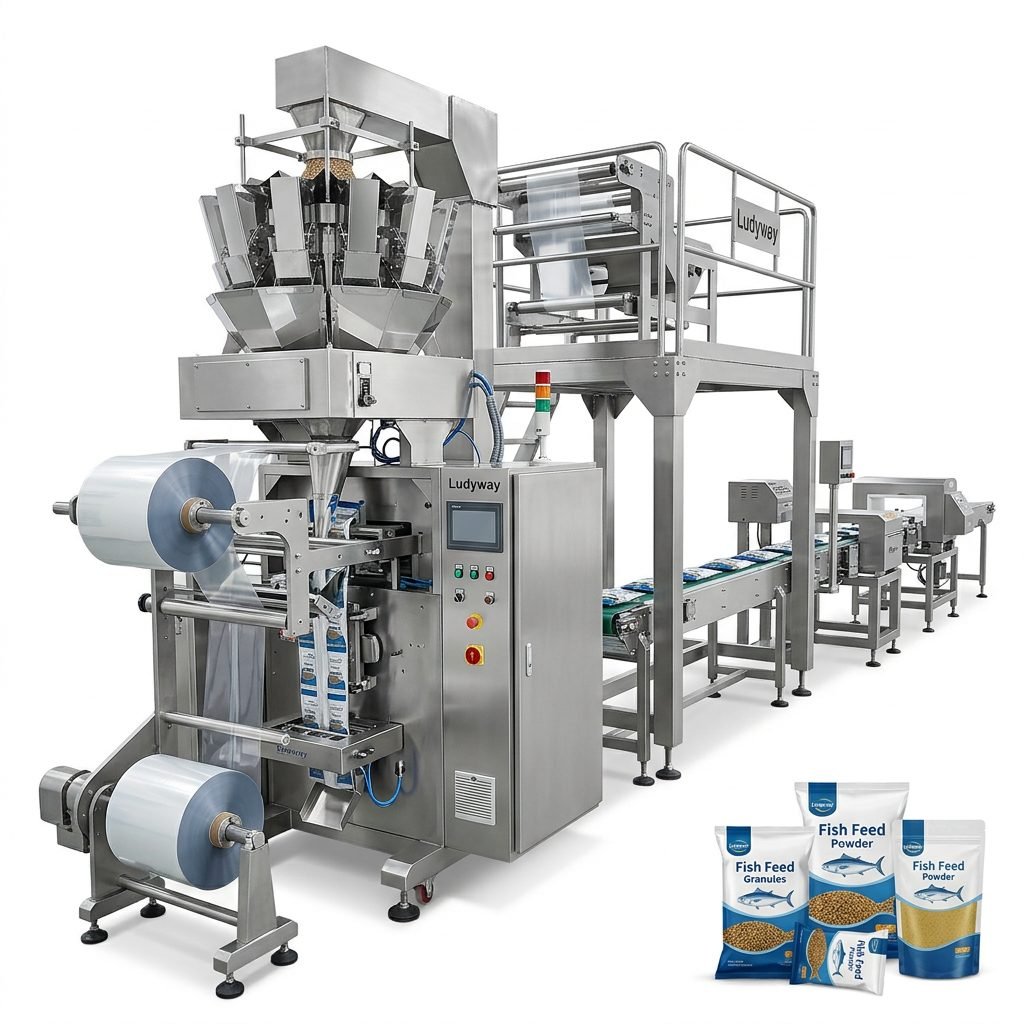
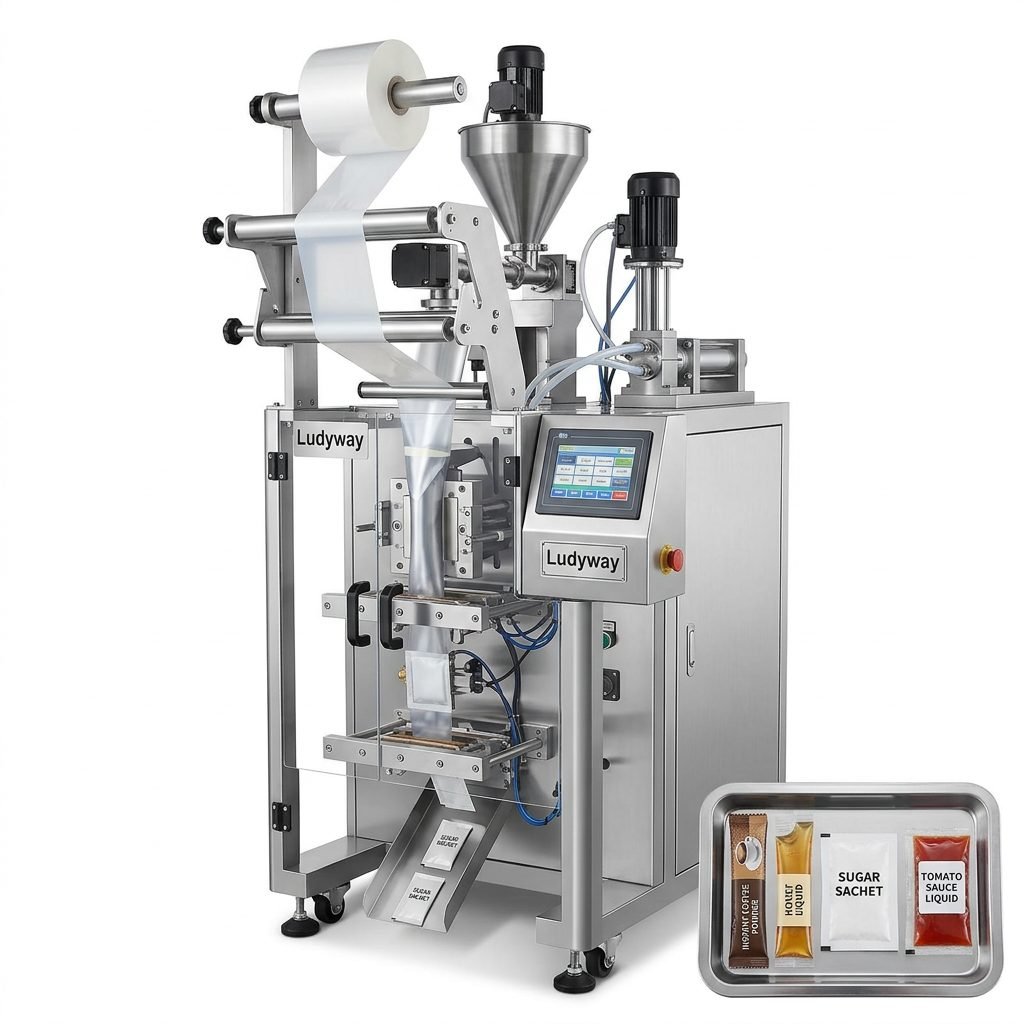
A VFFS packing machine is one of the most widely used packaging systems in modern manufacturing.
The name stands for Vertical Form Fill Seal, which describes exactly what the machine does: it forms a bag from roll film, fills it with product, and seals it automatically in a vertical direction.
VFFS machines are popular because they combine speed, flexibility, and compact design. They are used for powders, granules, liquids, pastes, snacks, coffee, sugar, spices, pharmaceuticals, health supplements, chemicals, and many other products. For businesses that want efficient automated packaging without taking up excessive factory space, VFFS equipment is often the first solution considered.

What Is a VFFS Packing Machine?
A VFFS packing machine is an automated system that takes flat packaging film from a roll and converts it into finished bags or pouches. The film travels through a forming collar, wraps into a tube, and is sealed vertically. The machine then adds a bottom seal, fills the product, and creates a top seal before cutting the package free.
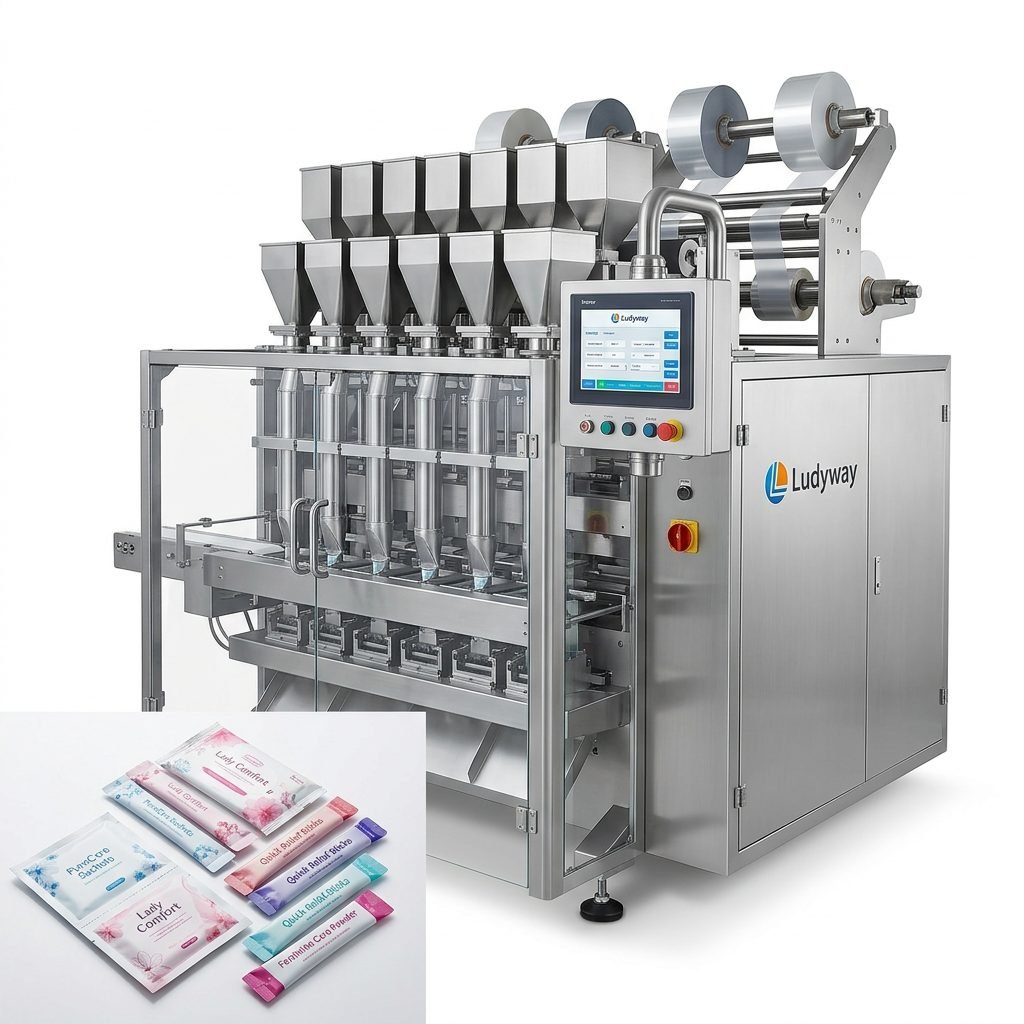
This packaging method is ideal for high-volume production because it reduces manual labor, improves sealing consistency, and supports different bag styles such as pillow bags, gusset bags, stick packs, and sachets depending on machine configuration.
Common products packed by VFFS machines
- Powders: milk powder, coffee powder, seasoning powder, protein powder
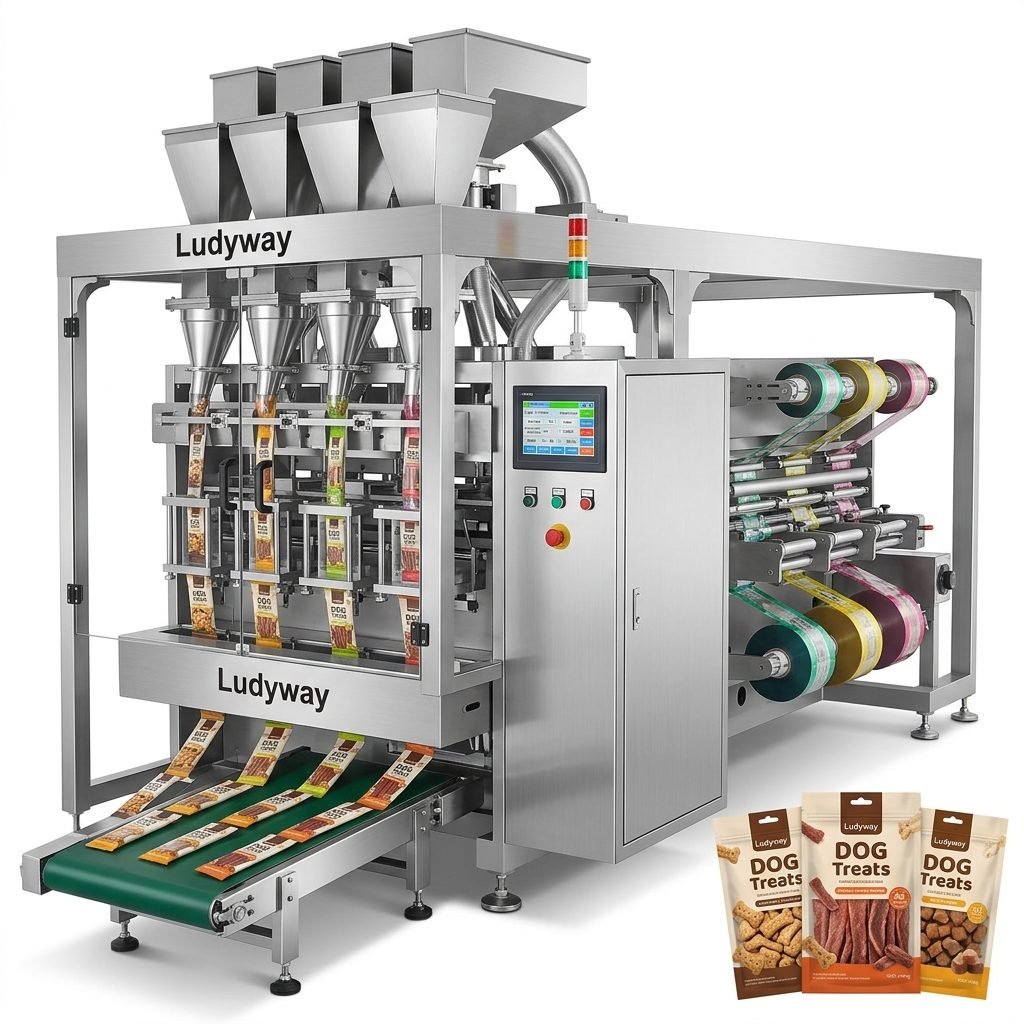
- Granules: sugar, salt, seeds, snacks, rice, pet food
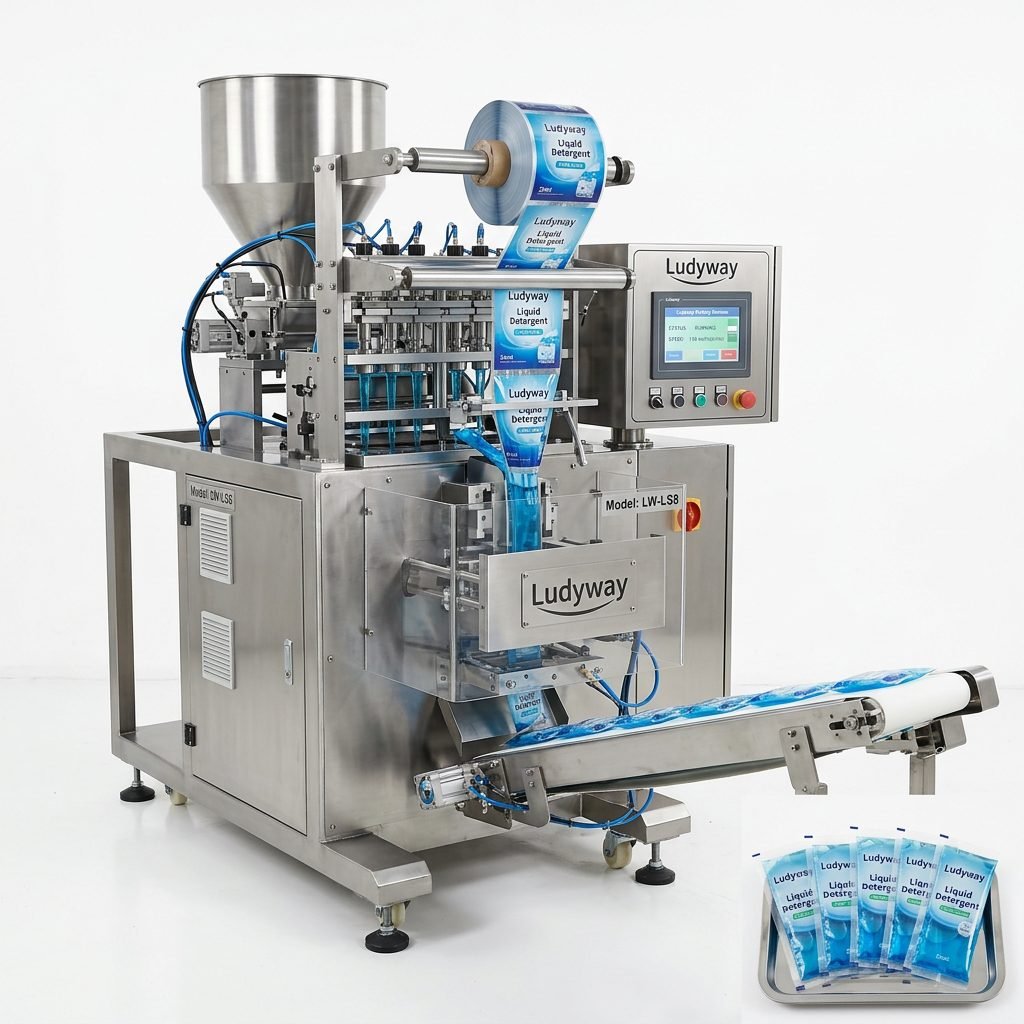
- Liquids: sauce, shampoo, honey, syrup, detergent
- Pastes and gels: cream, ketchup, lotion, medical gel
- Pharmaceutical and nutraceutical products: granules, oral powders, sachet-dose products
How Does a VFFS Packing Machine Work?
Although models vary by product type, the working principle is generally similar. A VFFS machine performs several actions in sequence to create a finished package.
- Film unwinding: Roll film is mounted on the machine and pulled forward in a controlled manner.
- Bag forming: The film passes through a forming tube or collar and becomes a cylindrical shape.
- Vertical sealing: The machine seals the film edges together to create the bag body.
- Bottom sealing: A horizontal seal closes the bottom part of the package.
- Product filling: The dosing system delivers the correct quantity of product into the bag.
- Top sealing and cutting: The top is sealed and the finished pouch is cut off.
- Discharge: The completed pack moves to the next stage, such as checkweighing, coding, cartoning, or case packing.
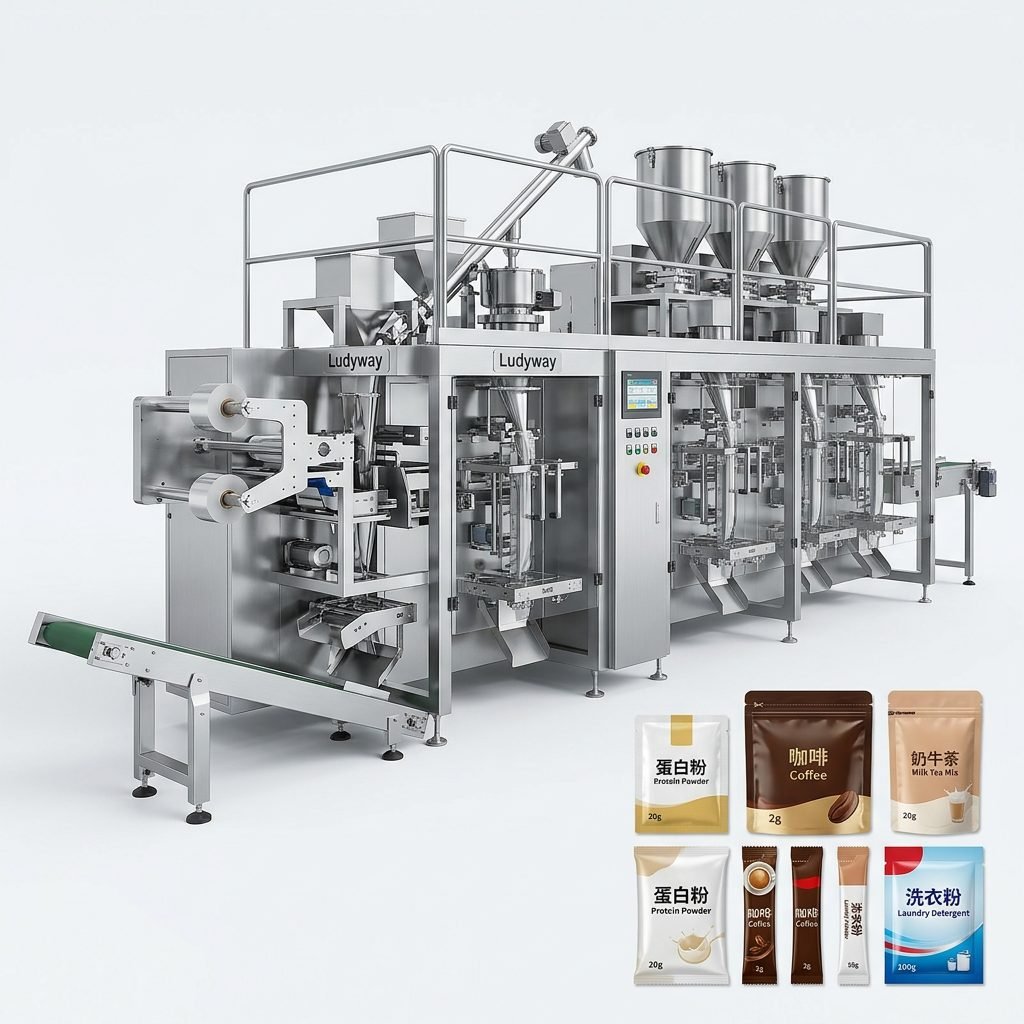
Key components of a VFFS machine
- Film roll holder and tracking system
- Forming collar or tube
- Vertical and horizontal sealing units
- Servo pull belts or film drive system
- Filling device such as auger filler, multihead weigher, piston filler, or liquid pump
- PLC and touch screen control system
- Date coder, tear notch, nitrogen flushing, or easy-open options
Main Types of VFFS Machines
Choosing the right machine begins with understanding the different VFFS machine categories. The best type depends on your product characteristics, desired output, package format, and automation goals.
| Type | Best For | Typical Filling System | Common Pack Format |
|---|---|---|---|
| Powder VFFS | Milk powder, coffee, spices, supplements | Auger filler | Sachet, pillow bag, stick pack |
| Granule VFFS | Sugar, seeds, snacks, rice, pet food | Cup filler or weigher | Pillow bag, gusset bag, sachet |
| Liquid VFFS | Sauce, detergent, oil, shampoo | Piston pump or liquid pump | Sachet, stick pack, pouch |
| Paste VFFS | Cream, gel, ketchup, lotion | Servo piston filler | Sachet, stick pack |
| Multi-lane VFFS | High-speed single-dose packaging | Multiple dosing heads | Sachet, stick pack |
Advantages of Using a VFFS Packing Machine
- High efficiency: Suitable for continuous automated production
- Compact footprint: Vertical design saves floor space
- Versatile: Works with powders, granules, liquids, and pastes
- Lower labor cost: Fewer operators needed compared with manual packing
- Consistent package quality: Reliable sealing and fill accuracy
- Flexible bag design: Supports different lengths, widths, and styles
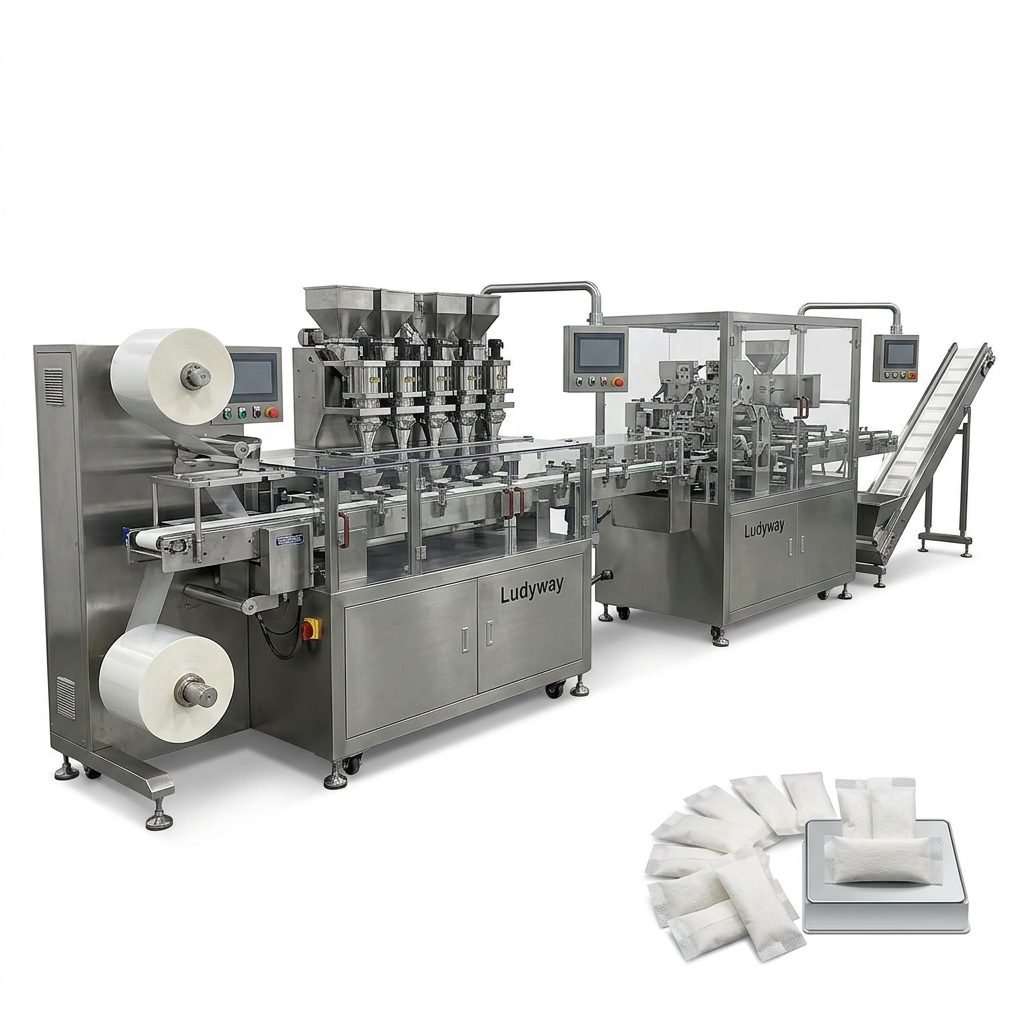
- Easy line integration: Can connect with feeders, conveyors, coders, checkweighers, and cartoners
Industries That Commonly Use VFFS Equipment
VFFS technology is used across many industries because it can be adapted to different materials and hygiene requirements.
Food industry
Snacks, sugar, coffee, spices, flour, sauce, instant drink mixes, milk powder, frozen foods, cereals, and seasoning products are often packed with VFFS systems.
Pharmaceutical and health supplement industry
VFFS machines are suitable for oral powders, pharmaceutical granules, single-dose sachets, capsules in pouch systems, and nutraceutical products that require accurate dosing and clean production conditions.
Cosmetics and personal care industry
Shampoo, lotion, cream, serum, facial mask liquid, and other personal care products are often packed in sachets or travel-size stick packs using VFFS technology.
Chemical and household products industry
Detergents, cleaning powders, descalers, industrial chemicals, and water-treatment chemicals can also be packed efficiently with suitable VFFS configurations and corrosion-resistant contact parts.
How to Choose the Right VFFS Packing Machine
Not every VFFS machine is the same. The right selection depends on both your current production needs and your long-term expansion plans. Before buying, review the following points carefully.
1. Understand your product characteristics
Start with the product itself. Is it a free-flowing granule, a fine powder, a viscous paste, or a liquid? Each type needs a different filling method. For example:
- Fine powders usually require an auger filler
- Granules may need a volumetric cup filler or weighing system
- Liquids and pastes often use a piston pump or servo pump
2. Match machine speed with your production target
A small business may only need moderate output, while a large manufacturer may require multi-lane high-speed packaging. Always compare:
- Required packs per minute
- Working hours per day
- Expected peak seasonal demand
- Future capacity expansion plans
3. Confirm bag type and package size
The machine must support your target bag format, such as pillow pouch, sachet, or stick pack. Also confirm:
- Bag width and length range
- Fill weight or fill volume
- Seal style
- Special features like easy tear, euro hole, zipper, or notch
4. Check material compatibility
Packaging film structure matters. Some products need laminated barrier films for moisture or oxygen protection, while others use simple heat-sealable films. Your machine should handle the film thickness and sealing temperature required for stable output.
5. Evaluate accuracy and sealing quality
For food, pharma, and premium consumer products, inaccurate filling or weak seals can create waste, complaints, and compliance issues. Ask suppliers about:
- Filling tolerance
- Seal consistency
- Leak prevention design
- Dust control or anti-drip structure
6. Consider cleaning and maintenance
If you change products often, especially in food or pharmaceutical applications, easy cleaning is essential. Stainless steel construction, tool-free disassembly, and hygienic design can significantly reduce downtime.
7. Look at automation and integration options
A standalone VFFS machine may work well for some operations, but many buyers need complete line integration. Consider whether the system should connect with:
- Automatic feeders
- Conveyors and elevators
- Metal detectors or checkweighers
- Date coding and labeling machines
- Cartoning, case packing, and palletizing systems
8. Review supplier experience and support
The machine itself is important, but so is the supplier behind it. A strong manufacturer can help with testing, customization, installation, training, spare parts, and after-sales service. Businesses looking for scalable packaging automation often compare suppliers by industry experience, export capability, and project support strength. One example is Ludyway, a packaging machinery manufacturer known for VFFS systems and turnkey packaging line solutions across food, pharmaceutical, health supplement, and related industries.
Quick Buyer Checklist
| Question | Why It Matters |
|---|---|
| What product will be packed? | Determines the filling system and machine structure |
| What output do you need? | Helps select single-lane or multi-lane configuration |
| What package style is required? | Affects forming system and sealing layout |
| What fill size range is needed? | Impacts dosing accuracy and machine dimensions |
| What film will be used? | Ensures sealing compatibility and stable operation |
| Is hygiene critical? | Important for food, pharma, and cosmetics |
| Do you need a full line? | Supports future automation and efficiency upgrades |
Common Mistakes to Avoid When Buying a VFFS Machine
- Choosing based on price alone instead of total lifecycle value
- Ignoring future output growth
- Using the wrong filling system for the product
- Not testing the actual product and film before ordering
- Overlooking cleaning, maintenance, and spare parts support
- Buying a machine that cannot integrate with downstream equipment
Is a VFFS Packing Machine Right for Your Business?
If your company needs automatic, reliable, and scalable packaging, a VFFS machine is often an excellent choice. It is especially suitable for manufacturers that want to improve efficiency, reduce labor dependency, and maintain consistent pack quality across high-volume production.
The best result comes from selecting a machine that fits your exact product, package type, line speed, and factory workflow. By evaluating these points carefully, you can invest in a VFFS solution that supports both immediate production goals and long-term growth.