In the competitive world of industrial manufacturing, efficiency and precision are not just goals—they are imperatives. For businesses involved in paint production, from large-scale industrial coatings to specialty artistic supplies, the final stage of packaging is a critical point where quality, cost, and brand reputation converge. Selecting the right paint packaging equipment is paramount to achieving a seamless, profitable, and reliable operation.
The Core Pillars of Modern Paint Packaging
Modern paint packaging solutions are built on three fundamental pillars: Efficiency, Accuracy, and Sealing Integrity. Each plays a vital role in the overall production workflow.
Efficiency: Maximizing Output, Minimizing Waste
High-speed automated filling systems are the engines of a productive paint line. They drastically reduce cycle times, allowing for higher throughput to meet demanding market schedules. More than just speed, true efficiency encompasses minimal product waste through precise cutoff mechanisms and reduced changeover times for different can or pail sizes, enabling flexible production runs.
Accuracy: Consistency is King
Inconsistent fill volumes lead directly to financial loss and consumer distrust. Overfilling erodes profit margins, while underfilling can result in regulatory non-compliance and damaged brand loyalty. Advanced weight-based filling machines and piston filler technology ensure each container receives the exact, pre-set volume of product, whether it’s a viscous enamel or a thin latex paint.
Sealing Integrity: The Final Guardian of Quality
A perfect fill is compromised by a poor seal. The sealing process must create an airtight, tamper-evident, and durable closure. This prevents leakage during transport, preserves the product’s chemical properties by limiting exposure to air, and ensures the product reaches the end-user in pristine condition. Options range from secure lid placers for pails to sophisticated double-seaming systems for cans.
Exploring Key Equipment Solutions
The journey from bulk paint to a shelf-ready product involves several specialized machines. Understanding their functions helps in designing an optimal line.
1. Automated Filling Machines
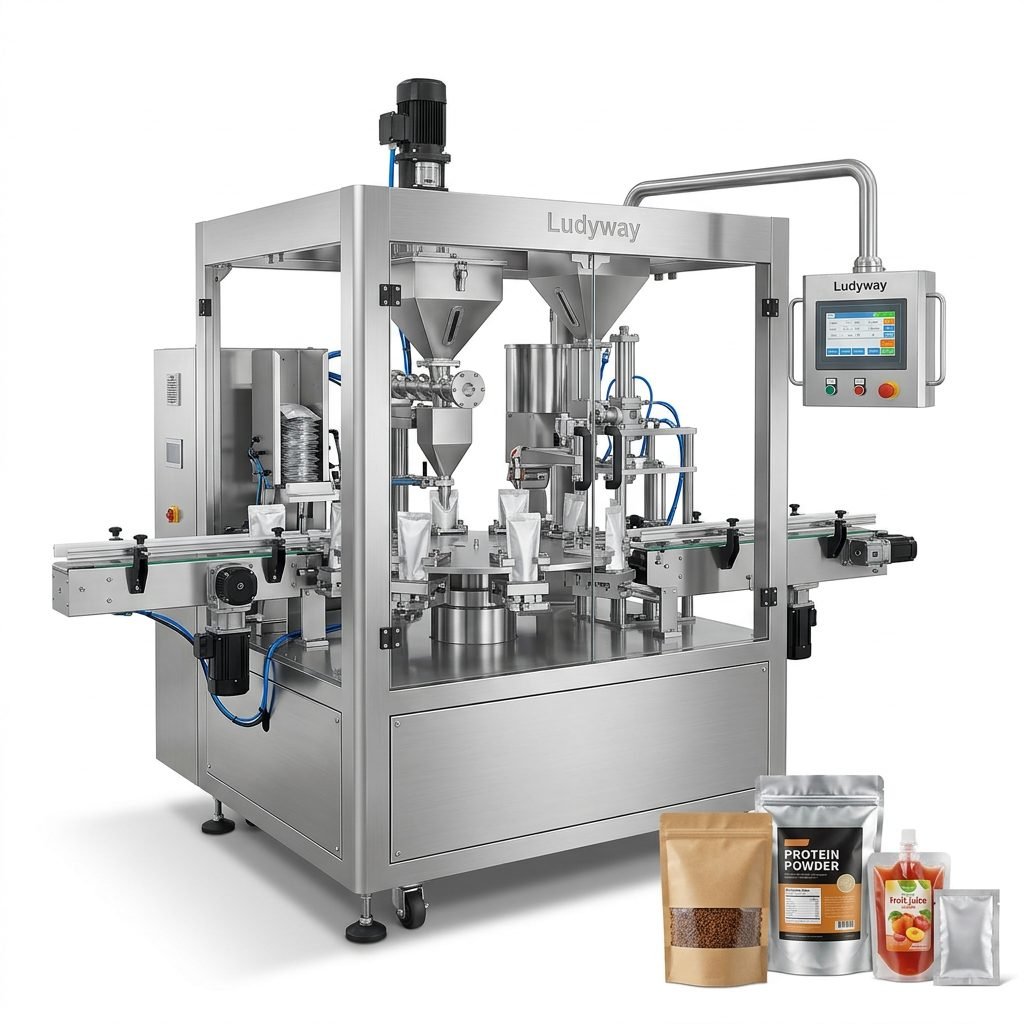
These are the workhorses of the packaging line. For paints, piston fillers are exceptionally popular due to their ability to handle a wide range of viscosities with high precision. Rotary fillers are ideal for high-volume operations, filling multiple containers simultaneously on a rotating carousel. The choice often depends on the required speed, container type, and paint characteristics.
2. Precision Capping & Sealing Systems
Once filled, containers move to capping stations. Screwcappers apply and torque lids onto plastic bottles or jugs with consistent force. For metal cans, double-seamers are essential, mechanically interlocking the can lid with the body to create a robust hermetic seal. Snap-cappers are used for specific plastic lid types, applying secure, click-fit closures.
3. Conveying & Handling Systems
An often overlooked but critical component is the conveyance system. It seamlessly links filling, capping, labeling, and palletizing stations. Gentle handling is crucial to avoid damaging containers or disturbing settled product. Customizable conveyor designs ensure smooth flow and proper container orientation at each stage.
Integrating a Complete Turnkey Line
The greatest operational advantage comes from integrating individual machines into a cohesive, automated line. A turnkey packaging solution handles everything from empty container depalletizing to filled case sealing. This integration minimizes manual handling, reduces labor costs, ensures consistent line speed, and provides comprehensive data monitoring for production analytics. Partnering with an expert who can provide this holistic approach, from design to commissioning, is a strategic investment.
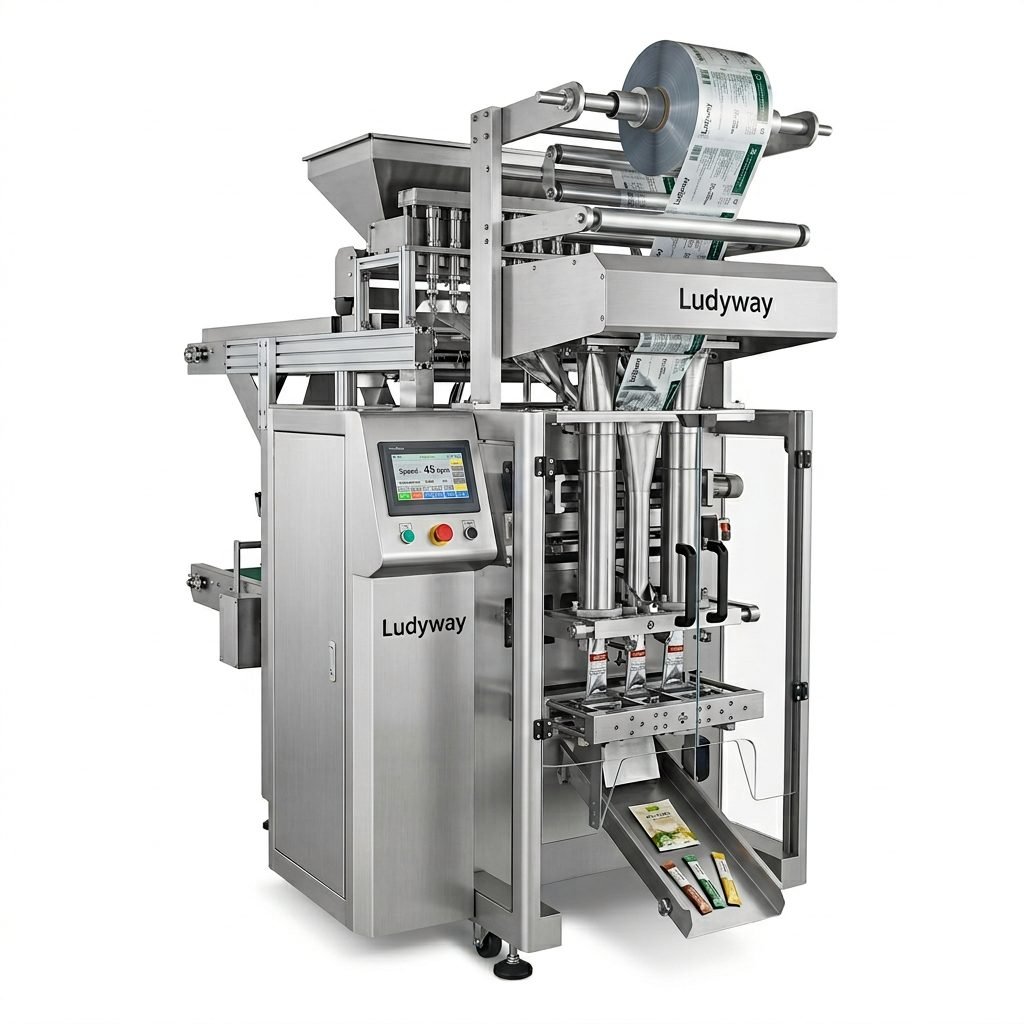
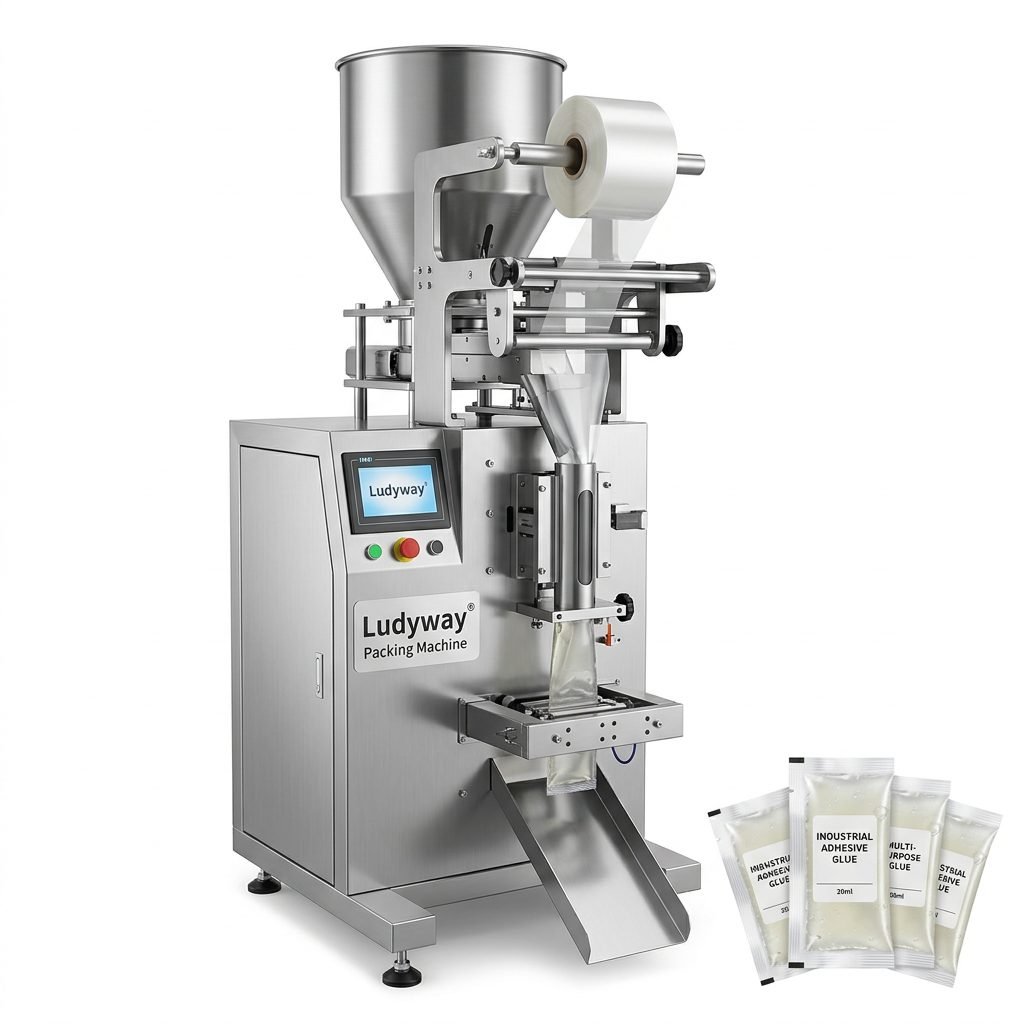
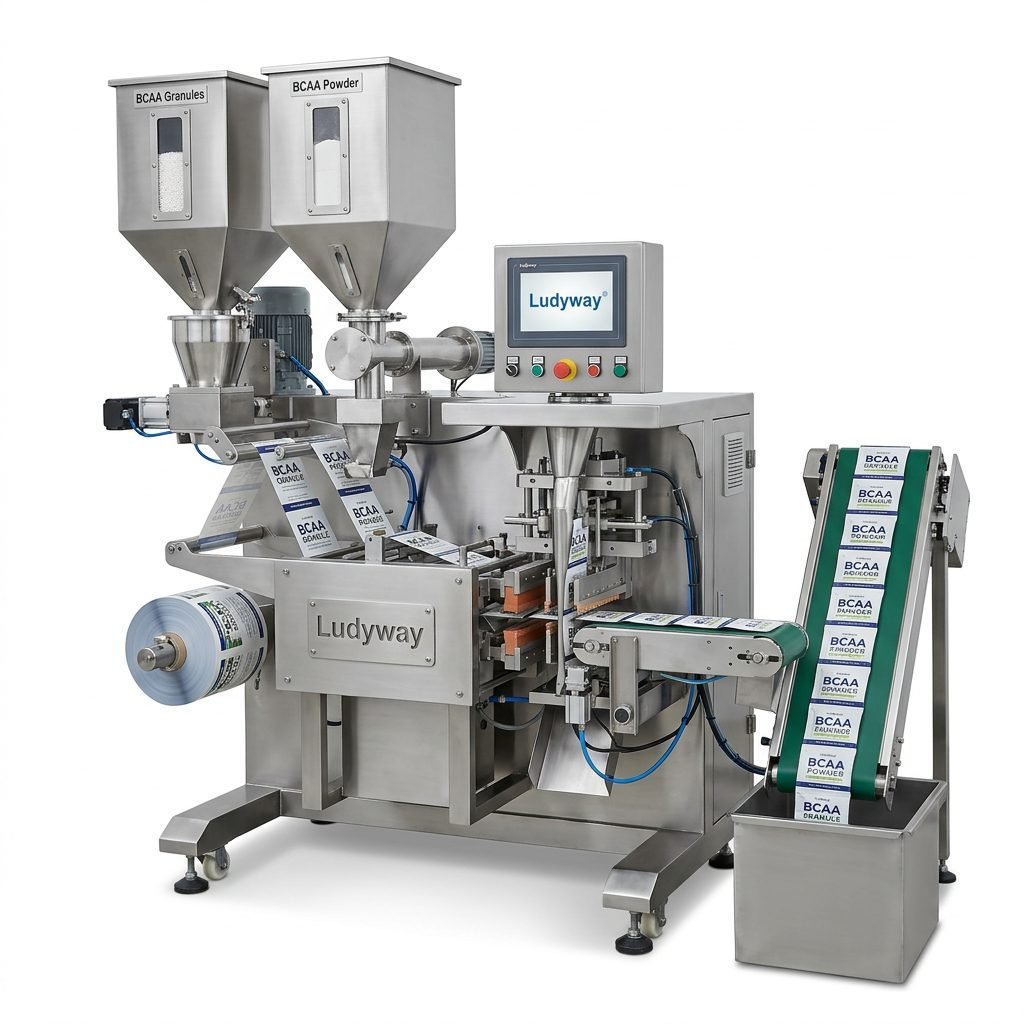
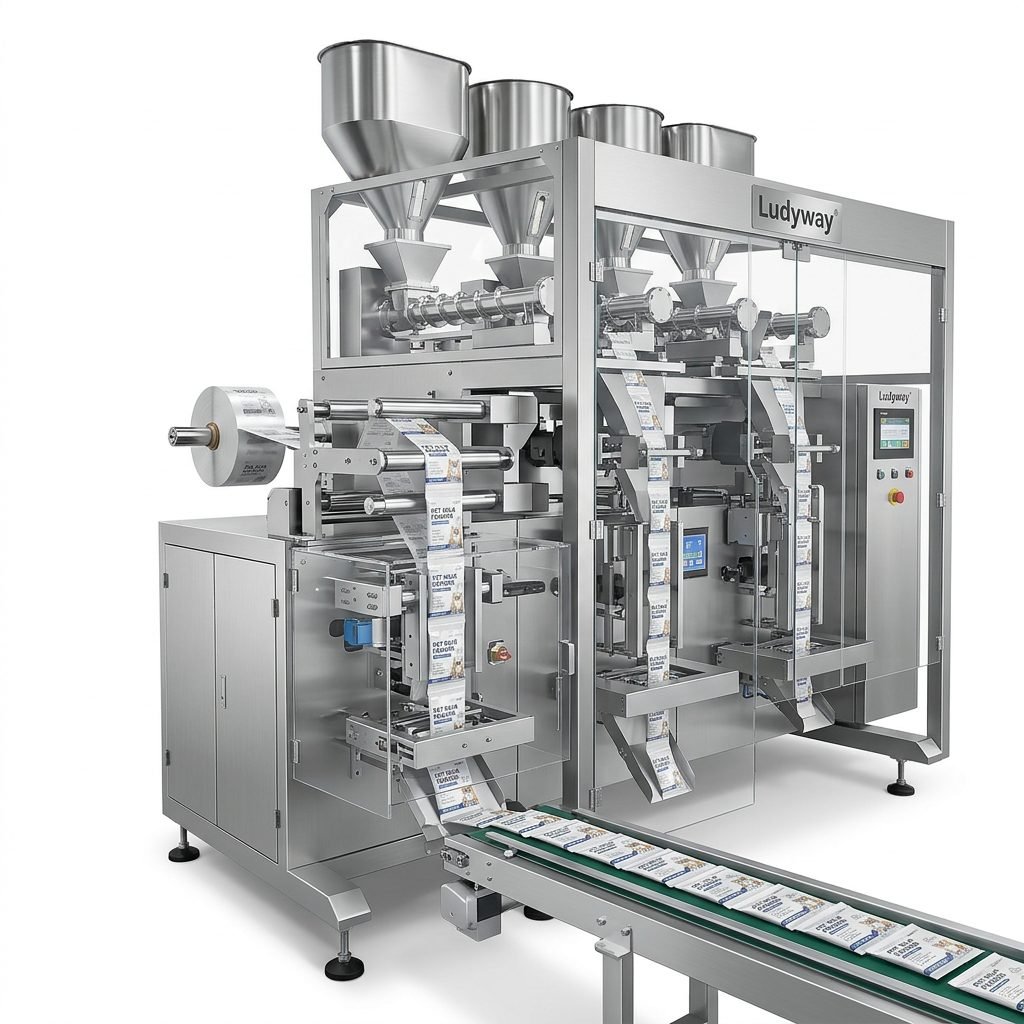
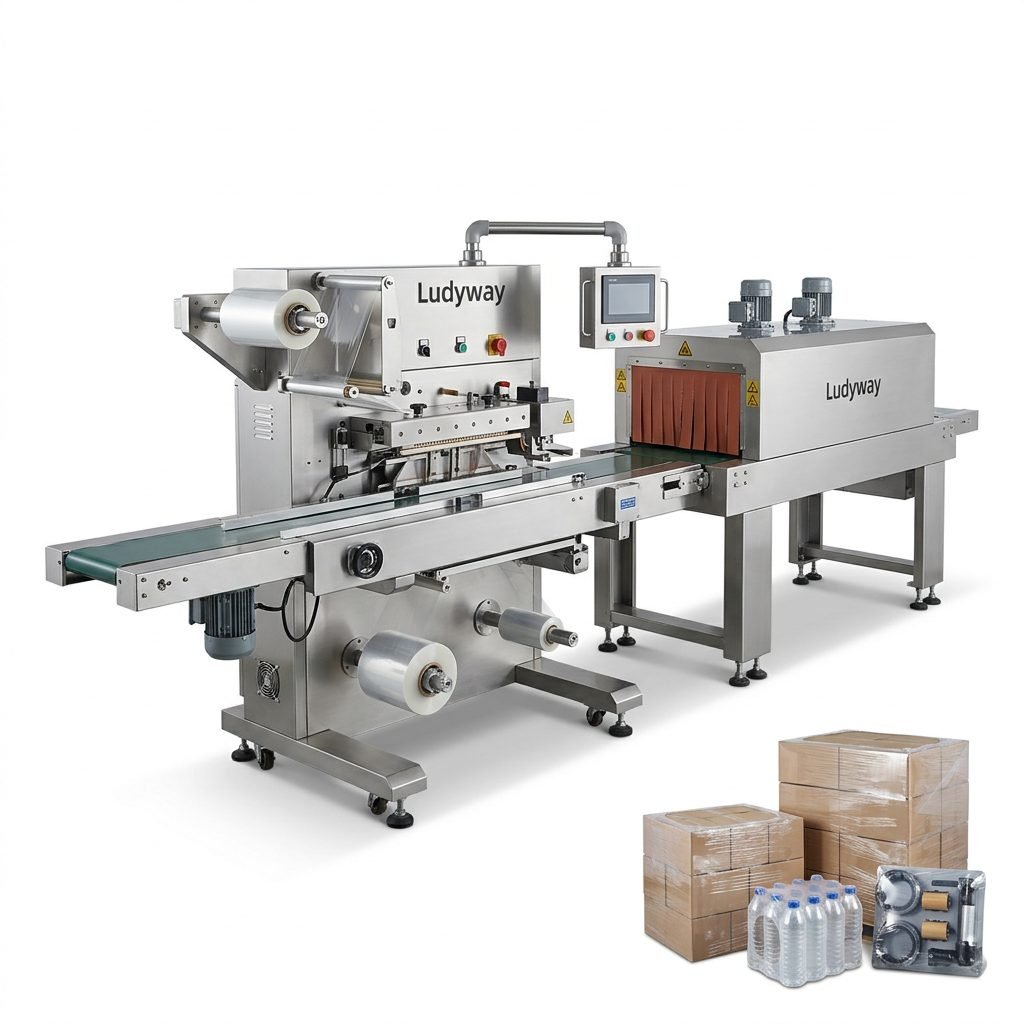
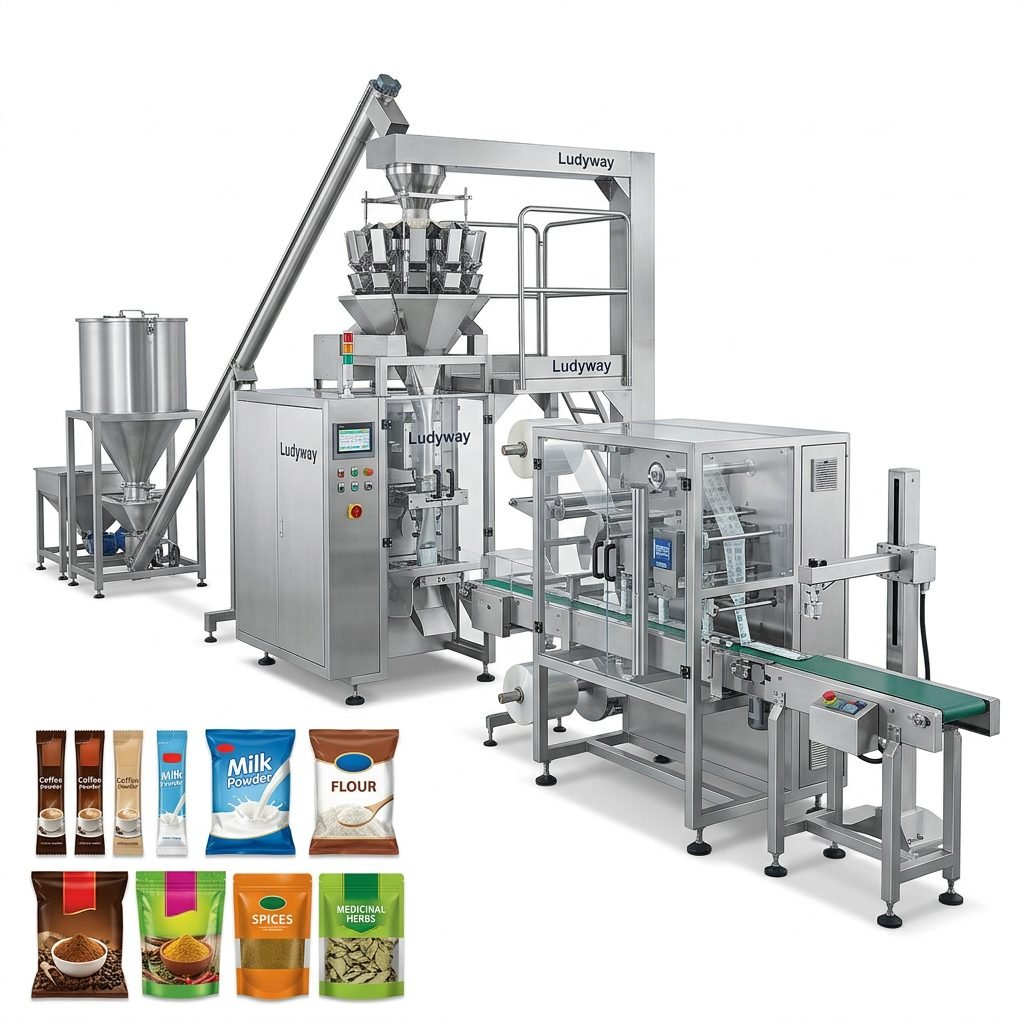
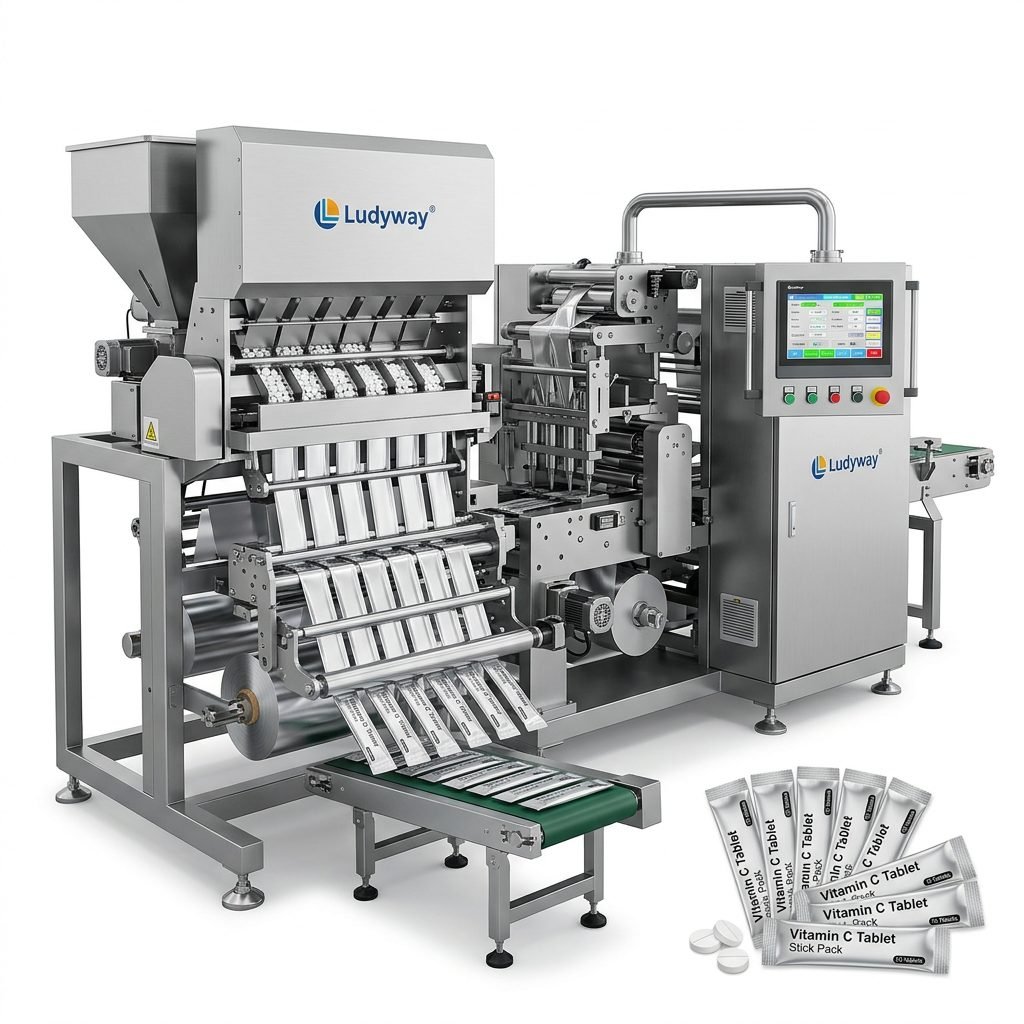
Companies like Ludyway Machinery, with deep expertise in packaging automation, specialize in delivering such customized turnkey solutions. Their approach focuses on understanding the specific needs of paint manufacturers to implement lines that are not only efficient but also adaptable for future product changes.
The Role of Expert Partners in Packaging Success
Choosing equipment is just one step. The partner you select for your packaging machinery is equally important. A provider with substantial industry experience brings invaluable insights into best practices, potential pitfalls, and optimization strategies.
Look for partners who offer more than just a machine sale. Comprehensive support should include detailed feasibility analysis, custom engineering for unique container shapes or products, professional installation, and thorough operator training. Reliable after-sales service with readily available spare parts is non-negotiable for minimizing downtime. Providers with a global service network, such as Ludyway Packaging Machinery, ensure support is available wherever your production facilities are located.
The legacy and stability of your equipment supplier matter. A partner backed by decades of engineering experience, like the team at Ludyway, which draws on over 30 years of packaging industry knowledge, is more likely to deliver robust, reliable, and innovative solutions that stand the test of time in a demanding factory environment.
Conclusion: Investing in Precision and Performance
Investing in top-tier paint packaging equipment is an investment in your product’s quality, your brand’s integrity, and your operation’s bottom line. By prioritizing solutions that deliver efficient filling, pinpoint accuracy, and flawless sealing, manufacturers can achieve new levels of productivity and consistency. In a market where details matter, the right packaging line is a powerful competitive advantage.
Frequently Asked Questions (FAQs)
1. What type of filler is best for thick, high-viscosity paints?
Piston Fillers are generally the best choice for high-viscosity products like heavy-duty enamels or textured coatings. They use a positive displacement action to push a precise volume of product into the container, unaffected by the product’s thickness or density, ensuring highly accurate fills.
2. How can I reduce paint waste during the filling process?
Implementing equipment with drip-free nozzles and precise cutoff valves is key. Furthermore, weight-based fillers can provide feedback control for even greater accuracy than volume-based systems. Regular maintenance and calibration of the filling heads are also essential to minimize giveaway and waste.
3. Our line handles multiple can sizes. How do we manage changeovers efficiently?
Look for machines designed with quick-change parts and tool-less adjustments. Modern equipment often allows for changeover recipes to be saved digitally, enabling operators to switch between container sizes with minimal manual intervention and downtime, often in just a few minutes.
4. Why is sealing so critical for paint cans?
An improper seal can lead to solvent evaporation, skinning of the paint inside the can, and contamination. For water-based paints, it prevents drying out. For all paints, a hermetic seal is crucial for long shelf life and maintaining the product’s intended application properties and color consistency.
5. What should I look for in a packaging equipment supplier?
Prioritize suppliers with proven industry experience, strong technical support capabilities, and a portfolio of successful installations. They should offer comprehensive services from testing and design to training and after-sales support. A supplier that provides turnkey project management can significantly simplify the process and ensure all system components work together seamlessly.