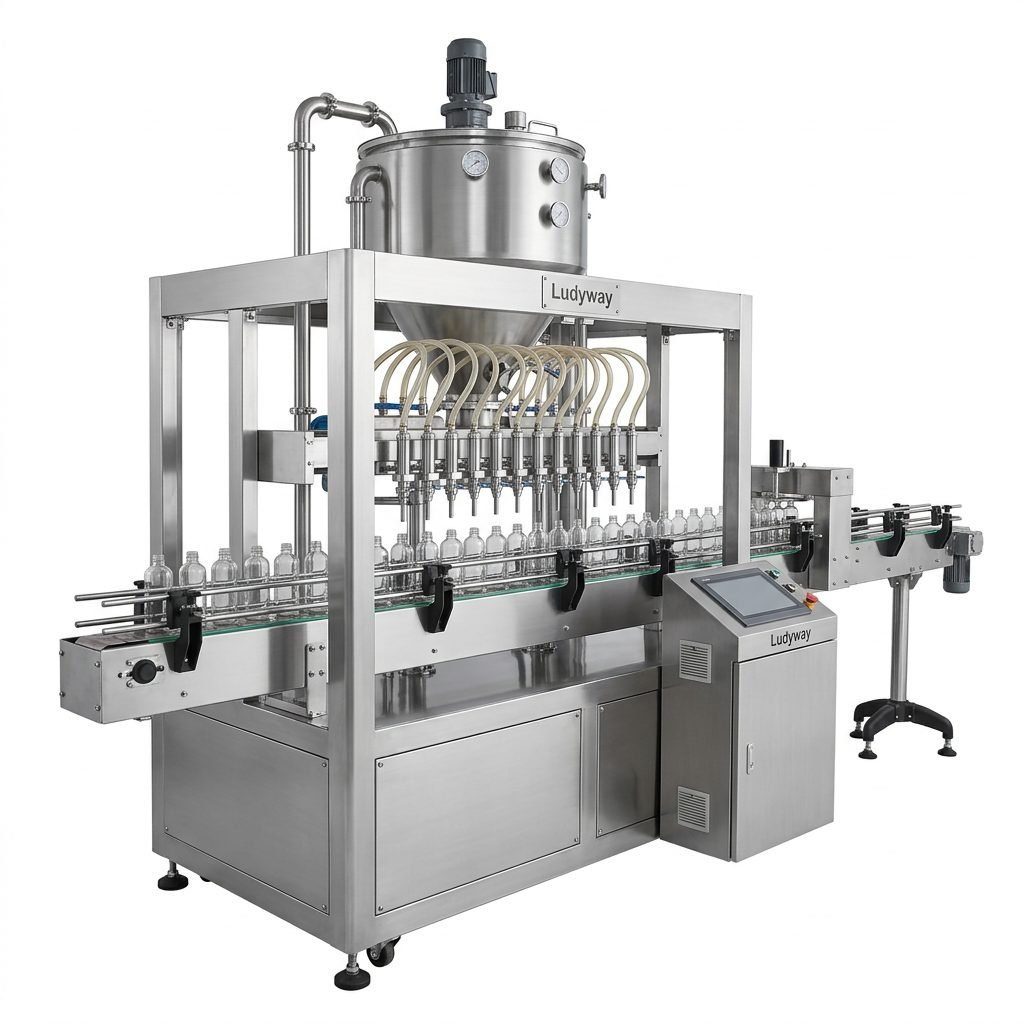
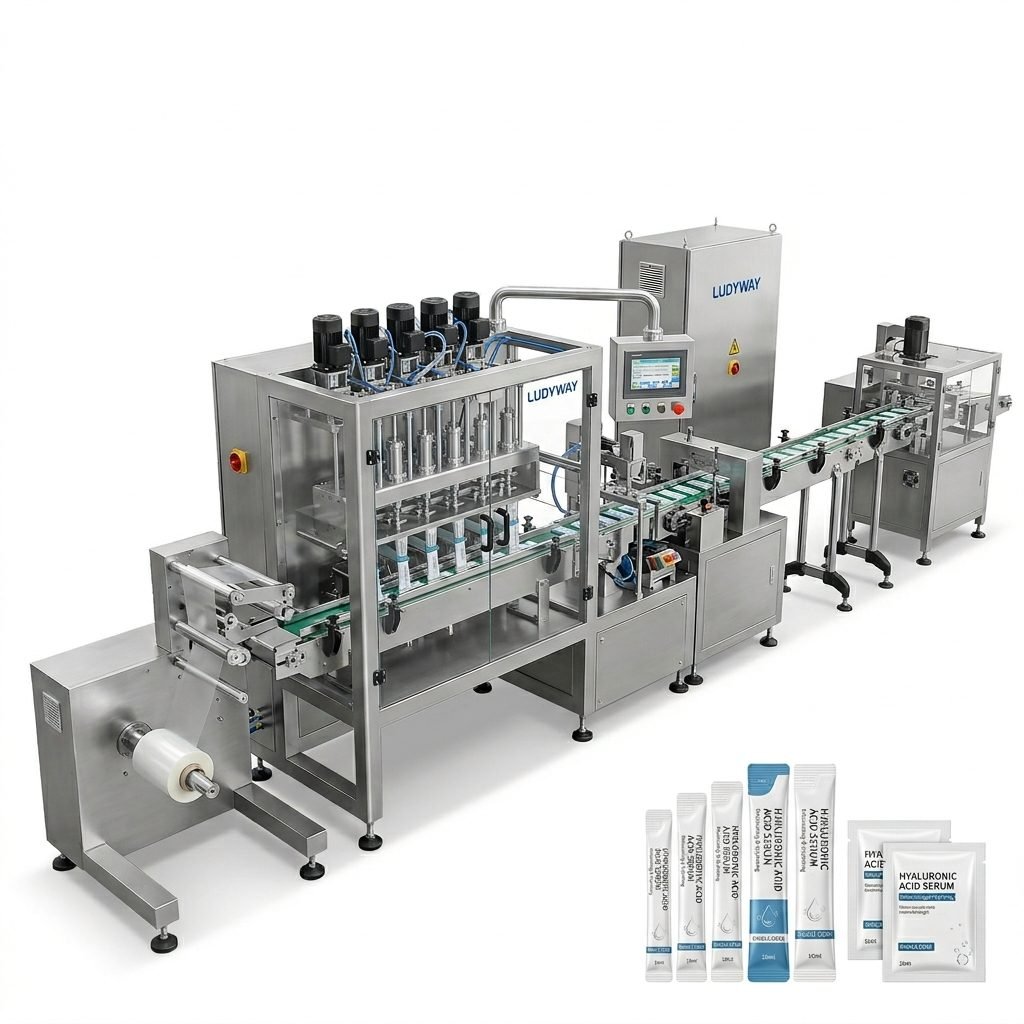
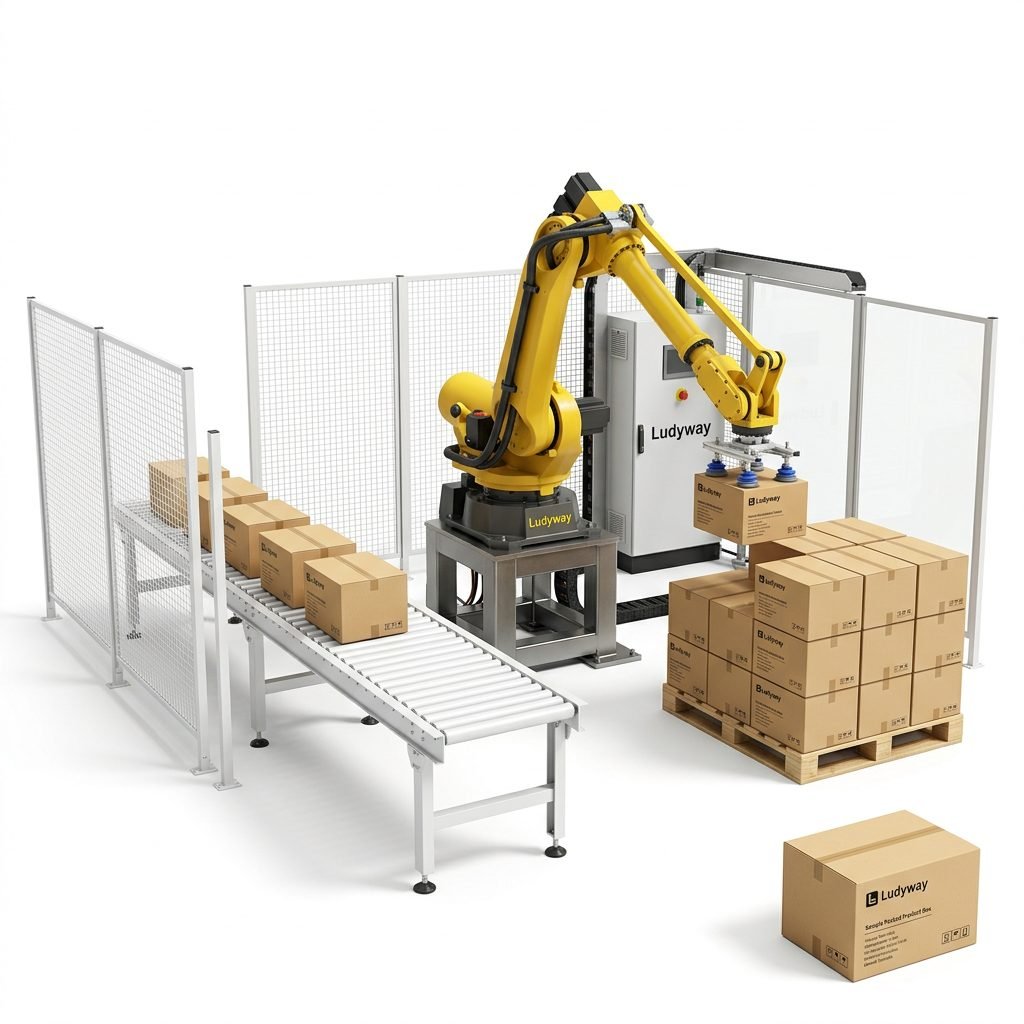
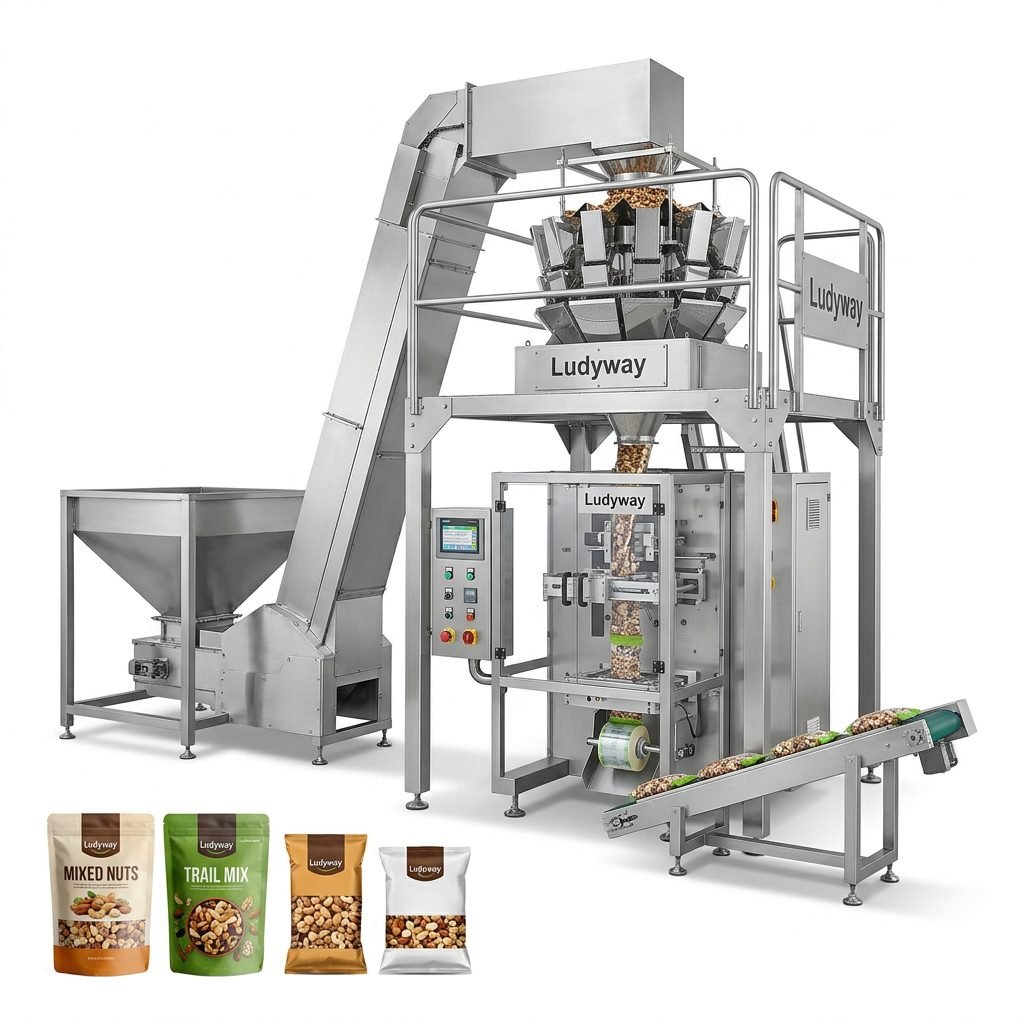
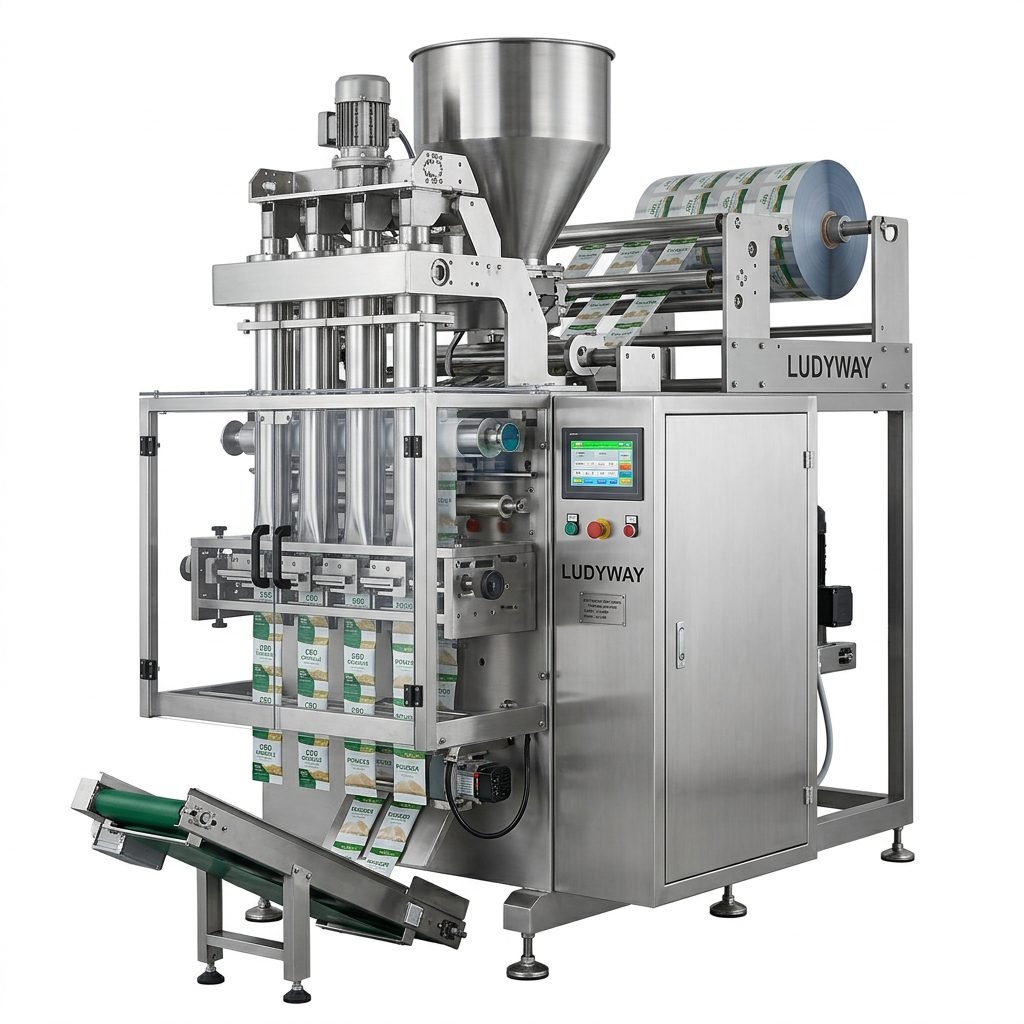
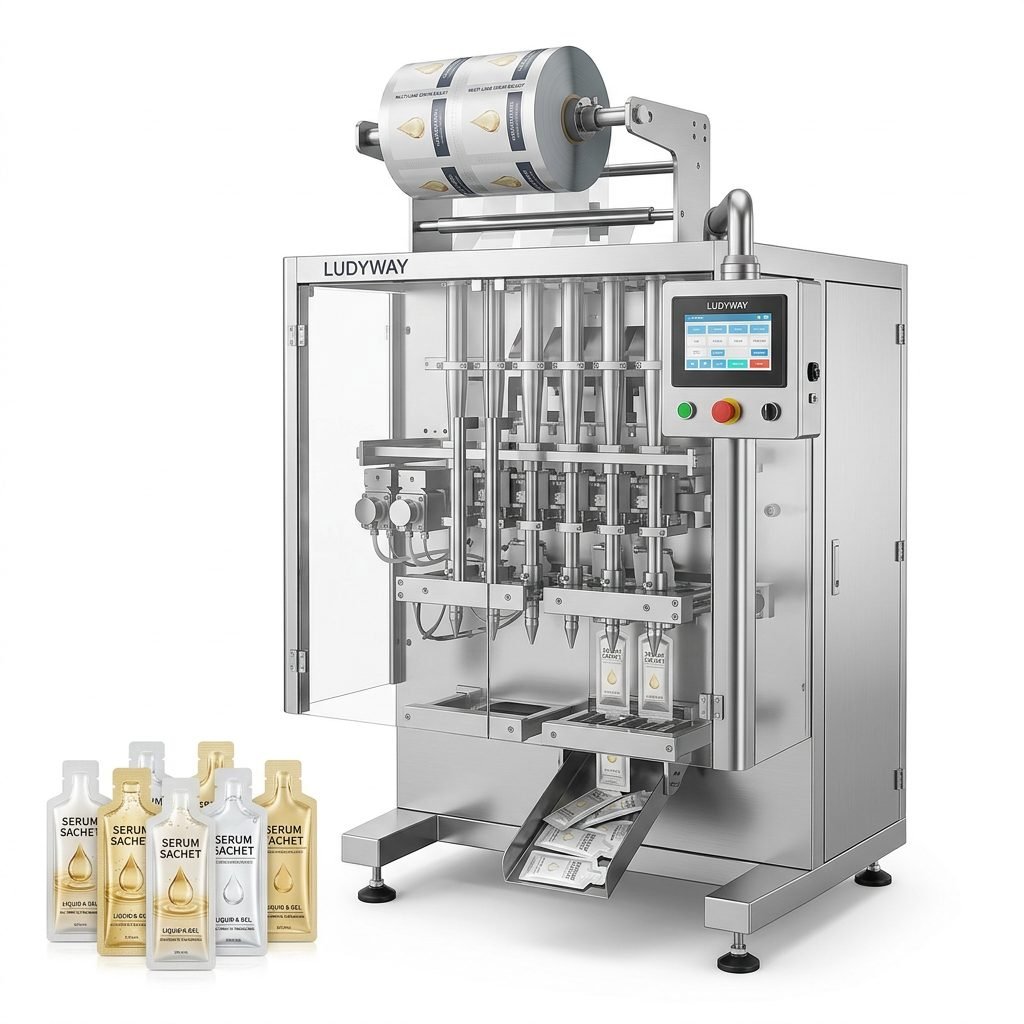
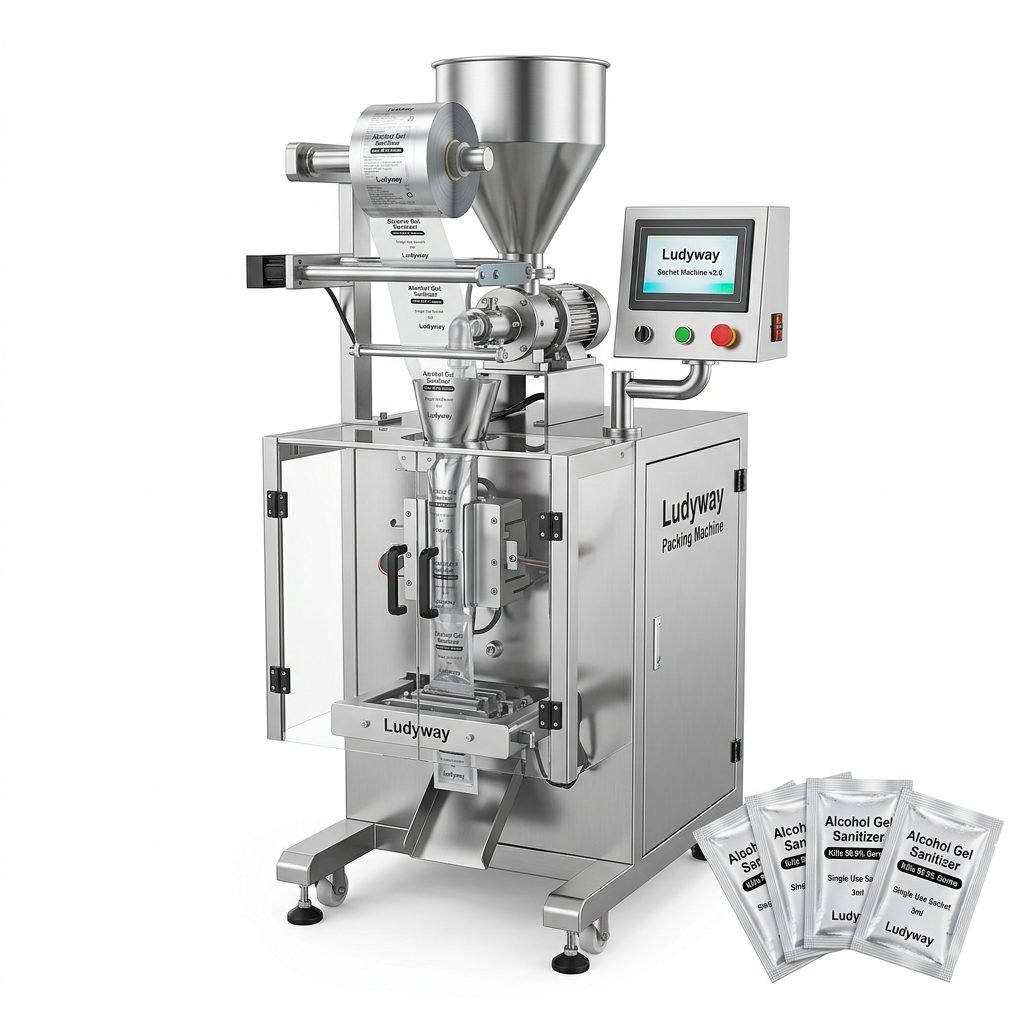
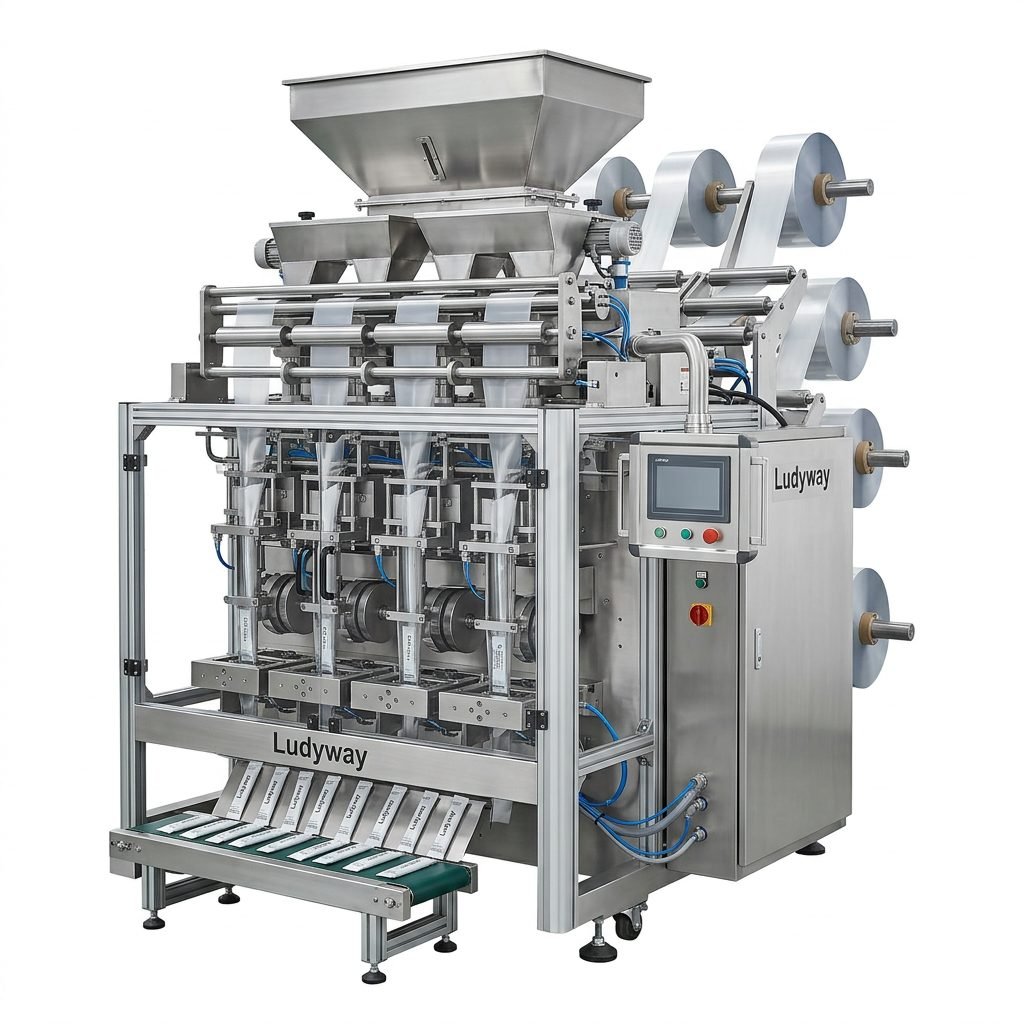
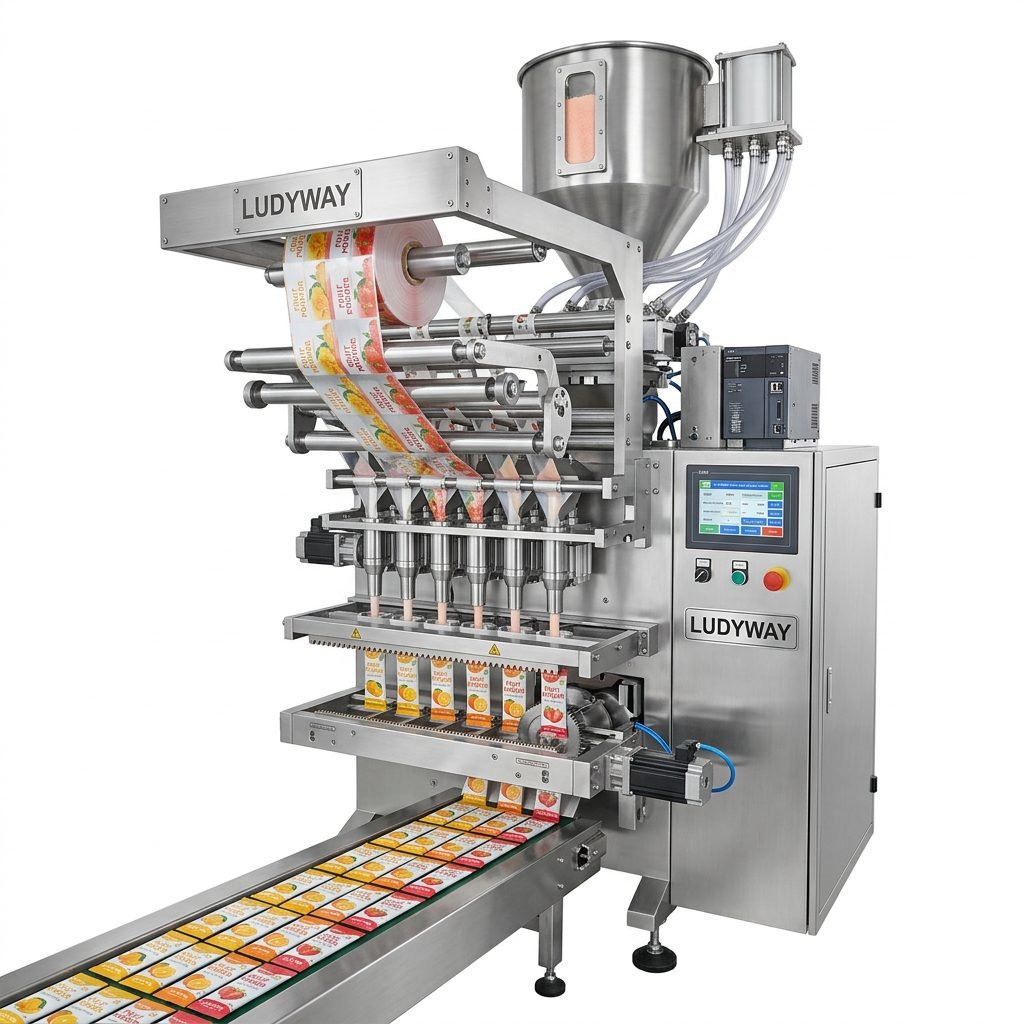
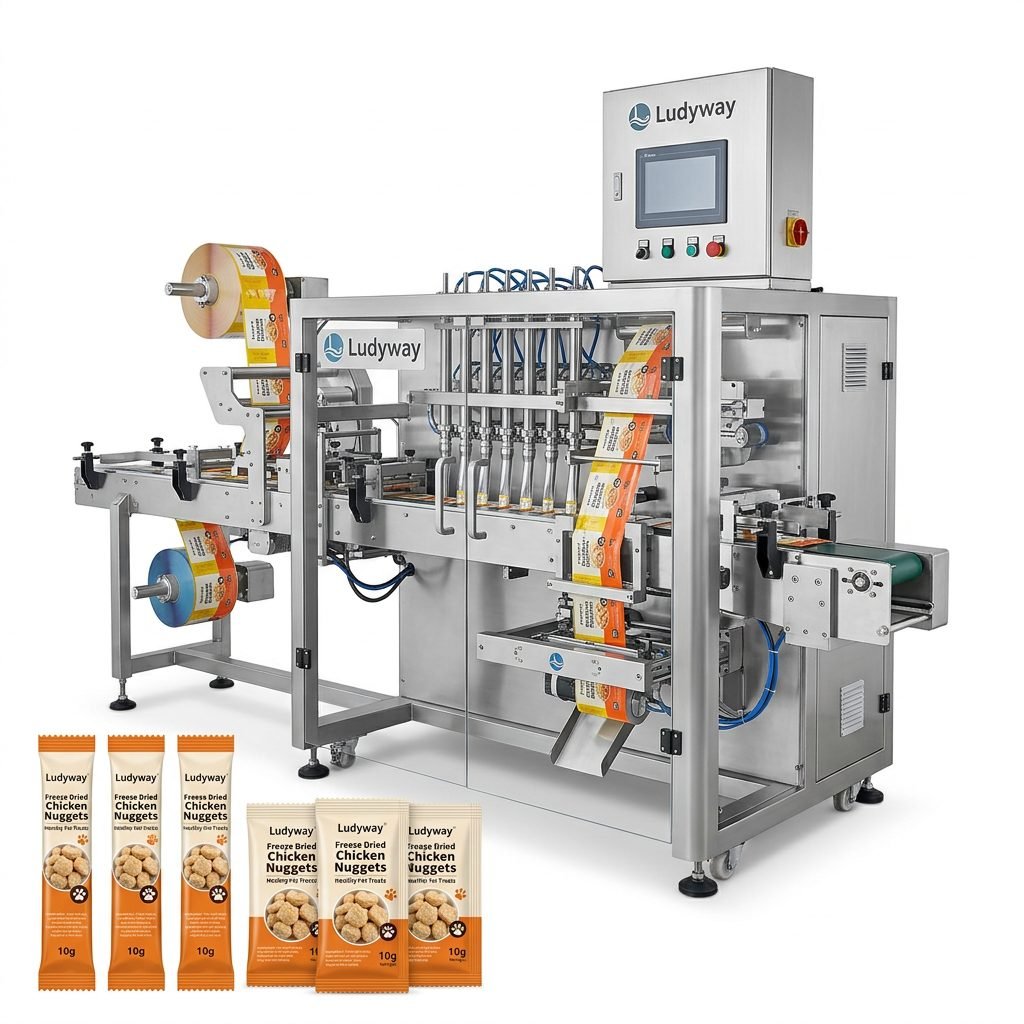
Choosing the right food packaging machinery is a critical decision for cereal bar manufacturers. The equipment you select directly impacts your production efficiency, product quality, and overall profitability. With numerous suppliers in the market, identifying the top partners who can provide reliable, efficient, and innovative solutions tailored to cereal bars can be challenging. This guide will help you navigate the selection process and highlight key considerations for choosing the perfect equipment for your operation.
Understanding Cereal Bar Packaging Requirements
Cereal bars present unique packaging challenges. They are often dense, sticky, and can be fragile, requiring machinery that handles them gently yet efficiently. The packaging must maintain freshness, provide a strong barrier against moisture and air, and be appealing to consumers on the shelf. Primary packaging forms include flow wraps (pouches), bar wrappers, and cartons. Your machinery must be versatile enough to handle different bar sizes, shapes, and wrapping materials, from simple foil wraps to complex multi-layer laminates.
Key Point:
The ideal packaging machine for cereal bars should offer precise dosing, gentle product handling, high-speed operation, and easy changeover to accommodate different recipes and packaging formats without significant downtime.
Types of Packaging Machinery for Cereal Bars
The landscape of packaging equipment is diverse. Here are the main types relevant to cereal bar production:
Flow Wrapping Machines
These are the most common machines for individually wrapping cereal bars. They use a roll of film to form a pouch around the product and seal it at both ends. Modern flow wrappers offer features like photoelectric registration for printed film and integrated checkweighers for quality control.
Form-Fill-Seal (FFS) Machines
Vertical or horizontal FFS machines are excellent for creating the pouch from roll stock, filling it with product (like granola or muesli bar mixtures before forming), and sealing it in one continuous operation. This is often used for multipacks or granola-based products.
Cartoning Machines
After individual wrapping, bars are often packed into cartons for retail. Automatic cartoning machines erect, load, and close cartons at high speeds, integrating seamlessly with upstream wrappers.
How to Evaluate Top Suppliers
Not all machinery suppliers are created equal. When searching for top food packaging machinery suppliers, you must look beyond the initial price quote.
Critical Evaluation Criteria:
- Industry Experience & Specialization: Does the supplier have a proven track record with snack bars or similar products? Case studies and client references are invaluable.
- Machine Reliability & Build Quality: Inspect the construction materials (e.g., food-grade stainless steel), drive systems, and sealing mechanisms. Reliable suppliers, like Ludyway Packing Machine, often leverage decades of engineering expertise to build durable equipment.
- Technical Support & Service Network: Ensure the supplier offers comprehensive installation, training, and after-sales support. Quick access to spare parts and service technicians minimizes production halts.
- Innovation & Customization: Can they tailor the machine to your specific bar size, shape, or unique packaging material? Flexibility is key to future-proofing your investment.
- Hygienic Design: Machinery must be easy to clean and maintain, complying with food safety standards like FDA, EHEDG, or BRC.
The Importance of a Trusted Partner
Selecting a supplier is about forming a partnership. A company like Ludyway Machinery, founded in 2010 with a vision for reliable global solutions, exemplifies this approach. With over 30 years of collective industry experience and a portfolio of more than 50 intelligent packaging machine models, such partners focus on long-term cooperation. They understand that your success is their success, providing not just a machine, but a complete turnkey production solution.
Making the Final Decision: A Step-by-Step Guide
Follow this practical guide to narrow down your options and choose the right equipment.
Step 1: Define Your Specifications
List your must-haves: desired speed (bars per minute), product dimensions, packaging materials, required uptime, floor space, and budget. Be as detailed as possible.
Step 2: Research and Shortlist Suppliers
Use industry directories, trade shows, and peer recommendations to create a list. Prioritize suppliers with specific cereal bar experience.
Step 3: Request Proposals and Demos
Ask for detailed quotations and, crucially, request a live or recorded video demonstration using a product similar to yours. Pay attention to the handling of the bar.
Step 4: Evaluate Total Cost of Ownership (TCO)
Look beyond the purchase price. Factor in energy consumption, maintenance costs, expected lifespan, and potential cost of downtime.
Step 5: Check References and Visit Facilities
If possible, visit the supplier’s manufacturing facility to assess their capabilities and quality control. Speaking to existing clients provides unbiased insights.
Pro Tip for Success
Always plan for the future. Choose a machine and a supplier, such as Ludyway Packing Machine, that can scale with your business. Consider modular designs that allow for easy upgrades in speed or the addition of functions like vision inspection systems or robotic palletizing down the line.
Investing in the right packaging machinery is a strategic move that pays dividends in efficiency, product quality, and brand reputation. By thoroughly understanding your needs, rigorously evaluating suppliers on experience, support, and innovation, and viewing the purchase as a long-term partnership, you can secure equipment that becomes a reliable cornerstone of your cereal bar production for years to come. Leading suppliers bring not only advanced technology but also the peace of mind that comes from professional service and a commitment to your production goals.
Frequently Asked Questions (FAQs)
What is the typical production speed for a cereal bar flow wrapper?
Speeds vary greatly based on bar size and complexity. Standard machines can range from 100 to over 400 bars per minute. High-speed models for simple rectangular bars can exceed 600 bars per minute. It’s crucial to match the machine speed to your actual output requirements to avoid over-investing.
Can one machine handle different bar sizes and shapes?
Yes, but changeover time and complexity differ. Many modern machines are designed with quick-change tooling (like interchangeable forming boxes and sealing jaws) to minimize downtime when switching between products. Discuss your specific range of products with the supplier to ensure the machine’s flexibility meets your needs.
How important is hygienic design in cereal bar packaging?
Extremely important. Cereal bars are food products, and machinery must prevent contamination. Look for features like smooth, crevice-free surfaces, easy-access panels for cleaning, and compatibility with wash-down procedures. This is essential for complying with global food safety standards.
What kind of after-sales support should I expect from a top supplier?
A top supplier should provide comprehensive support including: installation and commissioning by trained engineers, detailed operator and maintenance training, a readily available inventory of common spare parts, access to technical documentation, and responsive remote or on-site service support. A clear service agreement is recommended.
Are turnkey solutions available for starting a new cereal bar production line?
Absolutely. Many leading suppliers, including those with extensive project experience like Ludyway Machinery, specialize in turnkey solutions. This means they can handle the entire project from initial design and machinery supply to installation, integration with mixers and coolers, commissioning, and staff training, delivering a production line that is ready to run.