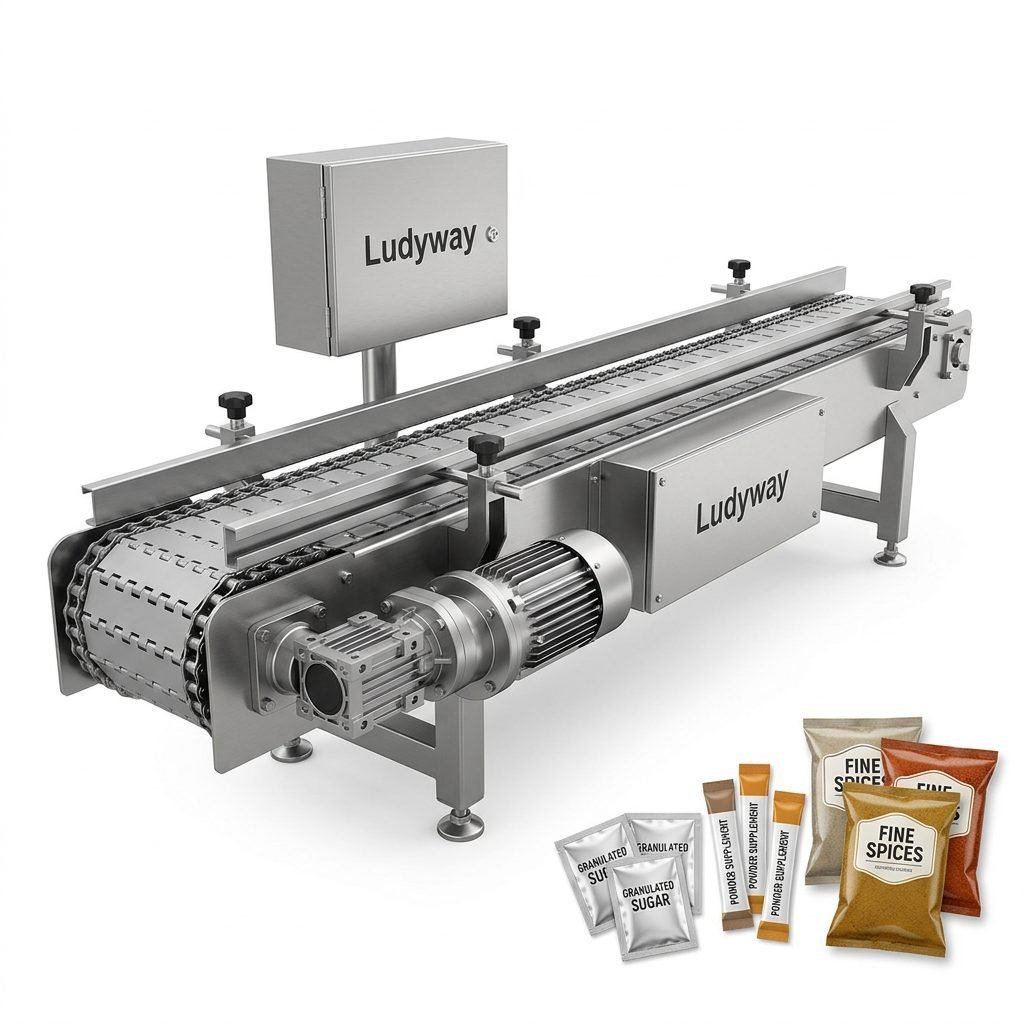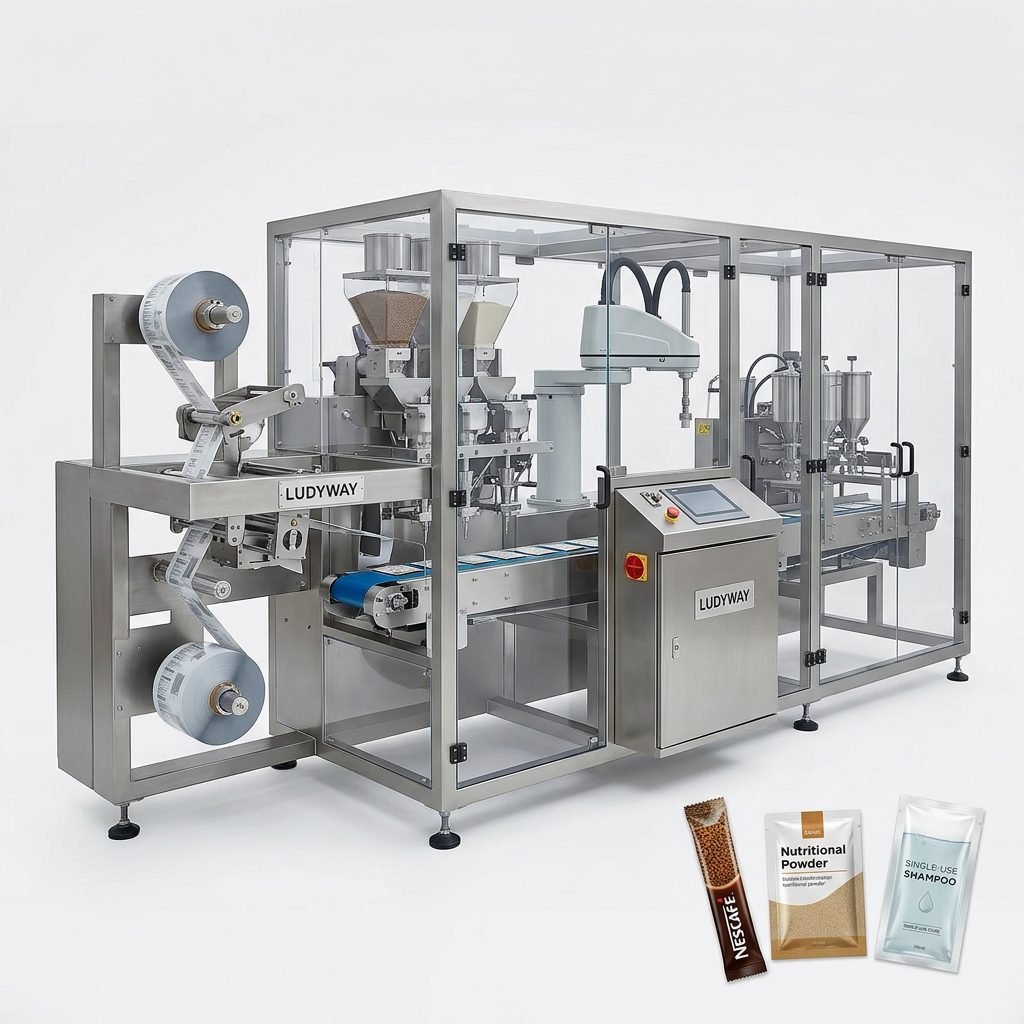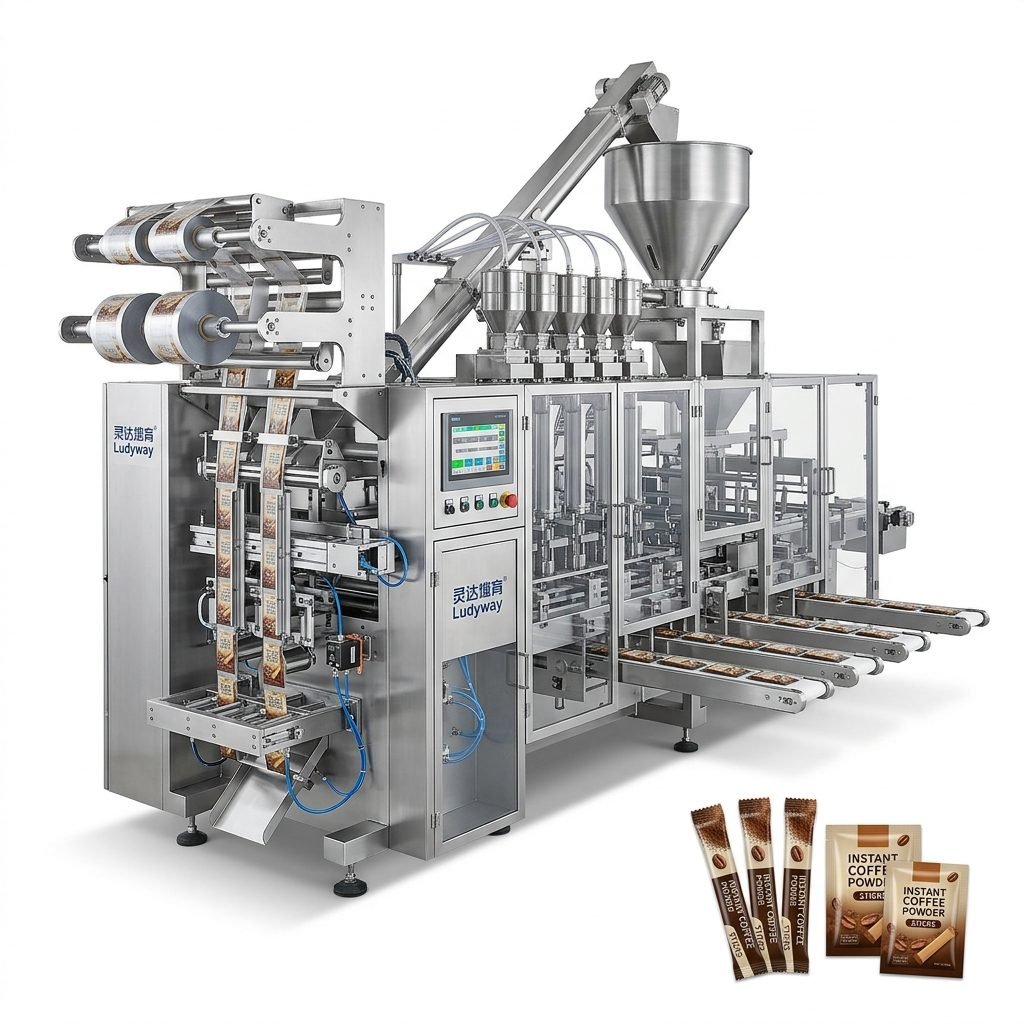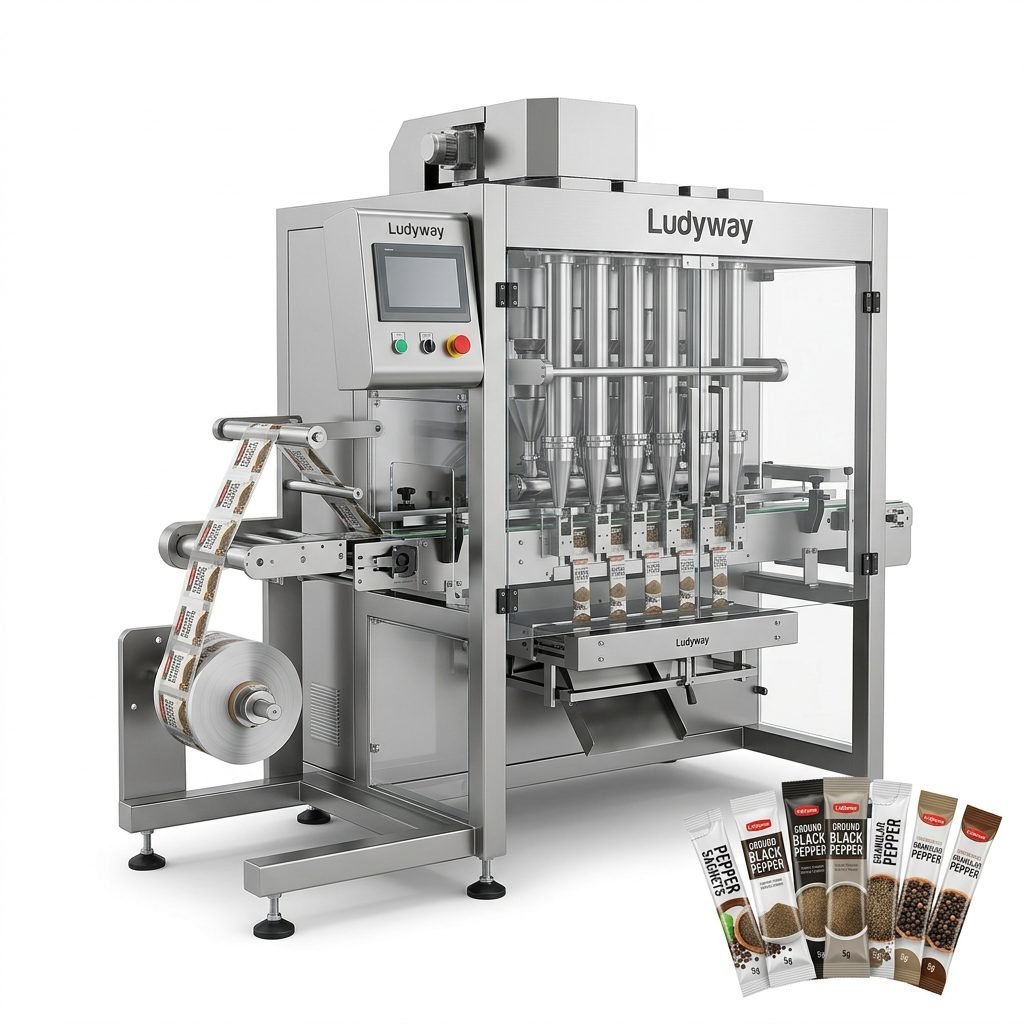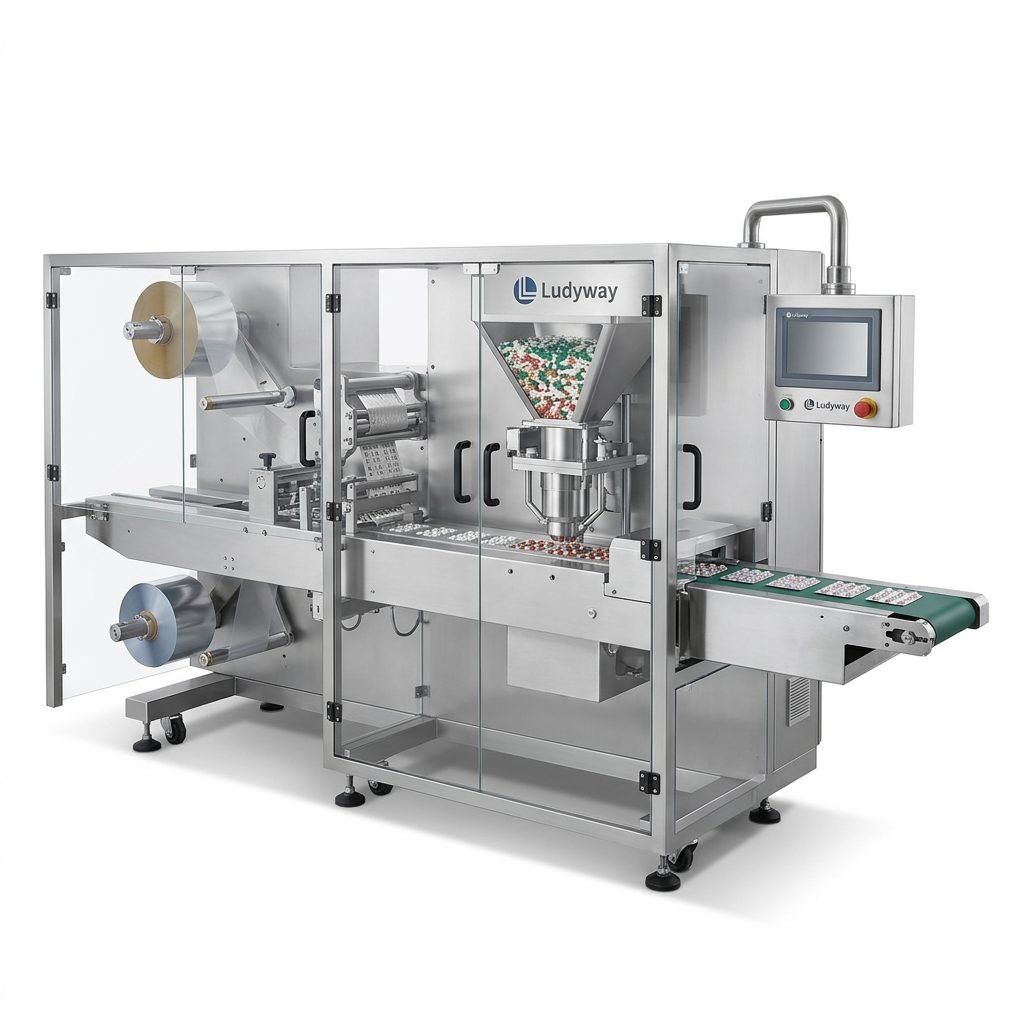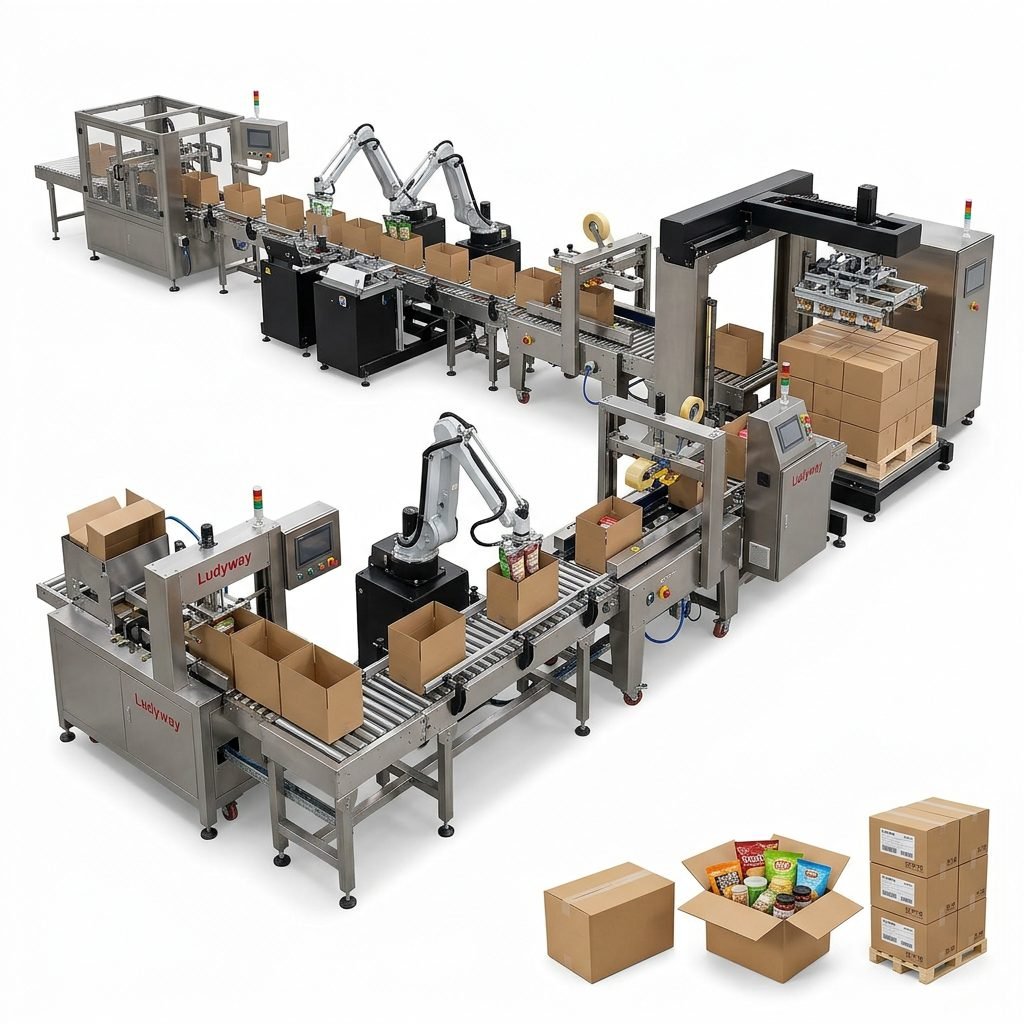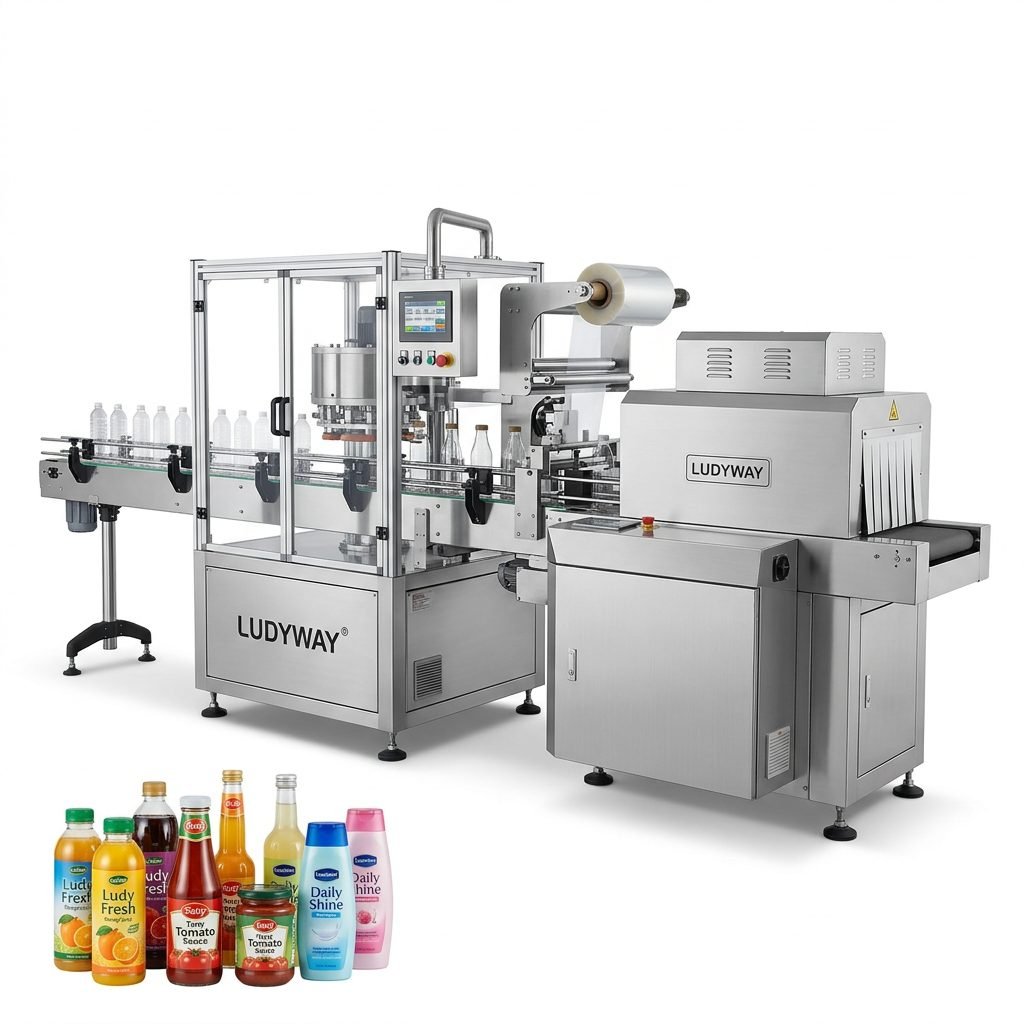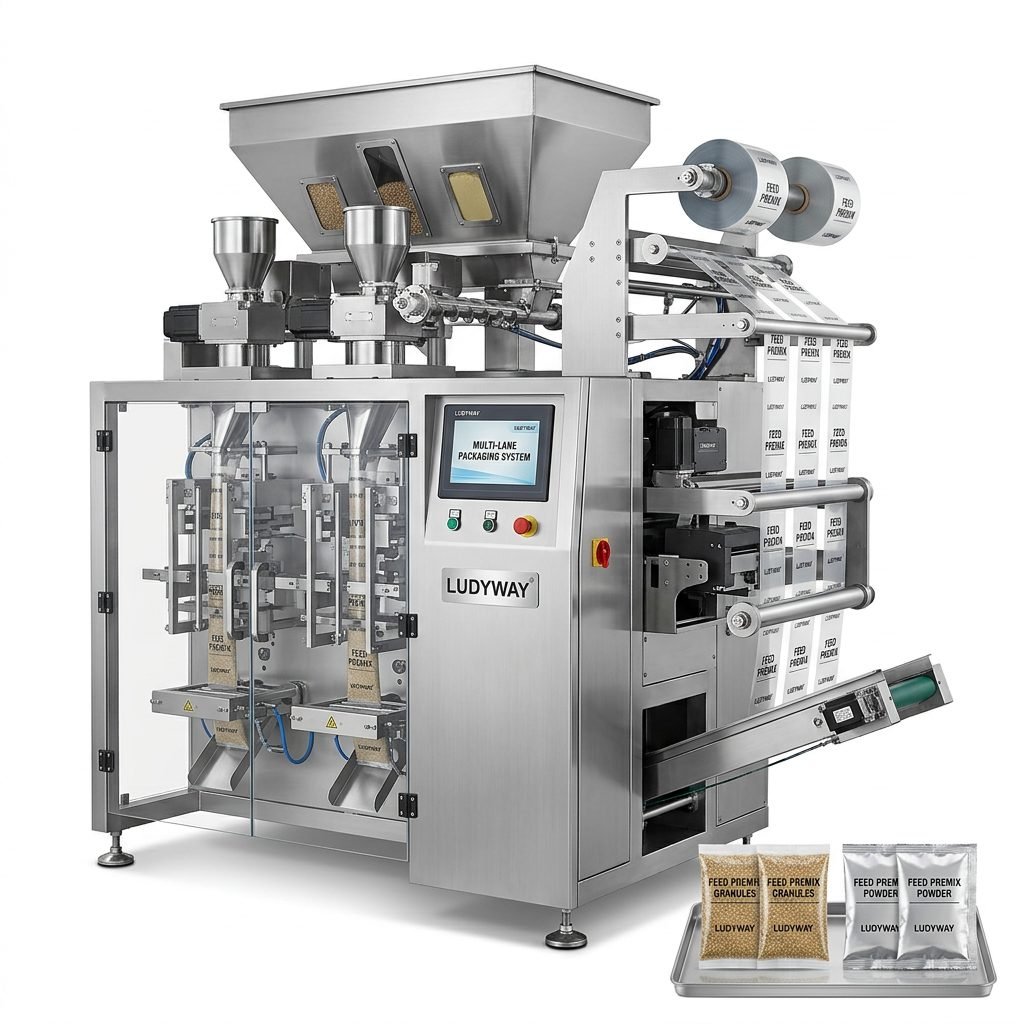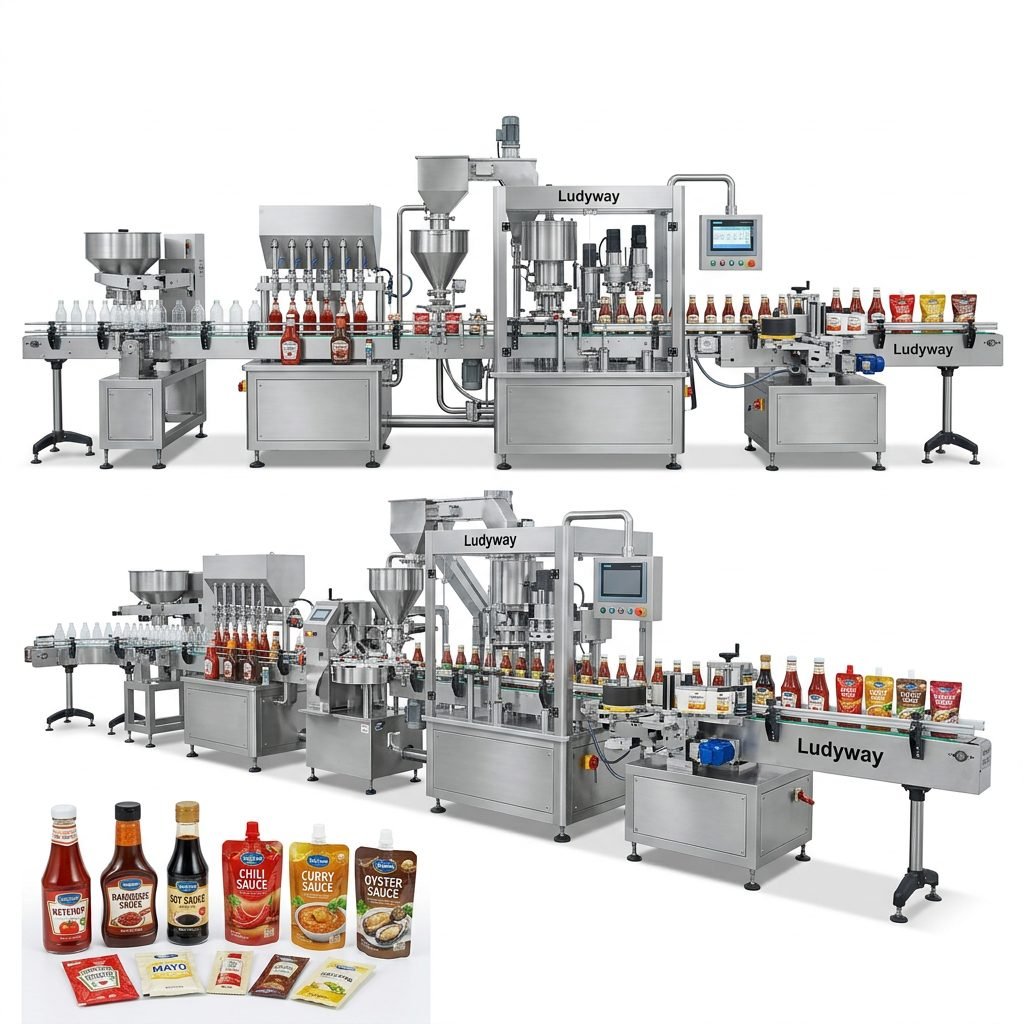
The Southeast Asian packaging machinery market is undergoing a rapid transformation. With GDP growth across ASEAN nations averaging over 5% annually and food processing sectors expanding at double-digit rates, demand for high-speed cereal packaging machines has never been stronger. Manufacturers across Indonesia, Thailand, Vietnam, Malaysia, and the Philippines are actively seeking advanced packaging equipment that can handle diverse grain-based products while maintaining strict hygiene standards.
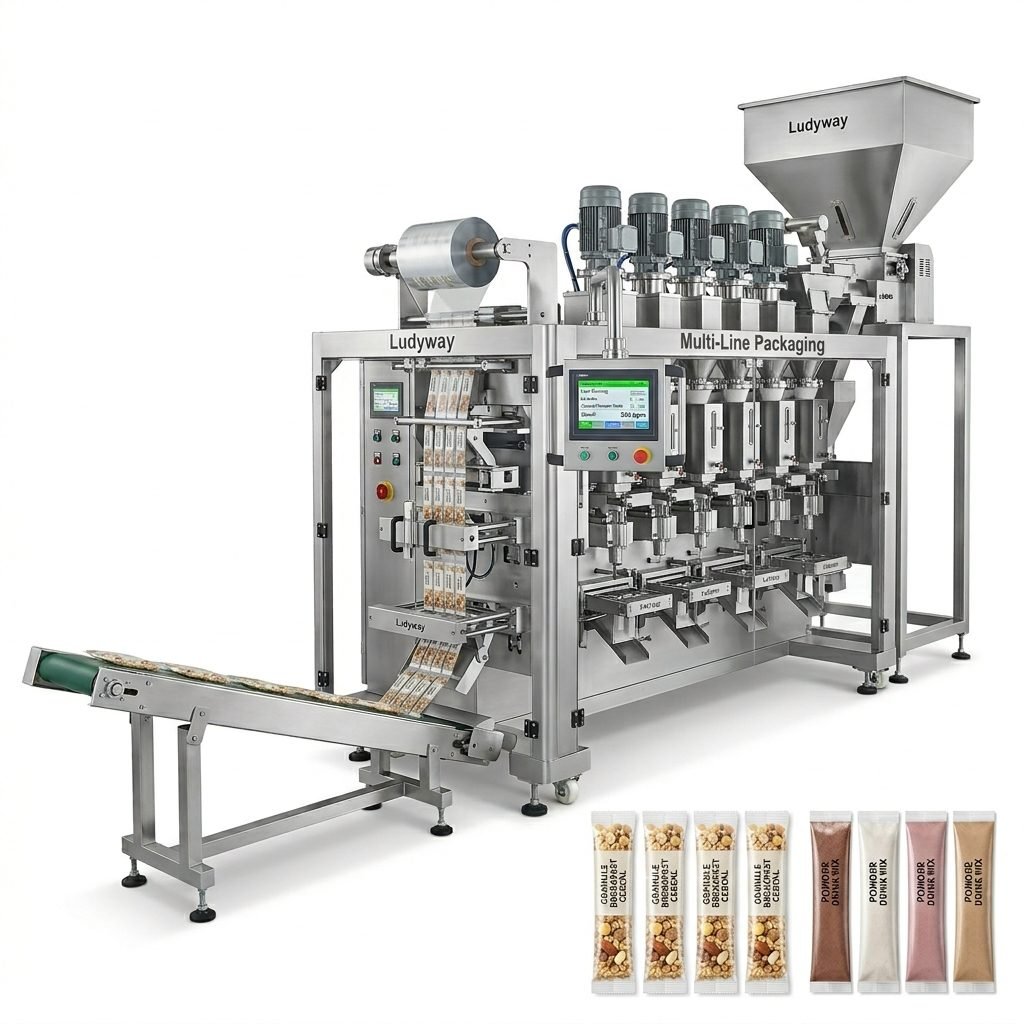
Southeast Asia’s Cereal Packaging Boom
The region’s breakfast cereal market is projected to grow at a CAGR of 6.8% through 2028, driven by urbanization, changing dietary habits, and the rise of convenience-oriented consumers. This surge creates both opportunities and challenges for food manufacturers who must balance speed, accuracy, and cost-efficiency in their packaging operations.
Key factors fueling demand include:
- Expanding retail infrastructure across tier-2 and tier-3 cities in Indonesia and Vietnam
- Growing health consciousness driving demand for granola, muesli, and multi-grain cereal products
- E-commerce penetration exceeding 40% in key markets, requiring durable, attractive packaging
- Government incentives for food processing automation under Thailand 4.0 and Making Indonesia 4.0 initiatives
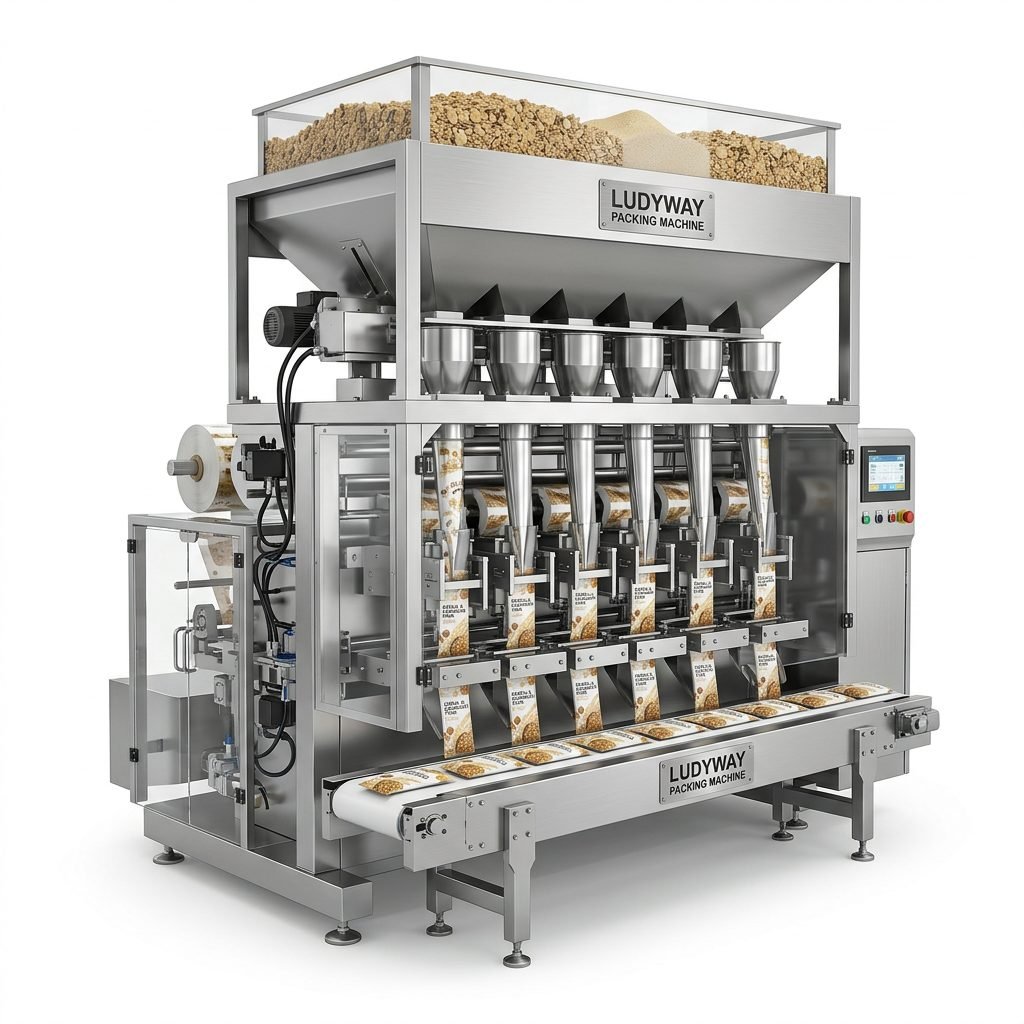
What Makes Ludyway Machines Ideal for Southeast Asian Markets
When evaluating packaging machinery for cereal production in tropical climates, several factors set certain equipment apart. Ludyway — one of China’s largest packaging machine manufacturers with over 30 years of industry expertise — has developed cereal packaging solutions specifically engineered for the unique demands of Southeast Asian food producers.
Humidity-Resistant Engineering
Southeast Asia’s average humidity of 80%+ poses significant challenges for cereal packaging. Granules and flakes readily absorb moisture, leading to quality degradation and shorter shelf life. Advanced sealing technologies with precise temperature control and multi-layer film compatibility ensure product integrity throughout the distribution chain.
Multi-Format Flexibility
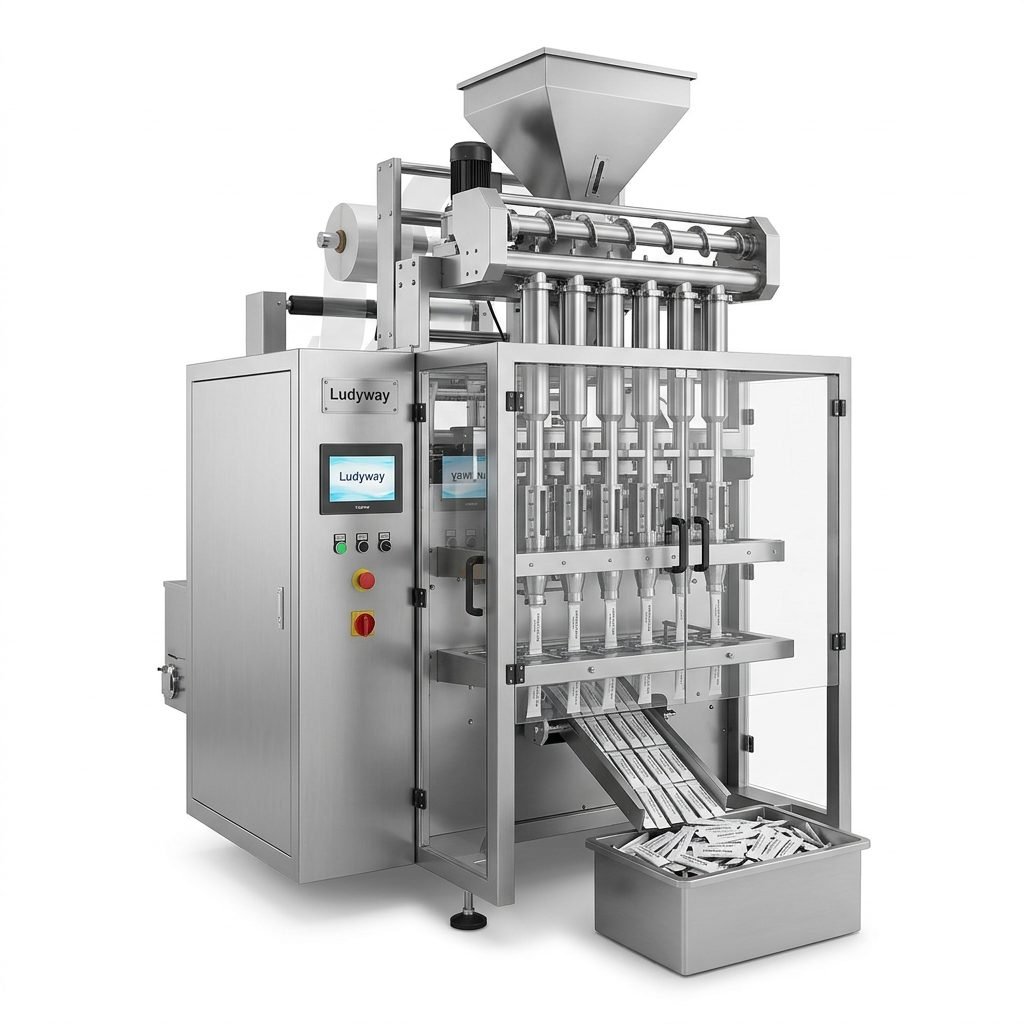
From single-serve stick packs popular in convenience stores to family-size sachets for supermarket shelves, Southeast Asian brands require versatile packaging solutions. Modern multi-lane systems can switch between stick pack, sachet, and pouch formats with minimal changeover time, maximizing production utilization.
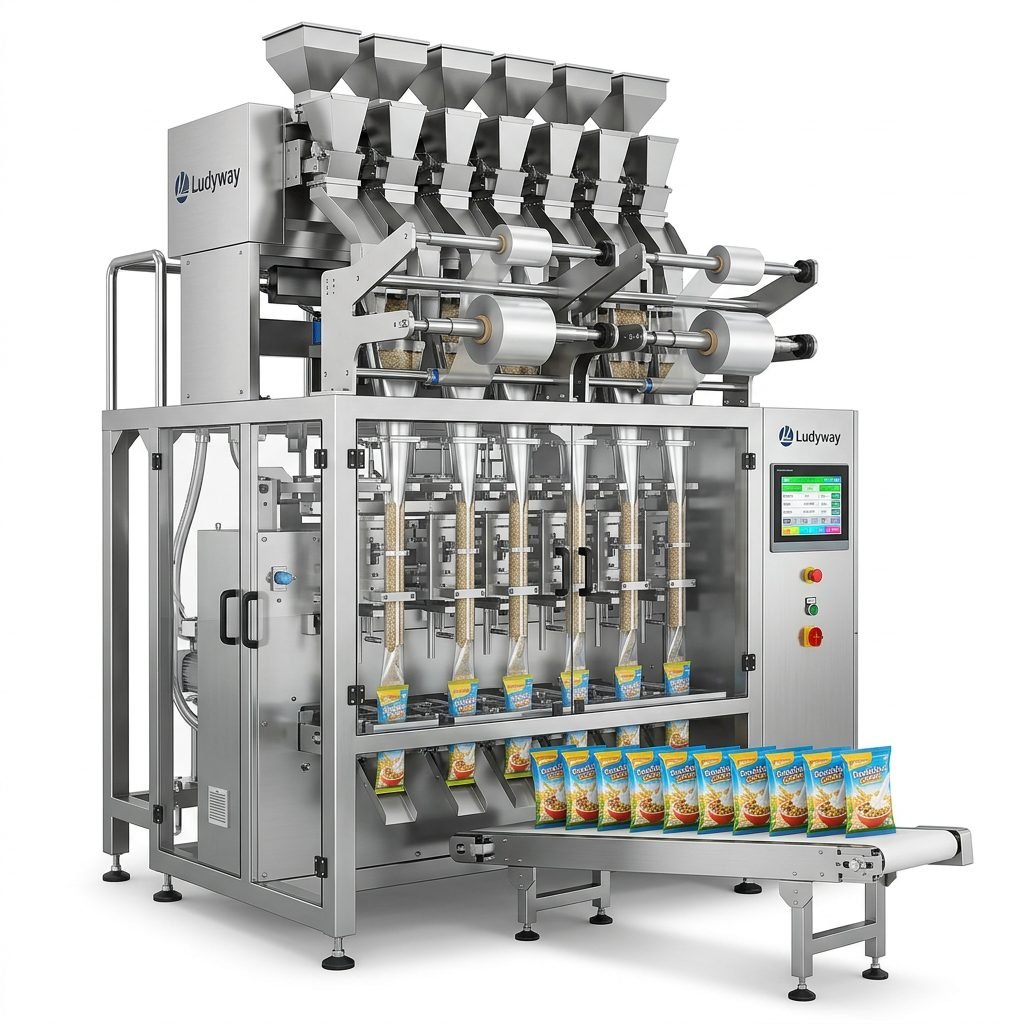
Performance Comparison: Multi-Lane vs. Single-Lane Systems
| Parameter | Multi-Lane (6-12 Lanes) | Single-Lane |
|---|---|---|
| Output (packs/min) | 180-600 | 40-80 |
| Floor Space per 1000 packs | 60% less | Baseline |
| Energy Consumption Ratio | 0.7kW per 1000 packs | 2.1kW per 1000 packs |
| Changeover Time | 15-30 minutes | 10-20 minutes |
| Labor Requirement | 1-2 operators | 1 operator per machine |
As the table demonstrates, multi-lane cereal packaging machines deliver 4-7x higher throughput while significantly reducing per-unit energy and labor costs. For Southeast Asian manufacturers scaling their operations, this efficiency advantage translates directly to improved margins and faster ROI.
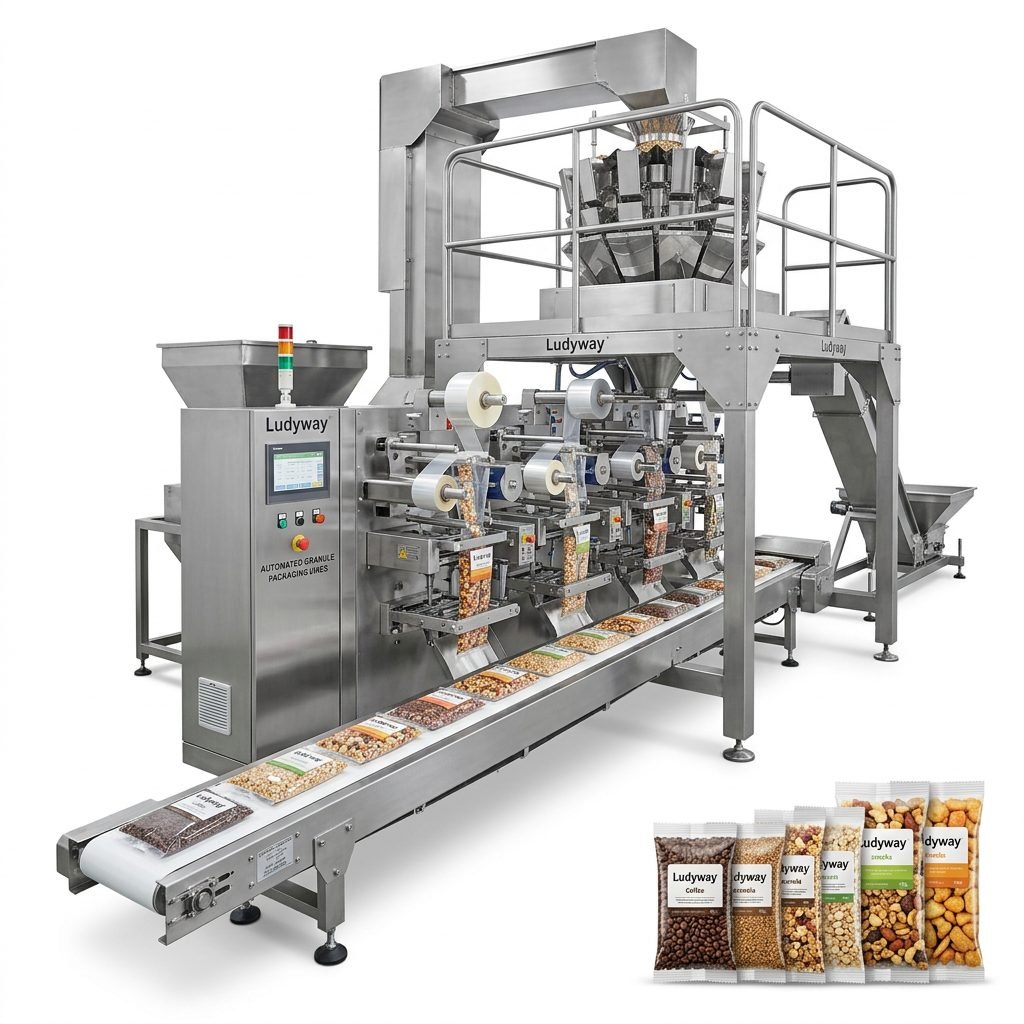
Key Technical Features for Cereal Applications
Modern cereal packaging requires precision across multiple parameters. Here are the critical specifications manufacturers should evaluate:
- Weighing accuracy of ±0.5g for granular products, ensuring consistent portion control and regulatory compliance
- Film compatibility with BOPP, CPP, PET/AL/PE laminates, and biodegradable materials — essential for brands pursuing sustainability goals
- Gas flushing capability with nitrogen or CO₂ to extend shelf life up to 18 months in humid climates
- Servo-driven sealing with independent temperature zones for each lane, preventing inconsistent seals
- Quick-release hoppers and tool-less change parts for rapid cleaning between product runs
Automation and Smart Integration
Industry 4.0 capabilities are becoming non-negotiable for competitive food manufacturers. Integrated PLC controls with remote monitoring, production data logging, and predictive maintenance alerts enable factory managers to optimize OEE (Overall Equipment Effectiveness) from any location. Compatibility with flexible packaging standards ensures seamless integration with existing upstream and downstream equipment.
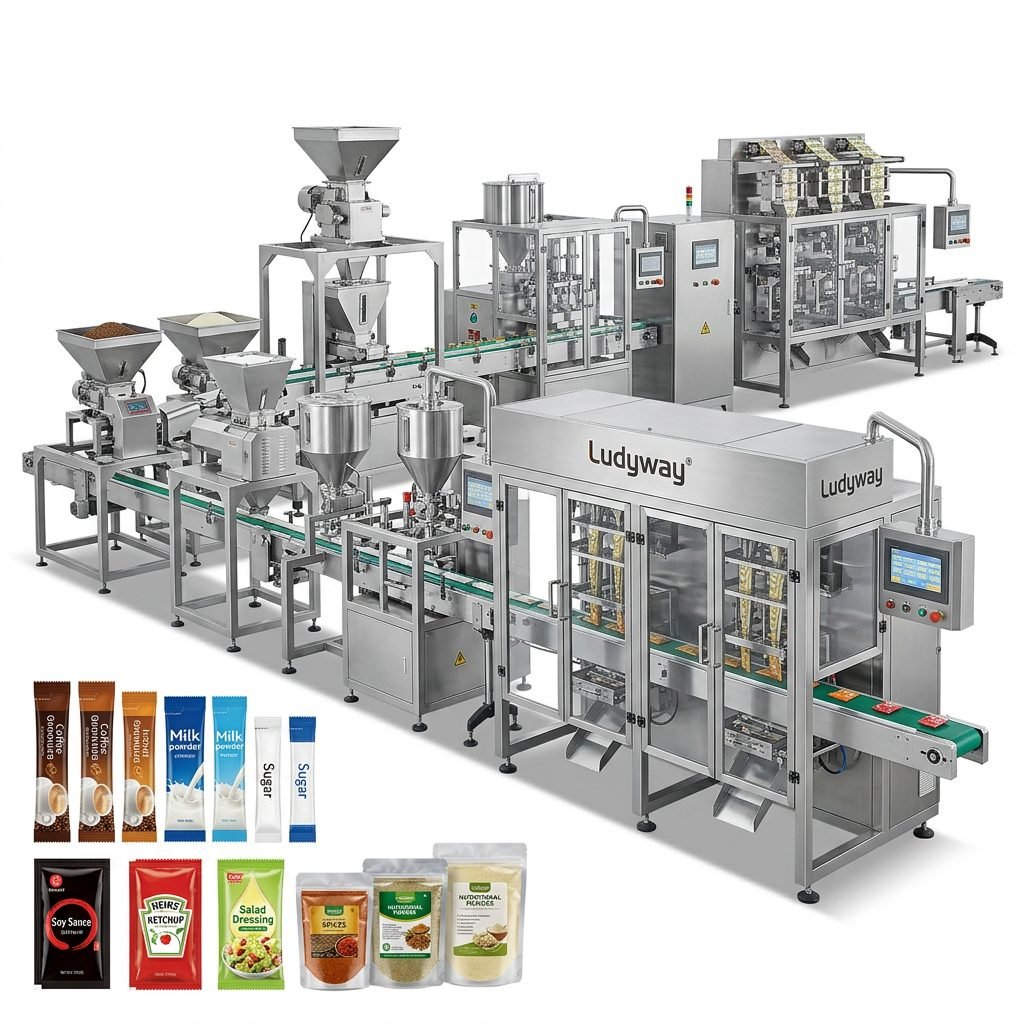
Southeast Asia Success Factors
Based on extensive project experience across the region, several localized considerations determine packaging line success:
| Regional Factor | Solution Requirement |
|---|---|
| Tropical Climate | Stainless steel construction, anti-corrosion coatings, enclosed electrical cabinets |
| Voltage Fluctuations | Wide-range power supplies (220V-480V, 50/60Hz) with surge protection |
| Operator Skill Levels | Intuitive touchscreen HMI with multi-language support and visual troubleshooting guides |
| After-Sales Support | Remote diagnostics, local partner networks, and comprehensive spare parts programs |
Investment Considerations and ROI
For food manufacturers in Southeast Asia, a multi-lane cereal packaging line typically achieves full ROI within 18-24 months. Key drivers include reduced film waste (typically under 1% with precision feeding), lower labor costs through automation, and the ability to serve both domestic and export markets with internationally compliant packaging.
The global packaging machinery market continues to shift toward integrated, high-speed solutions that reduce total cost of ownership. Southeast Asian cereal producers who invest strategically in automated packaging technology position themselves to capture growing domestic demand while meeting export quality standards for markets like Japan, South Korea, and the Middle East.
- Reduced product giveaway: Precision weighing saves 2-5% on raw material costs annually
- Lower packaging waste: Efficient film usage and reduced rejects contribute to sustainability KPIs
- Scalable production: Modular designs allow adding lanes as demand grows without replacing core equipment
- Export readiness: Packaging meets international food safety standards including FDA and EU regulations
Looking Ahead: 2026 and Beyond
As the ASEAN Economic Community continues to harmonize trade regulations and food safety standards, manufacturers who upgrade to automated, high-precision packaging systems will gain a first-mover advantage. The convergence of rising disposable incomes, modern retail expansion, and export opportunities makes this the ideal time to invest in advanced cereal packaging technology tailored for Southeast Asian conditions.
Explore Related Packaging Solutions
Discover how multi-lane packaging systems can transform your cereal, granule, and powder production lines with higher output, improved accuracy, and lower operational costs — all backed by comprehensive technical support and over three decades of packaging engineering expertise.
- 📧 E-Mail: info@ludyway.com
- 📱 WhatsApp: +8613129592456
- 📍 Address: Nanlang Town, Zhongshan, Guangdong, China
2026 Packaging State of the Industry Report |
Flexible Packaging Association Resources |
ISO Packaging Standards