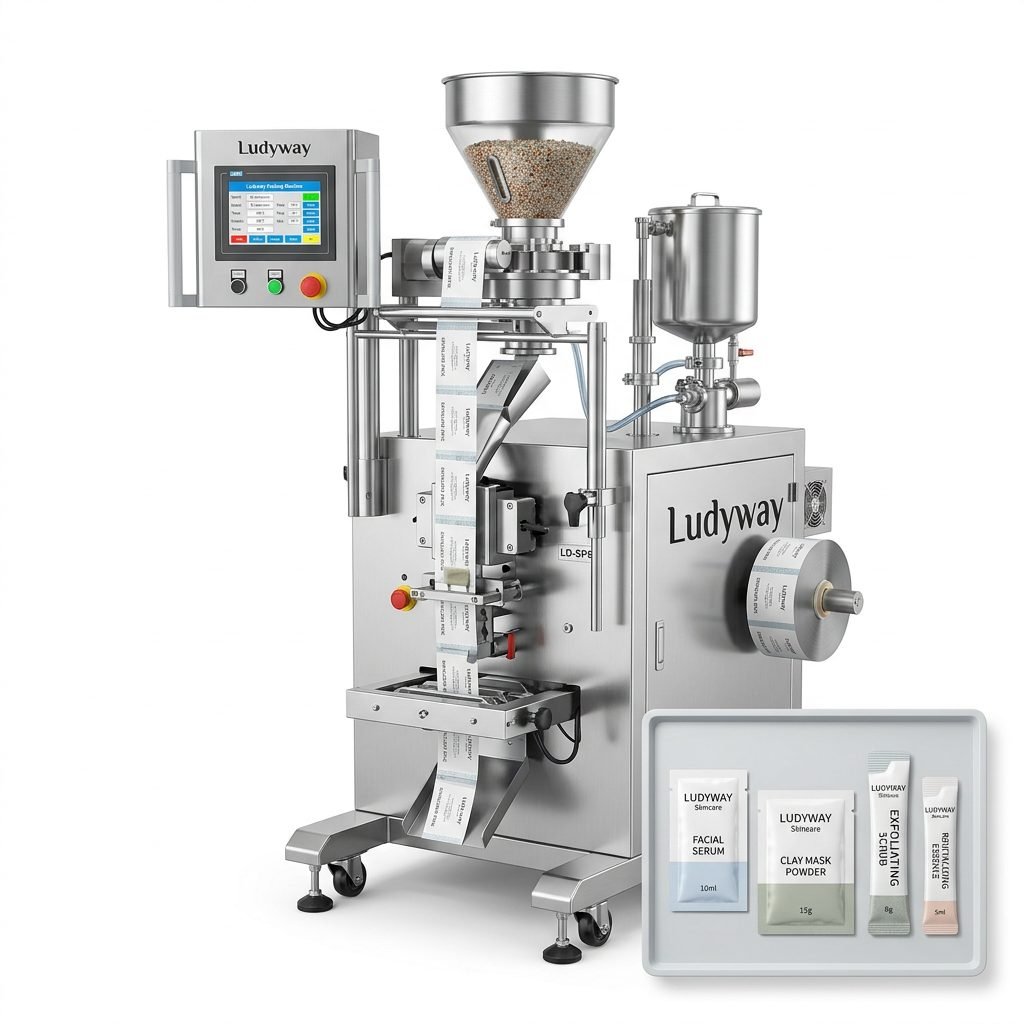
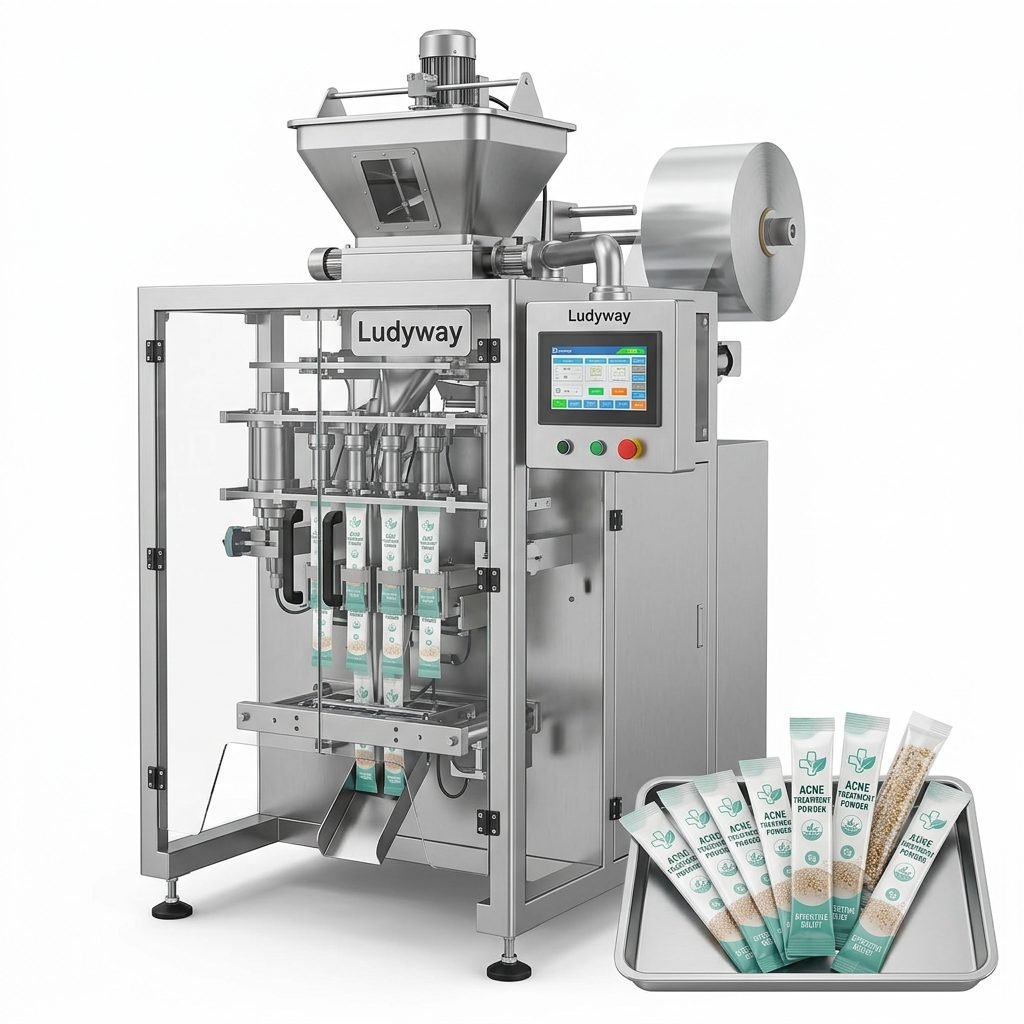
Selecting the right powder packaging machine manufacturer is a critical decision that impacts your production efficiency, product quality, and overall operational costs. The market offers a wide array of suppliers, each with varying levels of expertise, technology, and service quality. This guide will help you navigate the landscape of top manufacturers and provide a structured approach to choosing the ideal supplier for your specific needs.
Key Attributes of Leading Powder Packaging Machine Manufacturers
Top-tier manufacturers in the powder packaging sector share several distinguishing characteristics that set them apart. These attributes are essential indicators of reliability and long-term value.
1. Proven Industry Experience and Technical Expertise
Manufacturers with decades of experience, like Ludyway Machinery, bring invaluable practical knowledge to the table. They understand the nuanced challenges of handling different powder types—from fine, aerated substances like protein powder to dense, cohesive materials like flour or spices. This expertise translates into machine designs that prevent common issues such as bridging, rat-holing, or inconsistent fill weights. A company’s history of innovation and adaptation to evolving market demands is a strong testament to its capability.
🔍 Checkpoint: Engineering Depth
Evaluate the manufacturer’s engineering team. Companies with in-house R&D and strong technical support can offer customized solutions and swift troubleshooting, ensuring your packaging line minimizes downtime.
2. Comprehensive and Scalable Product Range
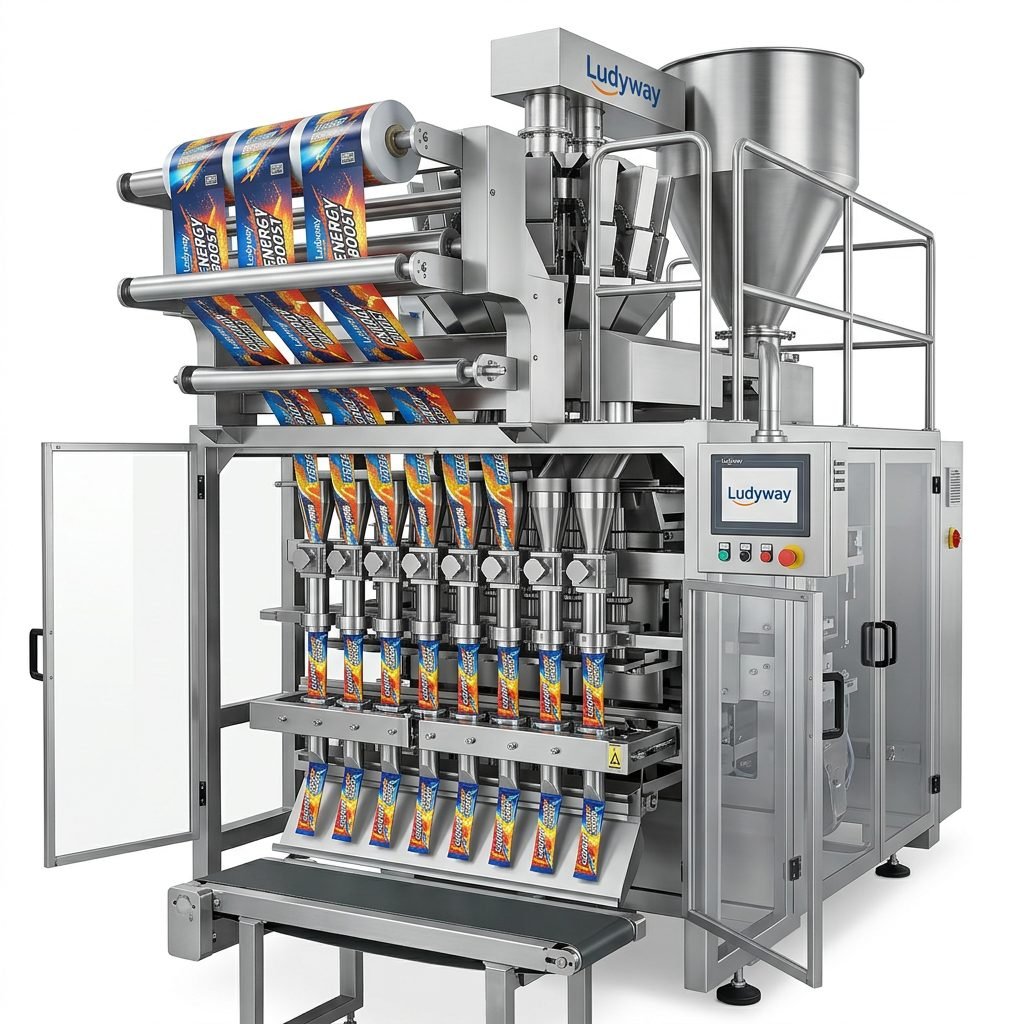
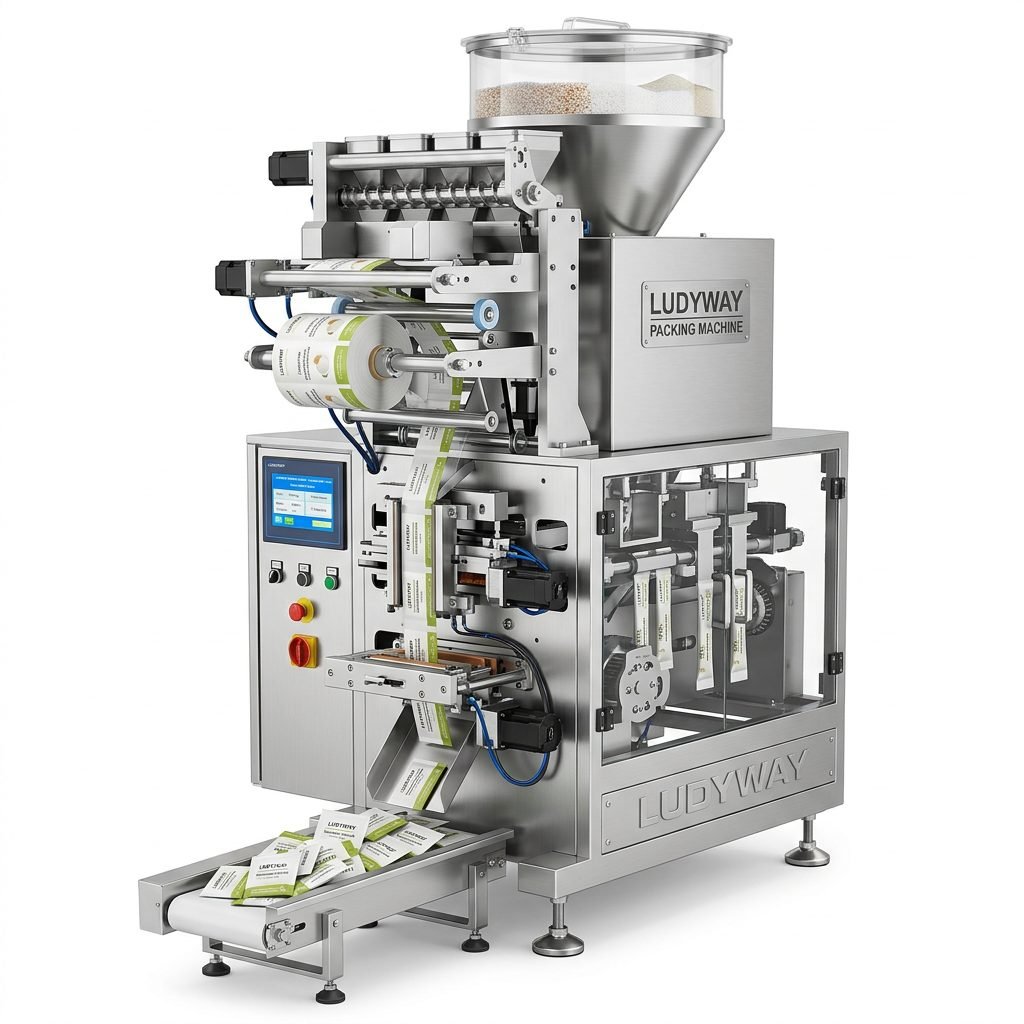
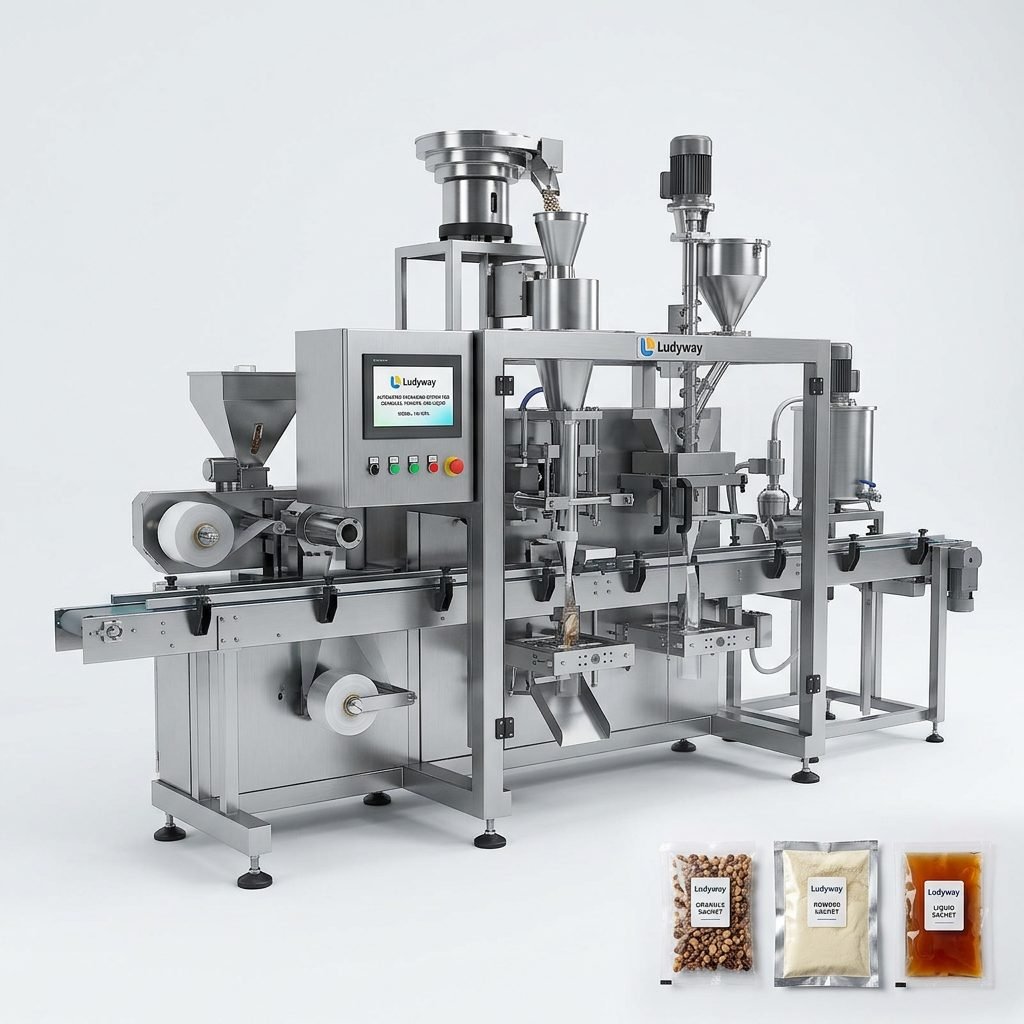
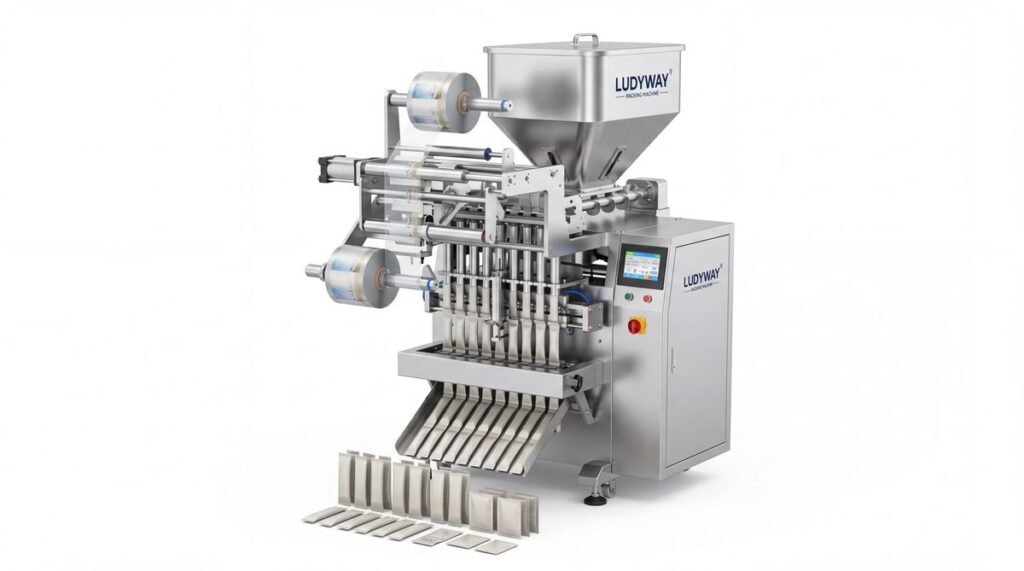
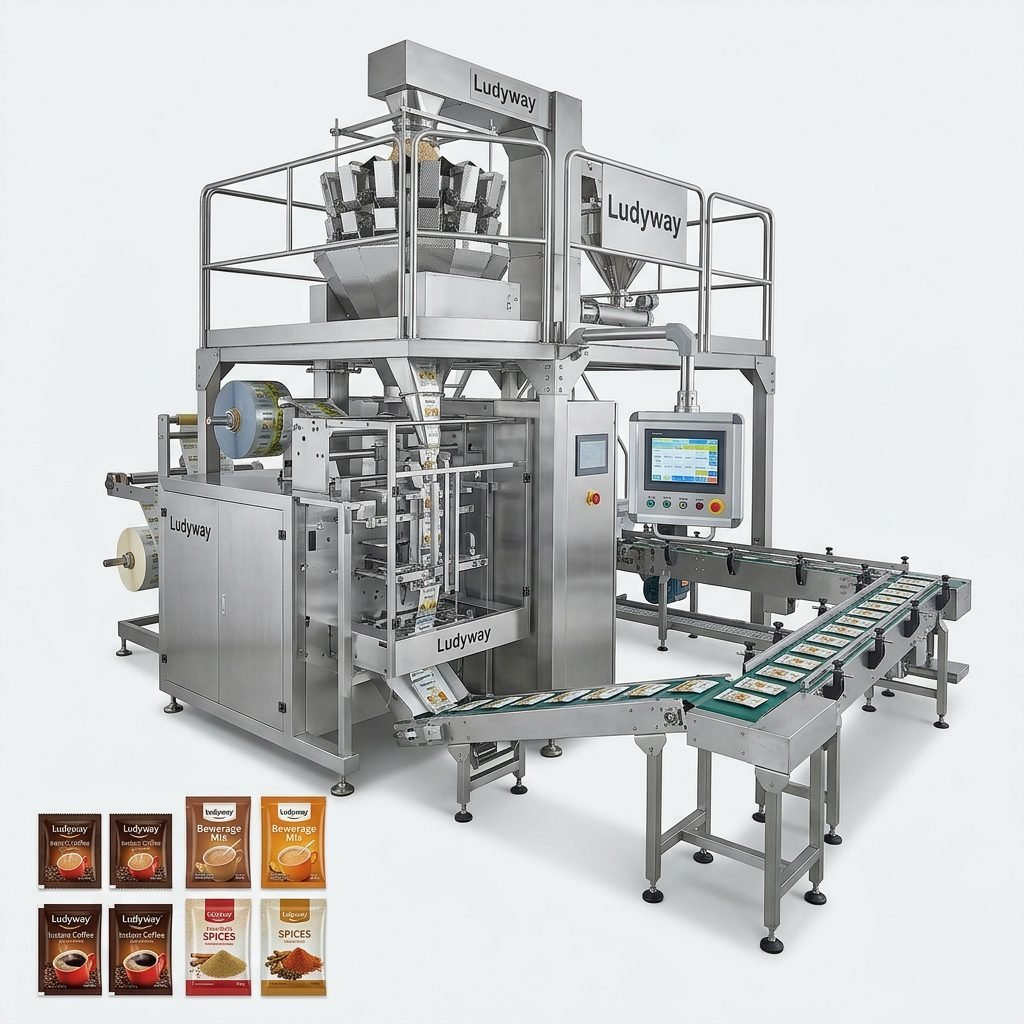
The best suppliers offer a versatile portfolio. This includes vertical form-fill-seal (VFFS) machines, auger filler systems, premade pouch fillers, and integrated checkweighers or metal detectors. A broad range indicates the manufacturer can provide a solution tailored to your speed, accuracy, and packaging format requirements, whether you need simple sachets or complex multi-lane stick packs. Scalability is crucial; your chosen supplier should have equipment that can grow with your production volume.
3. Commitment to Quality and Compliance
Reputable manufacturers adhere to international quality standards (such as ISO certification) and design machines that meet industry-specific regulations. For food and pharmaceutical powders, this includes compliance with FDA, EHEDG, or GMP guidelines for materials in contact with product. High-quality stainless-steel construction, precision machining, and validated cleaning protocols are non-negotiable for product safety and machine longevity.
A Strategic Framework for Choosing Your Supplier
Beyond identifying top manufacturers, a systematic evaluation process is necessary to make an informed choice. Consider these steps to ensure a successful partnership.
Step 1: Define Your Specific Requirements
Clearly outline your project parameters before engaging suppliers. This includes:
- Product Characteristics: Flowability, density, hygroscopicity, and abrasiveness of your powder.
- Production Output: Required bags per minute (BPM) and future capacity projections.
- Packaging Specifications: Desired bag type (pillow, gusseted, stand-up), material (film, foil, paper), and any special features like zippers or spouts.
- Factory Environment: Available floor space, power supply, and necessary hygiene standards.
Step 2: Conduct In-Depth Supplier Evaluation
With your requirements list, you can assess potential suppliers against key criteria.
Evaluation Checklist:
Technical Capability & Customization: Can they provide a machine that precisely fits your needs? Request detailed technical drawings and performance data.
After-Sales Support: Investigate their warranty terms, availability of spare parts, and the responsiveness of their service network. Global suppliers like Ludyway Machinery often have dedicated support channels.
Financial Stability & Reputation: Review company history, client testimonials, and case studies. A manufacturer with over 30 years of experience and a modern facility signals stability.
Total Cost of Ownership (TCO): Look beyond the initial purchase price. Factor in energy consumption, maintenance costs, changeover times, and potential yield losses from inaccurate filling.
Step 3: Request and Analyze Quotations & Demos
A detailed quotation should break down all costs: machine price, optional accessories, shipping, installation, and training. More importantly, insist on a live product test. A performance demonstration using your actual powder is the only way to verify filling accuracy, speed, and dust containment. Observe the machine’s ease of operation and cleaning during the demo.
Step 4: Finalize Partnership and Project Planning
Once you select a supplier, clear communication is vital. Establish a detailed project timeline covering manufacturing, factory acceptance testing (FAT), delivery, installation, and commissioning. Ensure comprehensive operator and maintenance training is included. A reliable partner will provide thorough documentation and be proactive in planning the transition.
Why a Turnkey Solution from an Expert Partner Matters
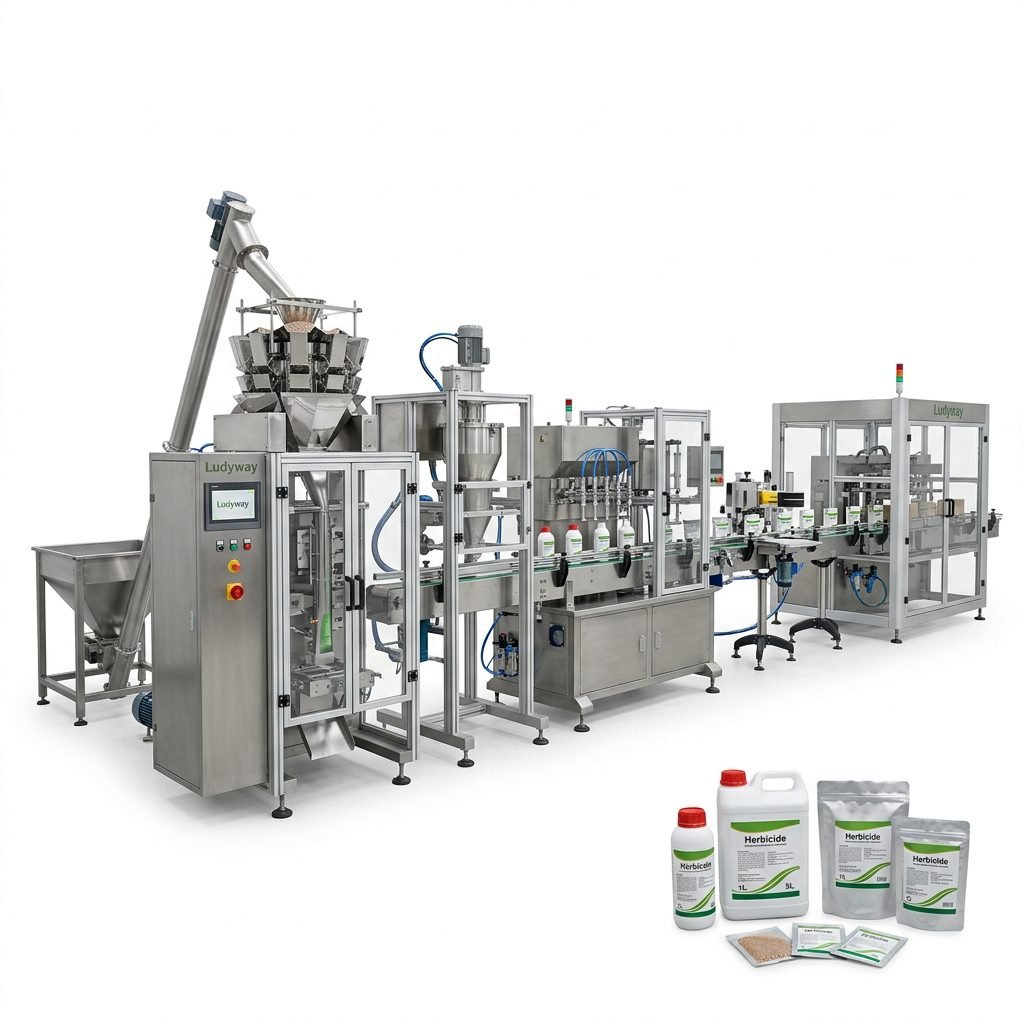
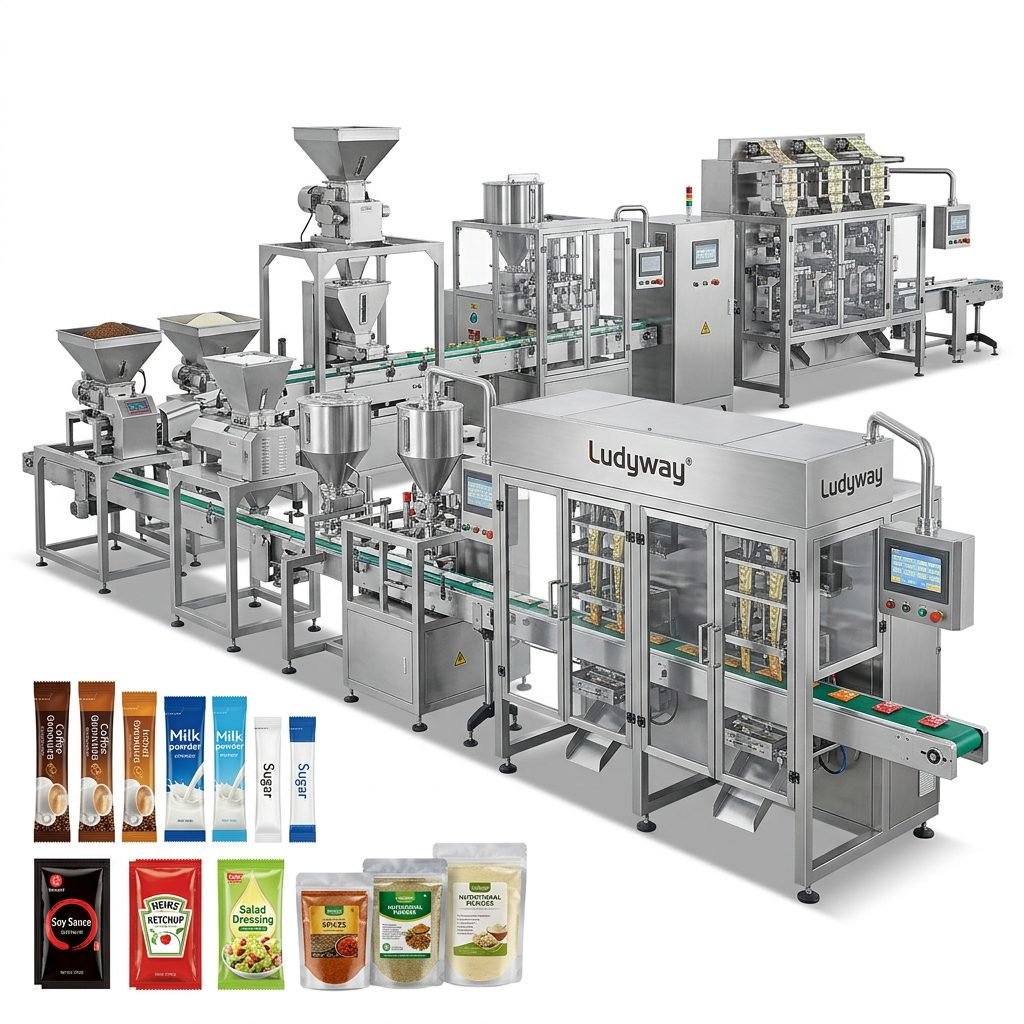
For many businesses, partnering with a manufacturer that provides end-to-end solutions offers significant advantages. A supplier capable of delivering a complete turnkey packaging line—from the feeding system and filler to the cartoner—ensures seamless integration and single-point accountability. This approach, backed by deep industry experience, reduces project complexity, speeds up time-to-market, and optimizes overall line efficiency.
Companies that have evolved from core engineering, understanding the entire production workflow, are uniquely positioned to advise on layout, automation integration, and future scalability. This holistic support is often more valuable than the machine alone, transforming a capital expenditure into a strategic investment for growth.
📈 Final Recommendation:
Prioritize manufacturers who act as long-term partners. Your chosen supplier should demonstrate a commitment to your success through continuous support, openness to feedback, and a roadmap for technological upgrades. This collaborative relationship is the foundation for a resilient and competitive packaging operation.
Frequently Asked Questions (FAQs)
1. What is the most critical factor when choosing a powder packaging machine?
Filling accuracy and consistency are paramount. Even minor deviations can lead to significant product giveaway or regulatory non-compliance over high-volume production runs. The machine must be precisely calibrated for your powder’s specific characteristics.
2. How important is after-sales service from the manufacturer?
Extremely important. Packaging machinery requires maintenance and occasional repairs. A supplier with a responsive, knowledgeable service team and readily available genuine spare parts minimizes costly downtime and ensures your investment is protected for its entire lifespan.
3. Can one machine handle different types of powders?
Many modern machines are designed for flexibility. However, effective changeover between vastly different powders (e.g., from sticky cocoa to free-flowing salt) often requires changing augers, funnels, and implementing rigorous cleaning protocols. Discuss your product range with the supplier to configure the optimal level of flexibility.
4. What are the key differences between auger fillers and weigh fillers for powder?
Auger fillers use a rotating screw to dispense powder by volume. They are fast, cost-effective, and ideal for many free-flowing products. Weigh fillers (like linear or multi-head weighers) dispense by weight, offering superior accuracy for expensive or non-free-flowing powders but at a higher cost and sometimes slower speed.
5. How can I future-proof my powder packaging investment?
Choose a modular machine design that allows for easy upgrades (e.g., adding a coder, checkweigher, or robotic palletizer). Partner with a manufacturer known for innovation, who can guide you on trends like smart factory integration (IoT for predictive maintenance) and sustainable packaging material compatibility.