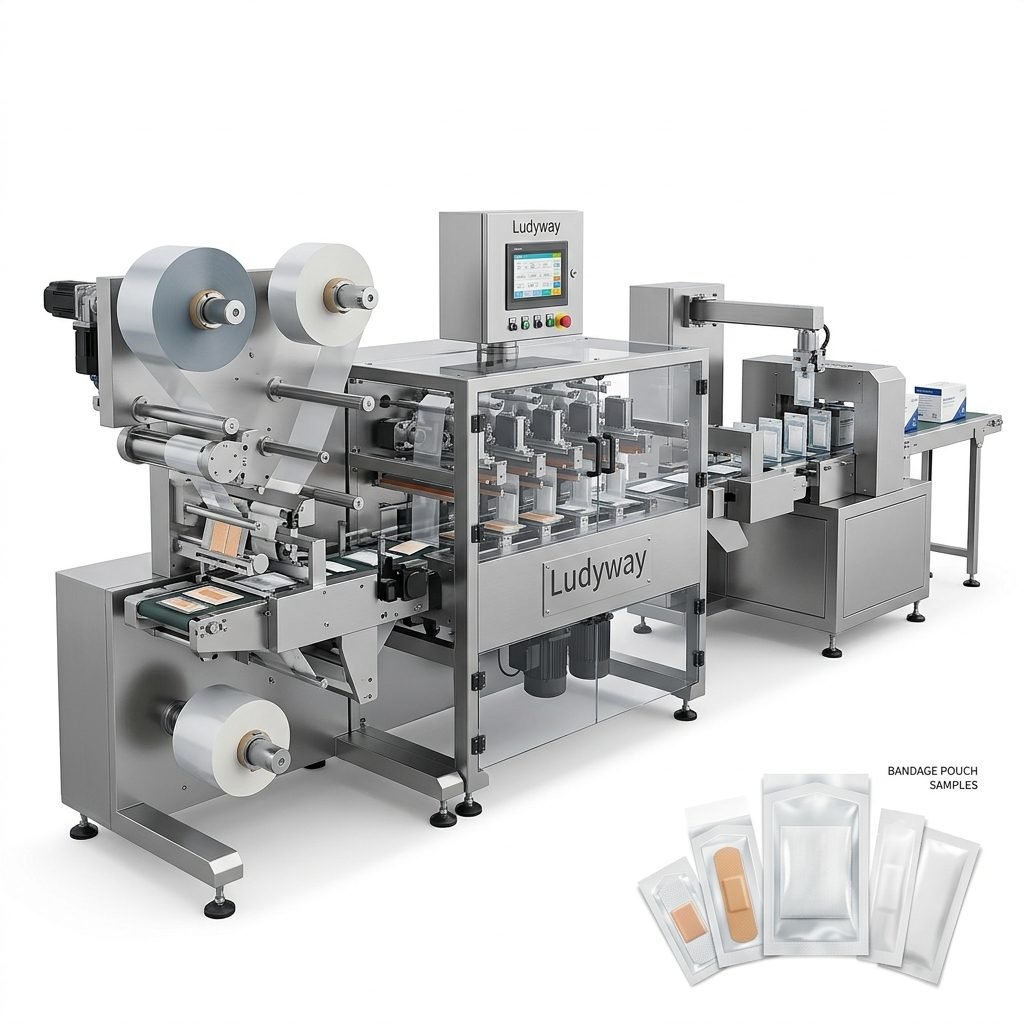
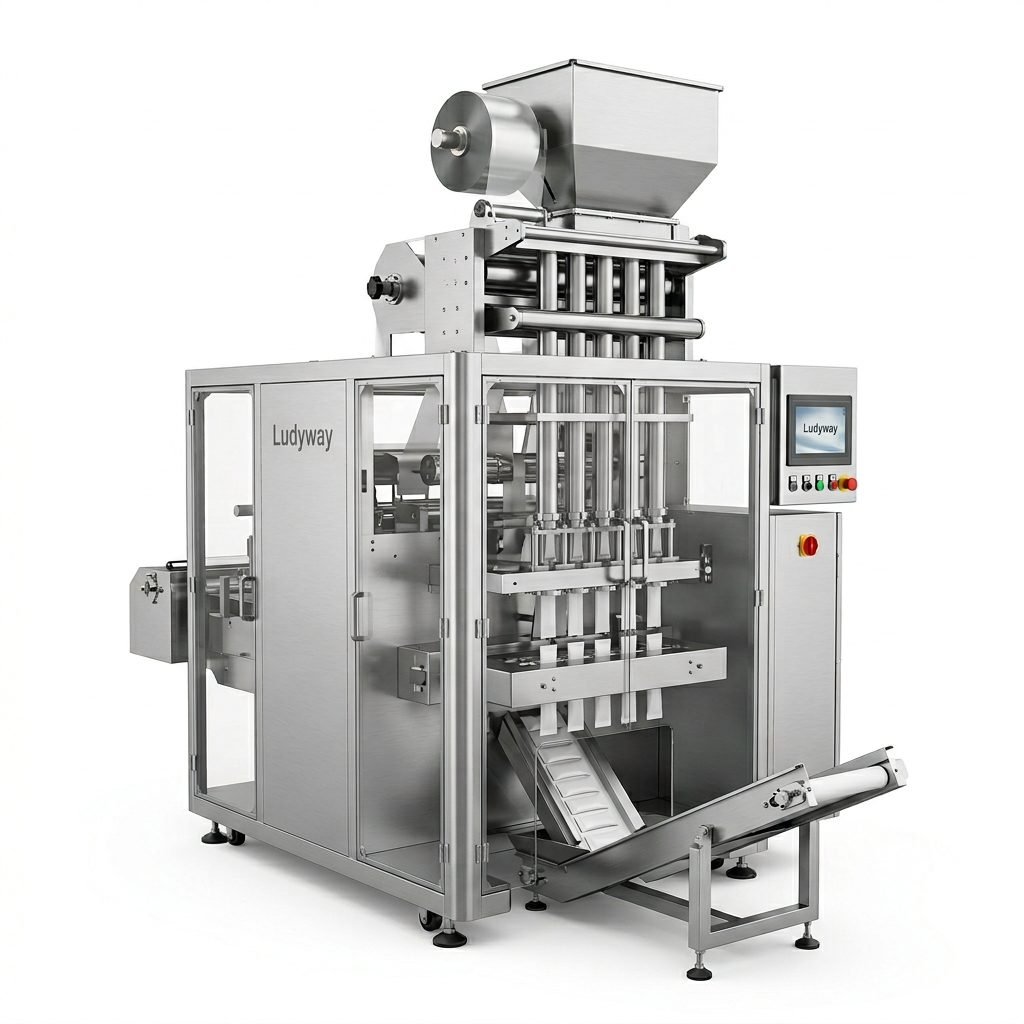
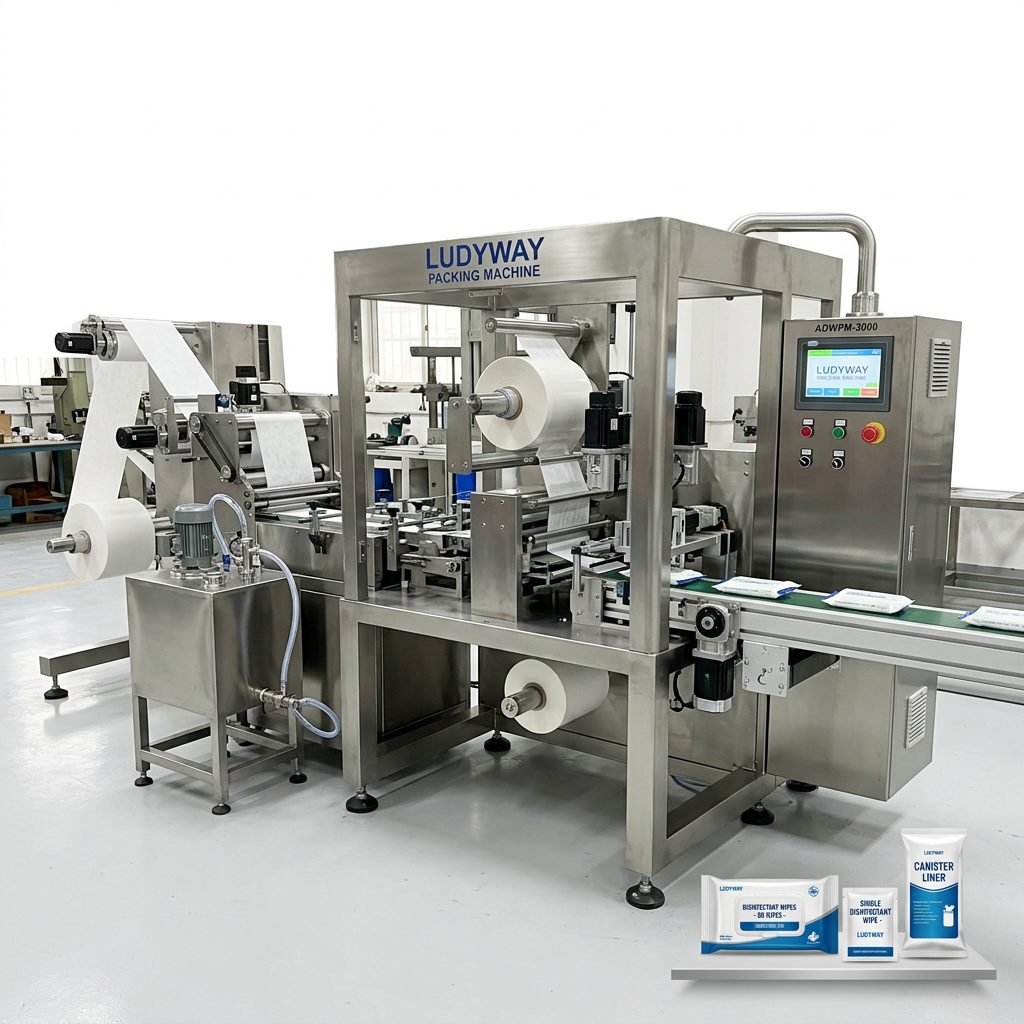
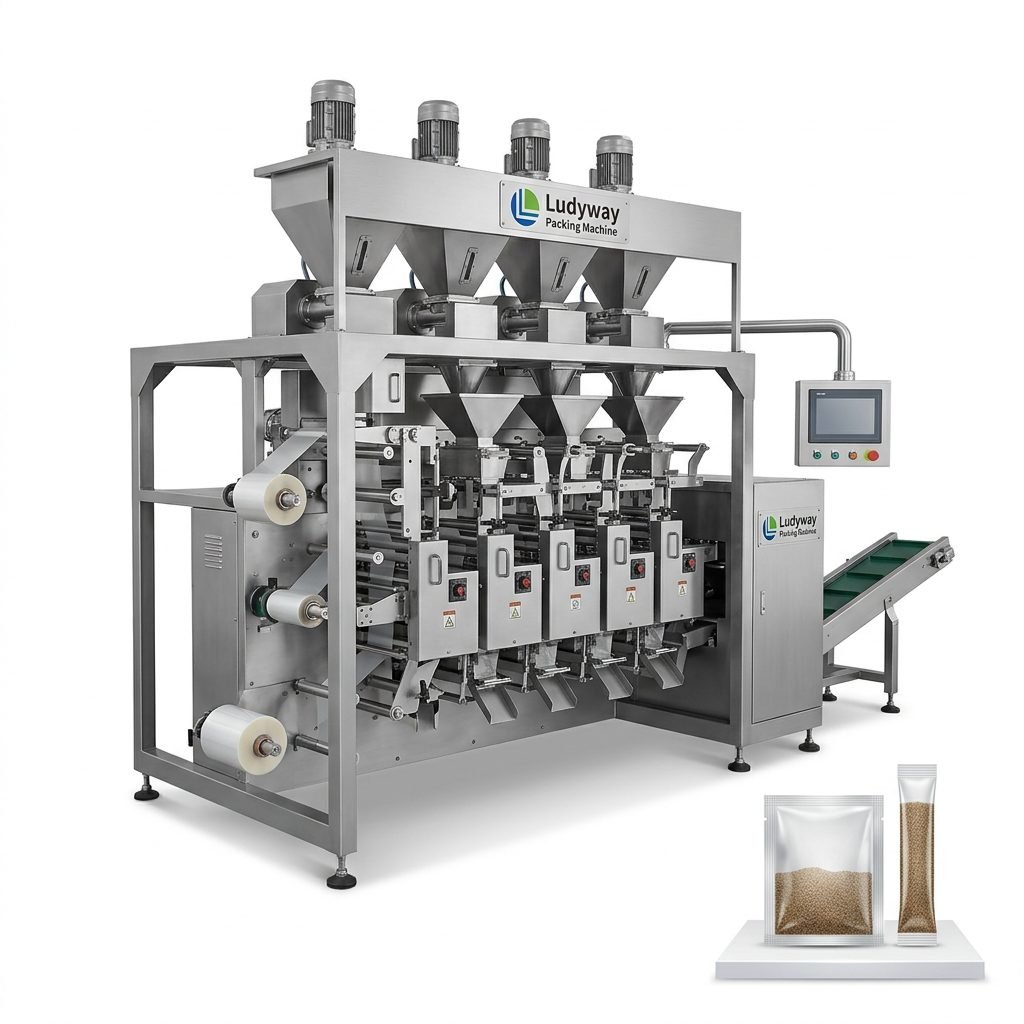
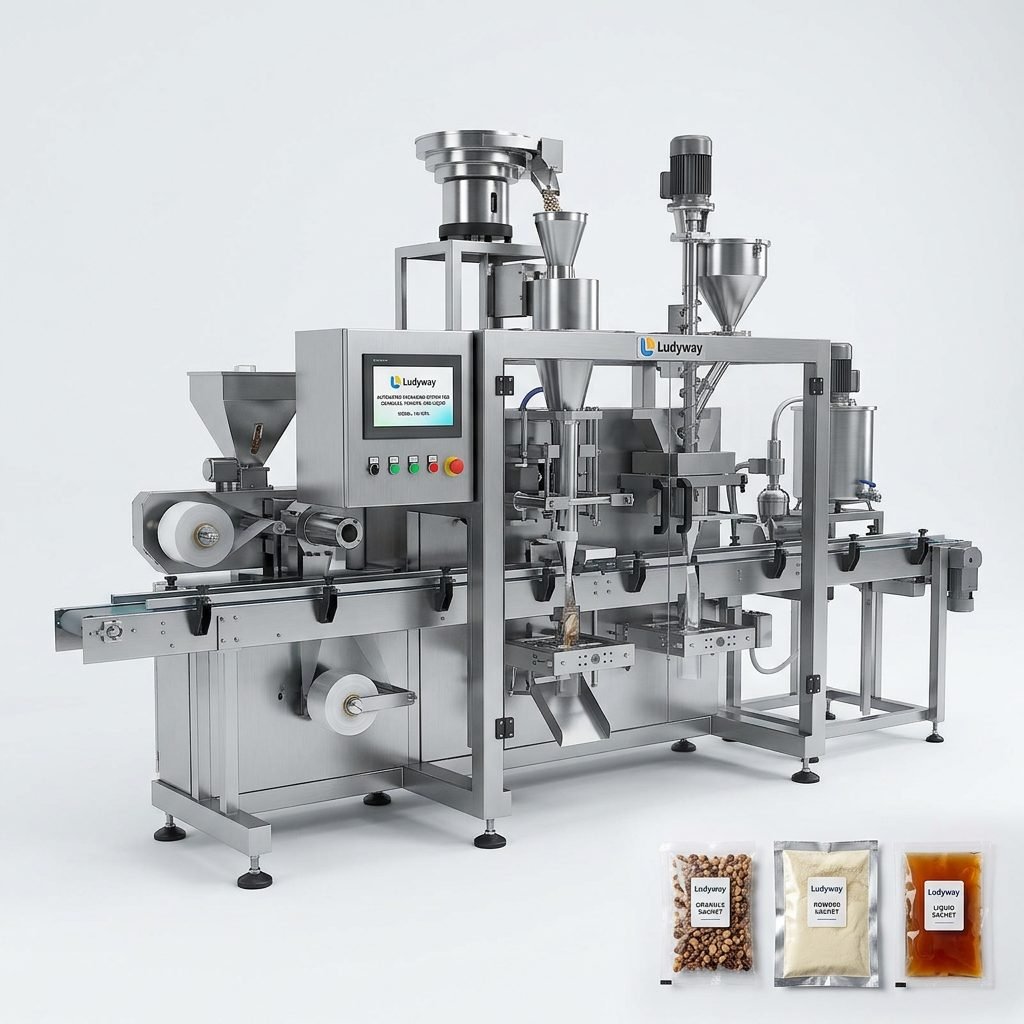
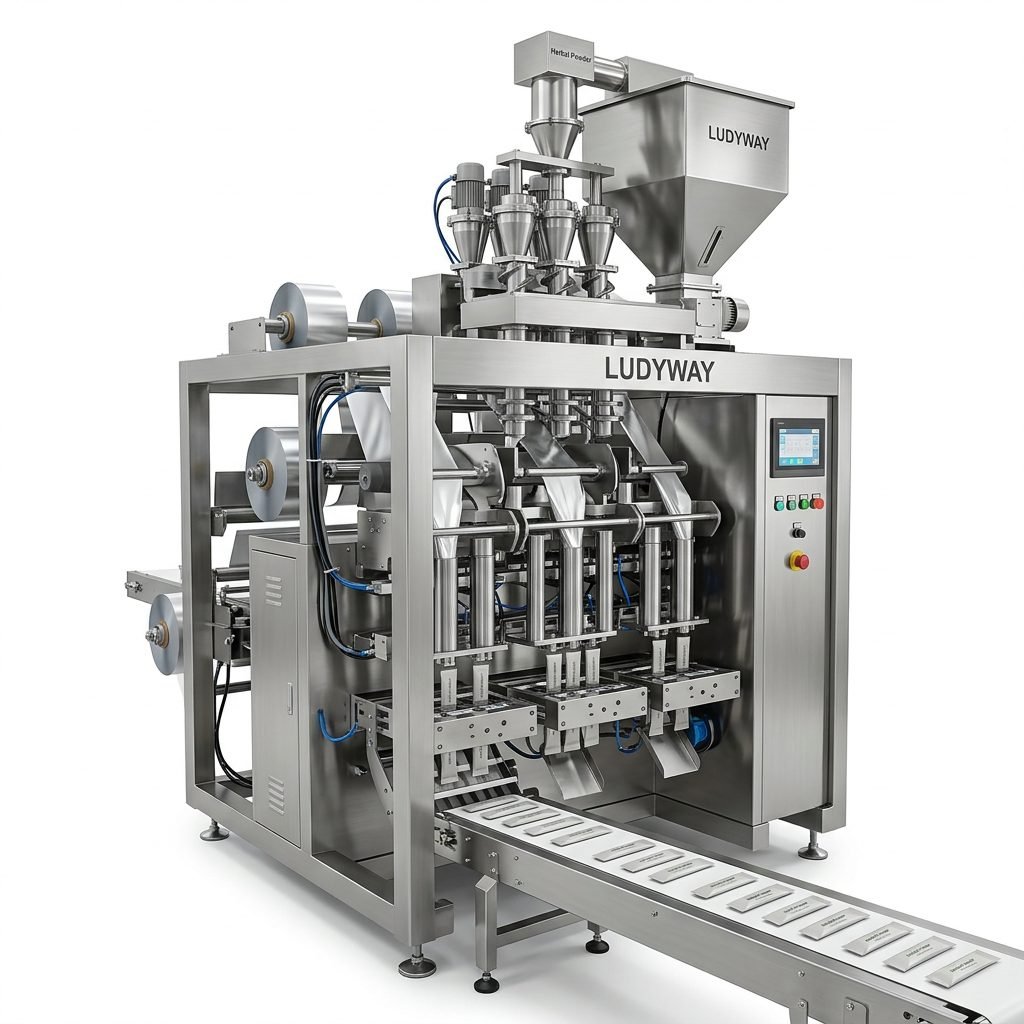
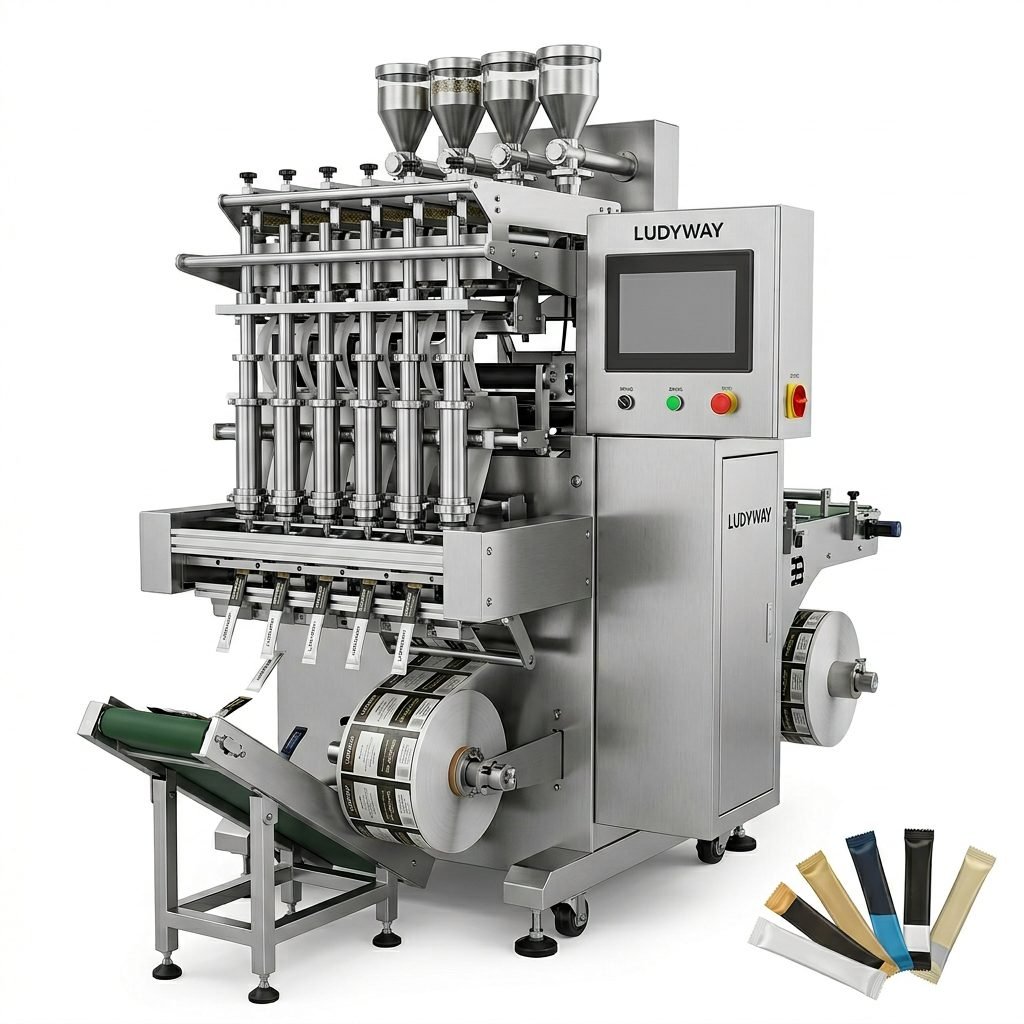
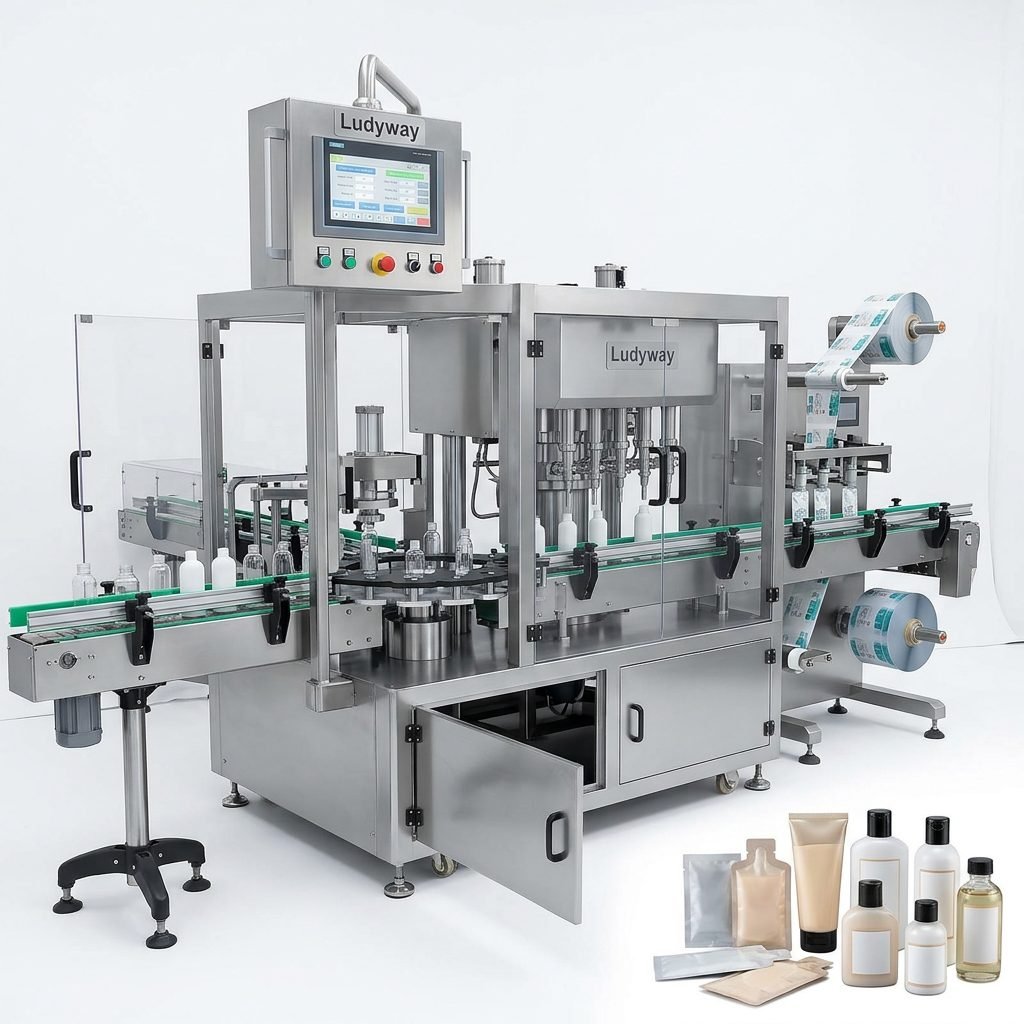
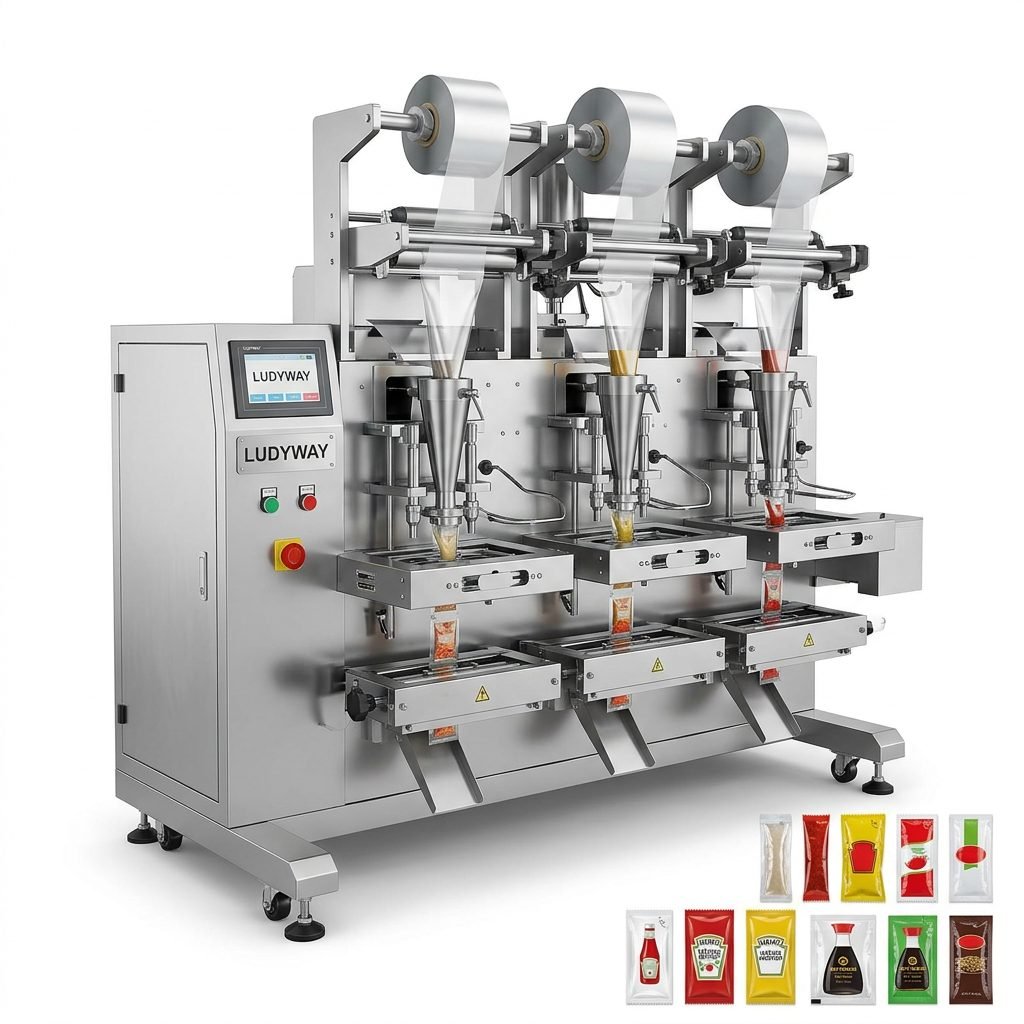
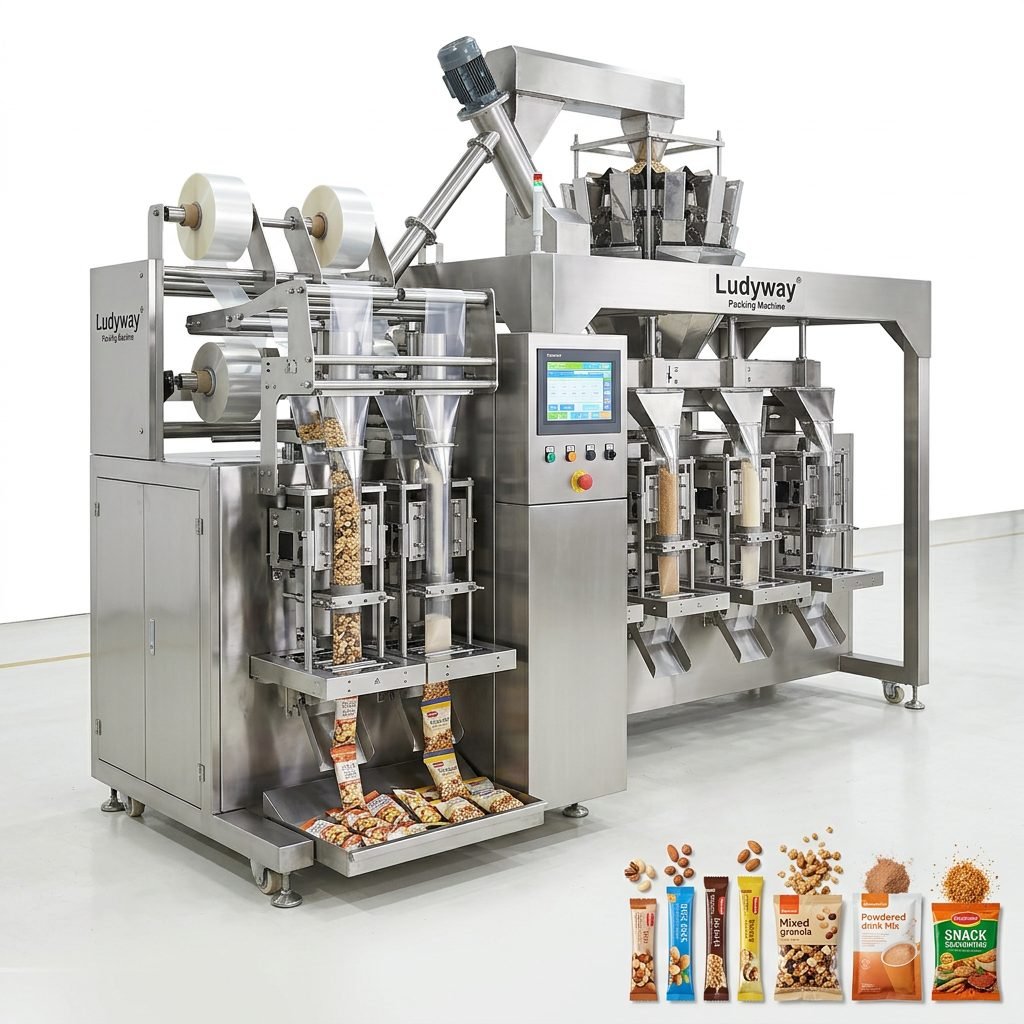
Choosing the right e-commerce packing machine is no longer just about speed. For online stores, packaging directly affects shipping cost, product protection, customer satisfaction, warehouse efficiency, and even return rates. Whether you sell food, supplements, cosmetics, pet products, or household goods, the ideal machine should match your order volume, packaging format, product type, and future growth plan.
In fast-moving online retail, a poor packaging setup can lead to wasted materials, damaged products, slower fulfillment, and inconsistent presentation. A well-matched solution helps stores ship more accurately, reduce labor dependence, and create a more reliable unboxing experience.
Why the Right E-Commerce Packing Machine Matters
Online stores face very different packaging demands compared with traditional wholesale channels. E-commerce orders are often smaller, more frequent, and more diverse. This means your equipment must be flexible enough to handle multiple SKUs, variable order sizes, and changing packaging needs.
- Lower shipping costs: Better package sizing reduces void fill and dimensional weight fees.
- Improved protection: Correct sealing and filling reduce damage during transit.
- Faster fulfillment: Automation shortens packing time and improves order throughput.
- Consistent branding: Uniform packaging looks more professional.
- Scalability: The right machine supports peak-season demand without major disruption.
Start with Your Product and Order Profile
Before comparing machine models, define what your online store actually needs. The best packaging solution depends on your product characteristics and operational workflow.
Key questions to ask
- What type of product are you packing: granules, powder, liquid, paste, pouch, bottle, or mixed items?
- How many orders do you ship per day during normal and peak periods?
- Do you need single-product packing or multi-SKU order handling?
- What package formats do you use: sachets, stick packs, pouches, bottles, cartons, or shipping bags?
- Do you need coding, labeling, checkweighing, cartoning, or palletizing integration?
- How much floor space and labor do you currently have?
If your product line includes multiple formats, choosing a machine with changeover flexibility becomes especially important. Stores with aggressive growth targets should also think beyond current volume and plan for the next 2 to 5 years.
Main Types of Packaging Solutions for Online Stores
Different stores need different levels of automation. Some only require a compact filling and sealing machine, while others benefit from a complete turnkey packaging line.
| Machine Type | Best For | Key Benefit |
|---|---|---|
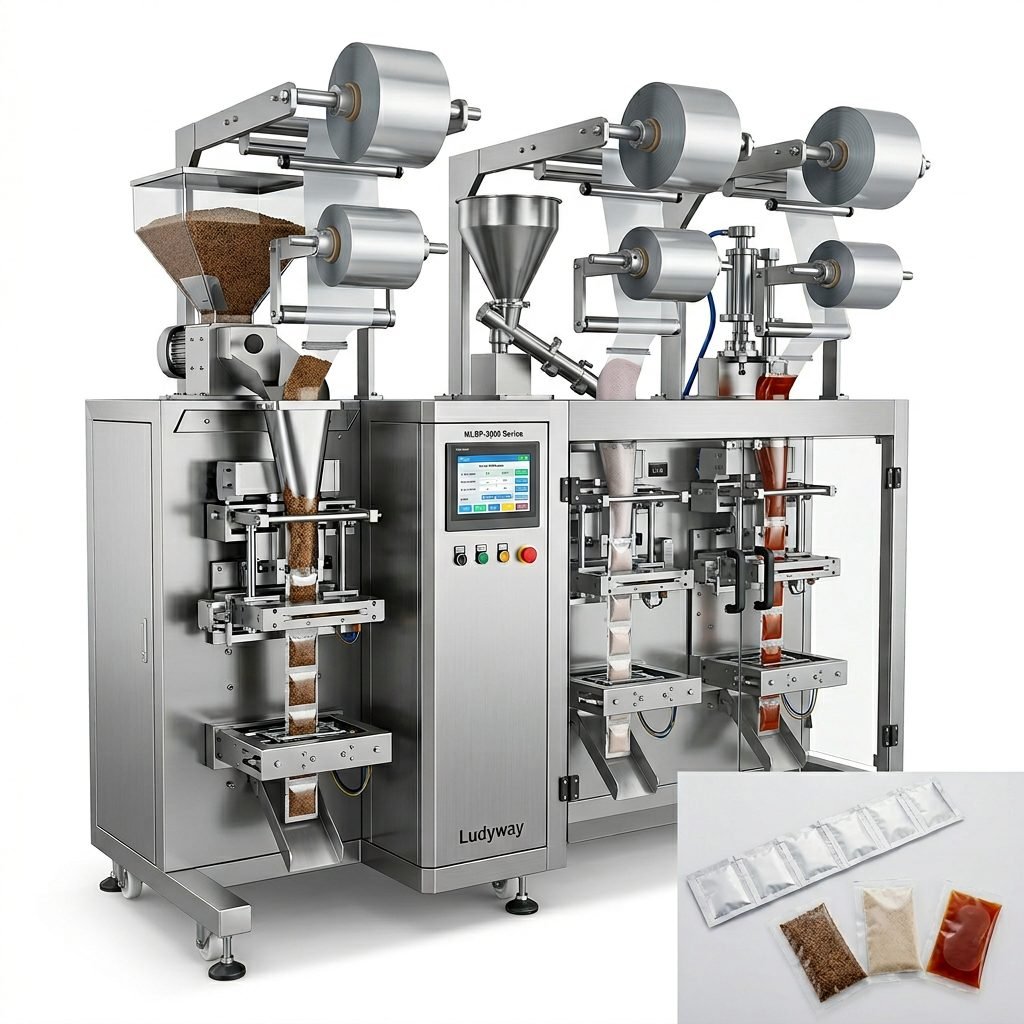
| Vertical form fill seal machines | Powders, granules, snacks, dry products | Fast, flexible, compact |
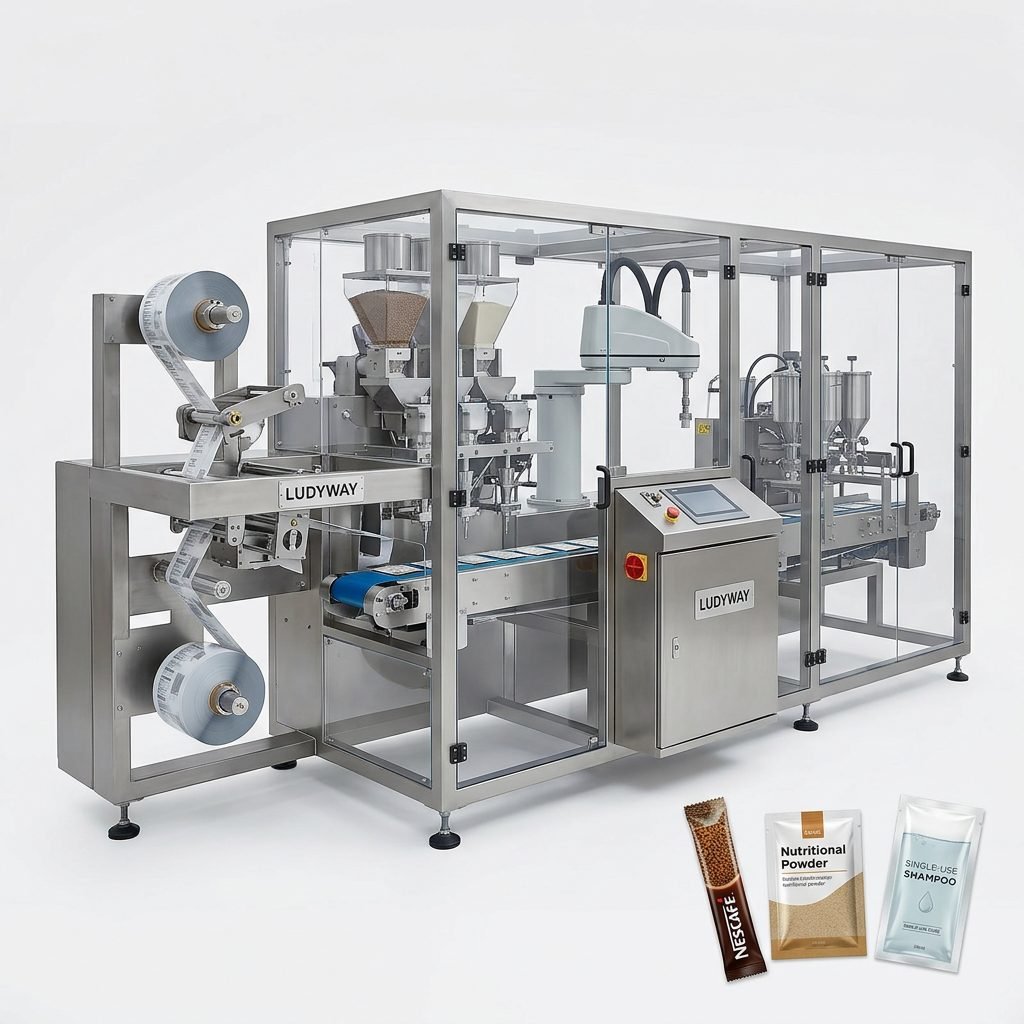
| Sachet and stick pack machines | Single-serve products, samples, supplements | High precision and excellent retail convenience |
| Premade pouch filling machines | Premium pouches, liquids, pet food, cosmetics | Attractive presentation and strong sealing |
| Bottle filling and capping lines | Liquids, capsules, tablets, lotions | Accurate dosing and scalable automation |
| Cartoning and case packing systems | Secondary packaging and shipping prep | Higher throughput and cleaner outbound handling |
| Turnkey packaging lines | Medium to large e-commerce fulfillment operations | Integrated efficiency from feeding to final packing |
How to Choose the Best Packaging Solution
1. Match the machine to the product form
Powders, granules, liquids, and creams all require different feeding and filling technologies. A mismatch can cause leakage, inaccurate dosing, waste, and downtime.
- For powders, look for auger filling systems and dust control features.
- For granules, check multi-head weighers or volumetric dosing options.
- For liquids and gels, prioritize anti-drip nozzles and stable sealing performance.
- For fragile products, gentle handling and low-drop designs are essential.
2. Consider packaging format flexibility
Many online stores expand quickly into new SKUs and promotional sizes. Choosing a machine that handles multiple bag sizes or pouch styles can protect your investment.
A flexible system is often more valuable than the fastest system if your store frequently launches new products or seasonal variations.
3. Evaluate speed versus real operational efficiency
High speed sounds attractive, but practical efficiency matters more. A machine that runs slightly slower with fewer stoppages, easier cleaning, and faster changeovers may deliver better daily output.
Check these performance indicators
- Stable running speed under real production conditions
- Downtime frequency
- Changeover time between SKUs
- Operator training difficulty
- Maintenance access and spare parts availability
4. Think about shipping optimization
For online stores, package size influences courier cost. Machines that support right-sized packaging can reduce freight expenses and improve packing density in cartons.
Look for solutions that help you:
- Reduce empty space in packages
- Standardize pack dimensions
- Improve carton utilization
- Minimize filler material usage
5. Prioritize sealing quality and product protection
E-commerce shipments go through sorting, stacking, vibration, and long transit routes. Strong sealing is critical, especially for food, health products, liquids, and powders.
Ask suppliers about:
- Seal consistency
- Leak prevention
- Material compatibility
- Shelf-life support
- Tamper-evident or hygiene requirements
6. Choose a system that supports automation upgrades
Many stores start with semi-automatic equipment and later add conveyors, coding systems, labeling, cartoning, checkweighing, robotic packing, or palletizing. A modular design makes this transition easier and more cost-effective.
| Selection Factor | What to Look For | Why It Matters |
|---|---|---|
| Product compatibility | Suitable filling method and materials | Improves accuracy and reduces waste |
| Packaging flexibility | Multiple sizes and formats | Supports SKU growth |
| Automation level | Standalone or turnkey integration | Matches labor and output goals |
| Maintenance | Easy access, spare support, diagnostics | Reduces downtime |
| Future expansion | Modular upgrade options | Protects long-term ROI |
Best Packaging Machine Choices by Online Store Type
Food and snack e-commerce
For snacks, coffee, seasonings, cereal, nuts, and powdered drink mixes, high-speed vertical packaging machines, stick pack machines, and pouch systems are common choices. Focus on hygiene, accurate filling, and freshness protection.
Supplement and health product stores
Sachet, stick pack, bottle filling, and capsule packaging solutions are ideal for supplements. Precision dosing and clean packaging appearance are especially important for consumer trust.
Cosmetic and personal care brands
Liquid and cream filling machines, sachet packing machines, and bottle filling lines suit serums, lotions, cleansers, and travel-size products. Look for neat sealing, premium appearance, and compatibility with viscous formulas.
Pet product sellers
Pet snacks, powdered supplements, wet food, and dry granules may require different systems. Flexible dosing and durable seals are key because pet products often come in diverse textures and pack sizes.
Common Mistakes to Avoid
- Buying only based on maximum speed
- Ignoring packaging material compatibility
- Choosing equipment with difficult changeovers
- Underestimating future SKU expansion
- Forgetting after-sales support and spare parts access
- Not planning integration with coding, labeling, or cartoning
One of the biggest mistakes is choosing a machine for today’s order volume only. E-commerce can scale fast, and replacing a machine too early usually costs more than investing in a smarter solution from the start.
Should You Buy a Standalone Machine or a Turnkey Line?
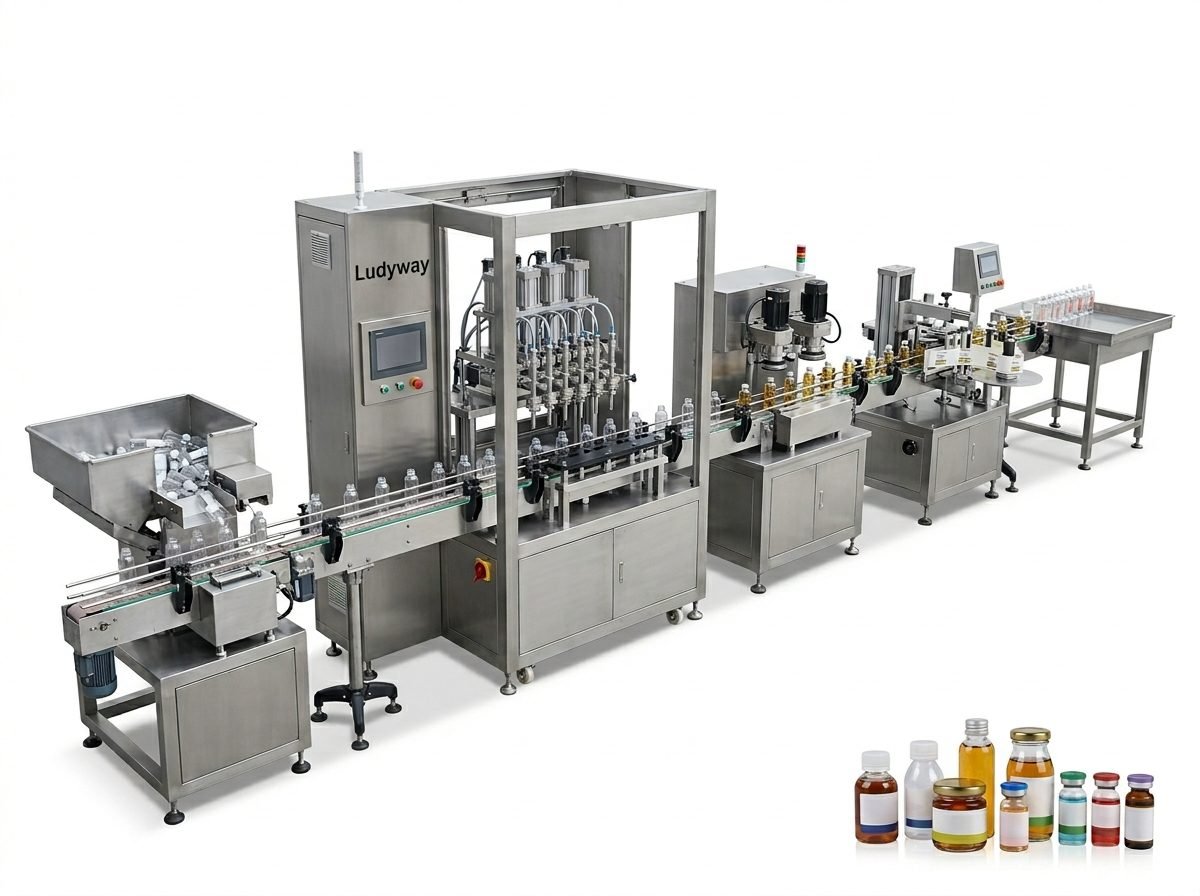
If you are a small or growing store with limited SKUs, a standalone machine may be the best starting point. If your business handles high order volumes, strict quality requirements, or multiple packaging steps, a turnkey line is often the smarter long-term option.
Standalone machine is better when:
- You are testing product-market fit
- Your SKU range is limited
- Your budget is more restricted
- You need simple filling and sealing only
Turnkey line is better when:
- You need feeding, filling, sealing, coding, inspection, and final packing in one workflow
- You want lower labor dependence
- You manage larger daily shipment volumes
- You need smoother production planning and easier expansion
What to Look for in a Packaging Machine Manufacturer
The machine itself matters, but the supplier matters just as much. A reliable manufacturer should be able to understand your product, recommend the right structure, and support installation, training, and long-term service.
When evaluating suppliers, consider industry experience, customization ability, engineering strength, export background, and project delivery capability. For businesses looking for scalable automation, e-commerce packing machine solutions from Ludyway can be a practical option, especially for brands needing standalone machines or complete turnkey packaging lines across food, pharmaceutical, health supplement, cosmetic, chemical, and pouch-based applications.
Final Buying Checklist for Online Stores
- Confirm your product type and packaging format
- Estimate normal and peak production volume
- Check fill accuracy and seal quality
- Review machine flexibility for future SKUs
- Assess labor savings and integration options
- Compare maintenance requirements
- Ask about installation, training, and after-sales support
- Calculate total cost of ownership, not just purchase price
The best packaging solution for an online store is the one that balances product protection, operational efficiency, shipping cost control, and future scalability. When your machine matches your business model, packaging becomes more than a production step—it becomes a competitive advantage.