Salsa is more than a condiment. It is a fast-moving food product with strict requirements for freshness, sealing accuracy, hygiene, leak prevention, and production efficiency. Whether you pack mild tomato salsa, chunky restaurant-style salsa, spicy dip, or smooth sauce blends, choosing the right salsa packaging machine can directly affect product quality, shelf life, labor cost, and customer satisfaction.
This guide explains how salsa packaging machines work, what machine types are available, what features matter most, and how to choose a reliable system for your production goals.
What Is a Salsa Packaging Machine?
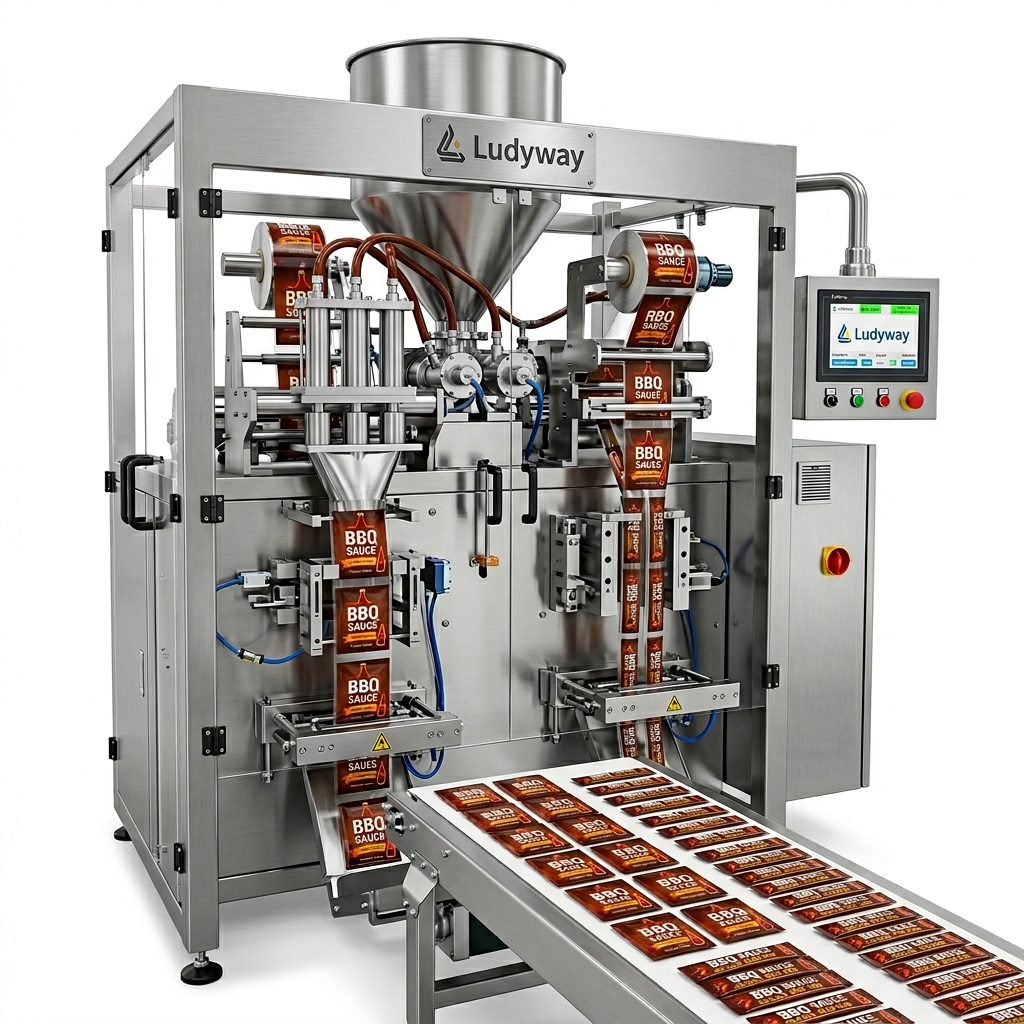
A salsa packaging machine is automated equipment designed to fill and seal salsa into containers such as sachets, pouches, cups, jars, bottles, or other retail and foodservice packaging formats. Because salsa may contain liquid, pulp, seeds, spices, and vegetable particles, the machine must handle both flowability and chunk consistency without damaging the product or causing inaccurate fills.
Depending on the package format and production scale, a salsa packaging system may include:
- Product hopper with agitation or gentle mixing
- Piston pump or servo-driven dosing system
- Form-fill-seal unit or premade pouch machine
- Bottle or jar filling station
- Capping or sealing equipment
- Date coding and labeling unit
- Inspection, checkweighing, and reject system
Why Salsa Packaging Is Technically Challenging
Salsa is not packaged like plain water or a fine powder. It often contains suspended solids and has variable viscosity. That creates several technical challenges:
- Chunk handling: Tomato pieces, peppers, onions, and herbs must pass through the filling system without clogging.
- Seal cleanliness: Salsa residue on the sealing area can cause leaks and poor shelf performance.
- Fill accuracy: Mixed liquid-solid recipes require stable dosing control.
- Hygiene: Food-contact parts must be easy to clean and built with sanitary materials.
- Oxidation and freshness: Some products need hot fill, vacuum, or controlled packaging conditions.
For these reasons, a properly designed salsa packaging machine should be selected based on the product formula, particle size, packaging style, and output target.
Common Packaging Formats for Salsa
| Packaging Format | Typical Use | Best Machine Type |
|---|---|---|
| Sachets | Single-serve portions, takeaway, foodservice | Vertical or horizontal form-fill-seal machine |
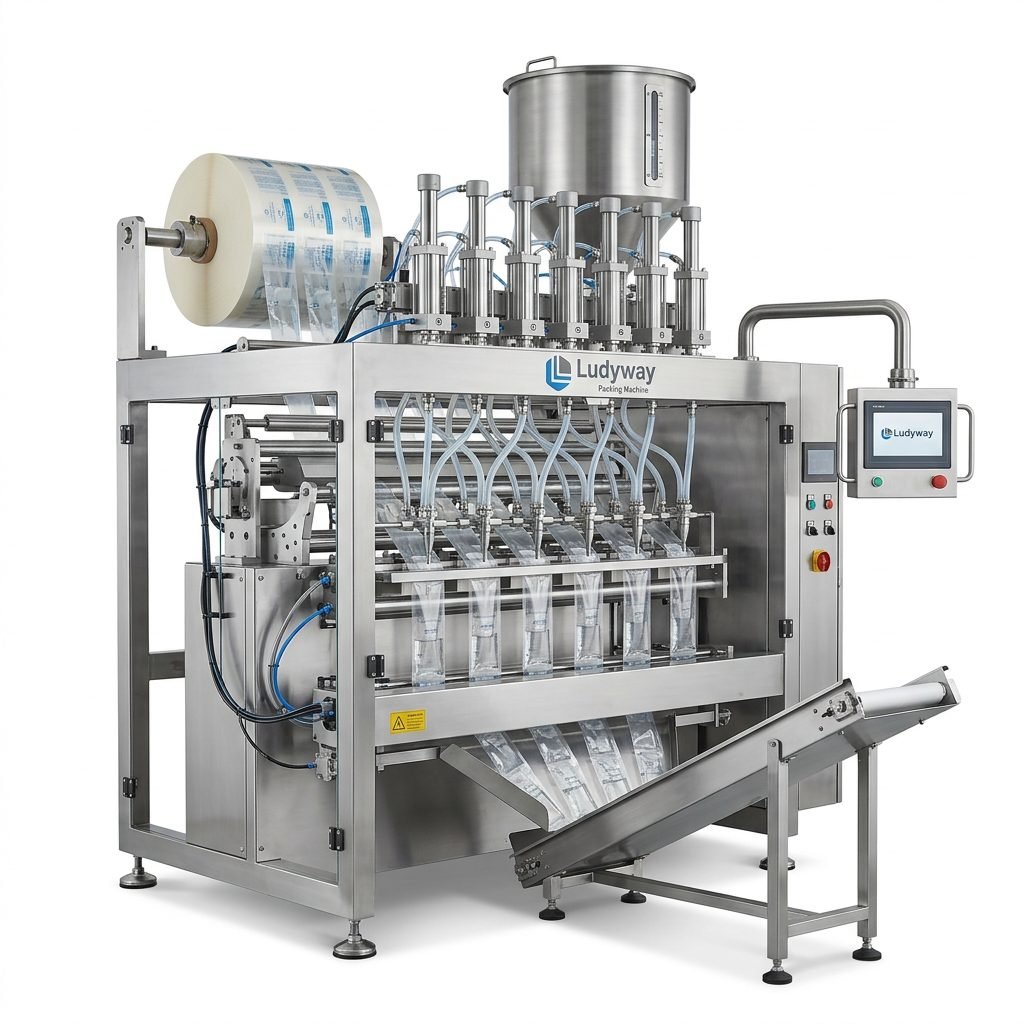
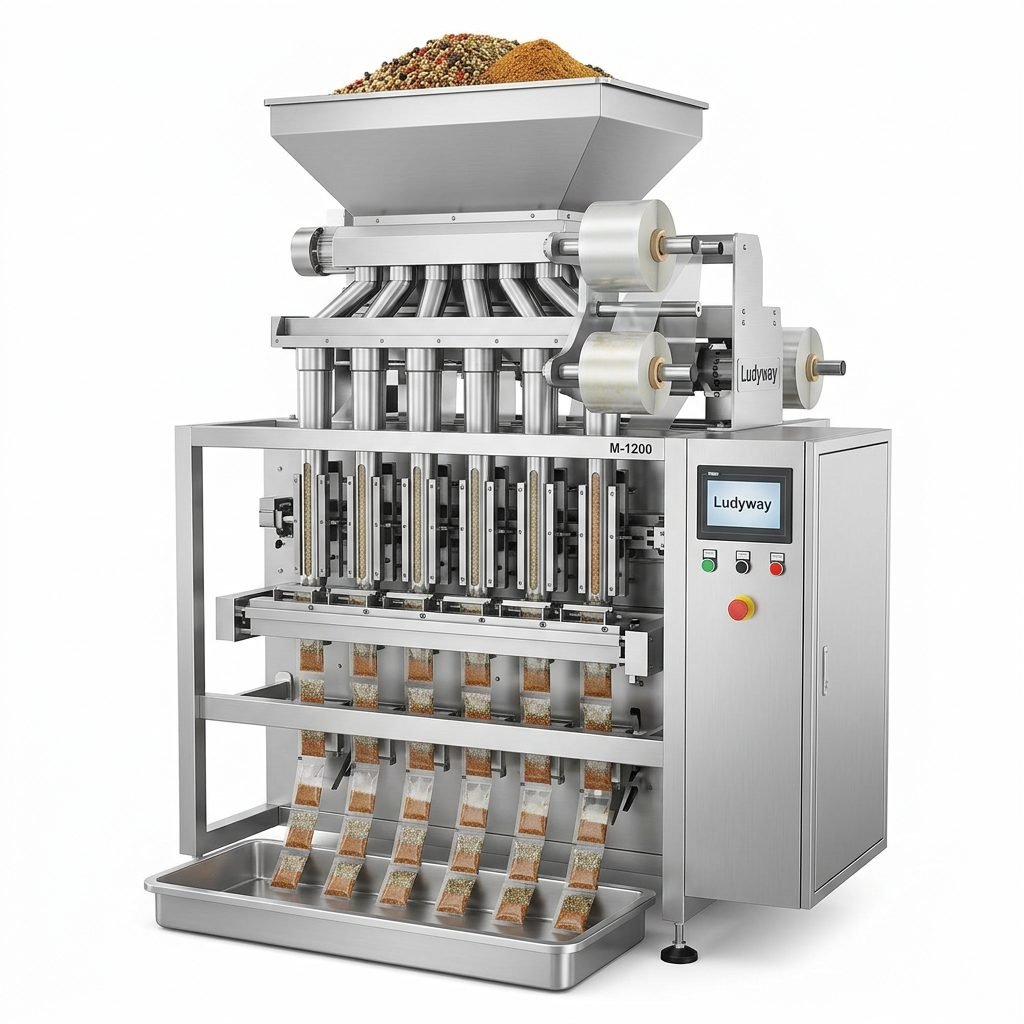
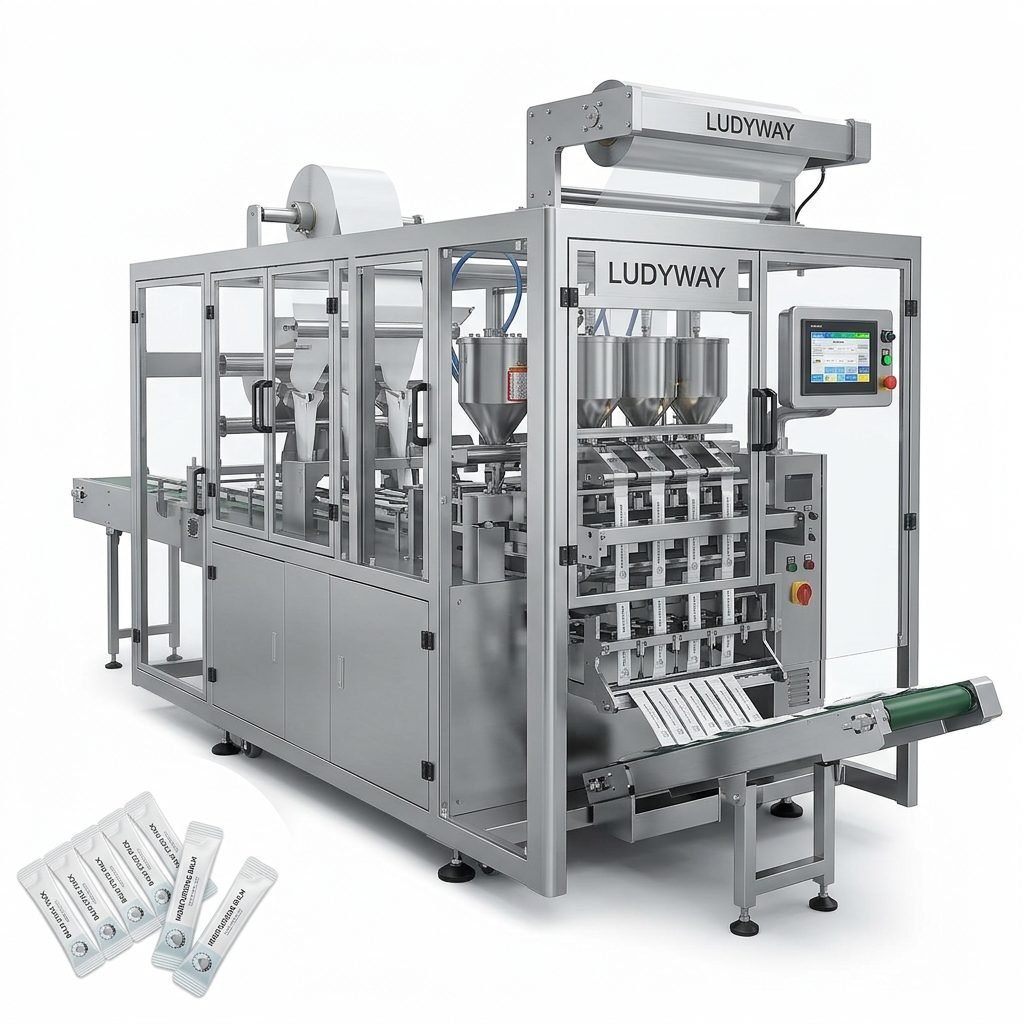
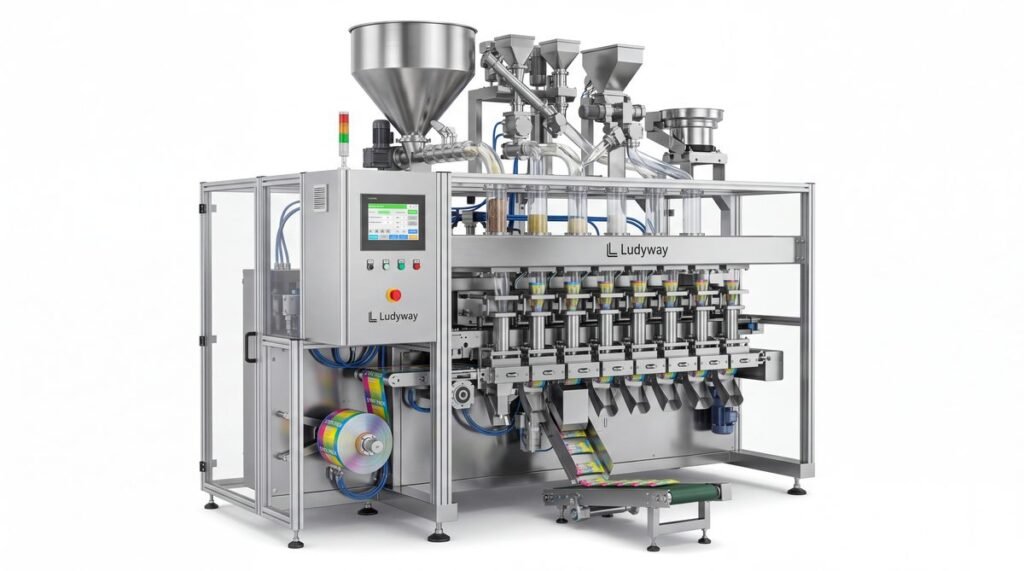
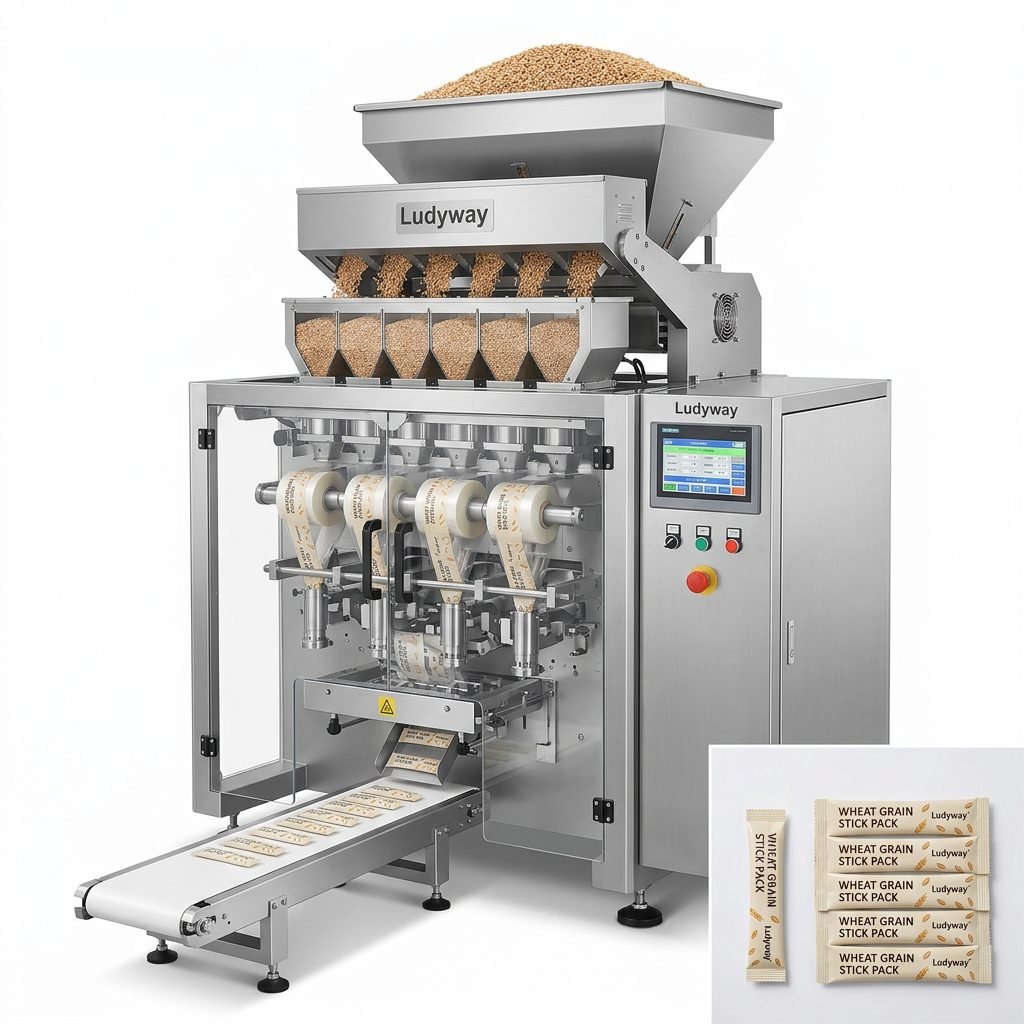
| Stick packs | Slim single-use condiment packs | Multi-lane stick pack machine for smooth salsa or sauce blends |
| Spouted pouches | Retail convenience packaging | Premade pouch filling and sealing machine |
| Stand-up pouches | Retail shelf display | Premade pouch machine or VFFS system |
| Plastic cups or trays | Dip packs, refrigerated products | Cup filling and sealing machine |
| Glass jars | Premium salsa retail packaging | Jar filling, capping, and labeling line |
| PET or HDPE bottles | Pourable salsa or foodservice packs | Liquid/paste filling line with capping system |
Main Types of Salsa Packaging Machines
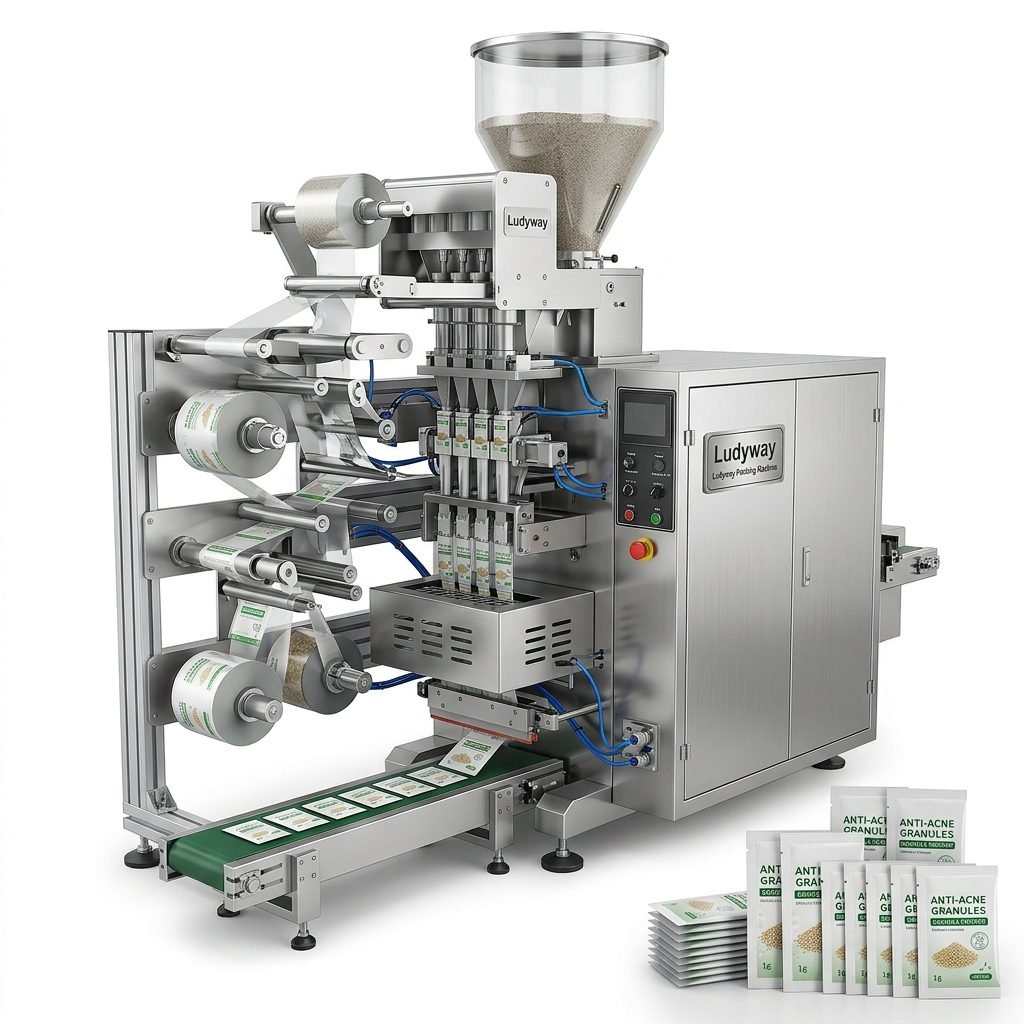
1. Sachet Packaging Machines
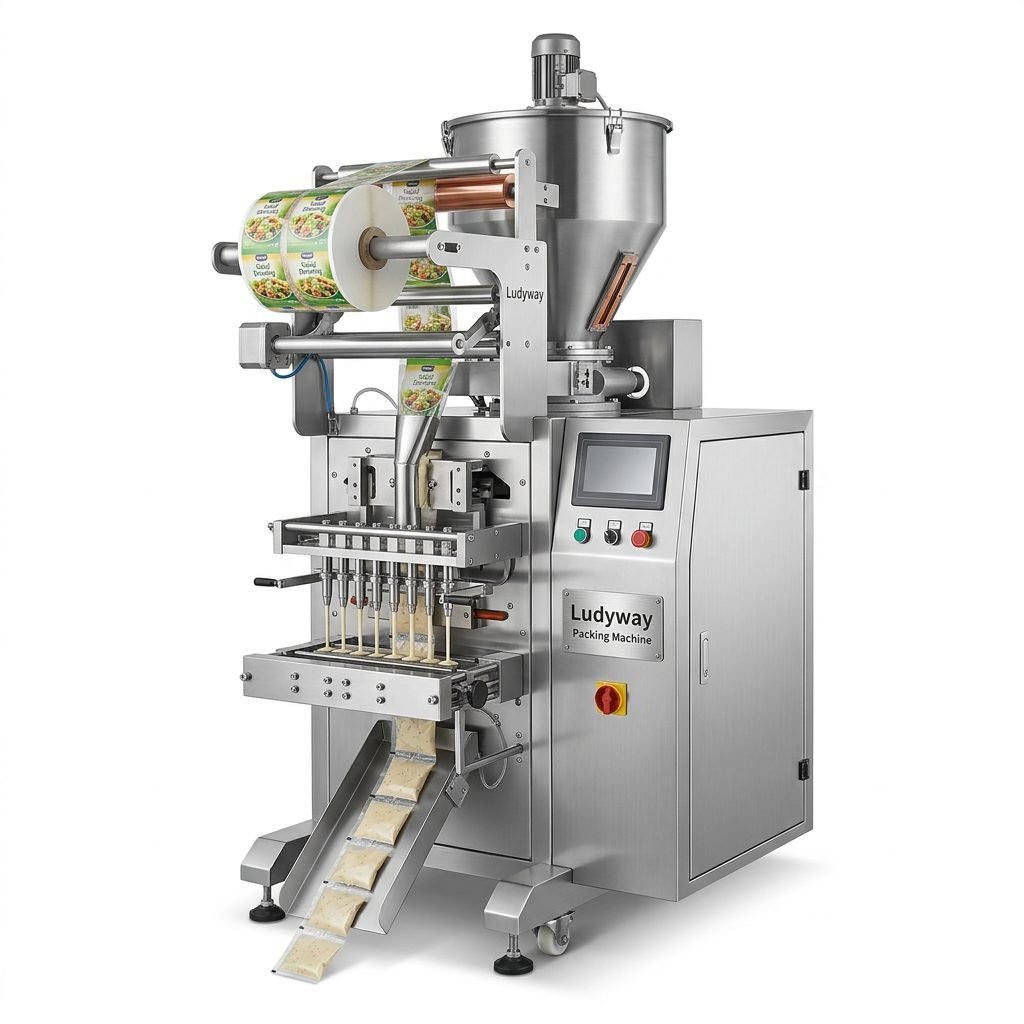
Sachet machines are ideal for single-serve salsa portions used in fast food, airline catering, takeaway meal kits, and institutional foodservice. These systems form the sachet from film, fill the product, and seal the pack in one continuous process.
- Suitable for low to medium fill volumes
- Compact format with low material consumption
- Works best for smoother salsa or finely processed recipes
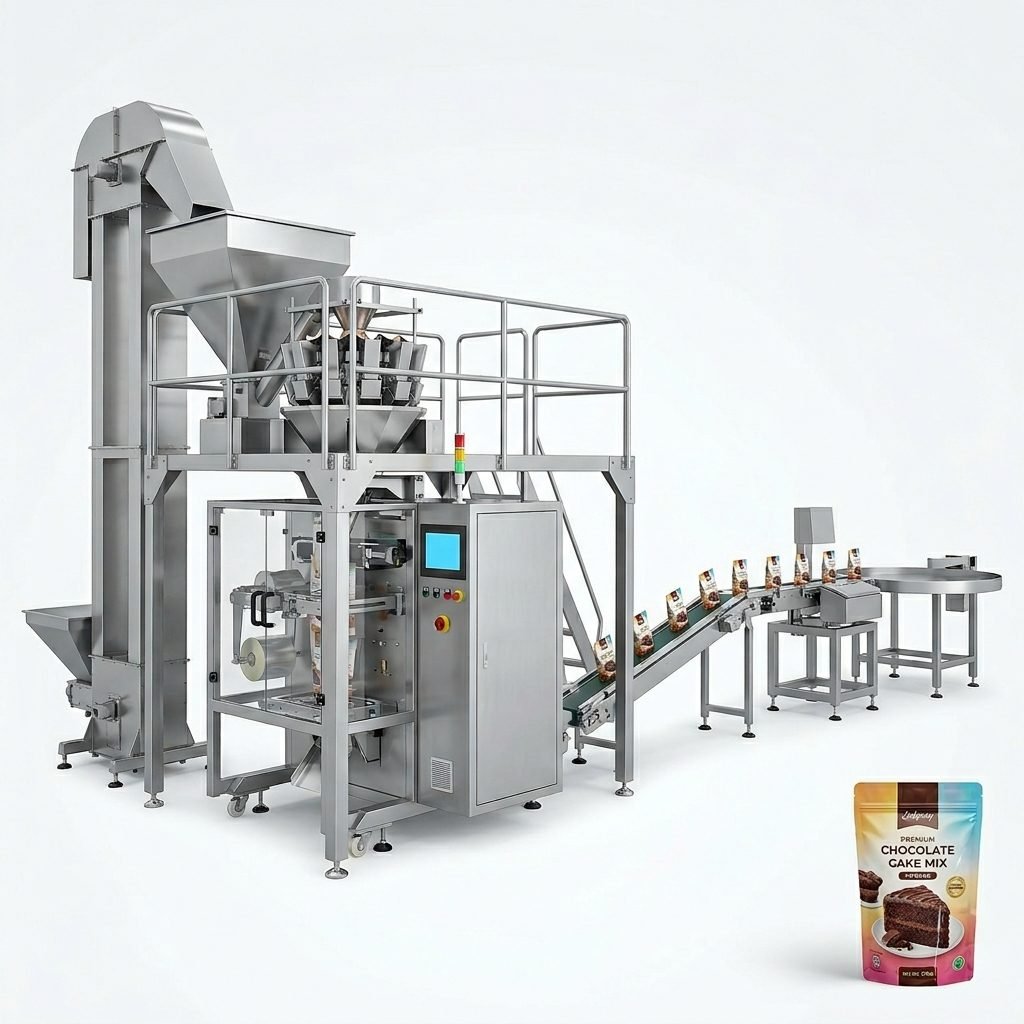
2. Premade Pouch Filling Machines
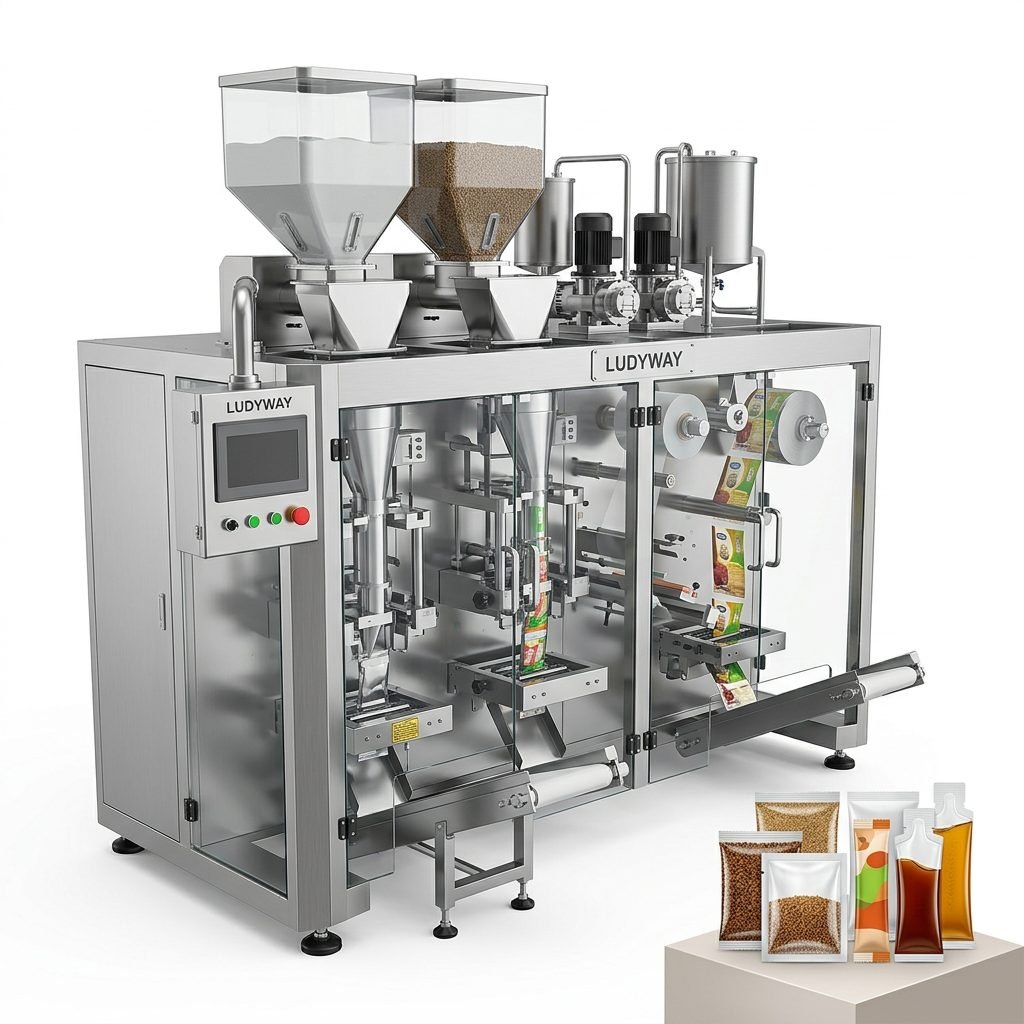
Premade pouch machines are widely used for stand-up pouches, zipper pouches, and spouted pouches. They provide a high-end retail appearance and are suitable for salsa products that need stronger branding impact.
- Good for retail shelf appeal
- Can handle larger fill volumes
- Suitable for chunky salsa with proper dosing design
3. Bottle and Jar Filling Lines
For supermarket and export products, jar or bottle filling lines remain a top choice. These lines typically include container infeed, filling, cap placement, cap tightening, coding, labeling, and final inspection.
- Excellent for glass jar salsa
- Supports hot fill applications
- Helps create a premium and traditional product image
4. Cup Filling and Sealing Machines
Cup filling systems are often used for refrigerated salsa dips or ready-to-eat snack packs. They fill preformed cups and seal them with film or lids.
How a Salsa Packaging Machine Works
Although machine structures vary, the general process is similar:
- Prepared salsa is transferred into a sanitary hopper.
- An agitation or circulation system helps maintain product consistency.
- The dosing unit measures the required fill volume or weight.
- The machine fills the salsa into pouches, sachets, jars, cups, or bottles.
- The package is sealed, capped, or lidded.
- A coder prints batch details or expiry information.
- Optional inspection systems check weight, seal integrity, and contaminants.
High-performance systems keep the process stable even when product viscosity changes during production.
Key Features to Look for in a Salsa Packaging Machine
Sanitary Construction
Food-grade stainless steel construction, smooth product-contact surfaces, and easy disassembly are essential. Hygienic design reduces cleaning time and lowers contamination risk.
Accurate Filling System
Salsa filling usually requires piston fillers, servo-controlled pumps, or customized paste/liquid dosing systems. Accuracy is especially important for retail compliance and cost control.
Particle-Friendly Product Path
If your salsa contains chunks, choose a machine with valves, nozzles, and piping designed for solid-containing products. This helps prevent blockage and protects product appearance.
Reliable Sealing
A good seal is critical for salsa. Heat sealing systems must maintain stable temperature and pressure while keeping the seal area clean.
Easy Cleaning and Maintenance
Machines with quick-release parts, CIP-friendly options, and accessible layouts improve uptime and support food safety management.
Flexible Changeover
If you run multiple salsa flavors or package sizes, fast changeover capability becomes a major productivity advantage.
Salsa Packaging Machine Selection Checklist
| Selection Factor | Why It Matters |
|---|---|
| Viscosity | Determines the right filling method and pump configuration |
| Particle size | Affects nozzle diameter, valve design, and anti-clog performance |
| Package type | Defines whether you need sachet, pouch, cup, jar, or bottle equipment |
| Output requirement | Impacts machine speed, lane number, and automation level |
| Shelf-life target | May require hot filling, vacuum, nitrogen flushing, or stronger sealing |
| Cleaning standard | Critical for food safety and production efficiency |
| Expansion plan | A scalable machine reduces future reinvestment cost |
Benefits of Automated Salsa Packaging
- Higher production efficiency with stable and repeatable output
- Improved hygiene compared with manual filling
- Better fill consistency and lower product giveaway
- Reduced labor dependence
- Improved seal quality and lower leakage rate
- More professional package appearance for retail markets
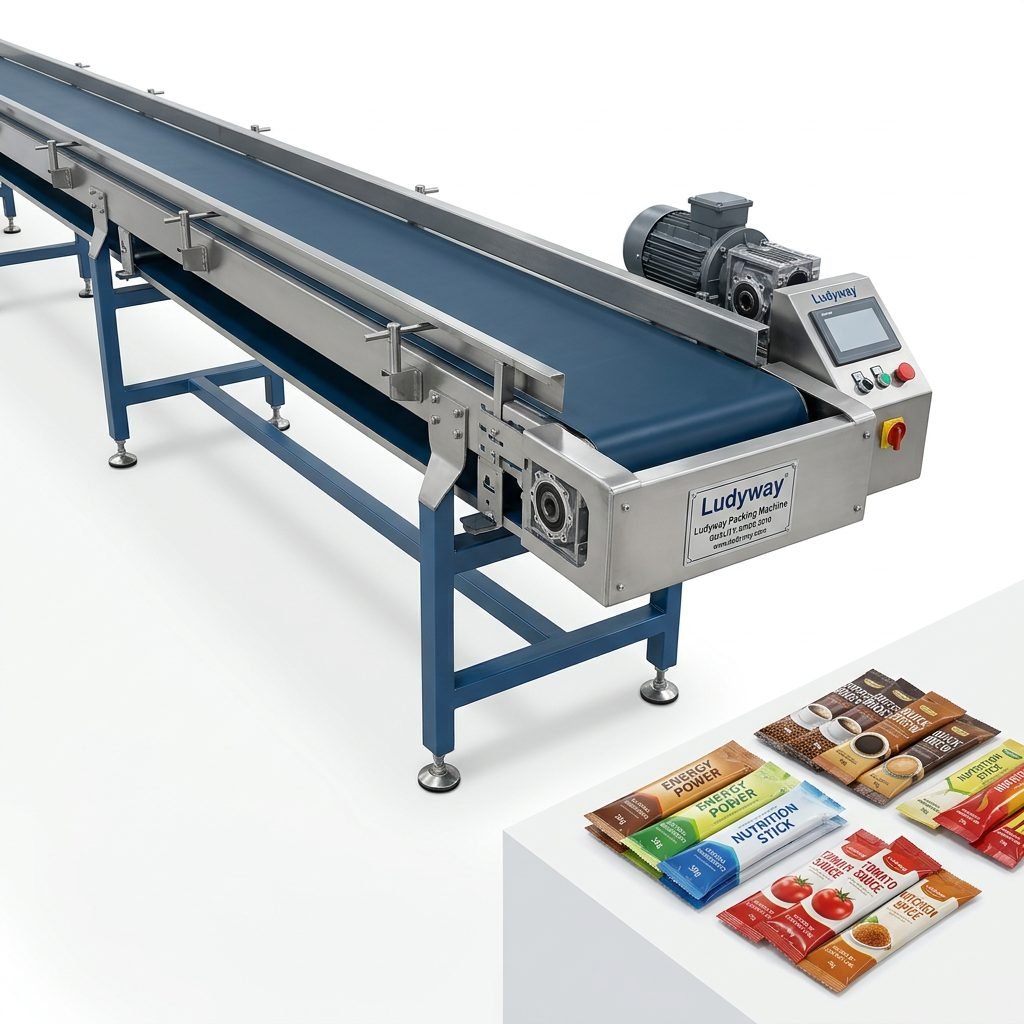
- Easier integration with coding, labeling, cartoning, and case packing
Hygiene and Food Safety Requirements
Since salsa is a food product that can be sensitive to contamination, hygiene should never be treated as an optional upgrade. A dependable salsa packaging line should support:
- 304 or 316 stainless steel food-contact parts
- Cleanable hopper and filling pathway
- Leak-resistant product handling
- Dust-free and residue-controlled sealing zones
- Stable temperature control where required
- Compliance with applicable food manufacturing standards
If your salsa is used in export markets, machine documentation, material traceability, and quality inspection support can be especially valuable.

Common Problems in Salsa Packaging and How the Right Machine Solves Them
Problem: Inconsistent Fill Weights
This often happens when salsa separates or contains uneven chunk distribution. A machine with agitation and precision dosing helps maintain consistent filling.
Problem: Seal Leaks
Salsa residue near the sealing area can weaken the seal. Advanced machines use optimized product cut-off, anti-drip nozzles, and controlled sealing parameters.
Problem: Product Clogging
Large particles or thick formulas may clog narrow filling paths. Customized particle-friendly channels and larger nozzles reduce downtime.
Problem: Slow Cleaning
Poorly designed equipment increases sanitation time. Hygienic structures with fast disassembly make cleaning easier and more repeatable.
Problem: Limited Packaging Flexibility
Businesses often want to launch multiple SKUs. Machines with recipe memory, flexible settings, and modular options support future changes more easily.
Who Needs a Salsa Packaging Machine?
- Salsa manufacturers scaling from manual filling
- Food startups launching single-serve condiment packs
- Private-label food brands
- Retail sauce and dip producers
- Frozen meal and ready-meal suppliers
- Foodservice condiment pack manufacturers
- Exporters needing stable, hygienic packaging automation
Should You Choose a Standalone Machine or a Complete Packaging Line?
A standalone machine may be enough for smaller operations or specialized packaging tasks. However, growing producers often benefit more from a complete line that integrates filling, sealing, coding, conveying, inspection, cartoning, and end-of-line handling.
For companies planning long-term expansion, a turnkey system can improve line coordination and reduce compatibility issues between different pieces of equipment. Manufacturers such as Ludyway salsa packaging machine solutions are often considered by buyers looking for scalable automation, customized configurations, and integrated packaging line support.
How to Evaluate a Machine Supplier
When comparing suppliers, do not focus only on the machine price. Evaluate the full project value.
- Experience with liquid, paste, or chunk-containing products
- Ability to customize based on salsa characteristics
- Factory capability and quality inspection process
- After-sales support and spare parts availability
- Export experience and documentation support
- Line integration ability for future expansion
Frequently Asked Questions
Can a salsa packaging machine handle chunky salsa?
Yes, but the machine must be designed for products with particles. The filling path, valve design, and nozzle dimensions are important.
What packaging format is best for salsa?
It depends on your market. Sachets are great for single servings, pouches work well for retail convenience, and jars offer a premium presentation.
Is hot filling necessary for salsa?
Some salsa products use hot filling for shelf stability, but the exact method depends on your recipe, preservatives, and regulatory requirements.
How important is cleaning design?
Very important. Since salsa contains food particles and moisture, hygienic design directly affects food safety, downtime, and product quality.
Can one machine run different salsa sizes?
In many cases, yes. Machines with adjustable settings and change parts can support multiple pack sizes and product variants.
Final Buying Advice
The best salsa packaging machine is not simply the fastest model. It is the machine that matches your salsa texture, packaging style, hygiene requirements, and output plan. If you package a smooth sauce for single-serve sachets, your needs will be very different from a premium chunky salsa in glass jars.
Before investing, define your product viscosity, particle size, package type, production speed, cleaning standard, and future expansion goals. With the right machine configuration, you can achieve efficient, hygienic, and reliable salsa packaging while improving consistency and lowering overall operating cost.