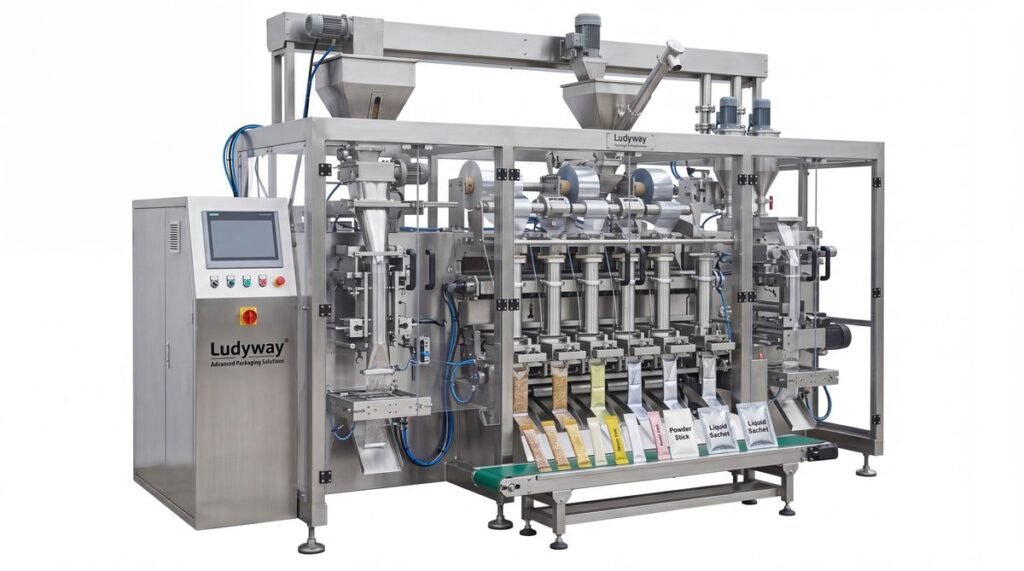
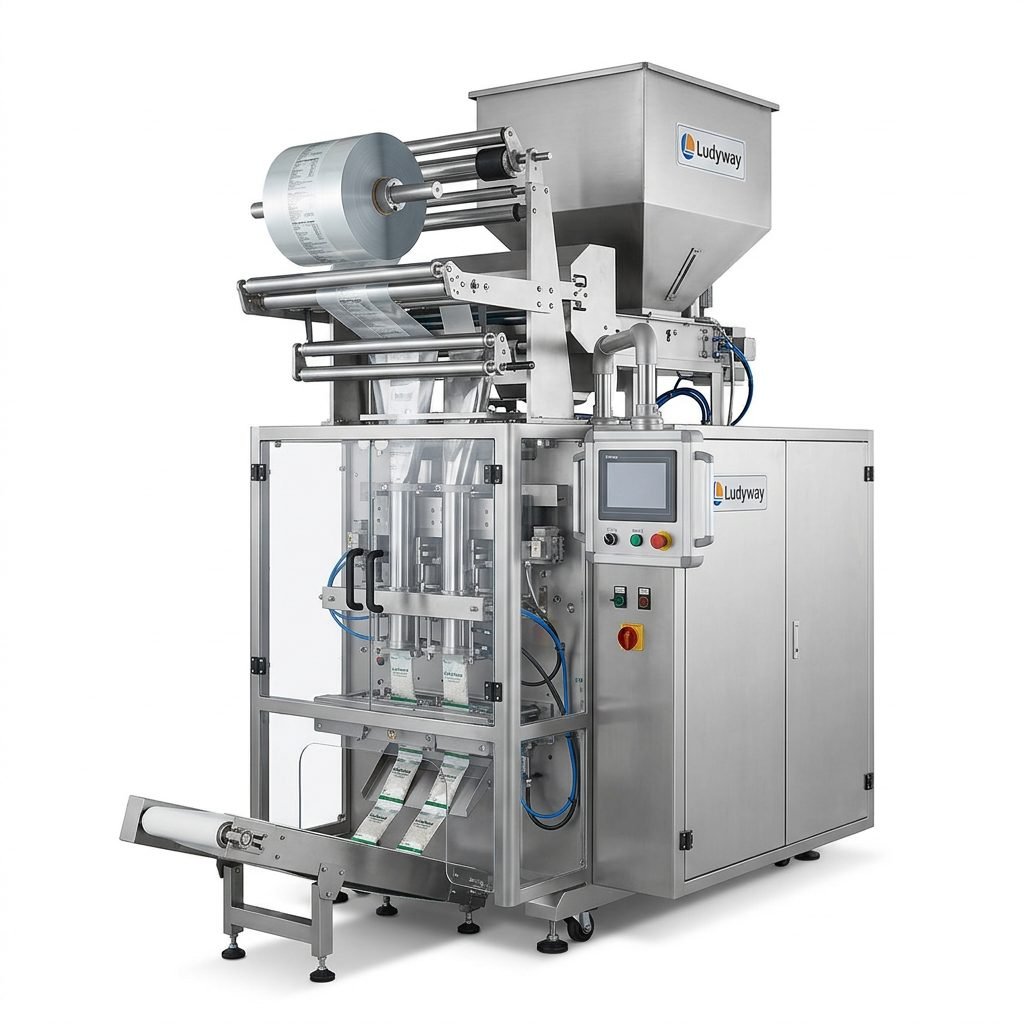
Investing in a DZ 600 vacuum packaging machine is a strategic decision for manufacturers seeking to extend product shelf life, enhance hygiene standards, and optimize packaging efficiency. Whether you are processing food, pharmaceuticals, electronics, or industrial components, selecting the right chamber vacuum packaging equipment directly impacts product quality, operational throughput, and long-term cost control. This comprehensive buyer’s guide walks you through the essential technical, operational, and supplier-related factors to evaluate before making a purchase.

Understanding the DZ 600 Vacuum Packaging Machine
The DZ 600 series belongs to the chamber-type vacuum packaging machine category, widely recognized for its robust construction and reliable performance in medium-volume production environments. These machines operate by placing the product and packaging bag inside a sealed chamber, evacuating air to a preset vacuum level, and then heat-sealing the bag. The “600” designation typically refers to the sealing bar length of approximately 600 mm, which accommodates a variety of bag sizes and product dimensions. DZ 600 machines are particularly valued for their ability to handle high vacuum levels, consistent seal integrity, and compatibility with multiple packaging materials including PA/PE, PET/PE, and aluminum foil laminates.

Key Factors to Evaluate Before Purchasing
Choosing the right DZ 600 vacuum packaging machine requires a systematic evaluation of several critical parameters. Overlooking any of these can lead to bottlenecks in production, increased downtime, or compromised packaging quality.
1. Vacuum Pump Type and Performance
The vacuum pump is the core component determining evacuation speed and ultimate vacuum level. DZ 600 machines are commonly equipped with either oil-lubricated rotary vane pumps or dry pumps. Oil-lubricated pumps generally achieve deeper vacuum levels (up to -0.1 MPa) and are suitable for applications requiring maximum oxygen removal, such as fresh meat, cheese, and medical device packaging. Dry pumps, while requiring less maintenance and eliminating oil contamination risks, typically offer slightly lower vacuum performance. Evaluate the pump’s flow rate (measured in m³/h) — higher flow rates translate to faster cycle times and greater throughput. Additionally, consider whether the machine configuration supports a single or dual vacuum pump setup, as dual-pump systems provide redundancy for continuous production lines.
2. Chamber Dimensions and Sealing Bar Configuration
The physical dimensions of the vacuum chamber determine the maximum product size and the number of bags that can be processed per cycle. Standard DZ 600 chamber sizes typically range from 600 mm × 550 mm to 600 mm × 600 mm, with chamber heights varying between 80 mm and 120 mm. For flat products, a lower chamber height speeds up evacuation. For bulky items, a deeper chamber is necessary. The sealing bar length (nominally 600 mm) and the number of sealing bars (single or double) directly affect packaging flexibility. Double-sealing bar configurations allow simultaneous sealing of two smaller bags or one extra-wide bag, effectively doubling throughput for certain applications. Always confirm the usable sealing width and the distance between sealing bars when multiple bars are present.
3. Construction Materials and Build Quality
The durability and hygiene compatibility of a DZ 600 vacuum packaging machine depend heavily on its construction materials. Stainless steel (SUS304 or SUS316L) chambers and frames are the industry standard for food-grade and pharmaceutical applications due to their corrosion resistance, cleanability, and compliance with FDA food contact regulations. Machines built with mild steel frames and painted finishes may be adequate for non-food industrial applications but require more maintenance over time. Inspect the thickness of chamber walls, the quality of weld seams, and the robustness of hinge mechanisms — these details indicate long-term reliability under continuous use. A well-constructed machine should operate smoothly with minimal vibration and noise.
4. Control System and Programmability
Modern DZ 600 machines feature microprocessor-based control systems that allow operators to store and recall multiple packaging recipes. Look for intuitive digital interfaces that provide precise control over vacuum time, sealing time, cooling time, and gas flushing parameters if modified atmosphere packaging (MAP) is required. Programmable logic controllers (PLCs) with touchscreen displays significantly reduce operator error, enable faster changeovers between products, and provide diagnostic information for troubleshooting. Some advanced models offer data logging capabilities and connectivity options for integration with plant-wide monitoring systems, aligning with packaging industry automation trends.
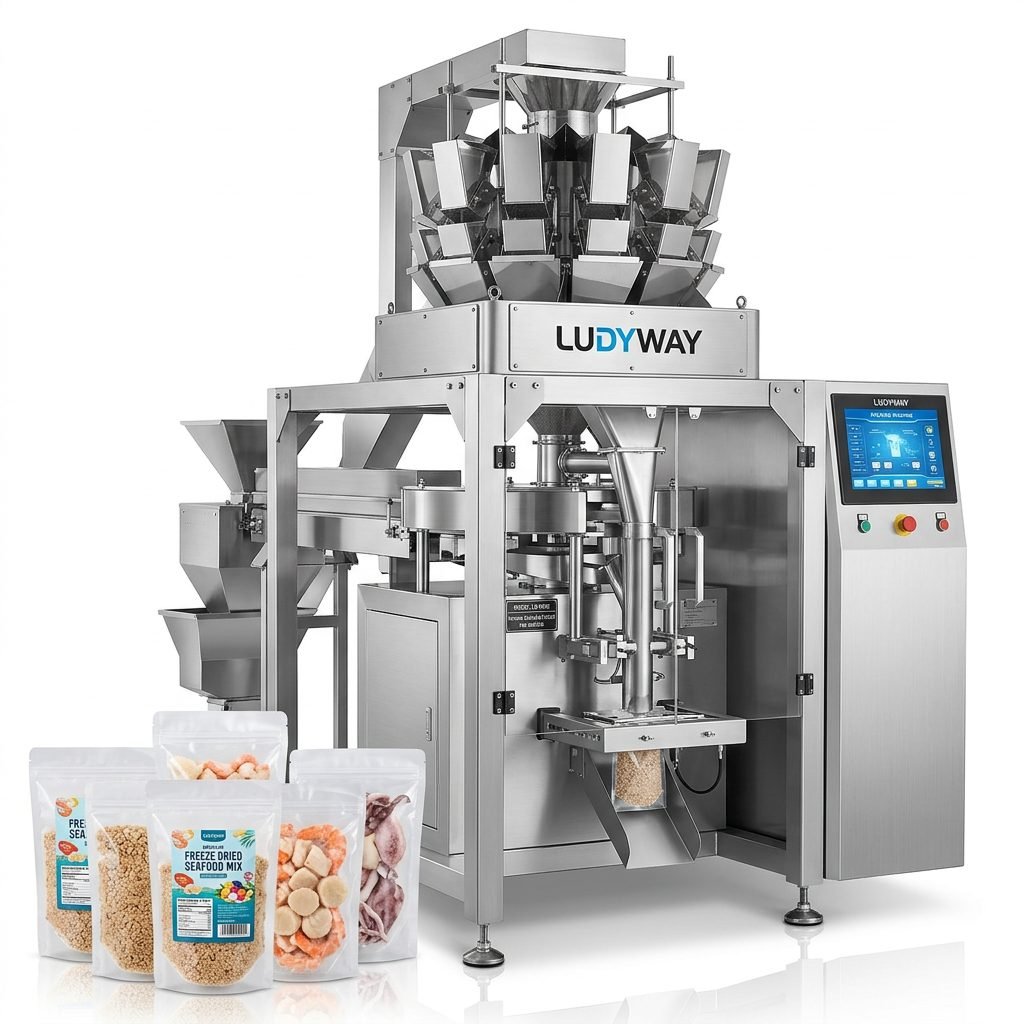
5. Sealing Quality and Temperature Control
The integrity of the seal is critical to maintaining vacuum over the product’s shelf life. Evaluate the heating element type — Ni-chrome heating wires or strips are common, with wider sealing bands generally producing more consistent seals across different film thicknesses. Precise temperature control, typically via thermocouple feedback, ensures that the seal bar reaches and maintains the optimal temperature for the specific packaging film being used. Look for machines offering independent temperature adjustment for each sealing bar and visual indicators that confirm proper sealing temperature has been achieved before the cycle initiates.
6. Gas Flushing (MAP) Compatibility
For products sensitive to oxidation or requiring atmosphere modification, gas flushing capability is an essential feature. The DZ 600 can be configured with gas injection nozzles that introduce inert gases such as nitrogen (N₂) or carbon dioxide (CO₂) into the chamber before sealing. This process displaces residual oxygen, creating a modified atmosphere that significantly extends the shelf life of perishable goods like fresh pasta, baked goods, and ready-to-eat meals. Verify that the machine’s gas circuit includes a reliable solenoid valve, adjustable gas flow regulation, and compatibility with your gas supply infrastructure.
7. Safety Features and Compliance
Operator safety should never be compromised. Essential safety features on a DZ 600 vacuum packaging machine include emergency stop buttons, chamber lid locking mechanisms, and thermal overload protection for the pump motor. Machines destined for international markets should carry relevant certifications indicating compliance with applicable electrical and mechanical safety directives. Packaging machinery that conforms to ISO packaging standards provides additional assurance of design quality and manufacturing consistency.
Technical Specifications Comparison Table
When evaluating different DZ 600 models, compare the following key specifications side by side. Use this reference table to guide your assessment:
| Specification Parameter | Typical Range for DZ 600 | What to Look For |
|---|---|---|
| Sealing Bar Length | 600 mm (single or double) | Double bar for higher throughput |
| Chamber Dimensions | 600 × 550 × 80~120 mm | Match to largest product dimensions |
| Vacuum Pump Flow Rate | 20 ~ 63 m³/h | Higher rate = faster cycle time |
| Ultimate Vacuum Level | ≤ -0.1 MPa (≤ 1 mbar) | Verify with gauge calibration |
| Sealing Temperature Range | 0 ~ 200°C (adjustable) | Independent control per bar |
| Cycle Time | 15 ~ 40 seconds | Depends on pump and chamber size |
| Machine Body Material | SUS304 / SUS316L stainless steel | Full stainless preferred for food/pharma |
| Power Supply | 220V/380V, 50/60Hz, 3-phase | Match to facility electrical specs |
Industry Applications for DZ 600 Vacuum Packaging Machines
The versatility of the DZ 600 series makes it suitable across a broad spectrum of industries. Understanding how different sectors utilize vacuum packaging helps clarify which features are most relevant to your operation.
- Food Processing: Vacuum packaging of fresh and processed meats, cheeses, seafood, ready meals, and dried goods. Extends refrigerated shelf life by 3-5 times compared to non-vacuum methods. MAP capability is particularly valuable for fresh pasta and bakery products.
- Pharmaceuticals and Medical Devices: Sterile barrier packaging for surgical instruments, diagnostic kits, and implantable devices. Vacuum packaging combined with medical-grade films ensures sterility maintenance and tamper evidence throughout the supply chain.
- Electronics and Semiconductors: Moisture-sensitive components such as PCBs, ICs, and sensors require vacuum-sealed packaging with desiccant to prevent oxidation and moisture damage during storage and transit.
- Industrial Components: Precision metal parts, bearings, and assemblies benefit from vacuum packaging that prevents corrosion and contamination before installation.
- Pet Food and Animal Feed: Vacuum packaging preserves the nutritional integrity, flavor, and freshness of dry and semi-moist pet foods, extending shelf life without artificial preservatives.
Maintenance Considerations and After-Sales Support
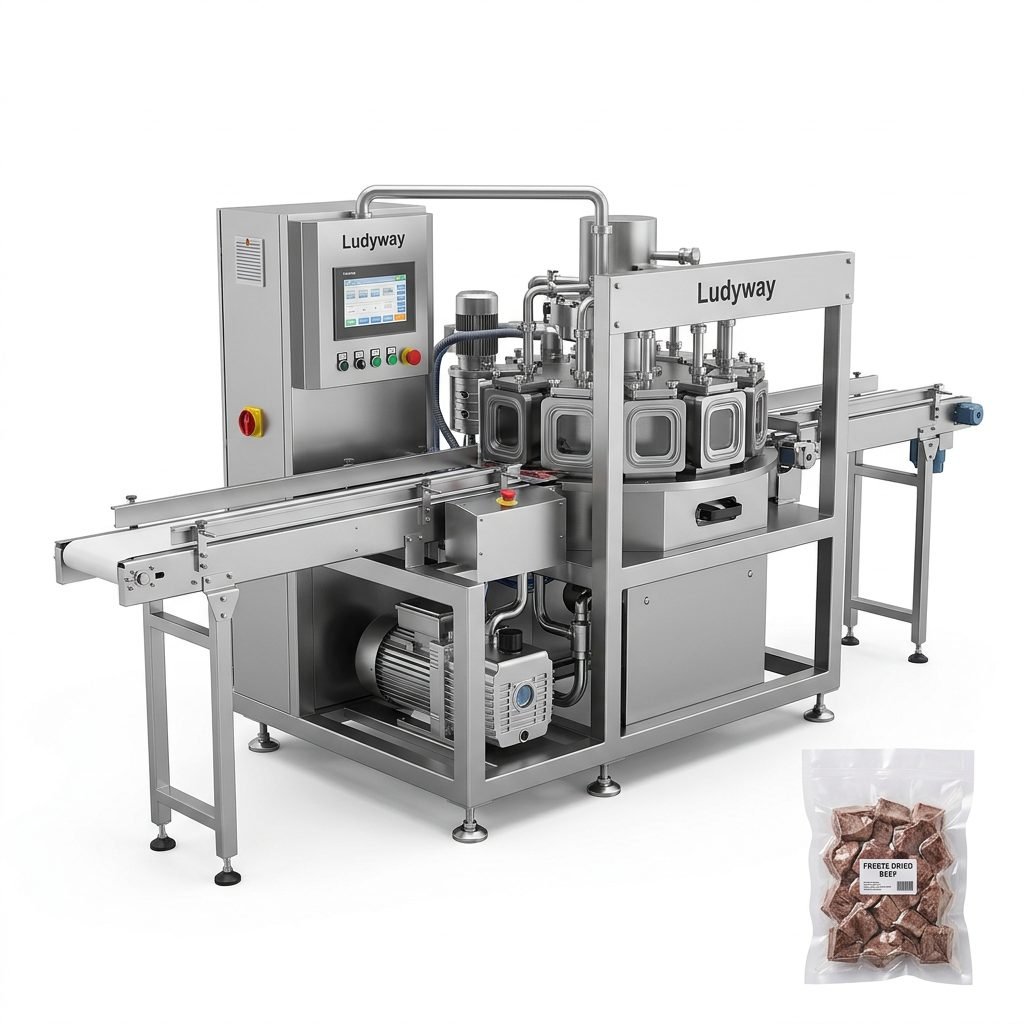
A DZ 600 vacuum packaging machine represents a significant capital investment, and ongoing maintenance directly affects uptime and total cost of ownership. Before purchasing, clarify the following:
- Pump Oil Changes: Oil-lubricated rotary vane pumps require regular oil changes — typically every 500 to 1,000 operating hours. Confirm the recommended oil type, change interval, and whether the manufacturer provides an oil change kit.
- Sealing Element Replacement: Heating wires and Teflon tape are consumable parts that wear over time. Check the availability and cost of spare parts specific to the sealing system. Easy access to the sealing bar for replacement reduces downtime.
- Gasket and Lid Maintenance: The chamber lid gasket must maintain an airtight seal. Inspect replacement procedures and the expected service life of silicone or rubber gaskets under normal operating conditions.
- Technical Support and Warranty: Evaluate the warranty period, coverage scope, and response time for technical support. For international buyers, remote diagnostic support capabilities and local service partner availability can significantly reduce resolution times for equipment issues.
Manufacturers like Ludyway Machinery, with over 30 years of experience in the packaging machinery industry and a presence in more than 100 countries, provide comprehensive technical support throughout the equipment lifecycle, including installation, commissioning, operator training, and spare parts supply. This level of support is especially valuable for manufacturers integrating new vacuum packaging systems into existing production lines.
Total Cost of Ownership and ROI Analysis
While the initial purchase price is an important factor, total cost of ownership over the machine’s service life provides a more accurate basis for comparison. Consider these cost elements:
- Energy Consumption: The vacuum pump motor accounts for the majority of electrical consumption. Compare rated power (kW) and estimated annual operating costs based on your production schedule.
- Consumable Parts: Budget for pump oil, sealing elements, gaskets, and filters. Request a recommended spare parts list with pricing from the supplier.
- Labor Efficiency: Machines with faster cycle times, intuitive controls, and recipe storage reduce operator training time and increase throughput per shift.
- Packaging Material Waste: Consistent sealing quality minimizes rejected packages due to seal failures, directly reducing film waste and product loss.
Calculate your expected payback period by estimating savings in extended shelf life, reduced product returns, lower preservative usage, and labor efficiency gains. Many food manufacturers report achieving ROI within 12 to 18 months after integrating a properly specified DZ 600 vacuum packaging system into their operations. For further insights on packaging machinery market trends and investment benchmarks, the PMMI state of the industry report provides valuable data on packaging equipment spending patterns across regions.
Customization and Future-Proofing Your Investment
As production demands evolve, the flexibility of your vacuum packaging equipment becomes increasingly important. When selecting a DZ 600 machine, consider whether the manufacturer offers custom engineering options and field upgrade paths. Potential customization areas include:
- Additional sealing bars for increased throughput
- Modified chamber dimensions for non-standard product sizes
- Integration of gas flushing (MAP) capability if not initially specified
- Conveyor integration for semi-automatic or fully automatic loading/unloading
- Control system upgrades for data logging and plant network connectivity
The ability to adapt equipment to changing packaging requirements — whether for new product introductions, updated packaging formats, or increased production volumes — protects your initial investment and extends the useful life of the machine. Suppliers with in-house engineering capabilities are better positioned to deliver tailored solutions that align with both current and anticipated operational needs.
By thoroughly evaluating these factors — from pump performance and build quality to after-sales support and total cost of ownership — you can confidently select a DZ 600 vacuum packaging machine that delivers reliable, efficient, and scalable packaging performance for years to come.