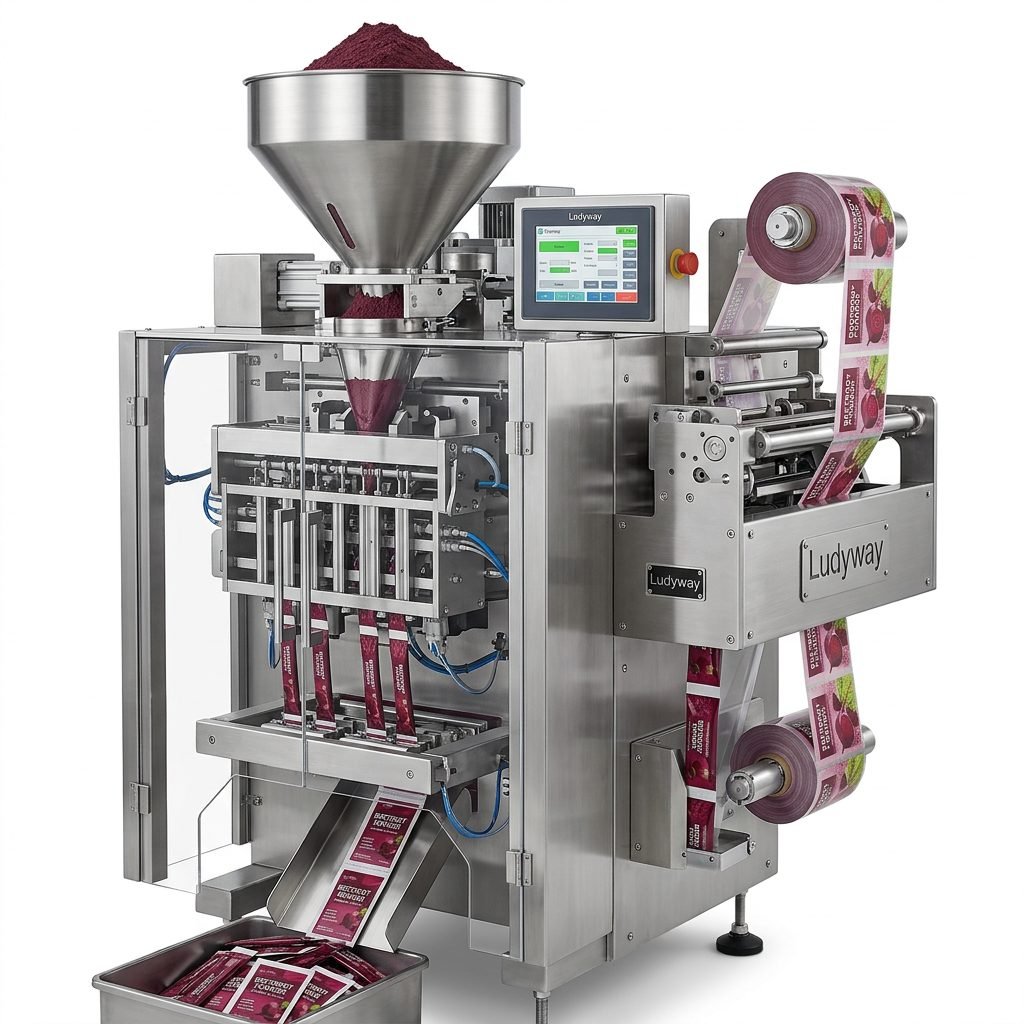
Uhlmann blister packaging machines are widely known in pharmaceutical packaging for their precision, hygiene, and consistent output. For manufacturers handling tablets, capsules, softgels, or medical products, these systems are often associated with reliable blister forming, sealing, coding, and downstream integration. Understanding how they work, where they fit, and what alternatives or complementary line solutions are available can help buyers make better investment decisions.
In today’s regulated production environment, blister packaging is more than a presentation format. It plays a critical role in product protection, traceability, tamper evidence, dose control, and shelf-life stability. That is why many pharmaceutical companies evaluate machine speed, forming material compatibility, line flexibility, and validation support before selecting a blister packaging system.
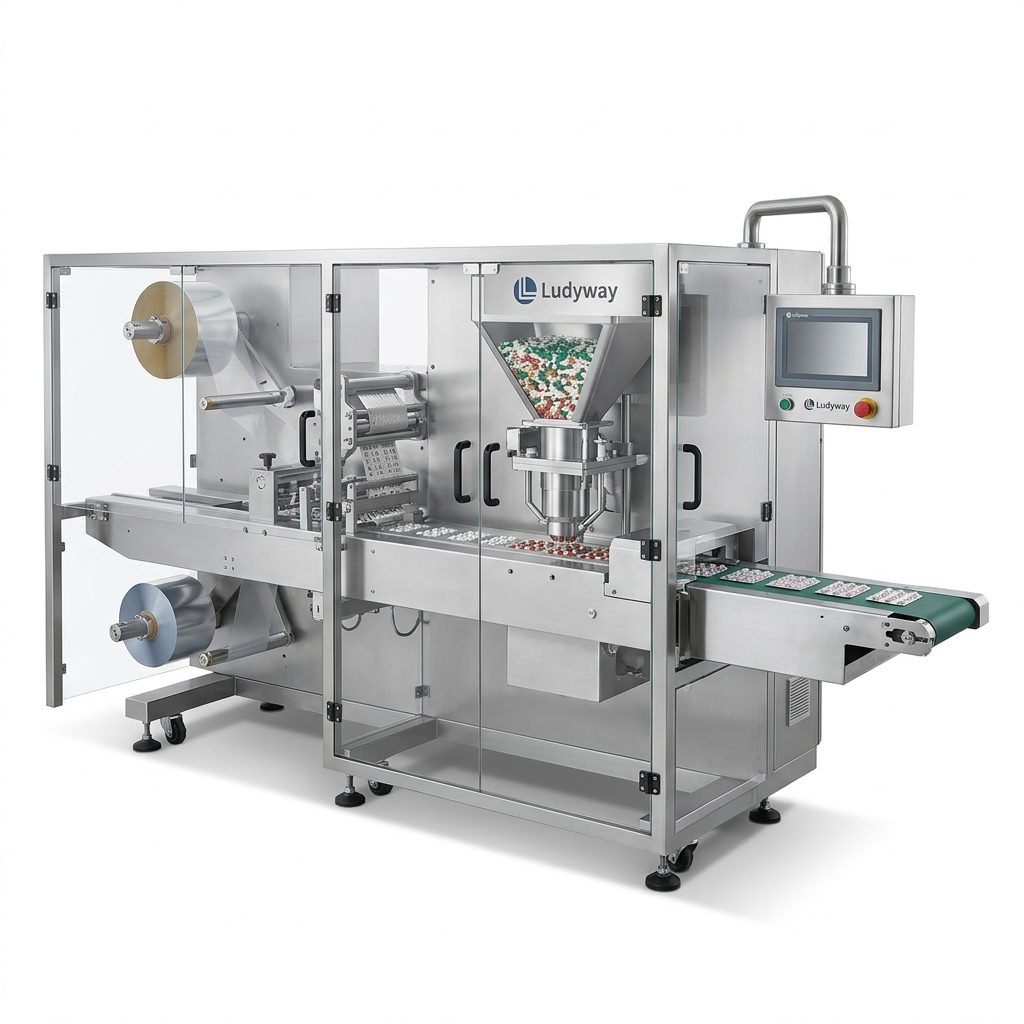
What Is an Uhlmann Blister Packaging Machine?
An Uhlmann blister packaging machine is a pharmaceutical packaging system designed to automatically form cavities from film, fill them with products such as tablets or capsules, seal the cavities with lidding material, and often complete additional processes such as perforation, batch coding, inspection, and cartoning integration.
These machines are commonly used in:
- Pharmaceutical manufacturing plants
- Nutraceutical and supplement production
- Healthcare product packaging facilities
- Clinical trial and small-batch packaging environments
- Medical device and unit-dose packaging applications
The main purpose of blister packaging equipment is to deliver accurate, protected, and easy-to-handle unit-dose packaging. Compared with bulk bottle filling, blister packaging can improve patient compliance, simplify counting, and reduce direct product exposure during use.
How a Blister Packaging Machine Works
Although model configurations vary, the standard blister packaging process generally follows a similar sequence:
- Film feeding – PVC, PVDC, PET, PP, or aluminum-based material is unwound.
- Forming – Cavities are created by thermoforming or cold forming.
- Product feeding – Tablets, capsules, or similar products are inserted into pockets.
- Inspection – Vision or sensor systems check fill accuracy and pocket integrity.
- Sealing – Lidding foil is applied using heat and pressure.
- Coding and embossing – Batch number, expiry date, and other traceability details are added.
- Perforation and cutting – Packs are separated into finished blister cards.
- Cartoning integration – Finished blisters may move directly into carton packaging systems.
Key Features Buyers Look for in Blister Packaging Machines
Whether evaluating an Uhlmann blister packaging machine or comparable pharmaceutical blister line equipment, buyers usually focus on the following features:
| Feature | Why It Matters |
|---|---|
| High-speed output | Supports large production volumes and lowers cost per pack |
| Quick changeover | Reduces downtime between SKU or format changes |
| Precise feeding system | Minimizes missing tablets, broken capsules, and rejects |
| Material compatibility | Enables use of thermoforming and cold-form materials |
| GMP-friendly design | Improves cleaning access and compliance performance |
| Integrated inspection | Helps maintain pack quality and traceability |
| Modular integration | Supports connection with cartoners, vision, and serialization systems |
Major Benefits of Blister Packaging Machines
1. Strong Product Protection
Blister packs provide an excellent barrier against moisture, oxygen, contamination, and physical damage. This is particularly important for moisture-sensitive tablets and capsules where package integrity directly affects product stability.
2. Better Dose Control
Unit-dose packaging helps users access one dose at a time. This can be valuable in prescription medicine, OTC products, and nutraceutical applications where controlled dispensing improves convenience and compliance.
3. Improved Traceability
Modern blister packaging lines can include coding, serialization, and inspection modules. These functions support anti-counterfeiting efforts and meet increasingly strict regulatory demands across many pharmaceutical markets.
4. Reduced Product Waste
Because each dose is individually protected, the remaining product stays sealed until use. This can reduce environmental exposure and spoilage compared with multi-dose containers.
5. Efficient Automated Production
Automated blister machines improve consistency, reduce labor dependency, and enable repeatable output. For growing production facilities, this is one of the most important long-term operational advantages.
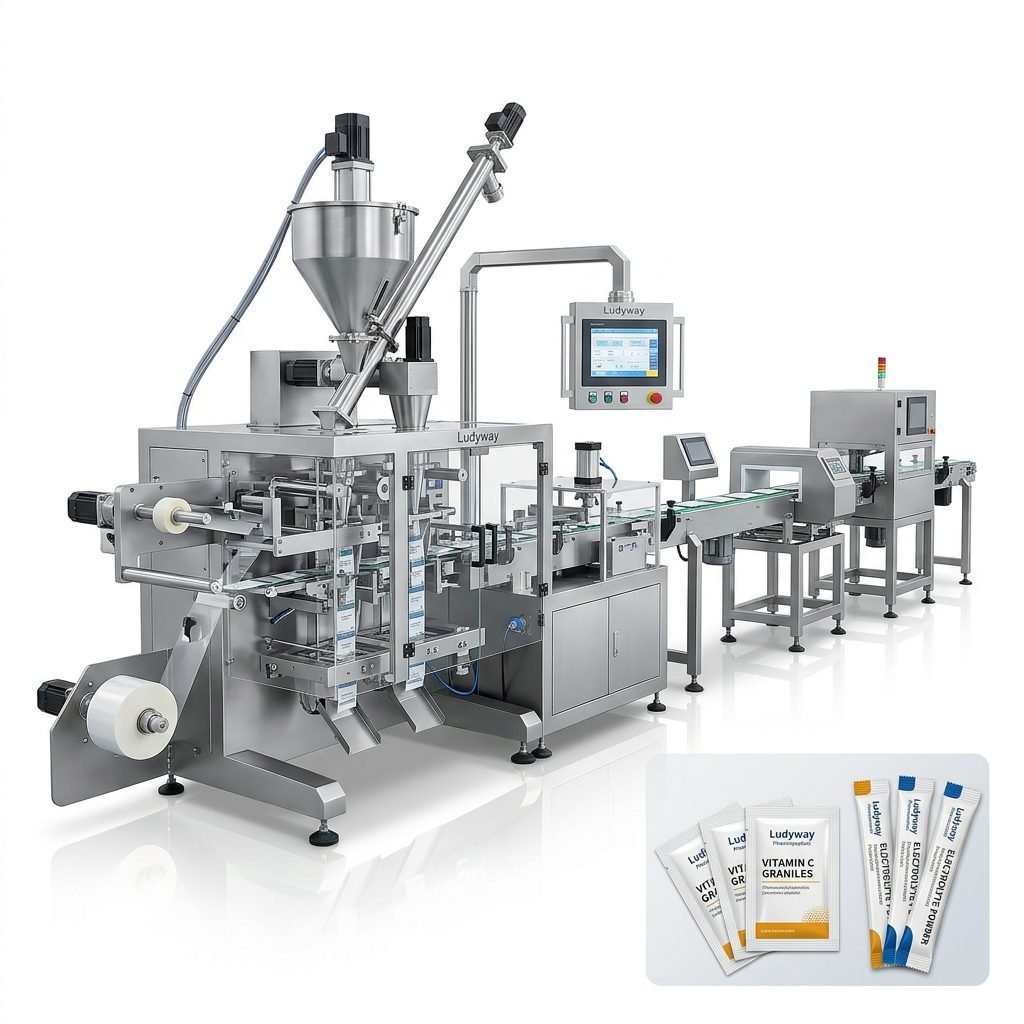
Common Applications of Blister Packaging Equipment
Blister packaging systems are most often associated with solid-dose pharmaceuticals, but their application range is wider than many buyers expect.
- Tablets – standard compressed tablets, coated tablets, chewables
- Capsules – hard gelatin capsules and HPMC capsules
- Softgels – when machine compatibility and handling systems are suitable
- Effervescent products – where moisture protection is critical
- Nutraceuticals – vitamins, minerals, immune support, supplements
- Diagnostic or medical items – certain single-use healthcare products
- Consumer healthcare – OTC drugs, lozenges, and specialty oral products
Thermoforming vs Cold Forming
One important decision in blister packaging is the choice between thermoforming and cold forming. Each has different cost, barrier, and visual characteristics.
| Type | Advantages | Typical Use |
|---|---|---|
| Thermoforming | Transparent cavities, attractive presentation, faster output, lower material cost | Standard tablets and capsules with moderate barrier needs |
| Cold forming | Excellent barrier against moisture, oxygen, and light | Highly sensitive pharmaceutical products |
If your product is highly sensitive, cold-form alu-alu blister packaging may offer the protection needed. If visibility and cost-efficiency are more important, thermoformed blister packs may be the better choice.
What to Consider Before Buying a Blister Packaging Machine
Choosing the right machine involves more than comparing speed. Buyers should review both current production needs and future expansion plans.
Product Characteristics
- Tablet or capsule shape and size
- Fragility and dust generation
- Sensitivity to moisture, light, or oxygen
- Required pocket depth and pack layout
Packaging Material Requirements
- PVC, PVDC, PET, PP, Aclar, or alu-alu compatibility
- Lidding foil specifications
- Seal strength requirements
- Print registration precision
Production Capacity
- Expected packs per minute
- Shift pattern and annual output targets
- Scalability for new SKUs
- Buffering and downstream line balance
Compliance and Validation
- GMP-compliant design
- IQ/OQ documentation support
- 21 CFR Part 11 or data integrity needs
- Serialization and track-and-trace readiness
Maintenance and Service Support
- Availability of spare parts
- Operator training
- Remote technical support
- Ease of cleaning and part replacement
When a Turnkey Packaging Line Makes More Sense
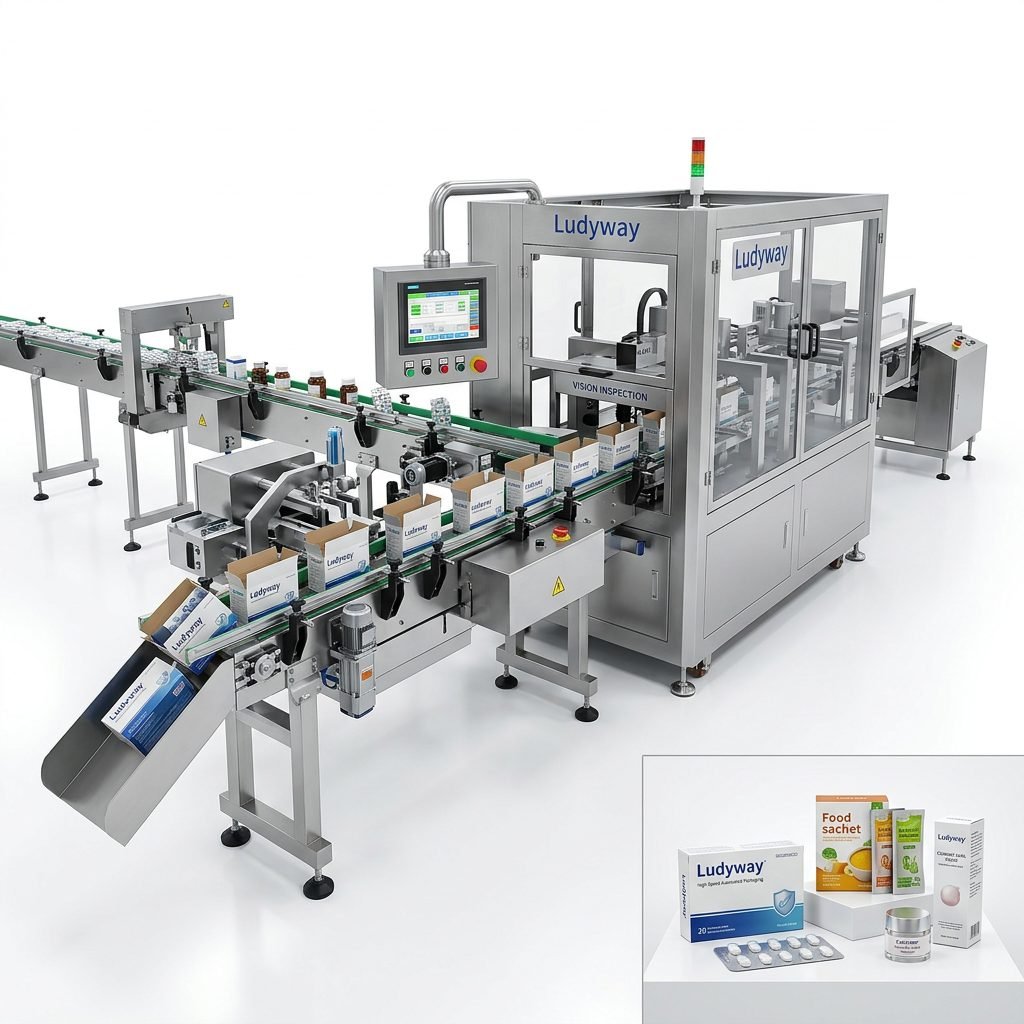
For many manufacturers, the blister machine is only one part of the complete production flow. In practical operations, upstream feeding, in-line inspection, cartoning, case packing, coding, and palletizing all affect overall efficiency.
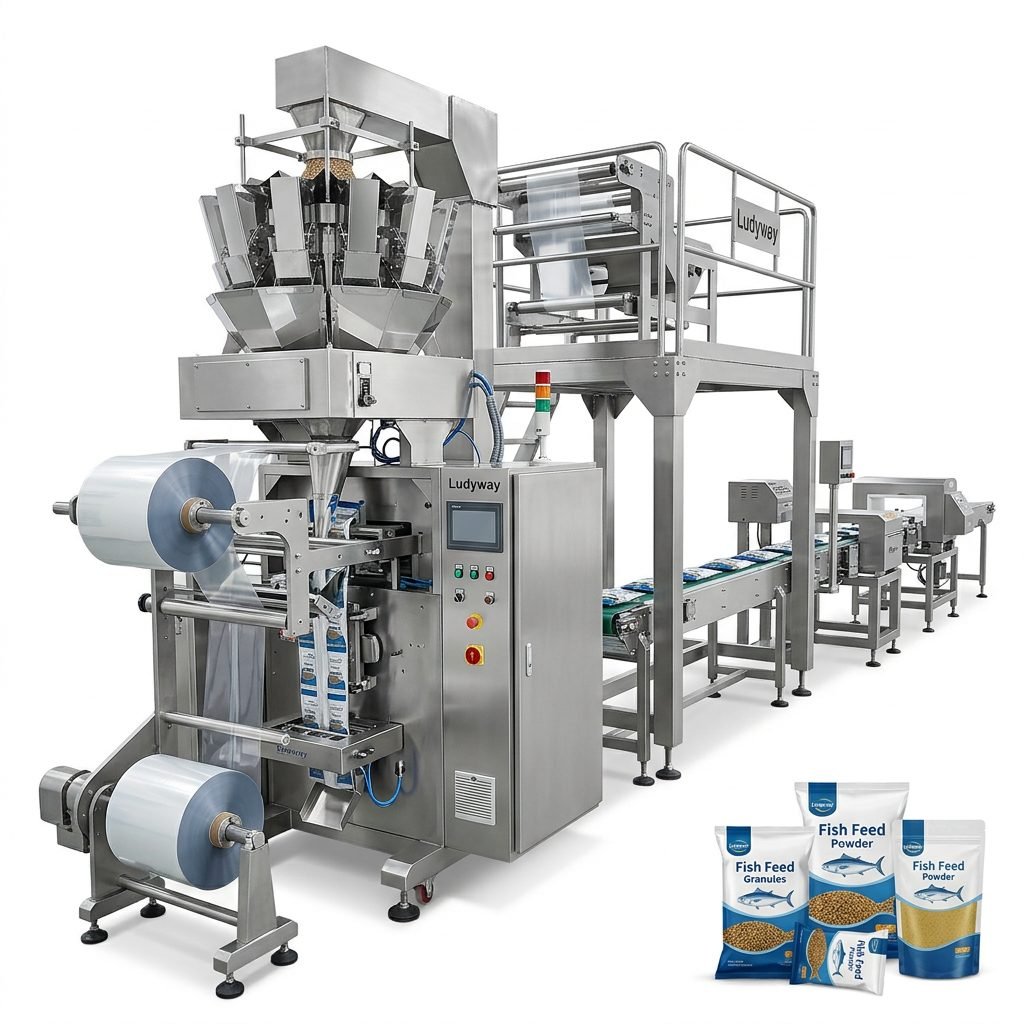
This is why some buyers prefer a full packaging system partner rather than sourcing each machine separately. Companies such as Ludyway are often considered by buyers looking for integrated packaging equipment and turnkey line solutions across pharmaceutical, food, health supplement, and related industries.
A turnkey approach can help reduce:
- Line matching issues between machines
- Commissioning delays
- Communication gaps across multiple vendors
- Downtime caused by incompatible controls or conveyors
Blister Packaging Machine vs Other Pharmaceutical Packaging Formats
Blister packaging is not always the only answer. Depending on product type and market positioning, other packaging formats may also be suitable.
| Packaging Format | Best For | Main Limitation |
|---|---|---|
| Blister packs | Unit-dose protection, compliance, retail-ready presentation | More complex equipment and tooling |
| Bottle packaging | Bulk packaging, high-count products | Less individual dose protection |
| Sachet or stick pack | Powders, liquids, granules, single-dose supplements | Not ideal for conventional solid tablet presentation |
| Strip packs | Certain tablet and capsule applications | Less rigid pack structure than blisters |
Industries That Benefit Most
Blister packaging machines are especially valuable in industries where dose accuracy, hygiene, and barrier protection are essential:
- Prescription pharmaceuticals
- OTC medicines
- Nutraceutical supplements
- Veterinary healthcare products
- Medical consumables and selected diagnostic products
Signs You May Need to Upgrade Your Existing Blister Line
Many manufacturers continue using older equipment longer than they should. If any of the following issues are becoming frequent, an upgrade may be justified:
- Frequent downtime or unstable output
- High reject rate due to feeding or sealing problems
- Long and labor-intensive changeovers
- Difficulty sourcing spare parts
- Inability to meet current serialization or coding requirements
- Insufficient speed for current market demand
How to Evaluate Long-Term ROI
Return on investment should not be measured only by the initial machine price. A better evaluation includes:
- Output per hour and per shift
- Material waste reduction
- Labor savings
- Rejected pack reduction
- Maintenance cost over the machine lifecycle
- Ability to launch new products faster
In many pharmaceutical operations, the most important ROI factor is stable compliance-ready production with less unplanned downtime.
Frequently Asked Questions
What products can be packed on a blister packaging machine?
Most commonly tablets, capsules, caplets, and selected healthcare items. Material choice and tooling determine the final application range.
Is blister packaging better than bottle packaging?
It depends on the product and market. Blister packs are usually better for unit-dose protection and compliance, while bottles can be more efficient for bulk counts.
What is the difference between thermoform and cold-form blister packaging?
Thermoform packs are generally clear and cost-effective, while cold-form packs offer a much stronger barrier for sensitive products.
Can blister packaging lines be integrated with cartoners?
Yes. Many modern lines are designed for integration with cartoning, coding, inspection, and end-of-line systems.
What should I prioritize when buying a machine?
Focus on product compatibility, speed, changeover efficiency, validation support, material flexibility, and after-sales service.
Final Buying Insight
An Uhlmann blister packaging machine represents a recognized option in pharmaceutical blister packaging, especially for operations that value automation, repeatability, and reliable pack quality. However, the best decision always depends on your product type, packaging material, compliance target, expected output, and whether you need a standalone machine or a complete line.
For buyers comparing equipment, the smartest approach is to evaluate not only machine specifications, but also line integration capability, service response, flexibility for future SKUs, and total cost of ownership. That broader view leads to better packaging performance and stronger long-term value.