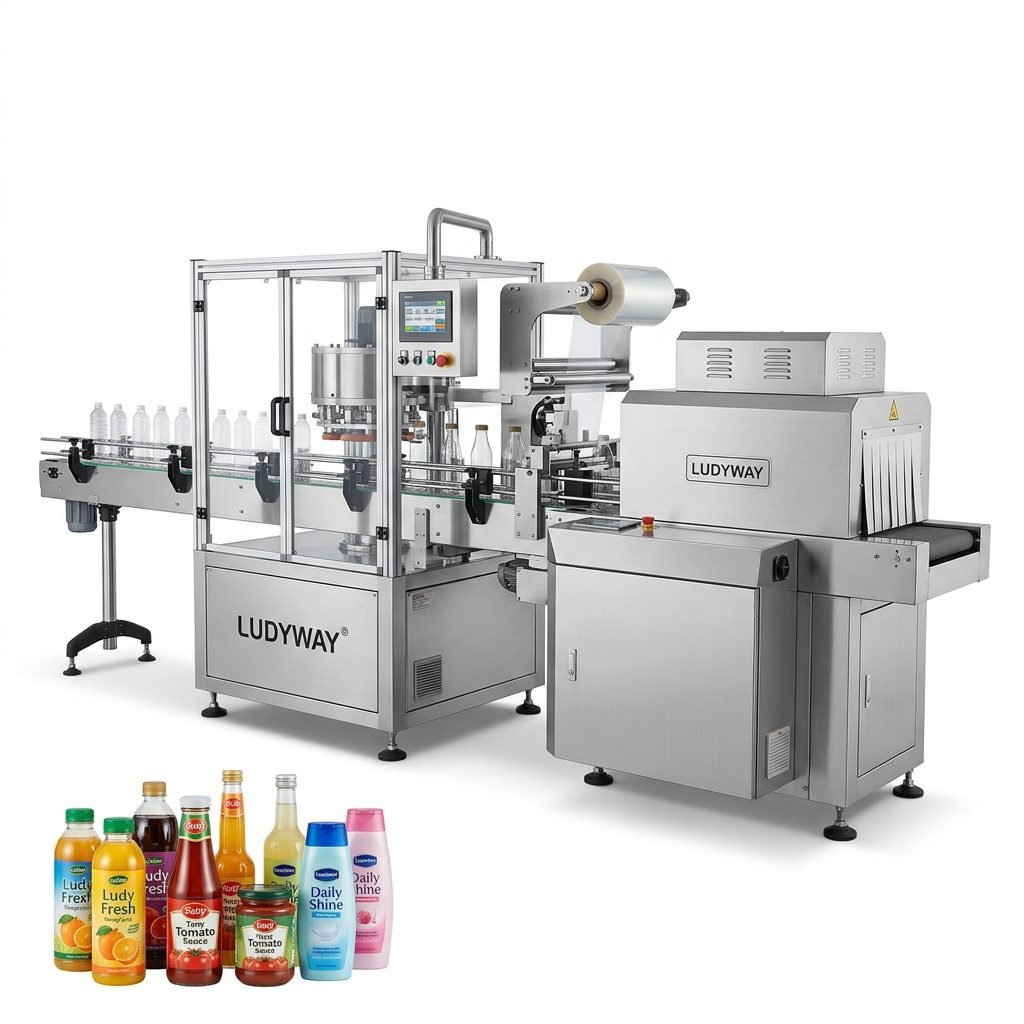
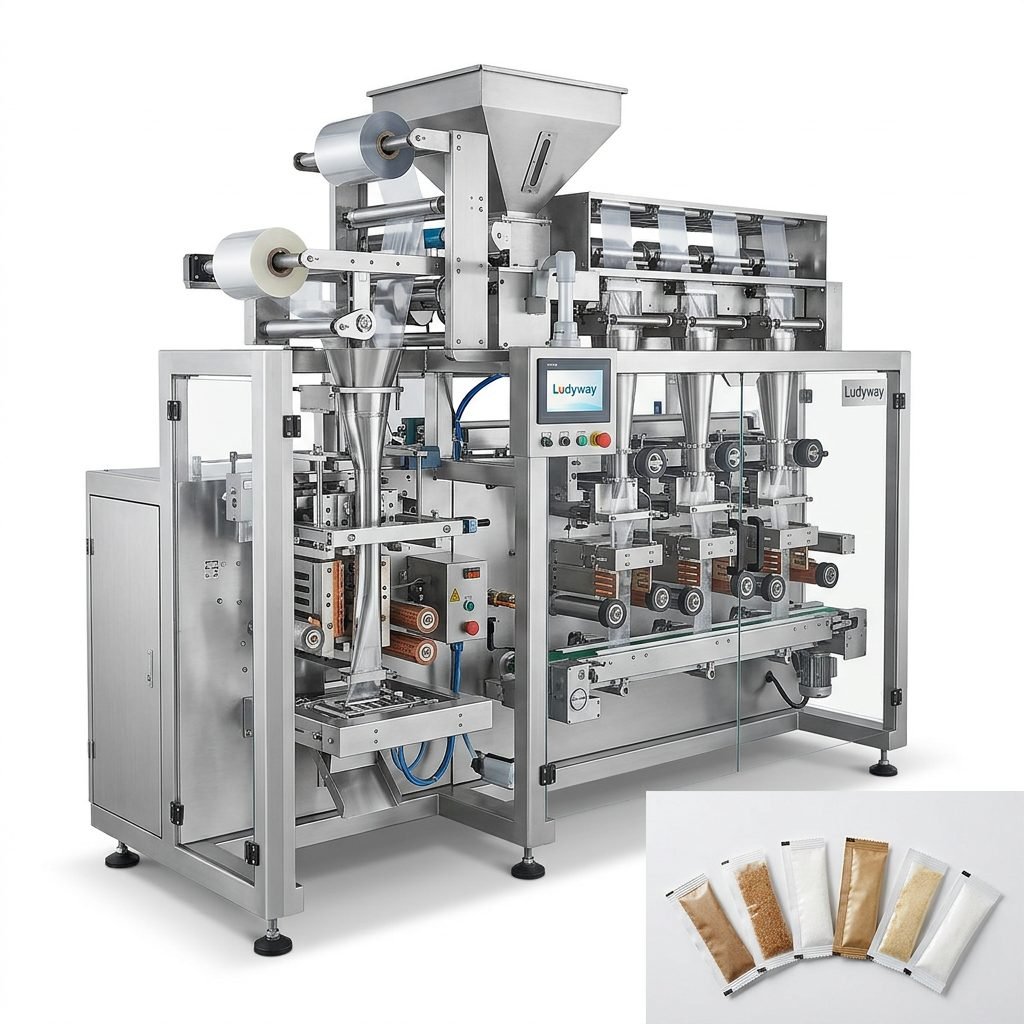
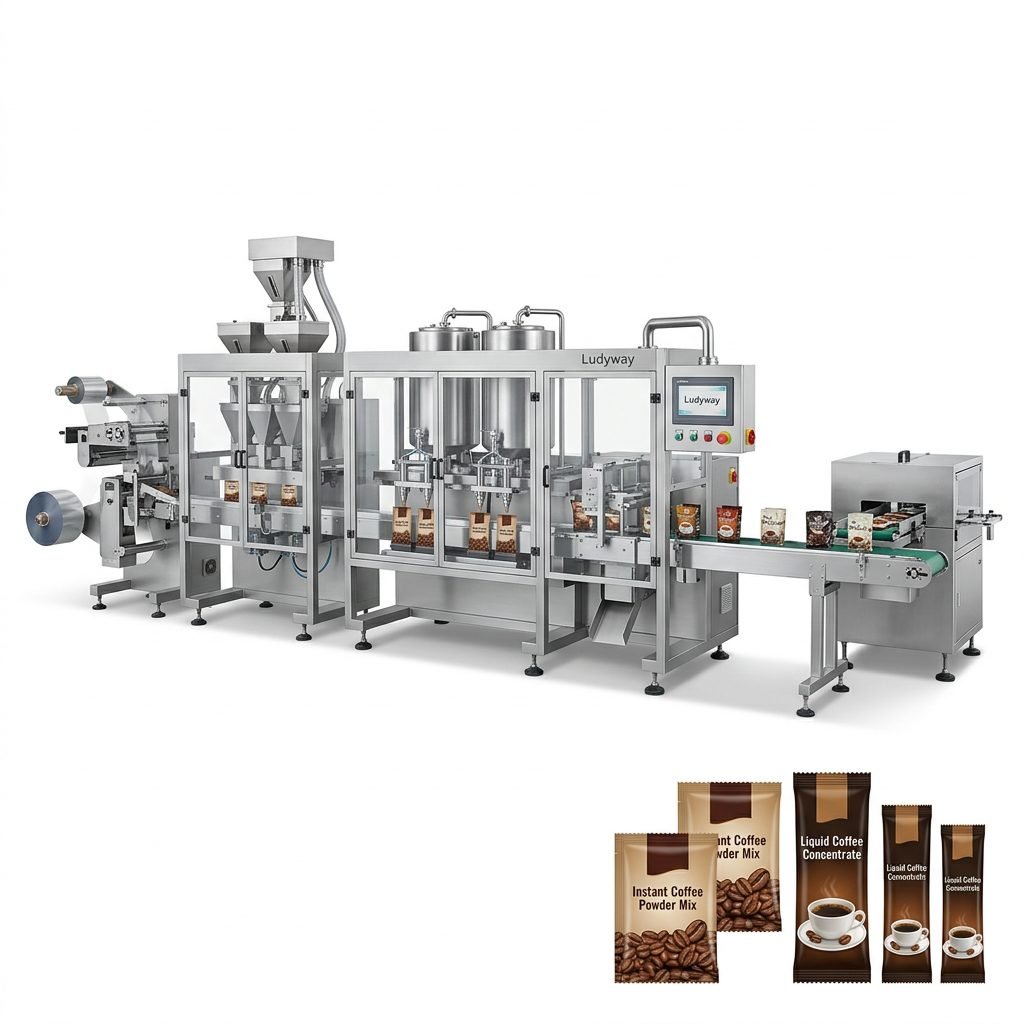
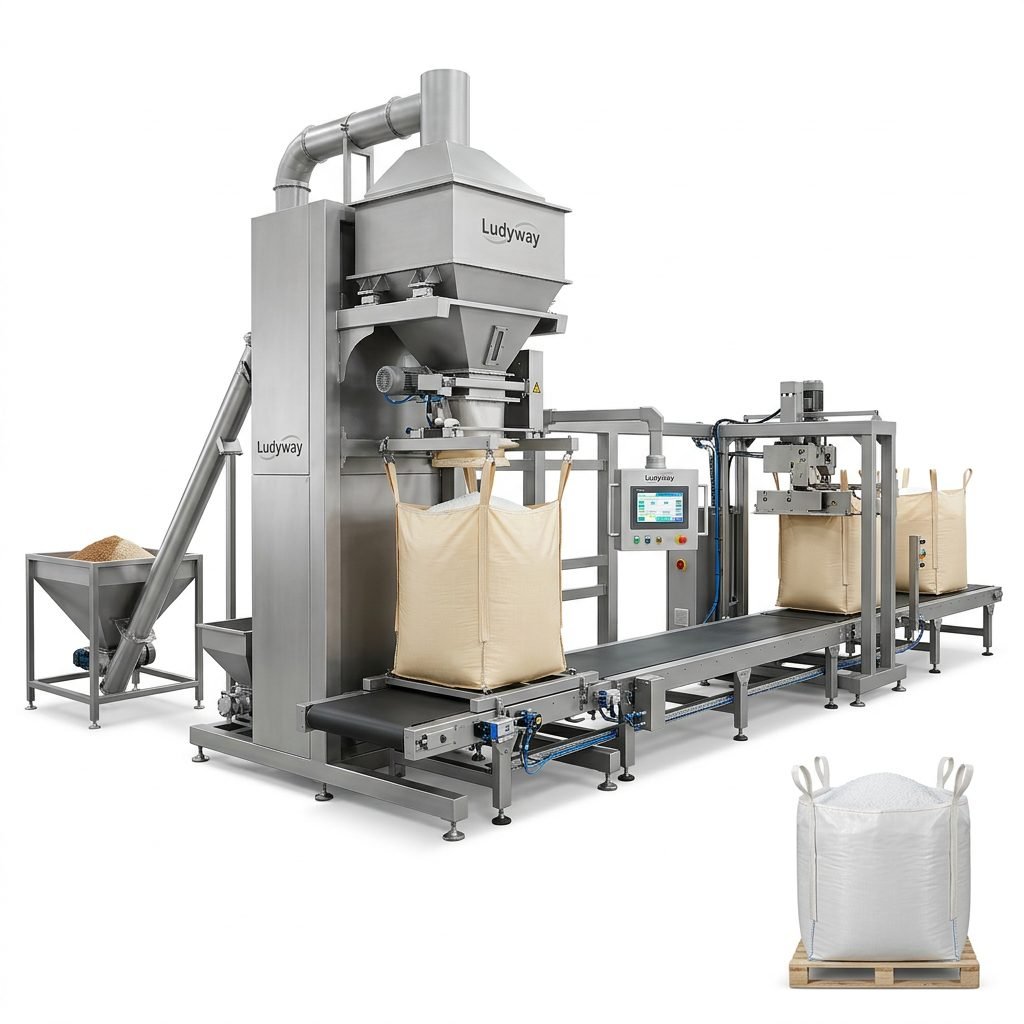
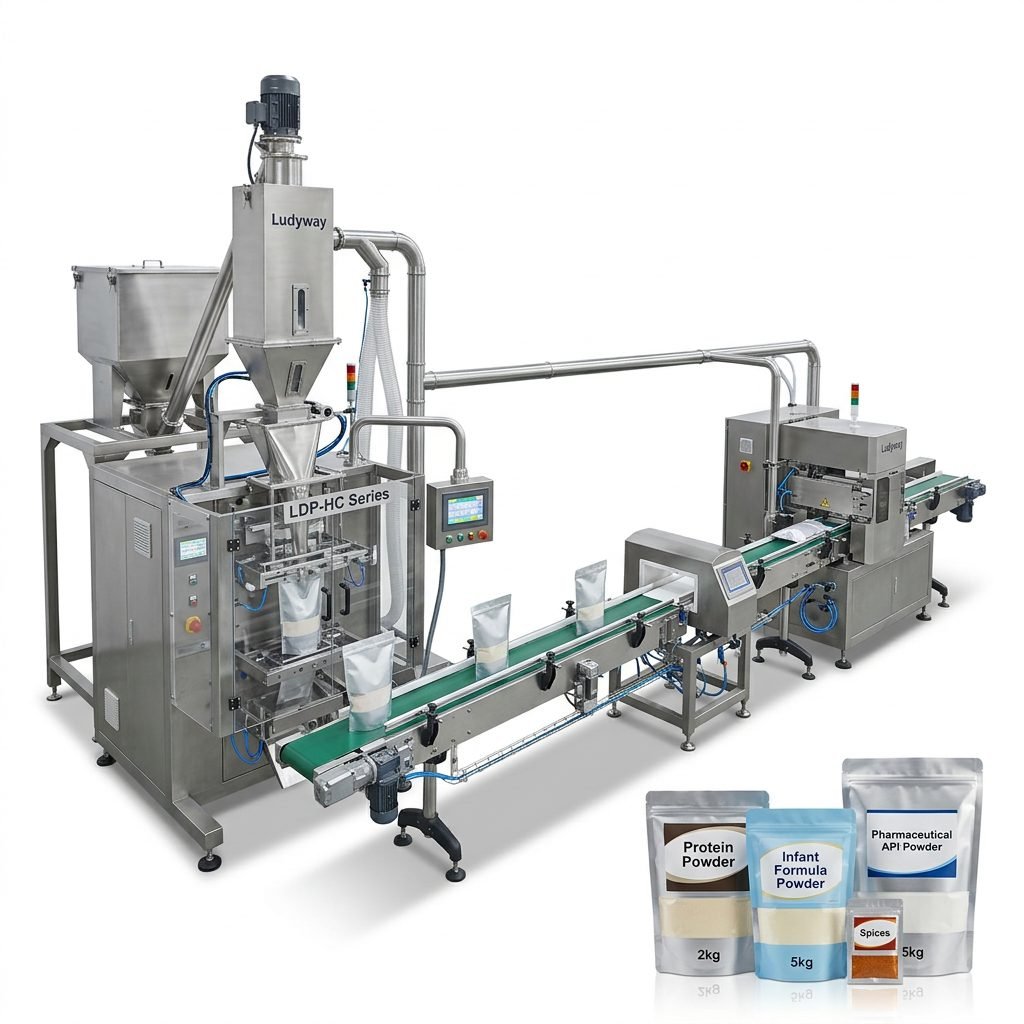
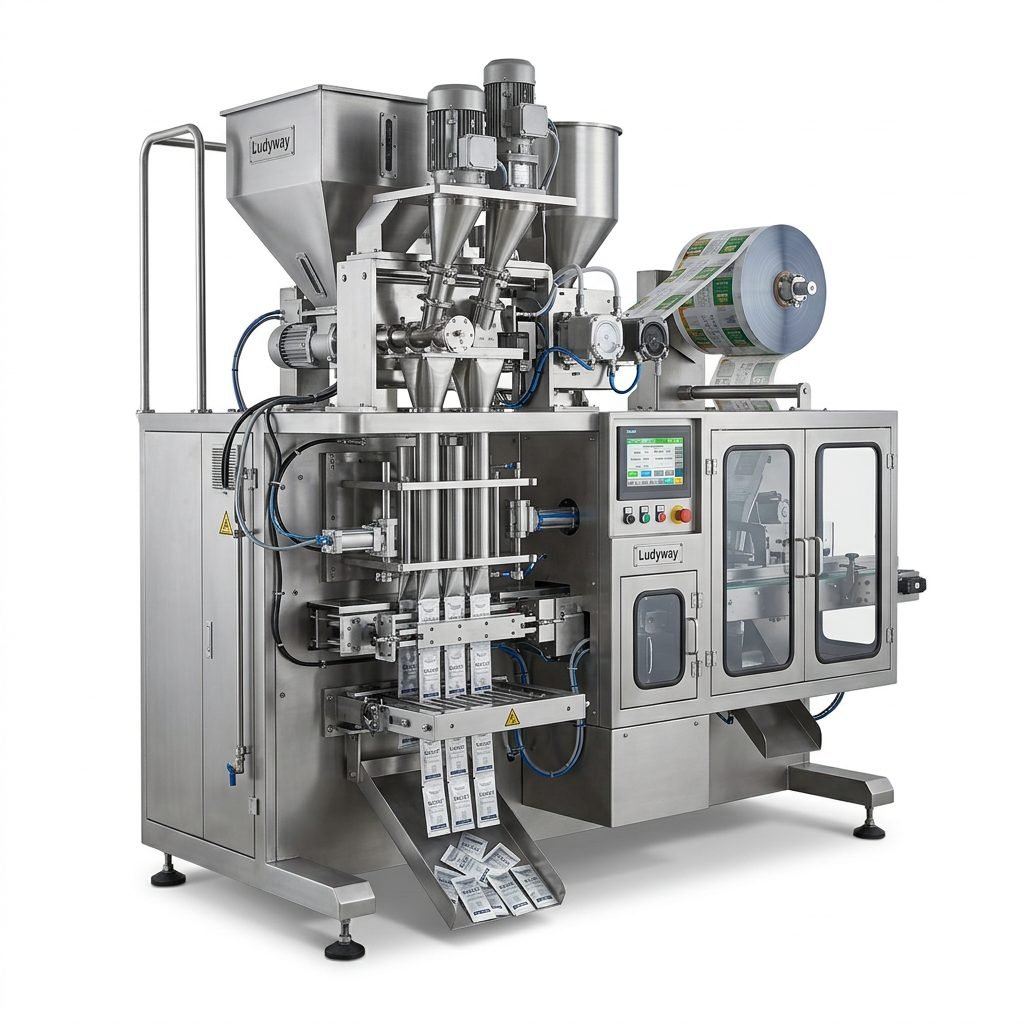
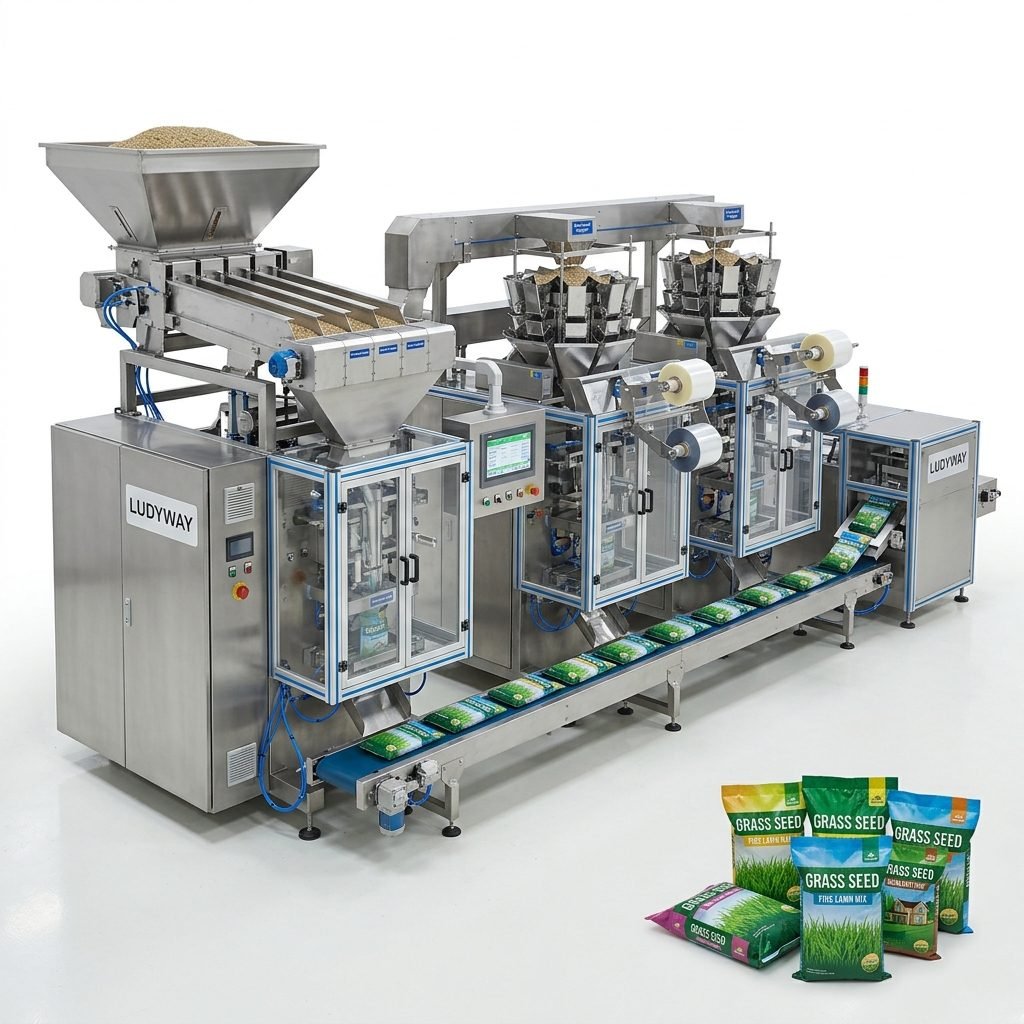
A fully automatic seed packaging machine is an integrated packaging system designed to weigh, fill, seal, code, and discharge seed products with minimal manual intervention. It is widely used for vegetable seeds, flower seeds, grass seeds, rice seeds, corn seeds, sunflower seeds, and other agricultural granular products that require accurate dosing, clean sealing, and high production efficiency.
For buyers, this type of machine is more than just a bagging unit. It is a productivity tool that helps reduce labor costs, improve packaging consistency, lower material waste, and support scalable production. Whether you sell retail seed sachets or bulk agricultural seed bags, understanding how these machines work can help you make a smarter investment.
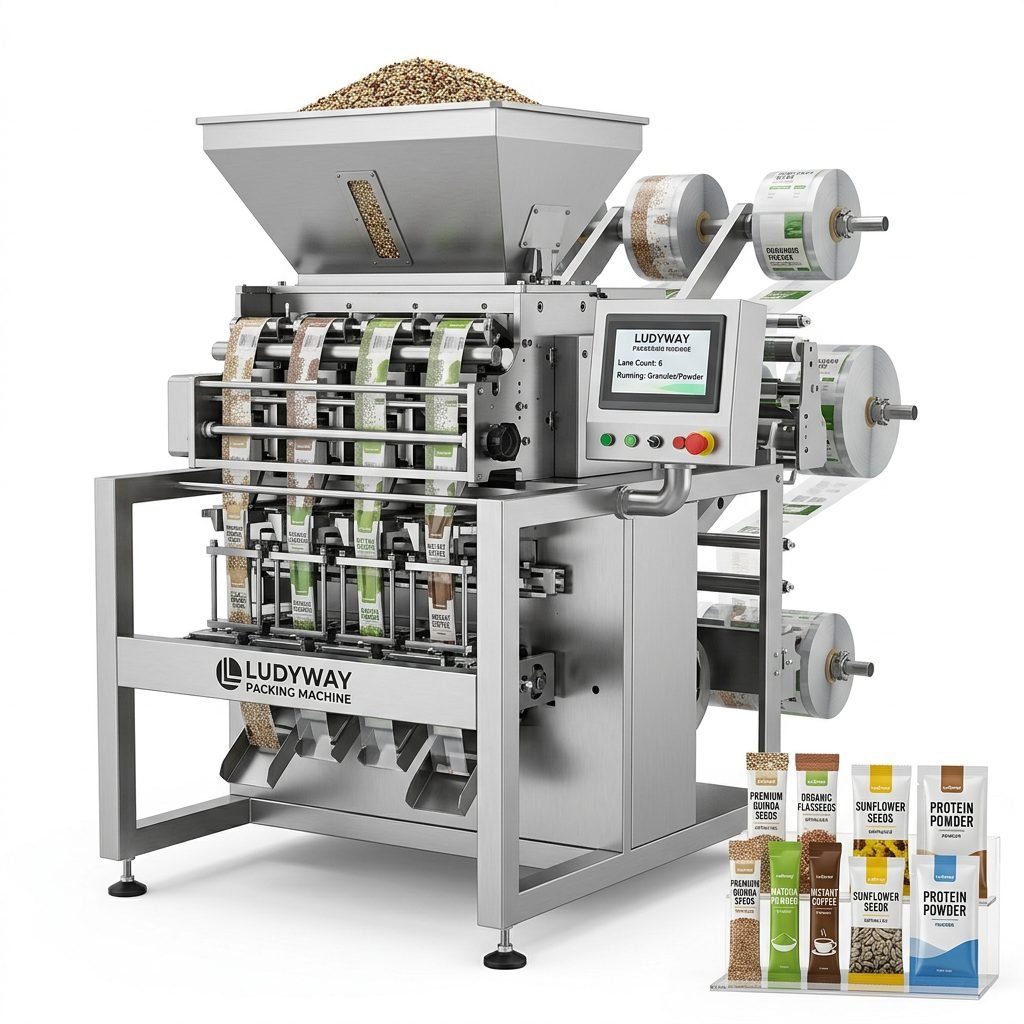
What Does a Fully Automatic Seed Packaging Machine Do?
A fully automatic system handles the complete packaging cycle. Instead of relying on operators to manually weigh seed material, fill pouches, or seal bags, the machine automates each step in sequence.
- Automatic feeding of seed material
- Precise weighing or volumetric dosing
- Bag forming or premade pouch feeding
- Automatic filling
- Heat sealing or ultrasonic sealing, depending on package type
- Date coding, batch coding, or label application
- Discharge of finished packs for cartoning or collection
In practical terms, this means the machine can run continuously with stable output, helping seed companies maintain product quality while meeting commercial demand.
How It Works Step by Step
Although machine structures vary by packaging format, most fully automatic seed packaging machines follow a similar workflow:
- Feeding: Seeds are transferred into the machine through a hopper, elevator, or vibratory feeder.
- Measuring: The machine determines the correct fill volume or target weight.
- Packaging preparation: It forms bags from film roll stock or picks up premade pouches.
- Filling: Seeds are dropped into the package in a controlled way to reduce loss and maintain accuracy.
- Sealing: The package is sealed to protect the seeds from moisture, contamination, and leakage.
- Printing or coding: Batch numbers, manufacturing dates, or traceability data can be added.
- Output: Finished packs move to a collection table, conveyor, cartoner, or case packing system.
Main Types of Seed Packaging Machines
The right machine depends on your seed size, packaging style, target output, and budget. Here are the most common options buyers evaluate:
| Machine Type | Best For | Typical Package Format | Key Advantage |
|---|---|---|---|
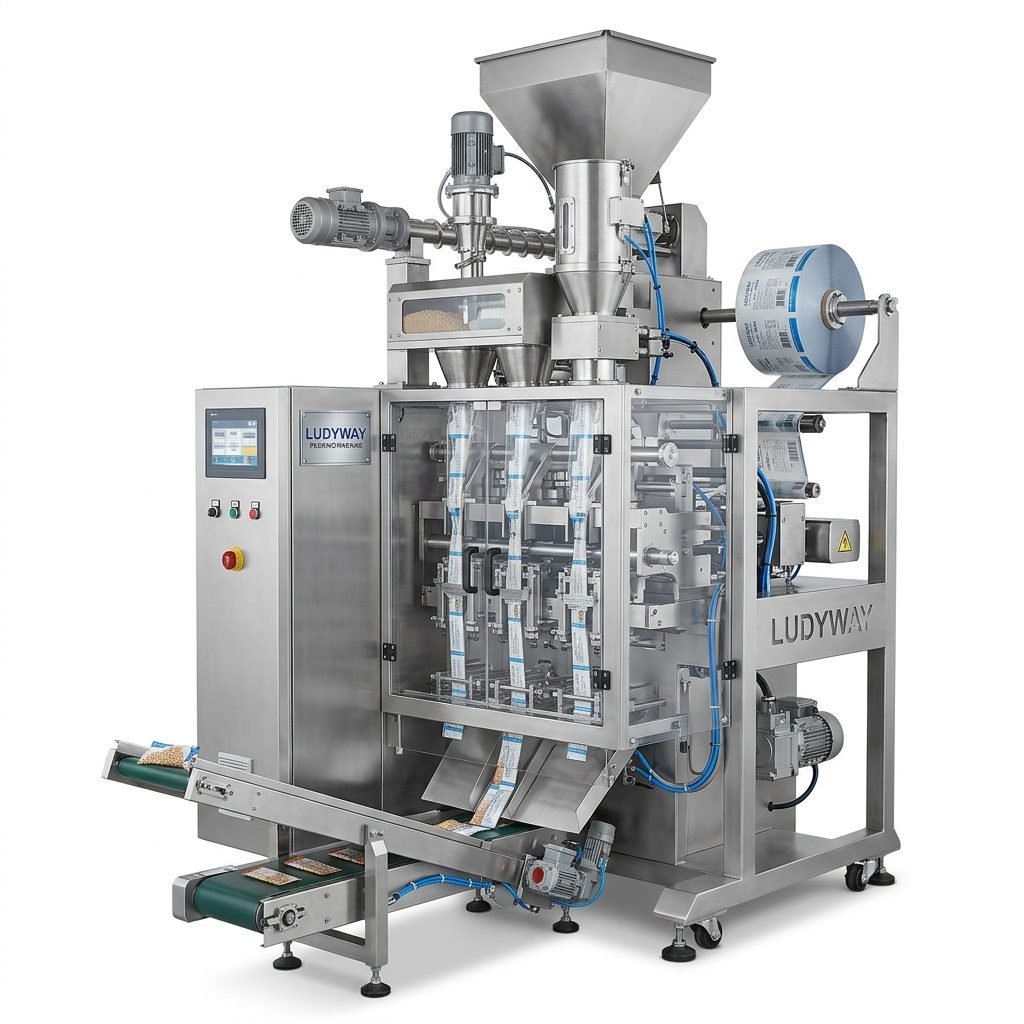
| Vertical Form Fill Seal Machine | Granular seeds in pillow bags | Back-seal, pillow pouch, gusset bag | Efficient and cost-effective |
| Premade Pouch Packing Machine | Higher-end retail seed packaging | Stand-up pouch, zipper pouch | Premium appearance |
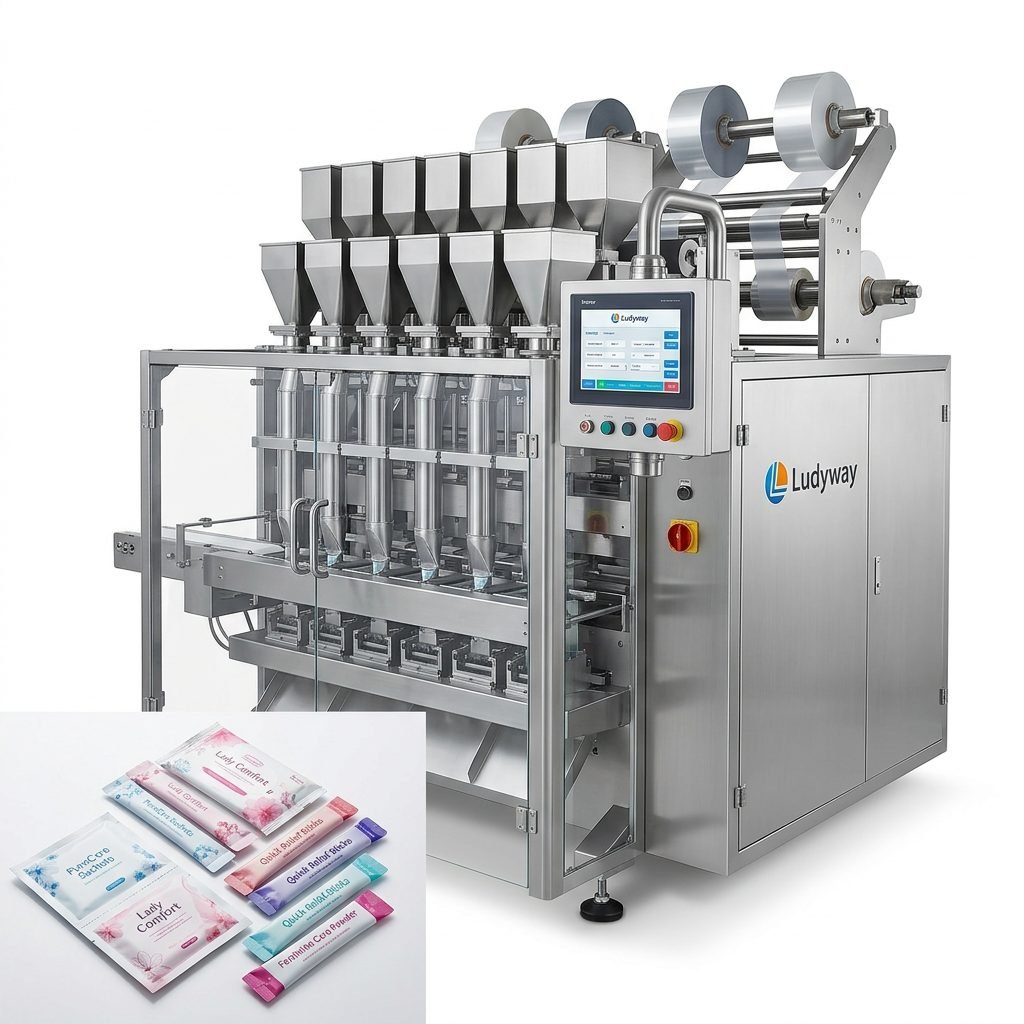
| Multi-Lane Sachet Machine | Small seed sample packs | Sachets, stick packs | High-speed small-dose production |
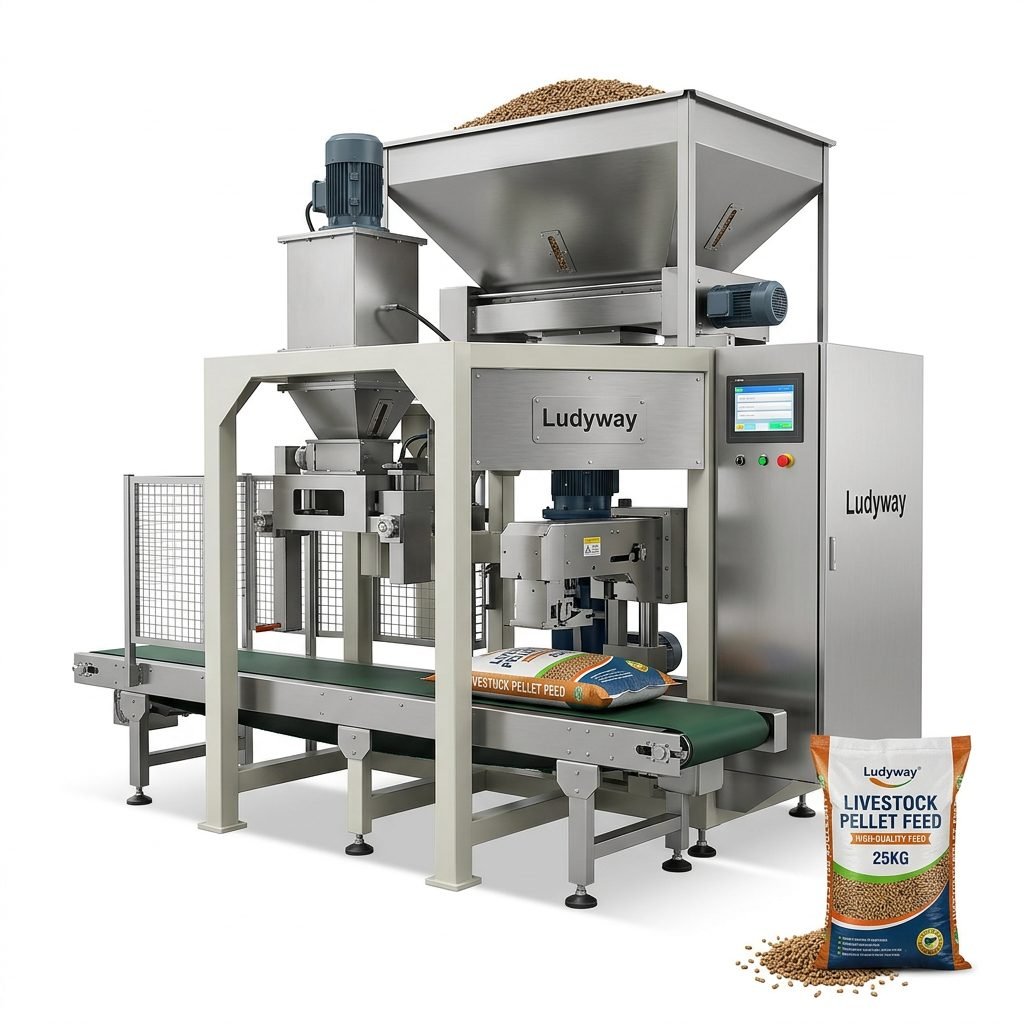
| Weighing Bagging Machine | Bulk agricultural seed bags | Large bags, woven sacks | Suitable for higher fill weights |
What Seed Products Can Be Packed?
Modern seed packaging equipment is suitable for a wide range of products, provided the dosing system matches the material characteristics.
- Vegetable seeds
- Flower seeds
- Grass seeds
- Rice seeds
- Corn seeds
- Wheat seeds
- Sunflower seeds
- Coated or treated seeds
- Seed blends and agricultural granules
If your product involves fragile, dusty, coated, or irregularly shaped seeds, machine customization becomes especially important. Some seeds flow easily, while others bridge in the hopper or require gentler handling to avoid breakage.
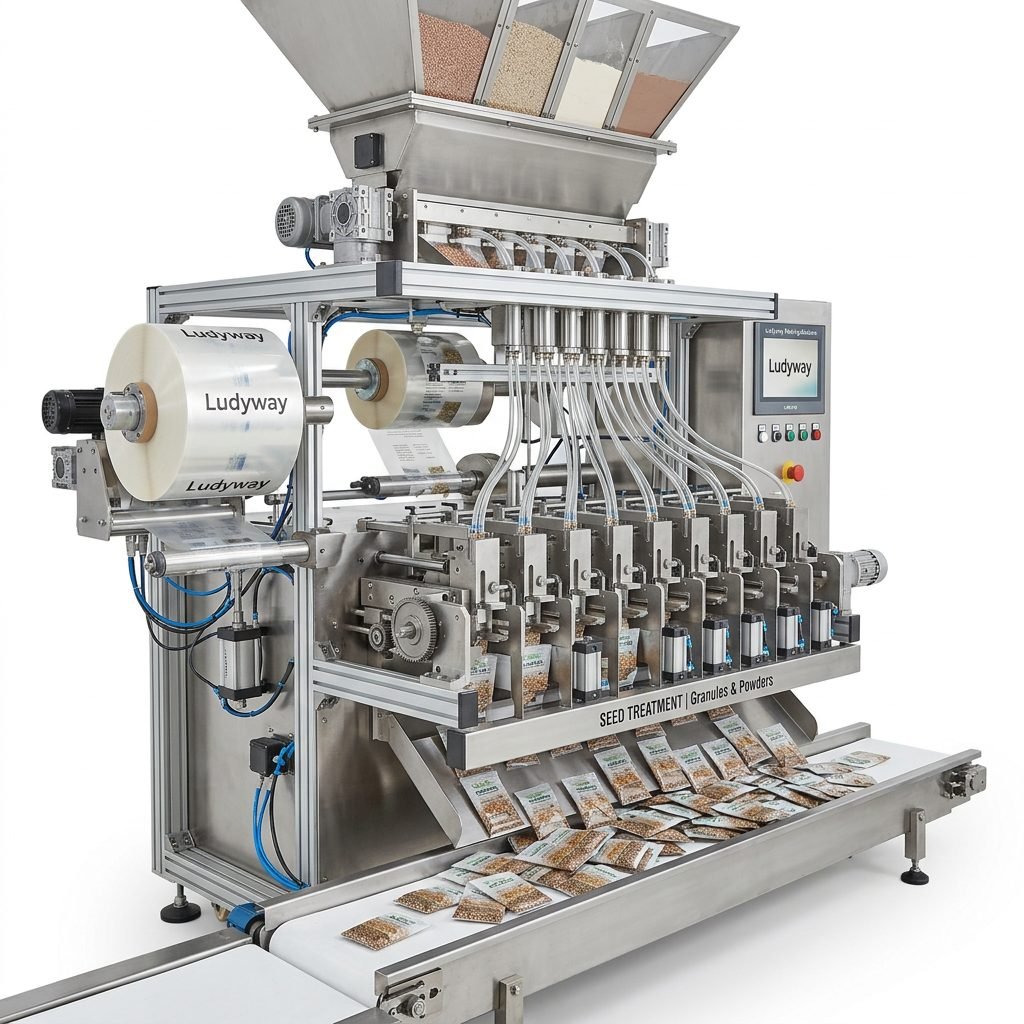
Key Components Buyers Should Understand
1. Feeding System
This moves seed material from bulk storage into the packing section. Common options include bucket elevators, screw feeders, and vibratory feeders. For free-flowing seeds, a vibratory or bucket feeding design is often preferred.
2. Dosing or Weighing Unit
Accuracy is critical in seed packaging, especially for retail or high-value seed products. The measuring unit may be based on cups, augers, or weighers depending on product characteristics and target precision.
3. Bagging System
The packaging section either forms bags from film or works with premade pouches. Buyers should think about package appearance, film compatibility, and future branding needs.
4. Sealing System
A reliable sealing system helps maintain shelf life and prevent leakage. If you use laminated films or specialty materials, sealing performance should be tested in advance.
5. Control System
PLC and touchscreen controls allow recipe storage, parameter adjustment, alarm monitoring, and easier troubleshooting. For multi-product operations, a user-friendly interface saves significant setup time.
6. Coding and Inspection Options
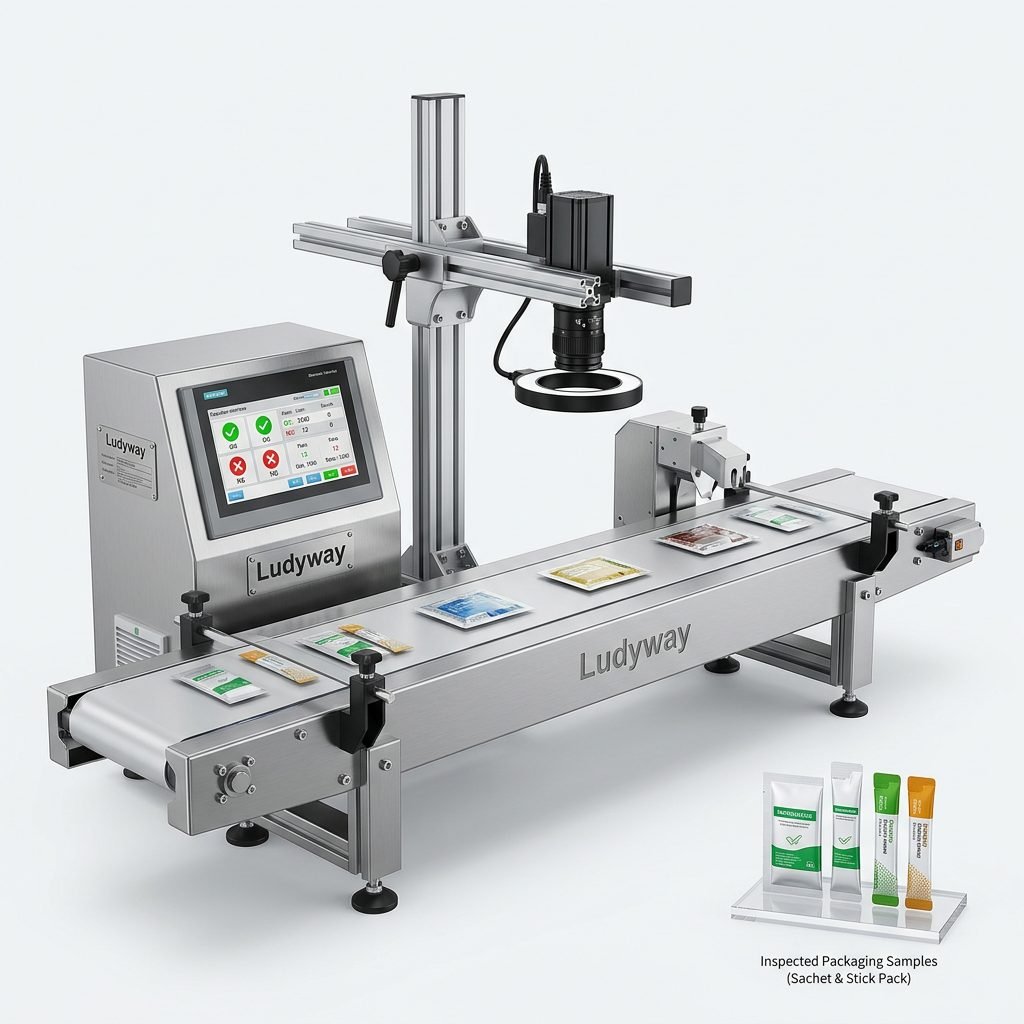
Optional systems may include date printers, batch coders, checkweighers, metal detectors, and reject systems. These features are valuable for traceability and quality control.
Benefits of a Fully Automatic Seed Packaging Machine
| Benefit | Why It Matters |
|---|---|
| Higher efficiency | Increases output and reduces production bottlenecks |
| Labor savings | Fewer operators are needed for repetitive tasks |
| Better accuracy | Improves consistency and reduces underfill or overfill |
| Stable sealing quality | Helps protect seeds during storage and transport |
| Reduced waste | Minimizes film waste and product spillage |
| Scalability | Supports future growth and packaging line integration |
Who Should Buy One?
A fully automatic seed packaging machine is ideal for:
- Seed producers expanding from manual or semi-automatic packaging
- Agricultural input companies handling multiple seed SKUs
- Distributors needing retail-ready seed packs
- Exporters requiring stable, repeatable packaging quality
- Factories building integrated weighing, filling, and cartoning lines
If your current process struggles with inconsistent weights, slow packing speed, or high labor dependency, upgrading to a fully automatic system may quickly improve operational performance.
How to Choose the Right Machine
Buyers should avoid choosing only by price. The best machine is the one that matches your product, package, and production target. Before requesting a quotation, prepare the following information:
- Type of seeds and material characteristics
- Target bag size and fill weight
- Required packaging speed
- Bag style or pouch type
- Film material or premade pouch specification
- Accuracy requirements
- Available factory space
- Voltage and plant utility conditions
- Need for coding, labeling, cartoning, or palletizing
Questions to Ask a Supplier
- Has the machine packed similar seeds before?
- What filling accuracy can be achieved?
- What is the real running speed under production conditions?
- Can the machine handle different bag sizes?
- What wear parts are included?
- Is remote technical support available?
- Can the line be upgraded later?
Common Packaging Formats for Seeds
Different markets demand different package presentations. A packaging machine should match both your product and your sales channel.
| Format | Application | Notes |
|---|---|---|
| Small sachets | Retail seed samples and hobby gardening packs | Good for compact, low-dose packaging |
| Pillow bags | Standard commercial packaging | Cost-efficient and widely used |
| Stand-up pouches | Premium retail presentation | Supports branding and shelf impact |
| Bulk bags | Farm supply and industrial agricultural use | Suitable for larger fill weights |
Important Performance Factors
Accuracy
Seed packaging often requires precise control, especially when selling by weight or count. Even small deviations can affect margins and customer trust.
Speed
Machine speed should be evaluated based on your real product, not only brochure claims. Some materials run slower due to flow behavior or bag size changes.
Flexibility
If you pack multiple seed types or sizes, changeover convenience is important. Machines with recipe storage and tool-free adjustment reduce downtime.
Durability
A robust frame, stable electrical system, and reliable sealing components improve long-term performance and reduce unexpected stoppages.
Cleanability
Dust control and easy cleaning matter when switching products or processing coated seeds. Clean machine design supports better hygiene and maintenance.
Fully Automatic vs. Semi-Automatic Seed Packaging Machines
Many buyers start by comparing fully automatic and semi-automatic options. The right choice depends on your output goals and labor availability.
| Factor | Fully Automatic | Semi-Automatic |
|---|---|---|
| Labor demand | Low | Higher |
| Production speed | Higher | Lower |
| Consistency | More stable | More operator-dependent |
| Initial investment | Higher | Lower |
| Scalability | Better for long-term growth | Limited |
What Affects the Price?
The cost of a fully automatic seed packaging machine depends on several factors:
- Machine type and automation level
- Output capacity
- Number of lanes or heads
- Dosing accuracy requirements
- Bag style and sealing complexity
- Material contact specifications
- Optional systems such as coding, inspection, cartoning, and palletizing
- Customization for special seed products
A lower upfront price is not always the better deal. Buyers should also consider maintenance cost, spare parts, production stability, and after-sales support.
Signs of a Reliable Supplier
When evaluating manufacturers, look beyond the machine photos. A reliable supplier should have strong engineering capability, real project experience, and responsive support.
- Experience in seed, food, or granule packaging
- Ability to provide test videos or sample runs
- Customization based on your packaging requirements
- Clear communication on delivery, installation, and training
- Available spare parts and technical service
- Capability to provide complete packaging lines when needed
For buyers looking for automated packaging equipment from an experienced Chinese manufacturer, Ludyway seed packaging machine solutions are often considered for projects requiring scalable automation, multiple machine configurations, and turnkey line integration.
Final Buying Checklist
Before placing an order, confirm the following points with your supplier:
- Product samples have been tested
- Required bag sizes are confirmed
- Expected speed and accuracy are documented
- Electrical standards match your factory
- Machine layout fits your workshop
- Spare parts list is included
- Training and technical support are defined
- Lead time and shipping terms are clear
Conclusion
A fully automatic seed packaging machine is a smart investment for companies that need higher efficiency, better accuracy, consistent packaging quality, and room for future growth. The best choice depends on your seed type, packaging format, output goals, and production environment. By comparing machine structure, dosing method, sealing quality, and supplier capability, buyers can select a system that delivers both short-term productivity and long-term value.