Choosing the right bread packaging machine supplier is a critical decision for any bakery, large or small. The right equipment ensures product freshness, enhances shelf appeal, and streamlines your production line for maximum efficiency. This guide will walk you through the key factors to consider when selecting a manufacturer, helping you make an informed investment that supports your bakery’s growth and quality standards.
Understanding Your Bakery’s Specific Needs
Before you begin your search, it’s essential to conduct a thorough assessment of your own operation. The “one-size-fits-all” approach rarely works in packaging. Start by analyzing your current and projected production volume. A supplier for a small artisanal bakery will differ from one catering to a large-scale industrial producer.
Next, consider the diversity of your product line. Do you package soft sandwich bread, crusty baguettes, delicate pastries, or a mix of all three? Each product type may require different packaging formats—such as flow wrap bags, pillow packs, or clamshells—and the machine must handle these without damaging the goods. Also, factor in your available floor space and the level of automation you desire, from semi-automatic baggers to fully integrated lines with robotic palletizing.
Key Machine Types and Their Applications
The packaging machinery market offers a variety of solutions. Here’s a brief overview:
- Flow Wrappers: Ideal for wrapping individual loaves, buns, or bagels in a sealed, airtight package. They are versatile and commonly used for sliced bread.
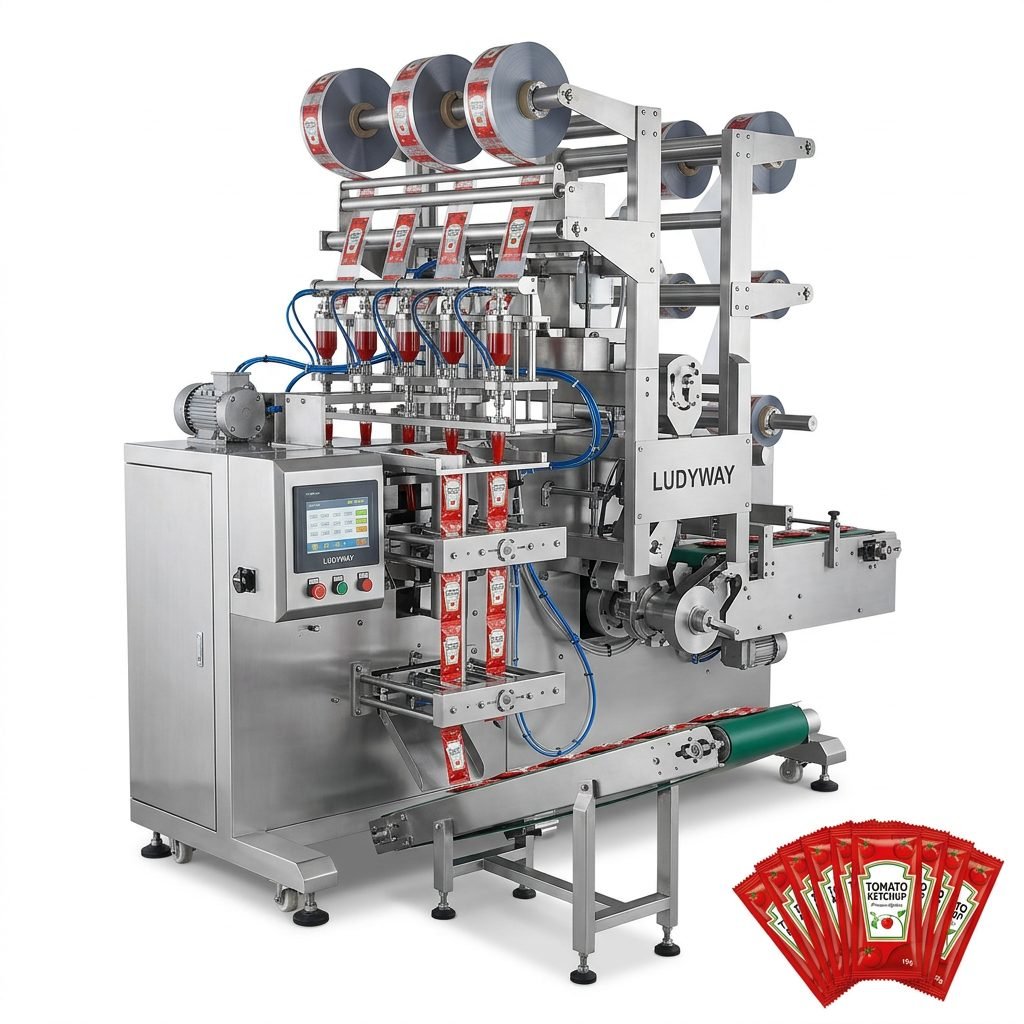
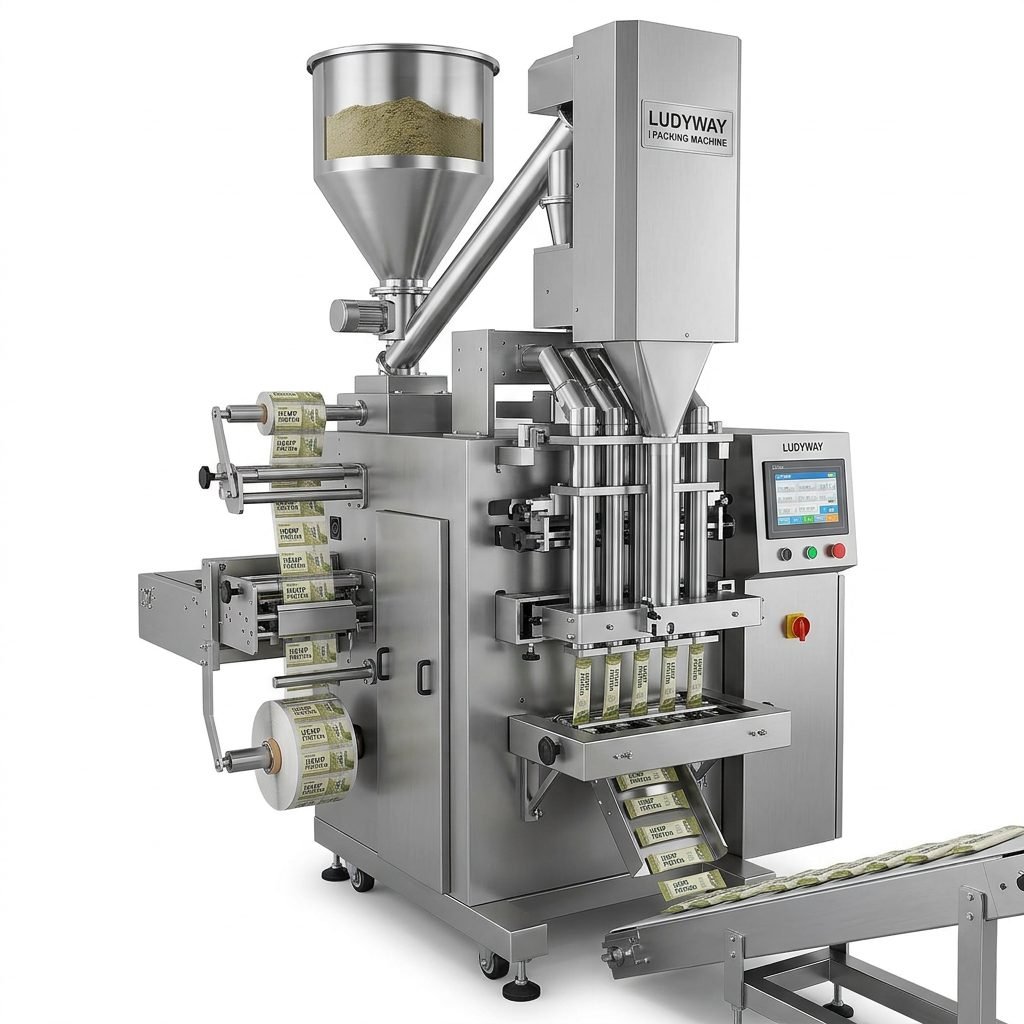
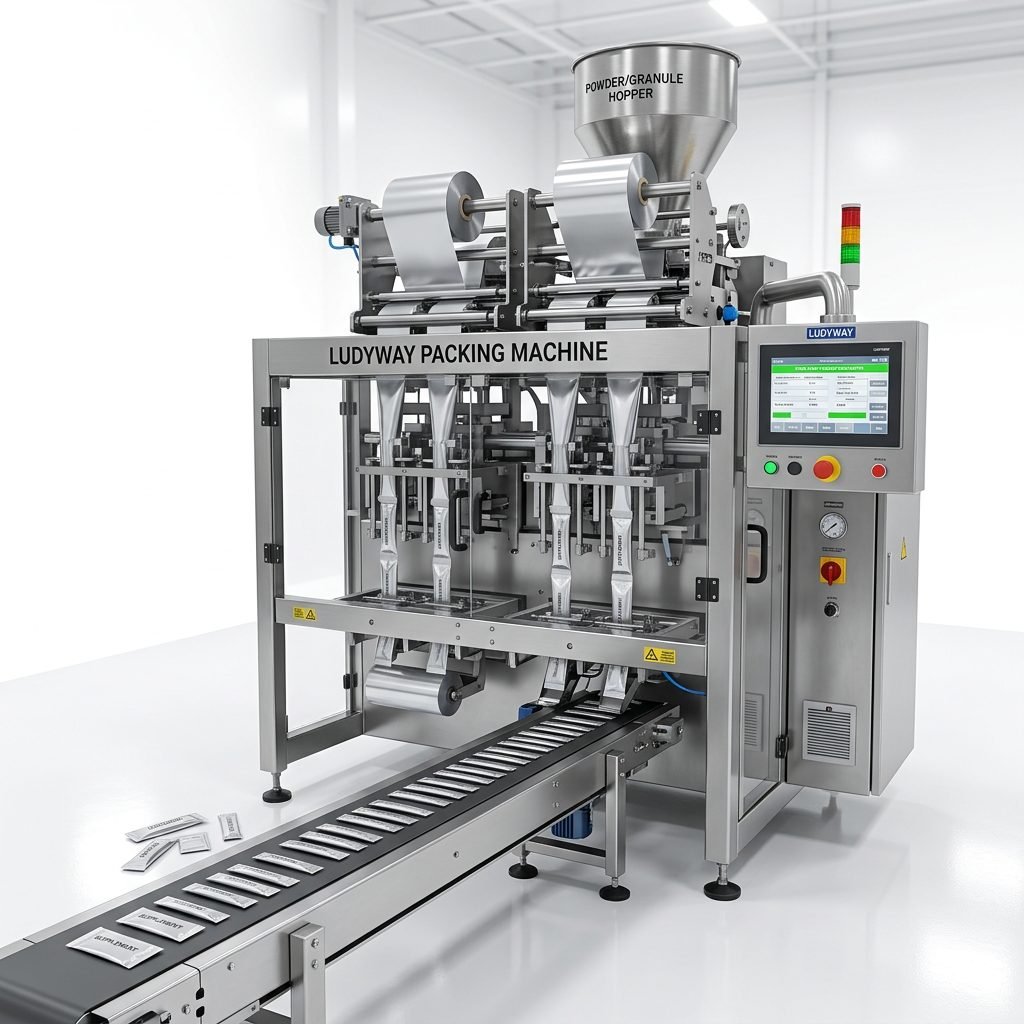
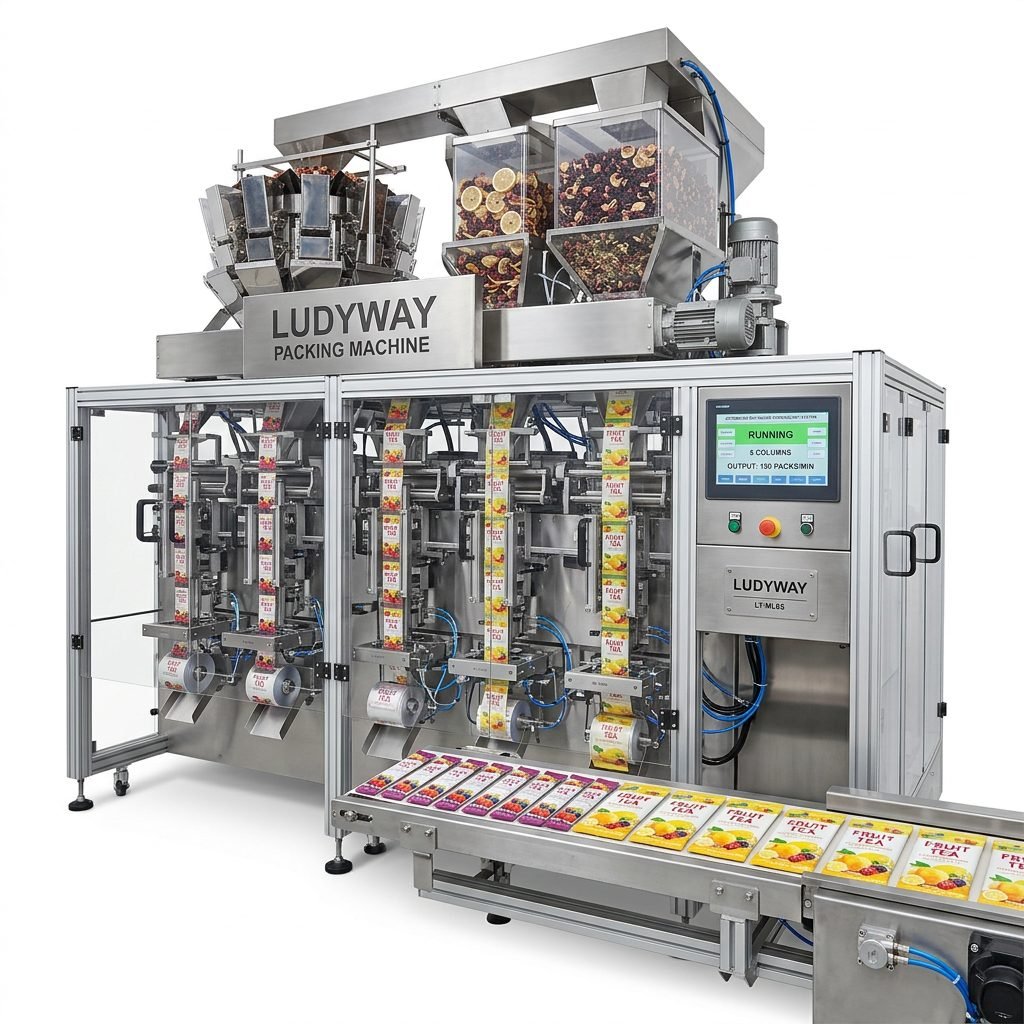
- Vertical Form-Fill-Seal (VFFS) Machines: These machines form bags from a roll of film, fill them with product (like rolls or croutons), and seal them. Perfect for smaller, bulk items.
- Horizontal Form-Fill-Seal (HFFS) Machines: Often used for trays or cartons of pastries or muffins, where the product is placed in a pre-formed tray and a film lid is applied.
- Bundling Machines: Used to group multiple packaged items together, such as bundling six bagels for retail sale.
Choosing the correct type is the first step toward operational efficiency.
Evaluating Supplier Credentials and Expertise
A supplier’s reputation and experience are paramount. Look for a company with a proven track record in the food and bakery sector. A supplier like Ludyway Packing Machine, which specializes in packaging solutions for the food industry, brings relevant expertise to the table. Their focus ensures they understand the unique challenges of packaging fresh, sometimes fragile, bakery goods.
What to Look For in a Supplier Profile:
- Industry Experience: Decades of operation often translate to refined technology and problem-solving knowledge. For instance, a supplier with over 30 years in the industry has likely navigated numerous technological shifts and customer challenges.
- Manufacturing Capability: In-house manufacturing in a modern facility (e.g., 20,000㎡) indicates control over quality, production timelines, and the ability to offer customization.
- Product Range: A wide portfolio of over 50 machine models suggests technical breadth and the ability to provide a solution tailored to your specific need, whether it’s for granules, powders, or liquids used in bakery production (like fillings or toppings).
- Global Service & Support: Ensure they have a reliable network for installation, training, maintenance, and prompt supply of spare parts. Your production downtime is costly.
The Importance of Customization and Turnkey Solutions
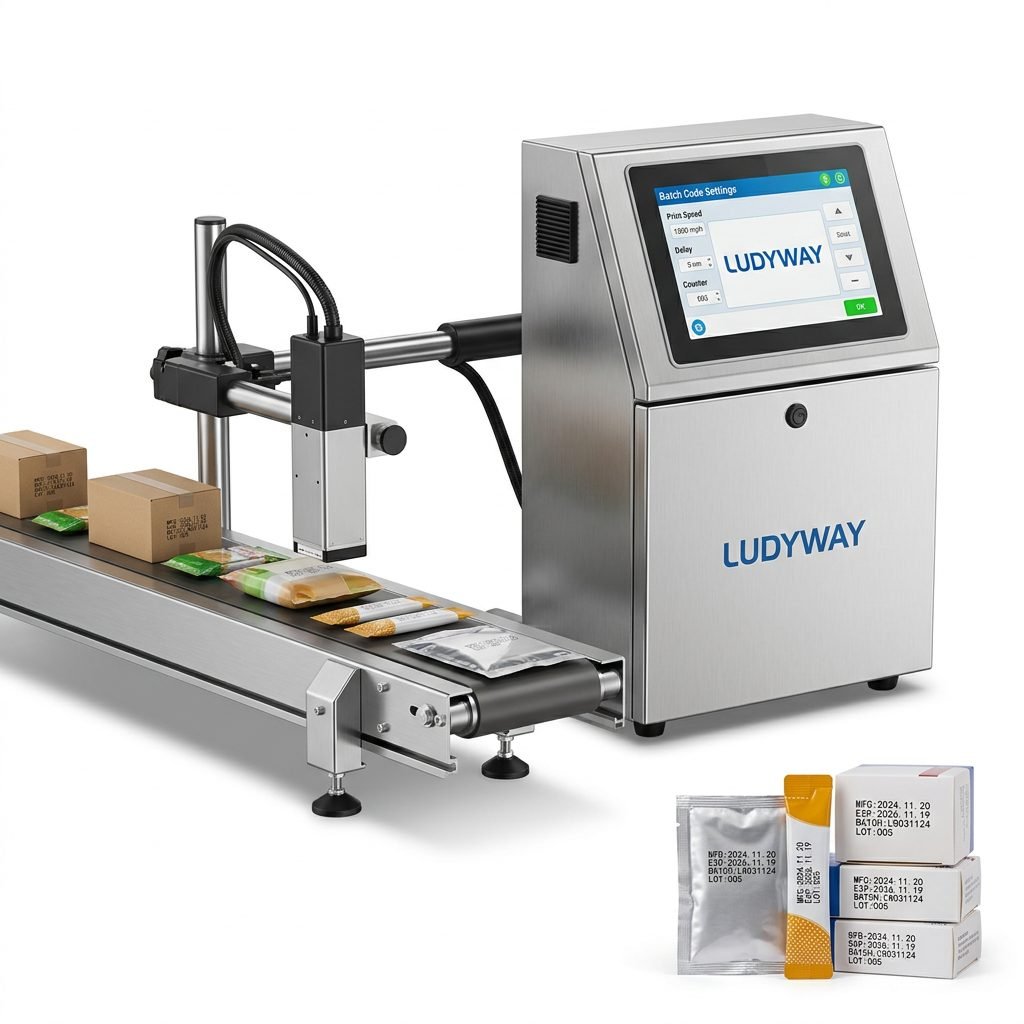
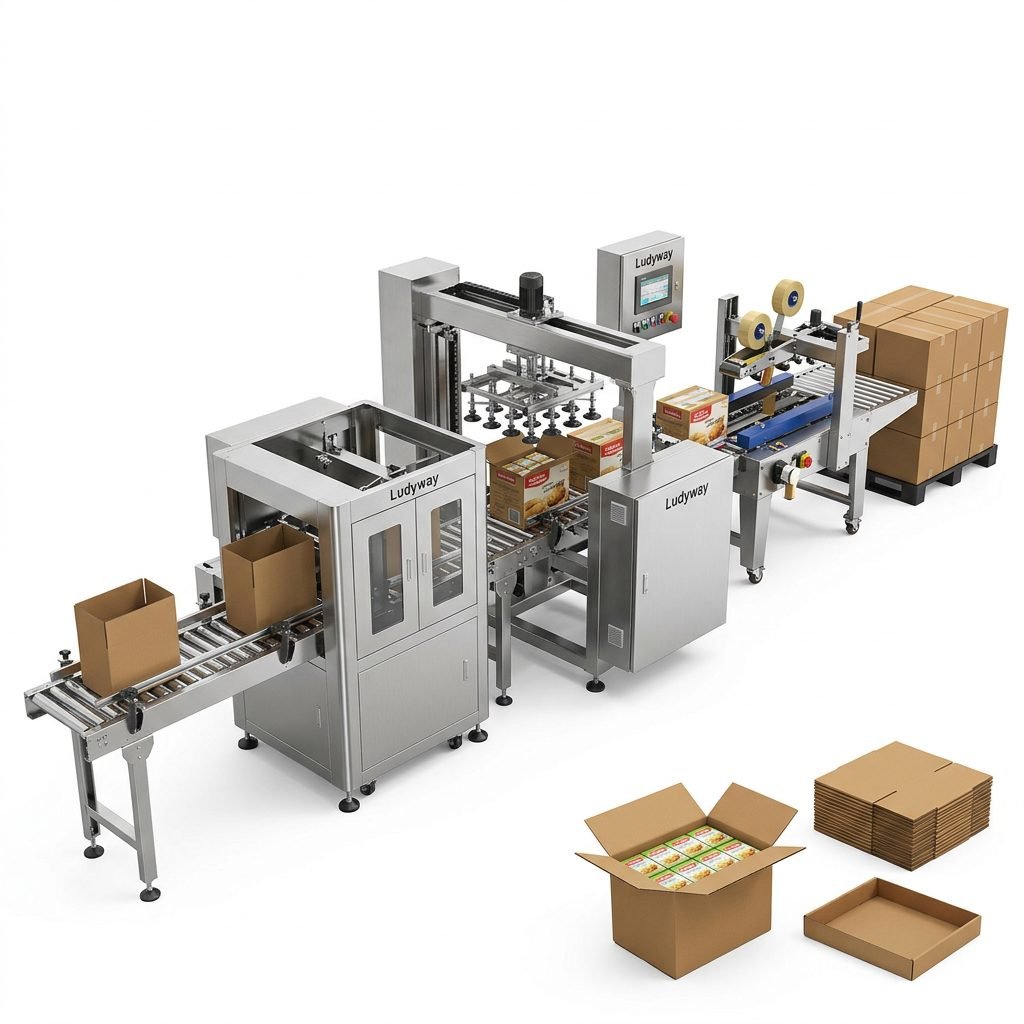
Your bakery is unique. Off-the-shelf machines might not perfectly align with your workflow or product dimensions. A leading supplier will offer customization options and turnkey solutions. This means they don’t just sell you a machine; they can design, integrate, and commission a complete production line that includes conveyors, checkweighers, metal detectors, and labeling systems. This holistic approach, backed by strong engineering capabilities, ensures all components work in harmony, maximizing your output and minimizing bottlenecks.
Companies that began with a focus on engineering and automation, like Ludyway Machinery which started with a dedicated engineering team, are often well-positioned to provide these tailored, integrated systems.
Technology, Hygiene, and After-Sales Support
Modern packaging machines should incorporate technology that boosts efficiency and ensures food safety. Look for features like user-friendly PLC touchscreen controls, quick changeover mechanisms for different product sizes, and robust sealing systems that guarantee package integrity. Hygiene is non-negotiable in food processing. Machines should be designed with easy-clean surfaces, minimal crevices, and be constructed from food-grade materials like stainless steel in critical areas.
Perhaps the most critical long-term factor is after-sales support. A machine is a long-term investment. Inquire about the warranty period, the availability of technical documentation, and the supplier’s policy on remote and on-site support. A supplier committed to long-term cooperation will be a partner in your success, not just a vendor.
Making the Final Decision: Questions to Ask
When you’ve shortlisted potential suppliers, prepare a detailed list of questions. Request client references, especially from other bakeries. Ask for a live or recorded demonstration packaging a product similar to yours. Scrutinize the total cost of ownership, which includes the machine price, installation, expected energy consumption, maintenance costs, and part pricing. Finally, assess the company’s communication and project management style—a smooth purchase and installation process is a good indicator of future service quality. Exploring resources from trusted industry partners like Ludyway Packing Machine can provide valuable benchmarks for what professional service looks like.
Conclusion
Selecting the best bread packaging machine supplier requires careful consideration of your needs, thorough vetting of the manufacturer’s expertise and capabilities, and a clear understanding of the technology and support offered. By prioritizing suppliers with deep industry experience, a strong focus on customization, and a proven commitment to after-sales service, you can secure a packaging solution that protects your product quality, enhances your brand, and drives your bakery’s productivity for years to come.
Frequently Asked Questions (FAQs)
1. What is the most important factor when choosing a bread packaging machine?
The most critical factor is ensuring the machine matches your specific product and production volume. A machine that is too small will bottleneck your line, while an overly complex one for a small bakery may be an unnecessary capital drain. Always start with a detailed analysis of your own requirements.
2. How can I ensure the packaging machine meets food safety standards?
Choose a supplier with expertise in the food industry. The machine should have a hygienic design with easy-to-clean surfaces, use food-grade materials (like stainless steel), and ideally comply with international standards such as ISO or relevant food safety certifications. Ask the supplier directly about the hygiene design features of their equipment.
3. What does a “turnkey solution” mean from a packaging supplier?
A turnkey solution means the supplier provides a complete, ready-to-operate production line. This goes beyond selling a single machine; it includes the design, integration of all components (conveyors, feeders, sealers, etc.), installation, commissioning, and operator training. It offers a single point of responsibility for the entire system.
4. Why is the supplier’s after-sales service so important?
Packaging machines are complex and require maintenance. Excellent after-sales service ensures minimal downtime through quick access to spare parts, remote troubleshooting, and skilled technicians. It protects your investment and ensures continuous production over the machine’s lifespan.
5. Can one machine handle different types of bread and baked goods?
Many modern machines offer quick changeover capabilities, allowing them to handle different product sizes and shapes with minimal tooling adjustments. However, there are limits. Discuss your full product range with the supplier to determine if one versatile machine suffices or if you need dedicated lines for vastly different products.