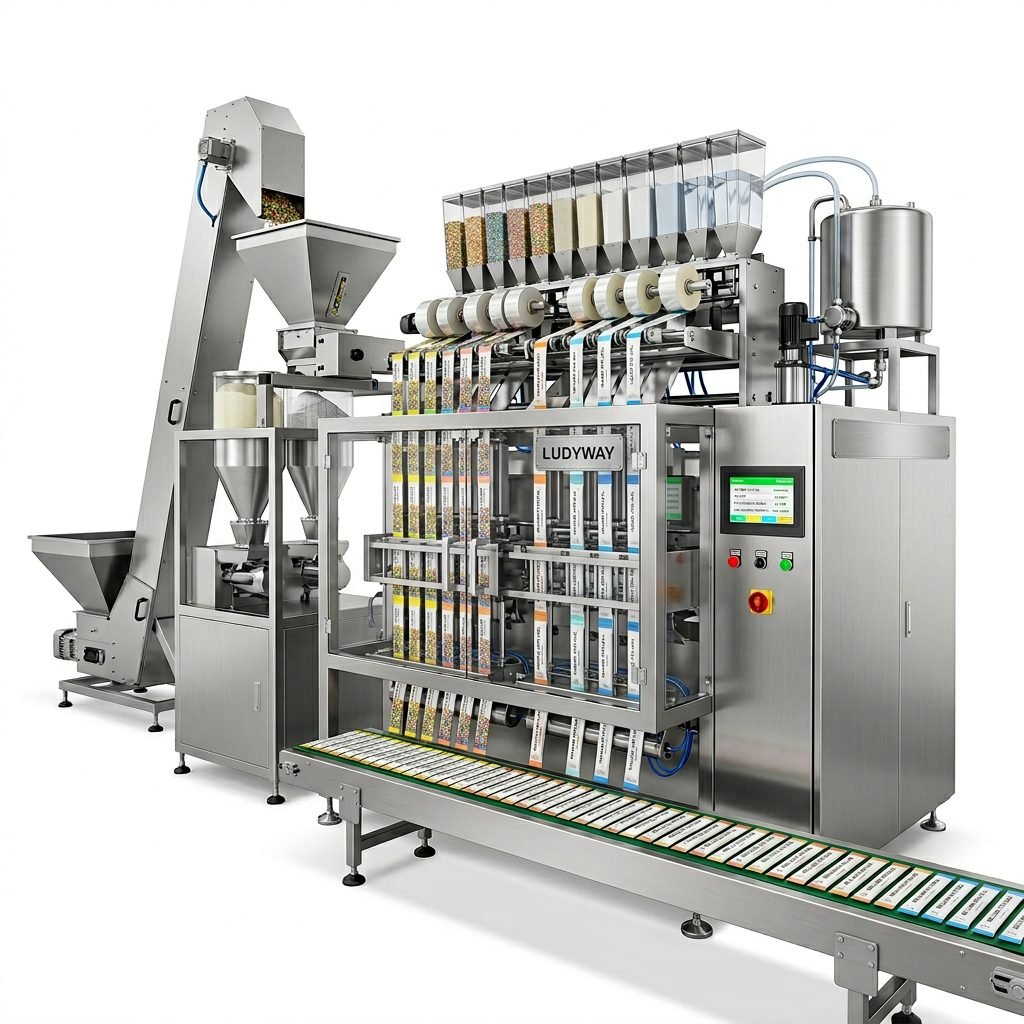
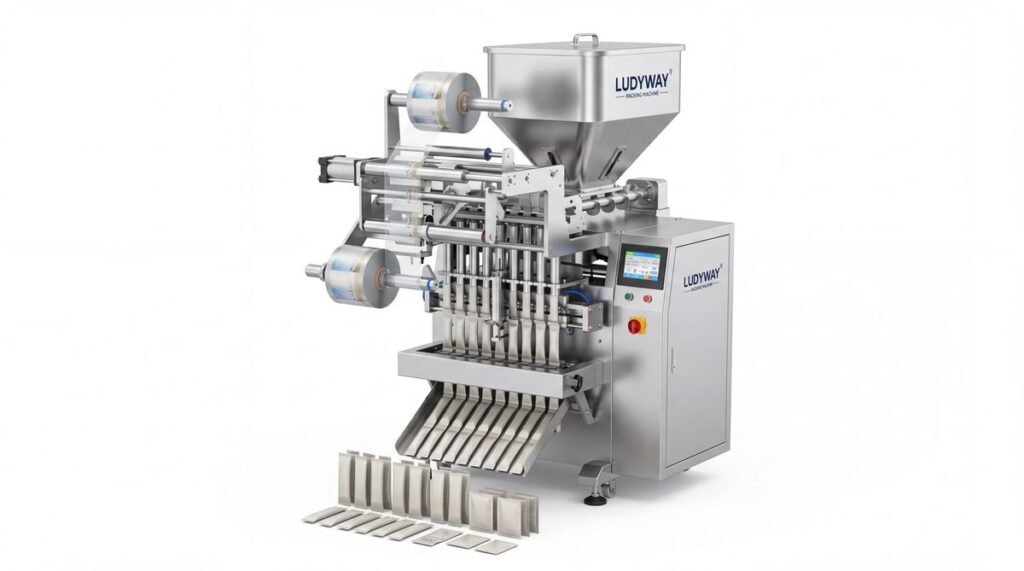
A packaging wrapping machine is a key piece of equipment for businesses that need to protect products, improve presentation, reduce labor, and speed up shipping. From food factories and pharmaceutical plants to warehouses and e-commerce fulfillment centers, the right wrapping solution can make daily operations smoother and more cost-efficient.
In this guide, you’ll learn the main types of packaging wrapping machines, their benefits, where they are used, and how to choose the best model for your production needs.
What Is a Packaging Wrapping Machine?
A packaging wrapping machine is equipment designed to wrap products or grouped loads using materials such as stretch film, shrink film, flow wrap film, or other protective packaging media. Its purpose is to secure items for storage, transport, retail display, or final delivery.
Depending on the application, wrapping machines can be used for:
- Pallet stabilization during shipping
- Retail-ready product bundling
- Moisture, dust, and tamper protection
- Improved shelf appearance
- Automatic line integration with filling, sealing, labeling, and case packing
Main Types of Packaging Wrapping Machines
1. Stretch Wrapping Machines
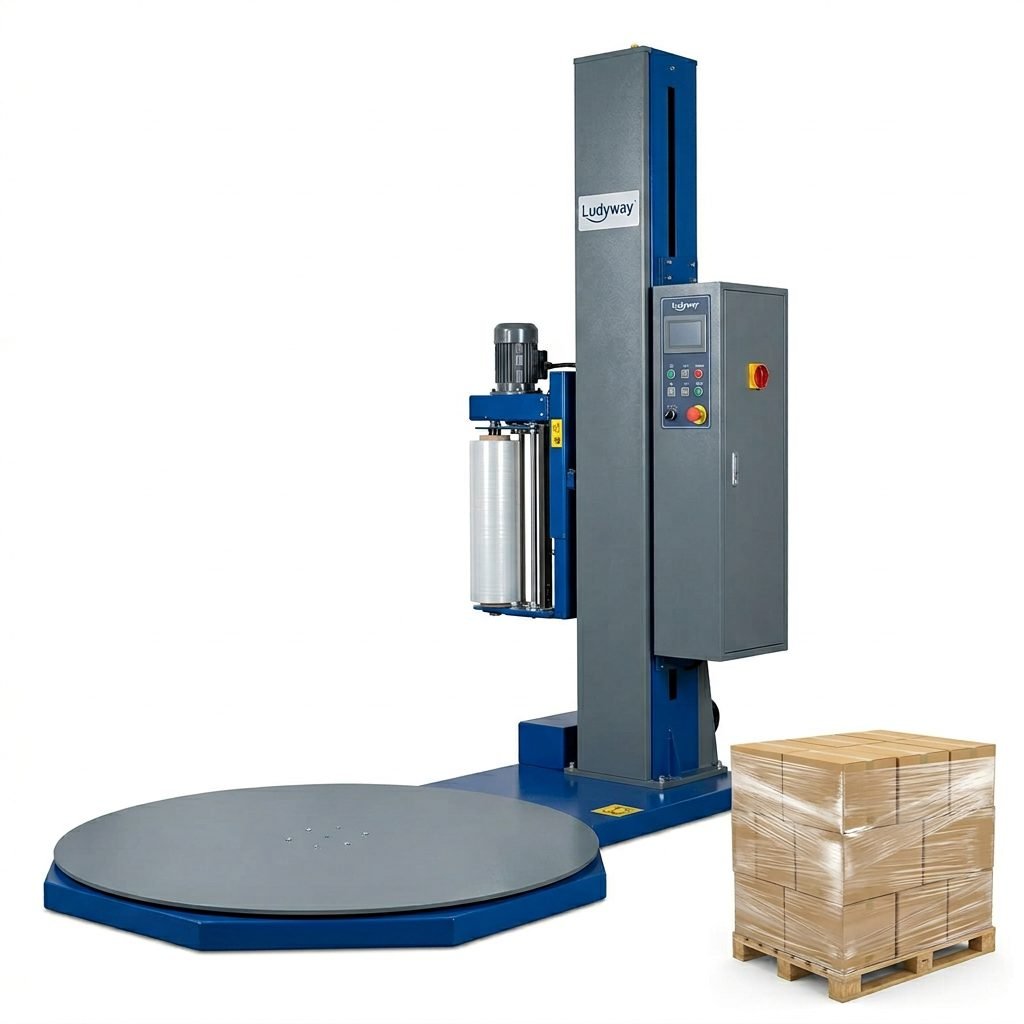
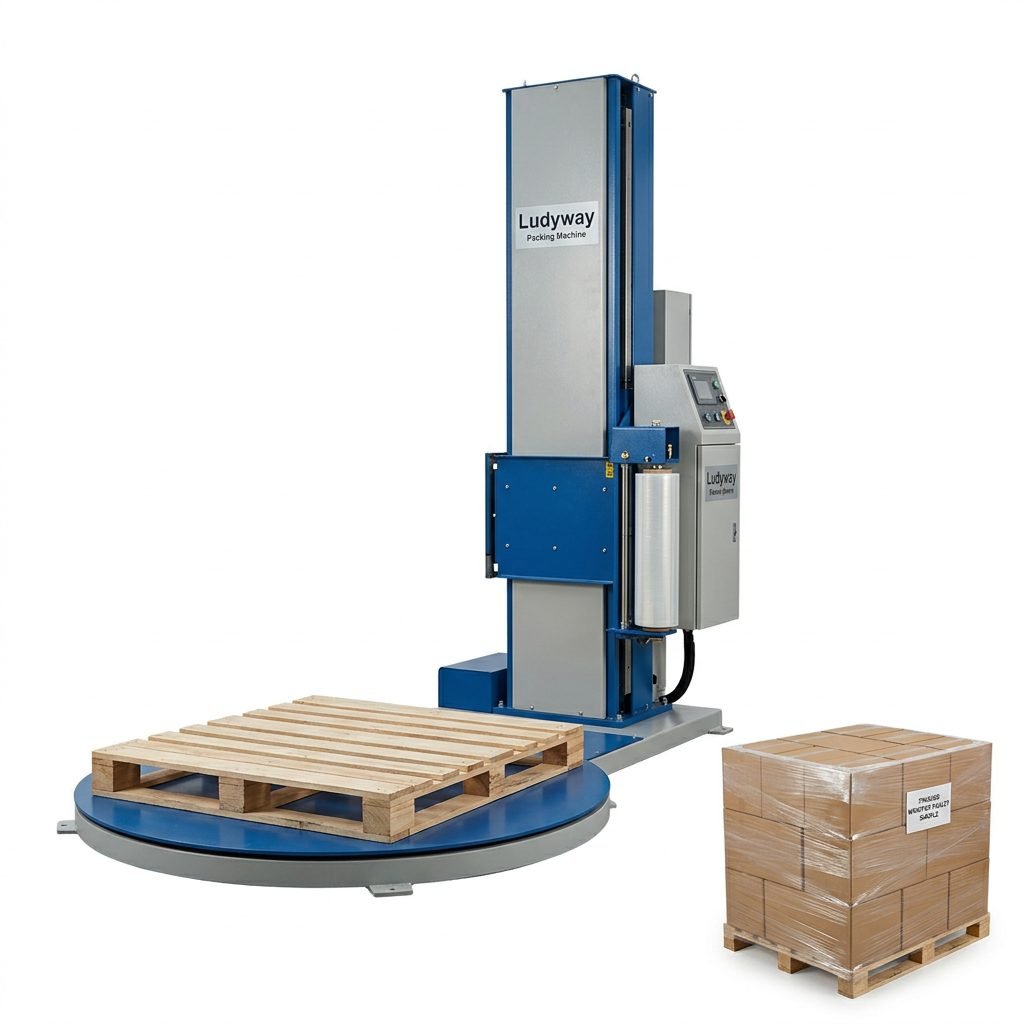
Stretch wrapping machines use stretch film to tightly wrap pallets or grouped products. They are common in logistics centers, manufacturing plants, beverage factories, and export packaging operations.
Best for: pallet loads, cartons, bagged goods, bottled products, and warehouse shipment protection.
- Turntable stretch wrappers
- Rotary arm stretch wrappers
- Orbital stretch wrappers
- Automatic pallet wrapping systems
2. Shrink Wrapping Machines
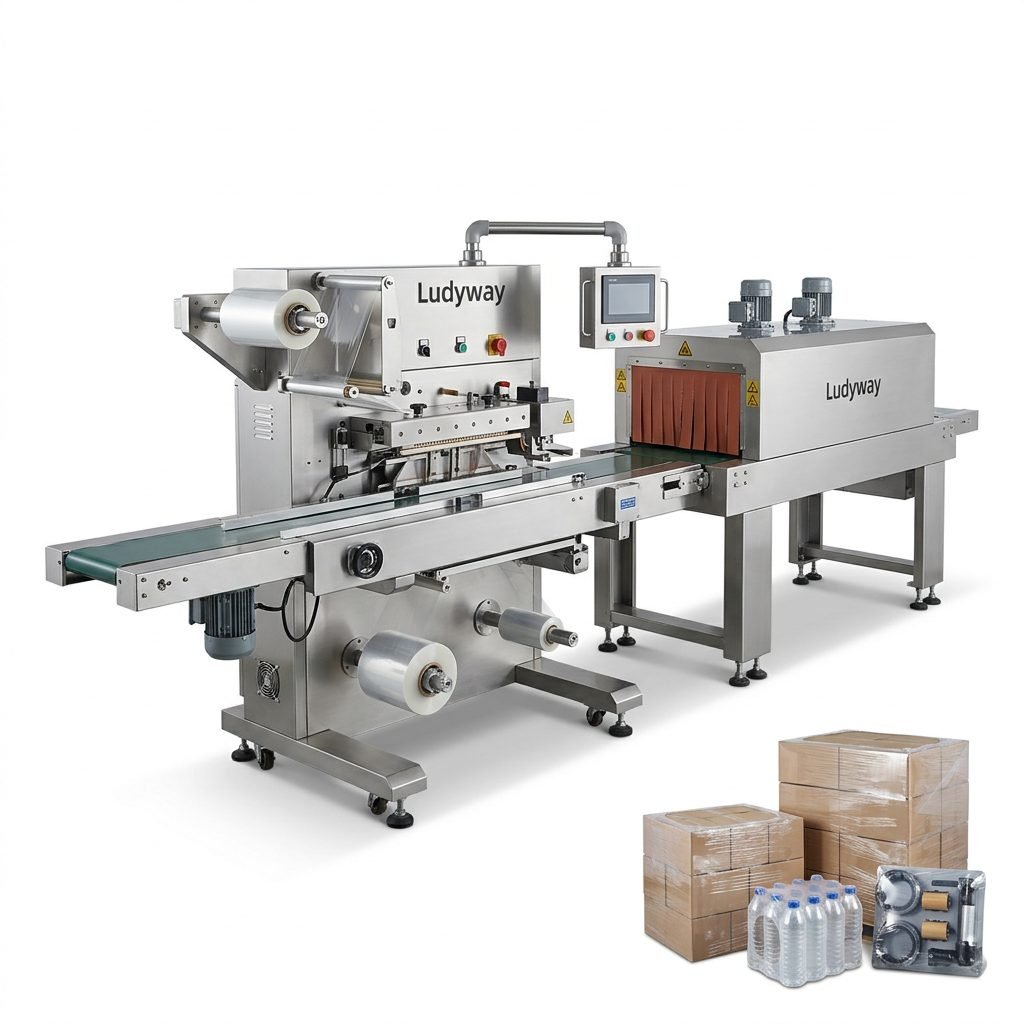
Shrink wrapping machines apply film around a product and then use heat to shrink the film tightly around it. This creates a neat, secure, and tamper-evident package.
Best for: bottles, cans, boxes, cosmetics, pharmaceuticals, and multi-pack retail products.
3. Flow Wrapping Machines
Flow wrappers package products horizontally using a continuous film roll. These machines are widely used for snacks, bakery items, medical products, and household goods.
Best for: single-piece or counted products requiring fast and attractive packaging.
4. Overwrapping Machines
Overwrapping machines fold film around a product in a clean, box-style format. This method is common for premium-looking retail packages.
Best for: perfumes, cosmetic cartons, medicine boxes, tea boxes, and luxury consumer goods.
5. Pallet Wrapping Machines
Pallet wrapping is often considered a category within stretch wrapping, but in industrial use it is important enough to evaluate separately. These machines secure heavy loads to reduce product shifting, breakage, and transport damage.
6. Sleeve Wrapping Machines
Sleeve wrappers place a film sleeve around products before heat shrinking. They are popular in beverage and bulk-pack applications.
Best for: bottle packs, jars, canned goods, and grouped retail bundles.
Comparison of Common Wrapping Machine Types
| Machine Type | Typical Use | Main Advantage | Suitable Industries |
|---|---|---|---|
| Stretch Wrapping | Pallet and transport load wrapping | Load stability and shipping protection | Logistics, food, chemicals, warehouse |
| Shrink Wrapping | Retail and bundle packaging | Tight, neat, tamper-evident finish | Beverage, pharma, cosmetics, food |
| Flow Wrapping | Individual product packaging | High speed and good presentation | Bakery, snacks, medical, personal care |
| Overwrapping | Carton and premium pack wrapping | Elegant retail appearance | Cosmetics, pharmaceuticals, gift products |
| Sleeve Wrapping | Multi-pack grouping | Efficient bundling for transport and retail | Drinks, food, consumer goods |
Benefits of Using a Packaging Wrapping Machine
Improved Product Protection
Wrapping helps protect products from dust, moisture, handling damage, and contamination. In sectors like food and pharmaceuticals, this protection is especially important for quality assurance and compliance.
Higher Packaging Efficiency
Automatic wrapping equipment processes products much faster than manual methods. This increases line speed and helps manufacturers handle larger order volumes.
Lower Labor Costs
By automating repetitive wrapping tasks, companies can reduce dependence on manual labor and minimize operator fatigue.
Better Packaging Consistency
Machine wrapping delivers uniform tension, sealing, and appearance. That consistency improves both shipping reliability and brand image.
Reduced Material Waste
Modern wrapping machines are designed to optimize film usage. With proper settings, businesses can lower packaging material consumption without sacrificing load security.
Safer Transport and Storage
Properly wrapped pallets and products are less likely to shift, fall, or break during warehousing and transportation, which helps reduce claims and returns.
Industries That Commonly Use Wrapping Machines
- Food and beverage
- Pharmaceutical and healthcare
- Cosmetics and personal care
- Chemicals and industrial products
- Animal feed and pet food
- E-commerce and logistics
- Warehouse and distribution centers
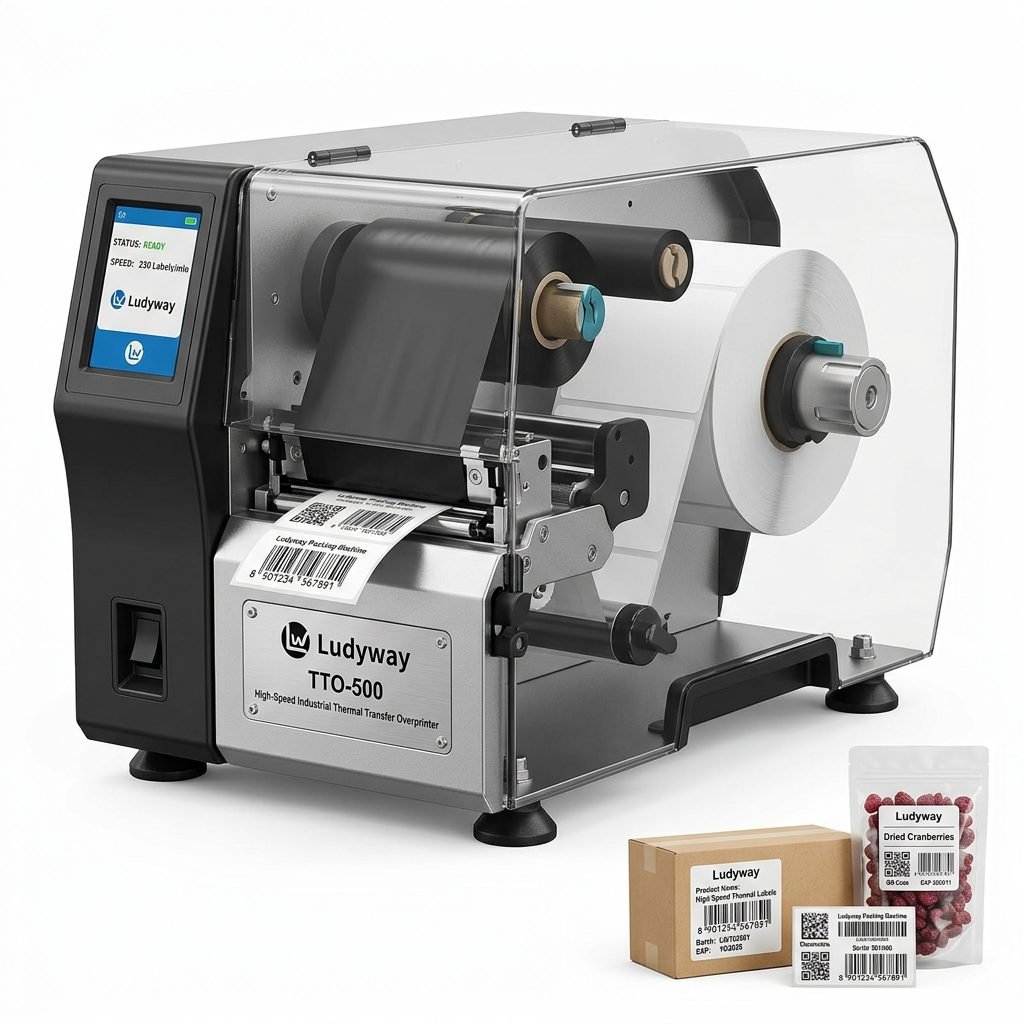
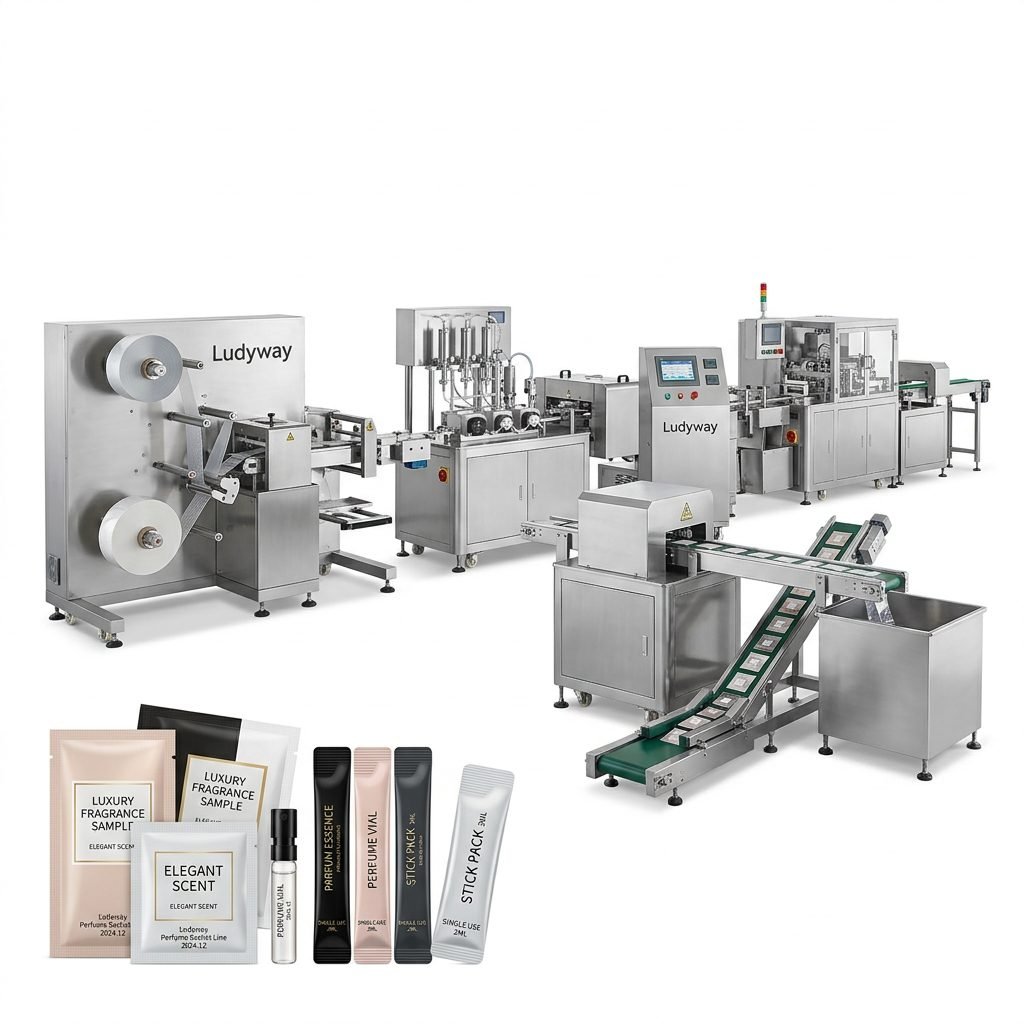
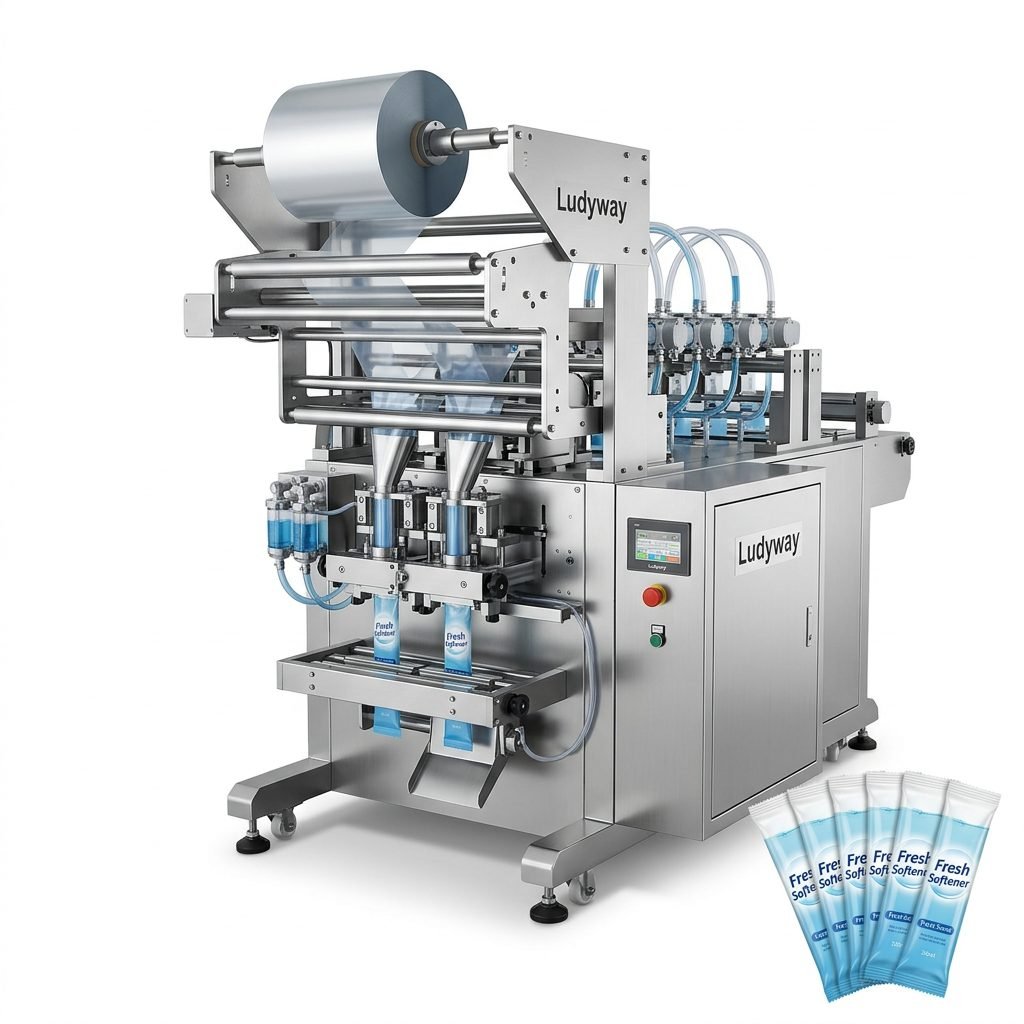
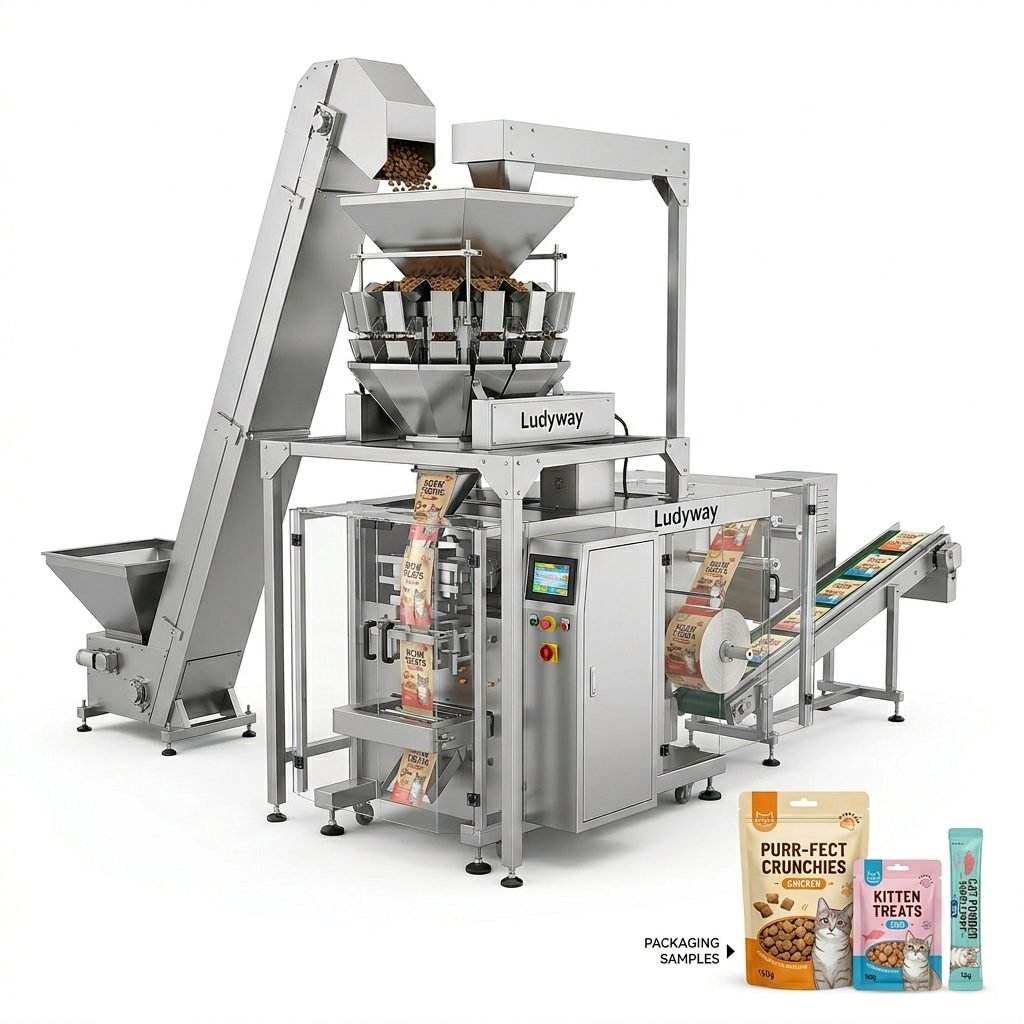
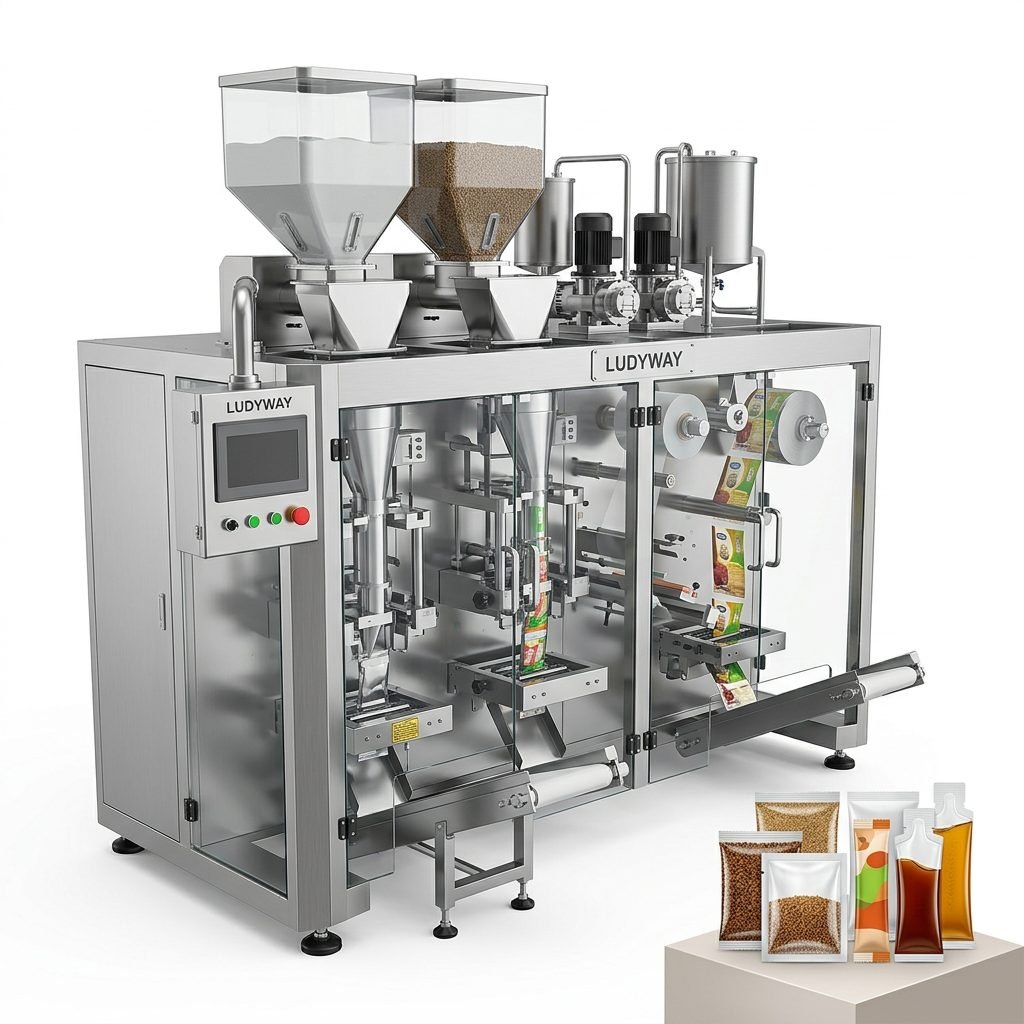
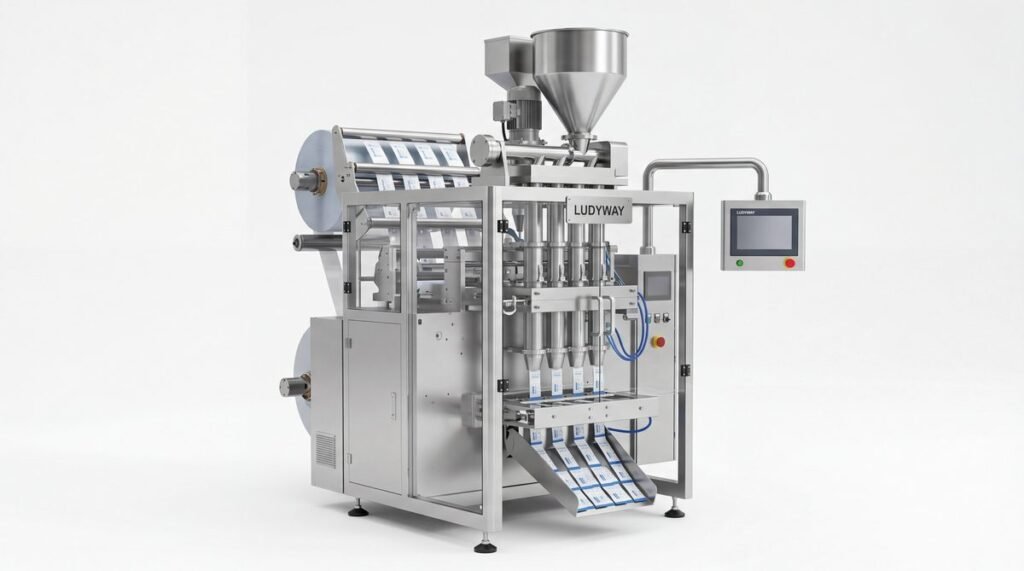
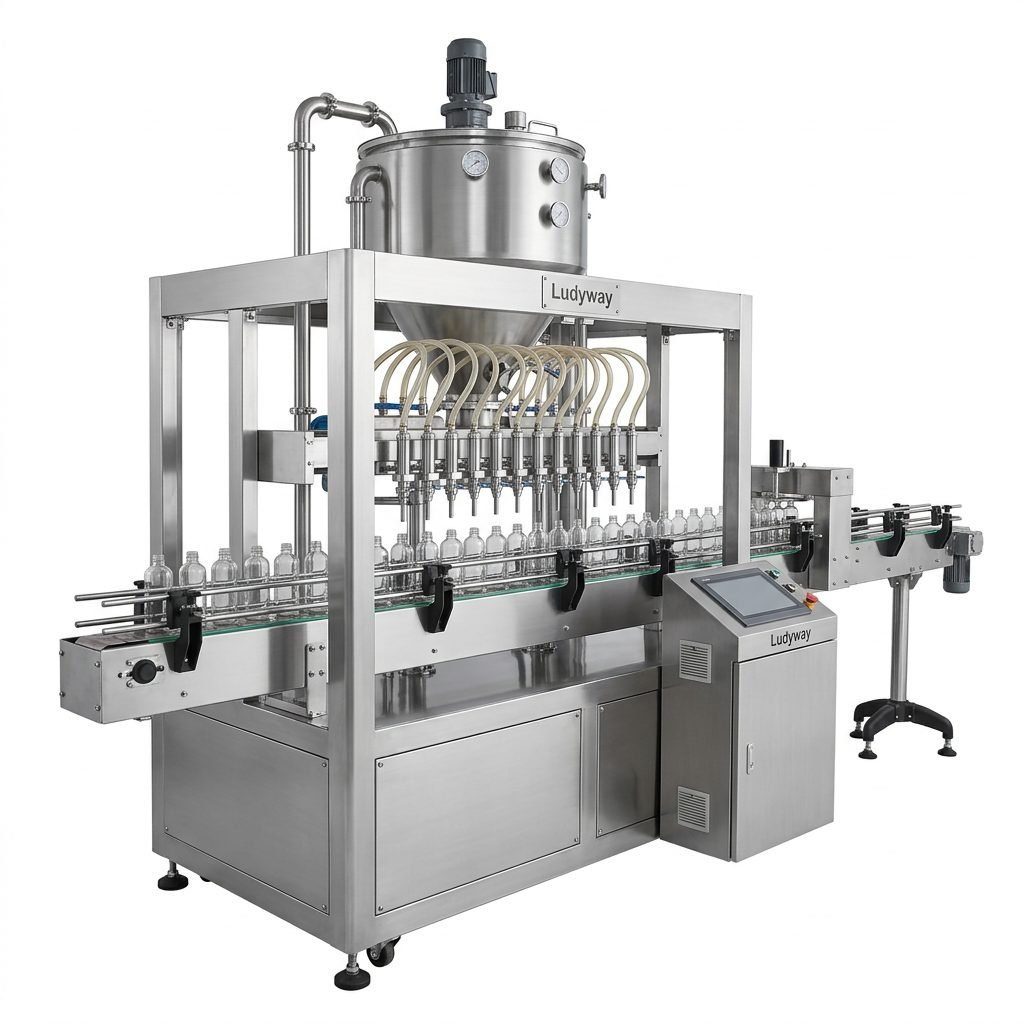
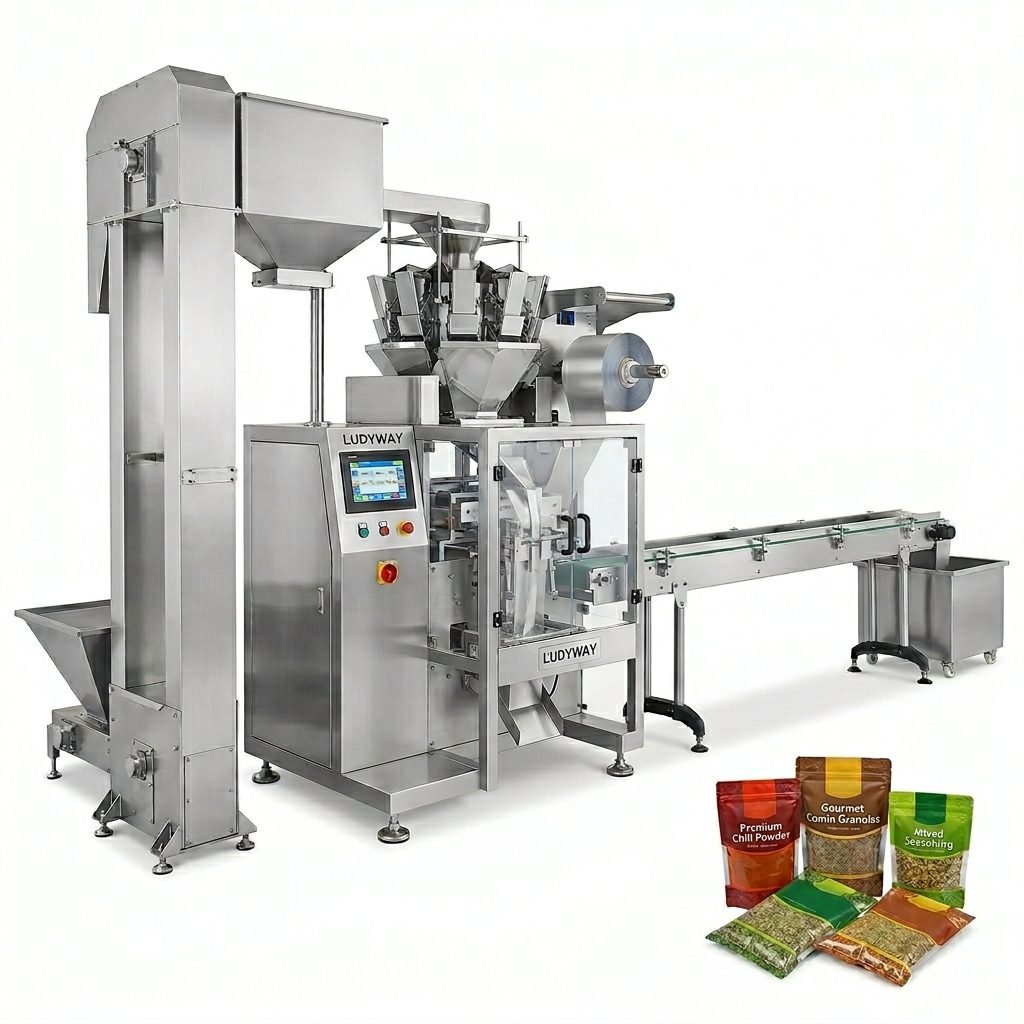
For businesses that need integrated automation, manufacturers such as Ludyway packaging wrapping machine solutions are often evaluated alongside filling, sealing, conveying, coding, and turnkey line integration needs.
How to Choose the Right Packaging Wrapping Machine
1. Identify Your Product Type
Start by understanding what you need to wrap:
- Single items or multipacks
- Rigid boxes or flexible pouches
- Light products or heavy pallet loads
- Food, medical, or industrial goods
2. Consider Packaging Material
Different machines work with different films. Make sure the machine matches the material you use, such as stretch film, POF shrink film, PE film, or laminated wrapping film.
3. Evaluate Production Speed
A low-volume business may only need a semi-automatic machine, while large factories often require a fully automatic high-speed system integrated into the production line.
4. Check Product Size Range
The machine should handle your minimum and maximum product dimensions without excessive changeover time.
5. Focus on Automation Level
Choose between manual-assist, semi-automatic, or fully automatic wrapping based on budget, throughput, and labor availability.
6. Review Maintenance and Reliability
A machine with stable structure, quality components, and accessible after-sales service will usually deliver better long-term value than a low-cost but unreliable option.
7. Think About Future Expansion
If your production is expected to grow, select equipment that can be upgraded or integrated with conveyors, coding systems, case packers, and palletizing units later.
Quick Selection Guide
| Your Need | Recommended Machine | Why |
|---|---|---|
| Wrap shipping pallets | Stretch wrapping machine | Strong load stability for transport |
| Retail-ready bottle or can bundles | Shrink or sleeve wrapping machine | Clean grouped presentation |
| Pack individual food items | Flow wrapping machine | High speed and hygienic packaging |
| Wrap premium cartons | Overwrapping machine | Attractive box-style finish |
| Need high-volume line automation | Fully automatic integrated system | Better speed, accuracy, and labor savings |
Important Features to Look For
- Adjustable wrapping parameters for different products
- Stable film tension control
- Easy touchscreen operation
- Fast size changeover
- Safety guards and emergency stop design
- Compatible conveyor or line integration options
- Low maintenance structure
- Reliable sealing and cutting performance
Common Buying Mistakes to Avoid
- Choosing only by price and ignoring long-term performance
- Buying a machine without confirming film compatibility
- Underestimating future production growth
- Ignoring service, spare parts, and technical support
- Selecting a machine that is too complex for actual production needs
Is a Semi-Automatic or Fully Automatic Wrapping Machine Better?
The answer depends on your output requirements and budget.
- Semi-automatic machines are suitable for small to medium operations with moderate output and tighter investment budgets.
- Fully automatic machines are better for large-scale factories, continuous production, and businesses seeking maximum efficiency and lower labor dependency.
Final Thoughts on Choosing a Packaging Wrapping Machine
The right packaging wrapping machine can significantly improve packaging quality, shipping safety, and operational efficiency. Whether you need stretch wrapping for pallets, shrink wrapping for retail packs, or a fully integrated wrapping line, the best choice should match your product type, production volume, packaging material, and growth goals.
By carefully comparing machine types, automation levels, and supplier capabilities, businesses can make a smarter investment and build a more reliable packaging process for the long term.
Frequently Asked Questions
What is the difference between stretch wrapping and shrink wrapping?
Stretch wrapping uses elastic film pulled tightly around products or pallets, while shrink wrapping uses heat to shrink film around the item.
Which industries need packaging wrapping machines the most?
Food, beverage, pharmaceuticals, cosmetics, logistics, chemicals, and pet food industries are among the most common users.
Can a wrapping machine be integrated into a full packaging line?
Yes. Many wrapping machines can be connected with conveyors, filling machines, labeling systems, coding equipment, cartoners, and palletizers.
How do I know which wrapping machine is right for my factory?
You should evaluate product dimensions, packaging format, speed target, film material, labor conditions, and whether you need standalone equipment or a turnkey packaging solution.