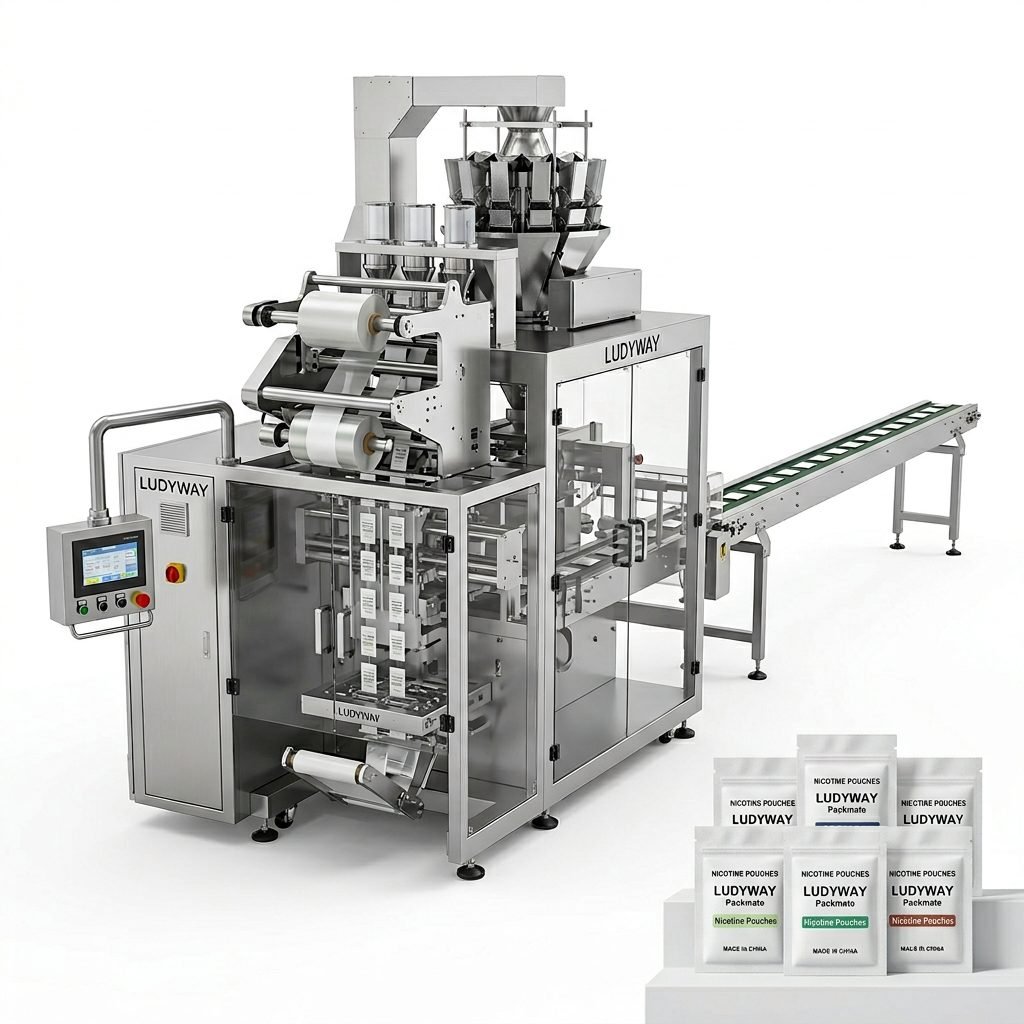
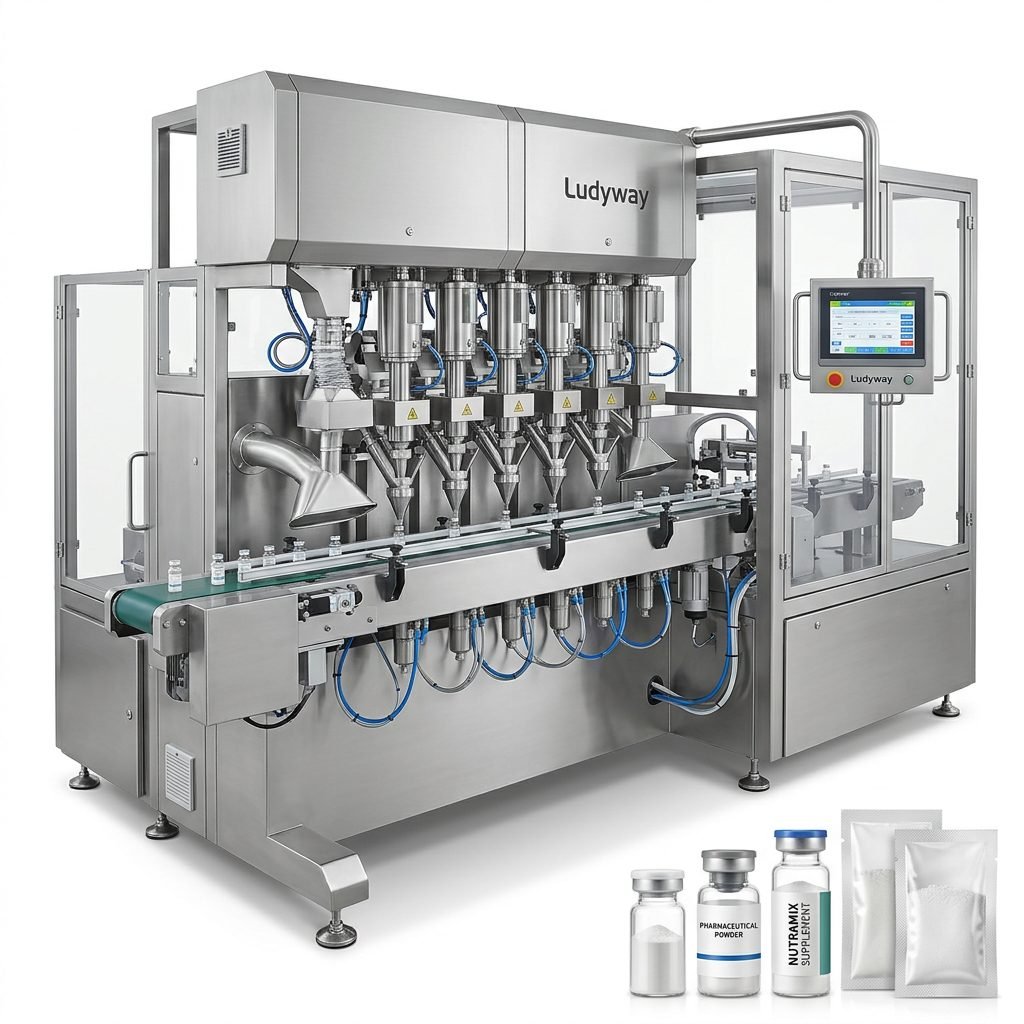
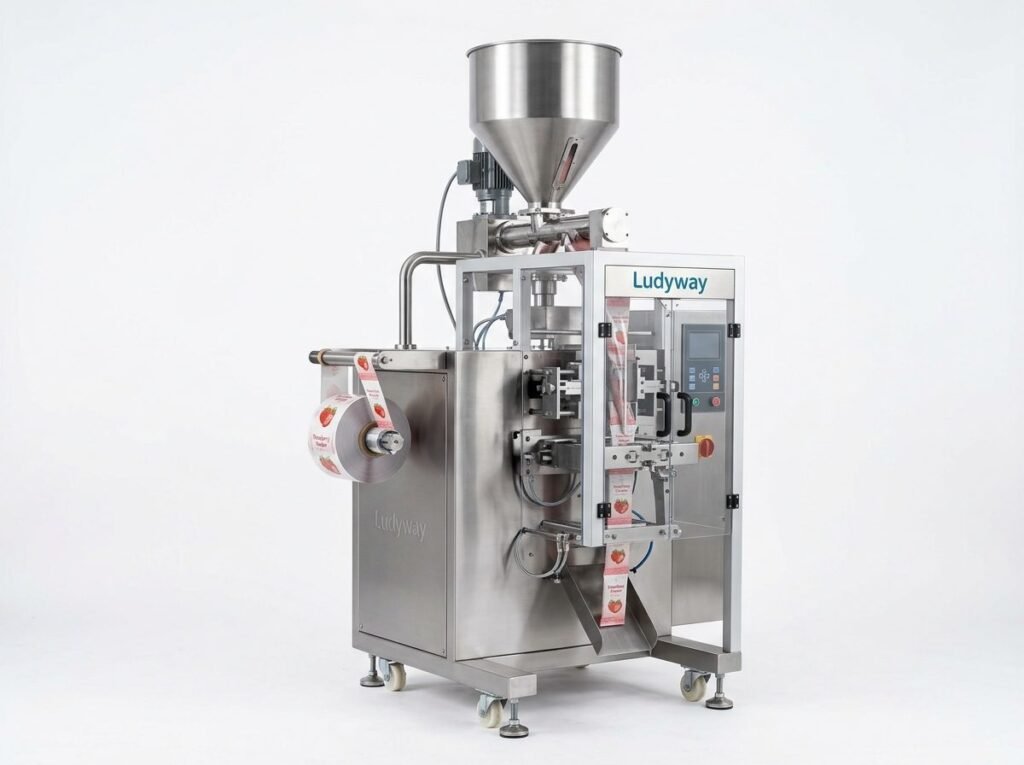
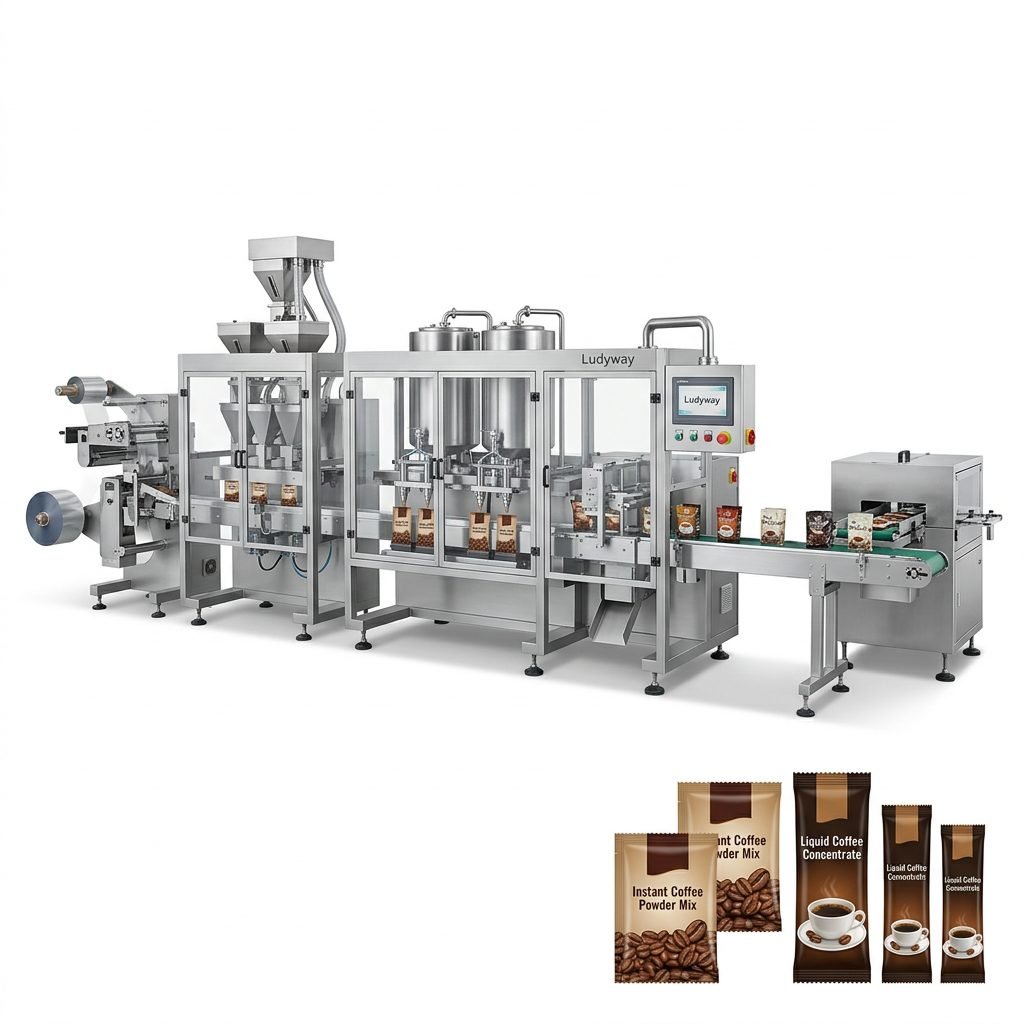
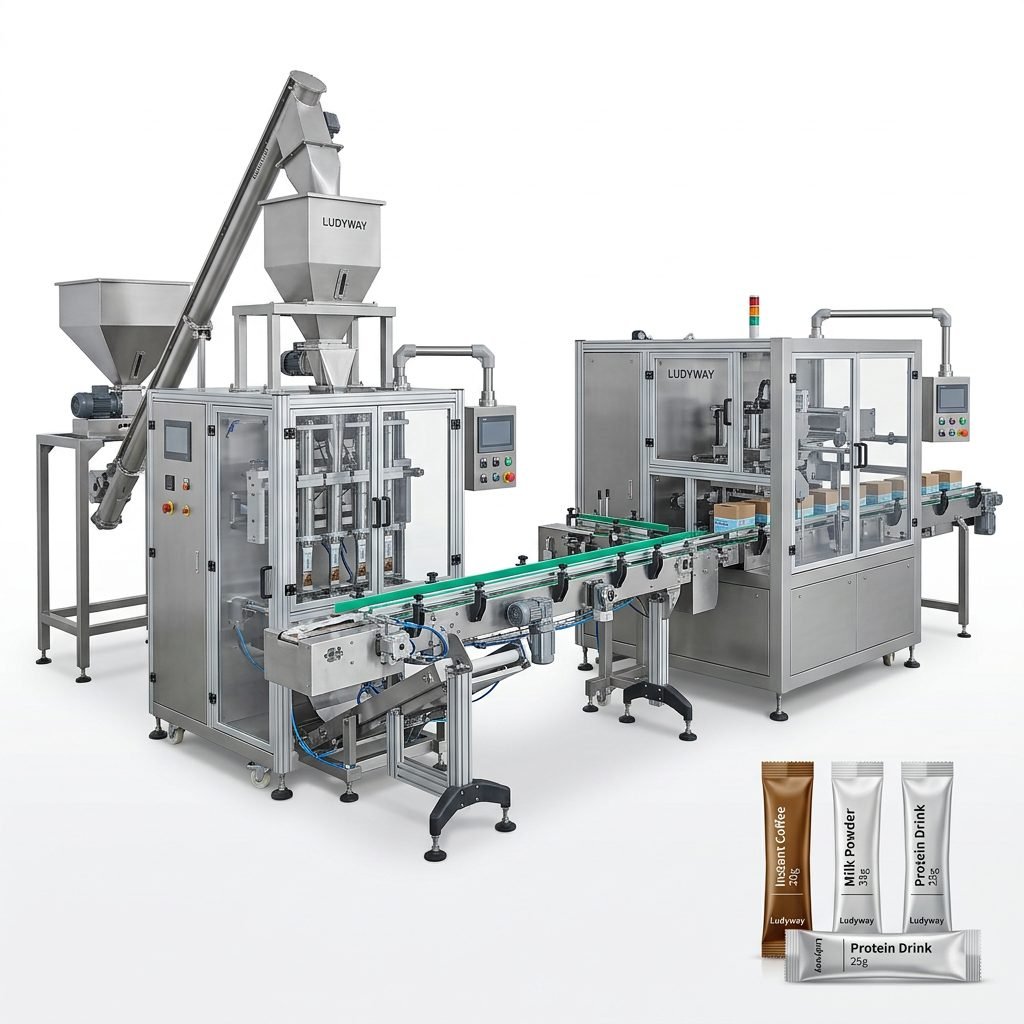
Investing in a bundle packing machine is a strategic decision that directly affects your packaging line’s efficiency, output, and long-term operational costs. Whether you are running a food processing plant, a pharmaceutical facility, or a chemical manufacturing unit, selecting the right automatic bundling equipment requires a thorough evaluation of your product, production goals, and the available machine technologies. This guide walks you through the essential factors to consider before making a purchase.
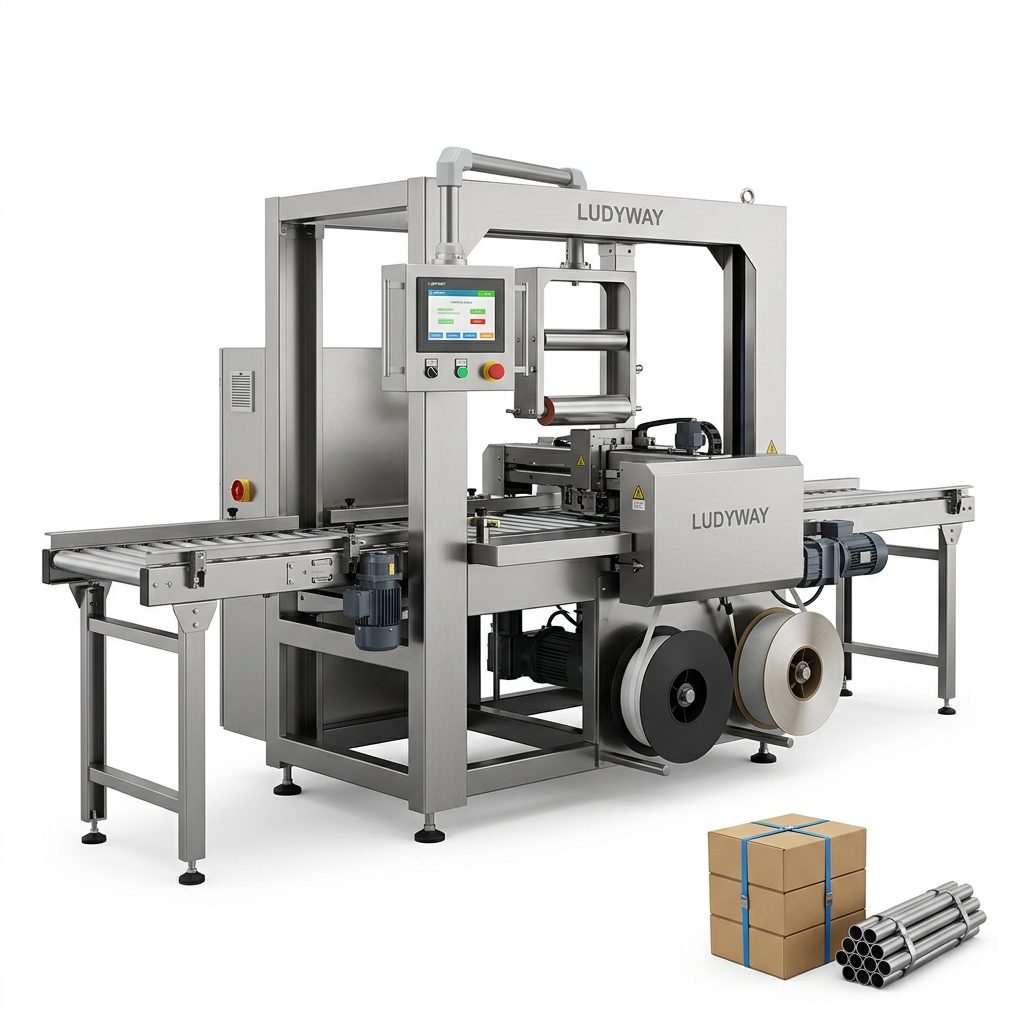
Why a Bundle Packing Machine Is Critical for Your Operation
A bundle packing machine goes beyond simply wrapping products together. It automates the grouping, collating, and securing of individual packages into larger, stable units suitable for logistics and retail. This process minimizes manual labor, reduces material waste, and significantly increases throughput. In high-volume production environments, the difference between a well-chosen bundler and an inadequate one can mean thousands of dollars in saved or lost annual operating costs. Modern equipment also supports packaging industry sustainability goals by optimizing film usage and energy consumption.
Step 1: Understand Your Product and Packaging Format
Before comparing any technical specifications, you must clearly define what you are bundling. The physical characteristics of your primary packages dictate the entire machine configuration.
Key Product Variables to Document
- Package dimensions: Length, width, and height of individual cartons, pouches, sachets, or stick packs.
- Product weight: Both the weight of a single unit and the total weight of the finished bundle.
- Package material and surface: Shrink film, paperboard, corrugated trays, or film-only wraps react differently to bundling processes.
- Fragility or compressibility: Soft packages, blister packs, and rigid boxes all require different handling mechanisms.
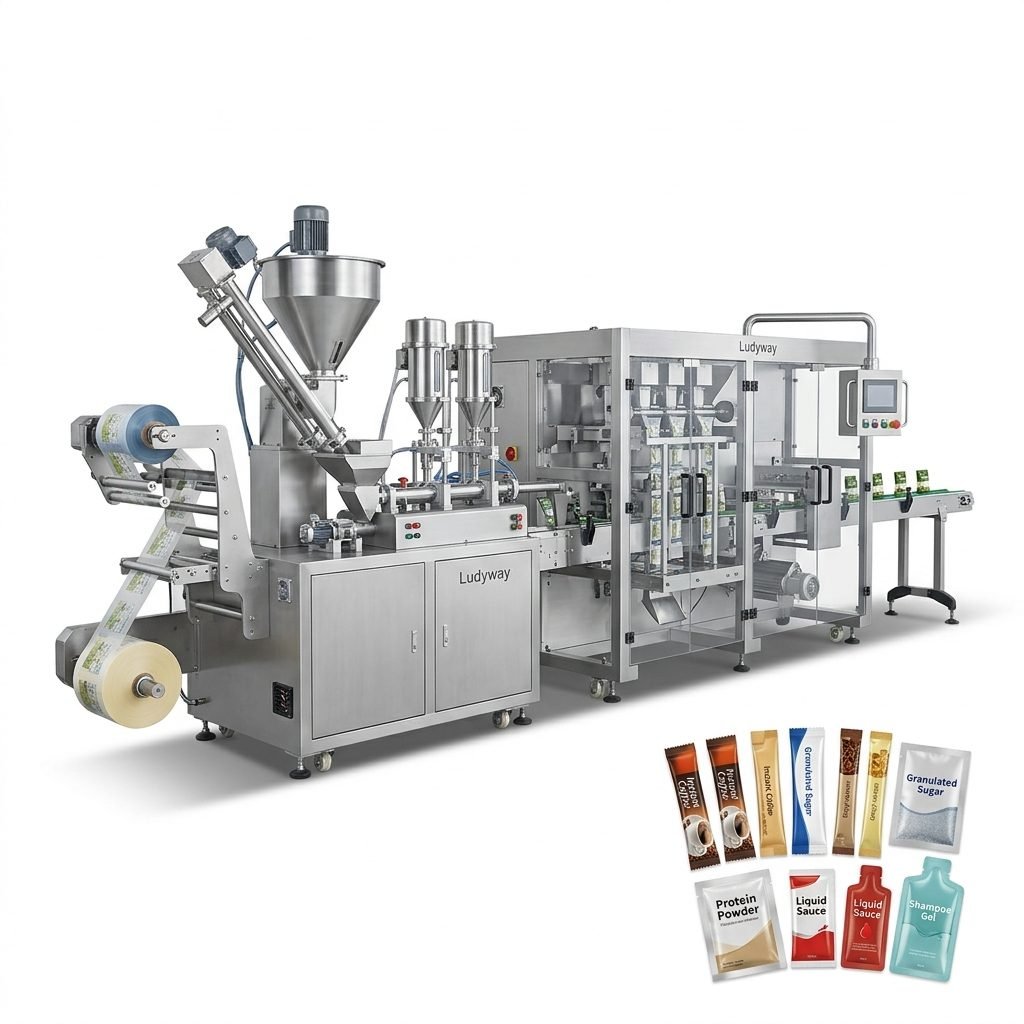
Step 2: Define Your Bundle Configuration
A bundle is not just a random collection of items. You need to specify the exact arrangement, as this determines the machine’s collating system, film feed, and sealing section.
- Bundle pattern: 2×3, 3×4, single-row, multi-layer stacks, or tray-based configurations.
- Bundle orientation: How individual packages face each other, which impacts branding visibility and stability on pallets.
- Number of bundles per minute: This is your target throughput and one of the most important parameters for machine selection.
Step 3: Choose the Right Technology Type
Bundle packing machines are not one-size-fits-all. The two most common technologies serve different application needs.
| Feature | Shrink Wrap Bundler | Stretch Film Bundler |
|---|---|---|
| Film Material | Polyethylene (PE) or polyolefin shrink film | Linear low-density polyethylene (LLDPE) stretch film |
| Appearance | Tight, glossy finish around products | Durable, functional wrap with less clarity |
| Energy Use | Requires heat tunnel for film shrinking | Typically no heat required; mechanical wrapping |
| Best For | Retail-ready bundles, consumer goods, display packaging | Industrial products, heavy items, logistical bundles |
Step 4: Evaluate Speed and Throughput Requirements
Your production line’s upstream and downstream speeds determine the bundler’s required capacity. It is essential to choose a machine that can handle your current peak output and leave room for growth.
Matching Speed to Your Line
- Low speed: Up to 15 bundles per minute. Suitable for small to medium-scale operations with manual infeed.
- Medium speed: 15 to 40 bundles per minute. Common in mid-sized food and beverage plants using automated packaging systems.
- High speed: Over 40 bundles per minute. Designed for high-volume production lines with fully automatic product collation and transfer systems.
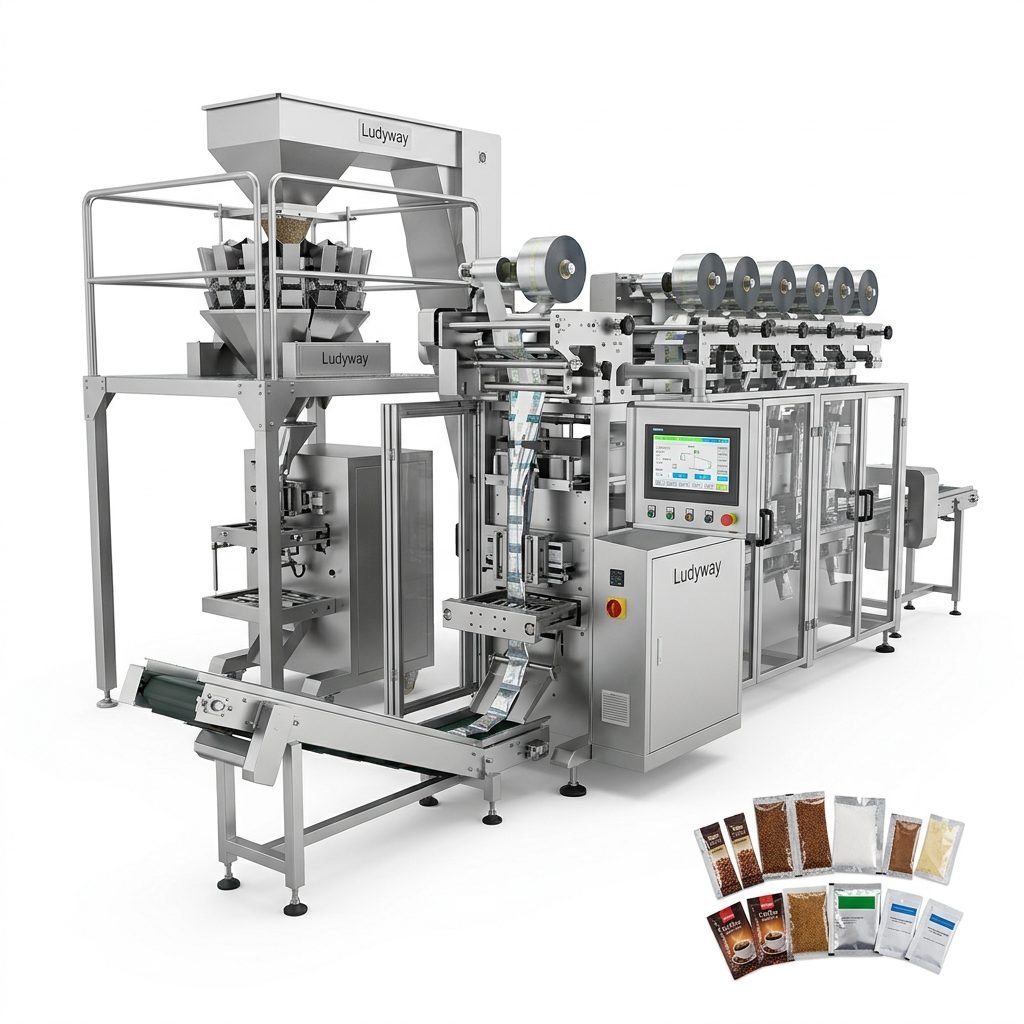
Step 5: Assess Automation and Integration Capabilities
A modern bundle packing machine should not operate in isolation. Its ability to integrate with existing or planned upstream and downstream equipment significantly affects overall line efficiency.
- Infeed compatibility: Can the machine interface with your existing cartoners, case packers, or product conveyors?
- Outfeed handling: Does it connect seamlessly to palletizers, stretch wrappers, or accumulation tables?
- Control system integration: Look for PLC-based controls with standard communication protocols like Ethernet/IP or Profibus.
- Quick changeover features: Motorized adjustments, recipe storage, and tool-less change parts reduce downtime between product runs.
Step 6: Consider Material and Energy Efficiency
Sustainability and operational cost reduction go hand in hand. The film consumption of your bundler is a recurring expense that compounds over the machine’s lifespan. Evaluate the machine’s ability to handle thinner gauge films without compromising seal integrity or bundle stability. Low-energy heat tunnels, precise temperature control zones, and regenerative film feed systems can yield significant savings on both material and electrical consumption.
Step 7: Machine Footprint and Factory Layout
Floor space is often at a premium in production facilities. The footprint of your bundler must be evaluated in the context of your existing layout, including required clearance for operator access, maintenance, and film roll changes. Compact designs with integrated collation and wrapping sections can save valuable square footage. Consider whether a straight-line or right-angle infeed configuration works best for your facility’s material flow.
Step 8: Evaluate Build Quality and Compliance
For food and pharmaceutical applications, machine construction and material compliance are critical. Stainless steel frames, washdown-ready designs, and sanitation-compliant construction are essential for environments requiring regular cleaning. Verify that the machine can meet applicable ISO packaging standards and any regional regulatory requirements. Electrical components should carry recognized certifications, and full documentation should be available from the manufacturer.
Step 9: Partner with an Experienced Manufacturer
Selecting the right machine is only part of the equation. The manufacturer behind the equipment plays an equally important role in your project’s success. An experienced provider brings not only robust machinery but also application knowledge, engineering support, and reliable after-sales service. Companies that offer turnkey solutions can streamline the process by managing machine selection, system integration, customization, installation, and technical support from a single point of contact.
With more than 30 years of industry experience, Ludyway Machinery has developed a deep understanding of automated packaging across food, pharmaceutical, chemical, and consumer goods sectors. The company’s engineering team works with customers to configure bundling solutions that match specific product requirements, production speeds, and factory layouts. From individual machines to complete integrated lines, working with a manufacturer that prioritizes engineering expertise and global technical support helps ensure long-term packaging performance.
Key Questions to Ask Potential Suppliers
Before finalizing your decision, use this checklist to verify that a supplier can meet your technical and support requirements.
| Evaluation Area | Key Questions to Ask |
|---|---|
| Technical Fit | Can the machine handle our exact product dimensions, bundle pattern, and speed requirements? Has it been tested with similar products? |
| Customization | What level of customization is available for collation systems, film types, and control interfaces? Can the machine be modified for future product changes? |
| Service Support | What is the warranty period? Is remote technical assistance available? How quickly can spare parts be dispatched to our location? |
| Documentation | Are complete operation manuals, electrical schematics, and preventive maintenance schedules provided? |
Common Mistakes to Avoid
Many purchasing decisions go wrong because of overlooked details. Being aware of these pitfalls can save you from expensive corrections later.
- Underestimating future capacity needs: Buying a machine that barely meets today’s speed leaves no room for growth. Plan for at least 20% overhead capacity.
- Ignoring film material testing: Not all films run equally well on all machines. Always request film compatibility testing with your actual packaging materials.
- Overlooking operator training requirements: Complex changeover procedures can lead to extended downtime if the operating team is not properly trained.
- Neglecting total cost of ownership: Beyond the purchase price, account for film consumption rates, energy use, spare parts pricing, and typical maintenance costs over the machine’s expected service life.
Final Thoughts: Making a Confident Purchase
Choosing the right bundle packing machine is a multifaceted process that requires careful evaluation of your product, production environment, technical requirements, and supplier capabilities. By following a structured selection approach—defining your bundle configuration, matching technology to your application, verifying integration and compliance, and selecting an experienced manufacturing partner—you can make a confident decision that supports your operational goals for years to come. The right machine not only improves packaging quality and throughput but also contributes to overall production line efficiency and cost control.