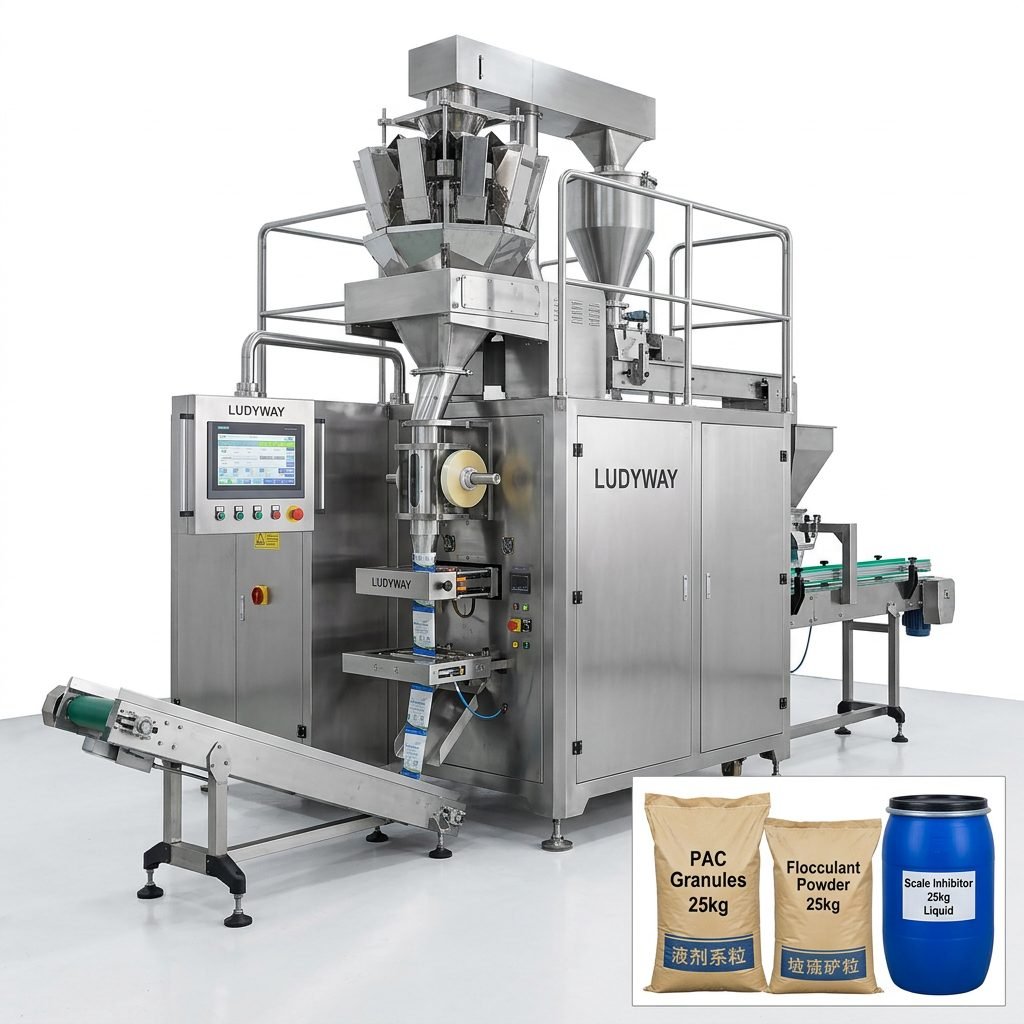
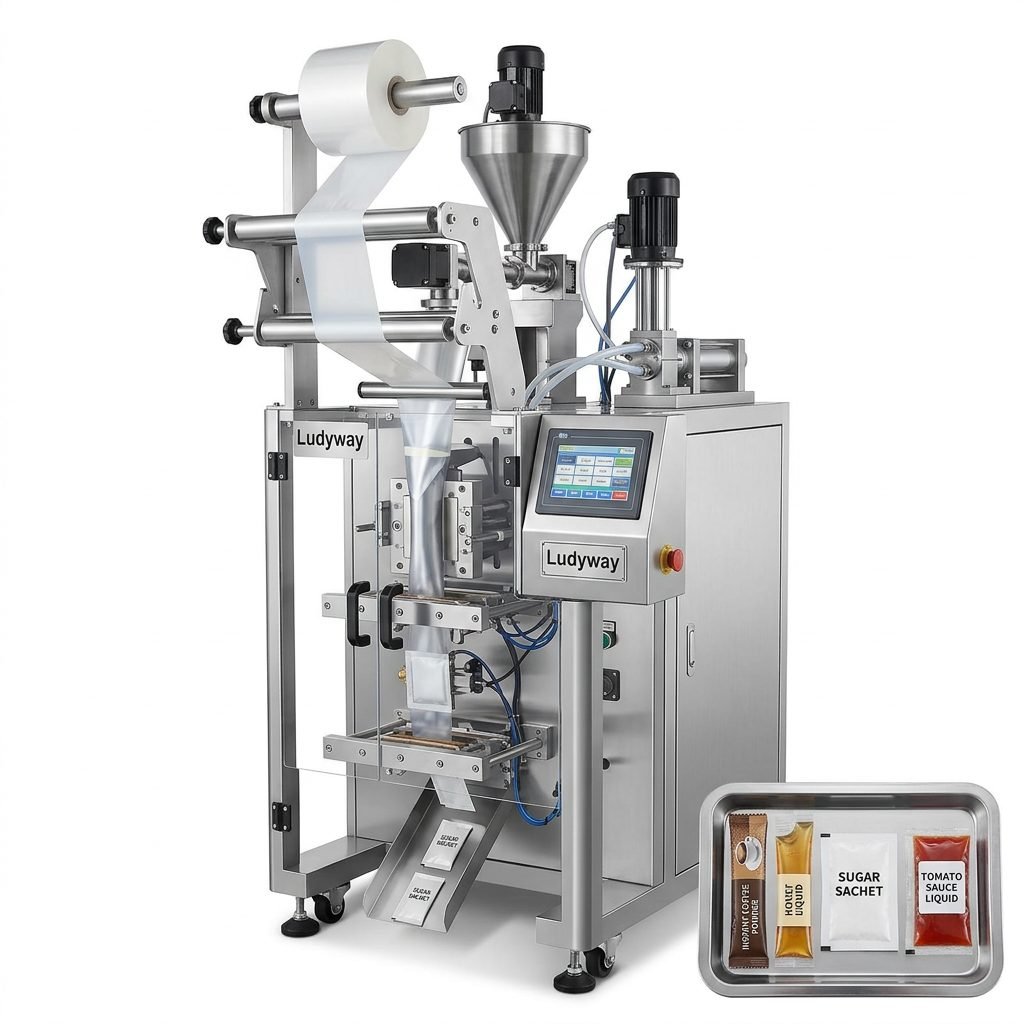
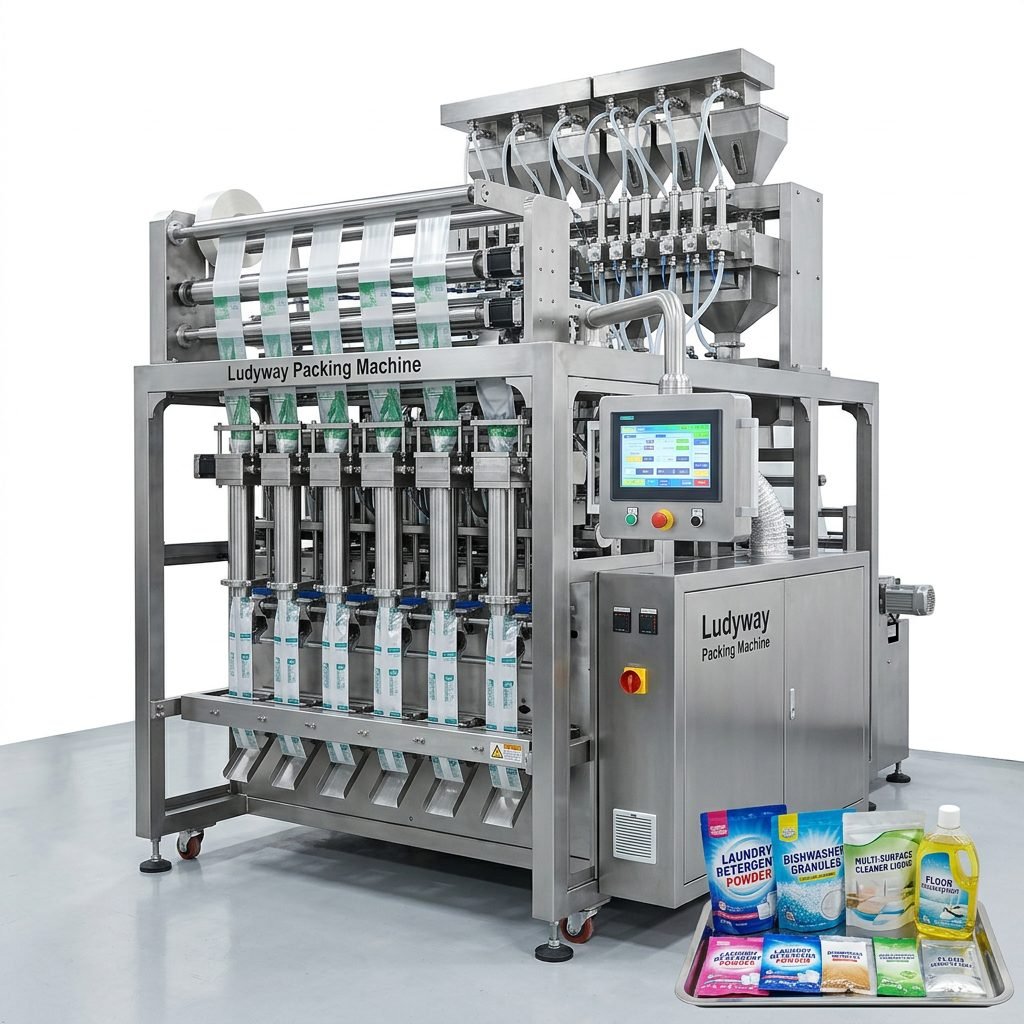
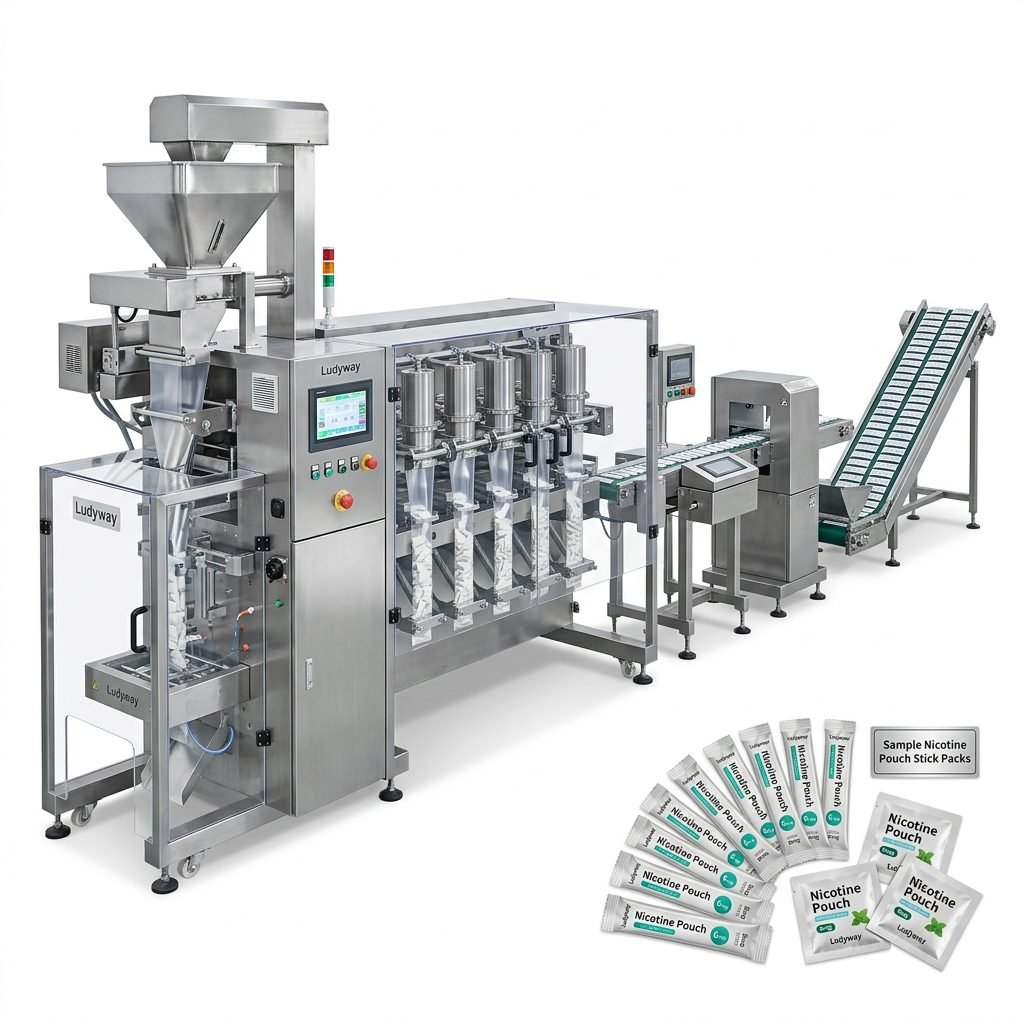
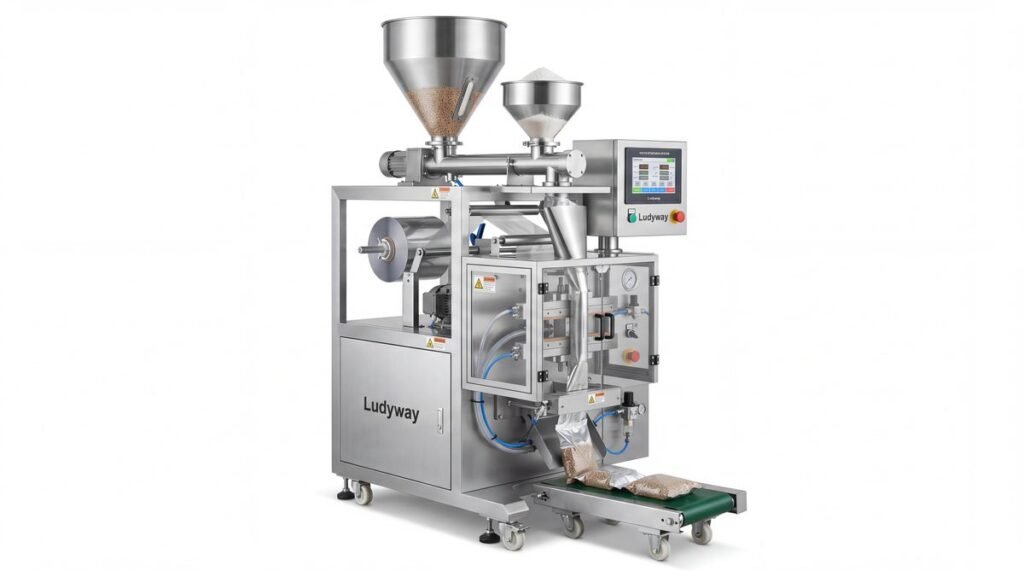
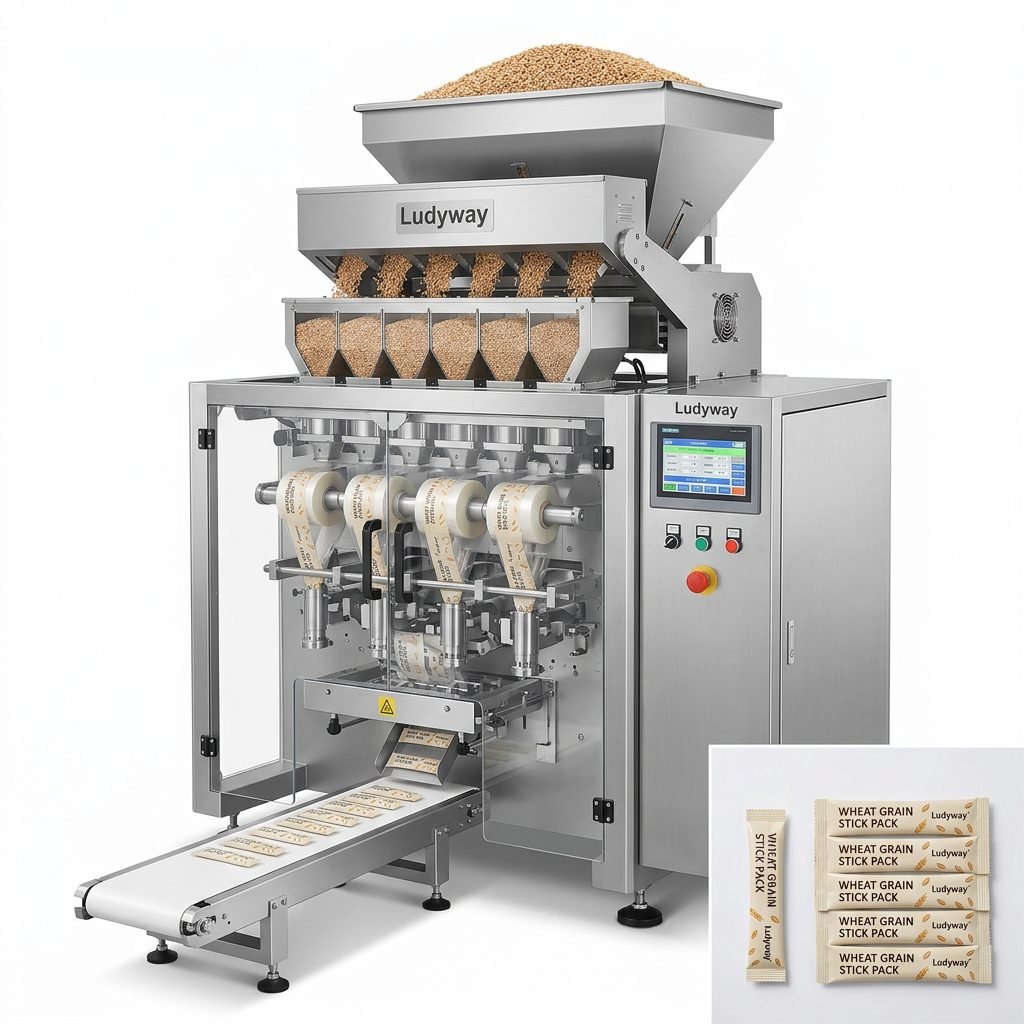
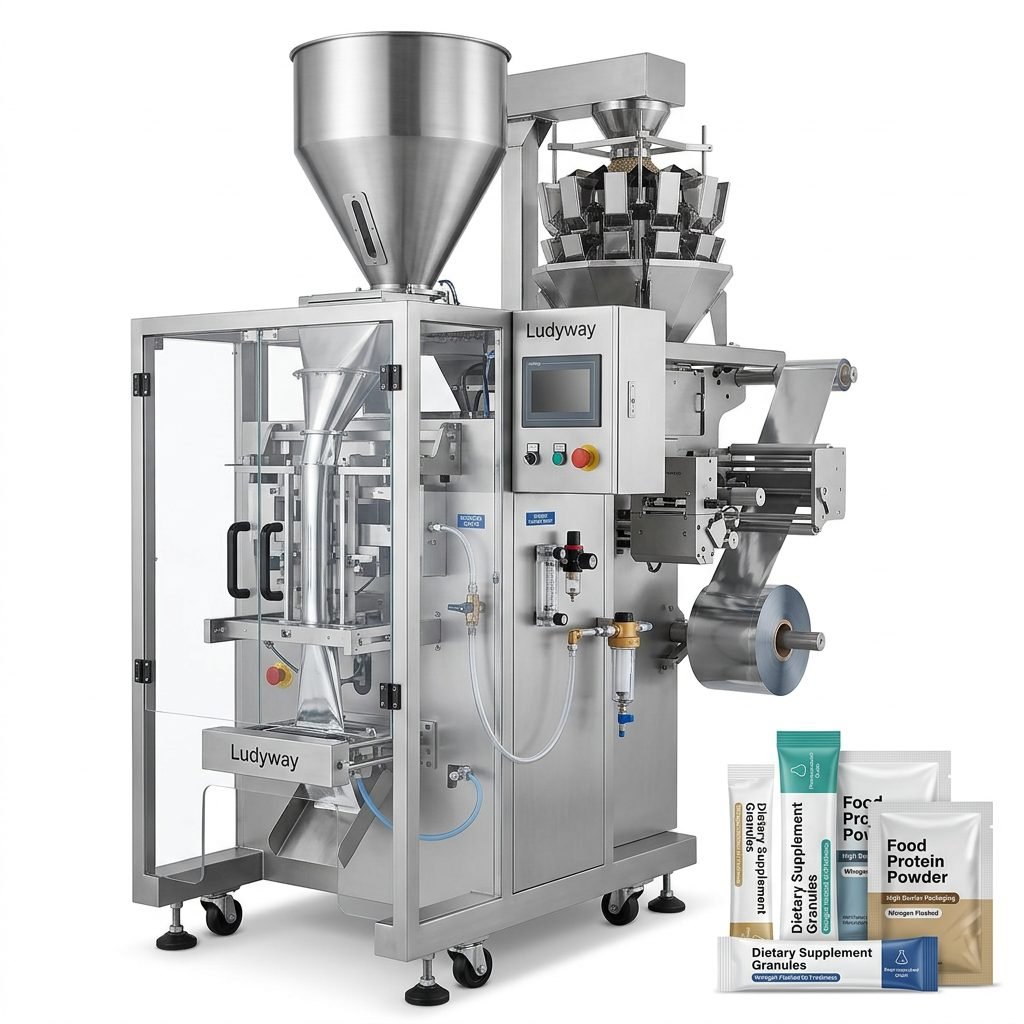
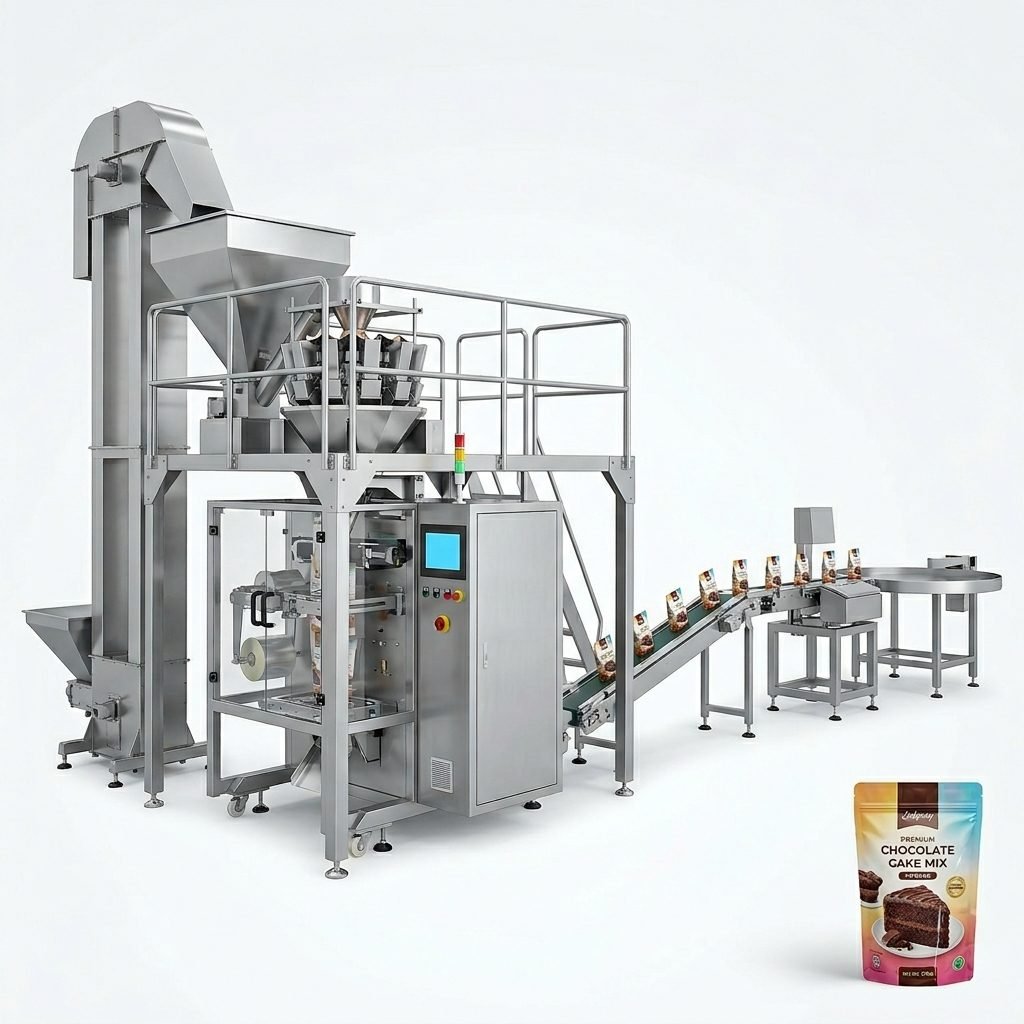
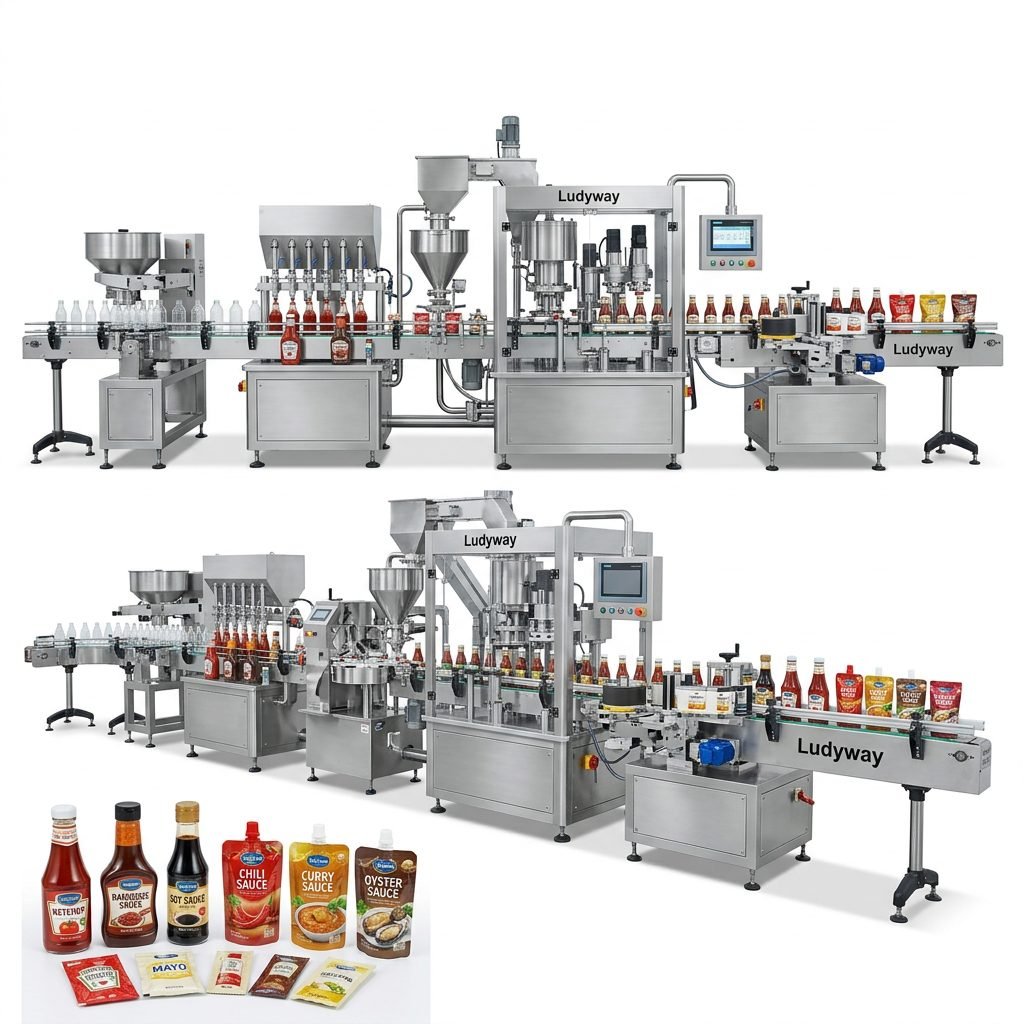
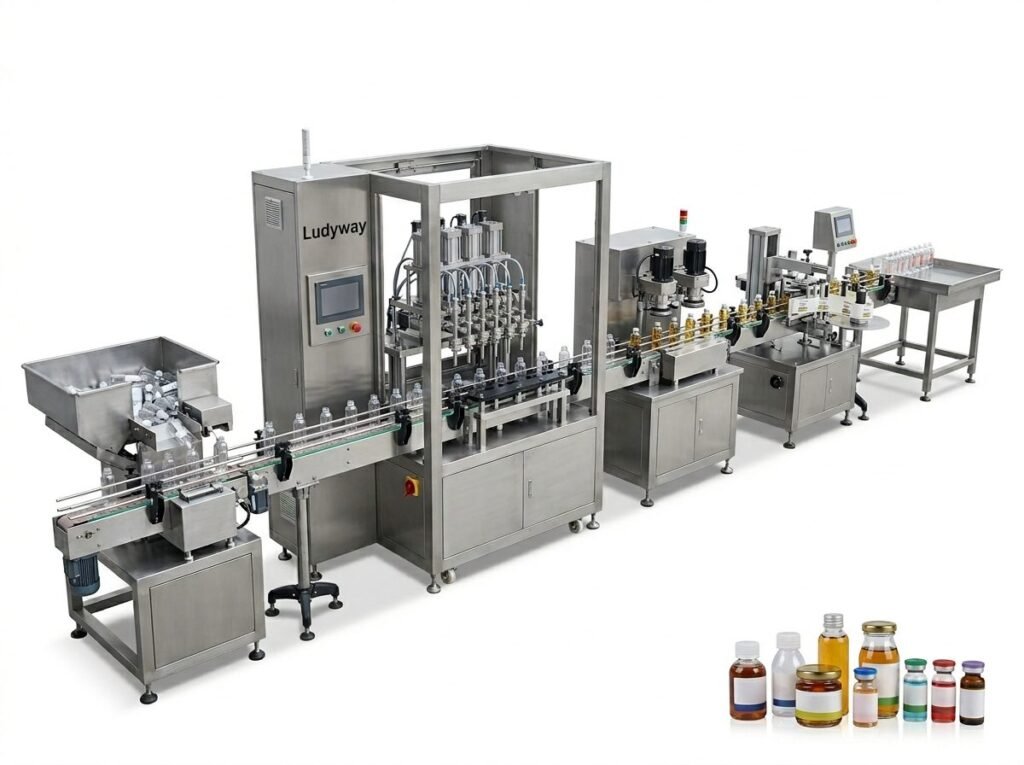
Packaging machinery plays a critical role in helping manufacturers improve output, protect product quality, reduce labor costs, and maintain consistent packaging standards across food, beverage, and industrial sectors. From sachets and stick packs to bottles, pouches, bulk bags, and complete turnkey lines, modern automation allows businesses to scale with greater speed and accuracy.
Whether you produce seasoning powder, liquid coffee, milk powder, detergents, pet food, or industrial chemicals, choosing the right packaging solution means balancing product characteristics, required output, packaging format, hygiene level, and future expansion plans.
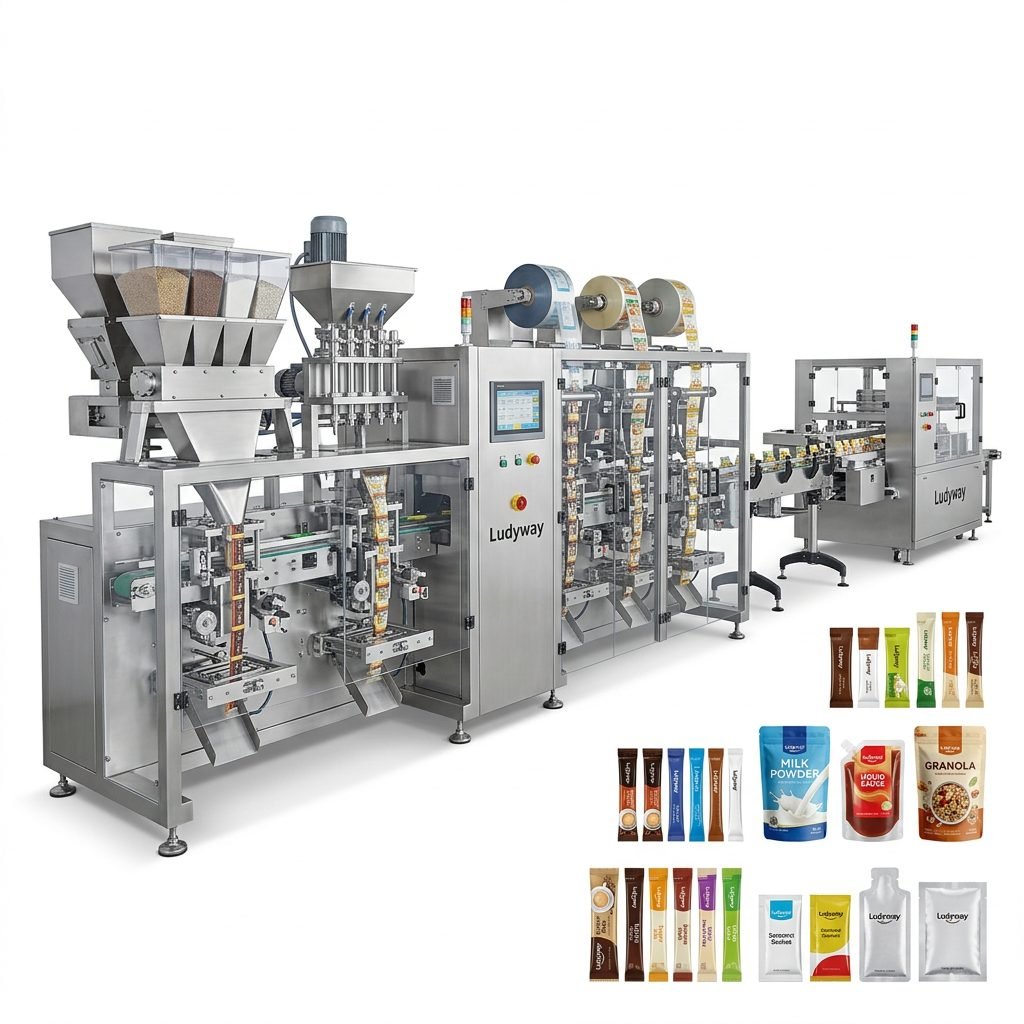
Why Packaging Machinery Matters Across Multiple Industries
Packaging is no longer just the final step of production. It is now a strategic part of manufacturing efficiency. Advanced machinery helps companies:
- Improve filling accuracy and reduce product giveaway
- Increase line speed for high-volume production
- Enhance sealing quality and shelf-life protection
- Lower manual handling and labor dependency
- Support traceability, coding, labeling, and inspection
- Adapt to different bag, pouch, sachet, or bottle formats
- Build scalable systems from standalone machines to full lines
For food and beverage manufacturers, reliable packaging equipment supports freshness, hygiene, and consumer convenience. For industrial applications, it ensures safe containment, clean handling, and efficient logistics. For fast-growing brands, automation creates a more stable path toward expansion.
Core Packaging Solutions for Food Products
Food products require packaging systems that match material flow, dosing precision, and hygiene requirements. Different machine types are commonly selected based on product form.
Granule Packaging
Granular food products such as sugar, salt, seeds, cereal, nuts, snacks, beans, pet treats, and seasoning mixes often benefit from weighing and filling systems with strong repeatability. These systems can be paired with sachet, stick pack, pouch, or larger bag packaging equipment.
Powder Packaging
Powders such as milk powder, coffee powder, protein powder, cocoa, flour, starch, spices, and nutritional supplements require precise dosing and dust control. Screw filling, auger systems, and enclosed transfer solutions are often used to maintain clean production and stable output.
Liquid and Paste Packaging
Products like sauces, oils, yogurt, beverages, shampoo-style liquids, syrups, and condiments usually require specialized filling heads and sealing systems. The right configuration helps maintain fill consistency while avoiding leakage, stringing, or contamination.
Flexible Packaging Formats
Many food producers now favor convenient and retail-ready packaging formats, including:
- Stick packs for drink powders, sugar, coffee, and supplements
- Sachets for sauces, condiments, seasonings, and sample packs
- Pouches for snacks, frozen food, pet food, and powders
- Bottles and jars for liquids and premium packaged goods
- Bulk bags for grains, feed, ingredients, and industrial food materials
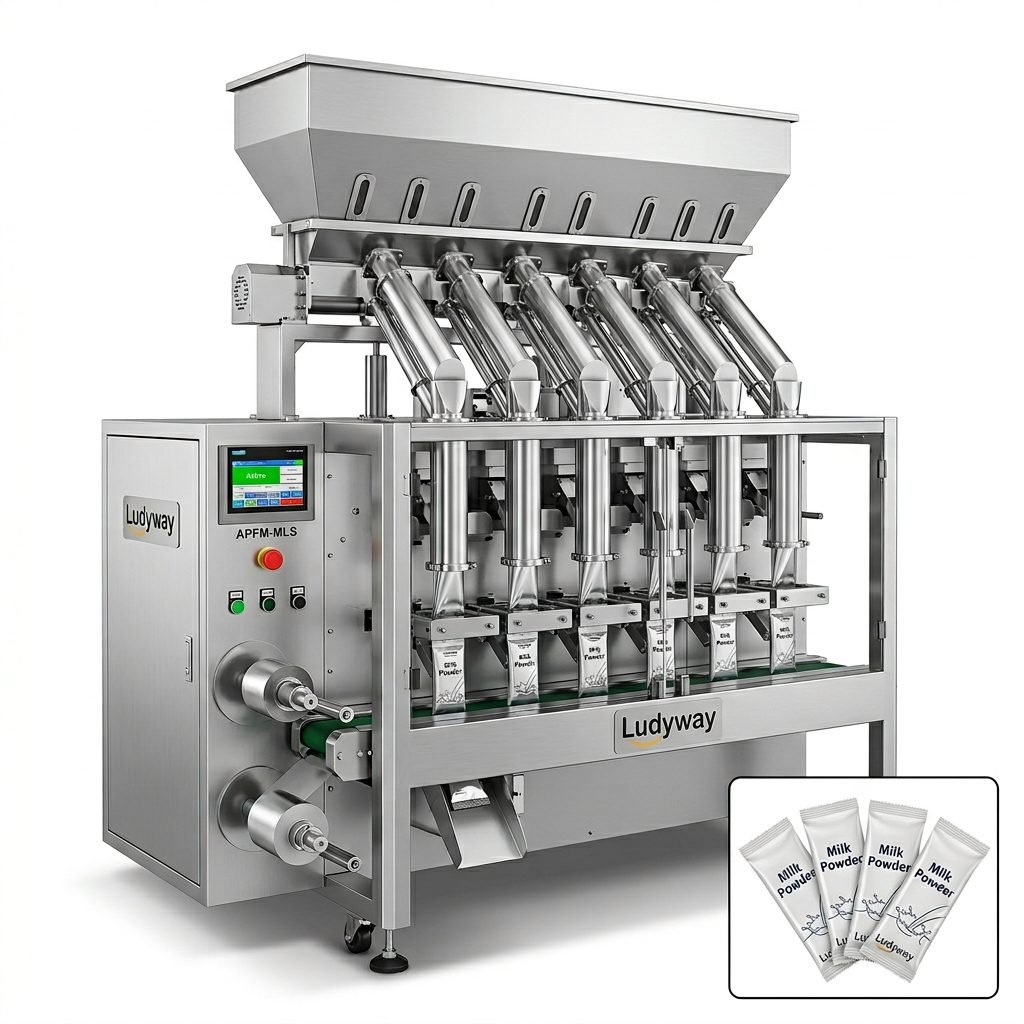
Packaging Machinery for Beverage Applications
Beverage packaging needs vary widely depending on whether the product is liquid, powdered, concentrated, or ready-to-mix. Modern beverage lines must support not only speed, but also sealing integrity, sanitation, and consumer-friendly pack design.
Powdered Beverage Packaging
Instant coffee, milk tea, electrolyte powders, protein blends, meal replacement products, and functional drink mixes are often packed in stick packs or sachets. Multi-lane systems are especially useful when brands need high output with small single-serve pack sizes.
Liquid Beverage Packaging
Liquid coffee, syrup, juice concentrate, and nutritional liquids may be packed into sachets, pouches, bottles, or other sealed containers. The line configuration often includes filling, sealing, capping, coding, labeling, and end-of-line handling.
Key Priorities in Beverage Packaging
- Accurate dosing for flavor consistency
- Reliable seals to prevent leakage
- Fast format changeover for product variety
- Easy cleaning and sanitary construction
- Integration with secondary packaging and palletizing
Industrial Packaging Machinery for Heavy-Duty Production
Industrial packaging solutions are designed for products that may be abrasive, dusty, corrosive, heavy, or highly flow-sensitive. These applications are common in chemicals, additives, detergents, fertilizers, lubricants, construction materials, and bulk solids.
Unlike consumer packaging alone, industrial packaging often requires more emphasis on durability, safety, containment, and material handling efficiency. This may involve conveyors, feeders, big-bag fillers, palletizers, checkweighers, and coding systems integrated into one continuous process.
Common Industrial Packaging Applications
- Powders such as detergents, additives, minerals, and chemicals
- Granules including resins, fertilizers, salts, and industrial ingredients
- Liquids such as lubricants, cleaners, solvents, and automotive chemicals
- Large-volume bagging for 10kg, 20kg, 25kg, and 50kg products
- Palletizing and warehousing support for downstream logistics
Standalone Machines vs. Turnkey Packaging Lines
Companies often choose between purchasing individual machines or investing in a fully integrated packaging line. The right decision depends on current production capacity, automation goals, plant layout, and long-term business strategy.
| Option | Best For | Advantages |
|---|---|---|
| Standalone Packaging Machine | Smaller capacity needs, pilot projects, line upgrades | Lower initial investment, simpler installation, targeted automation |
| Semi-Integrated Line | Growing factories requiring better workflow | Improved coordination between feeding, filling, sealing, and coding |
| Turnkey Packaging Line | Large-scale production and export-oriented manufacturers | Higher automation, better line balance, reduced labor, easier expansion |
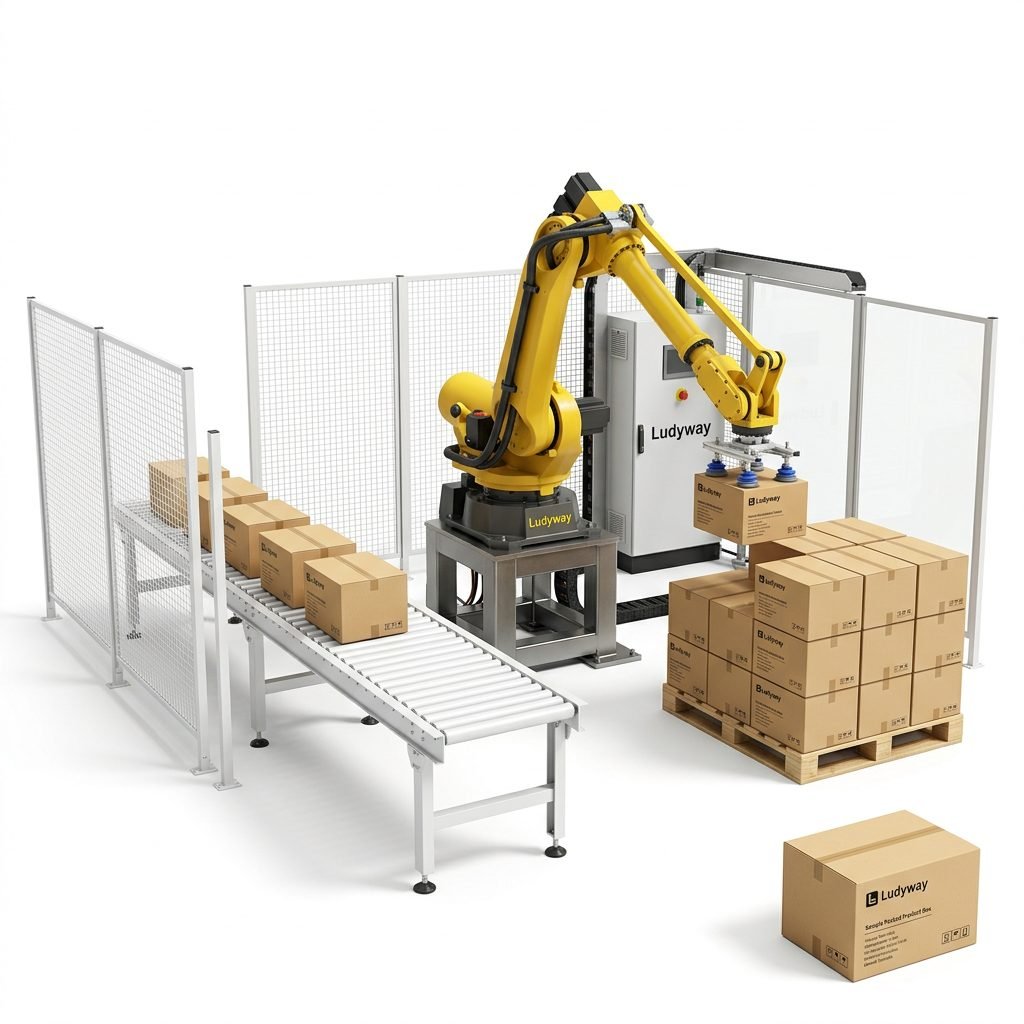
A turnkey solution can include product feeding, dosing, bag forming, filling, sealing, coding, inspection, cartoning, case packing, palletizing, and conveyor transport. This is often the preferred approach for factories targeting efficiency at scale.
How to Choose the Right Packaging Machine
Before selecting equipment, manufacturers should define both technical and commercial requirements. A machine that performs well for one product may not suit another if flow behavior, bag style, or speed requirements differ.
Important Selection Factors
- Product type: granule, powder, liquid, paste, tablet, or mixed material
- Packaging format: sachet, stick pack, pillow bag, premade pouch, bottle, jar, or bulk sack
- Output target: packs per minute, daily throughput, and growth plans
- Accuracy requirements: especially important for premium or regulated products
- Material compatibility: viscosity, moisture, dustiness, and corrosiveness
- Factory space: installation area, operator access, and line layout
- Compliance needs: hygiene, food safety, pharmaceutical cleanliness, or industrial safety standards
- Service support: training, spare parts, remote assistance, and customization capability
Benefits of Multi-Lane and High-Speed Packaging Systems
Multi-lane machinery has become especially popular for single-dose and small-format products. It allows several packs to be formed, filled, and sealed simultaneously, making it an efficient option for high-demand categories such as drink powders, seasonings, supplements, coffee, sauces, cosmetics, and healthcare products.
Main advantages include:
- Higher production speed in a compact footprint
- Better consistency across pack sizes
- Lower labor per finished unit
- Improved competitiveness for export and retail supply
- Strong suitability for fast-moving consumer goods
Automation Components That Improve Line Performance
Modern packaging projects often include more than the main filling or sealing machine. Auxiliary equipment can significantly improve total line performance and product quality.
| Equipment | Function | Typical Industries |
|---|---|---|
| Conveyors / Feeders | Move product automatically to filling points | Food, feed, chemical, pharma |
| Checkweighers | Verify pack weight and reject out-of-spec items | Food, beverage, pharma |
| Metal Detectors / Inspection Systems | Support quality control and safety standards | Food, pharmaceutical |
| Coding / Labeling Machines | Apply date, batch, barcode, and product identification | All sectors |
| Cartoning / Case Packing | Prepare retail or logistics-ready secondary packaging | Food, healthcare, personal care |
| Palletizing Systems | Automate final stacking and warehouse handling | Industrial, bulk food, chemicals |
Industries That Benefit Most from Flexible Packaging Solutions
Although food and beverage remain the most visible sectors, packaging automation is equally valuable for many specialized markets. Flexible, configurable machinery can support:
- Food ingredients and ready-to-eat products
- Beverage powders and liquid concentrates
- Nutritional supplements and health products
- Pharmaceutical powders, granules, and liquids
- Cosmetics and personal care products
- Chemical and cleaning products
- Pet food, animal feed, and veterinary items
- Bulk industrial materials
This flexibility is especially valuable for manufacturers launching new SKUs, entering export markets, or serving private-label customers.
What to Expect from an Experienced Packaging Machinery Partner
When evaluating machinery suppliers, buyers should look beyond the machine itself. A strong partner can help with application analysis, custom engineering, layout planning, machine testing, installation support, and after-sales service.
For businesses seeking scalable automation, Ludyway packaging machinery solutions offer a broad range of standalone equipment and turnkey packaging lines for food, pharmaceutical, health supplement, chemical, cosmetic, and related industries. With more than 30 years of manufacturing experience, a factory over 20,000 square meters, and service coverage in more than 100 countries and regions, the company is recognized as one of China’s leading packaging machine manufacturers.
A capable supplier should provide:
- Wide machine compatibility for granules, powders, liquids, and pastes
- Customization for pack size, speed, and plant workflow
- Stable production quality and structured inspection processes
- Technical support for installation, operation, and maintenance
- Long-term scalability from single equipment to complete lines
Future Trends in Packaging Machinery
The packaging industry continues to move toward higher automation, smarter controls, and more flexible production. Buyers increasingly expect systems that can adapt to product changes, improve data visibility, and reduce downtime.
Common trends include:
- Intelligent control systems for easier operation
- Remote diagnostics and faster technical support
- Modular machine design for future expansion
- Greater integration of inspection and traceability tools
- Energy-efficient designs and cleaner production concepts
As product variety grows and competition intensifies, manufacturers that invest in reliable, application-focused packaging machinery are better positioned to improve consistency, meet delivery schedules, and support long-term business growth.
Conclusion
The best packaging machinery solution is one that fits both your current product requirements and your future production goals. From food powders and beverage sachets to industrial chemicals and bulk materials, the right equipment can transform packaging from a bottleneck into a competitive advantage.
By combining the correct filling technology, suitable package format, and well-integrated automation, manufacturers can achieve higher productivity, stronger quality control, and more efficient operations across food, beverage, and industrial packaging environments.