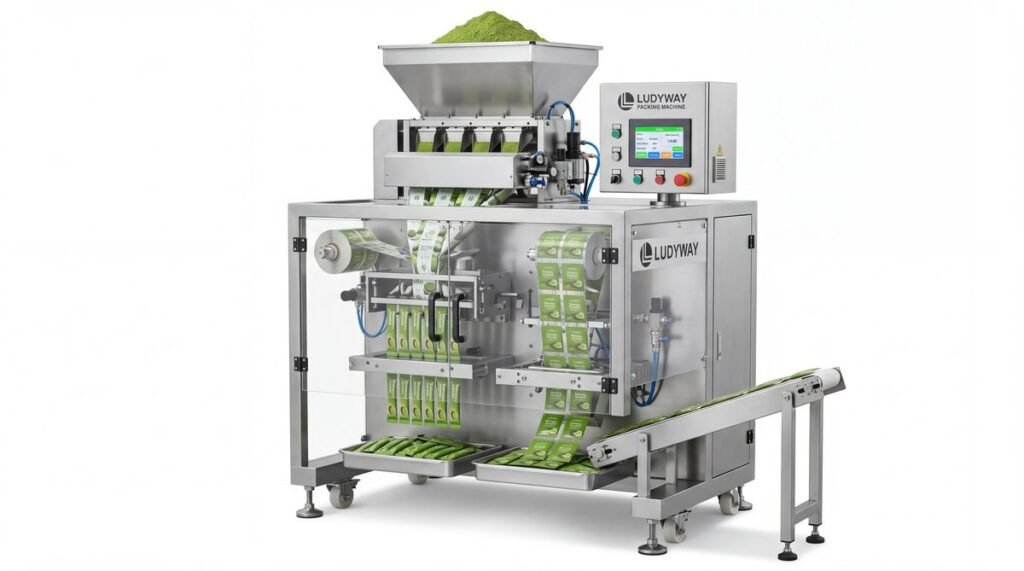
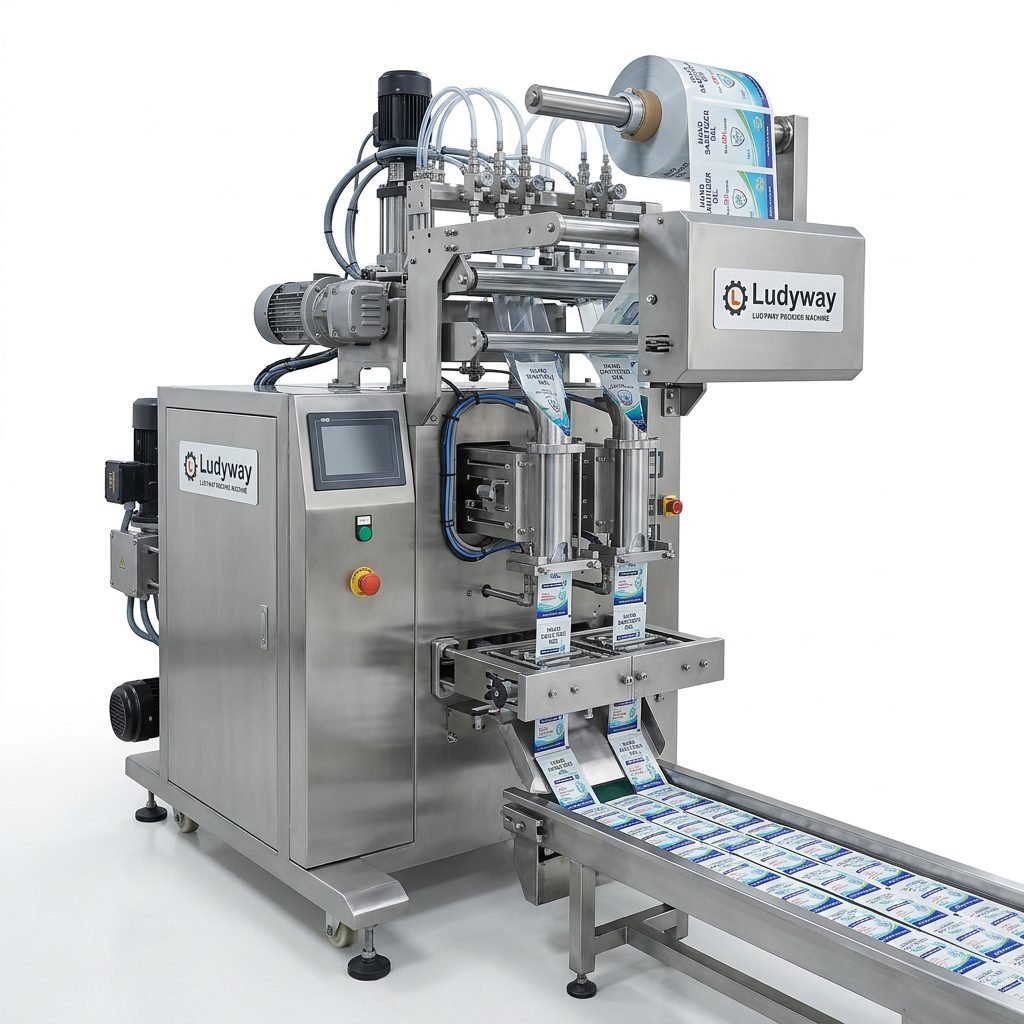
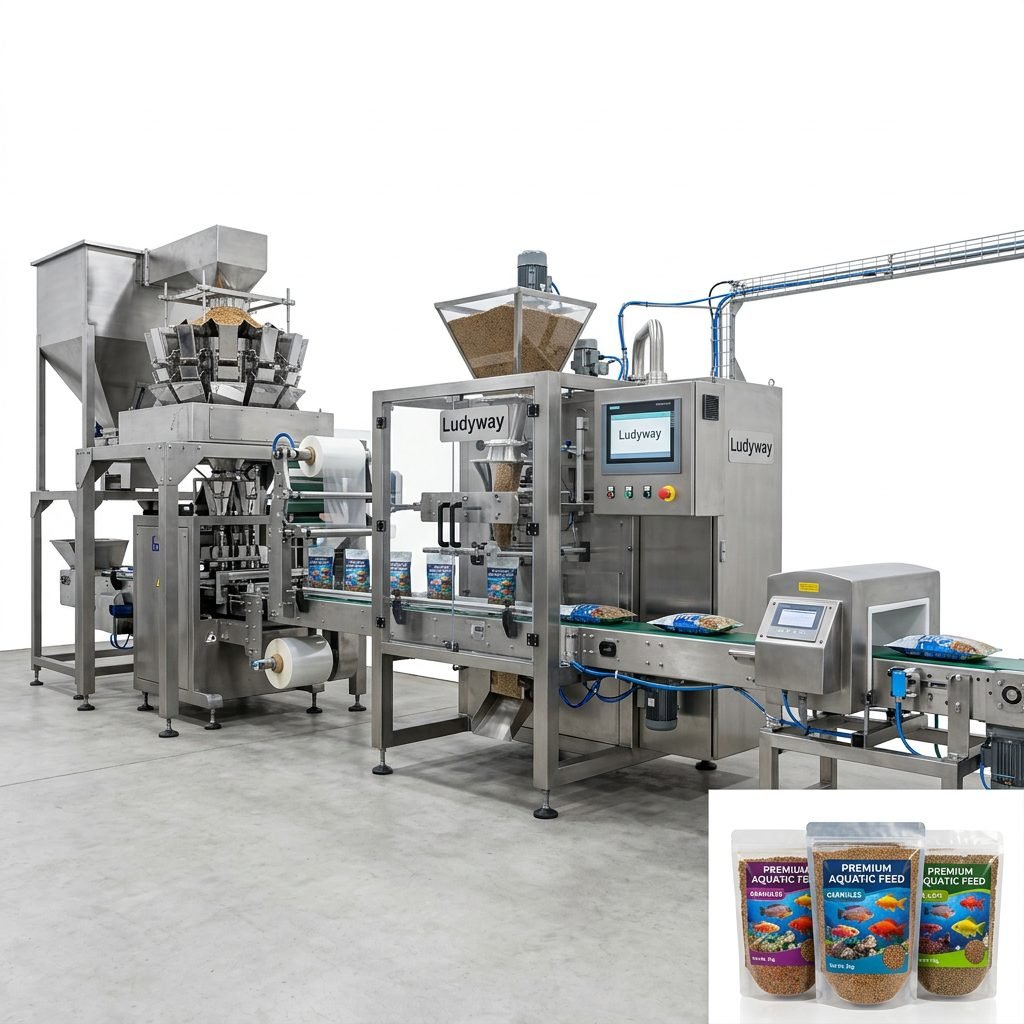
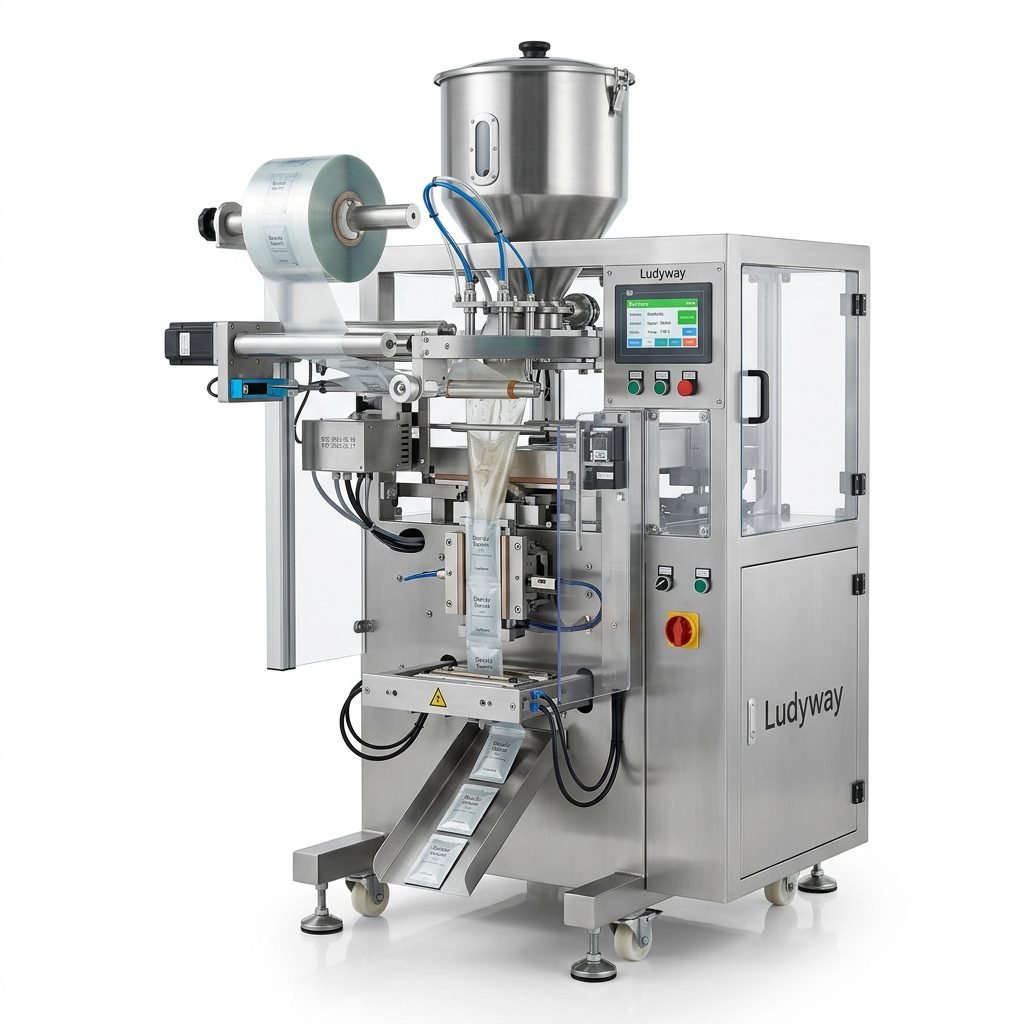
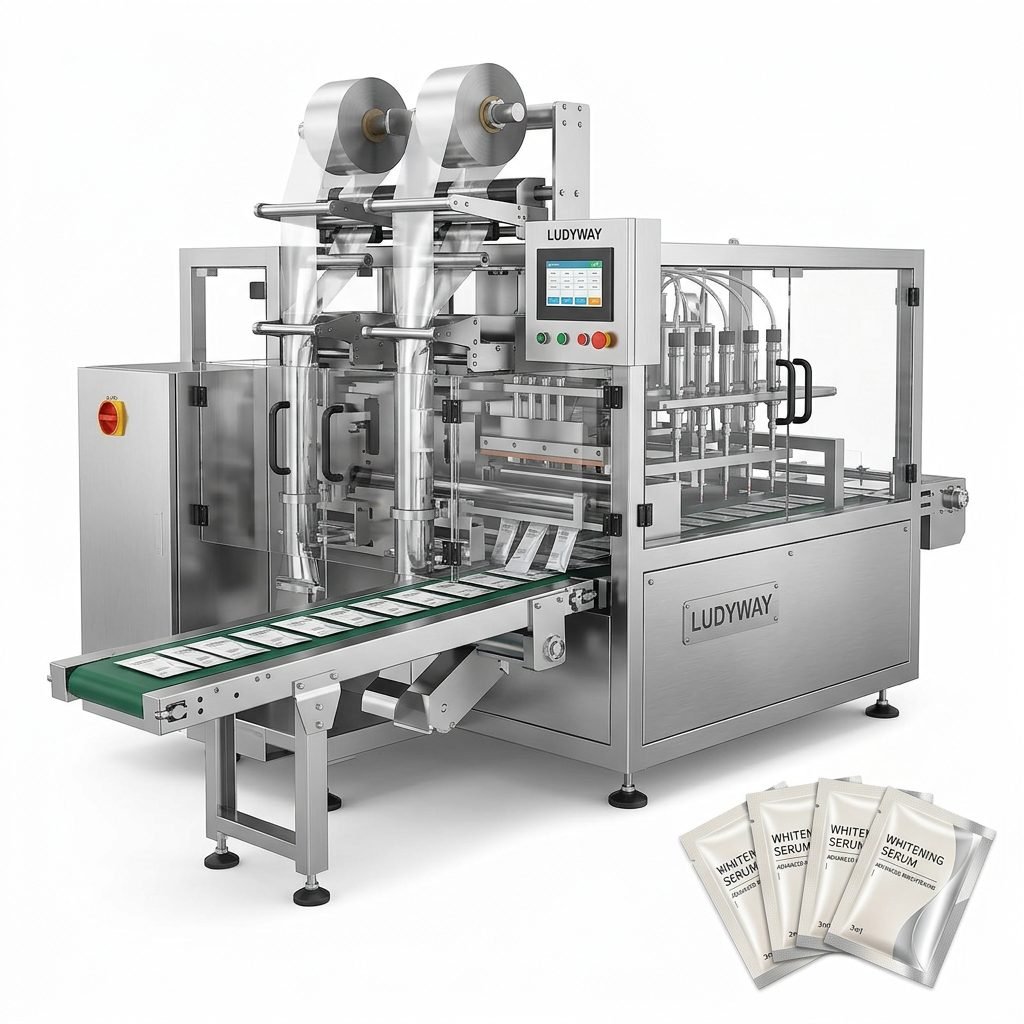
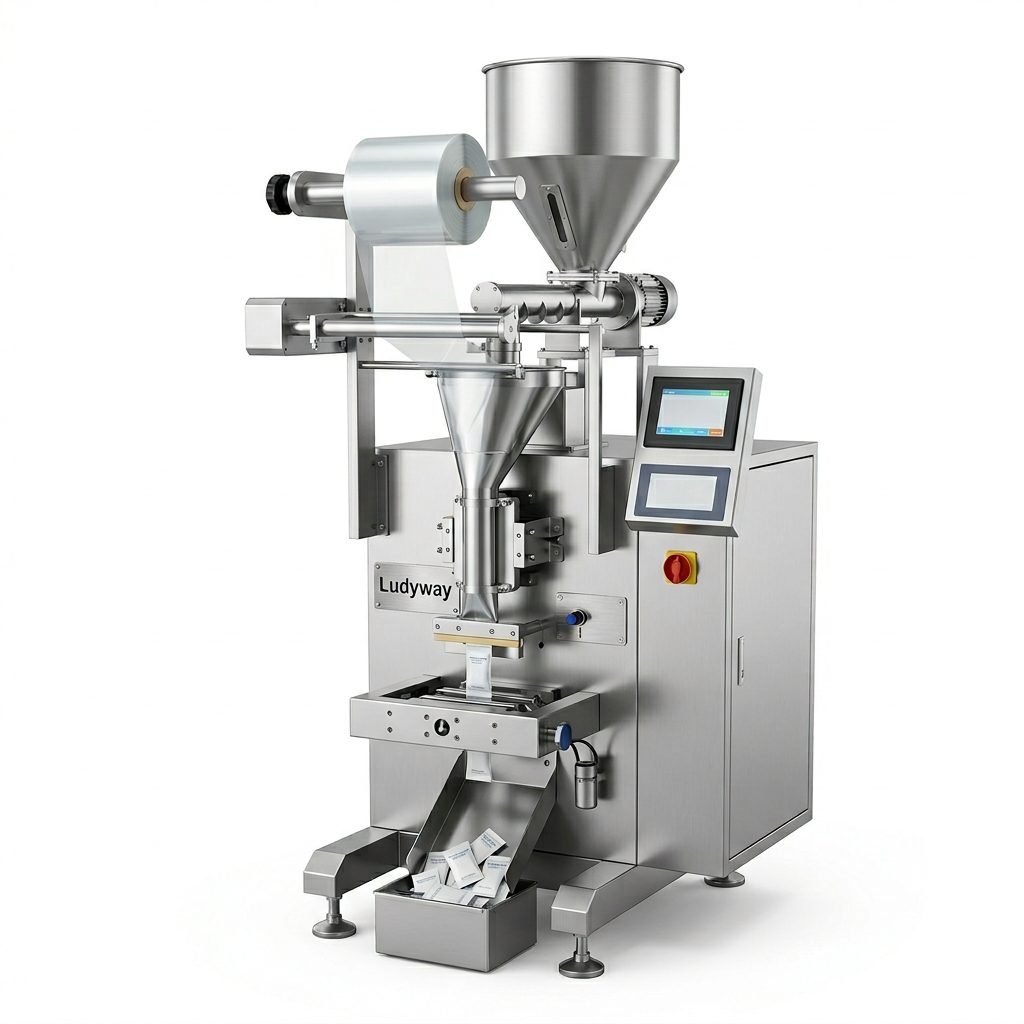
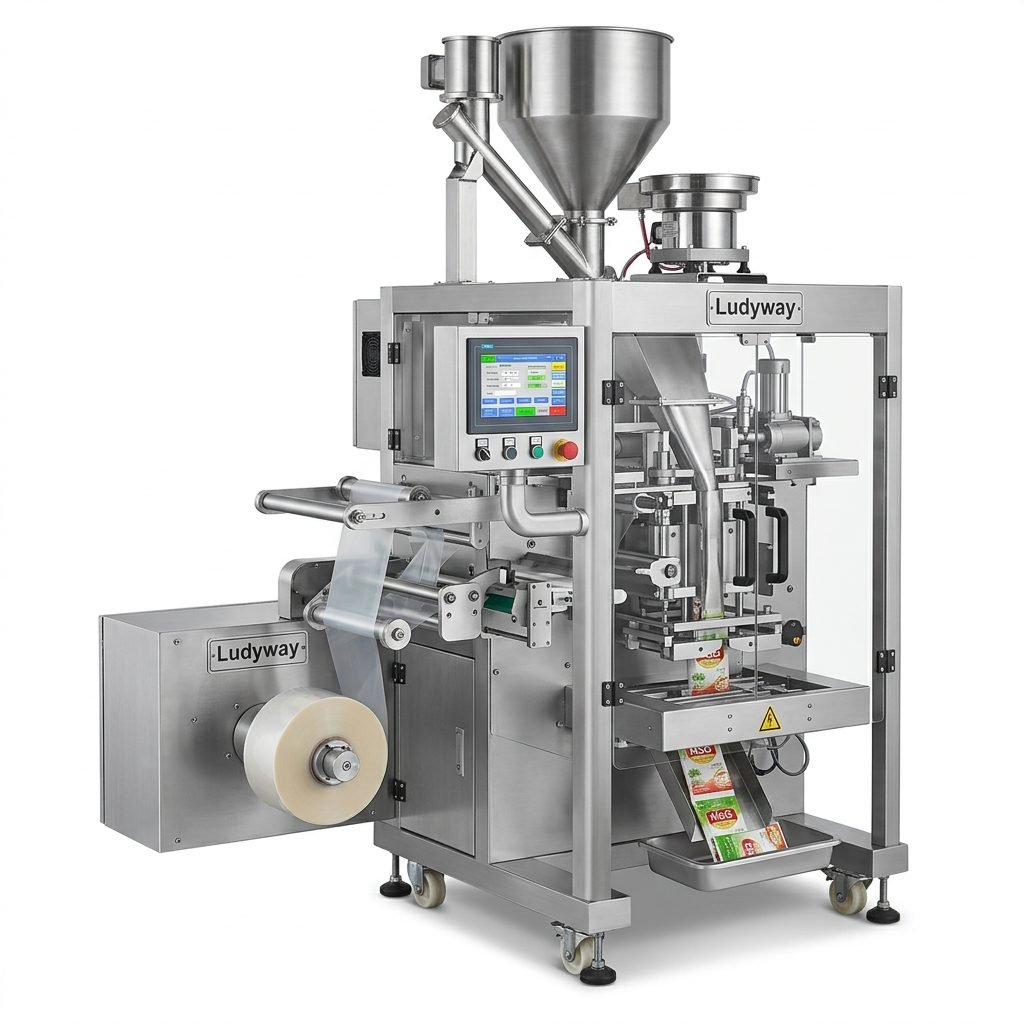
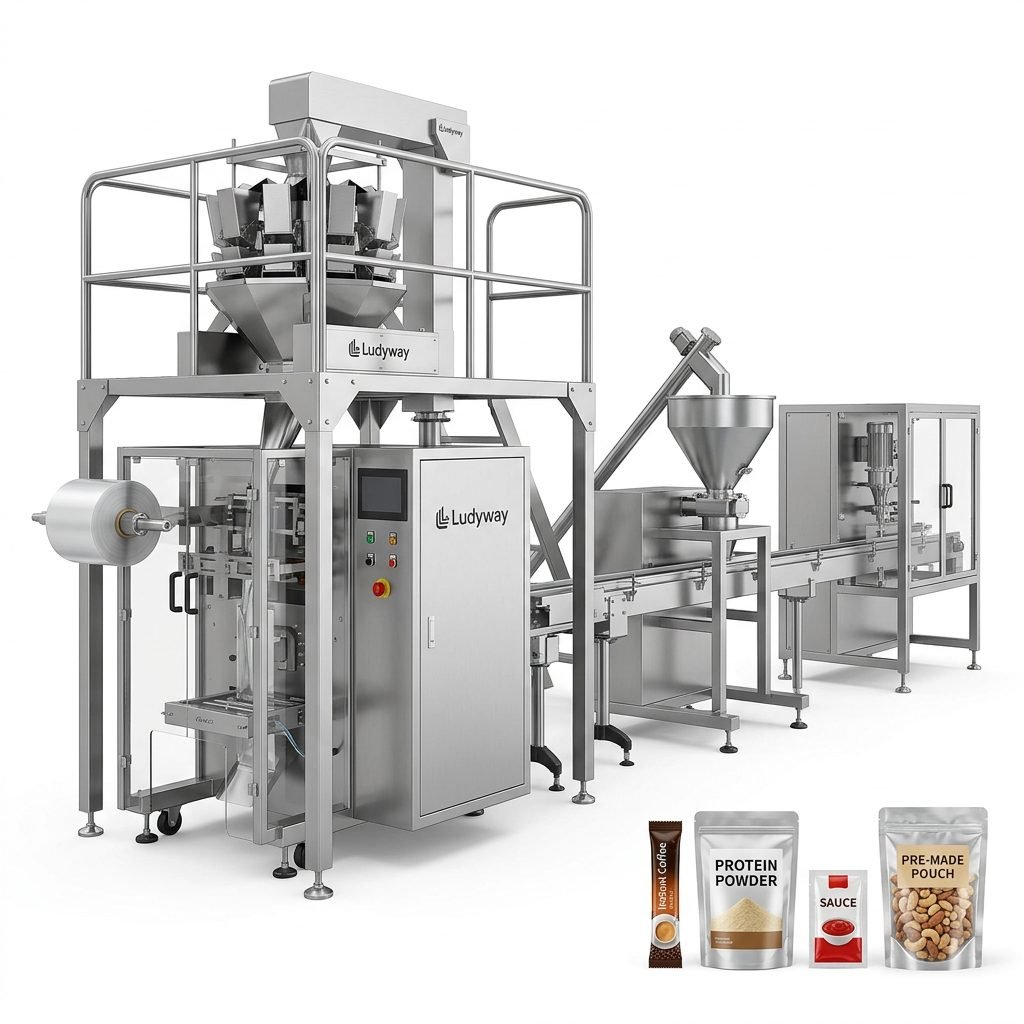
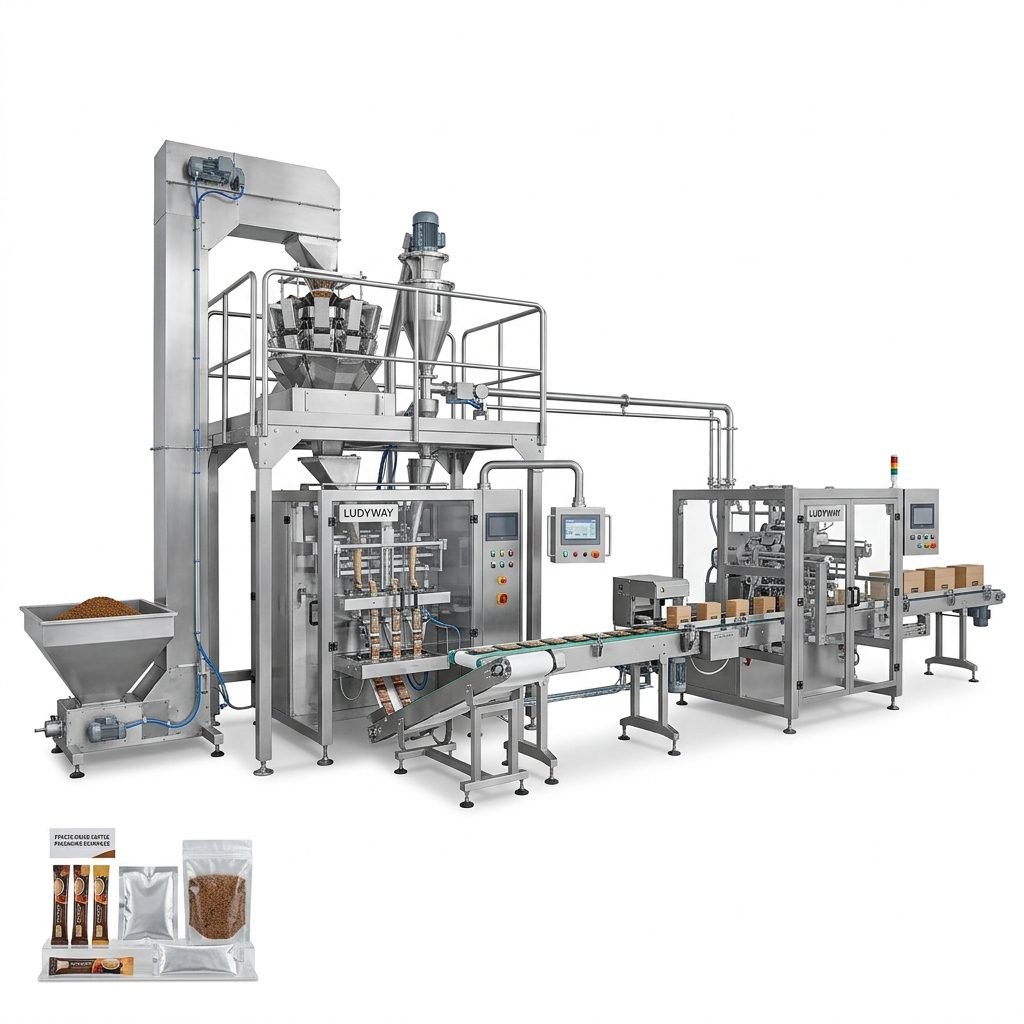
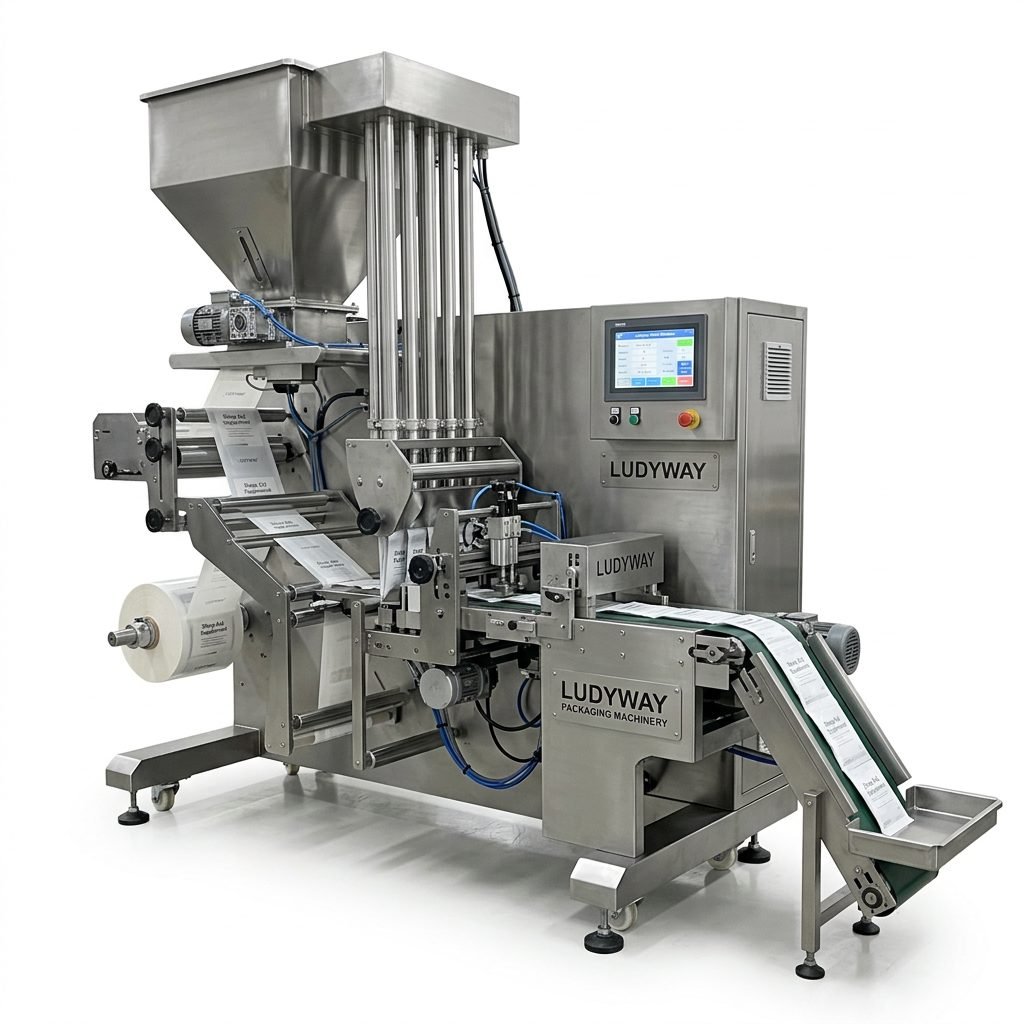
Shrink wrap packaging machines are essential tools in modern manufacturing and distribution, providing a secure, tamper-evident, and visually appealing seal for a wide variety of products. From food and beverages to pharmaceuticals and consumer goods, these machines enhance product protection, extend shelf life, and improve brand presentation. This guide delves into the different types of shrink wrap machines, their primary uses, and key factors to consider before making a purchase, helping you select the ideal equipment for your operational needs.
Understanding Shrink Wrap Packaging Technology
The core principle behind shrink wrapping involves placing a product inside a loose plastic film and then applying heat. This heat causes the film to contract tightly around the product’s contours, creating a snug, protective barrier. The process typically involves three main stages: product feeding, film sealing, and heat shrinking. The result is a package that is not only durable and resistant to dust and moisture but also offers excellent clarity for product visibility.
Key Advantage: Shrink wrapping is highly versatile and can accommodate products of irregular shapes and sizes that might be challenging for other packaging methods, providing a uniform and professional finish every time.
Primary Types of Shrink Wrap Packaging Machines
The market offers several types of shrink wrap machines, each designed for specific production volumes, product types, and automation levels. Understanding these categories is the first step in identifying the right machine for your business.
L-Sealers (or Side Sealers)
L-Sealers are among the most common entry-level machines. The product is placed inside a bag made from a roll of film, and the machine creates an “L”-shaped seal on the back and bottom of the package. The sealed product is then conveyed through a heat tunnel for shrinking. These are ideal for low to medium-volume production and are prized for their simplicity and cost-effectiveness.
Sleeve Wrappers
This type of machine creates a sleeve of film around the product. The product is fed into a loose tube of film, which is then sealed along its length and cut. The sleeved product then passes through a heat tunnel. Sleeve wrappers are excellent for bundling multiple items together (like beverage cans or software boxes) and provide a high level of efficiency for consistent, uniform products.
Shrink Tunnels
While not sealing machines themselves, shrink tunnels are a critical component. They apply controlled heat (via hot air or infrared) to the loosely sealed package to activate the film’s shrink properties. Tunnels vary in size and heating method, and their selection depends on the film type, package size, and required line speed.
Fully Automatic High-Speed Systems
For large-scale operations, fully automatic systems integrate product feeding, film wrapping, sealing, and shrinking into one seamless, high-speed line. These systems minimize labor, maximize throughput, and ensure consistent packaging quality. They represent a significant investment but offer the best return for high-volume manufacturers.
→ Pro Tip: When evaluating machine types, always consider your future growth. Investing in a slightly more automated system than currently needed can save costly upgrades down the line.
Common Applications and Industry Uses
The versatility of shrink wrap makes it applicable across countless industries. Its ability to protect, unitize, and enhance products is invaluable in the following sectors:
Food & Beverage
Shrink wrap is ubiquitous in food packaging. It is used for trayed meats and cheeses, multipack beverages, canned goods, frozen food boxes, and snack food bundles. It provides a hygienic seal, locks in freshness, and prevents tampering.
Pharmaceuticals & Healthcare
In this highly regulated sector, shrink wrap ensures product integrity and sterility. It is used for bundling medicine bottles, sealing surgical kit boxes, and packaging medical devices, offering a clear tamper-evident seal that is crucial for safety.
Consumer Goods & Retail
From software and books to toys and hardware items, shrink wrap gives products a finished, shelf-ready appearance. It protects against handling damage and dust in warehouses and retail environments. For companies like Ludyway Machinery, which provides solutions for diverse industries, understanding these retail dynamics is key to machine design.
Logistics & Shipping
Shrink wrapping palletized loads stabilizes them for transport, protecting goods from moisture and shifting during transit. This application is critical in supply chain management for damage reduction.
Critical Factors for Buying the Right Machine
Selecting a shrink wrap machine is a strategic decision. Here are the essential criteria to guide your purchase:
1. Production Volume & Speed Requirements
Accurately assess your current and projected output. Low-volume operations may suffice with a manual L-sealer, while high-volume lines demand fully automatic sleeve wrappers or integrated systems. Machine speed (packages per minute) must align with your production goals.
2. Product Specifications
The machine must accommodate your product’s size (length, width, height), weight, and shape. Irregularly shaped items may require adjustable sealing heads or specific film types. Always test your product with the machine before finalizing a purchase.
3. Film Material Compatibility
Different films (Polyolefin, PVC, PET) have varying shrink ratios, clarity, and sealing temperatures. Ensure the machine you choose is compatible with the film that best suits your product’s needs and your branding (e.g., glossiness, printability).
4. Level of Automation
Decide between manual, semi-automatic, or fully automatic systems based on your labor availability, budget, and desired efficiency. Automation reduces human error and labor costs but increases the initial investment.
5. Reliability and After-Sales Support
The machine’s build quality and the supplier’s support network are paramount. Look for a provider with a strong reputation for durable equipment and comprehensive service. A partner with deep industry expertise, such as Ludyway Packaging Machinery, can offer valuable guidance and reliable turnkey solutions, ensuring minimal downtime and long-term operational success.
⚠️ Remember: The cheapest machine is often the most expensive in the long run. Factor in total cost of ownership, including maintenance, film waste, energy consumption, and potential production stoppages.
Frequently Asked Questions (FAQs)
What is the main difference between shrink wrap and stretch wrap?
Shrink wrap uses heat to contract plastic film tightly around a product or pallet. Stretch wrap is elastic and is mechanically stretched and wrapped around items without heat, primarily used for pallet unitization. Shrink wrap provides a tighter, tamper-evident seal suitable for individual retail packages.
Can one machine handle vastly different product sizes?
Many modern machines offer quick-change features and adjustable components to handle a range of sizes. However, there are practical limits. If your product portfolio is highly diverse, you may need a versatile machine with wide adjustment ranges or potentially multiple specialized machines for optimal efficiency.
How do I choose the right shrink film for my product?
Film selection depends on your product’s needs: Polyolefin (POF) is popular for its clarity, strength, and eco-friendliness; PVC is cost-effective with good clarity; PET offers high rigidity and gloss. Consult with your machine supplier and film vendor, considering factors like shrink percentage, seal strength, and food contact compliance.
What regular maintenance does a shrink wrap machine require?
Regular maintenance includes cleaning sealing wires and bars to ensure consistent seals, checking and replacing worn teflon covers, lubricating moving parts as per the manual, and inspecting heating elements in the tunnel. A proactive maintenance schedule is crucial for preventing unplanned downtime.
Is shrink wrapping an environmentally friendly packaging option?
The sustainability depends on the film material. Traditional PVC is less recyclable. However, newer polyolefin-based films are fully recyclable (where facilities exist) and produce less harmful fumes when heated. Many manufacturers are moving towards thinner-gauged, recyclable films to reduce plastic use without compromising protection.