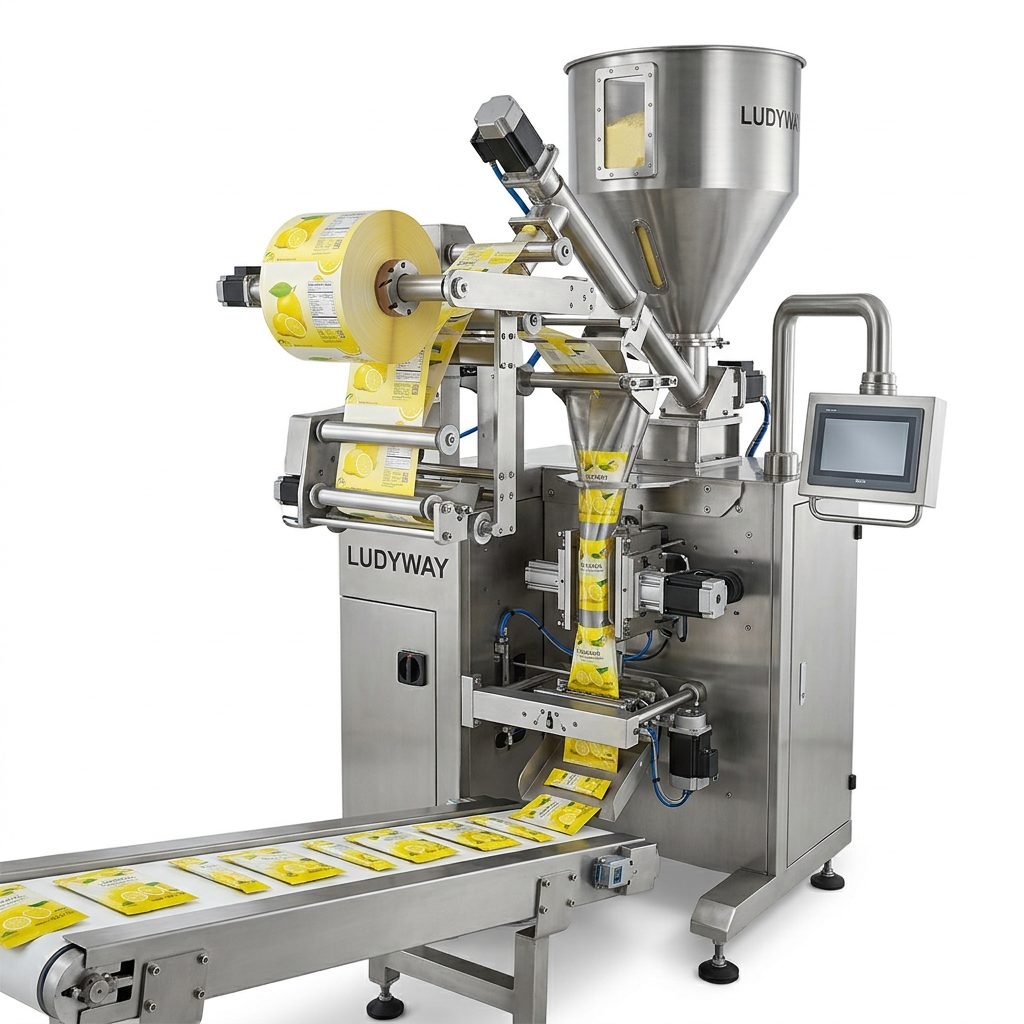
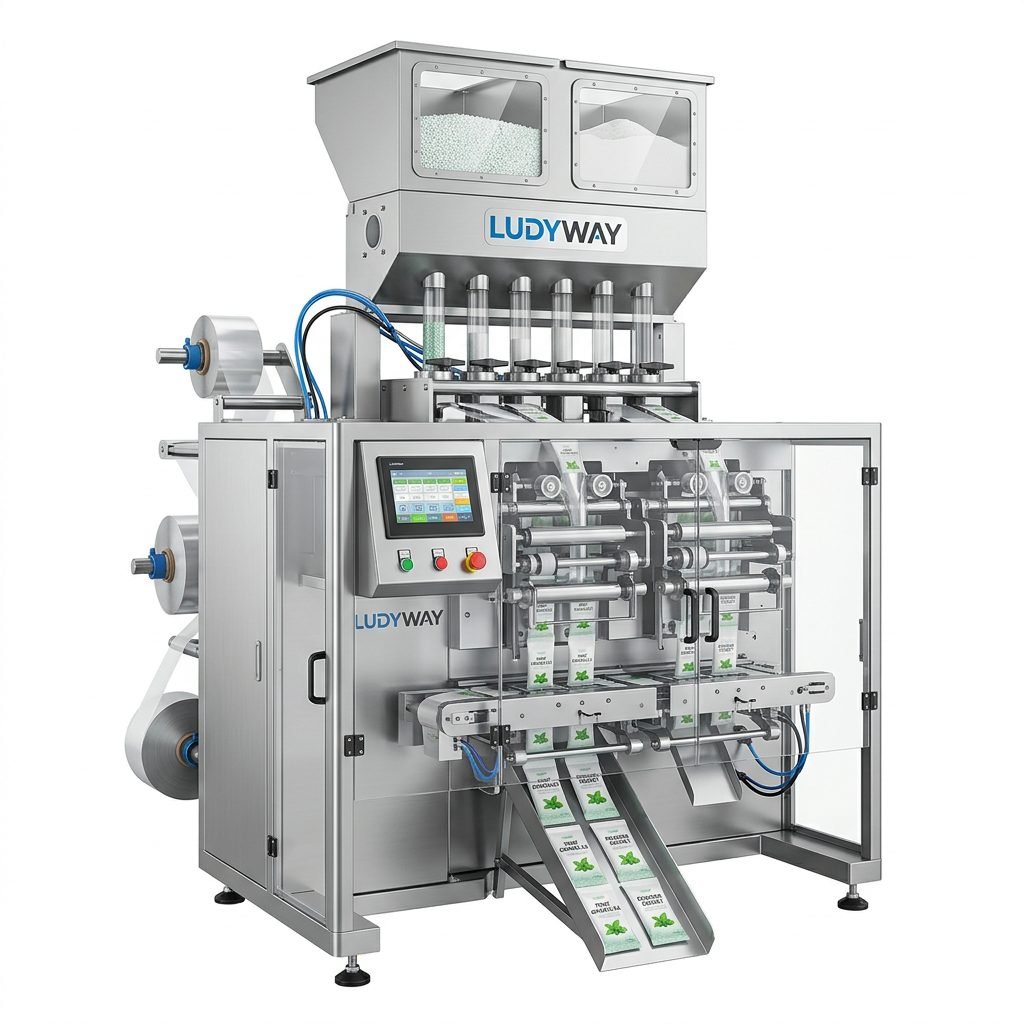
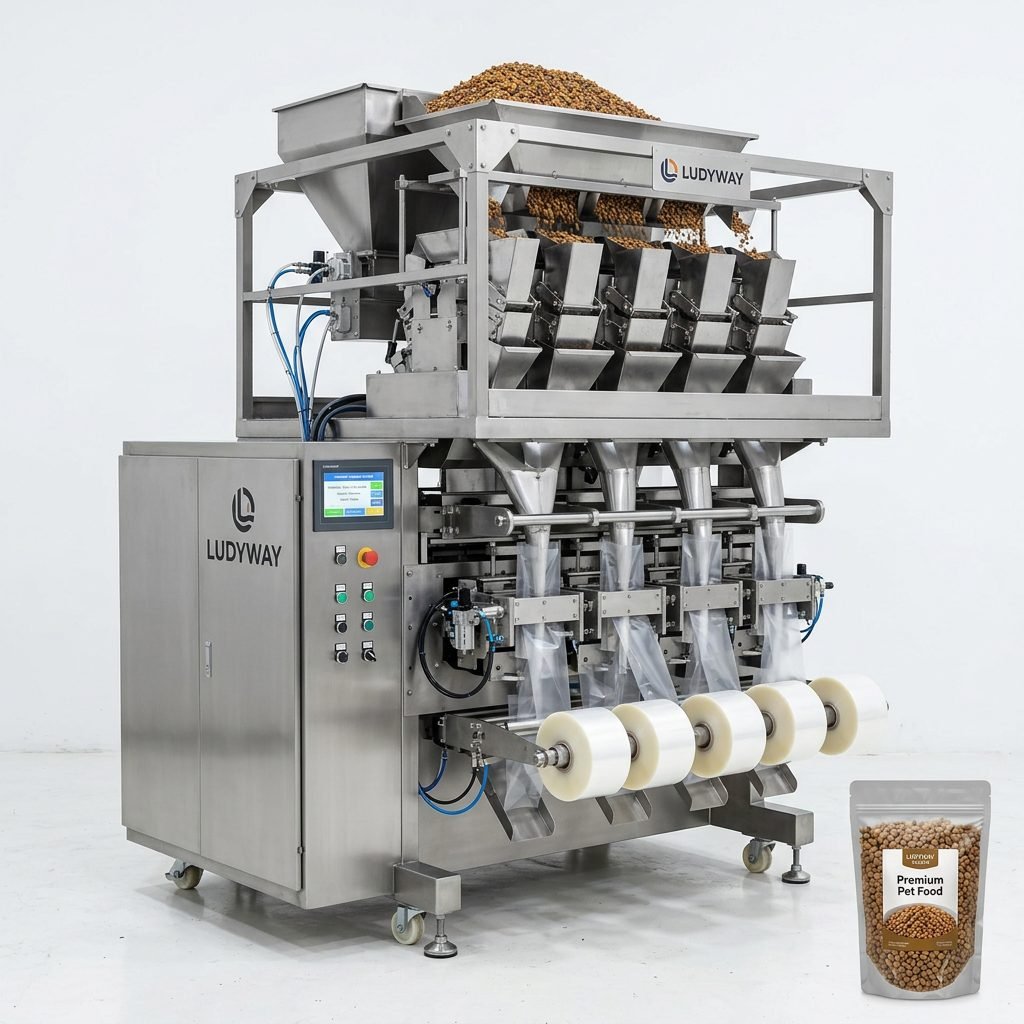
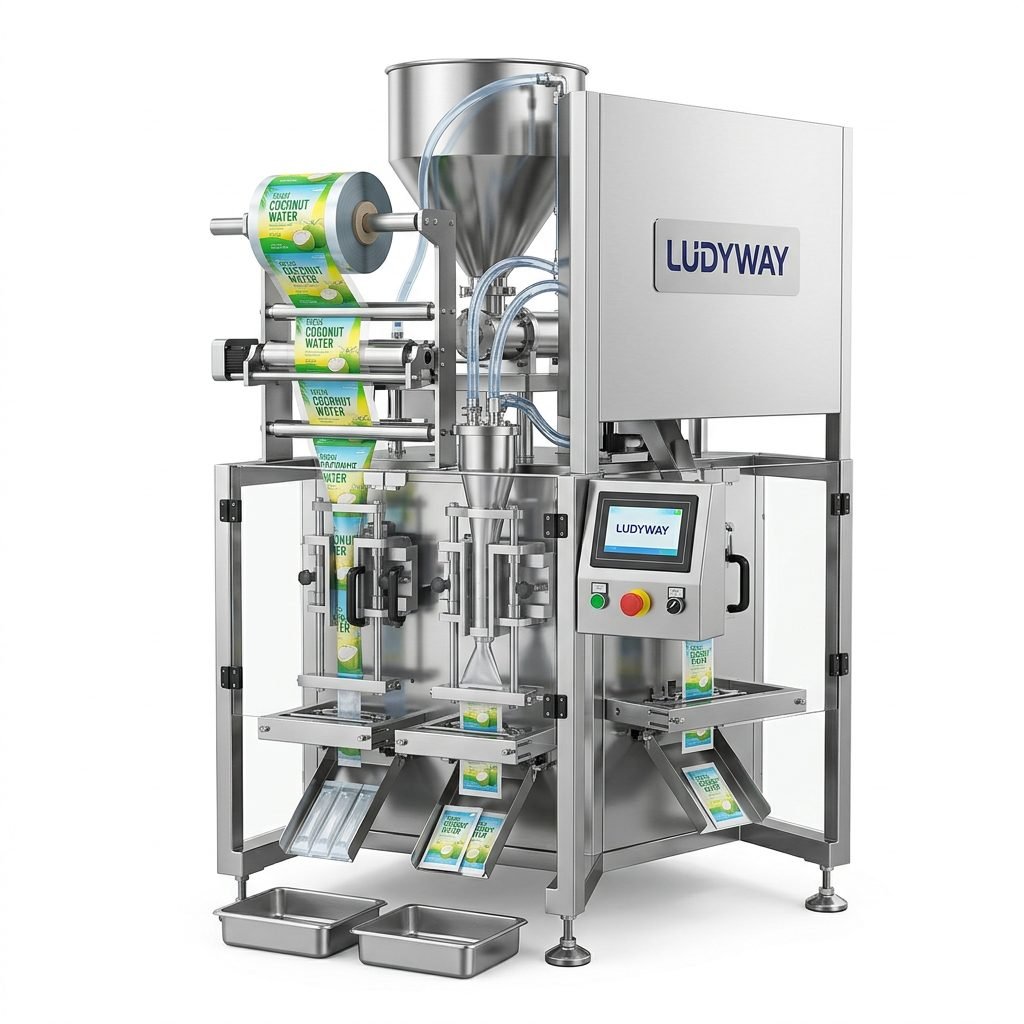
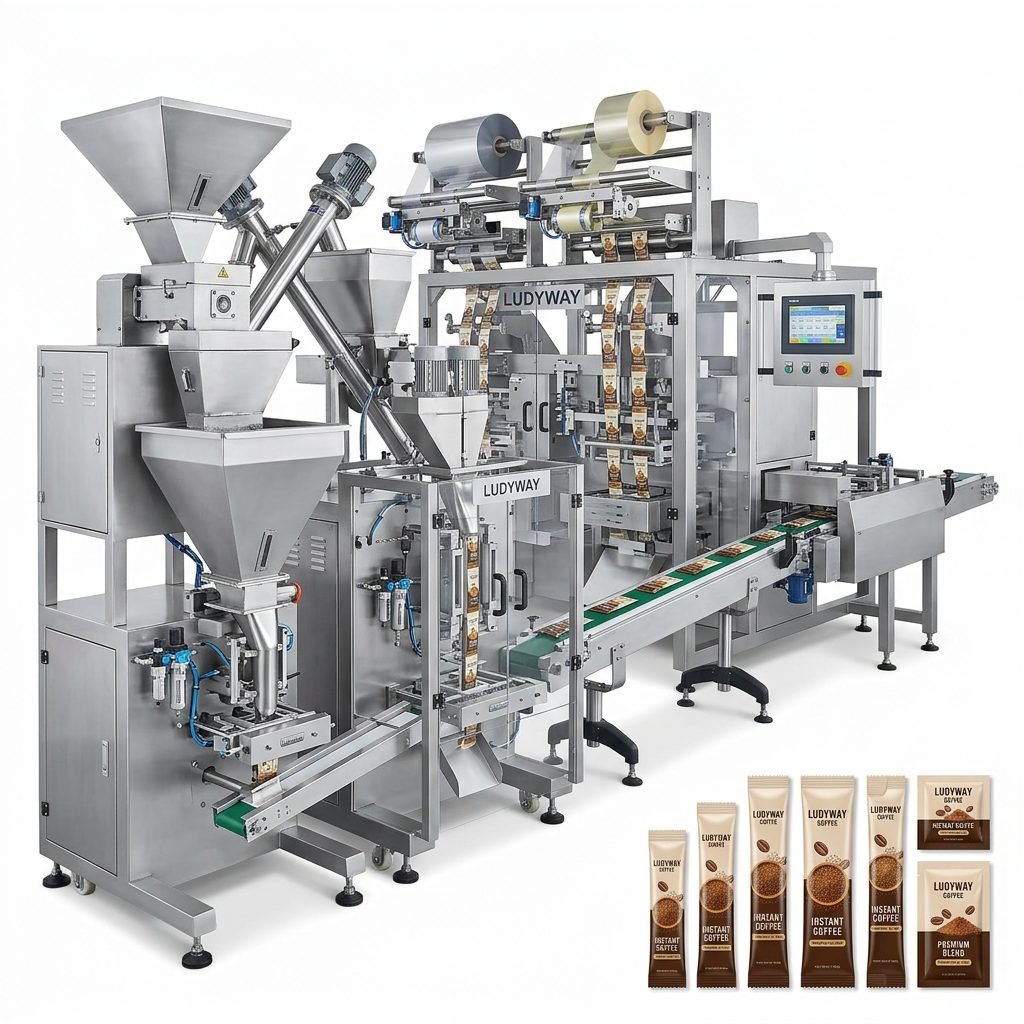
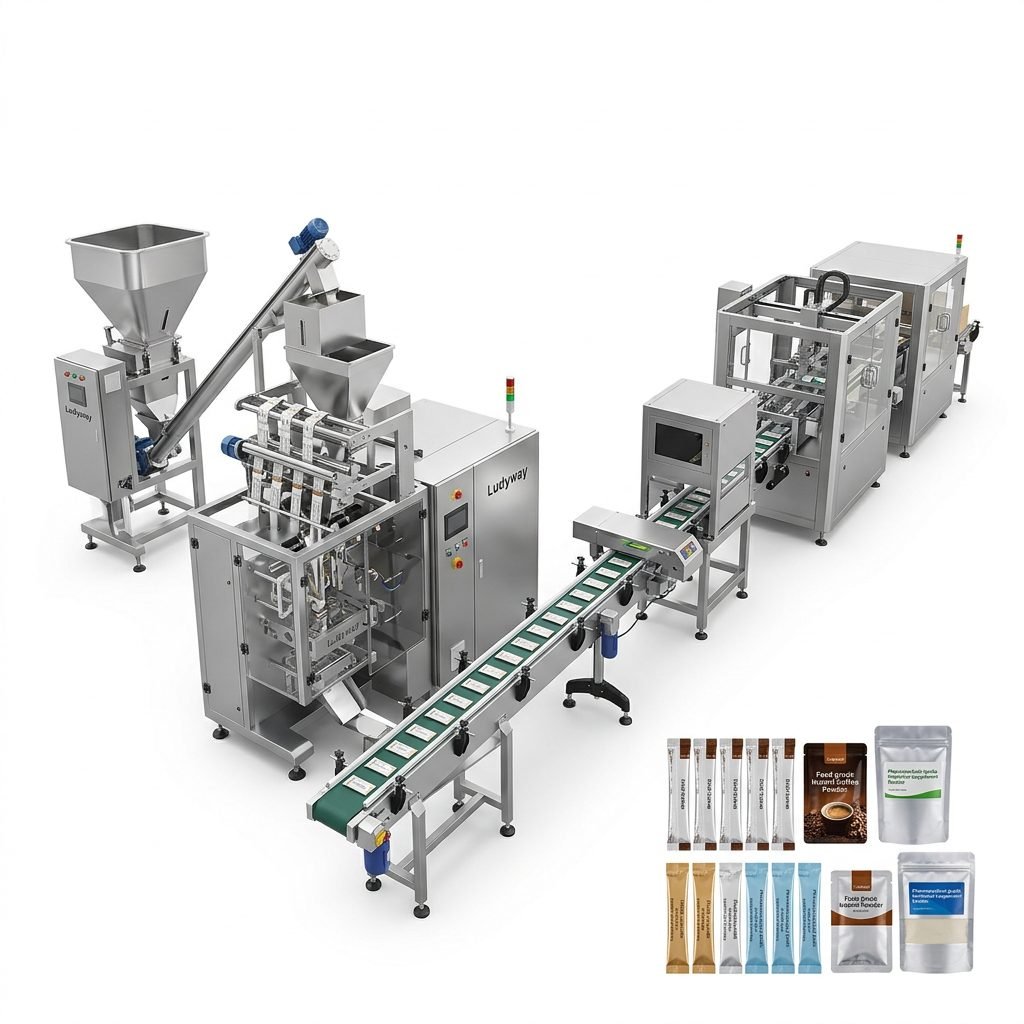
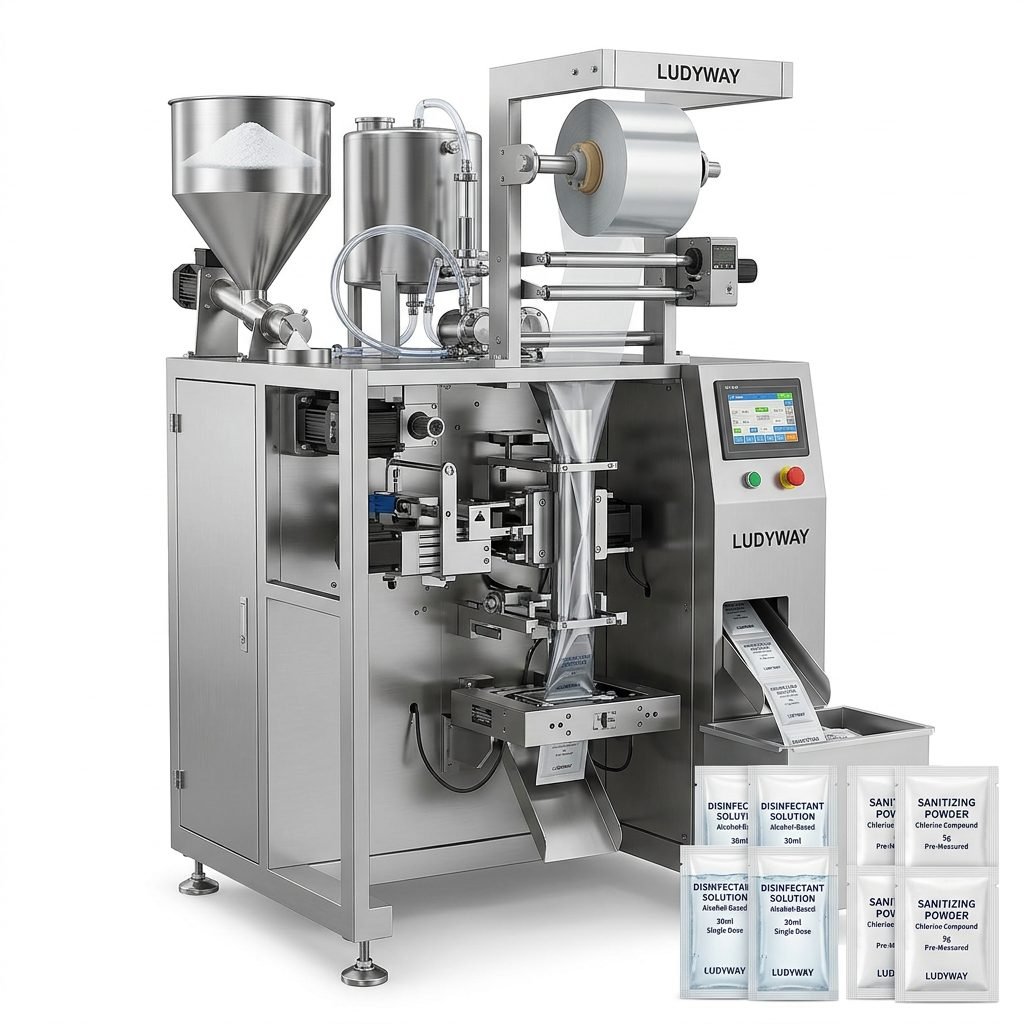
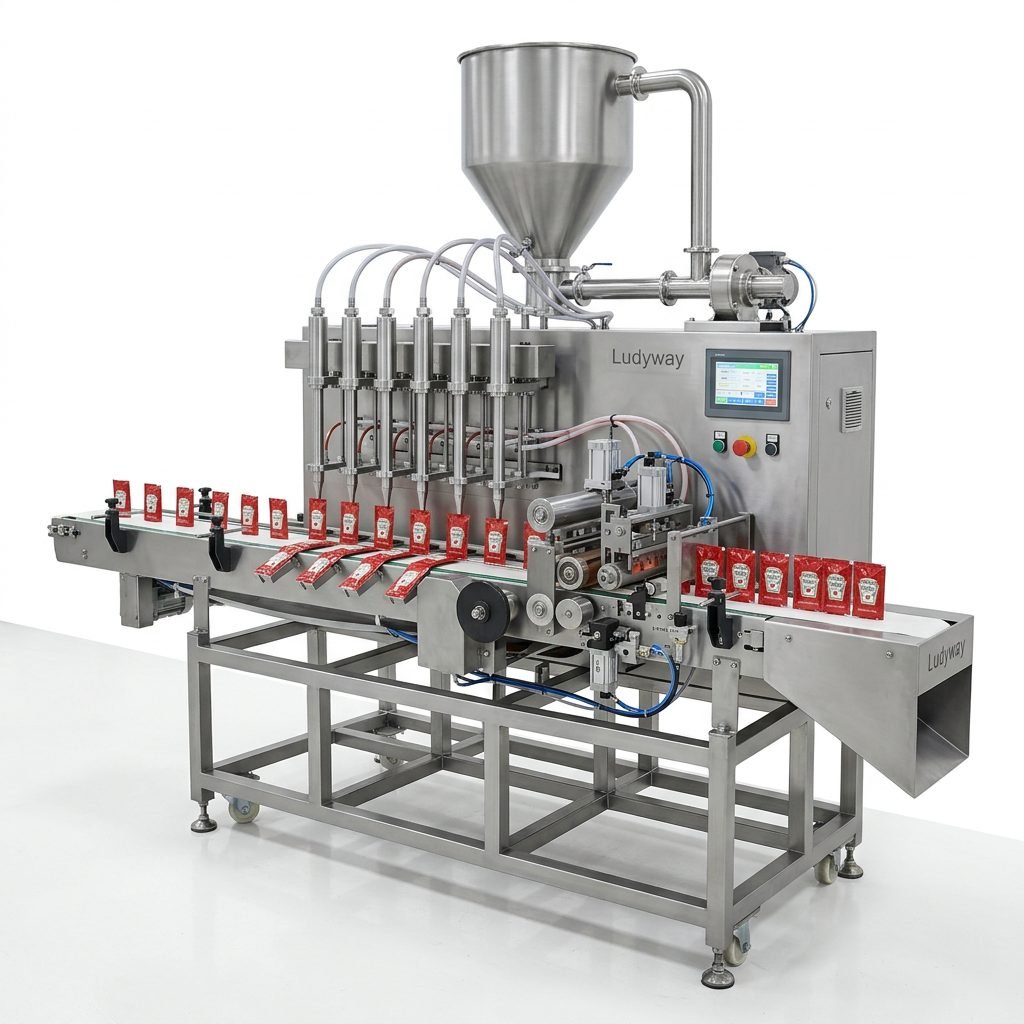
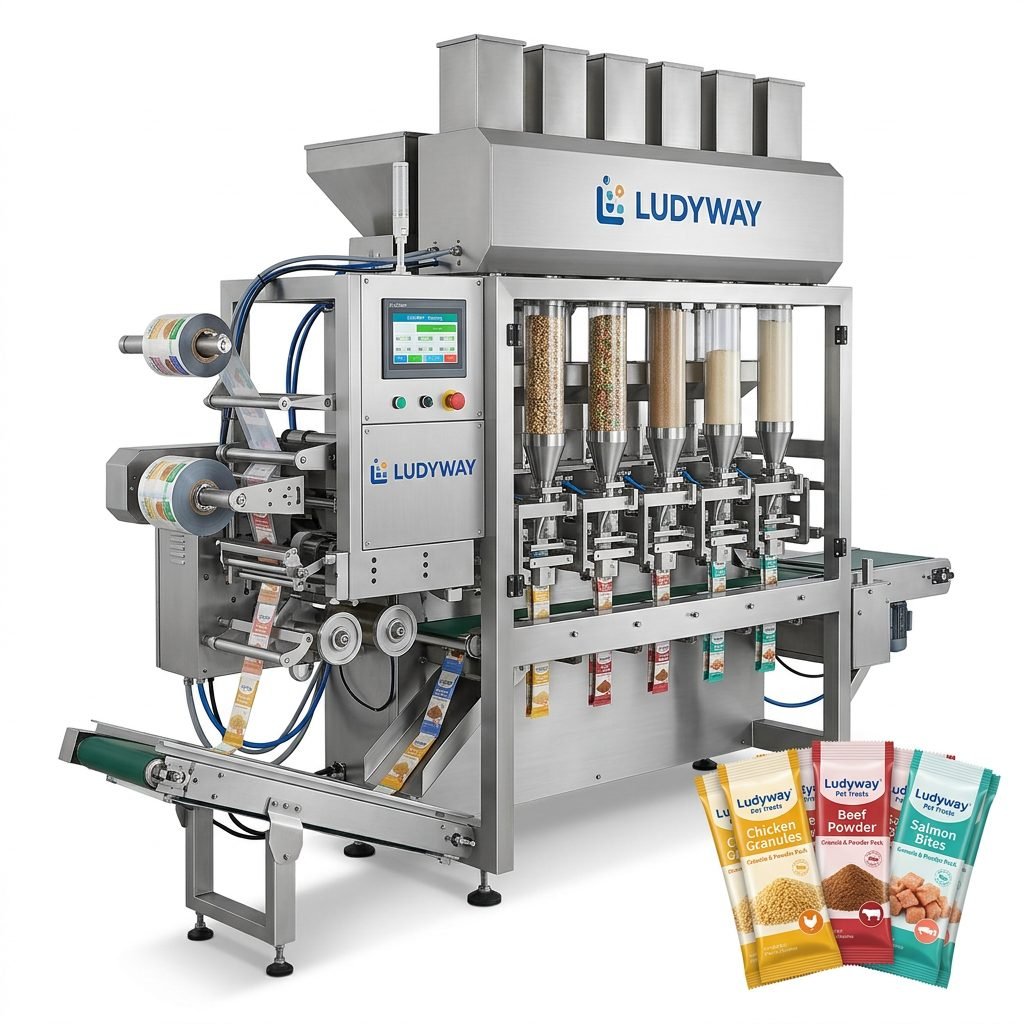
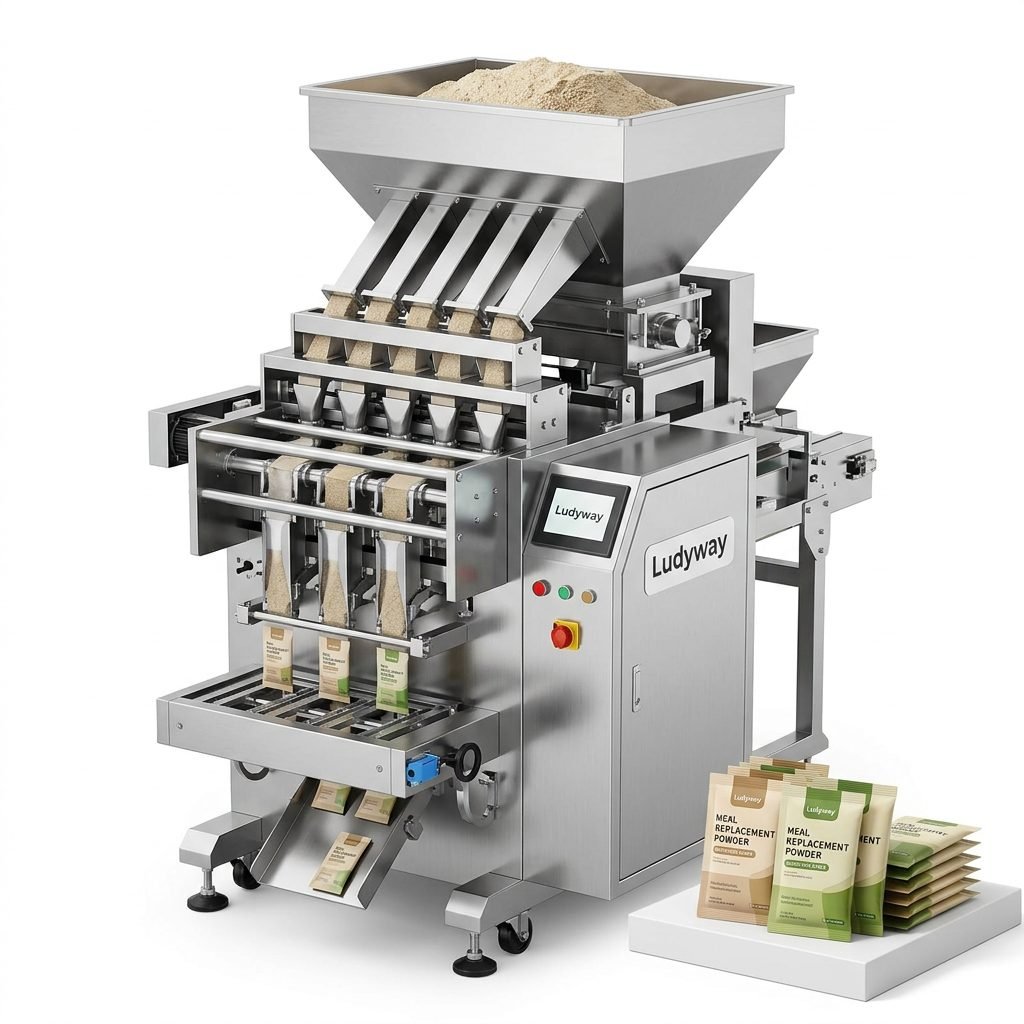
Buying used food packaging equipment can be a smart way for food processing businesses to expand production without taking on the full cost of brand-new machinery. For startups, growing factories, and established processors looking to optimize budget, pre-owned packaging machines often deliver reliable output, faster return on investment, and practical flexibility for different food products.
Whether you package powders, granules, snacks, sauces, seasonings, frozen foods, or ready-to-eat products, the right used machine can help improve speed, reduce labor pressure, and support more consistent packaging quality. The key is knowing what to buy, what to inspect, and how to match machine specifications with your production goals.
Why Used Food Packaging Equipment Is in High Demand
In today’s food industry, packaging is not just about sealing a product. It affects shelf appeal, food safety, transport efficiency, traceability, and production cost. New packaging lines can require a major capital investment, which is why many food businesses turn to the used equipment market.
- Lower upfront cost compared with new machines
- Shorter payback period for small and medium-sized processors
- Faster deployment when equipment is already available
- Good fit for pilot projects, seasonal products, or line expansion
- Access to industrial-grade equipment that may otherwise exceed budget
For many processors, a quality used machine offers an affordable path to automation while preserving capital for raw materials, staffing, marketing, or facility improvements.
Common Types of Used Food Packaging Machines for Sale
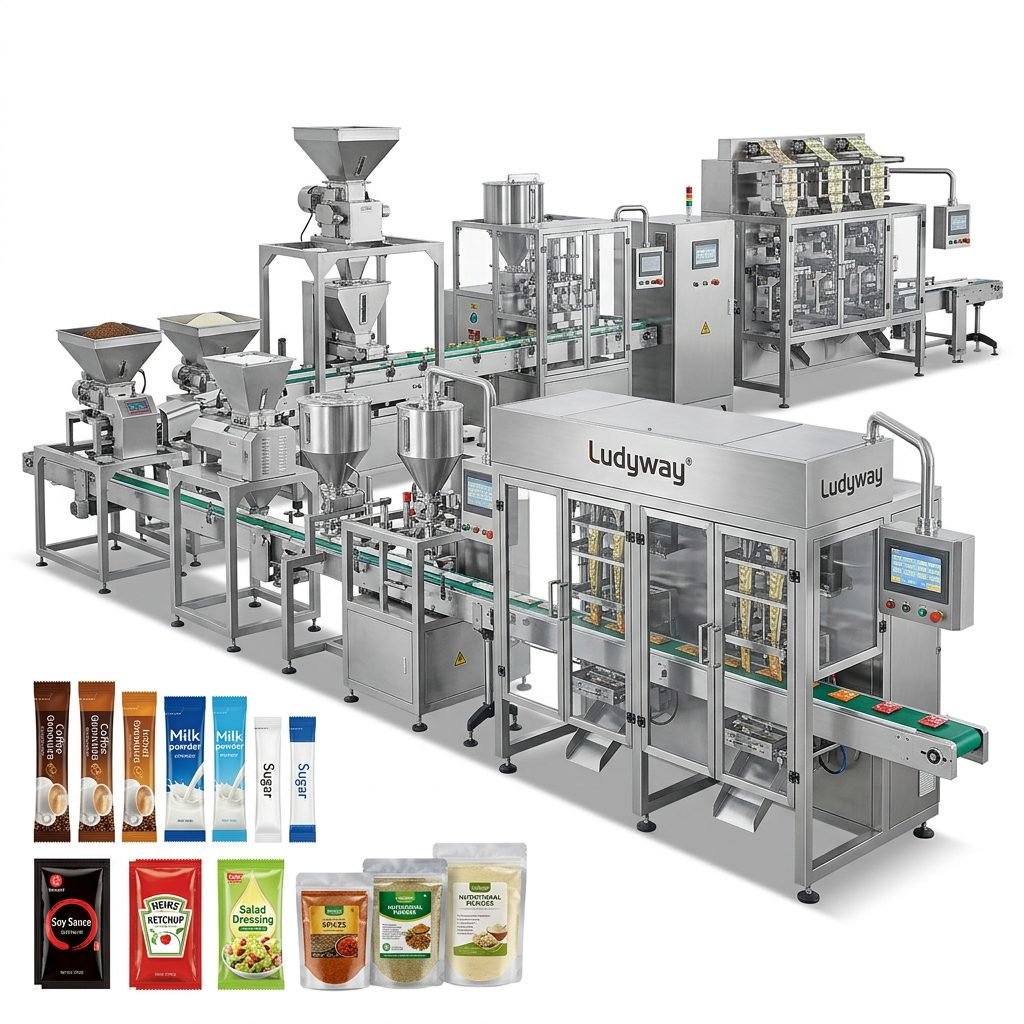
The used machinery market includes standalone units and complete integrated lines. The right option depends on your food category, packaging format, target output, and factory layout.
| Machine Type | Typical Food Applications | Main Benefit |
|---|---|---|
| Vertical form fill seal machines | Powders, grains, coffee, spices, snacks | Compact and versatile |
| Sachet packing machines | Seasonings, sugar, sauces, instant drinks | Ideal for single-dose packaging |
| Stick pack machines | Powder beverages, supplements, coffee | High-speed multi-lane output |
| Premade pouch machines | Nuts, pet snacks, frozen foods, sauces | Strong retail presentation |
| Liquid filling and sealing machines | Oil, ketchup, honey, sauces, dressings | Accurate liquid dosing |
| Weighing and bagging systems | Rice, beans, flour, bulk ingredients | Suitable for medium to large bags |
| Cartoning and case packing machines | Retail-ready food packs | Improves secondary packaging efficiency |
Best Applications for Pre-Owned Equipment
Not every food business needs a fully new packaging line. Used equipment is often an excellent match for:
- Small food factories entering packaged retail markets
- Contract packers increasing short-run capacity
- Processors launching trial or regional product lines
- Manufacturers replacing outdated manual packaging stations
- Export-oriented suppliers needing cost control while scaling up
If your packaging requirements are stable and the machine has been properly maintained, used equipment can perform very effectively over the long term.
What to Check Before Buying Used Food Packaging Equipment
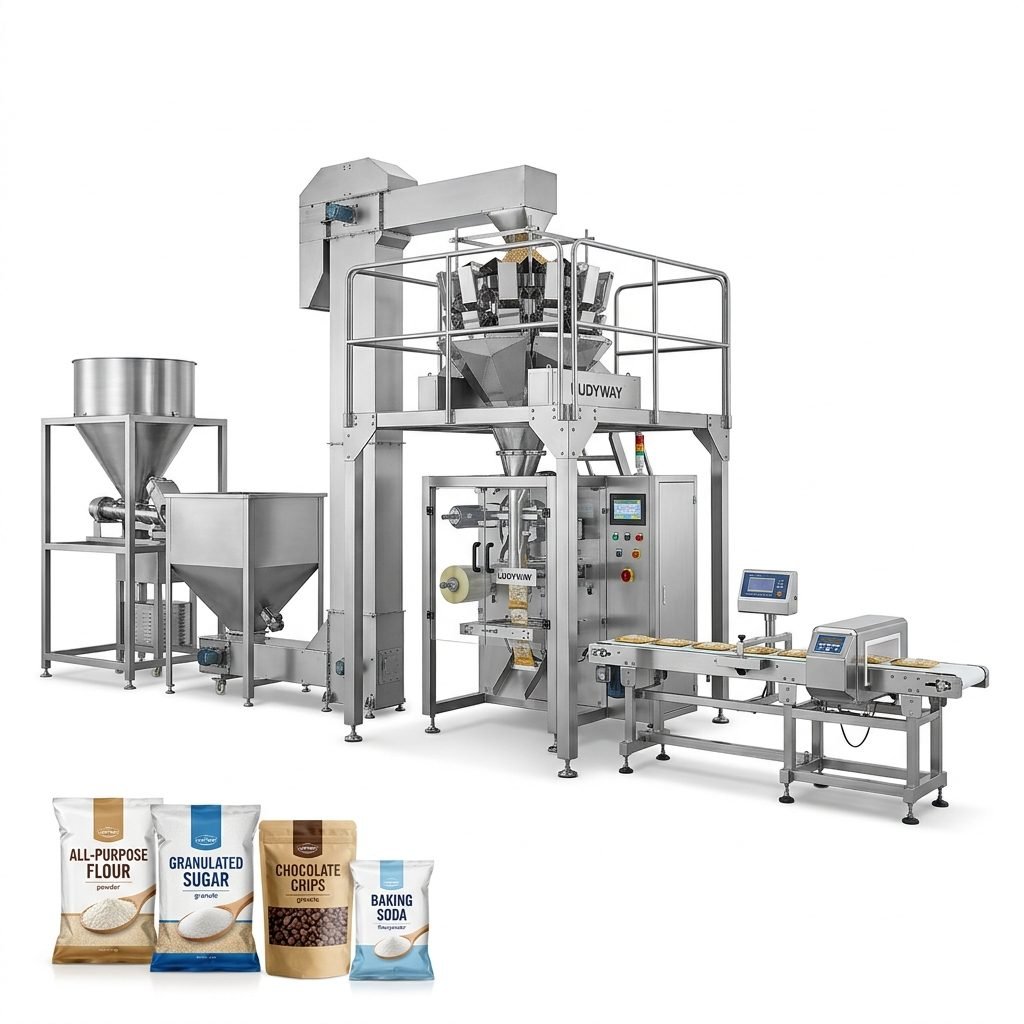
A lower price is attractive, but inspection is critical. Buyers should focus on machine condition, parts availability, hygiene suitability, and compatibility with current packaging materials and food products.
1. Machine Condition
- Check frame integrity, corrosion, and wear points
- Review sealing jaws, filling systems, conveyors, and motors
- Confirm electrical cabinets and control systems are functional
- Ask whether major components have been rebuilt or replaced
2. Food Safety and Hygiene Design
- Verify contact parts are suitable for food use
- Inspect for easy cleaning access and sanitation-friendly design
- Look for stainless steel construction where needed
- Assess whether the machine meets your local compliance requirements
3. Production Compatibility
- Can it handle your target bag size or pouch format?
- Does it support your required output per minute?
- Is it suitable for powder, granule, liquid, or paste products?
- Will it integrate with your existing feeder, conveyor, coder, or checkweigher?
4. Maintenance and Spare Parts
- Check spare part availability
- Ask for machine manuals, wiring diagrams, and service records
- Confirm whether the original manufacturer still supports the model
- Review the condition of consumables and wear parts
Used vs. New Food Packaging Machines
Both options can make sense depending on your budget and growth stage. A quick comparison helps buyers make a more confident decision.
| Factor | Used Equipment | New Equipment |
|---|---|---|
| Purchase Cost | Lower | Higher |
| Delivery Time | Often faster | May require longer lead time |
| Technology Level | Depends on model age | Latest features available |
| Customization | Limited in some cases | High |
| Warranty | Varies | Usually included |
| ROI Speed | Often quicker | Longer payback in some projects |
How to Choose the Right Machine for Your Product
The most affordable machine is not always the best value. The right choice depends on product behavior, pack style, and future scaling plans.
For powders: choose equipment with stable dosing, dust control, and dependable sealing.
For granules: look for accurate weighing systems and controlled feeding.
For liquids and sauces: confirm pump accuracy, sealing strength, and anti-drip performance.
For large bags: prioritize heavy-duty weighing, bag clamping, and discharge efficiency.
For single-serve retail packs: multi-lane sachet or stick pack systems may provide the best throughput.
Questions Smart Buyers Should Ask Sellers
- What product was the machine previously used for?
- How many operating hours has it completed?
- Has it been refurbished, upgraded, or tested recently?
- Are test videos available with similar materials?
- What spare parts are included in the sale?
- Can the machine be inspected in person or by video?
- What electrical standard and voltage does it use?
- Is technical support available after delivery?
When Refurbished Equipment May Be the Better Choice
In many cases, refurbished food packaging machines offer the best balance between price and reliability. A professionally refurbished machine may include replaced wear parts, updated controls, improved cleaning access, and tested performance before shipment.
This is especially valuable for companies that want to reduce investment risk while still obtaining strong packaging performance. If possible, choose equipment with documented restoration work and operational testing.
Benefits of Buying from an Experienced Packaging Machinery Supplier
Working with a supplier that understands food packaging processes can make a major difference. Beyond just selling a machine, the right partner helps evaluate packaging format, automation level, auxiliary equipment, and future line upgrades.
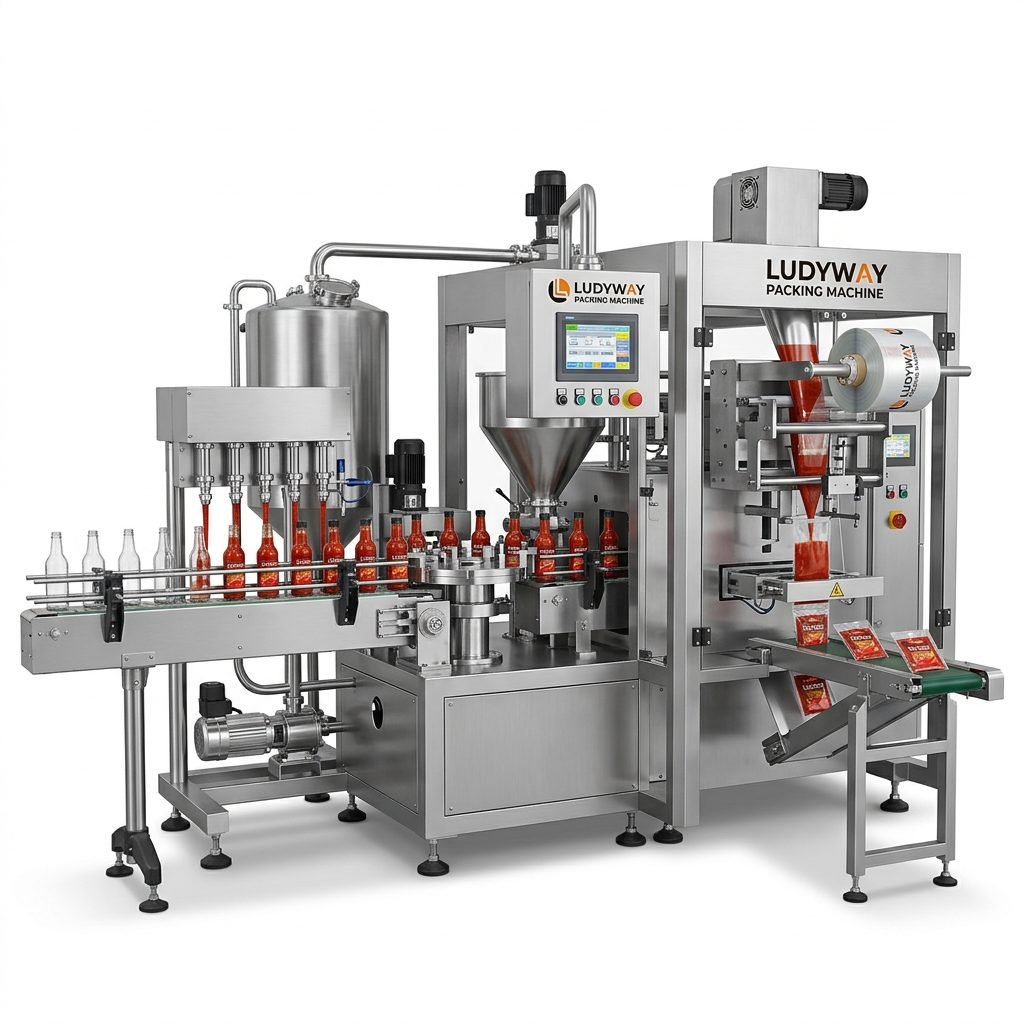
Businesses looking for both standalone equipment and turnkey solutions often consider Ludyway food packaging machines because of its long manufacturing history, wide product coverage, and experience in packaging systems for powders, granules, liquids, pastes, and pouch-based products.
Signs a Used Machine Is a Good Investment
- It matches your current product and packaging requirements
- Critical components are in solid operating condition
- Service records or test documentation are available
- The machine can be supported with spare parts
- It provides meaningful labor savings or output gains
- The total landed cost still leaves room for maintenance and installation
Final Buying Advice for Food Processing Businesses
Affordable used food packaging equipment can be a practical growth tool for food processors of all sizes. The best purchase decisions come from balancing price, machine condition, hygiene, compatibility, and after-sales support. Instead of focusing only on the cheapest listing, evaluate the complete value of the equipment over its expected operating life.
If you choose carefully, a used packaging machine can strengthen your production capacity, improve packaging consistency, and help your business compete more efficiently in a demanding food market.