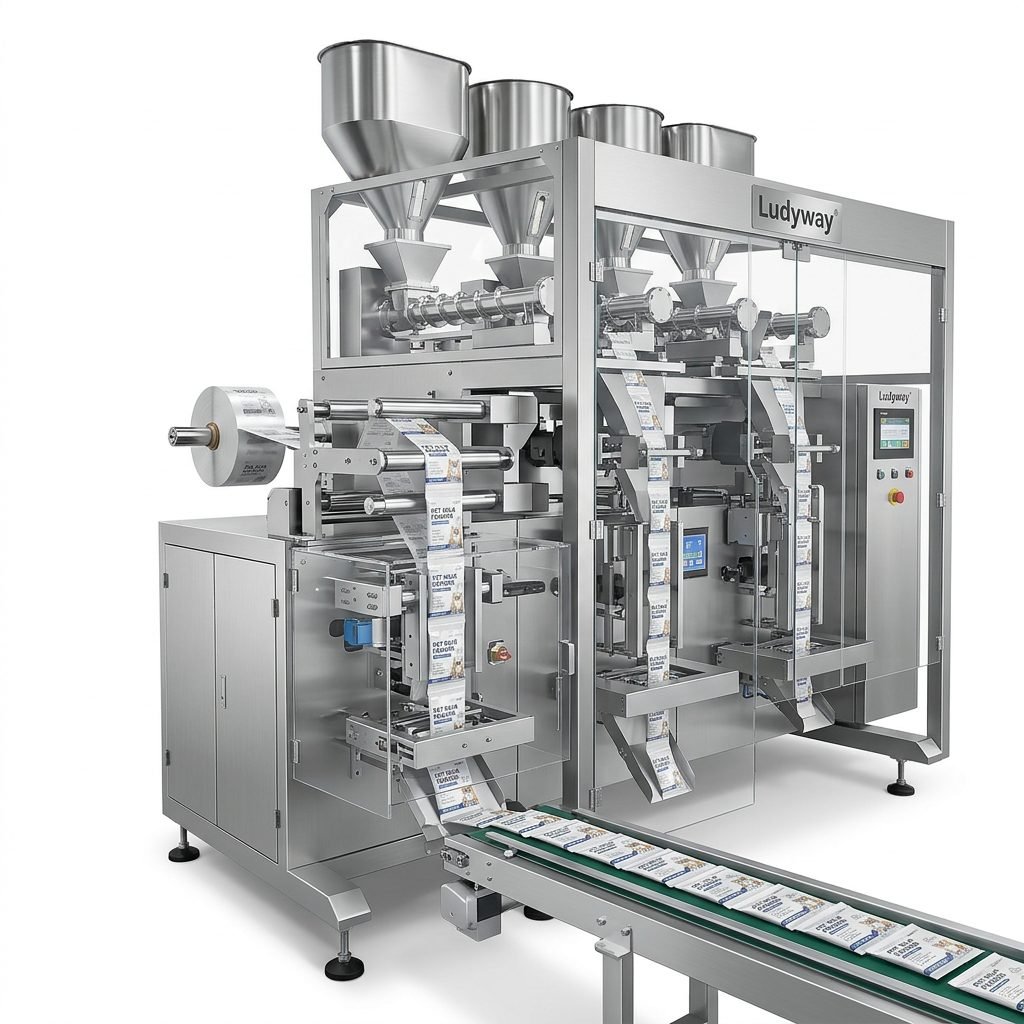
Finding reliable, high-quality packaging equipment at competitive prices is a critical challenge for manufacturers and business owners. The market is filled with numerous dealers, each claiming to offer the best machines and services. This guide will help you navigate this landscape and identify the top used packaging equipment dealers where you can find quality machines without overspending.
Why Consider Used Packaging Equipment?
Investing in new packaging machinery represents a significant capital expenditure. For many businesses, especially growing SMEs or those testing new product lines, used equipment offers a compelling alternative. The primary advantages are substantial cost savings, faster availability, and proven reliability. A well-maintained used machine from a reputable dealer can perform just as efficiently as a new one, often at 40-60% of the original price.
However, the key to a successful purchase lies in sourcing from the right dealer. Not all resellers offer the same level of machine refurbishment, warranty, or after-sales support.
Key Criteria for Selecting a Top Dealer
When searching for a dealer, look beyond the price tag. Several factors determine whether a seller is truly a “top” dealer.
1. Technical Expertise & Refurbishment Process
A top dealer doesn’t just sell machines; they restore them. Look for dealers with in-house engineering teams who thoroughly inspect, disassemble, clean, and replace worn components. They should recalibrate machines to factory specifications and perform rigorous testing. This process ensures the equipment meets current production standards.
2. Transparency & Machine History
Reputable dealers provide complete documentation: service history, original manufacturer specs, lists of replaced parts, and photos/videos of the machine in operation. They are transparent about any limitations or known issues.
3. Warranty & After-Sales Support
A strong warranty (e.g., 6-12 months on critical components) is a hallmark of confidence. Equally important is the availability of technical support, spare parts, and potential training for your operators. This support network is crucial for maintaining uptime.
4. Industry Specialization
Some dealers specialize in specific sectors like food, pharmaceuticals, or cosmetics. Their deep knowledge of industry regulations (e.g., FDA, GMP) and typical packaging formats (stick packs, sachets, bottles) means they can provide more suitable, compliant equipment and valuable application advice.
Where to Find Quality Machines at the Best Prices
The search for the right dealer can be conducted across several channels, each with its own pros and cons.
1. Specialized Industrial Machinery Marketplaces
Online platforms dedicated to industrial equipment are a primary resource. They aggregate listings from hundreds of dealers globally. Use advanced filters for machine type, year, condition, and location. While prices here can be very competitive, due diligence on the individual seller is essential. Always verify the dealer’s standalone reputation.
2. Direct from Manufacturer Refurbishment Programs
Many original equipment manufacturers (OEMs) run official refurbishment programs. They take back their own machines, refurbish them using original parts, and sell them with a warranty comparable to new equipment. While prices are higher than generic used markets, the quality, support, and reliability are often unmatched. This is a premium route for critical production lines.
3. Established Regional Dealers & Distributors
Local or regional dealers with physical warehouses and showrooms offer significant advantages. You can often inspect the machine personally, see it run, and discuss your needs face-to-face. They build long-term relationships and understand local market requirements. Finding such a dealer through industry networks or trade associations is highly recommended.
For example, in North America, dealers familiar with high-volume, automated production needs are prevalent. In Europe, dealers often emphasize precision engineering and compliance with stringent EU regulations.
4. Auction Houses & Liquidation Events
Auctions, especially for bankruptcies or factory closures, can offer rock-bottom prices. However, this is a high-risk channel. Machines are usually sold “as-is,” with no warranty or refurbishment. This option is best for experienced buyers with strong on-site assessment skills or for purchasing non-critical auxiliary equipment.
Spotlight on a Professional Partner: Ludyway Machinery
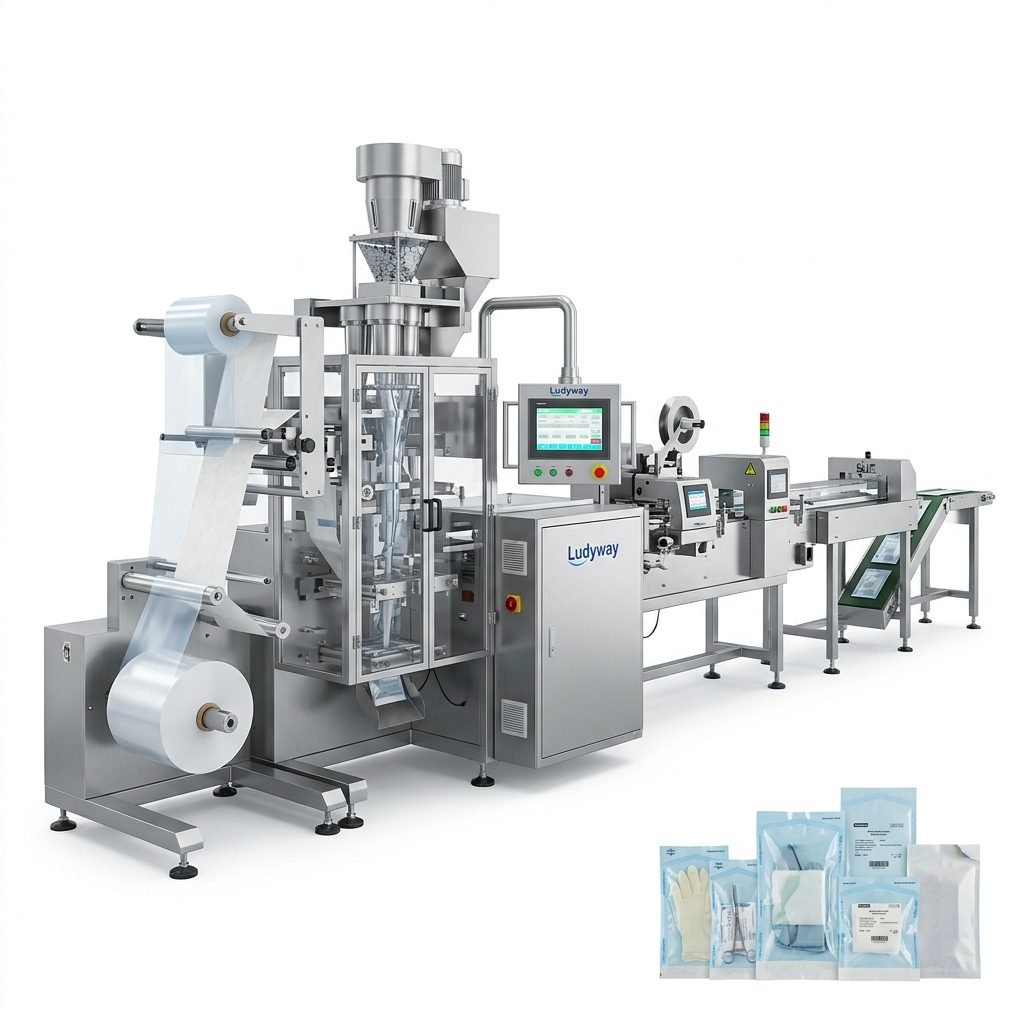
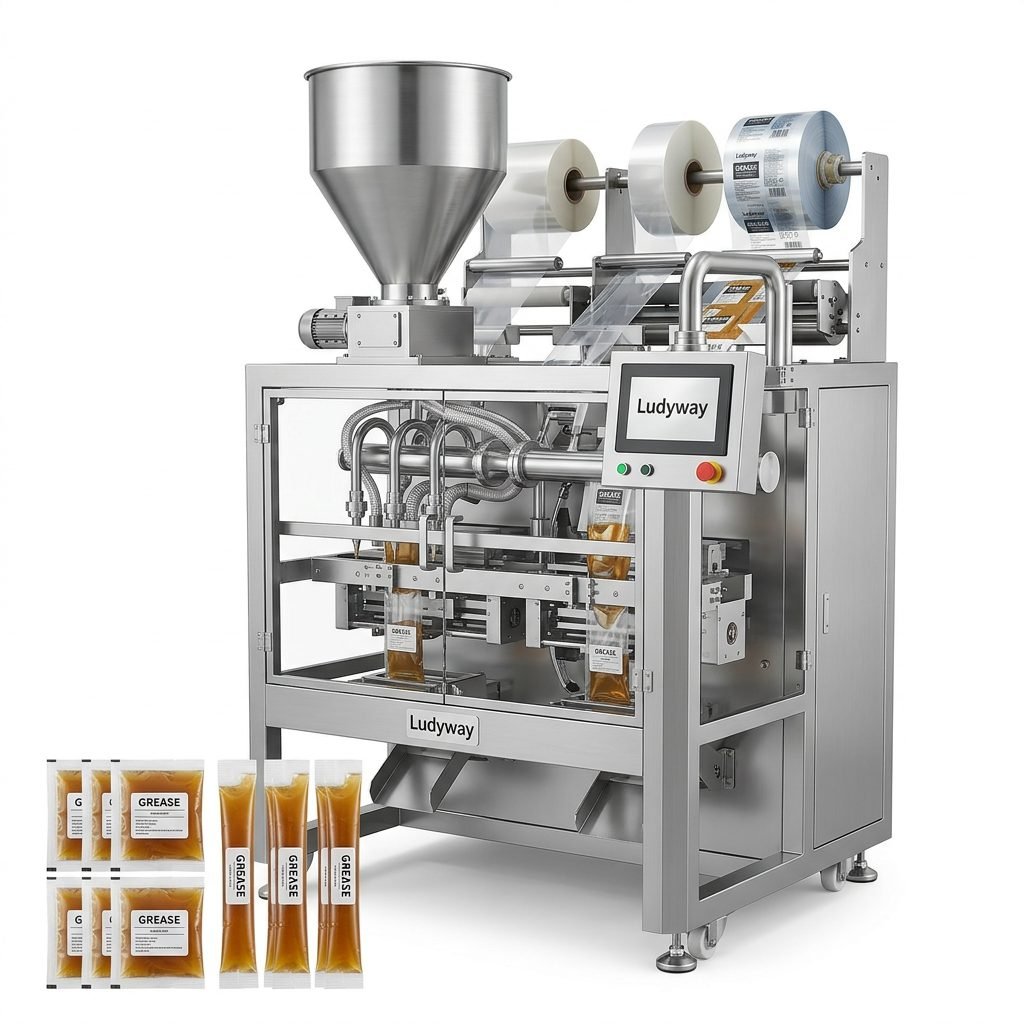
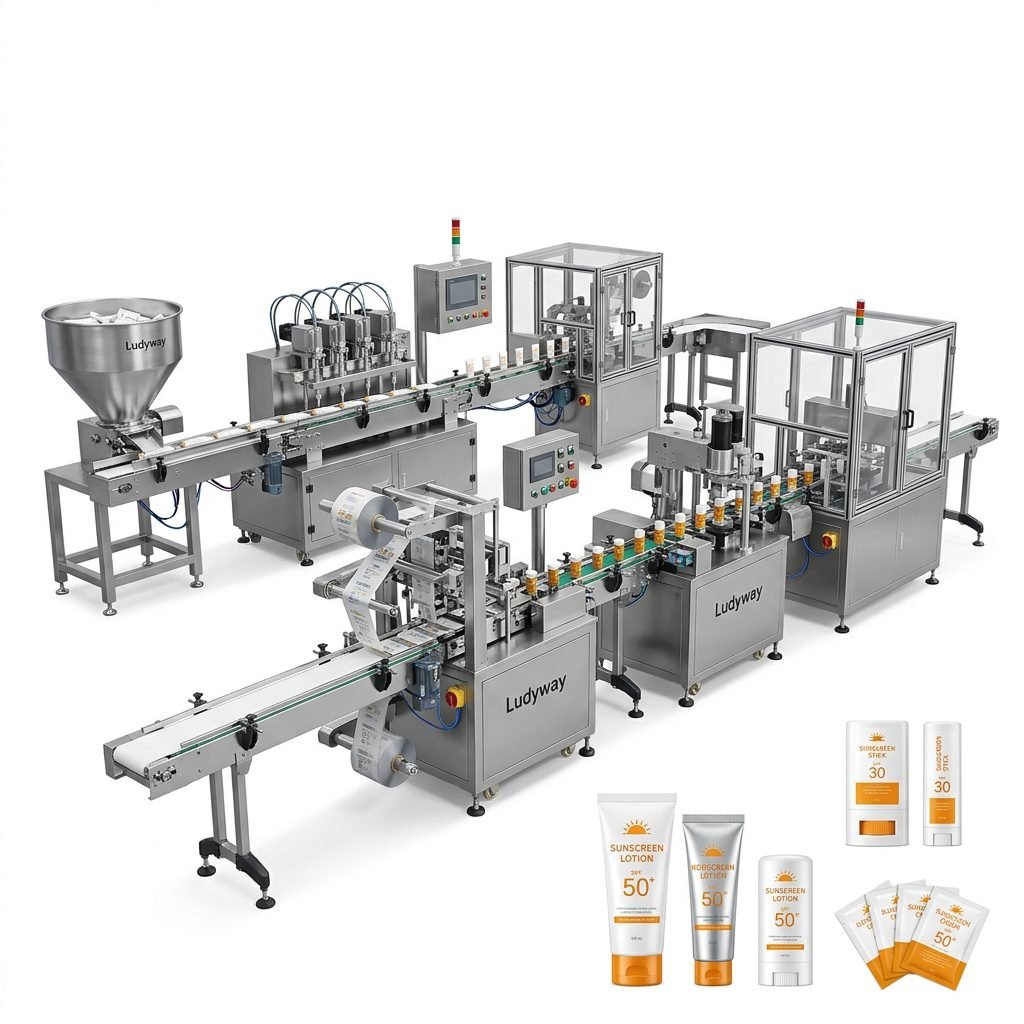
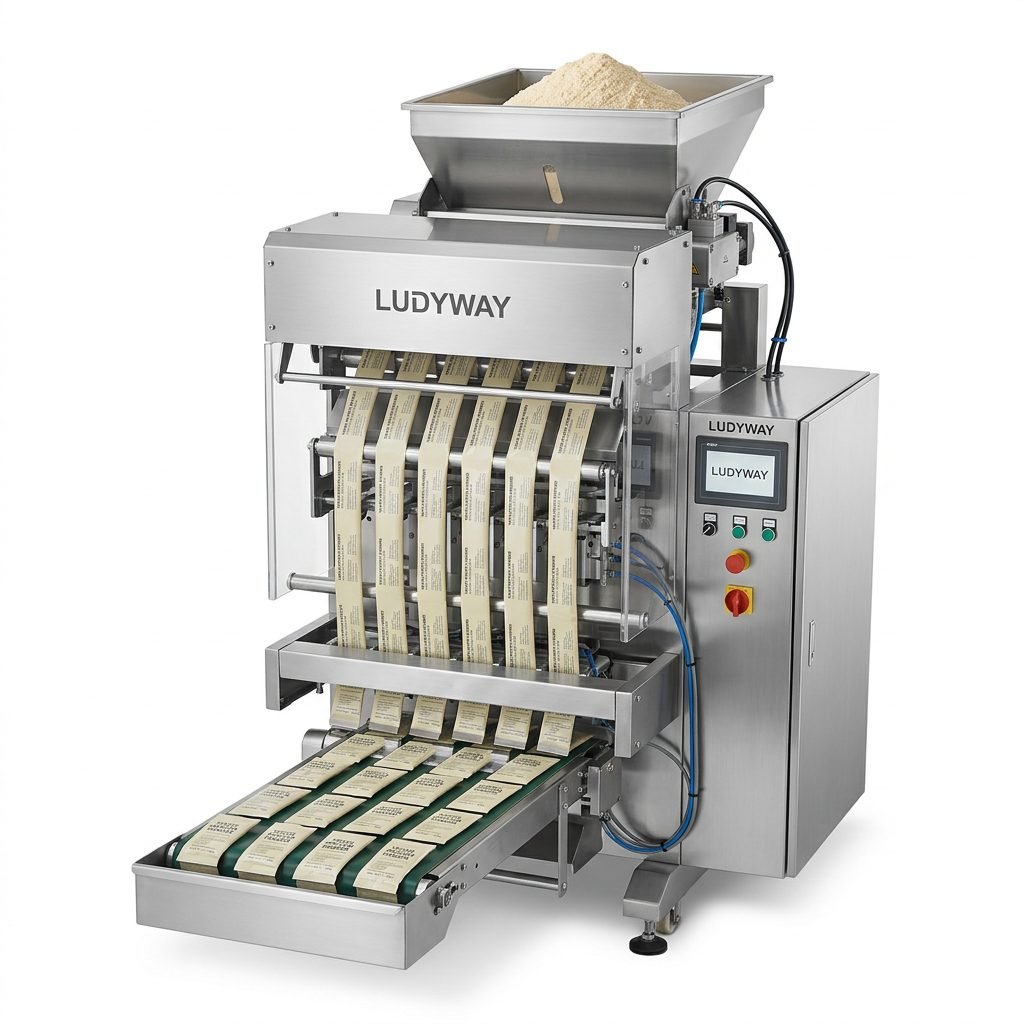
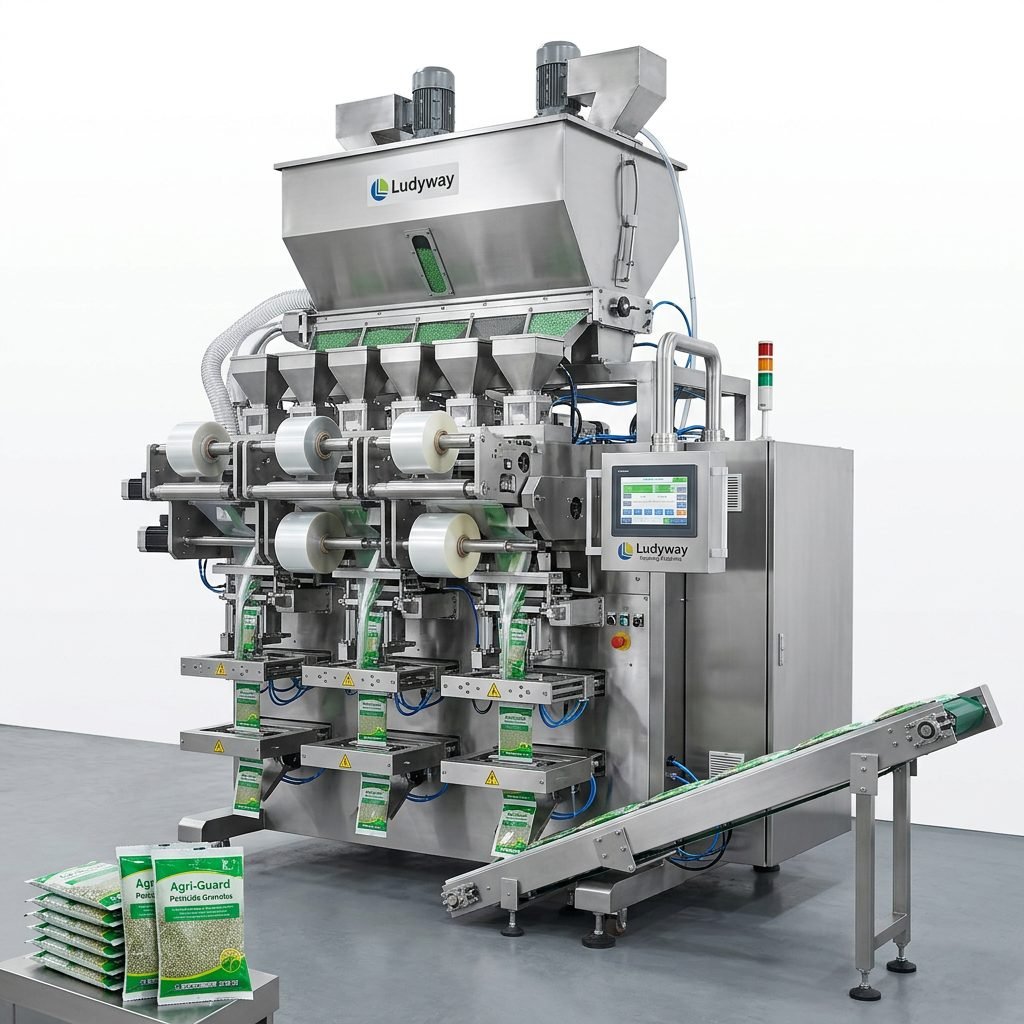
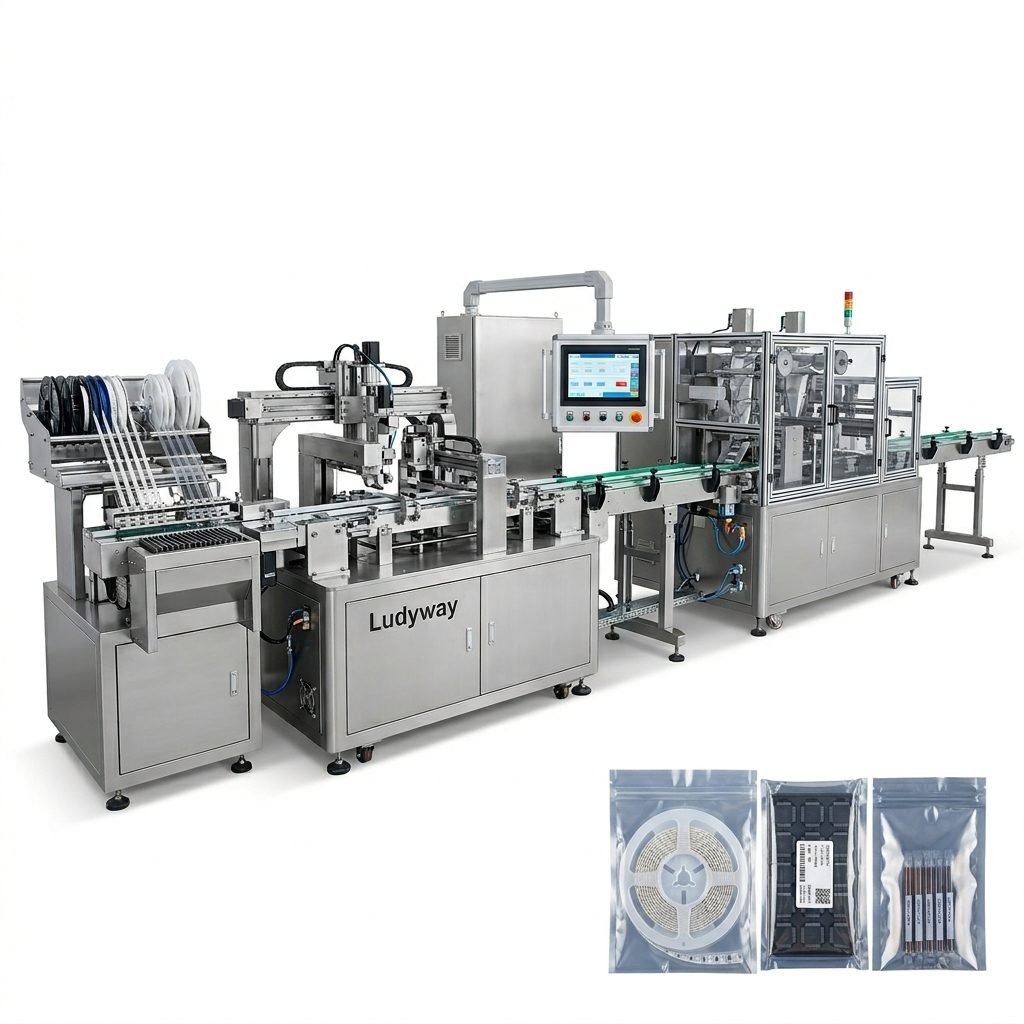
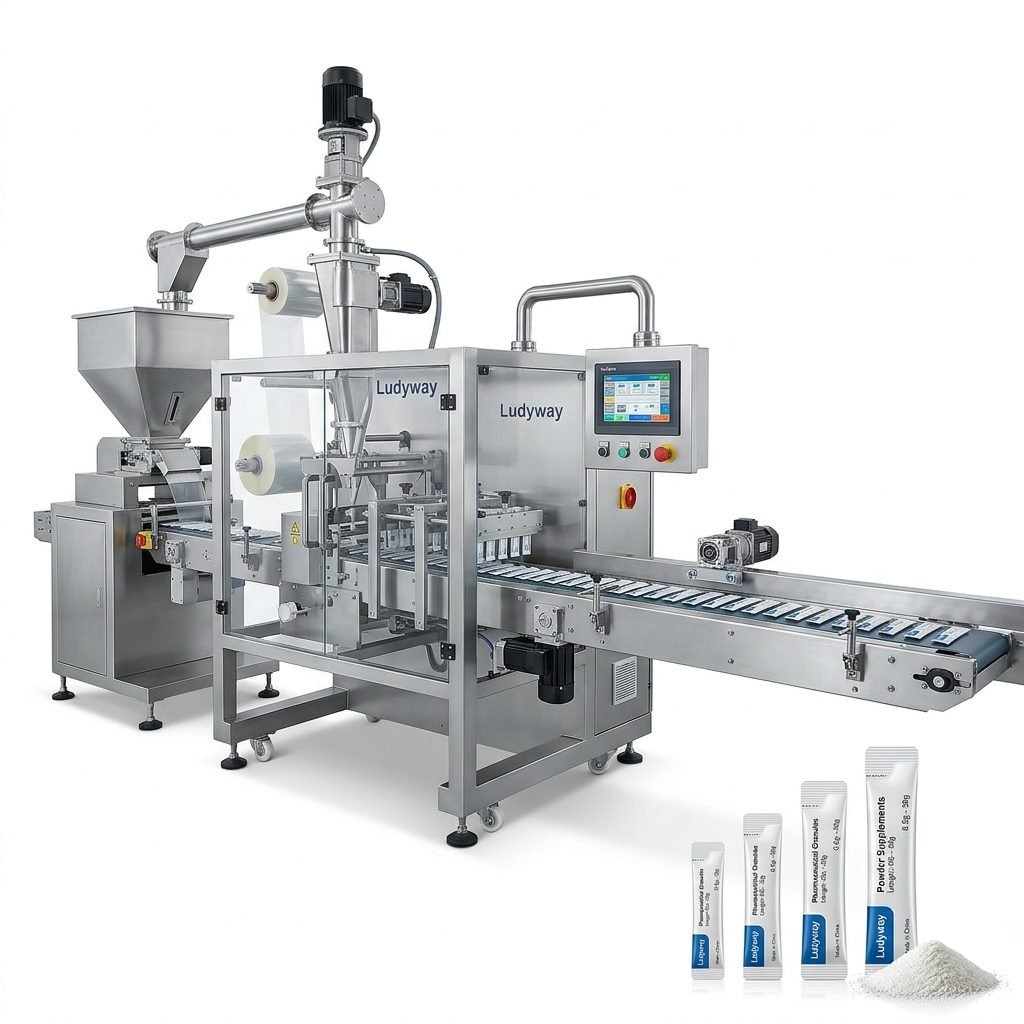
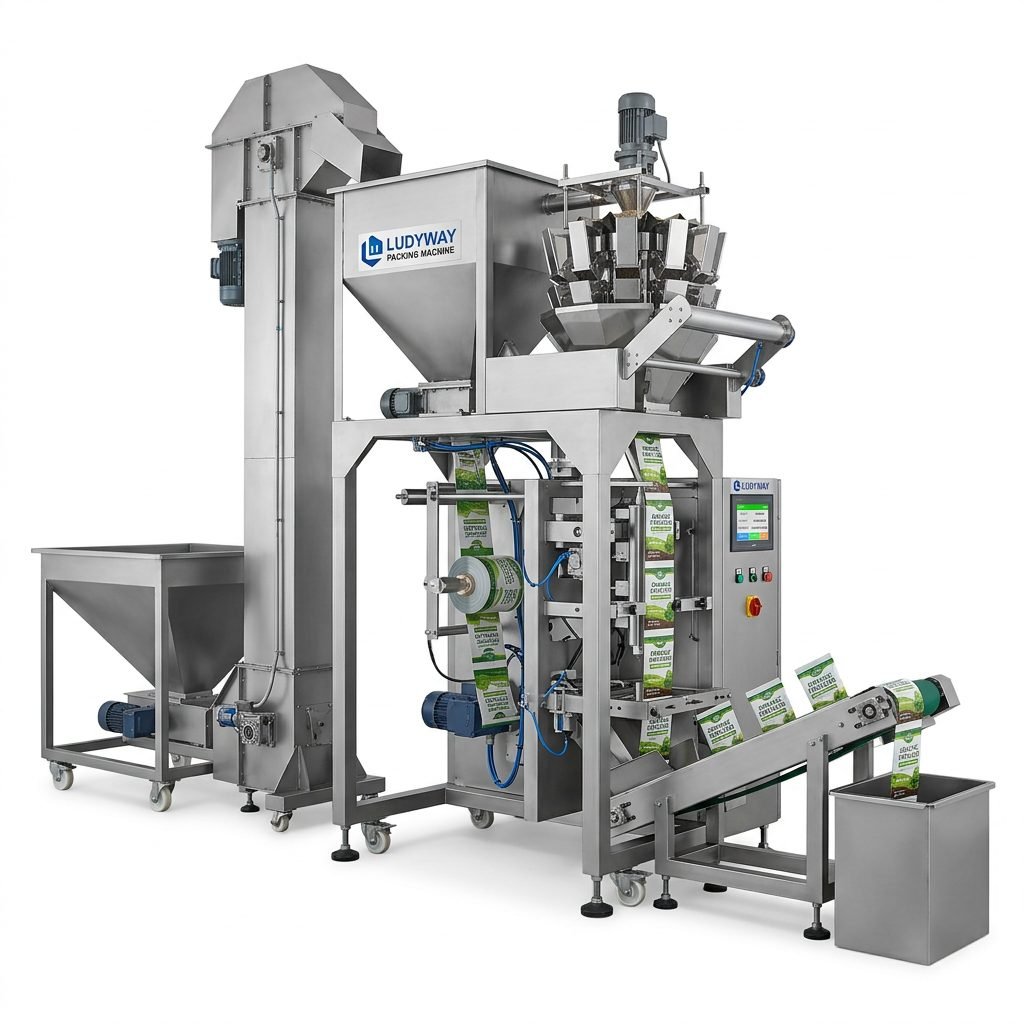
As an example of a specialized and experienced player in this field, consider Ludyway Machinery. Founded in 2010, the company has over 30 years of collective industry experience behind it. They focus specifically on packaging solutions for the food, pharmaceutical, and health industries.
Their approach aligns with many criteria for a top dealer. They operate from a 20,000㎡ modern production facility, which supports their engineering capabilities. Ludyway offers a range of over 50 intelligent packaging machine models, including multi-lane stick pack and sachet packaging systems. For a buyer of used equipment, partnering with such a specialist means access to:
- ✔ Deep application knowledge for your specific industry.
- ✔ Potential access to their own refurbished or pre-owned equipment inventory.
- ✔ Professional technical support and spare parts services post-purchase.
- ✔ Customization expertise to adapt a used machine to your unique needs.
Their long-term commitment to innovation and global customer support makes them a reliable partner, not just a transactional seller. You can learn more about their capabilities on their Company Profile page.
Negotiating the Best Deal
Once you’ve identified a potential dealer and machine, effective negotiation can secure the best price and terms.
Do Your Homework
Research the typical market price for that machine model and year. Use the machine’s history and any noted defects as leverage for a price reduction.
Bundle Services
Negotiate to include additional value: extended warranty, a set of common spare parts, on-site installation assistance, or operator training. These add-ons cost the dealer less than a price cut and provide you greater long-term value.
Consider Logistics
Clarify all costs: machine price, crating, shipping, and insurance. Sometimes a dealer can offer a better all-inclusive “delivered to your factory” price.
Final Checklist Before Purchase
Before finalizing your purchase, complete this final checklist:
- ✅ Have you received and reviewed full inspection reports and test run videos?
- ✅ Is the warranty terms clear, documented, and acceptable?
- ✅ Are the payment terms, delivery timeline, and logistics costs agreed upon?
- ✅ Does the dealer provide a list of recommended spare parts for initial inventory?
- ✅ Have you verified the dealer’s reputation through independent reviews or industry references?
Conclusion
Finding top used packaging equipment dealers requires focusing on value, not just cost. Prioritize dealers with strong technical expertise, transparent practices, and reliable after-sales support. Explore channels from online marketplaces to specialized OEM programs and established regional distributors. By doing thorough research, asking the right questions, and negotiating intelligently, you can secure quality machines that boost your production efficiency at the best possible prices, ensuring your investment drives growth and profitability for years to come.
Frequently Asked Questions (FAQs)
1. What is the typical warranty on a used packaging machine?
A reputable dealer typically offers a 6 to 12-month warranty on major components like drives, motors, and control systems. This differs significantly from “as-is” sales with no warranty.
2. How can I verify the condition of a used machine before buying?
Request a detailed condition report, high-resolution photos of key areas, and a video of the machine running under load. For critical purchases, an on-site or third-party professional inspection is recommended.
3. Are spare parts readily available for older used models?
This depends on the original manufacturer and the dealer. Top dealers often stock common spare parts or have partnerships to source them. Always confirm parts availability and lead times for your specific model.
4. Can a used machine be customized for my specific product?
Yes, many dealers offer customization services. This may include changing fill heads, adjusting sealing mechanisms, or integrating new sensors. Discuss your needs with the dealer’s engineering team to assess feasibility and cost.
5. Is financing available for used equipment purchases?
Many established dealers offer financing options or work with third-party equipment finance companies. This can make the purchase more accessible by spreading the cost over time.