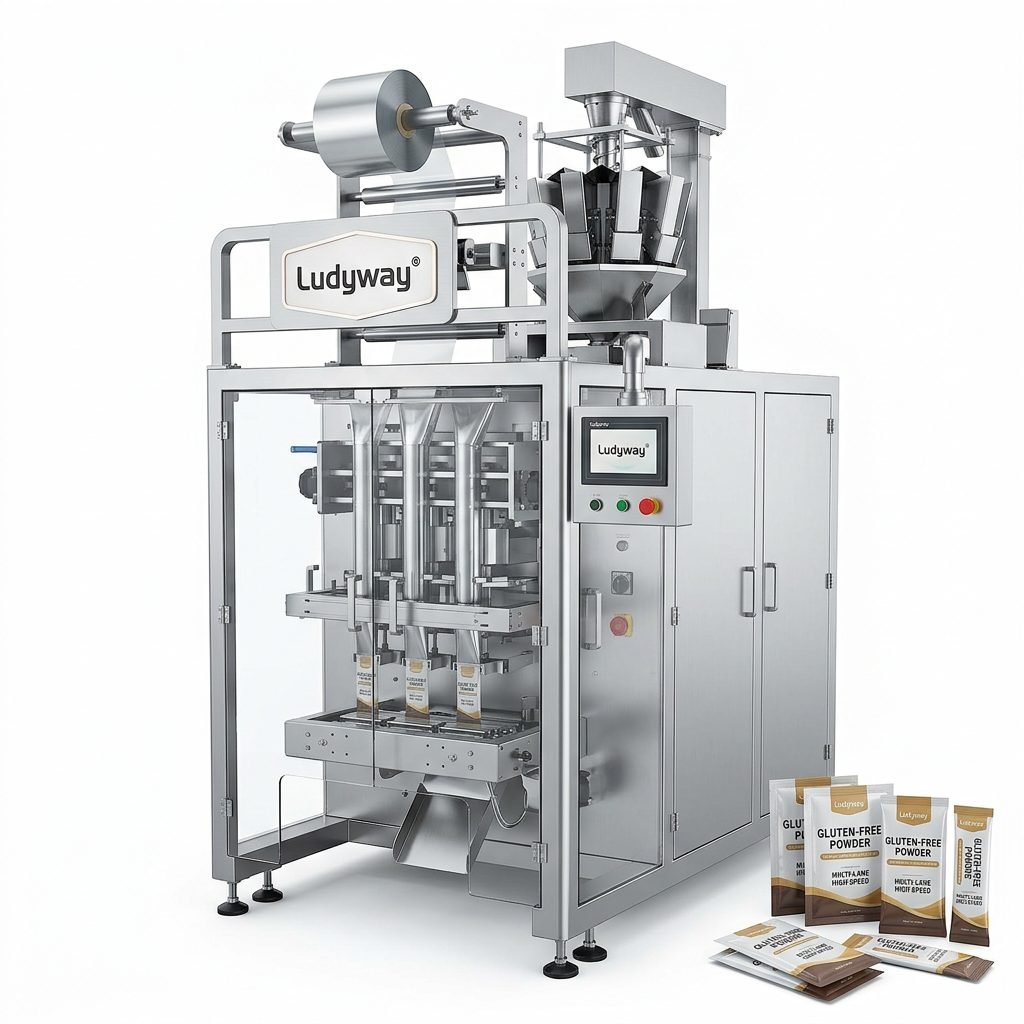
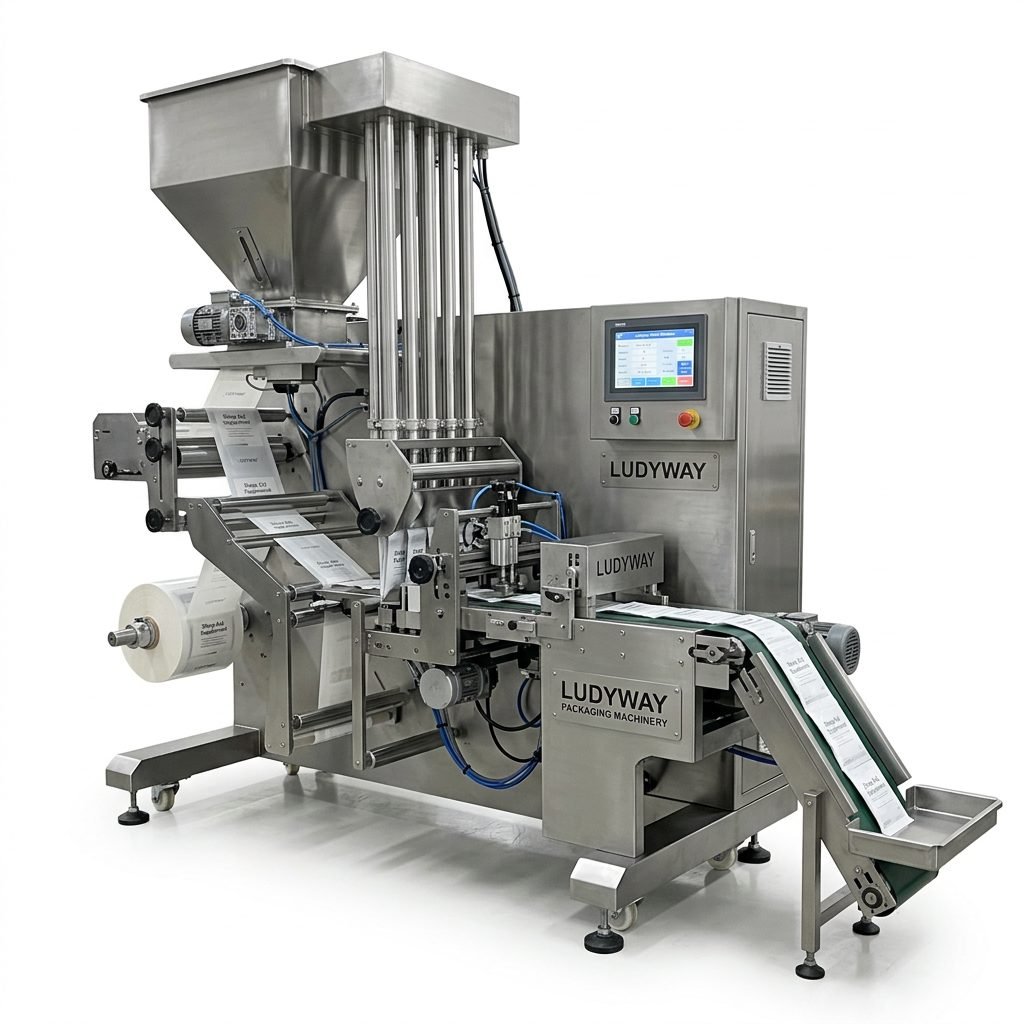
Choosing the right commercial vacuum sealer can directly affect food safety, shelf life, packaging consistency, labor cost, and overall operational efficiency. Whether you run a food factory, central kitchen, seafood processing unit, frozen food business, or a pharmaceutical-related packaging operation, selecting the proper vacuum packaging machine is not just about price—it is about matching the equipment to your product, output, packaging material, and long-term production goals.
This guide explains how vacuum packaging machines work, what types are available, which technical specifications matter most, and how to evaluate the best machine for your business.

Why Commercial Vacuum Sealing Matters
Vacuum packaging removes air from the package before sealing. This helps slow oxidation, reduce moisture-related quality loss, improve storage stability, and support a cleaner retail presentation. For many industries, vacuum sealing also helps improve logistics by reducing pack volume and protecting products during transportation.
- Extends product shelf life
- Helps preserve freshness, flavor, and texture
- Reduces freezer burn in frozen products
- Improves package appearance and consistency
- Supports hygienic and tamper-resistant packaging
- Reduces waste caused by spoilage or leakage
What Is a Vacuum Packaging Machine?
A vacuum packaging machine is equipment designed to evacuate air from a bag or package and then seal it tightly. Depending on the application, the machine may be a small tabletop chamber sealer, a double-chamber industrial system, a thermoforming vacuum pack machine, or a fully automated line integrated with conveyors, feeding systems, coding devices, and inspection modules.
In commercial production, vacuum sealers are commonly used for:
- Fresh meat and processed meat
- Seafood and frozen food
- Cheese and dairy products
- Prepared meals and sauces
- Dry goods, nuts, and snacks
- Medical and pharmaceutical products
- Industrial parts requiring moisture protection
Main Types of Commercial Vacuum Sealers
1. External Vacuum Sealers
These machines vacuum the bag from the outside. They are usually more compact and economical, but they are best suited for lighter commercial use and dry products. They are less ideal for high-moisture or liquid-heavy applications.
2. Chamber Vacuum Sealers
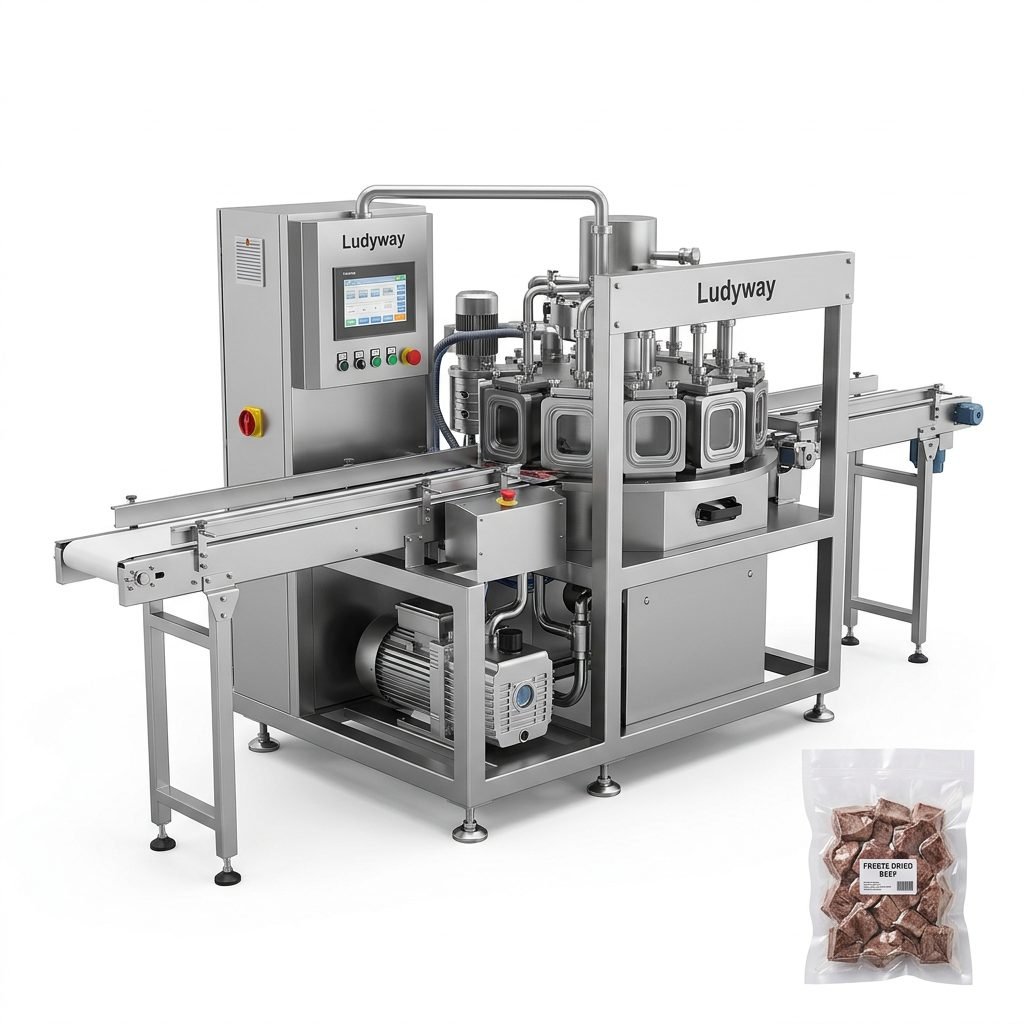
Chamber vacuum sealers place the entire pouch inside a chamber. Air is removed from the chamber and the package at the same time, creating a more stable and reliable vacuum process. These machines are very popular in food processing because they handle liquids, sauces, wet products, and heavier-duty use better than external models.
3. Double-Chamber Vacuum Sealers
Double-chamber models are designed for higher throughput. While one chamber is sealing, the operator can load the other side. This improves cycle efficiency and is ideal for medium to high production volumes.
4. Thermoforming Vacuum Packaging Machines
These are advanced automatic systems that form the package from roll film, fill the product, vacuum the pack, and seal it continuously. They are best for large-scale factories that need high speed, uniform packaging, and integration with downstream equipment.
5. Vacuum Skin Packaging Machines
These systems create a tight, premium-looking package that conforms closely to the product shape. They are widely used for high-value meat, seafood, and retail-ready products where visual appeal is important.
| Machine Type | Best For | Production Level | Key Advantage |
|---|---|---|---|
| External Vacuum Sealer | Dry goods, light-duty packaging | Low | Compact and affordable |
| Single Chamber Sealer | Meat, seafood, sauces, prepared foods | Low to medium | Versatile and reliable |
| Double Chamber Sealer | Factories with frequent batch packaging | Medium to high | Higher output efficiency |
| Thermoforming Machine | Automated industrial packaging lines | High | Continuous automated production |
| Vacuum Skin Pack Machine | Premium retail products | Medium to high | Excellent product presentation |
How to Choose the Best Commercial Vacuum Sealer
Understand Your Product Type
The first step is to identify the exact product characteristics. Different products require different vacuum levels, sealing temperatures, chamber sizes, and handling structures.
- Dry products: nuts, beans, powders, dehydrated foods
- Moist or fresh products: meat, seafood, marinated foods
- Liquid or semi-liquid products: sauces, soups, gravies
- Fragile products: bakery items or products sensitive to pressure
If your products contain liquid, oil, or sauce, a chamber vacuum sealer is usually the safer choice. If your product needs premium shelf appeal, vacuum skin packaging may be better.
Match the Machine to Your Packaging Volume
A machine that is too small will slow down your line, while a machine that is too large may increase cost unnecessarily. Ask these questions:
- How many packs do you need per hour?
- How many shifts do you run each day?
- Is production seasonal or stable all year?
- Will your business scale in the next 12 to 24 months?
General rule: small kitchens and shops often choose tabletop or single-chamber machines, while processors with continuous output often need double-chamber or fully automatic systems.
Check Chamber Size and Seal Bar Length
Bag size matters. The machine must fit your pouch dimensions comfortably, and the seal bar must be long enough to create a secure seal. If you package large cuts of meat, family-size frozen food, or multiple units per bag, chamber dimensions become especially important.
Evaluate Vacuum Pump Quality
The vacuum pump is one of the most important components in the machine. A stronger and more stable pump generally means:
- Faster vacuum cycles
- Better vacuum consistency
- Improved packaging quality
- Longer service life under continuous operation
For industrial use, buyers should pay close attention to pump brand, capacity, maintenance needs, and spare parts availability.
Consider Seal Quality and Temperature Control
A poor seal can lead to leaks, contamination, and product returns. The best commercial vacuum sealer should offer stable heat sealing, adjustable sealing time, and compatibility with your bag material thickness.
Look for machines that support:
- Consistent seal width
- Adjustable seal temperature or seal time
- Clean sealing on multilayer barrier bags
- Reliable operation under repeated cycles
Review Material Compatibility
Not all sealers work with every packaging material. Confirm compatibility with:
- PA/PE vacuum pouches
- High-barrier films
- Thermoforming film rolls
- Skin packaging film
- Embossed bags if applicable
Think About Hygiene and Cleaning
For food and pharmaceutical environments, sanitation is critical. Stainless steel construction, smooth surfaces, accessible chamber design, and washdown-friendly structures can reduce cleaning time and support compliance requirements.
Assess Automation Requirements
If you need more than sealing, you may benefit from a vacuum packaging system that integrates with upstream and downstream equipment, such as filling, conveying, coding, labeling, metal detection, checkweighing, or cartoning.
For businesses planning long-term growth, it may be more cost-effective to invest in a system that can be expanded later.
Key Features to Look For
| Feature | Why It Matters |
|---|---|
| Vacuum Pump Capacity | Affects speed, vacuum level, and productivity |
| Seal Bar Length | Determines the pouch sizes you can run |
| Cycle Time | Directly impacts hourly production output |
| Construction Material | Stainless steel improves hygiene and durability |
| Control System | Makes parameter setting easier and more repeatable |
| Gas Flushing Option | Useful for modified atmosphere packaging in some products |
| Service Access | Reduces downtime and simplifies maintenance |
Which Industries Need Vacuum Packaging Machines?
Food Processing
This is the largest application area. Vacuum sealing is widely used for fresh meat, frozen products, seafood, cheese, ready meals, sauces, and snack products.
Pharmaceutical and Medical
Vacuum packaging can help protect sensitive materials from moisture, dust, and contamination. In some applications, it is also used for sterile or protective pack environments.
Industrial Products
Metal parts, electronics, and moisture-sensitive components may require vacuum sealing for corrosion prevention and safer storage.
Pet Food
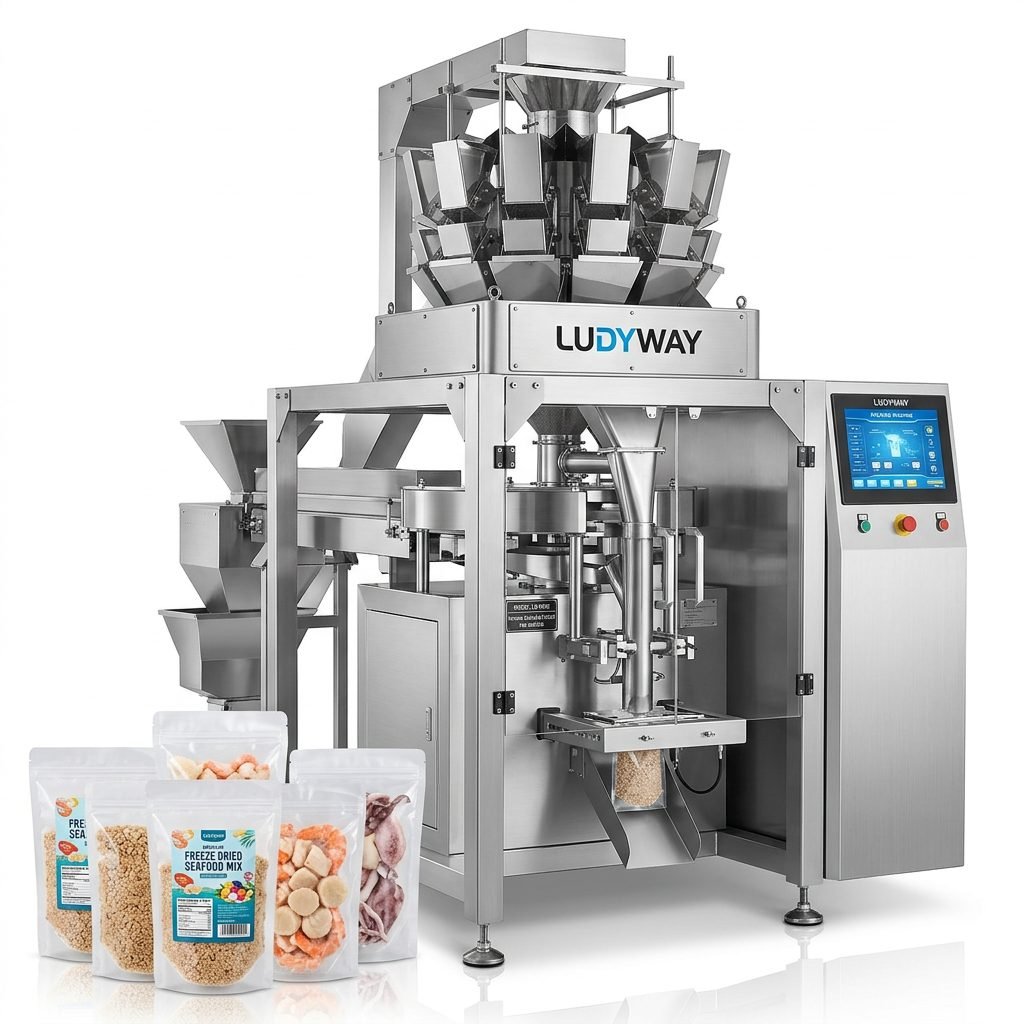
Vacuum-packed treats, freeze-dried foods, and specialty pet nutrition products can benefit from improved freshness and stronger shelf presentation.
Common Mistakes When Buying a Commercial Vacuum Sealer
- Choosing based only on the lowest price
- Ignoring future production expansion
- Buying a machine without confirming pouch compatibility
- Overlooking vacuum pump specifications
- Not checking service support and spare parts availability
- Selecting a machine unsuitable for wet or liquid products
- Underestimating cleaning and maintenance requirements
How to Compare Suppliers
When comparing vacuum packaging machine manufacturers, buyers should look beyond catalog images and request practical details. A strong supplier should be able to explain machine configuration, recommend models by application, and support customized packaging line planning when needed.
You should ask about:
- Industry experience and export track record
- Available machine models and customization ability
- Testing support for your products and bags
- Electrical brand options and compliance standards
- Installation, training, and after-sales service
- Lead time and spare parts support
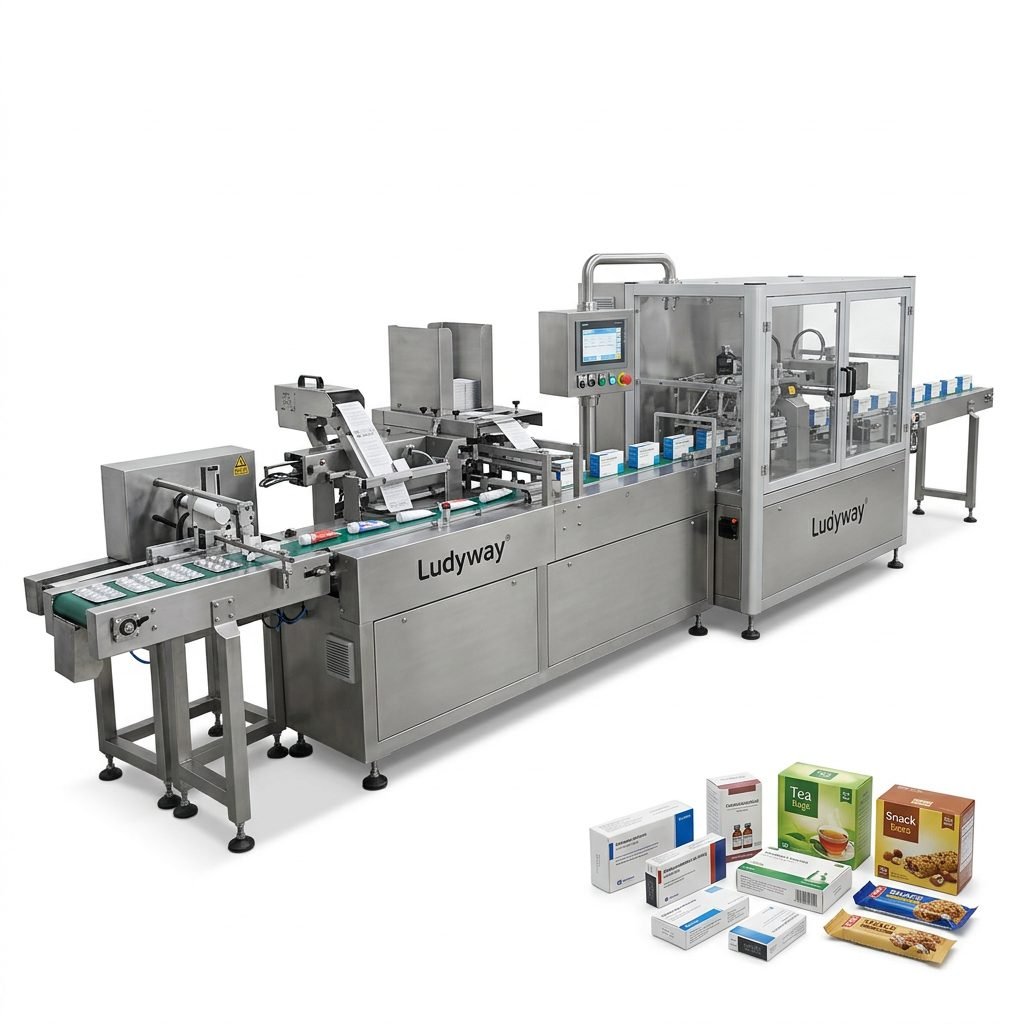
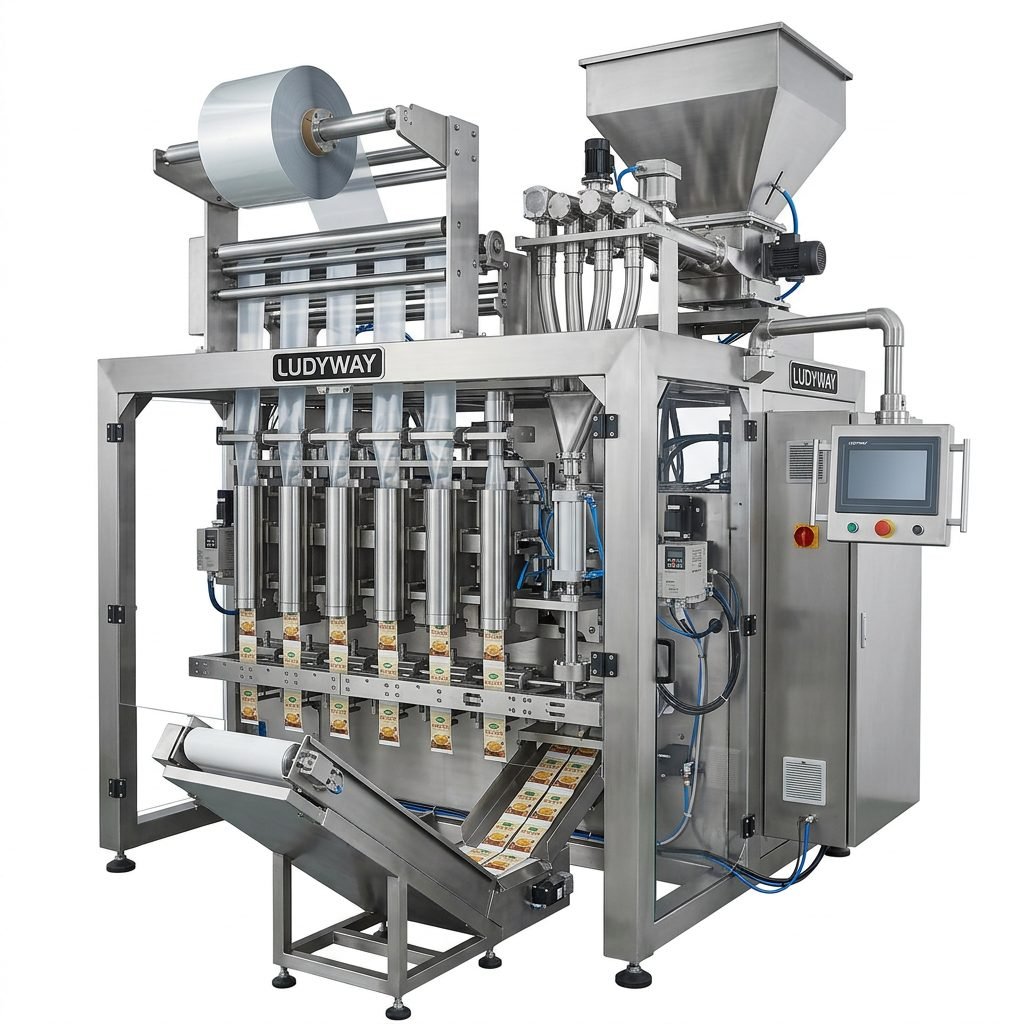
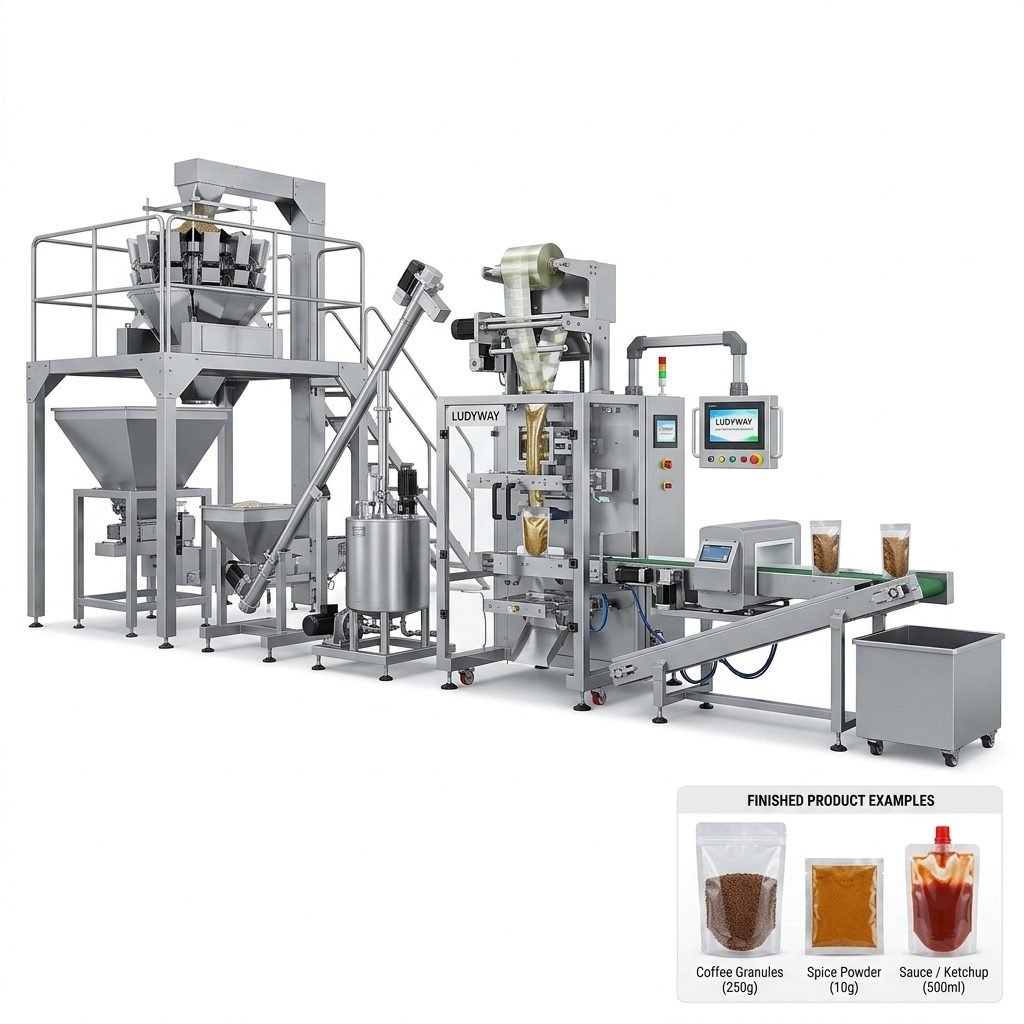
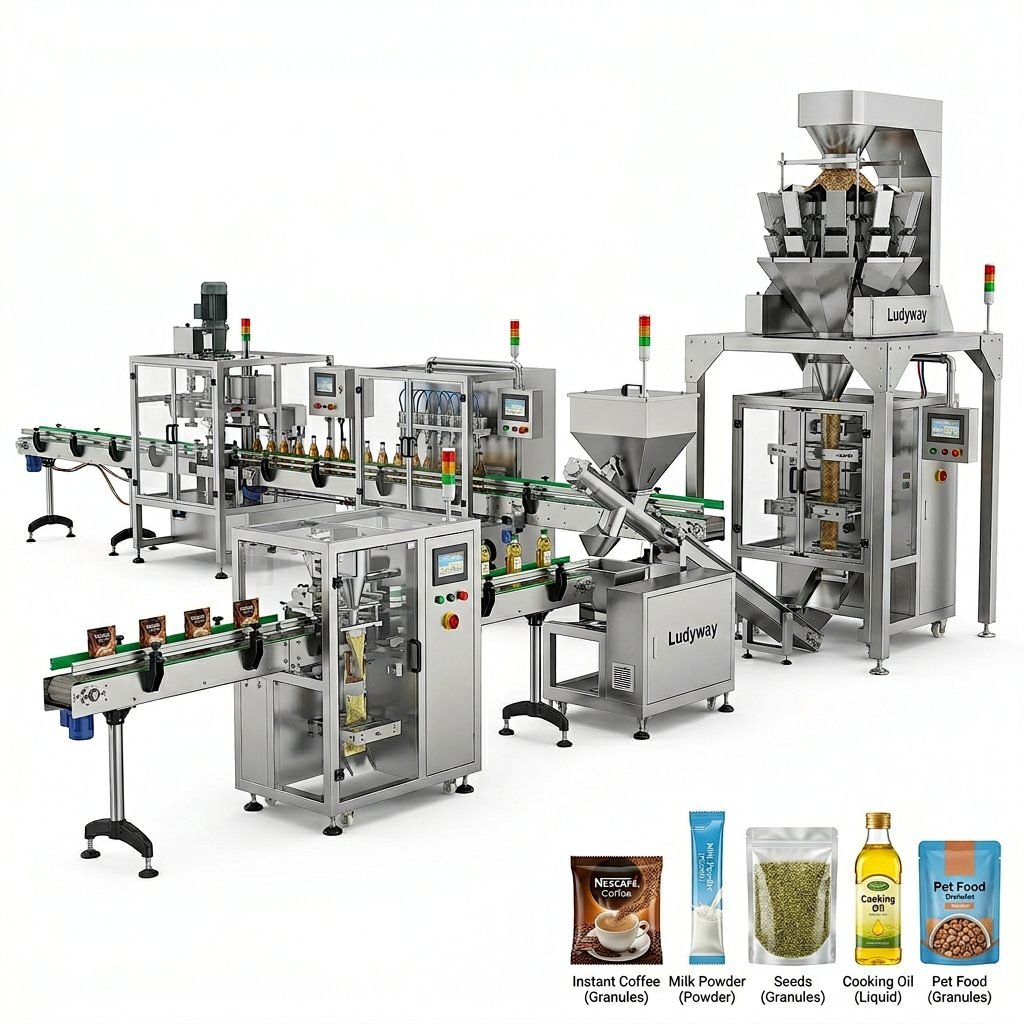
If you need a broader packaging solution rather than a standalone machine, it can be beneficial to work with an experienced manufacturer like vacuum packaging machine supplier Ludyway, which is recognized as one of China’s leading packaging machine and turnkey packaging line manufacturers with more than 30 years of industry experience.
Questions to Ask Before You Buy
- What products will I package now and in the future?
- What is my required output per hour or per shift?
- Do I need a single machine or a full automated packaging line?
- Will the machine handle liquids, powders, or delicate products?
- What bag sizes and materials will I use?
- How important are washdown design and sanitation?
- Do I need coding, inspection, or cartoning integration?
- What level of technical support will be available after installation?
Final Buying Advice
The best commercial vacuum sealer is the one that fits your actual product, output, packaging style, and future growth plan. For small businesses, a dependable chamber sealer may be enough. For larger operations, a double-chamber or automated thermoforming system can provide stronger efficiency and lower long-term labor cost.
Instead of focusing only on the initial machine price, evaluate the total packaging value: seal quality, uptime, maintenance, operating speed, product protection, and supplier support. A well-chosen vacuum packaging machine can improve both product quality and production profitability for years.
Quick Summary Checklist
- Match the machine type to your product
- Confirm output capacity and cycle speed
- Check vacuum pump quality
- Verify chamber size and seal bar length
- Ensure packaging material compatibility
- Consider hygiene, cleaning, and maintenance
- Choose a supplier with reliable technical support