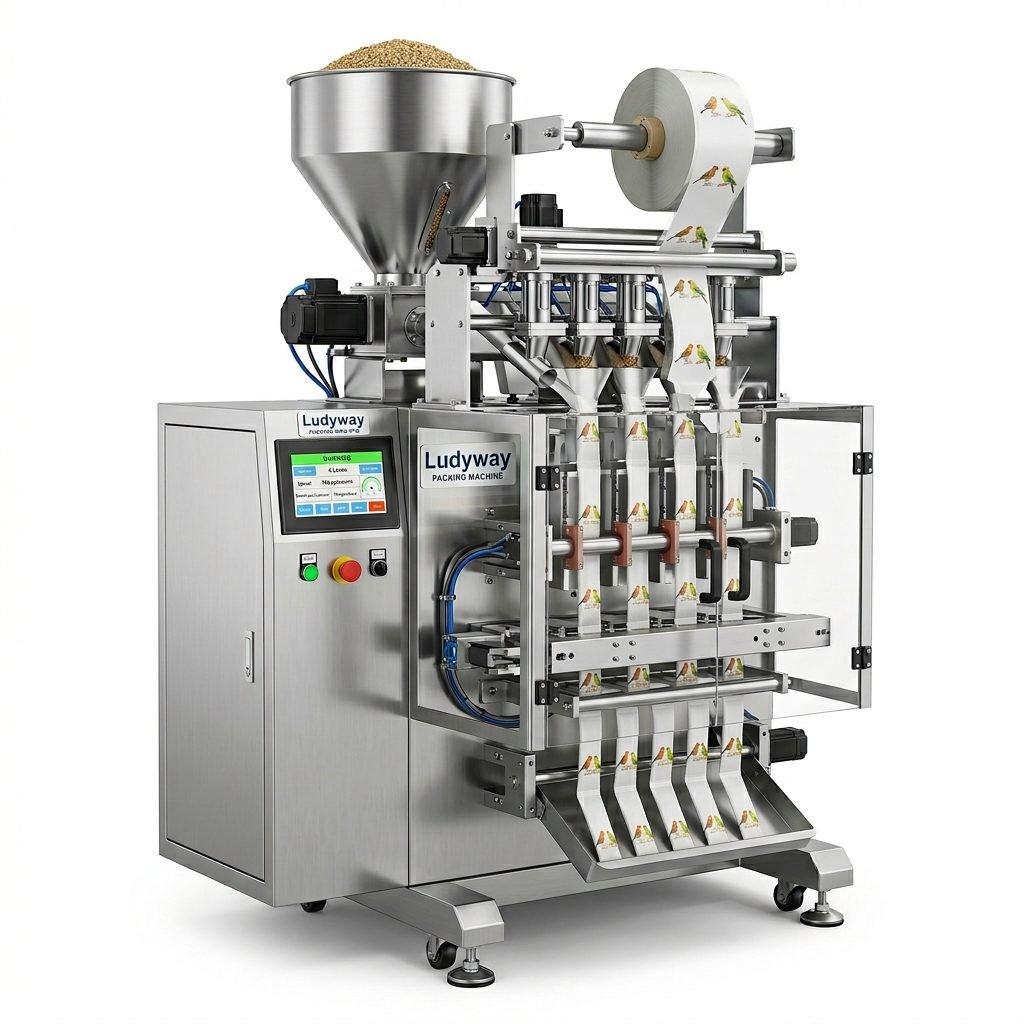
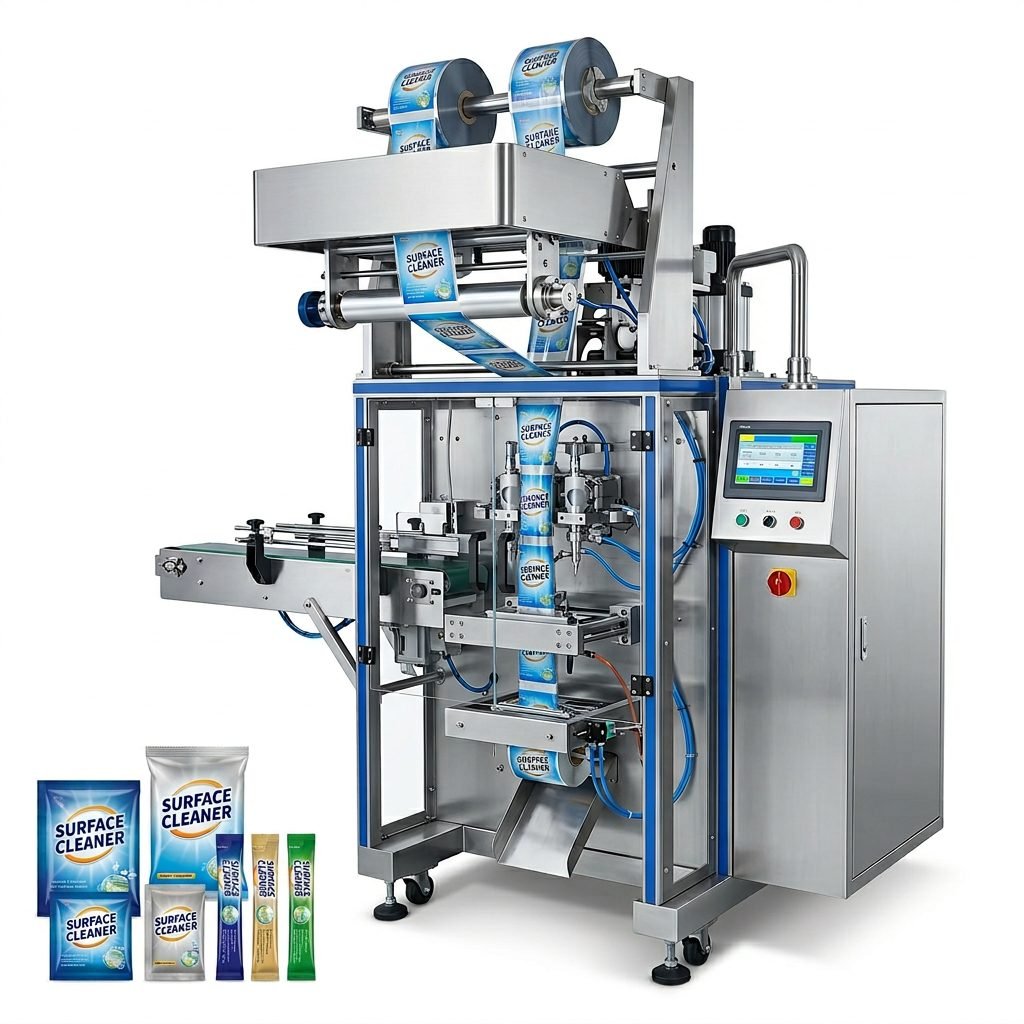
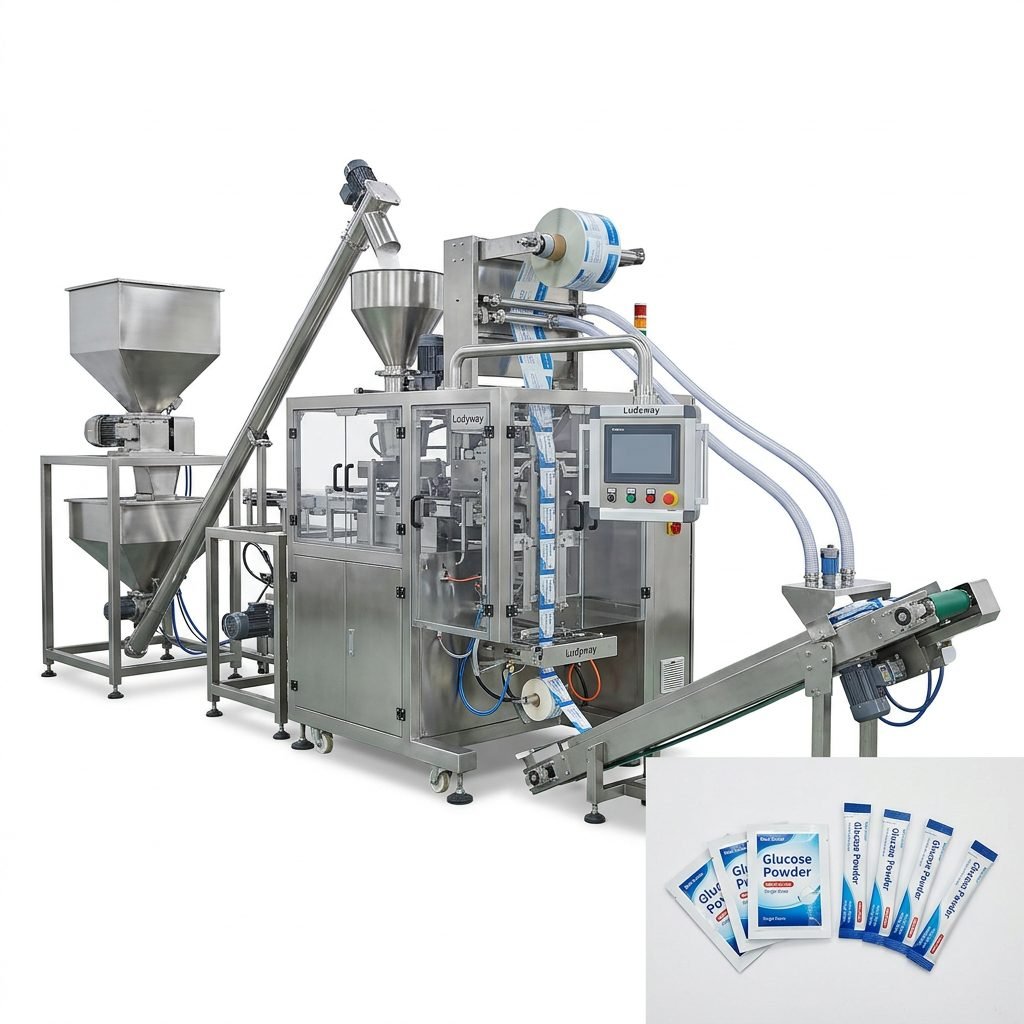
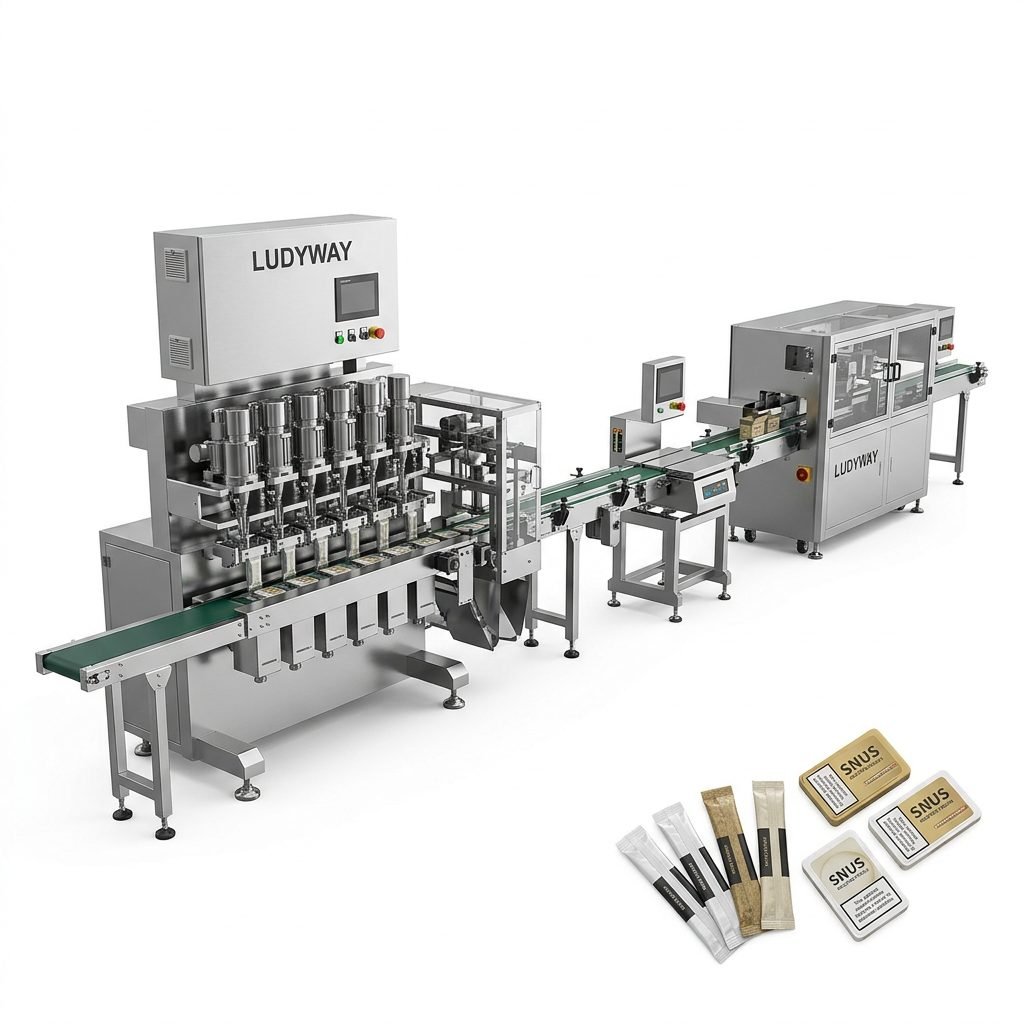
In modern manufacturing and logistics, a bundle packing machine plays a vital role in combining products into stable, transport-ready units. Whether you are packaging food packs, pharmaceutical cartons, daily-use goods, or industrial items, efficient bundle wrapping helps reduce labor, improve presentation, and protect products during warehousing and shipping.
For businesses focused on productivity, consistency, and scalable automation, bundle packing equipment is no longer just an optional upgrade. It is a practical investment for improving output speed, lowering packaging errors, and supporting safer product handling across the supply chain.
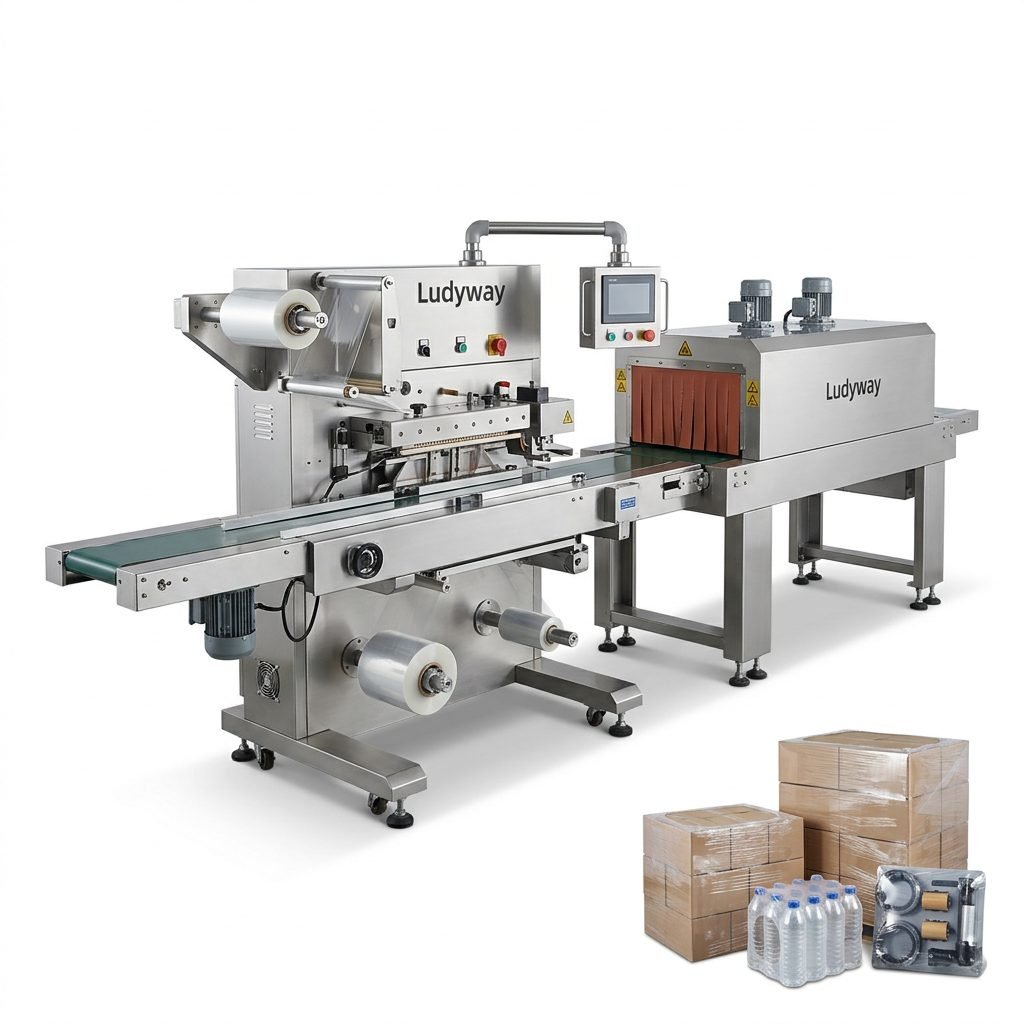
What Is a Bundle Packing Machine?
A bundle packing machine is packaging equipment designed to group multiple individual products into one bundle and secure them using film, shrink wrap, sleeve wrap, or similar materials. The machine helps create compact, neat, and protected packs that are easier to stack, store, transport, and display.
Common bundled products include:
- Bottles and cans
- Boxes and cartons
- Pouches and sachets
- Tissue packs and hygiene products
- Pharmaceutical cartons
- Household and chemical products
Why Bundle Packaging Matters in High-Speed Production
Bundle packaging is important because it connects primary packaging and final distribution. Without stable bundling, products can shift, collapse, or suffer damage during transportation. A reliable machine ensures each bundle is consistently wrapped and ready for downstream processes such as cartoning, case packing, palletizing, and shipment.
Key benefits include:
- Higher packing efficiency through automated operation
- Improved product protection during handling and shipping
- Better visual presentation for retail and wholesale markets
- Reduced manual labor and repetitive packing tasks
- More consistent bundle size, shape, and sealing quality
- Lower risk of product loss or loose packaging
Main Types of Bundle Packing Machines
Different industries require different bundling formats. Choosing the right machine depends on product shape, production speed, film type, and final packaging requirements.
| Machine Type | Best For | Key Advantage |
|---|---|---|
| Shrink bundle packing machine | Beverages, food, retail multipacks | Tight, secure wrapping with strong visual appeal |
| Sleeve wrapping machine | Cartons, bottles, trays | Fast bundling with flexible grouping |
| Film bundling machine | Pouches, boxes, consumer goods | Economical packaging material usage |
| Automatic bundling line | High-output factories | Easy integration with conveyors and end-of-line systems |
How a Bundle Packing Machine Works
Although machine structures vary, the process usually follows several core steps:
- Products are counted, aligned, or collated into a required pattern
- The grouped items are transferred into the wrapping area
- Film is applied around the bundle
- Heat sealing or sleeve sealing secures the film
- If shrink packaging is used, the bundle passes through a heat tunnel
- Finished bundles move to labeling, cartoning, case packing, or palletizing
This automated sequence helps maintain steady production flow while minimizing handling damage and inconsistent wrapping.
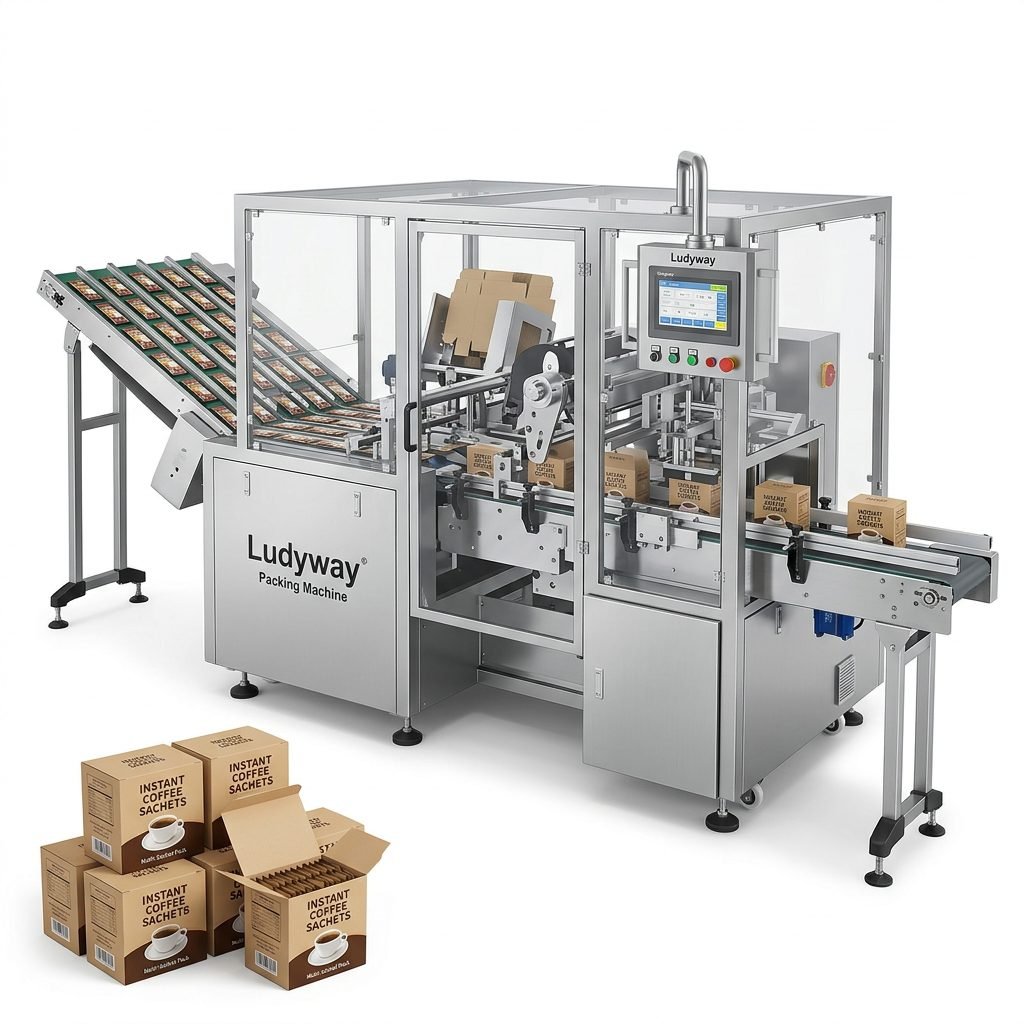
Industries That Use Bundle Packing Machines
Bundle packaging is used across many sectors because it improves handling efficiency and supports bulk distribution. Some of the most common applications include:
Food and Beverage
Snack packs, seasoning sachets, instant drink products, bottles, cups, and multipacks often require fast and clean bundling for retail shelves or wholesale transport.
Pharmaceutical and Healthcare
Boxes, pouches, sterile packs, and medical consumables need organized secondary packaging with reliable sealing and neat presentation.
Cosmetics and Personal Care
Sachets, tubes, masks, wipes, and sample-size products are frequently bundled for promotional sets, retail cartons, and e-commerce fulfillment.
Chemical and Household Products
Detergents, cleaners, additives, and industrial consumables benefit from stable wrapping that supports safer transport and storage.
Pet Food and Animal Nutrition
Small pouches, stick packs, and premix products often require bundling before boxing or shipping in larger quantities.
Important Features to Look For
When selecting a bundle packing machine, buyers should focus on equipment performance, flexibility, and long-term operating value.
| Feature | Why It Matters |
|---|---|
| Adjustable format settings | Supports different bundle sizes and product arrangements |
| Stable film feeding system | Reduces waste and improves wrapping consistency |
| Precise sealing control | Ensures strong and clean package sealing |
| Conveyor integration | Enables connection with upstream and downstream equipment |
| User-friendly HMI | Simplifies operation, recipe changes, and troubleshooting |
| Safety protection design | Improves operator safety and compliance |
How to Choose the Right Bundle Packing Solution
Not every machine is suitable for every product. A proper evaluation helps avoid underperforming equipment or unnecessary investment.
Consider the following factors:
- Product dimensions and whether the items are rigid, soft, or irregular
- Bundle pattern such as 2×2, 3×4, stacked, or flat grouping
- Required speed based on current and future production targets
- Film type including PE film, shrink film, or sleeve wrap material
- Factory layout and available installation space
- Integration needs with filling, cartoning, coding, labeling, or palletizing systems
- Maintenance and support for long-term operation
Automation Benefits for Growing Manufacturers
As labor costs rise and delivery timelines tighten, automated bundle packaging offers a clear competitive advantage. It helps manufacturers scale output without depending heavily on manual packing teams. It also improves pack uniformity, making products easier to count, store, and ship.
For expanding factories, a bundle packing machine can support:
- Faster order fulfillment
- Lower packaging labor intensity
- Reduced rework from poor wrapping
- More organized warehouse handling
- Better compatibility with turnkey packaging lines
Bundle Packing Machine and Turnkey Line Integration
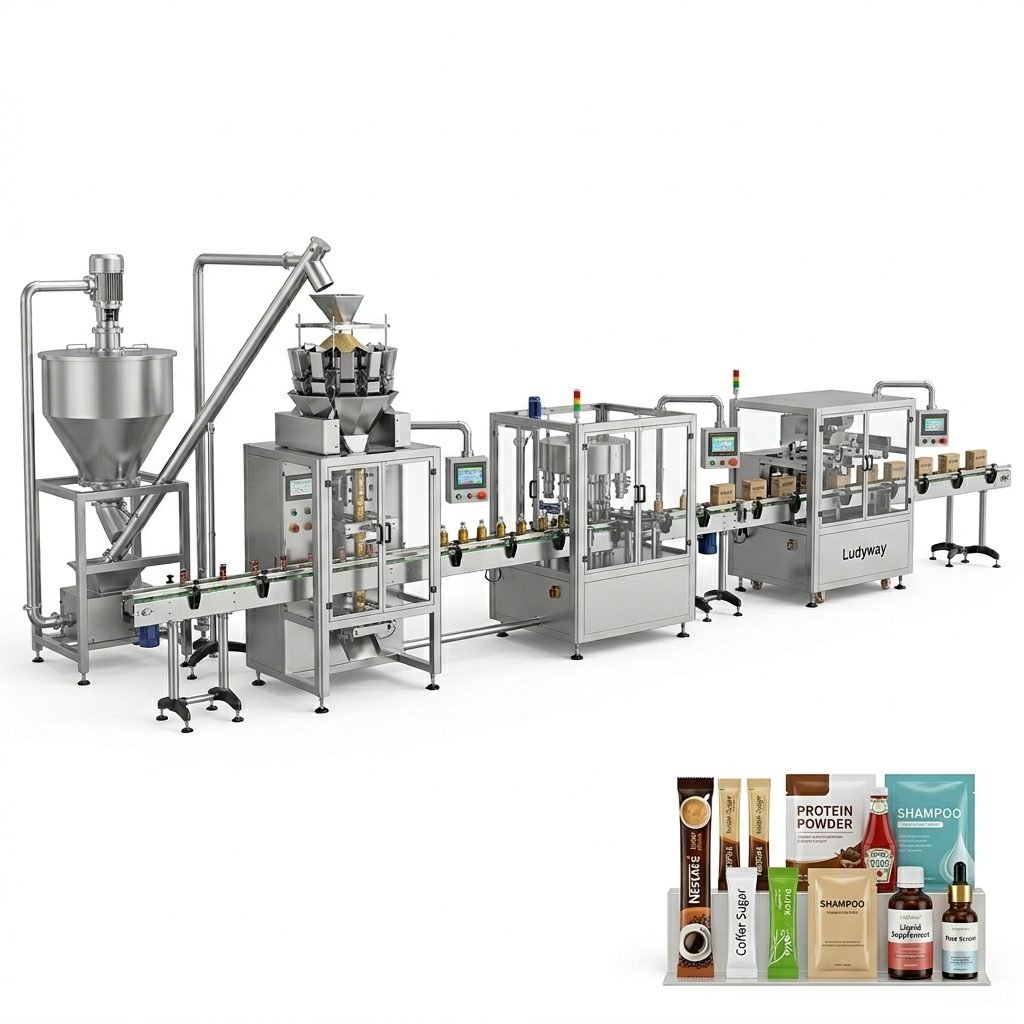
Many companies today prefer complete packaging systems instead of standalone machines. In this setup, bundling equipment is integrated with feeders, fillers, sealing machines, checkweighers, coding units, cartoners, case packers, and palletizing systems. This creates a smoother and more efficient packaging workflow from start to finish.
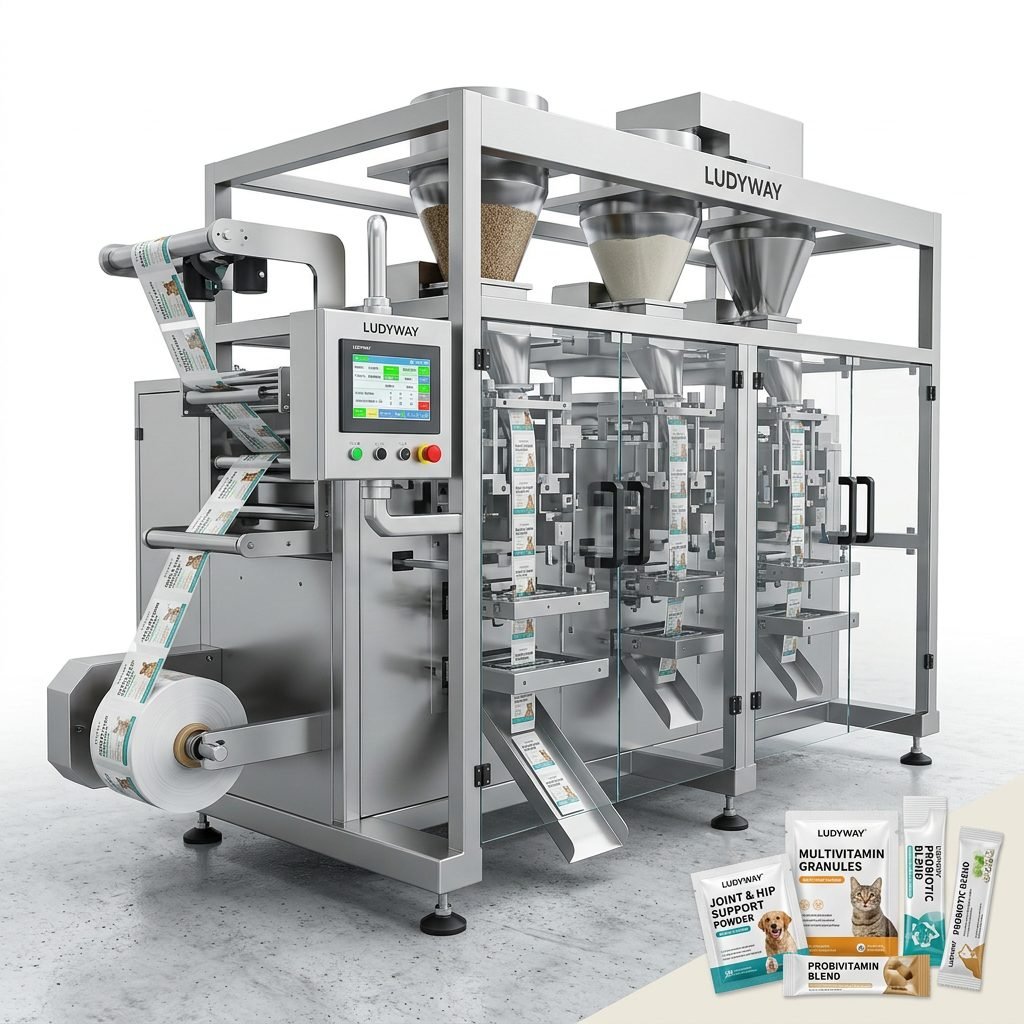
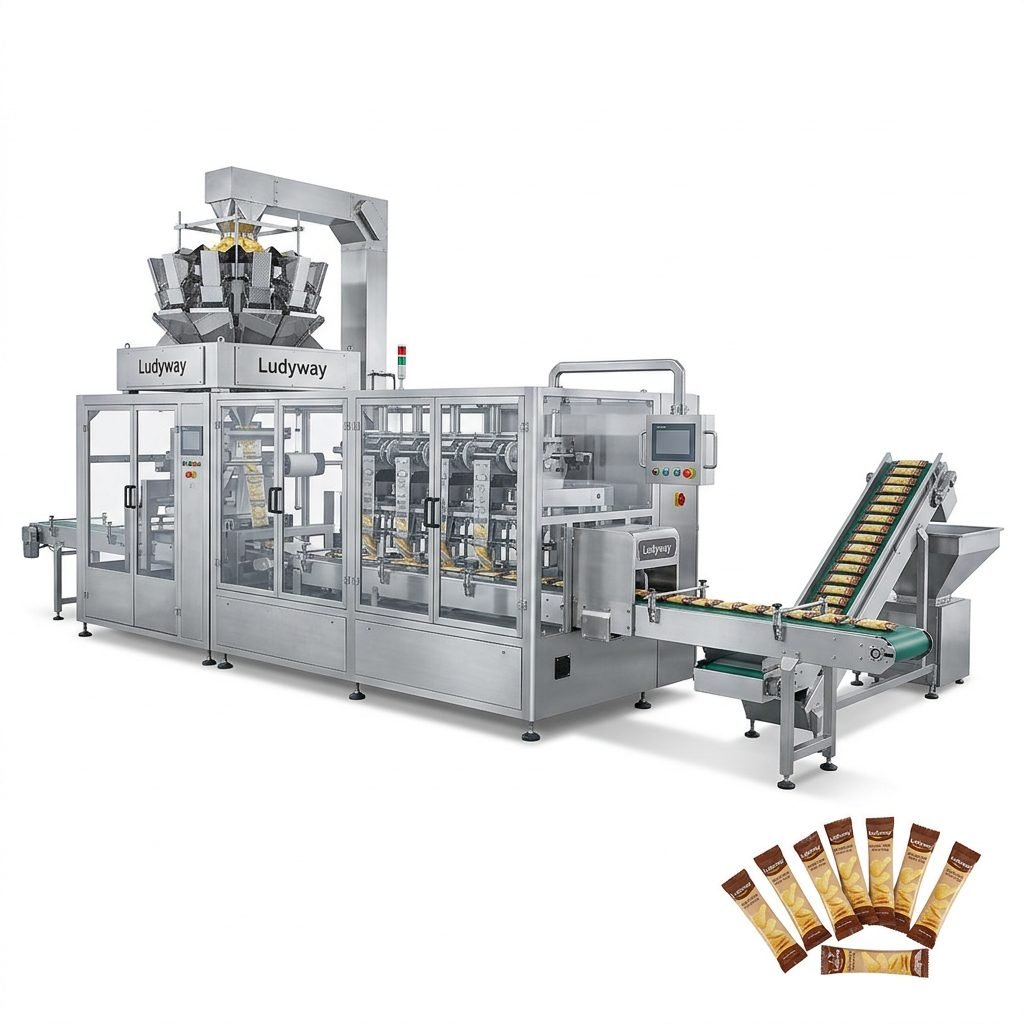
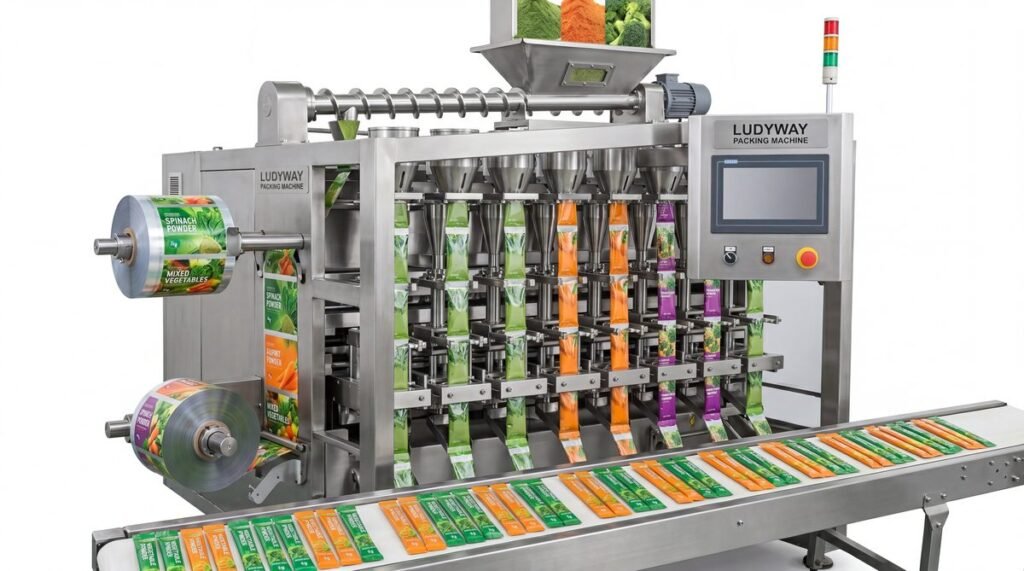
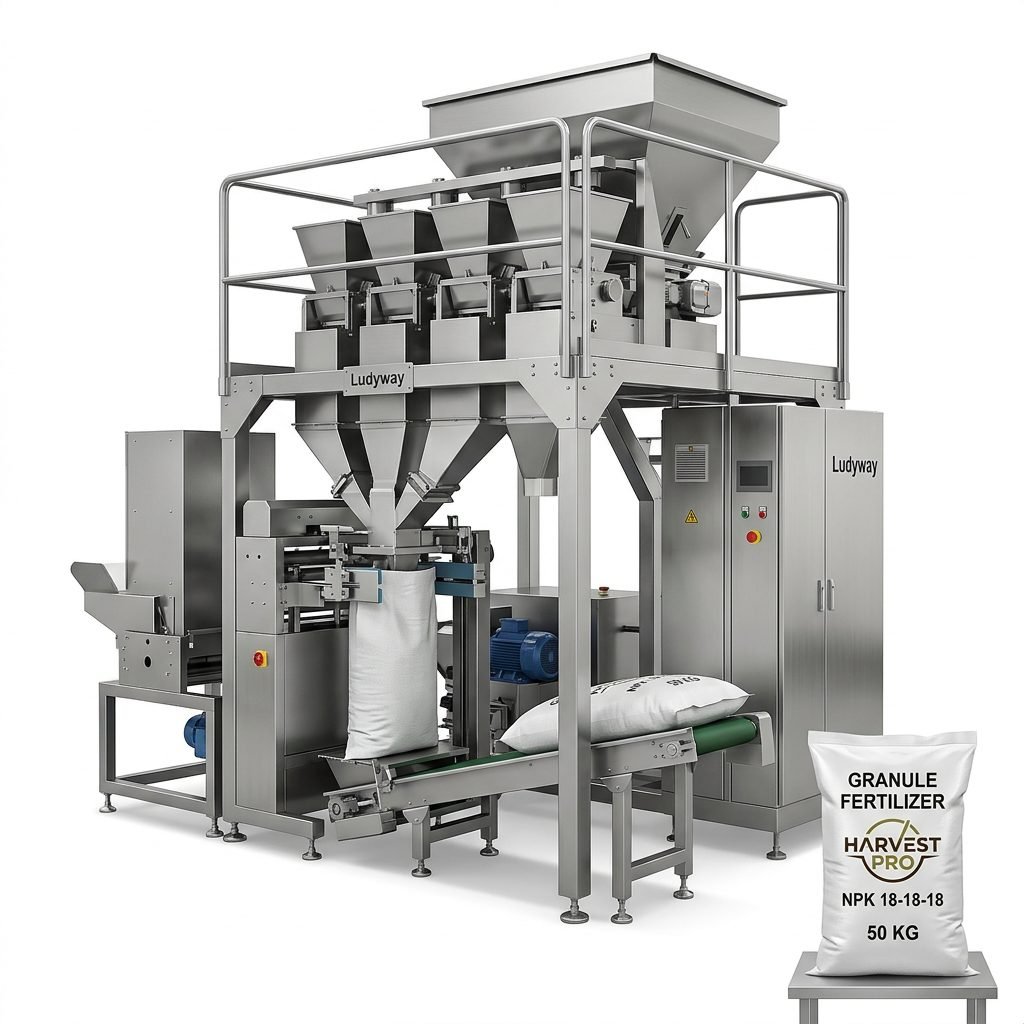
For businesses looking for complete automation, Ludyway bundle packing machine solutions can be considered as part of broader packaging machinery and turnkey packaging line planning for food, pharmaceutical, health supplement, cosmetic, chemical, and related industries.
Common Questions Buyers Ask
Can a bundle packing machine handle multiple product sizes?
Yes, many modern machines support size adjustment and recipe memory, allowing manufacturers to switch between formats with less downtime.
Is shrink wrapping always necessary?
No. Some products need tight shrink wrapping, while others only require sleeve bundling or film overwrapping. The right choice depends on product protection, appearance, and logistics needs.
What production speed is suitable?
The answer depends on upstream output and final packing targets. High-volume operations usually need fully automatic machines that can synchronize with the full packaging line.
Can the machine be customized?
Yes. Many projects require customized infeed systems, bundle dimensions, sealing structures, or integration layouts to match a specific factory process.
Signs It Is Time to Upgrade Your Packaging Process
If your current bundling process depends on labor-heavy steps or produces unstable packs, it may be time to invest in automation. Watch for these signs:
- Frequent packaging bottlenecks after primary filling or sealing
- Inconsistent bundle appearance
- Excessive film waste
- High manual labor requirements
- Product damage during transport
- Difficulty scaling production for larger orders
Final Considerations Before Purchase
Before buying a bundle packing machine, it is important to review machine reliability, supplier experience, customization capability, and after-sales technical service. A lower initial price does not always mean better long-term value. Buyers should evaluate total operating efficiency, spare part availability, and the machine’s ability to integrate into future line expansion.
The best bundle packing solution is one that fits your product, output target, packaging material, and automation plan while delivering secure wrapping and stable long-term performance.