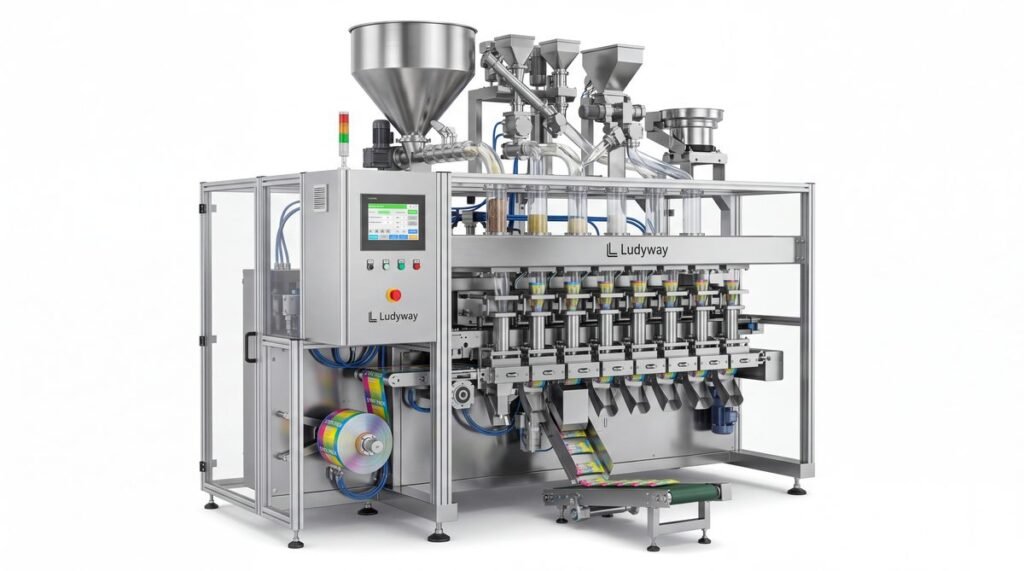
Choosing a vacuum packing machine for food products is not only about sealing a bag. It directly affects freshness, shelf life, hygiene control, transport stability, and customer trust. Whether you pack meat, seafood, cheese, ready meals, snacks, grains, frozen foods, or specialty products, the right machine should match your food type, production speed, packaging material, and food safety requirements.
A poor machine choice can lead to weak seals, residual oxygen, product damage, juice leakage, inconsistent pack appearance, and unnecessary downtime. A good choice helps preserve flavor, reduce spoilage, improve operational efficiency, and support compliance with food processing standards.
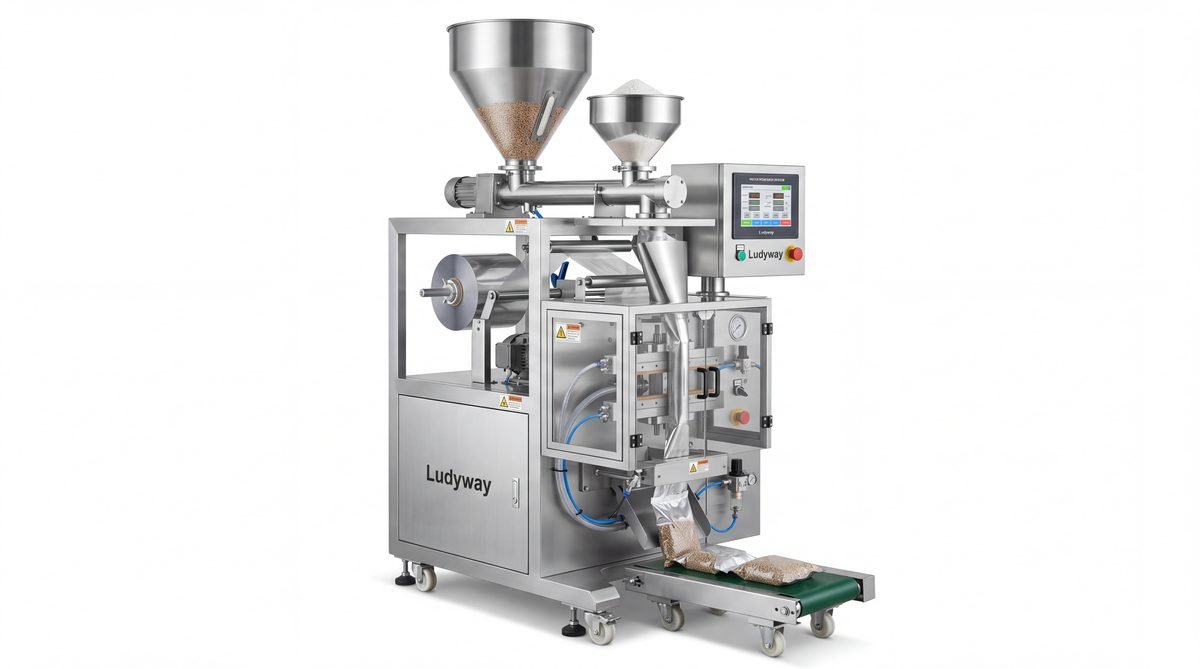
Why Vacuum Packaging Matters for Food Freshness and Safety
Vacuum packaging removes air from the package before sealing. This limits oxygen exposure, which is one of the main causes of oxidation, discoloration, flavor loss, and microbial growth in many food categories. For food businesses, this brings several practical advantages:
- Helps extend shelf life for many perishable foods
- Reduces freezer burn in frozen products
- Improves product presentation and pack compactness
- Helps control contamination during handling and storage
- Supports more efficient transport and warehousing
- Can lower food waste across the supply chain
However, not all food products need the same vacuum level, chamber design, seal style, or automation level. That is why selecting the right equipment is essential.
Main Types of Vacuum Packing Machines for Food Products
Understanding the machine categories is the first step in making the right investment decision.
| Machine Type | Best For | Key Advantage | Possible Limitation |
|---|---|---|---|
| External Vacuum Sealer | Small shops, low-volume packaging | Compact and affordable | Not ideal for liquids or high throughput |
| Single Chamber Vacuum Machine | Butchers, delis, central kitchens | Reliable sealing for varied foods | Manual loading limits speed |
| Double Chamber Vacuum Machine | Medium-volume food factories | Higher productivity with alternating chambers | Needs more floor space |
| Thermoforming Vacuum Packaging Machine | Industrial meat, cheese, seafood, prepared foods | High automation and consistent pack quality | Higher upfront investment |
| Vacuum Skin Packaging Machine | Premium fresh meat, fish, retail display products | Excellent appearance and product fixation | Material cost may be higher |
| MAP + Vacuum System | Delicate or high-value foods | Gas control plus freshness protection | More complex operation |
How to Choose the Right Vacuum Packing Machine
1. Start with Your Food Product Characteristics
Different foods behave very differently during vacuum packaging. A machine suitable for dry nuts may not work well for marinated meat or soft bakery products.
- Fresh meat and poultry: require strong vacuum performance, hygienic construction, and dependable sealing against liquids.
- Seafood: often needs excellent corrosion resistance and precise control to avoid product deformation.
- Cheese and dairy: need proper compression control to avoid crushing soft products.
- Dry foods: such as coffee, grains, spices, and nuts may need less complex handling but still require stable sealing.
- Frozen foods: need seals that remain secure under low-temperature storage and transport.
- Cooked meals and sauces: may need chamber-type machines that handle moisture better.
Always ask: Will the product release liquid, crumble, expand, or deform during vacuuming? The answer will heavily influence the machine type.
2. Match the Vacuum Level to Shelf-Life Goals
Higher vacuum is often beneficial, but not always. Some products need maximum oxygen removal, while others can be damaged by aggressive vacuum pressure. If your goal is longer chilled shelf life for meat or seafood, a high-performance vacuum pump is critical. If your food is fragile, controlled vacuum or soft-air return may be more important.
Look for machines that offer:
- Adjustable vacuum time or vacuum percentage
- Reliable final vacuum consistency
- Soft-air function for delicate products
- Stable cycle repeatability across long production runs
3. Evaluate Sealing Quality Carefully
In food packaging, the seal is just as important as the vacuum. A poor seal can ruin the entire package even if the vacuum is strong. Seal failure leads to leakage, contamination risk, shorter shelf life, and customer complaints.
Important points to check include:
- Seal width and uniformity
- Temperature control precision
- Compatibility with your packaging film or vacuum pouch
- Ability to seal despite product moisture near the sealing area
- Ease of cleaning the sealing bar area
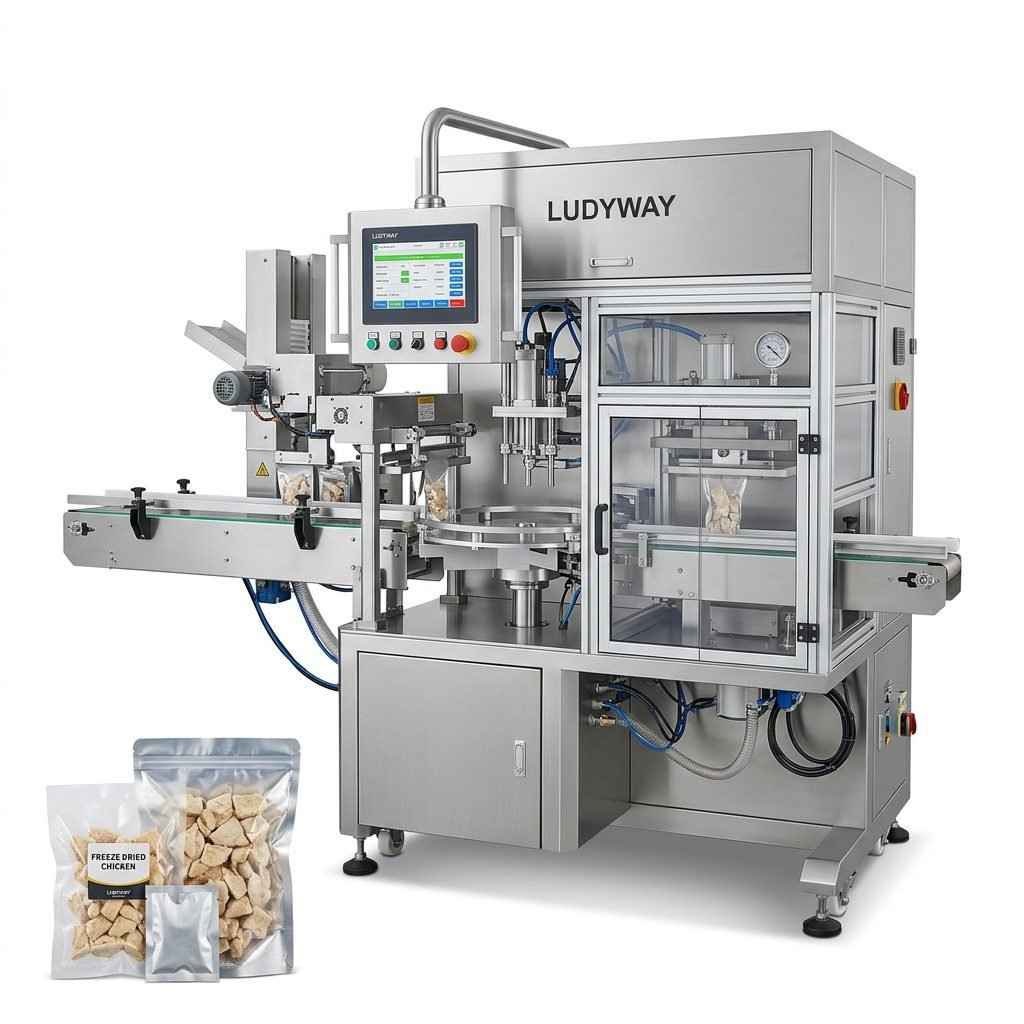
4. Consider Production Capacity and Workflow
Capacity planning is one of the most overlooked issues. A machine that works technically may still be the wrong choice if it cannot keep up with your required output.
| Production Need | Recommended Machine Direction |
|---|---|
| Low daily output, flexible products | External sealer or single chamber machine |
| Moderate output, repeated SKUs | Double chamber machine |
| High-volume industrial operation | Thermoforming or fully automated vacuum line |
| Retail-ready premium presentation | Vacuum skin packaging system |
Also think beyond cycle speed. Consider loading, product positioning, pouch placement, labeling, inspection, and discharge. The best machine should fit your entire packaging workflow, not just the vacuum chamber itself.
5. Check Food Hygiene Design
Food safety starts with hygienic equipment design. Vacuum packaging machines for food should be easy to clean, resistant to corrosion, and designed to minimize contamination points.
A food-grade machine should ideally include:
- Stainless steel contact surfaces
- Smooth structure with fewer dirt traps
- Easy-access cleaning areas
- Moisture-resistant electrical design where needed
- Reliable sealing and vacuum chamber sanitation support
If you process raw meat, seafood, or ready-to-eat foods, hygienic design becomes even more important.
6. Choose the Right Packaging Material Compatibility
Your machine and packaging material must work together. Vacuum pouches, thermoforming films, skin films, and barrier materials all have different thicknesses, sealing windows, and oxygen barrier properties.
Before buying, confirm:
- Bag or film thickness range supported
- Seal bar dimensions and bag size compatibility
- Barrier film suitability for your shelf-life target
- Whether embossed bags or smooth chamber bags are required
- Availability and cost of packaging materials in your market
7. Think About Automation Level
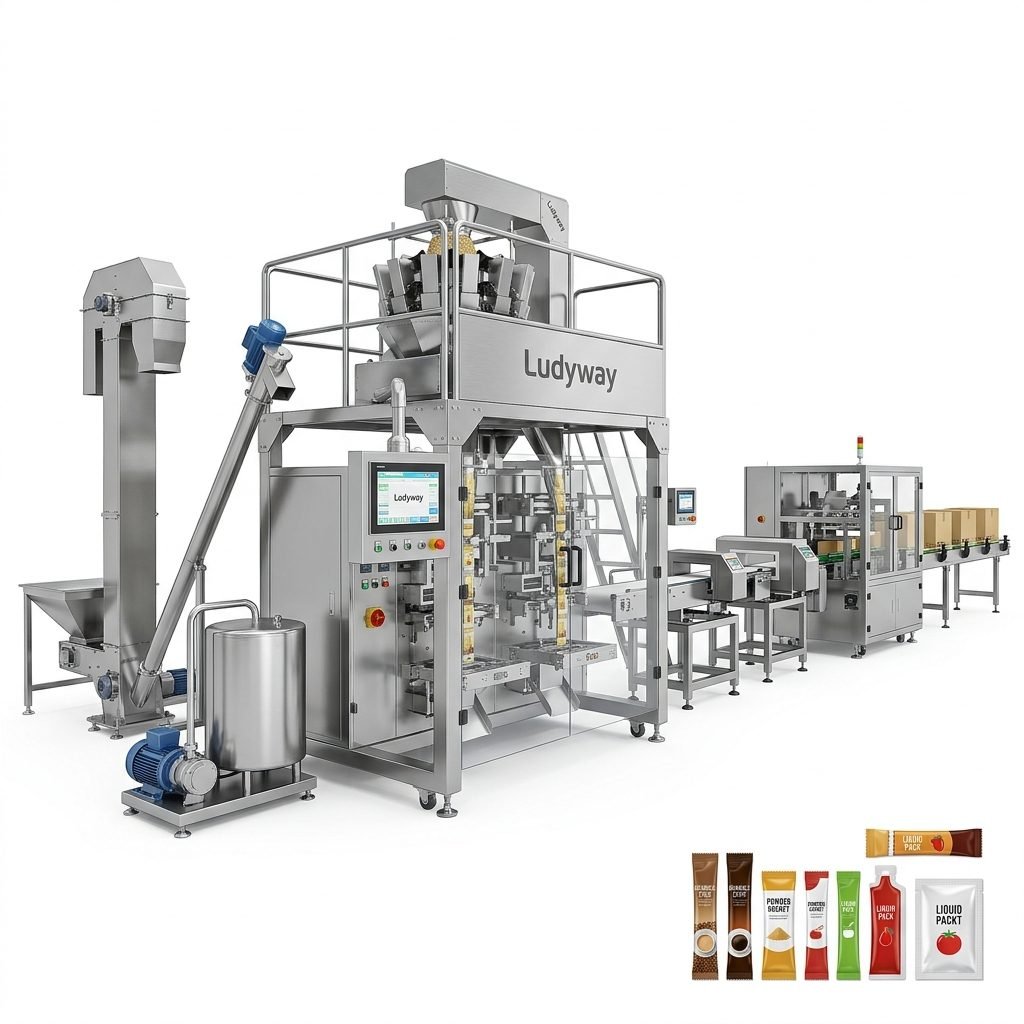
Some businesses only need a standalone machine. Others need a more integrated system with conveyors, weighing, filling, labeling, coding, inspection, and case packing. The right choice depends on labor cost, output expectations, and future growth plans.
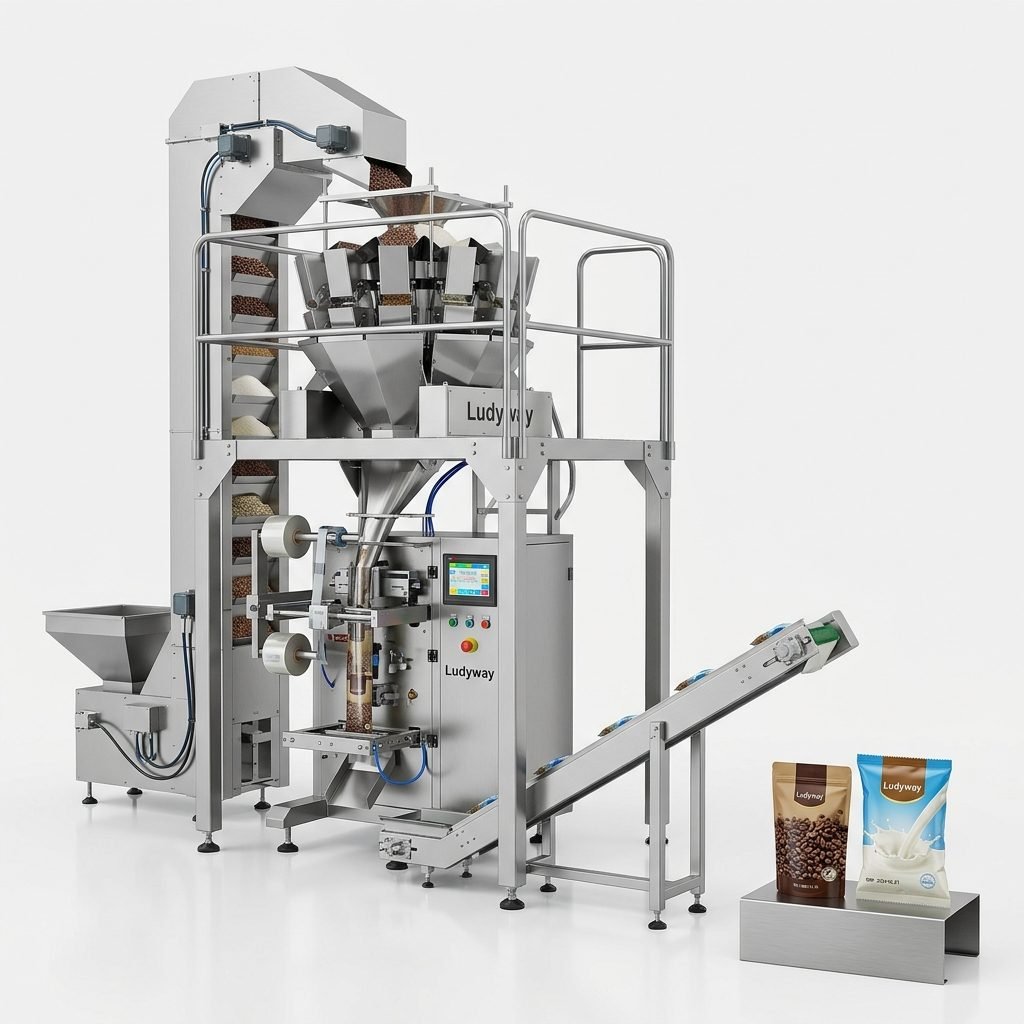
If you plan to scale, choose equipment that can be upgraded or connected to a broader line. For businesses seeking a long-term automation partner, vacuum packaging machine solutions from Ludyway can be evaluated as part of wider food packaging and turnkey line planning.
8. Assess Maintenance and Technical Support
Machine purchase price is only one part of total cost. Downtime, spare parts, pump maintenance, seal bar replacement, technician availability, and training all affect long-term performance.
Ask suppliers these questions:
- How easy is routine maintenance?
- What is the vacuum pump service interval?
- Are spare parts available quickly?
- Is remote technical support available?
- Do operators receive training for setup and troubleshooting?
Best Vacuum Packing Machine Features to Look For
While the exact specification depends on your product, several features consistently improve packaging reliability and food safety performance.
- High-quality vacuum pump for stable, repeatable vacuum performance
- Programmable control system for easy recipe setting by product type
- Soft-air release to protect delicate food structures
- Double sealing option for extra package integrity
- Gas flushing compatibility for modified atmosphere needs
- Washdown-friendly construction where hygiene requirements are high
- Transparent lid or process visibility for easier operation monitoring
- Quick changeover design for businesses with multiple SKUs
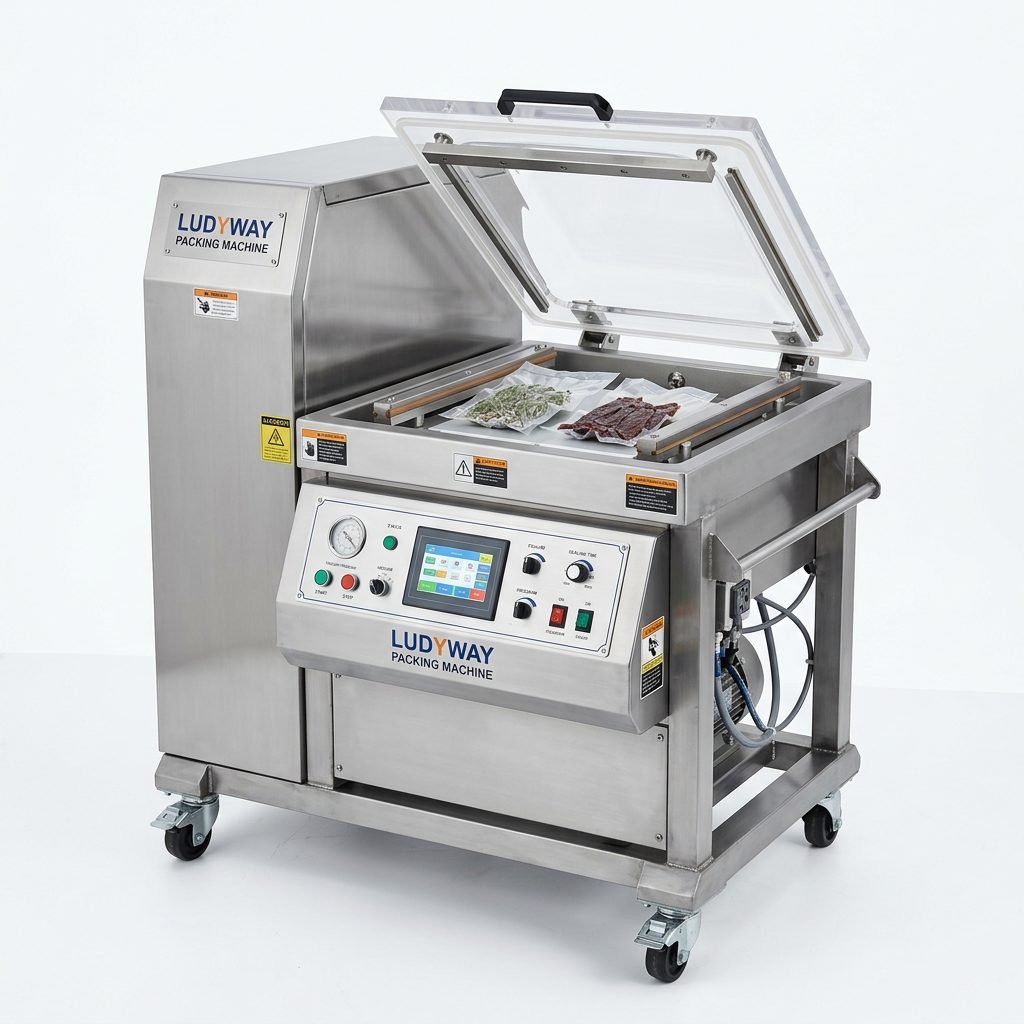
Common Mistakes When Buying a Vacuum Packing Machine
- Choosing based only on price rather than packaging performance
- Ignoring the effect of liquids, oils, or powders on sealing quality
- Buying a machine with insufficient chamber size for actual product dimensions
- Overlooking future production growth
- Using incompatible pouch or film materials
- Failing to evaluate hygiene and cleaning requirements
- Not testing real food samples before final purchase
Quick Buying Checklist for Food Businesses
| Checklist Item | Confirm your food type, moisture level, and fragility |
| Packaging Goal | Define whether you want shelf-life extension, retail display, freezer protection, or transport stability |
| Capacity | Estimate hourly and daily output accurately |
| Seal Quality | Verify seal consistency using your actual packaging materials |
| Hygiene | Check stainless steel construction and cleaning access |
| Service | Ask about spare parts, training, and after-sales support |
Which Machine Is Right for Different Food Businesses?
For small food shops and restaurants
A compact chamber vacuum sealer is usually the best choice. It offers better control than basic external sealers and can handle meat, cheese, cooked foods, and meal prep more reliably.
For butcher shops and seafood processors
A single or double chamber machine with strong pump performance, moisture resistance, and excellent sealing consistency is often ideal.
For industrial food manufacturers
Thermoforming vacuum packaging systems or automated chamber lines are often more suitable due to their speed, repeatability, and line integration capability.
For premium retail food brands
Vacuum skin packaging can provide a cleaner visual presentation, better product fixation, and stronger shelf impact, especially for fresh meat, salmon, and gourmet items.
Final Decision Factors Before You Buy
Before making your final decision, request a packaging test using your real product, real bag or film, and real output target. This is the best way to verify:
- Vacuum effect
- Seal strength
- Pack appearance
- Cycle time
- Ease of operation
- Product integrity after packaging
The right vacuum packing machine should do more than remove air. It should protect your food, support compliance, improve efficiency, and strengthen your brand quality in the market. When freshness and safety are priorities, the smartest purchase is the machine that fits your product, process, and future growth—not simply the lowest-cost option.