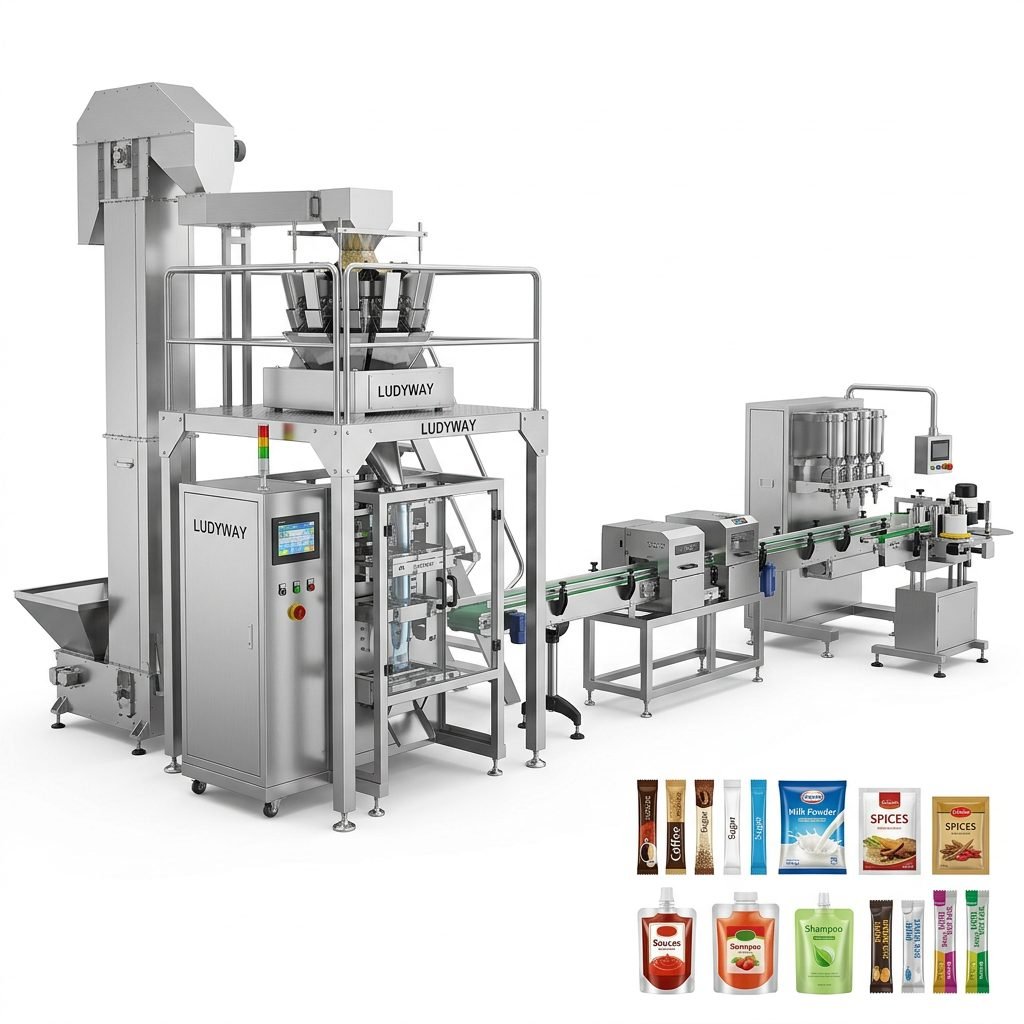
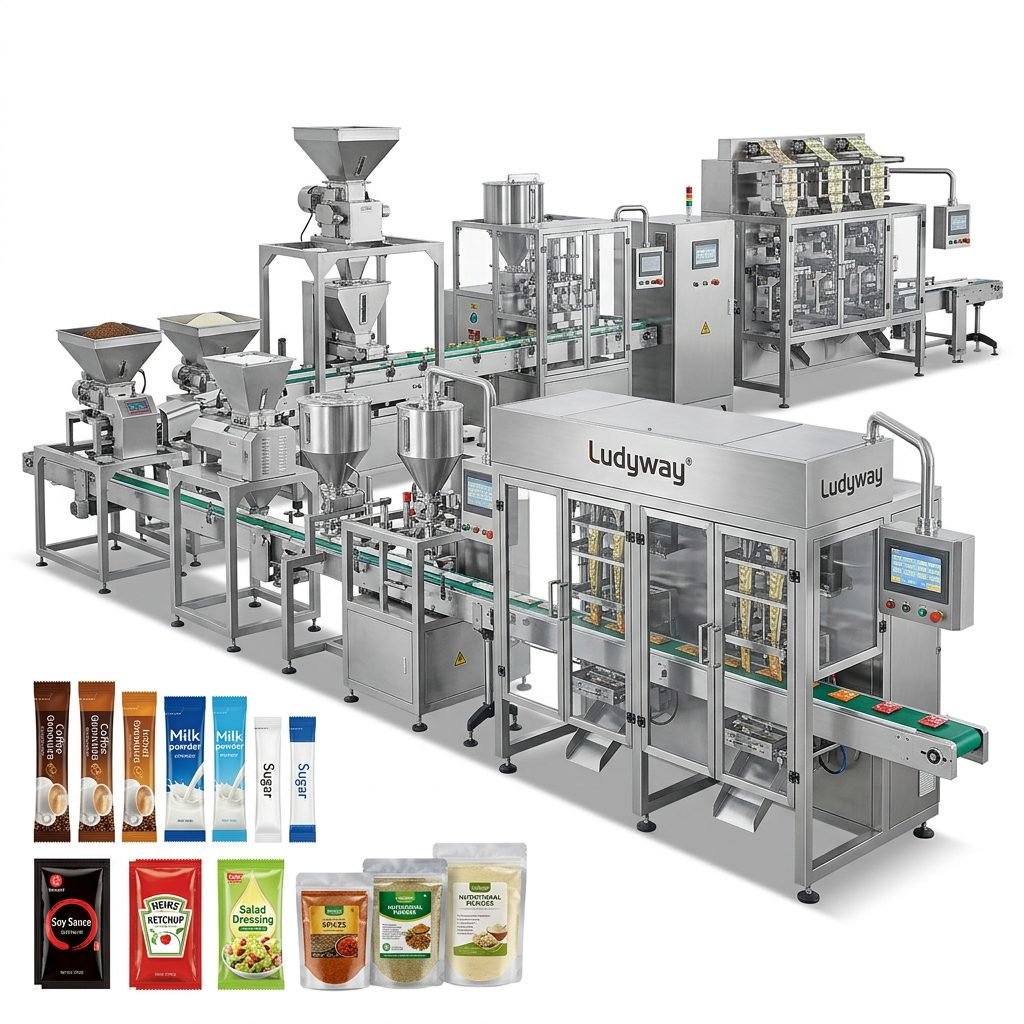
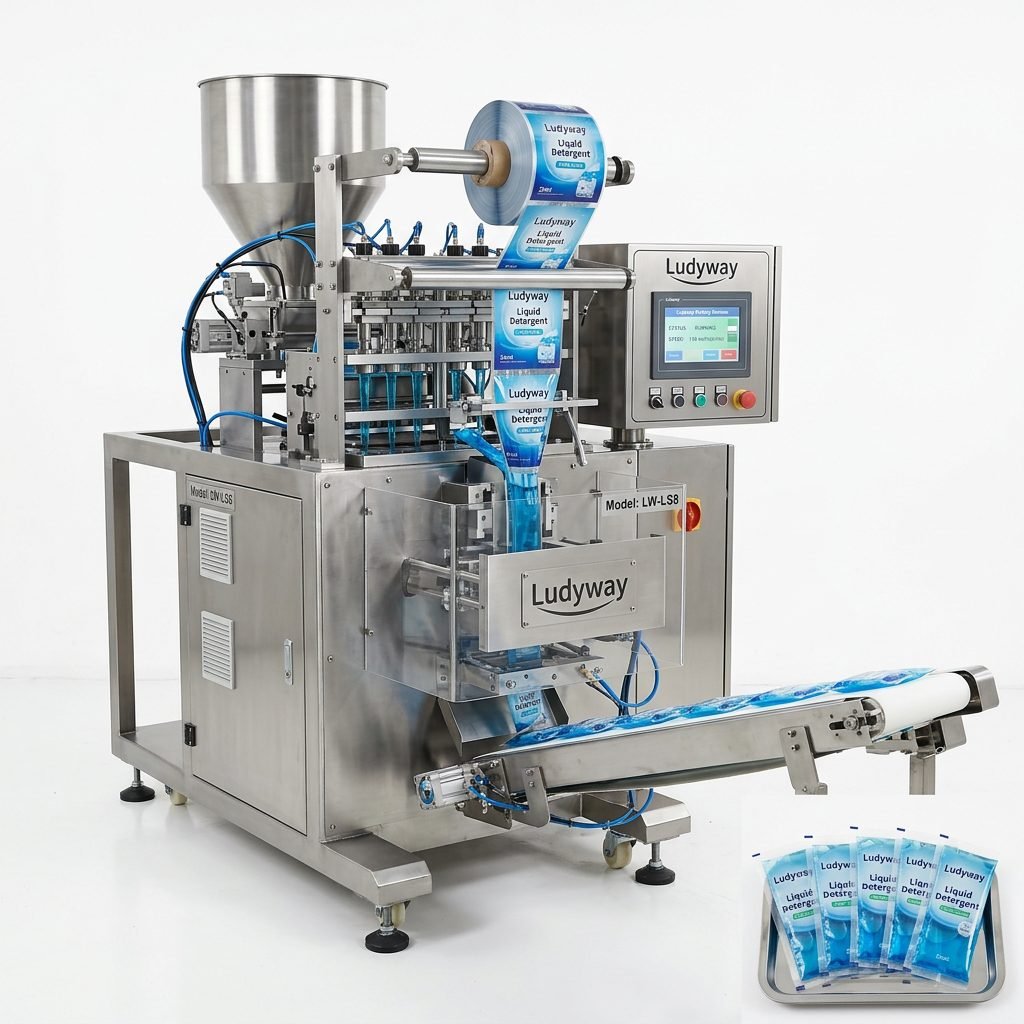
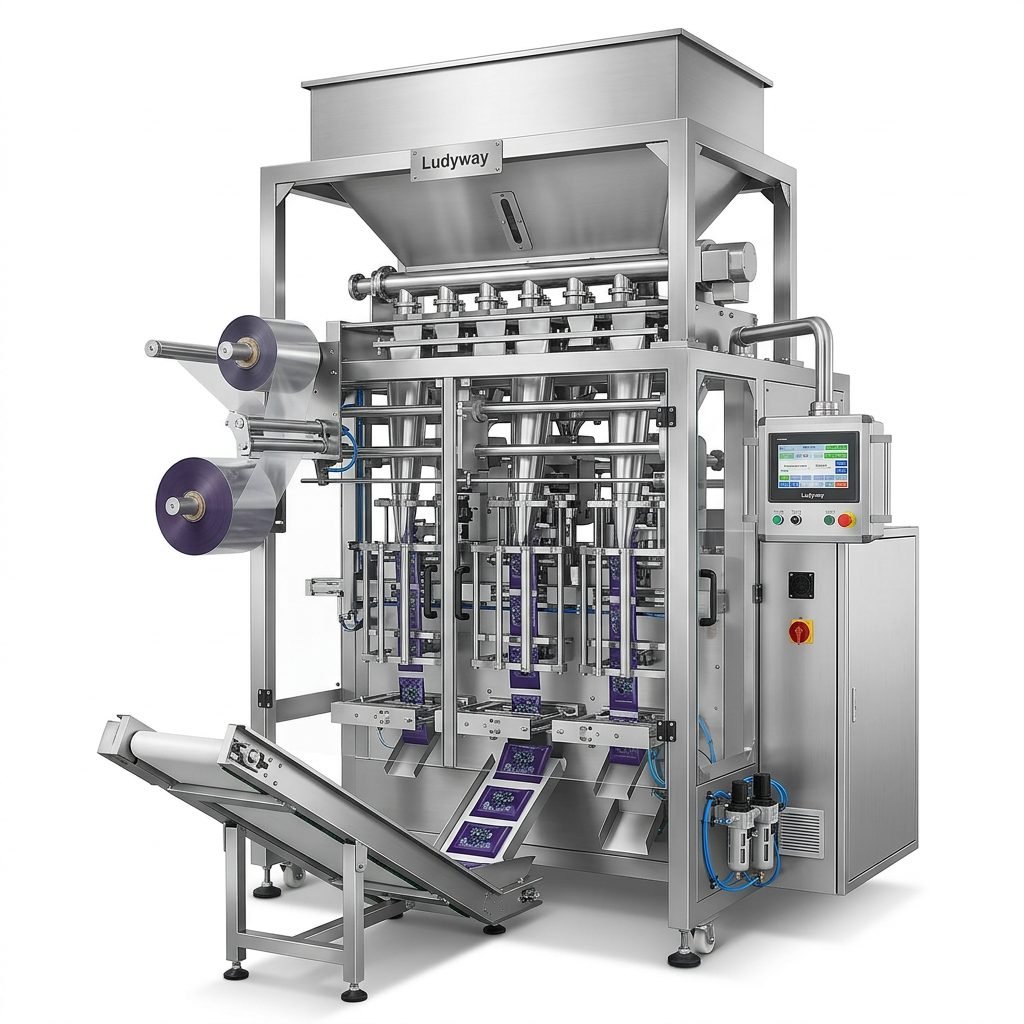
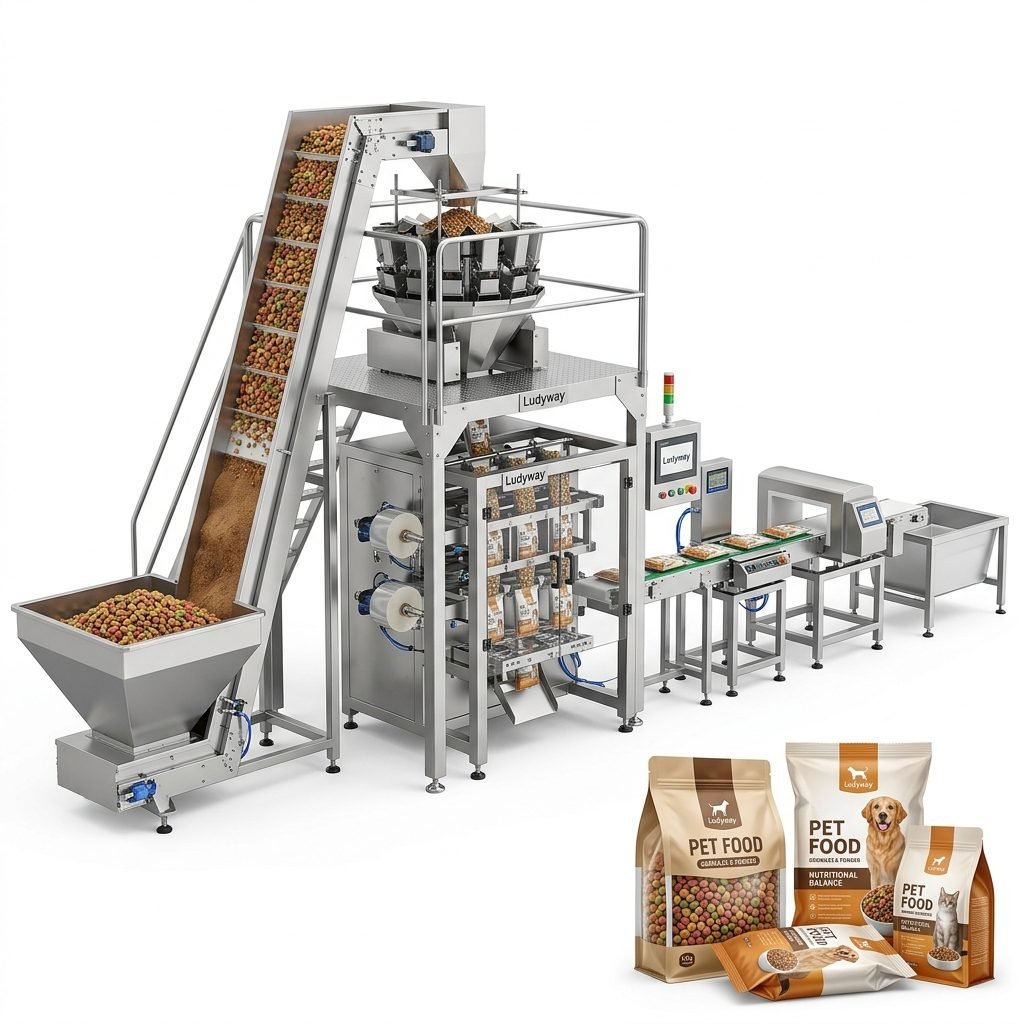
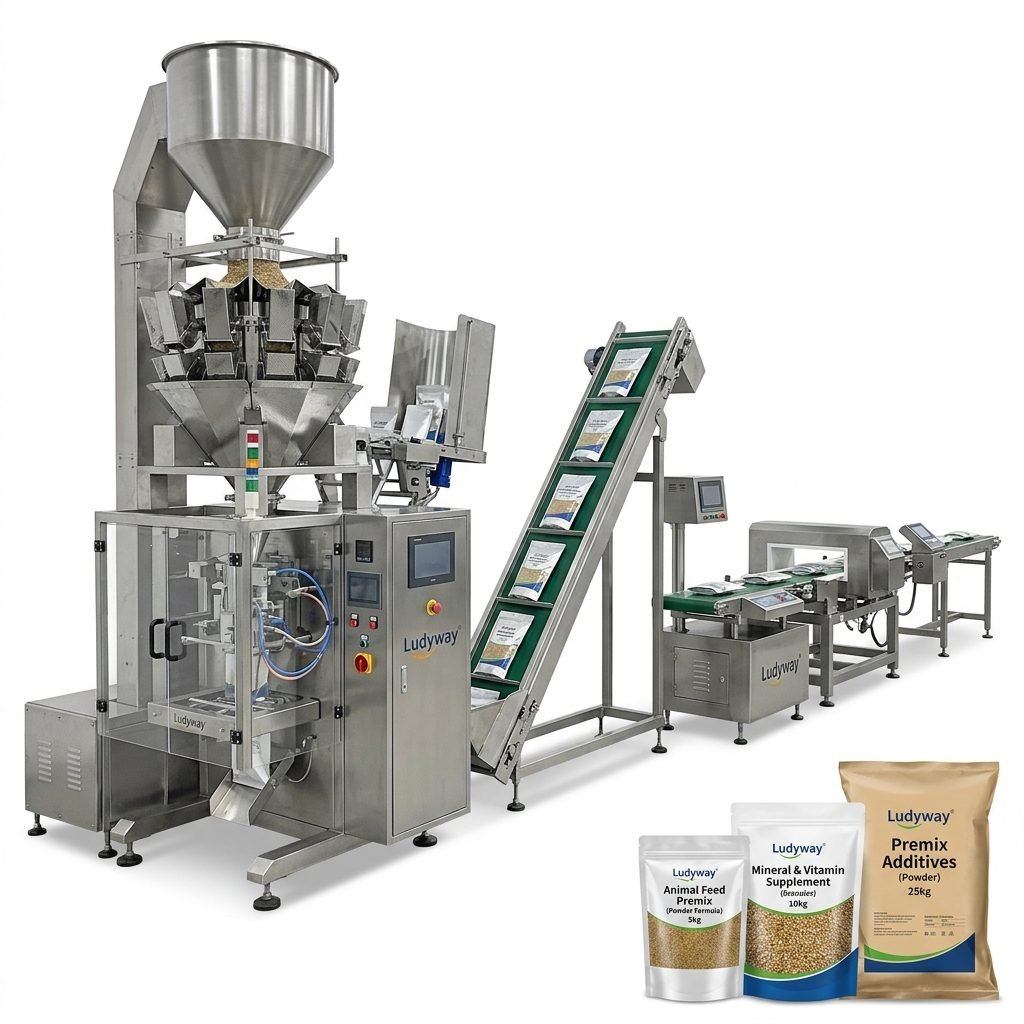
In modern manufacturing and production, efficiency, consistency, and product protection are paramount. A packaging machine is an automated or semi-automated device designed to perform the tasks involved in packaging products for distribution, sale, and use. These machines handle a wide range of functions, from filling and sealing to labeling and cartoning, transforming bulk products into market-ready items. The core purpose of a packaging machine is to increase production speed, ensure hygiene and accuracy, reduce labor costs, and maintain uniform packaging quality—critical factors for any business looking to scale and compete effectively.
Key Takeaway: Packaging machines are not just about wrapping a product; they are integral systems that enhance operational efficiency, ensure product integrity, and enable brand consistency on a large scale.
Core Functions and Types of Packaging Machines
The world of packaging machinery is diverse, with equipment specialized for different materials, product forms, and production stages. Understanding the primary categories is the first step in identifying what your line needs.
1. By Primary Function
- Filling Machines: Precisely dispense a measured amount of product (liquid, powder, granules) into containers, pouches, or sticks.
- Sealing Machines: Create a secure closure on bags, pouches, cups, or bottles using heat, pressure, or adhesives.
- Wrapping & Bundling Machines: Wrap products in film (like flow wrappers) or bundle multiple units together.
- Labeling & Coding Machines: Apply labels, print batch codes, expiry dates, or barcodes directly onto packages.
- Cartoning & Case Packing Machines: Place primary packages into cartons or cases for shipping and retail display.
2. By Product Form
This is often the most critical classification for manufacturers:
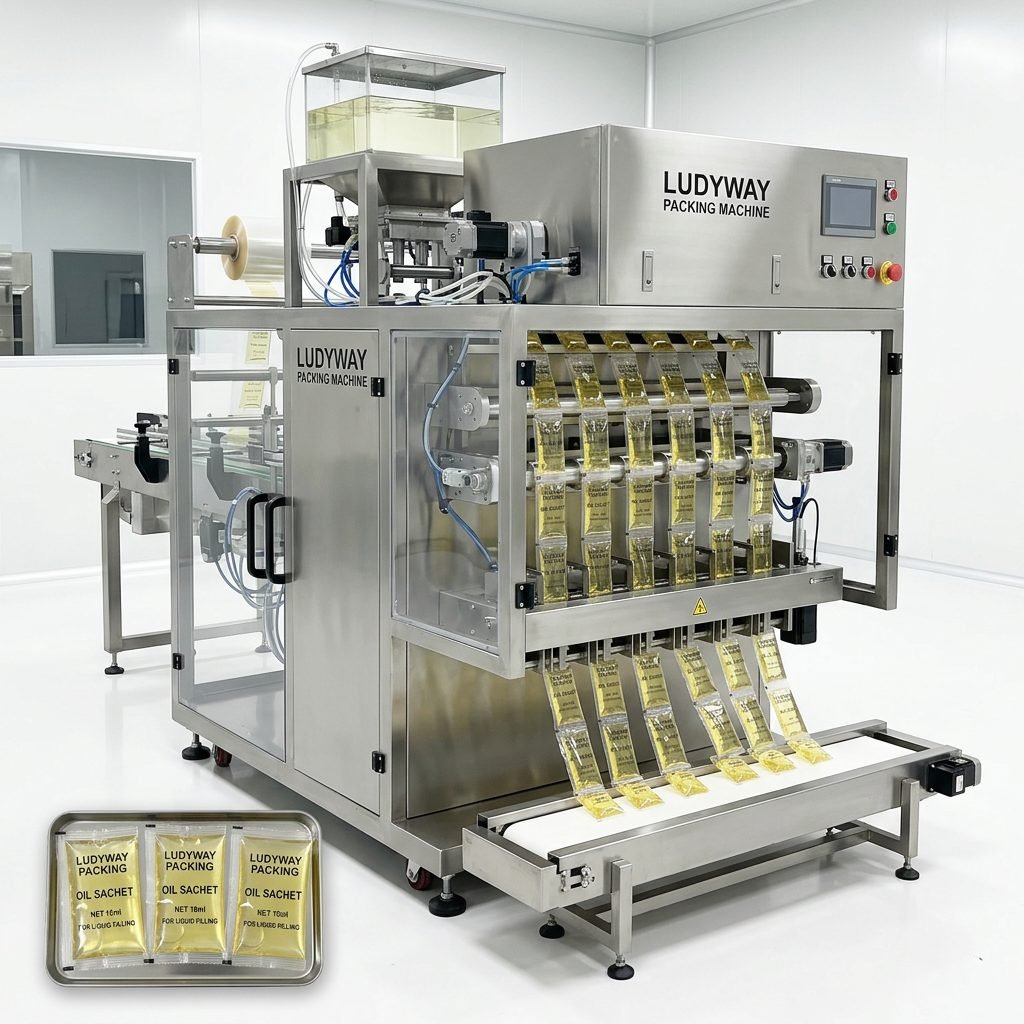
- Liquid Packaging Machines: For beverages, oils, sauces, and pharmaceuticals. They often involve pumps, nozzles, and aseptic technology.
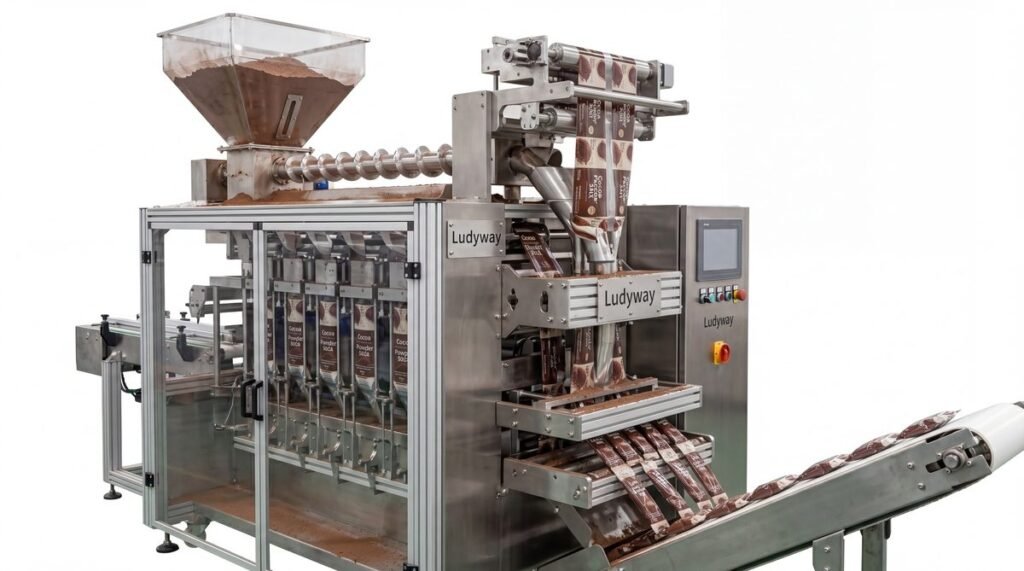
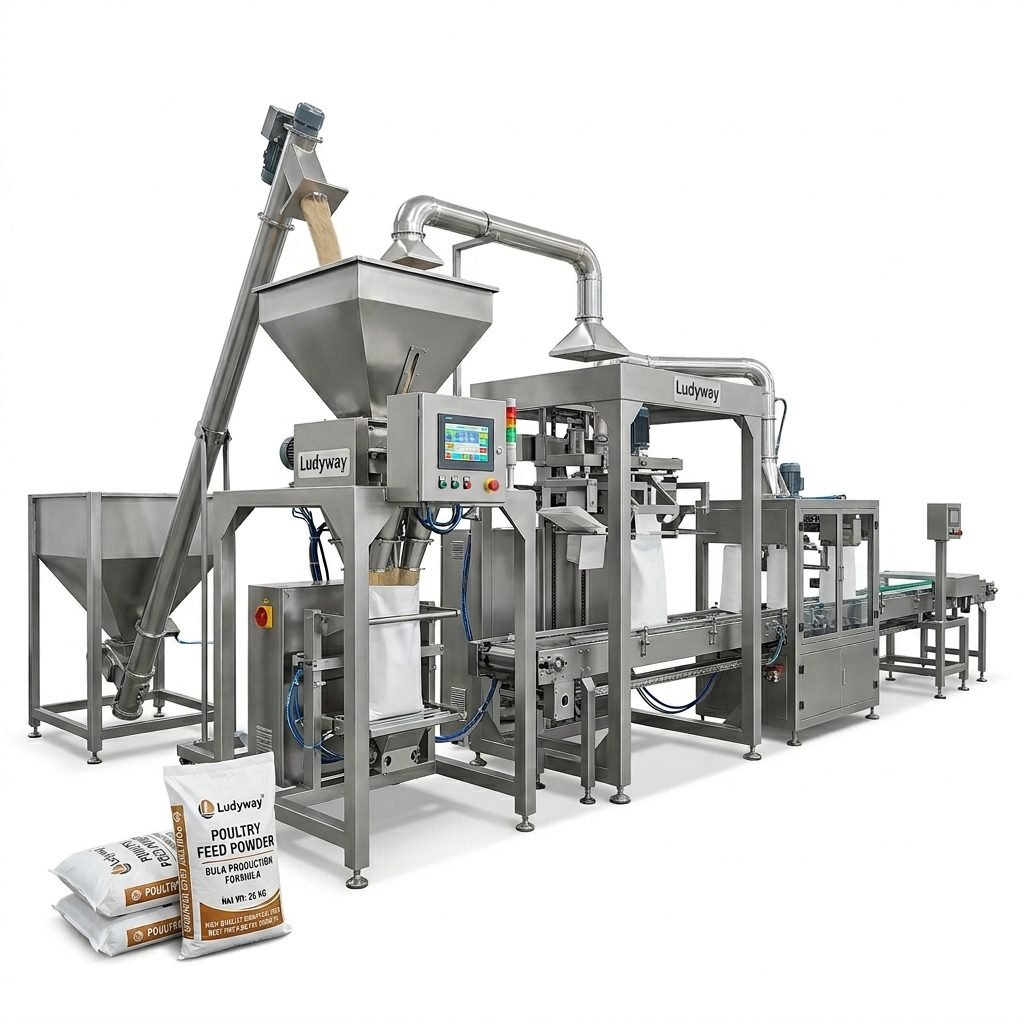
- Powder & Granule Packaging Machines: For coffee, spices,, supplements, and detergents. They require auger or weigh-fill systems for accuracy.
- Solid & Piece Product Packers: For candies, tablets, hardware, or baked goods, using counting or weighing mechanisms.
💡 Industry Insight: The Rise of Flexible Packaging
A significant trend driving machine innovation is the shift towards flexible packaging (stand-up pouches, stick packs, sachets). Machines that produce these formats, like vertical form-fill-seal (VFFS) or horizontal stick pack machines, are in high demand due to the packaging’s lightweight, cost-effectiveness, and consumer appeal. For instance, a multi-lane stick pack machine can dramatically increase output for single-serve products like instant drink mixes or supplements.
How to Choose the Right Packaging Machine: A Step-by-Step Guide
Selecting the ideal machine is a strategic investment. Rushing this decision can lead to bottlenecks, wasted materials, and lost revenue. Follow this structured approach to make an informed choice.
Step 1: Conduct a Thorough Product and Production Analysis
Start with the fundamentals. You must have crystal-clear specifications for what you are packaging and how much you need to produce.
- Product Characteristics: Physical state (liquid, powder, solid), viscosity, abrasiveness, hygroscopicity, and sensitivity (to heat, light, air).
- Packaging Specifications: Type (pouch, bottle, stick pack), material (film, PET, glass), size range, and required sealing method.
- Output Requirements: Target speed in packages per minute (PPM) or units per hour. Consider both current needs and future growth projections.
- Available Footprint: Measure the floor space in your production area. Some machines, like rotary fillers, are efficient but require more space.
Step 2: Evaluate Key Machine Features and Technology
With your specs in hand, assess how different machines meet them. Look beyond the brochure and ask detailed questions.
🔍 Critical Evaluation Checklist:
- Accuracy & Consistency: What is the filling accuracy (e.g., ±0.5%)? How does it handle product variations?
- Changeover Time & Flexibility: How quickly can you switch between different package sizes or products? Look for quick-change parts and recipe memory.
- Construction & Hygiene: Is it built with food-grade stainless steel (e.g., 304 or 316L)? Is the design easy to clean and maintain?
- Control System & Integration: Is the PLC/HMI user-friendly? Does it offer data tracking (OEE, output counts) and can it integrate with upstream/downstream equipment?
- Safety Features: Are there proper guards, emergency stops, and compliance with local safety standards (e.g., CE, UL)?
Step 3: Assess Supplier Credibility and Support
The machine is only as good as the company behind it. A reliable partner is crucial for long-term success.
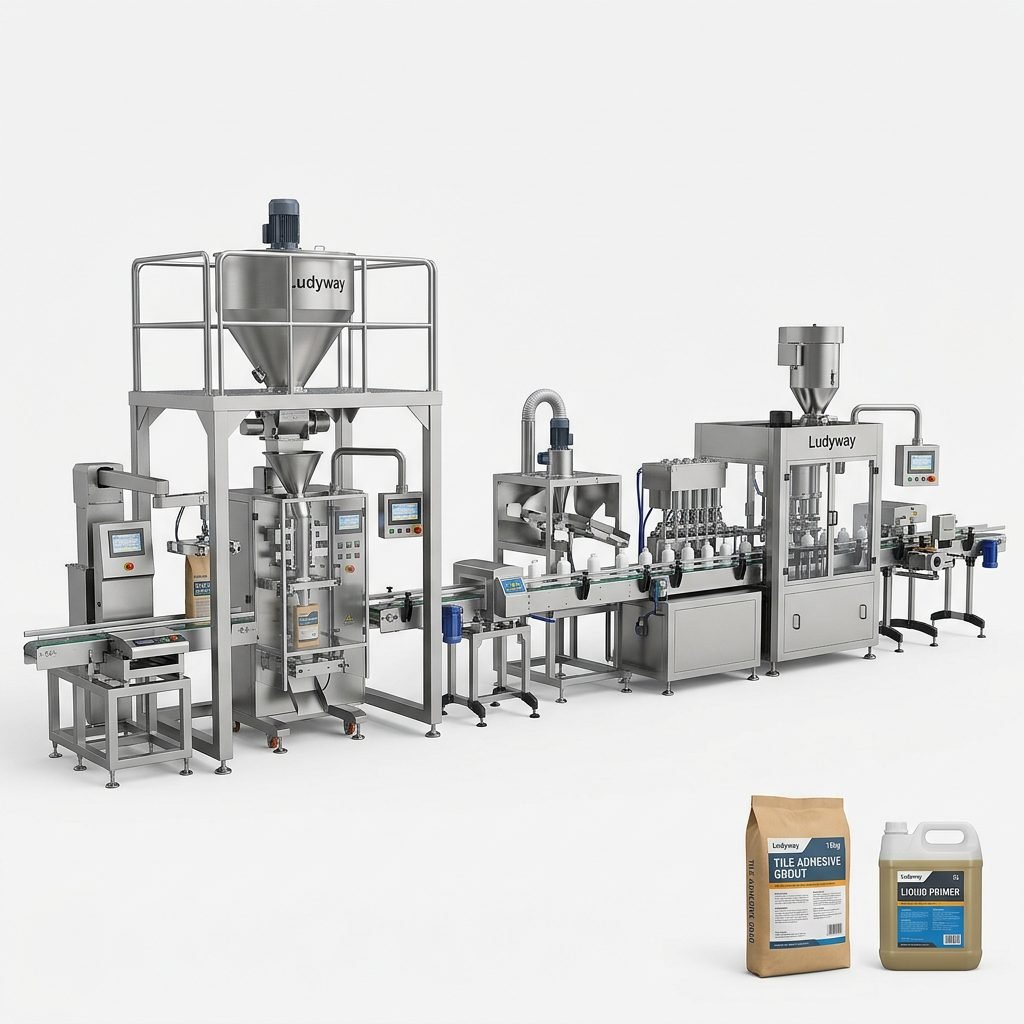
Look for a supplier with proven industry experience and a track record of solving problems similar to yours. For example, a brand like Ludyway Machinery, with decades of focus on food and pharmaceutical packaging, brings valuable application knowledge. Evaluate their technical support structure—availability of spare parts, on-site service engineers, and remote diagnostics. Review their portfolio for project execution capability, from single machines to complete turnkey production line solutions.
Step 4: Analyze Total Cost of Ownership (TCO)
Do not make a decision based on the purchase price alone. The TCO provides a complete financial picture.
- Initial Investment: Machine cost, shipping, installation, and training.
- Operational Costs: Energy consumption, required compressed air, labor to operate.
- Material Efficiency: Does the machine minimize film waste or product giveaway? High precision fillers pay for themselves by reducing giveaway.
- Maintenance & Downtime Costs: Cost and availability of spare parts, expected maintenance schedule, and the machine’s overall reliability (Mean Time Between Failures).
Common Pitfalls to Avoid When Selecting a Machine
Learning from others’ mistakes can save significant time and money.
- Over- or Under-Specifying Speed: Buying a machine that is too fast for your supporting operations creates bottlenecks. One that is too slow limits growth.
- Ignoring Future Needs: Choose a machine with some capacity for flexibility. Will you add new products or package sizes in 2-3 years?
- Sacrificing Quality for Price: The cheapest option often leads to higher long-term costs through downtime, poor packaging quality, and lack of support.
- Skipping a Factory Test: Always insist on a live factory acceptance test (FAT) with your actual product and packaging materials. This is non-negotiable.
✅ Final Recommendation
The right packaging machine is a balance of technical specification, supplier partnership, and strategic investment. It should not only solve today’s production challenge but also be a scalable asset that supports your business goals for years to come. Partnering with an expert who understands your industry’s nuances, like the team behind specialized granule and powder packaging systems, can make this complex process much smoother.
Frequently Asked Questions (FAQs)
Q1: What is the typical lead time for receiving a new packaging machine?
Lead times vary widely based on machine complexity and customization. For standard models from stock, it could be 4-8 weeks. For fully custom or turnkey lines, 12-20 weeks or more is common. Always confirm timelines with your supplier during the quotation process.
Q2: Can one machine handle multiple different products or package sizes?
Yes, many machines are designed for flexibility. The key feature to look for is “quick changeover.” This involves tool-less adjustments, digital size change memories, and interchangeable parts. However, increased flexibility can sometimes come with a higher initial cost.
Q3: How important is after-sales service, and what should it include?
Extremely important. A machine is a long-term asset. Comprehensive after-sales service should include detailed installation guidance, operator and maintenance training, a readily available inventory of critical spare parts, access to technical support (phone/remote), and the availability of field service engineers for complex issues.
Q4: What are the main differences between semi-automatic and fully automatic packaging machines?
Semi-automatic machines require an operator to perform certain tasks, like placing bags or initiating cycles. They have a lower initial cost and are suitable for lower volumes or pilot production. Fully automatic machines integrate all steps (forming, filling, sealing) and often link with conveyors for continuous, high-speed operation with minimal labor, ideal for medium to high-volume production.
Q5: What certifications should I look for on a packaging machine?
Essential certifications depend on your location and industry. Common ones include CE (health, safety, and environmental protection for the European Economic Area), UL or cUL (safety standards for North America), and for food/pharma, evidence that the machine is built to hygienic design standards (e.g., EHEDG, 3-A Sanitary Standards). Always verify the certifications are valid and applicable to your market.