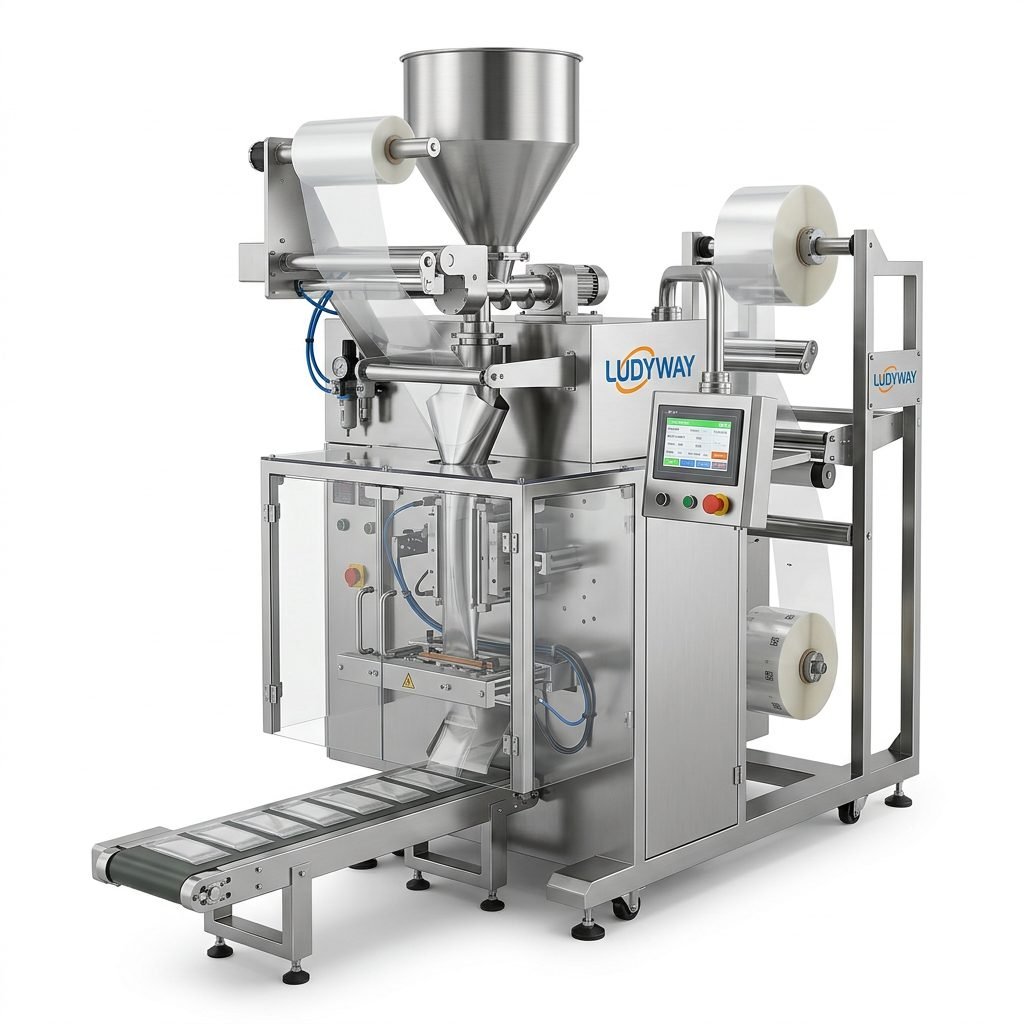
Investing in a vacuum seal packaging machine is a critical decision for food processors, pharmaceutical manufacturers, and industrial producers across Europe. With strict EU regulations, rising consumer demand for extended shelf life, and the push toward sustainable packaging, selecting the right equipment requires careful evaluation of technical specifications, compliance standards, and operational efficiency.
This comprehensive buying guide walks you through the essential factors to consider when choosing a vacuum packaging system tailored to the European market, helping you make an informed investment that aligns with European packaging regulations and your production goals.
Understanding Vacuum Seal Packaging Technology
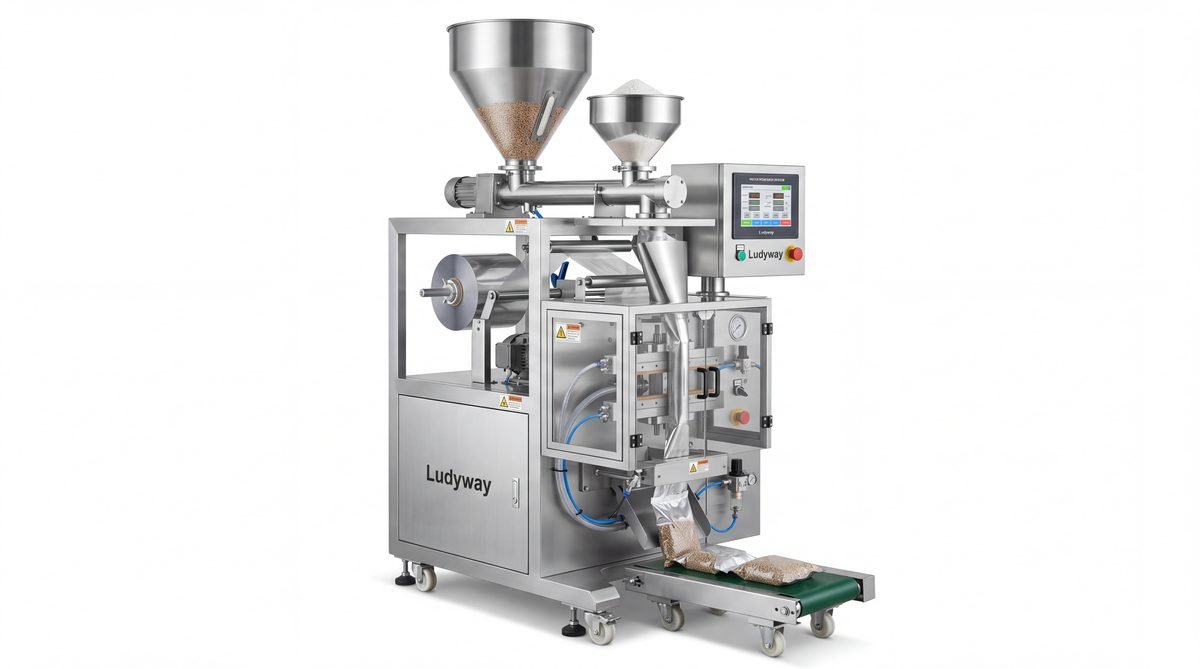
Vacuum packaging removes oxygen from the packaging environment before sealing, significantly slowing oxidation, inhibiting microbial growth, and preserving product freshness. This technology is widely adopted across the European food industry, where extended shelf life and food safety compliance are top priorities.
Modern vacuum seal machines range from compact tabletop units for small-scale operations to fully automated multi-lane industrial systems capable of processing thousands of packages per hour. The right choice depends on your production volume, product characteristics, and packaging format requirements.
Types of Vacuum Packaging Machines Available in Europe
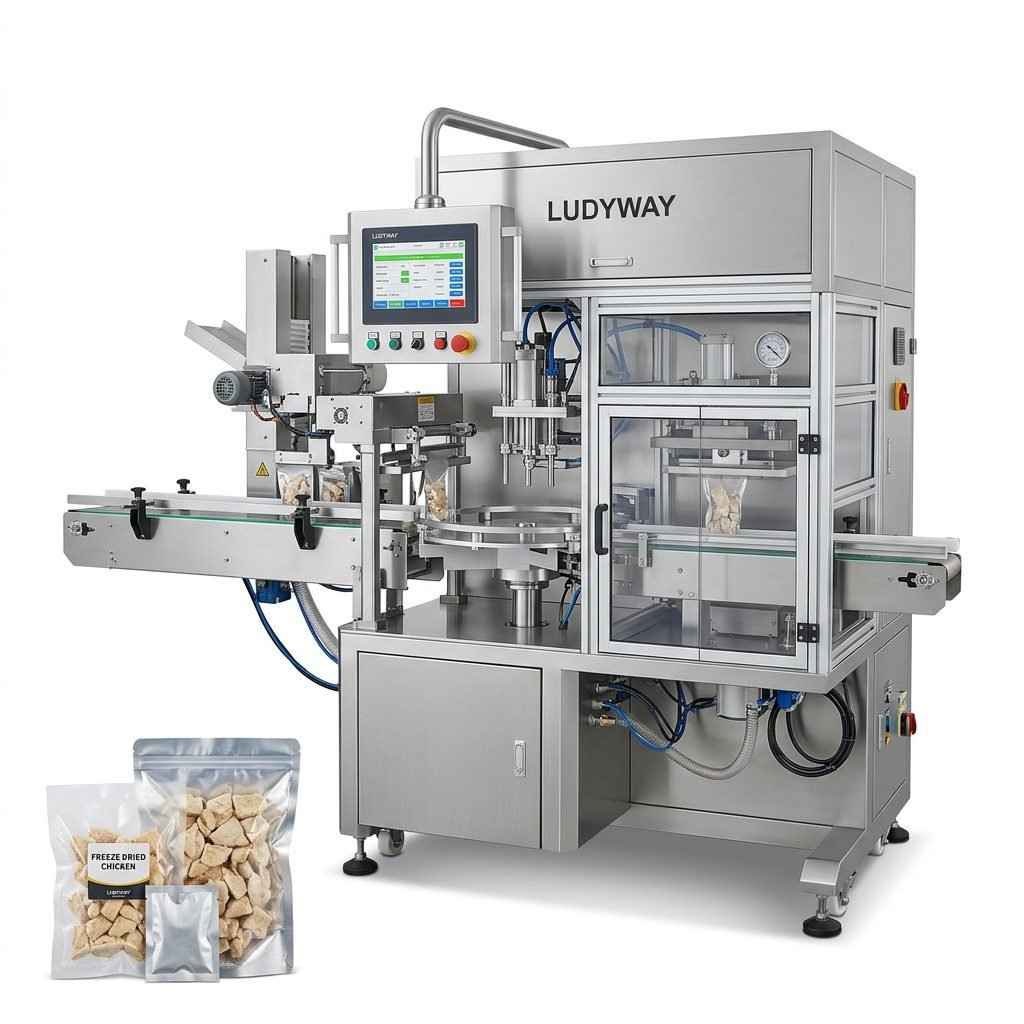
- Chamber Vacuum Machines – Ideal for solid products, liquids, and powders; commonly used in meat processing and ready-meal production.
- External Vacuum Sealers – Suitable for low-volume operations; widely used by small food businesses and retail packaging.
- Thermoforming Vacuum Packaging Lines – High-speed systems that form, fill, and seal packages in a continuous process; preferred for high-volume European food manufacturing.
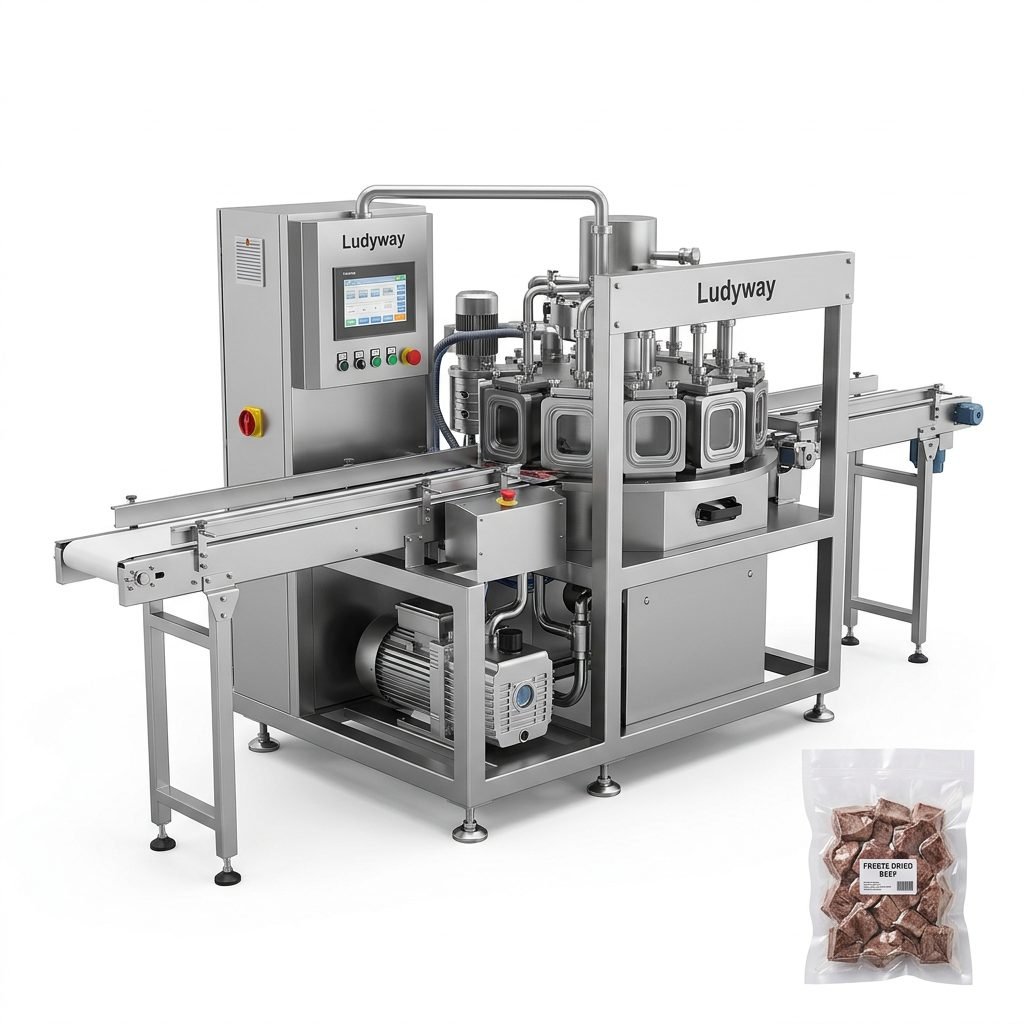
- Rotary Vacuum Packaging Systems – Designed for ultra-high-speed applications, often integrated into fully automated production lines.
- Vacuum Skin Packaging (VSP) Machines – Increasingly popular in European retail for premium meat, seafood, and cheese products.
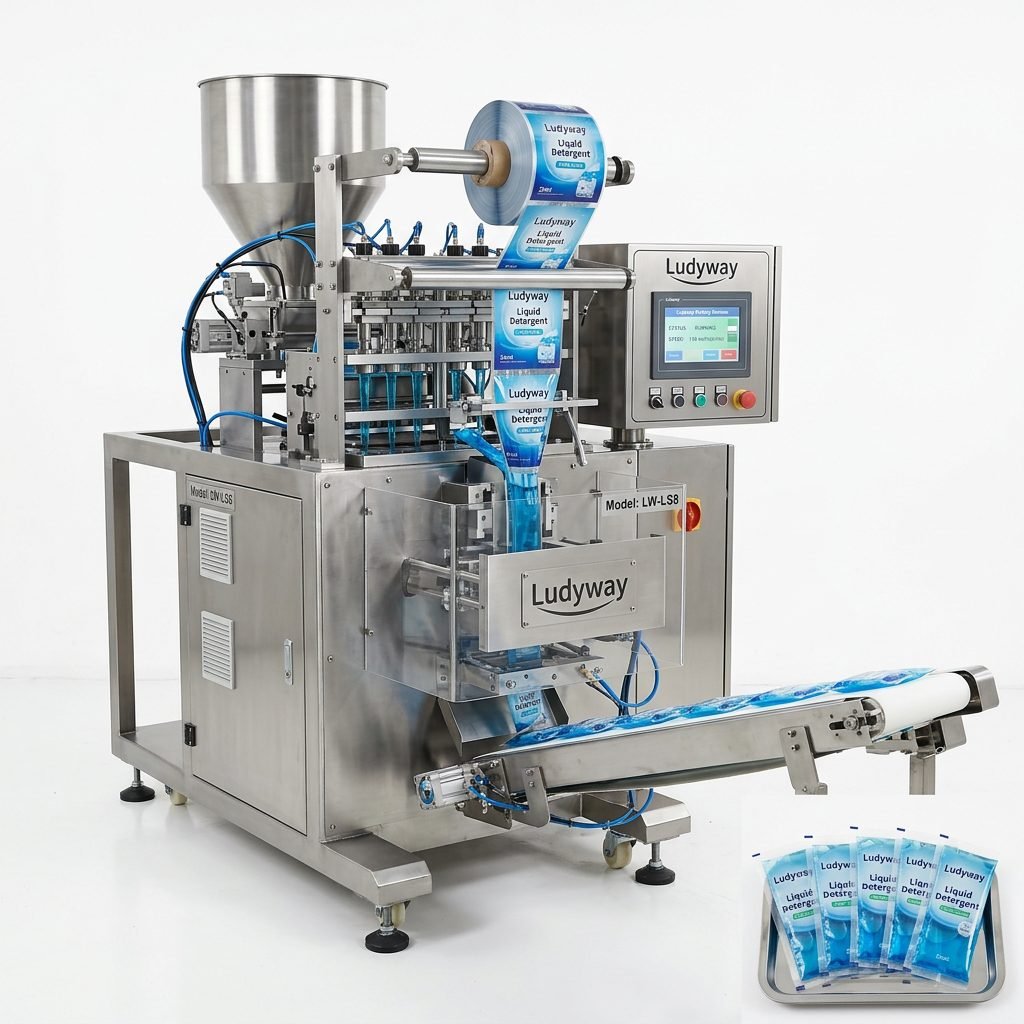
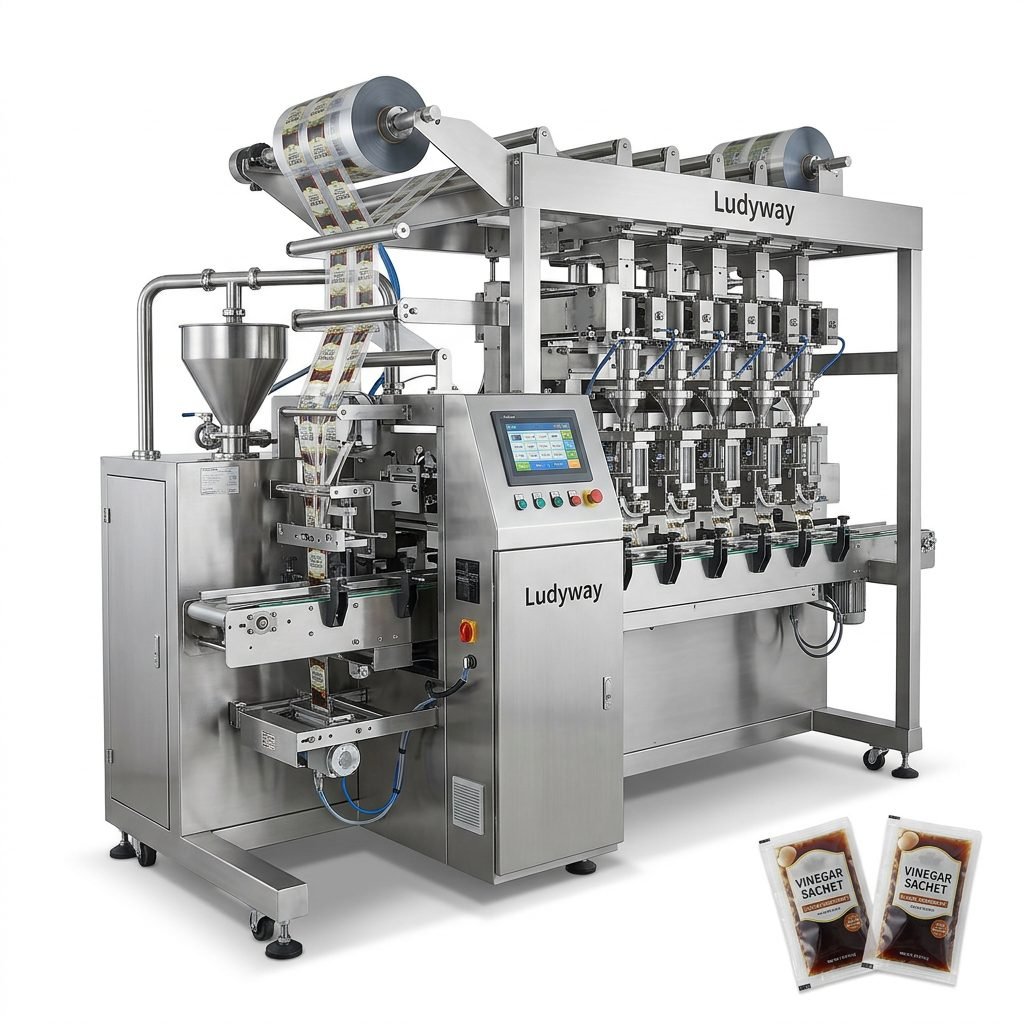
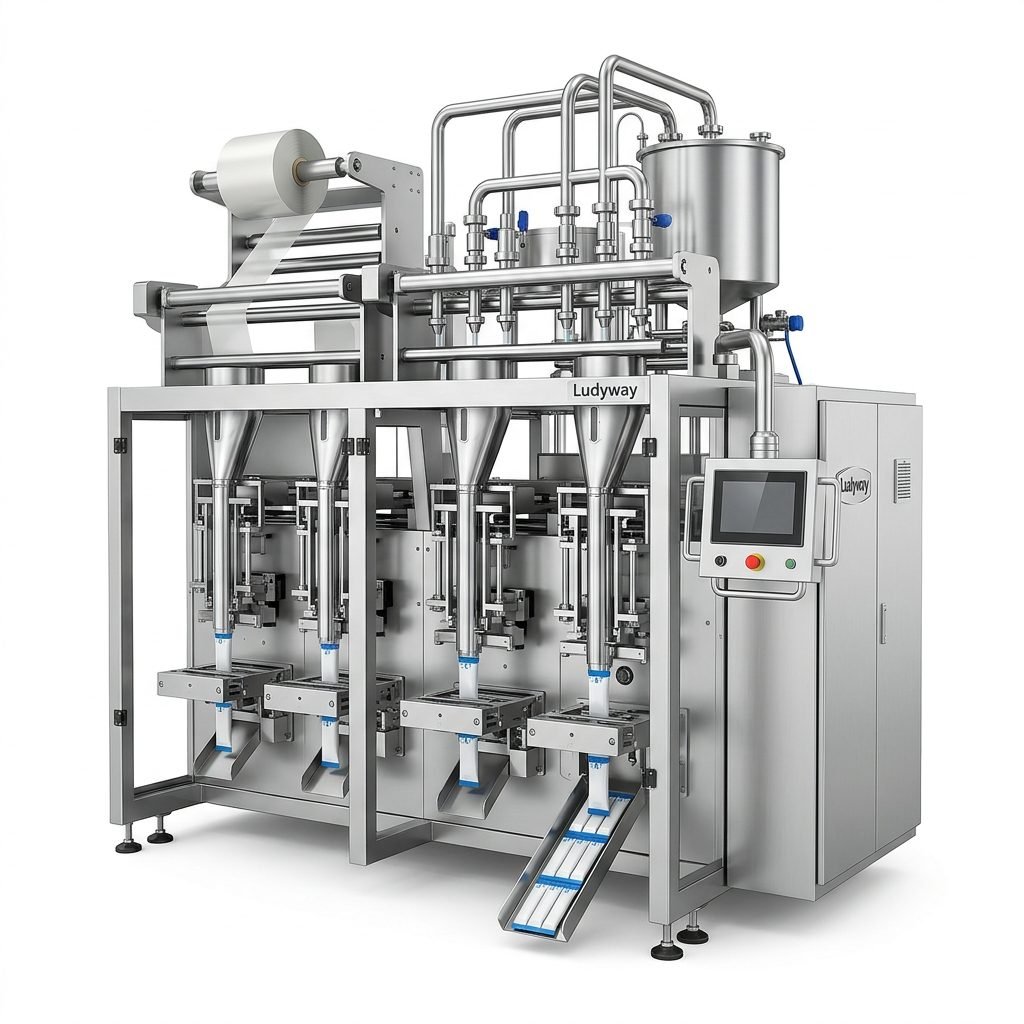
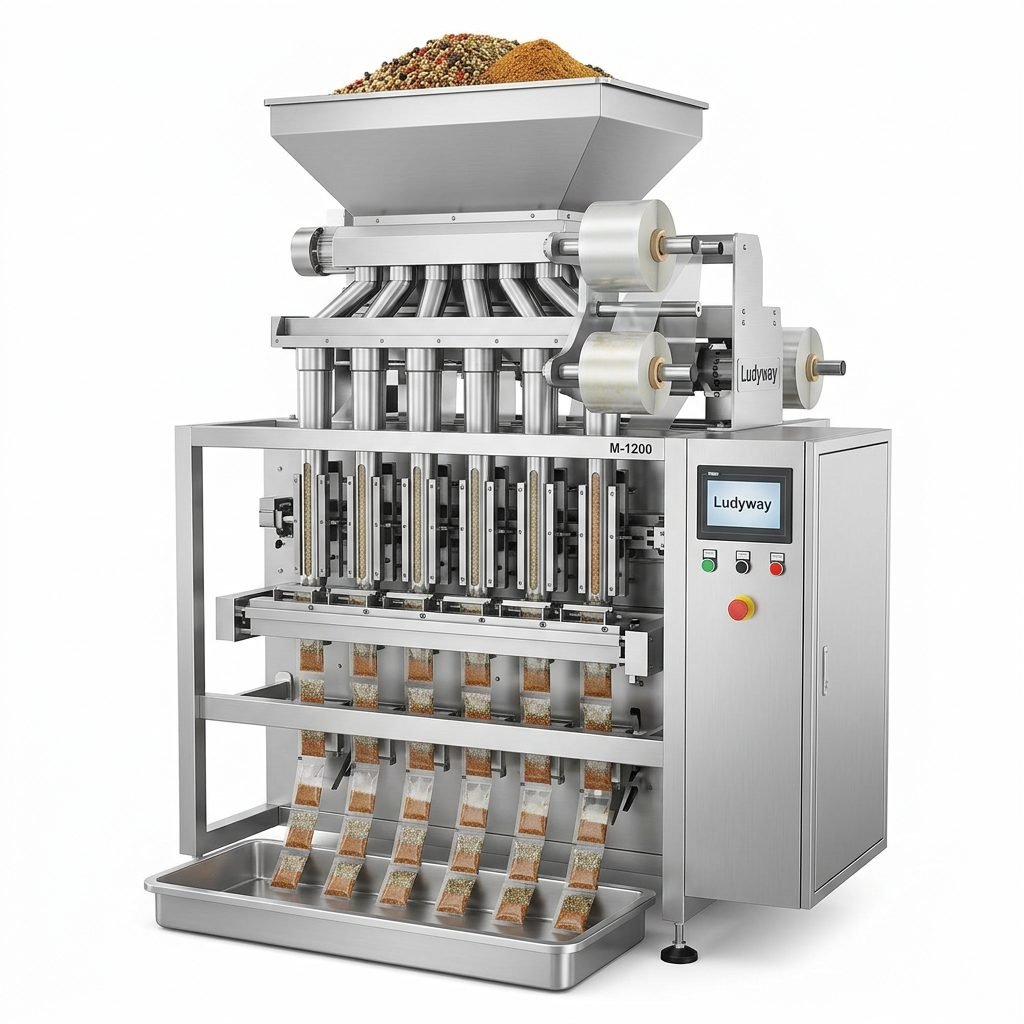
- Multi-Lane Stick Pack and Sachet Vacuum Systems – Used for single-serve portions of powders, granules, and liquid products.
Key Factors to Consider When Buying a Vacuum Seal Packaging Machine
1. Product Compatibility and Packaging Format
Different products demand different vacuum packaging approaches. Granules and powders require specialized feeding and sealing mechanisms to prevent product contamination in the seal area. Liquid products need precise filling controls to avoid spillage. Solid products like meat and cheese require robust chamber designs and appropriate film compatibility. Before purchasing, clearly define your product range and the packaging formats you intend to run, including pouch sizes, film types, and portion weights.
2. Production Speed and Automation Level
Evaluate your current and projected production volumes. For small to medium enterprises producing up to 500 packages per day, a double-chamber vacuum machine may suffice. For industrial-scale operations requiring high-speed output of 5,000+ packages per hour, a fully automated thermoforming or multi-lane rotary system is essential. Consider whether you need semi-automatic or fully automatic operation, and whether integration with upstream and downstream equipment is required.
3. Compliance with European Standards and Regulations
Equipment destined for the European market must comply with CE marking requirements, EU Machinery Directive 2006/42/EC, and relevant food contact material regulations under EC 1935/2004. Additionally, vacuum packaging machines used in food applications should meet hygiene design standards such as EHEDG guidelines and be compatible with HACCP protocols. Verify that your supplier provides full documentation, including Declaration of Conformity and detailed technical files.
4. Energy Efficiency and Sustainability
With the European Green Deal and rising energy costs, energy-efficient packaging equipment is no longer optional. Look for machines with optimized vacuum pump systems, intelligent standby modes, and reduced compressed air consumption. Additionally, consider equipment that supports recyclable and mono-material films, aligning with the EU Packaging and Packaging Waste Regulation (PPWR) targets for 2030 and beyond.
Technical Specifications to Evaluate
| Specification | What to Look For | Why It Matters |
|---|---|---|
| Vacuum Pump Type | Oil-lubricated rotary vane, dry claw, or oil-free scroll pumps | Affects maintenance frequency, operational cost, and contamination risk |
| Vacuum Level (mbar) | 0.5 – 10 mbar residual pressure for most food applications | Determines shelf-life extension and product protection quality |
| Sealing Bar Length | Matched to your maximum pouch width requirements | Limits or enables the range of package sizes you can produce |
| Cycle Time (seconds) | 15 – 60 seconds for chamber machines; sub-2 seconds for high-speed lines | Directly impacts hourly throughput and labor requirements |
| Control System | PLC with HMI touchscreen, recipe storage, and data logging | Enables quick changeovers, traceability, and operator ease of use |
| Construction Material | Stainless steel AISI 304 or 316L for food contact zones | Essential for hygiene, corrosion resistance, and EU compliance |
| IP Rating | IP65 or IP66 for washdown environments | Protects electrical components during cleaning procedures |
Cost Considerations and ROI Analysis
The purchase price of a vacuum packaging machine is only one component of the total cost of ownership. When evaluating equipment, consider the following financial factors:
- Initial capital expenditure – Entry-level chamber machines start at approximately €3,000 – €10,000, while fully automated industrial lines can range from €50,000 to over €500,000.
- Consumables cost – Vacuum pouches, films, and pump oil represent ongoing operational expenses. Film consumption per package significantly affects long-term profitability.
- Energy consumption – With European electricity prices among the highest globally, selecting energy-efficient vacuum pumps and control systems can yield substantial savings.
- Maintenance and spare parts – Evaluate the availability of spare parts within Europe and the expected service intervals for critical components.
- Labor requirements – More automated systems reduce manual handling, lowering labor costs and minimizing human error.
Calculate your projected payback period by comparing increased throughput, reduced product waste, extended shelf life benefits, and labor savings against the total investment.
After-Sales Support and Service in Europe
Reliable after-sales support is critical when purchasing packaging machinery. Before finalizing your decision, confirm the following with potential suppliers:
Key Support Questions to Ask
- Is there a local service team or distributor within your country or region in Europe?
- What is the warranty period, and what does it cover (parts, labor, travel)?
- Are spare parts readily available from European warehouses to minimize downtime?
- Does the supplier offer remote diagnostic support and troubleshooting via VPN or video call?
- Is operator training included, and can it be conducted on-site at your facility?
- What are the recommended maintenance schedules and service contract options?
Industry Applications Across Europe
Vacuum seal packaging machines serve diverse sectors within the European market. Understanding application-specific requirements helps narrow your equipment selection:
| Industry Sector | Common Applications | Recommended Machine Type |
|---|---|---|
| Meat & Poultry | Fresh cuts, cured meats, marinated products | Chamber vacuum, thermoforming, VSP |
| Seafood | Fresh fish fillets, smoked salmon, shellfish | Chamber vacuum, skin packaging |
| Dairy & Cheese | Hard cheeses, soft cheeses, butter blocks | Chamber vacuum, thermoforming |
| Pharmaceuticals | Powders, granules, medical devices | Thermoforming, multi-lane sachet systems |
| Freeze-Dried Products | Freeze-dried fruits, vegetables, pet food | Chamber vacuum, stick pack, sachet systems |
| Coffee & Dry Foods | Whole beans, ground coffee, nuts, spices | Multi-lane stick pack, pre-made pouch vacuum |
Choosing a Reliable Equipment Partner
Selecting the right supplier is as important as selecting the right machine. Look for manufacturers with a proven track record in the European market, demonstrated compliance with EU standards, and comprehensive after-sales support capabilities. A supplier with extensive experience in export markets and familiarity with European regulatory requirements can streamline your procurement process and reduce compliance risks.
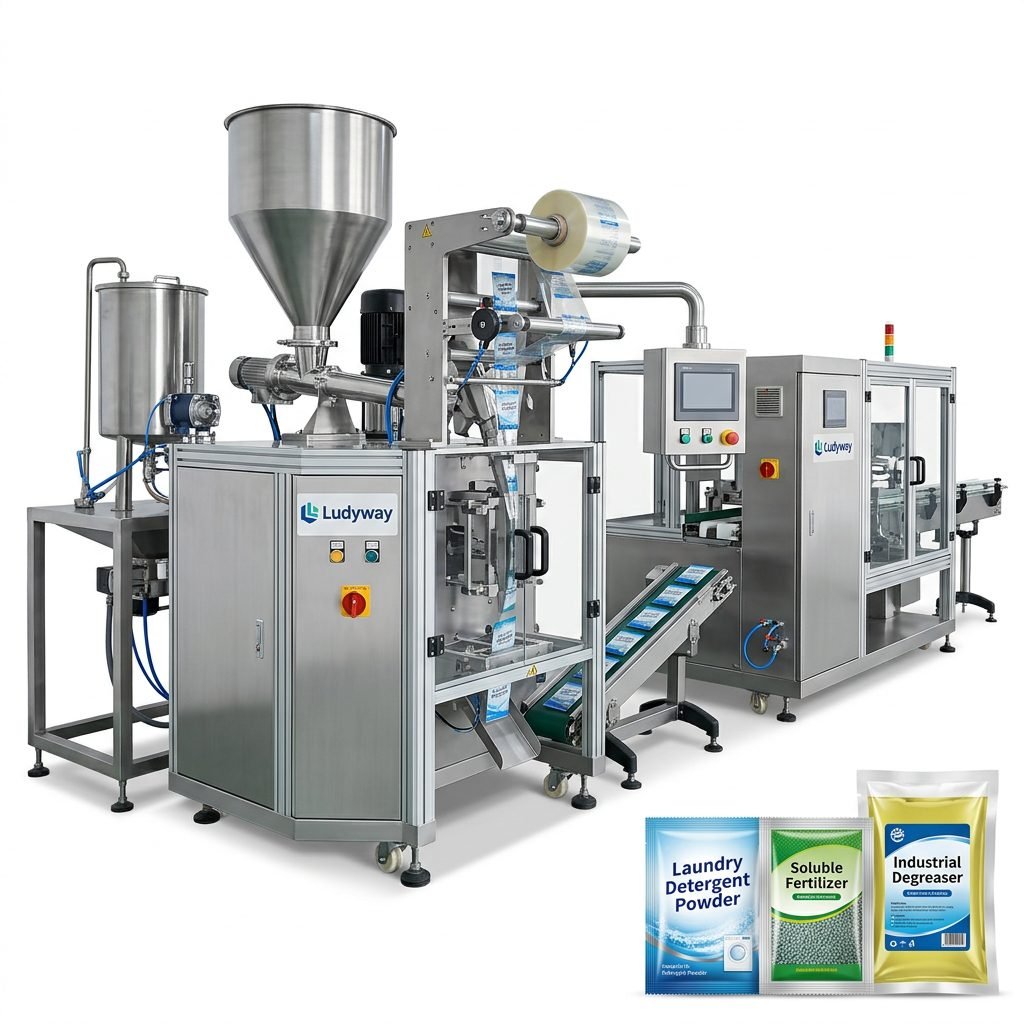
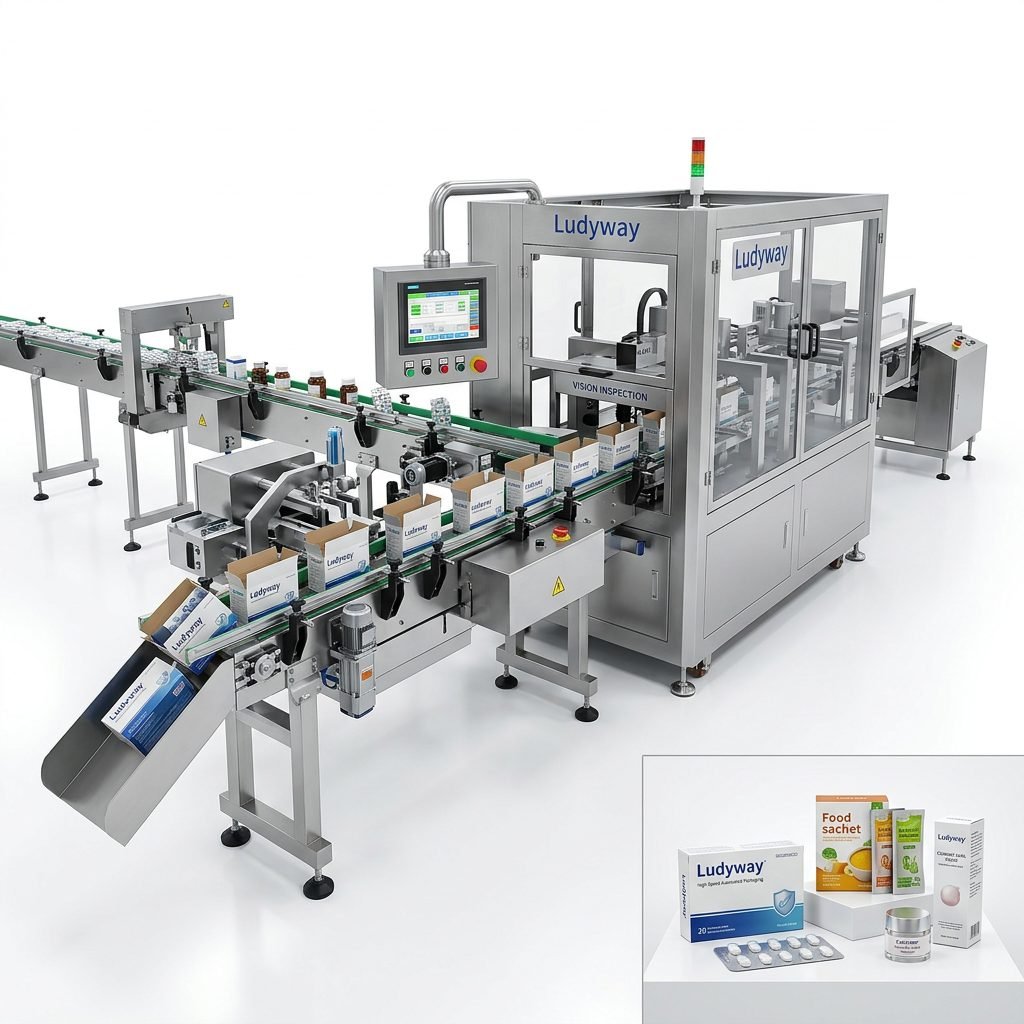
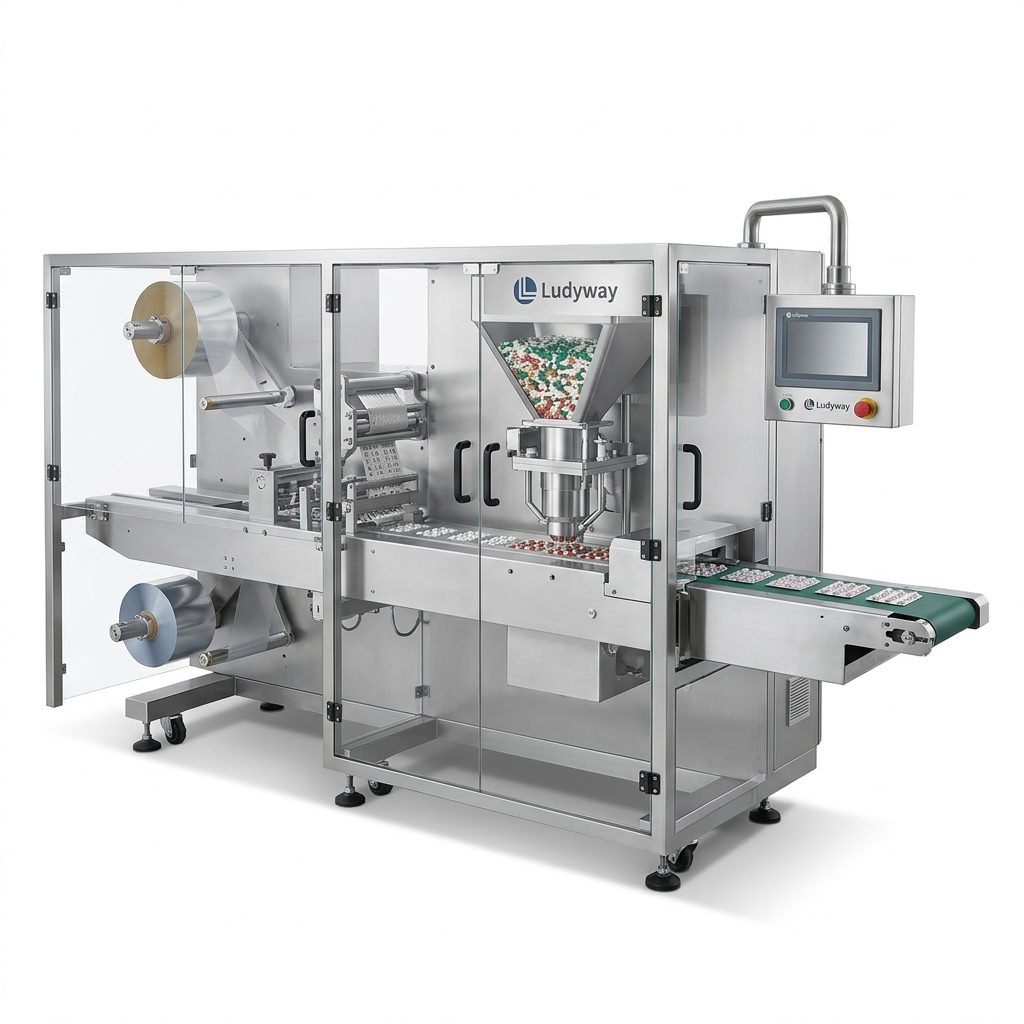
For example, Ludyway is one of the largest packaging machine manufacturers in China, offering over 50 intelligent packaging machine models and serving customers in more than 100 countries with advanced vacuum and multi-lane packaging solutions tailored to international standards.

Future-Proofing Your Investment
The European packaging landscape is evolving rapidly, driven by sustainability mandates, digitalization, and changing consumer preferences. When investing in a vacuum seal packaging machine, consider these future trends:
- Smart factory integration – Look for equipment compatible with Industry 4.0 standards, including IoT connectivity, real-time production monitoring, and predictive maintenance capabilities.
- Sustainable packaging materials – Ensure your machine can handle recyclable and bio-based films as European legislation tightens around single-use plastics.
- Flexible production capabilities – Choose modular equipment that can adapt to new product lines, packaging formats, and varying batch sizes without major reinvestment.
- Data compliance – Verify that control systems meet EU data protection standards and support serialization and traceability requirements for pharmaceutical applications.
Steps to Making Your Final Decision
1. Define Your Requirements
Document your product specifications, target throughput, packaging formats, facility constraints, and budget. A clear technical requirements document helps suppliers provide accurate quotations and recommendations.
2. Research and Shortlist Suppliers
Review supplier credentials, request references from European customers, and verify compliance certifications. Attend industry events such as PACK EXPO International to see equipment in operation and meet manufacturers face-to-face.
3. Request Detailed Proposals
Ask for comprehensive quotations that include machine specifications, delivery timelines, installation and commissioning services, training programs, warranty terms, and spare parts availability in Europe.
4. Evaluate Total Cost of Ownership
Compare not just the purchase price, but also energy consumption, consumable costs, expected maintenance expenses, and estimated lifespan across shortlisted options.
5. Conduct Factory Acceptance Testing
Where possible, arrange a factory acceptance test (FAT) to verify machine performance with your actual products before shipment. This step is invaluable for identifying potential issues early.
Common Mistakes to Avoid
- Underestimating production growth – Choose a machine that can accommodate your projected volumes for at least 3-5 years.
- Overlooking film compatibility – Not all machines handle the full range of sustainable and recyclable films now entering the European market.
- Ignoring installation requirements – Verify utility requirements (electrical supply, compressed air, ventilation) against your facility’s capabilities.
- Skipping operator training – Proper training maximizes machine efficiency and reduces downtime caused by operator errors.
- Neglecting ISO packaging standards – Ensure equipment meets applicable international standards to avoid compliance issues during import and operation.
Conclusion
Selecting the right vacuum seal packaging machine for the European market demands a thorough evaluation of your product requirements, production scale, regulatory obligations, and long-term business strategy. By focusing on compliance with EU standards, energy efficiency, equipment reliability, and supplier support capabilities, you can make a confident investment that delivers consistent performance, product quality, and return on investment for years to come.
Take the time to research thoroughly, engage with multiple suppliers, and prioritize equipment that aligns with both your current operational needs and future growth trajectory. A well-chosen vacuum packaging system is a strategic asset that enhances your competitive position in the dynamic European marketplace.