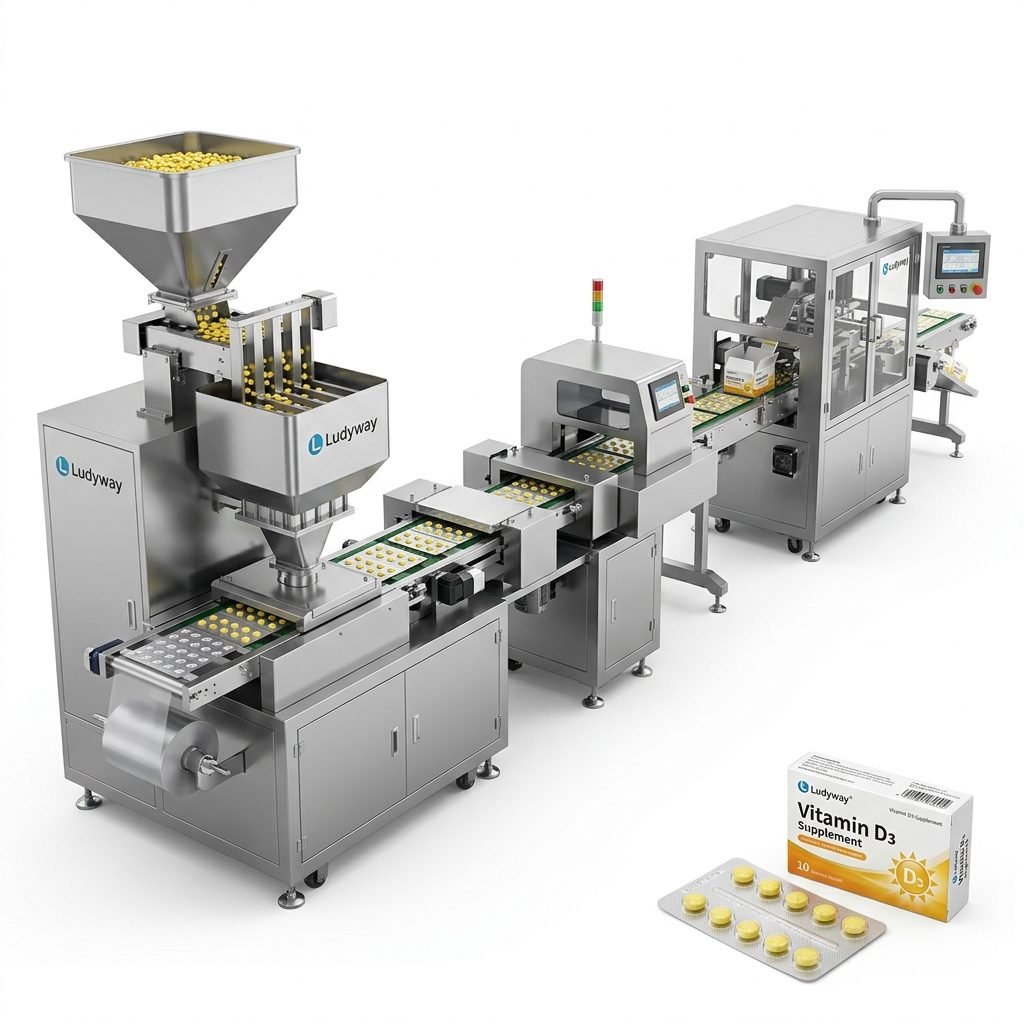
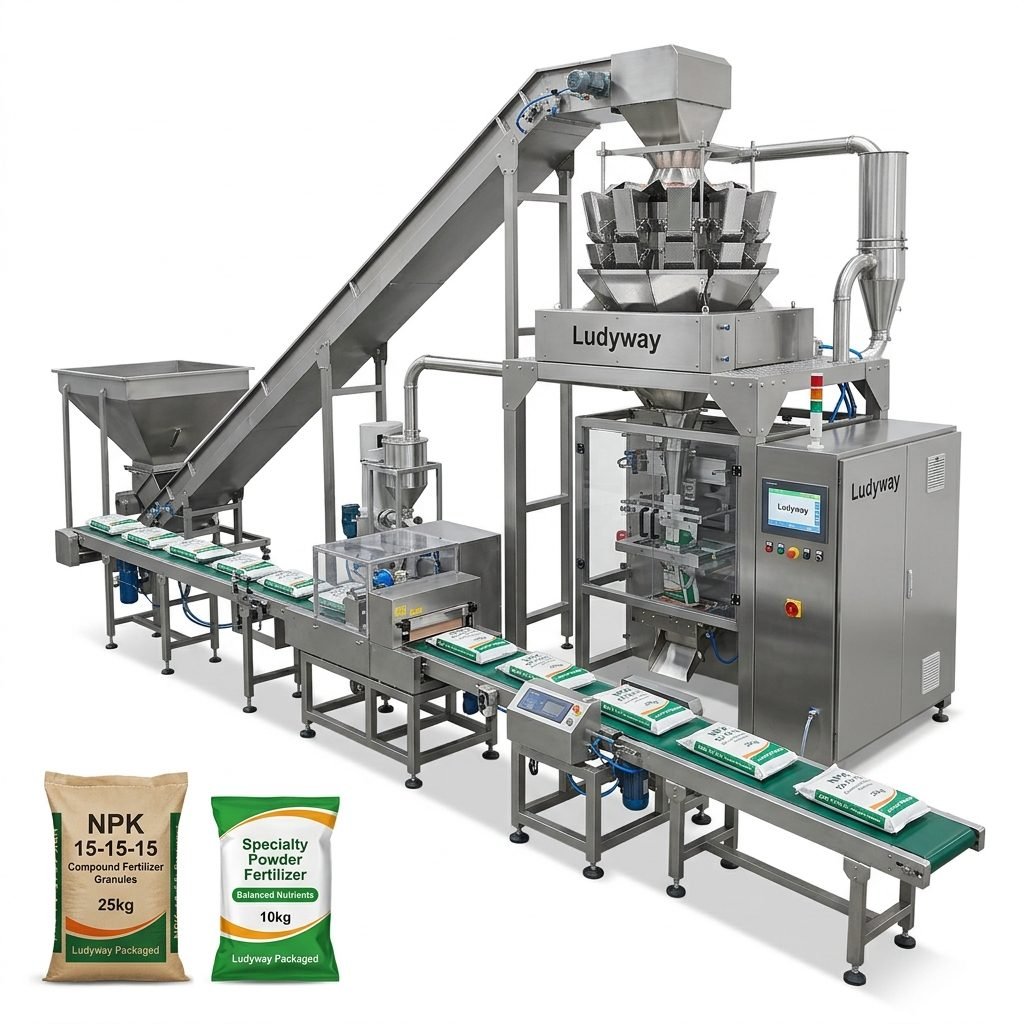
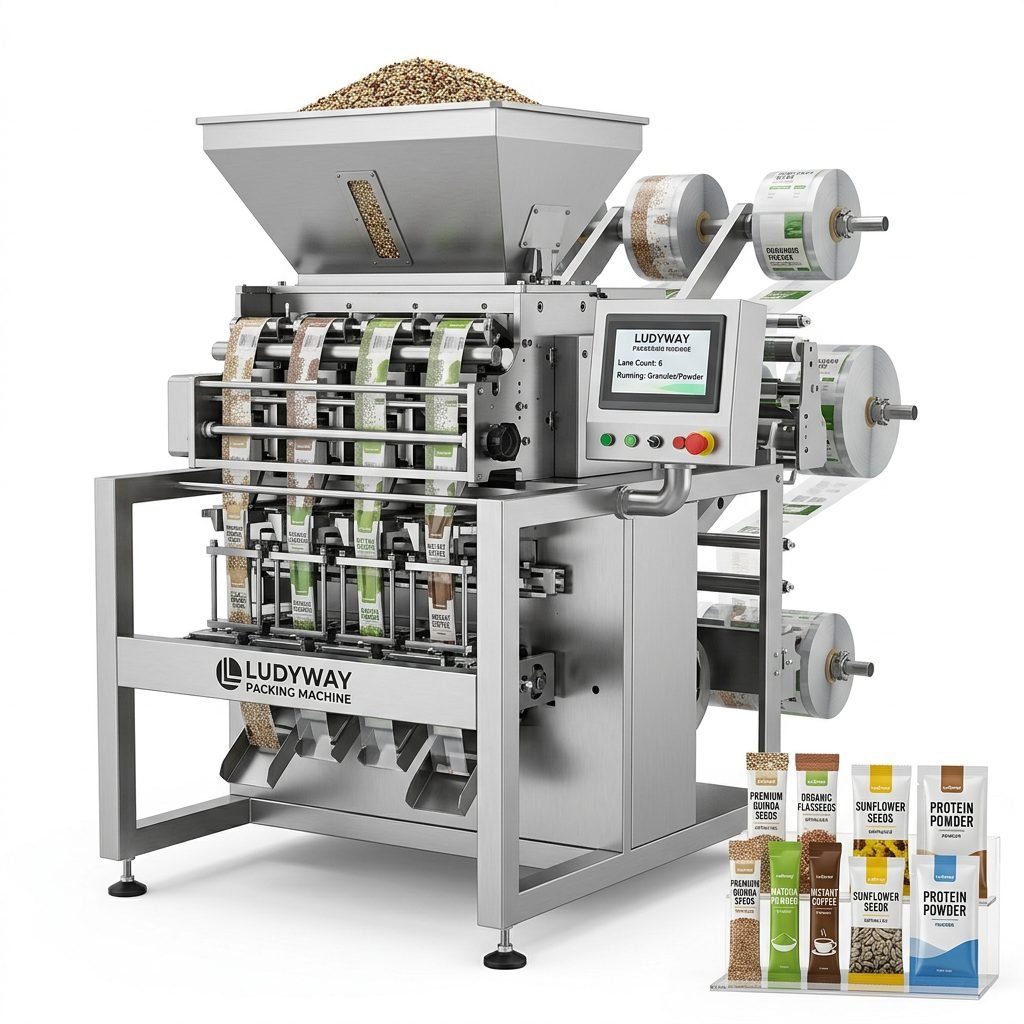
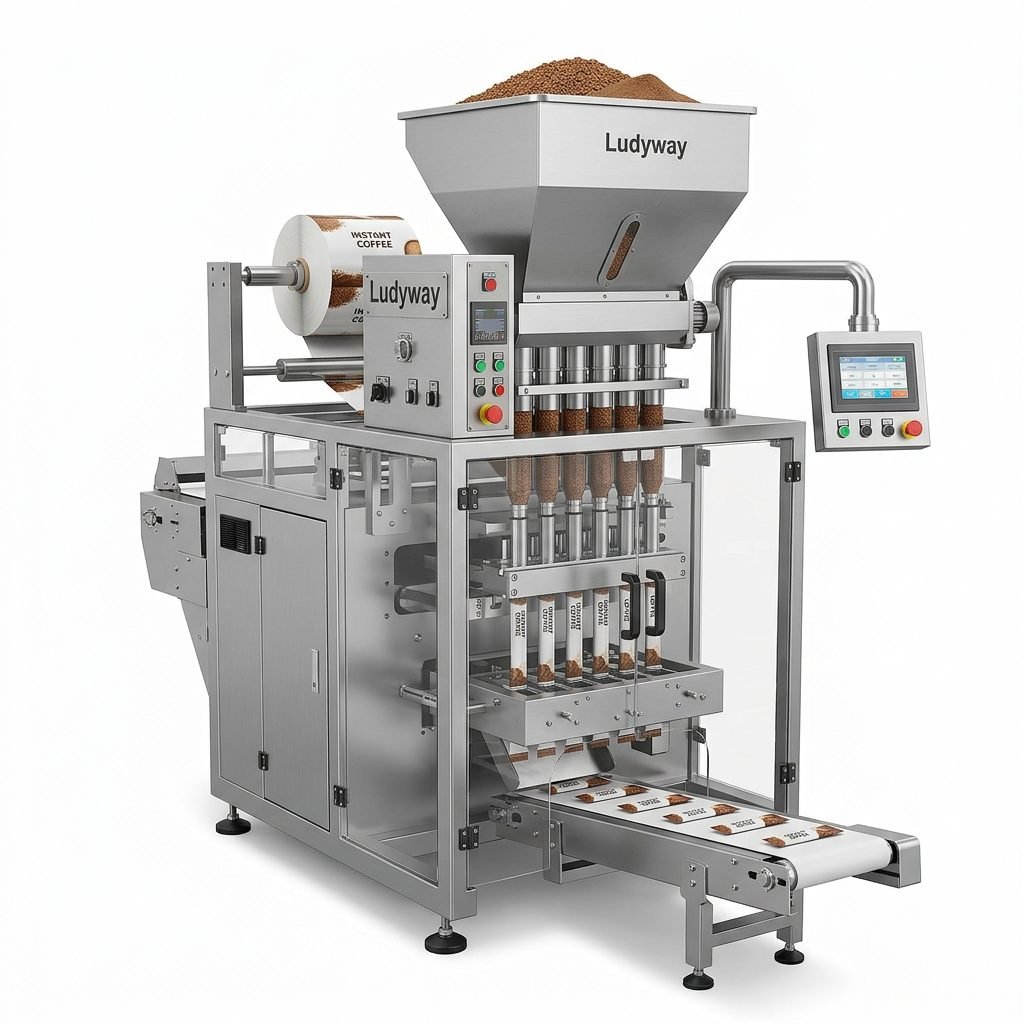
In the dynamic world of food production, efficiency and precision are paramount. For seasoning manufacturers, the choice of packaging equipment can significantly impact productivity, product quality, and overall operational costs. An automatic spice packaging machine is no longer a luxury but a necessity for businesses aiming to scale and maintain competitiveness. This guide delves into the critical factors for selecting the best automatic packaging solution to streamline your seasoning production line.
Understanding Your Production Requirements
The journey to the perfect machine begins with a thorough analysis of your specific needs. Not all packaging machines are created equal, and a solution perfect for one operation might be inadequate for another.
Key Questions to Ask:
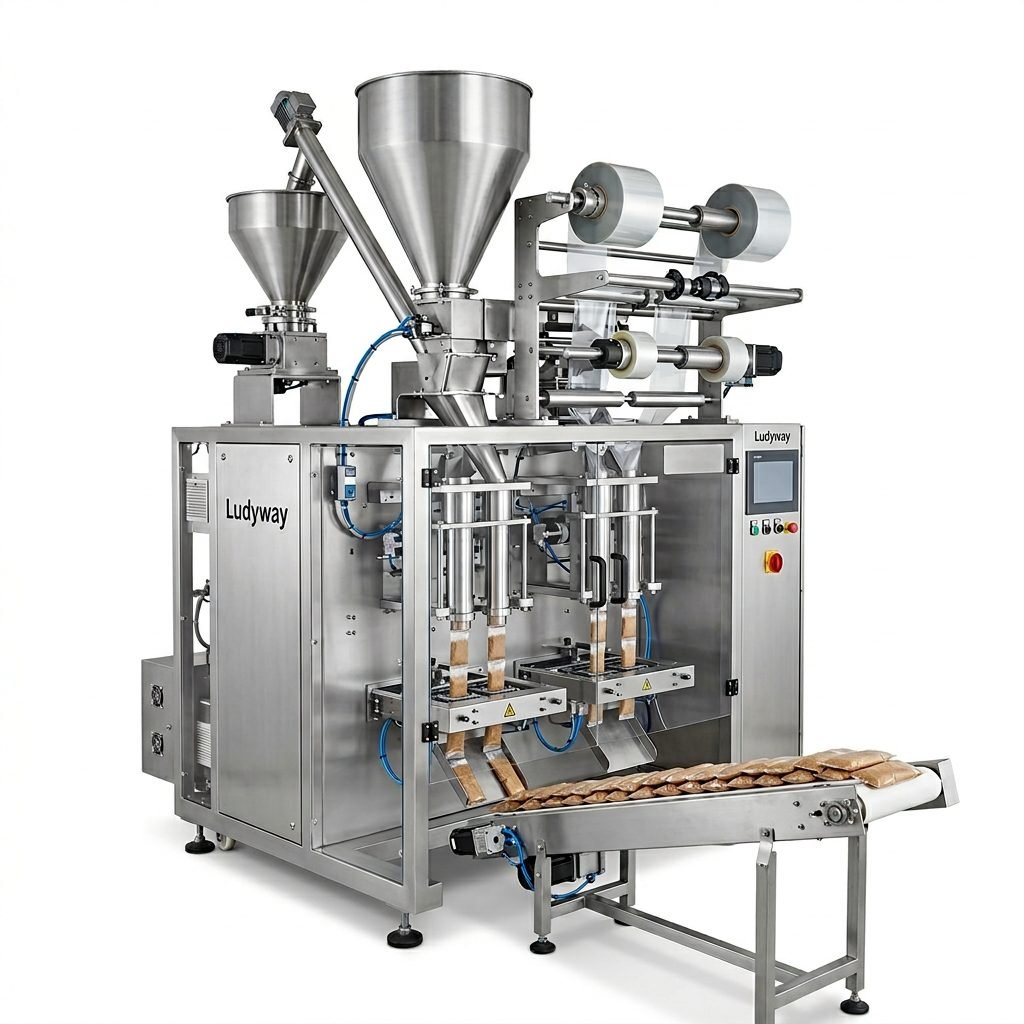
- Product Type & Form: Are you packaging fine powders (like chili powder), granules (like peppercorns), blends, or flakes? The product’s flow characteristics dictate the type of feeding system (auger, volumetric cup, weigh scale).
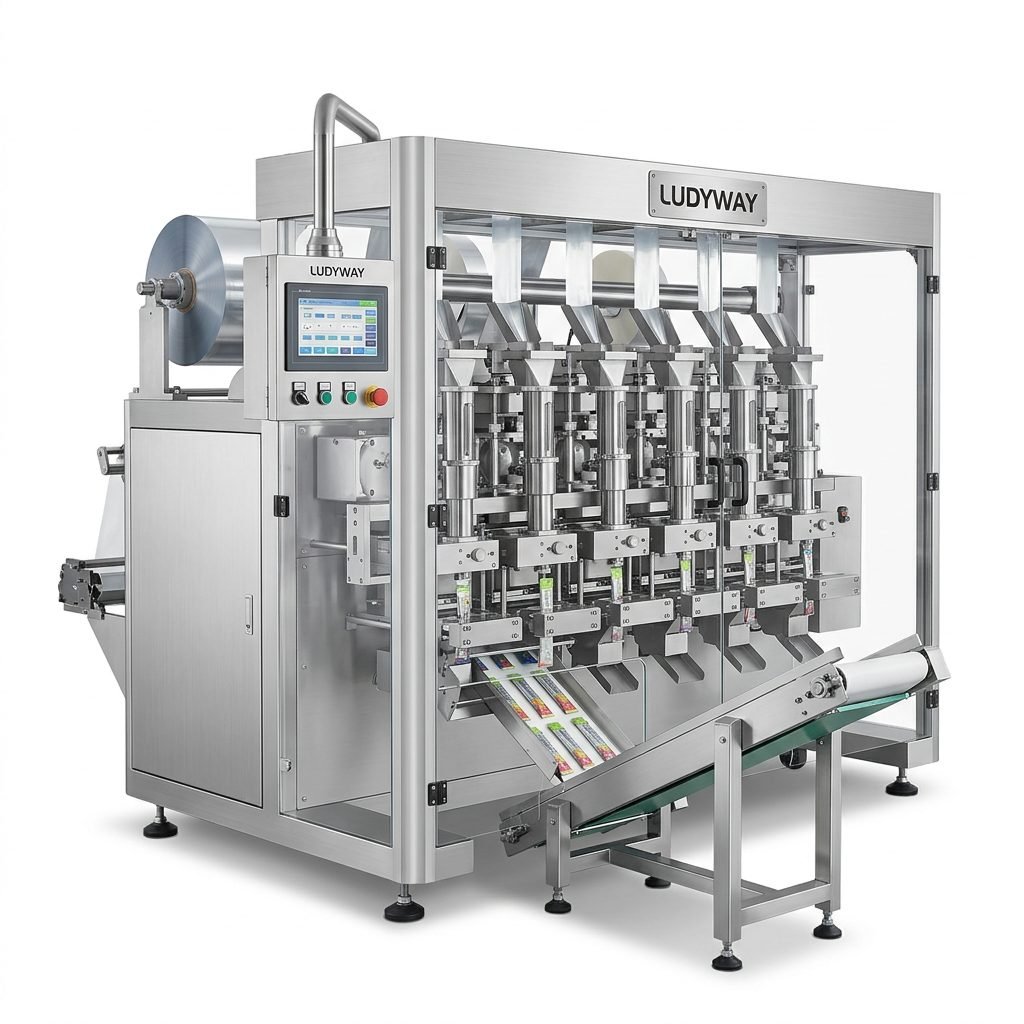
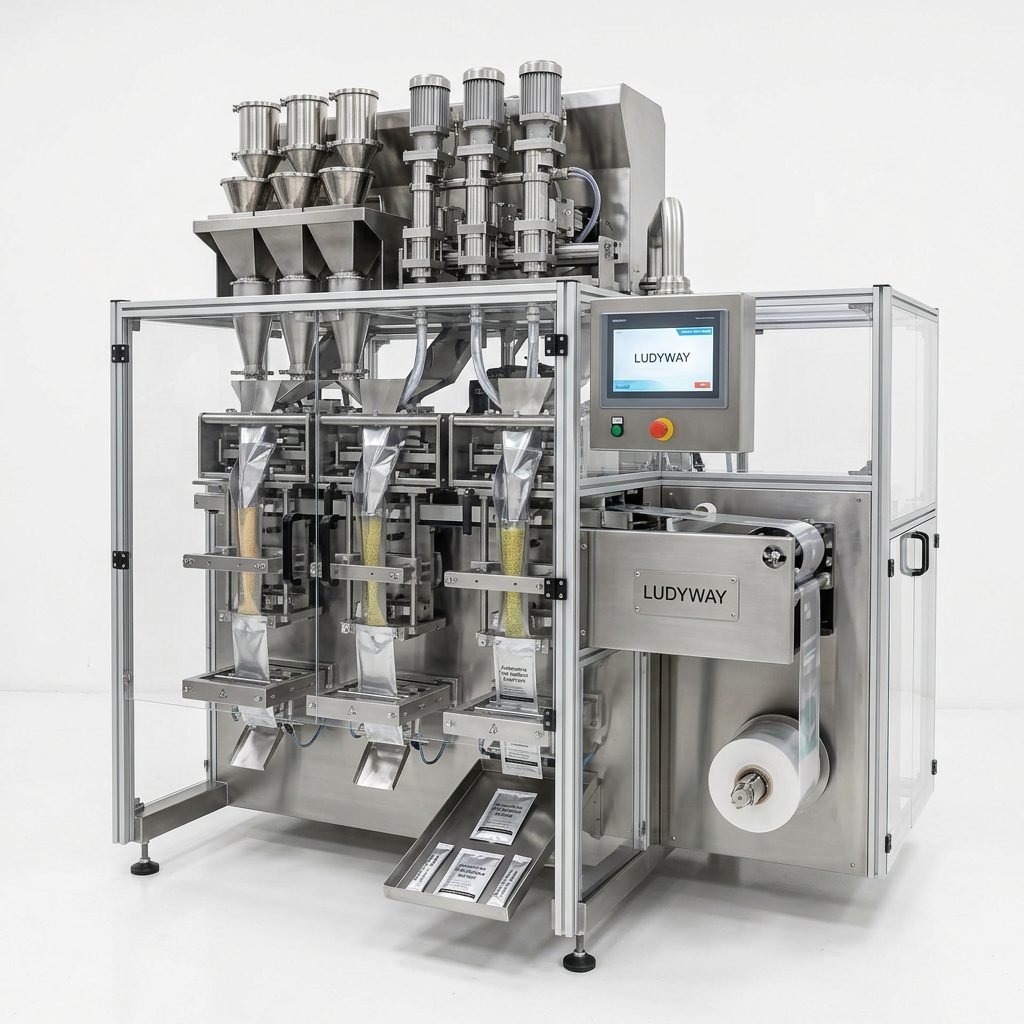
- Packaging Speed (Output): What is your required output in packs per minute (PPM)? A small artisanal producer has vastly different needs than a large-scale industrial facility. Machines like the multi-lane stick pack machine can dramatically increase output by running multiple lanes simultaneously.
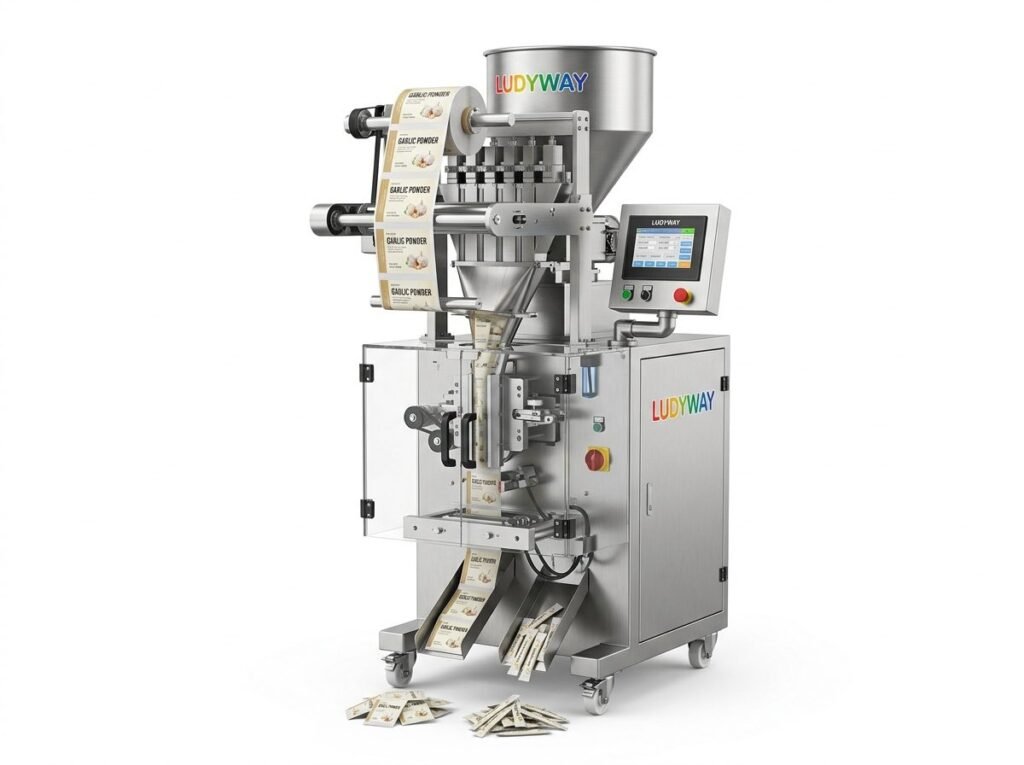
- Bag Style & Size: Do you need stand-up pouches, sachets, stick packs, or pillow bags? What is your target weight range (e.g., 1g to 500g)? The machine must be capable of forming and sealing your desired bag type accurately.
- Film Material: What packaging film do you use (e.g., laminated PET/AL/PE, kraft paper, biodegradable materials)? The sealing system (heat seal, ultrasonic) must be compatible.
Core Features of a High-Performance Spice Packaging Machine
Once your requirements are clear, evaluate machines based on these essential features that ensure efficiency and reliability.
1. Precision Weighing and Dosing System
Accuracy is non-negotiable in spice packaging. Overfilling erodes profits, while underfilling violates regulations and disappoints customers. Look for machines equipped with high-precision servo-driven auger fillers or multi-head weighers. Advanced models feature self-learning algorithms that compensate for product density variations, ensuring consistent weight control for every single packet, which is crucial for maintaining brand trust.
2. Robust Sealing and Bag-Making Integrity
Spices are often hygroscopic and sensitive to air and moisture. A flawless seal is critical for preserving freshness, aroma, and shelf life. The machine should offer adjustable temperature-controlled sealing jaws capable of handling various laminates. For challenging environments or delicate films, consider ultrasonic sealing technology, which provides a cold, strong, and consistent seal without heat.
3. Hygiene and Easy Cleanability (Sanitary Design)
Food safety standards are stringent. The machine should have a stainless steel contact surface with a smooth, crevice-free design to prevent product accumulation and allow for quick, thorough cleaning. Features like tool-less disassembly of product hoppers and augers, and CIP (Clean-in-Place) capabilities, can drastically reduce downtime between production runs, especially when switching between different spice blends.
4. User-Friendly HMI and Connectivity
Modern machines are driven by intuitive Human-Machine Interface (HMI) touchscreen panels. Operators should be able to easily change recipes, set parameters, monitor production counts, and diagnose issues. For integration into smart factories, look for connectivity options like Ethernet/IP, Modbus, or data export capabilities for production reporting and analysis, enabling true Industry 4.0 integration.
📈 Operational Efficiency Boosters:
Beyond core functions, these features can significantly enhance your ROI:
- Quick Changeover Systems: Minimize downtime when switching bag sizes or products with pre-set recipe memory and modular parts.
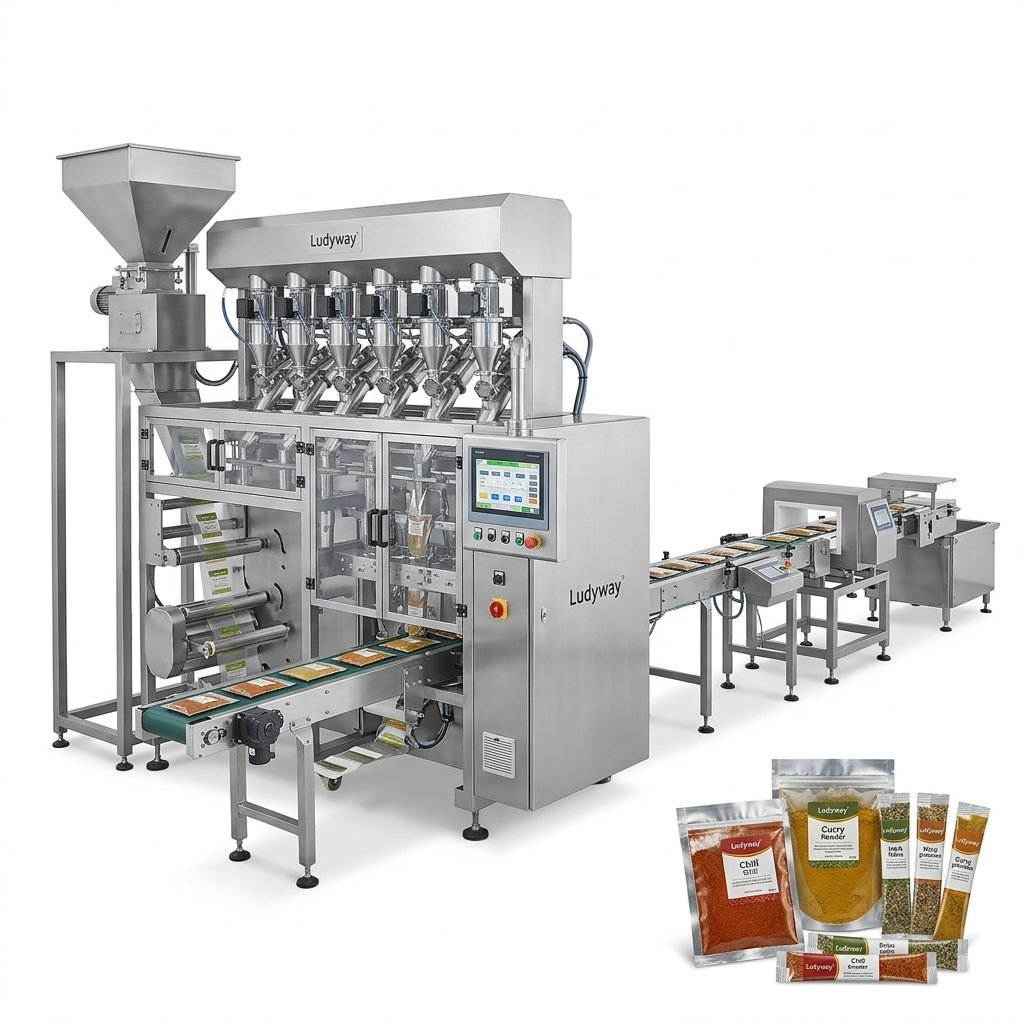
- Advanced Detection Systems: Integrated metal detectors, checkweighers, and vision systems ensure only perfect packages proceed, reducing waste and recall risks.
- Low Maintenance Design: Durable components, easy access for lubrication, and reliable servo motors reduce long-term operating costs.
Evaluating Suppliers: Beyond the Machine Spec Sheet
Choosing the right partner is as important as choosing the right machine. A reliable supplier ensures long-term success.
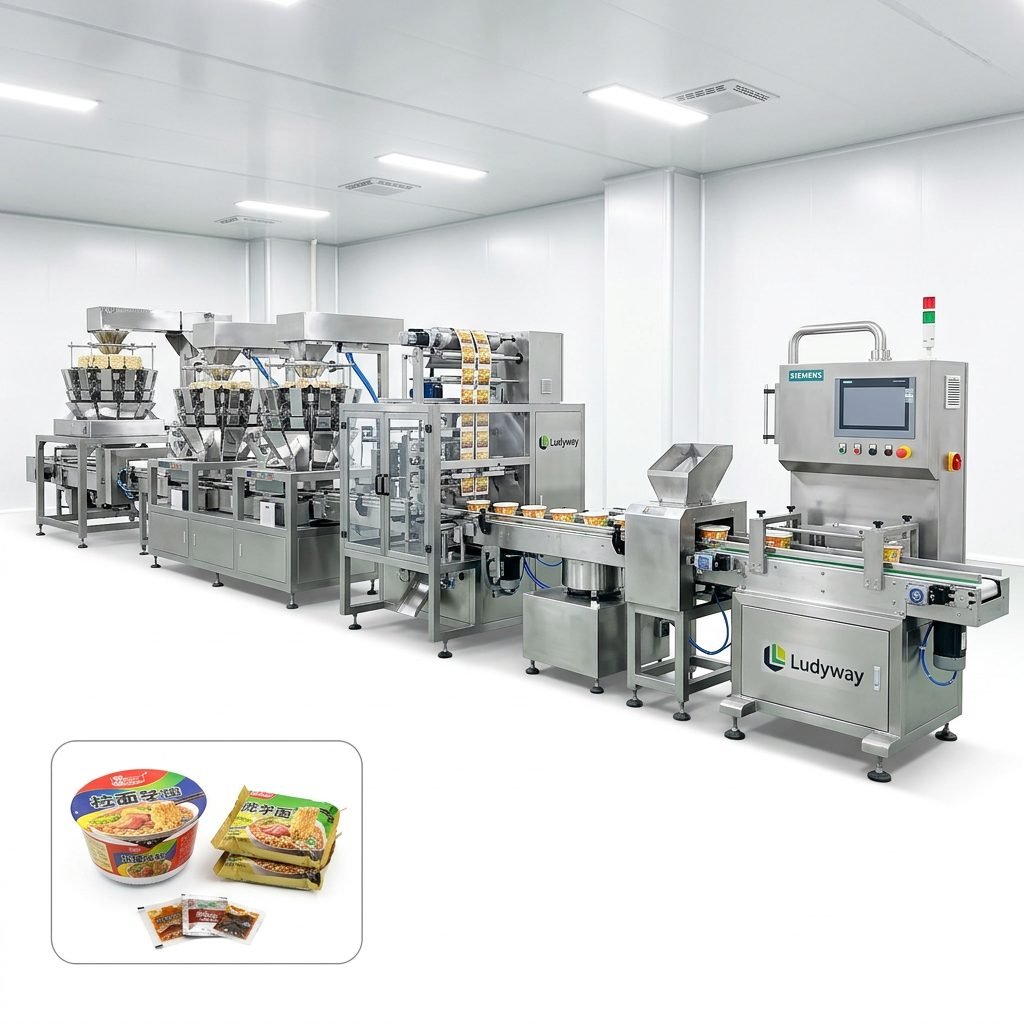
Look for a supplier with proven experience in the food and seasoning industry. They should understand the unique challenges of handling diverse, sometimes sticky or dusty, spice products. Request case studies or references from similar clients. A supplier that offers comprehensive after-sales support, including readily available spare parts, on-site training, and responsive technical service, is invaluable. Consider companies that provide turnkey solutions, assisting with layout planning, installation, and commissioning to ensure a smooth startup.
FAQs: Automatic Spice Packaging Machines
1. What is the typical price range for an automatic spice packaging machine?
Prices vary widely based on speed, accuracy, automation level, and brand. Entry-level single-lane machines can start around $15,000, while high-speed, multi-lane systems with integrated checkweighers and robots can exceed $100,000. A detailed quote based on your specific requirements is essential.
2. How do I handle packaging for very fine, dusty spices like turmeric or paprika?
Fine powders require specialized auger designs with dust-proof sealing systems. Machines often feature anti-static, polished augers and vacuum dust removal systems at the sealing area to ensure a clean seal and prevent powder contamination on the film, which is critical for maintaining seal integrity.
3. Can one machine handle different types of spices and bag sizes?
Yes, most modern machines are designed for flexibility. Key is the quick-changeover capability. Look for machines with digital recipe storage, where all parameters (auger speed, seal temperature, film length) are saved. Mechanical changeover kits for different bag widths and lengths should also be simple and tool-minimal.
4. What maintenance is required for these machines?
Daily cleaning of product contact parts is mandatory. Regular maintenance includes lubricating moving parts per the manual, checking seal jaw surfaces for wear, and calibrating the weighing system periodically. A reliable supplier will provide a clear maintenance schedule and training.
5. How do I ensure the machine meets food safety and regulatory standards?
Ensure the machine is constructed with food-grade materials (e.g., 304 or 316 stainless steel) and has a hygienic design. Reputable suppliers can provide documentation and machine certifications relevant to your market (e.g., CE, FDA compliance for materials). Always verify standards with your local regulatory body.