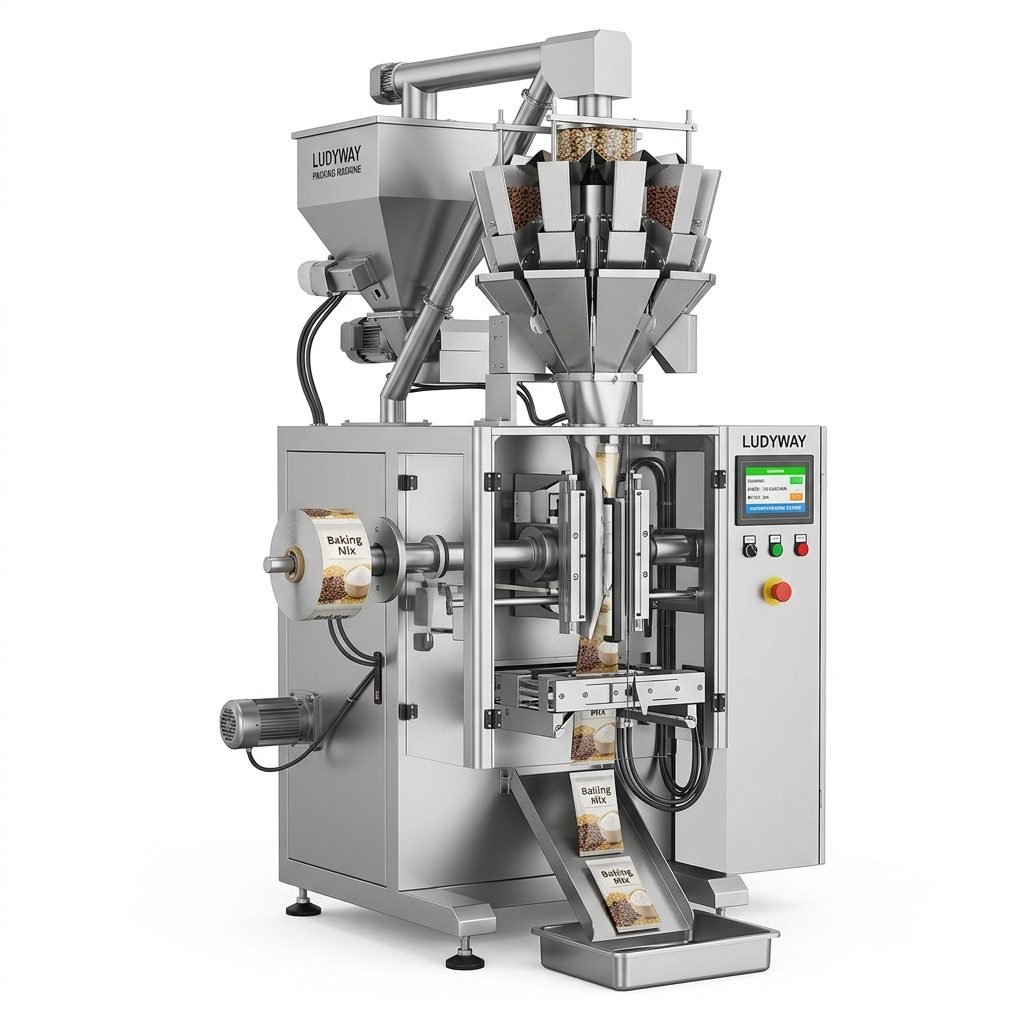
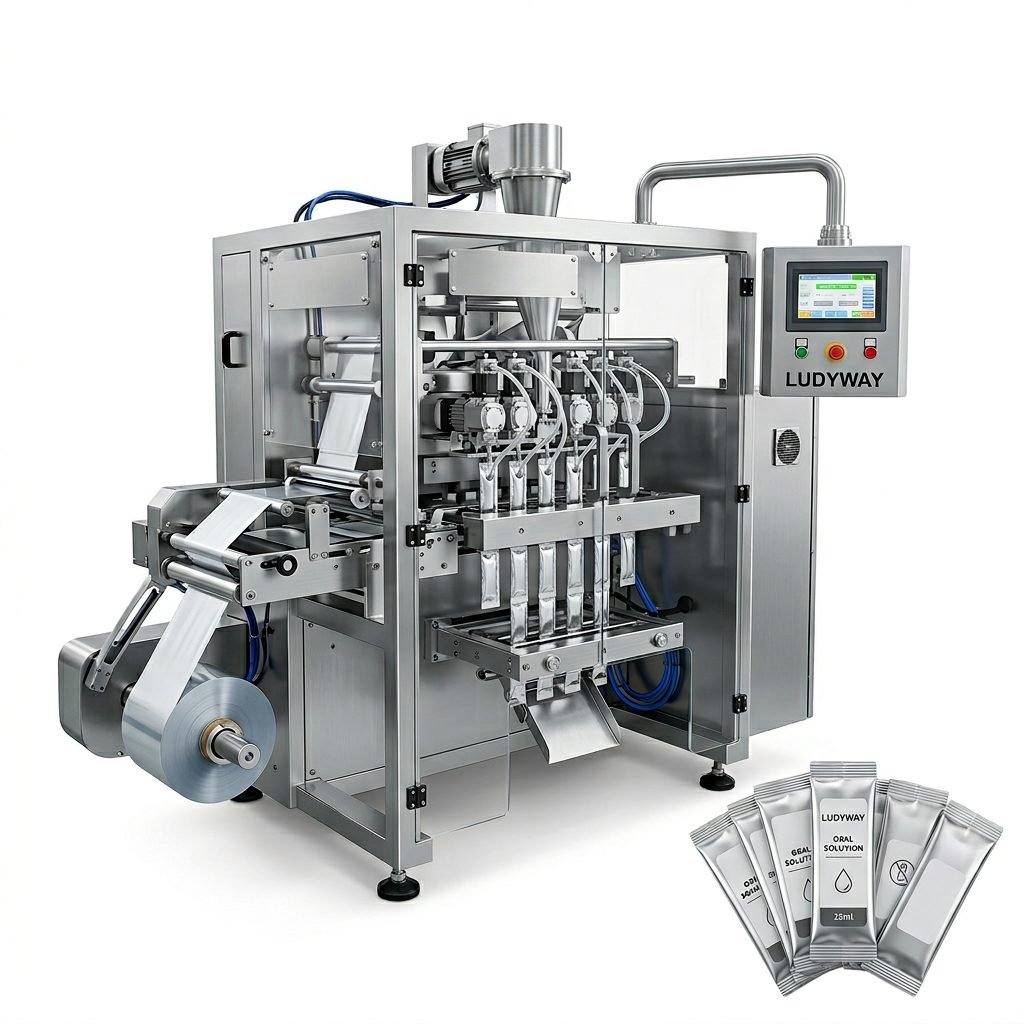
Selecting the right vacuum sealer packaging machine for your North American operation requires careful evaluation of production needs, material compatibility, and regulatory compliance. Whether you are packaging food products, pharmaceuticals, or industrial goods, a high-quality vacuum packaging machine can significantly extend shelf life, reduce waste, and improve operational efficiency. This comprehensive buying guide covers everything you need to know before making a purchase decision.

Understanding Vacuum Sealer Machine Types
Before investing in equipment, it is essential to understand the different categories of vacuum sealers available on the market. Each type serves distinct production volumes and packaging requirements.
Chamber Vacuum Sealers
Chamber vacuum sealers place the entire product and pouch inside a vacuum chamber. Air is evacuated from the chamber and the bag simultaneously, creating a uniform seal. These machines are ideal for high-volume operations, liquid-rich products, and applications requiring consistent vacuum levels. They are widely used in meat processing, cheese packaging, and sous-vide food preparation across North America.
External Vacuum Sealers (Nozzle Type)
External vacuum sealers, also known as snorkel or nozzle vacuum machines, extract air from the pouch without placing the entire product inside a chamber. They are suited for large or irregularly shaped items that cannot fit into standard chambers. These machines are popular in bulk packaging applications and industrial settings where oversized bags are common.
Thermoforming Vacuum Packaging Systems
Thermoforming systems use rollstock film to form, fill, and seal packages in a continuous automated process. These high-output machines are designed for large-scale food processing plants and can produce modified atmosphere packaging (MAP) for extended shelf life. They represent the top tier of vacuum packaging technology for North American protein and dairy industries.
Key Factors to Consider When Buying in North America
Purchasing a vacuum sealer for the North American market involves evaluating several critical factors that directly impact return on investment and operational success.
- Production Volume and Speed Requirements — Assess your daily throughput needs. Entry-level chamber machines may handle 2-5 cycles per minute, while industrial thermoforming lines can process hundreds of packages per minute.
- Product Characteristics — Liquid, powder, and solid products each require different vacuum sealing approaches. Liquids demand chamber machines to prevent spillage during evacuation.
- Pouch Material Compatibility — Verify that the machine supports the film types used in your operation, including PA/PE, PET/PE, and high-barrier laminates common in the North American market.
- Seal Bar Configuration — Single or double seal bars, seal width, and heating element quality determine seal integrity and production efficiency.
- Compliance with North American Standards — Equipment must meet FDA food packaging regulations, USDA requirements for meat and poultry, and relevant ISO packaging standards.
- After-Sales Support and Parts Availability — Choose suppliers with established service networks in the United States and Canada to minimize downtime.

Technical Specifications Comparison
The following table provides a comparative overview of common vacuum sealer configurations available for North American operations.
| Machine Type | Typical Throughput | Best For | Investment Range |
|---|---|---|---|
| Single Chamber | 2-4 cycles/min | Small to medium food processors | $3,000 – $18,000 |
| Double Chamber | 4-8 cycles/min | Medium to high-volume operations | $12,000 – $45,000 |
| External Nozzle | 3-6 cycles/min | Oversized products, bulk bags | $5,000 – $25,000 |
| Thermoforming Line | 60-200+ packs/min | Large-scale protein and dairy processing | $150,000 – $800,000+ |
| Tray Sealer with MAP | 15-60 trays/min | Ready meals, fresh produce | $40,000 – $200,000 |
Modified Atmosphere Packaging (MAP) Capabilities
Many North American food processors now require Modified Atmosphere Packaging to extend product shelf life without preservatives. MAP-enabled vacuum sealers replace oxygen with nitrogen or carbon dioxide blends before sealing. When evaluating equipment, confirm whether the machine supports gas flushing and can maintain precise gas ratios. This feature is particularly important for fresh meat, seafood, and ready-to-eat meal applications where product appearance and freshness are paramount.

Chamber vs. External Vacuum Sealers: Making the Right Choice
The decision between chamber and external nozzle vacuum sealers depends largely on your product portfolio and production environment. Below is a detailed comparison to help guide your selection.
- Chamber Machines — Superior vacuum consistency, ideal for liquids and wet products, higher initial investment, lower per-package cost at scale, and generally more durable for continuous industrial use.
- External Nozzle Machines — Greater flexibility for oversized items, lower upfront cost, simpler maintenance, but slower cycle times and less effective with liquid-containing products.
- Hybrid Systems — Some manufacturers offer configurable platforms that support both chamber and external sealing modes, providing maximum operational flexibility for diverse packaging requirements.
Food Safety and Regulatory Compliance in North America
Compliance with North American food safety regulations is non-negotiable. The FDA Food Contact Substances program governs materials that come into contact with food products. Additionally, USDA-FSIS regulations apply to meat and poultry packaging operations. Key compliance considerations include:
- Stainless steel construction with food-grade certification for all product contact surfaces
- HACCP-compatible design with accessible cleaning points and sanitary seals
- Traceability features including batch coding and date stamping integration
- Validation documentation for seal integrity testing and vacuum level verification
- Compliance with PMMI packaging machinery standards for equipment safety and performance
Top Application Industries Across North America
Vacuum sealer packaging machines serve a broad range of industries throughout the United States and Canada. Understanding the specific demands of your sector helps narrow down the appropriate equipment specifications.
Meat and Poultry Processing
Fresh and frozen meat products require robust vacuum sealing to prevent oxidation, freezer burn, and bacterial growth. Double chamber machines and thermoforming lines dominate this segment, often with MAP capabilities for case-ready retail packaging.
Seafood and Aquaculture
Seafood presents unique challenges due to high moisture content and delicate textures. Gentle handling vacuum systems with precise pressure control prevent product damage while ensuring an airtight seal that preserves freshness during cold chain distribution.
Pharmaceutical and Medical Device Packaging
Sterile barrier packaging for medical devices demands validated vacuum sealing processes. Equipment must comply with ISO 11607 standards for terminally sterilized medical device packaging, with documented seal strength and integrity testing.
Industrial and Non-Food Applications
Electronics, aerospace components, and chemical products often require vacuum packaging for moisture protection and contamination control. These applications may use heavy-duty external nozzle sealers capable of handling large-format barrier bags.
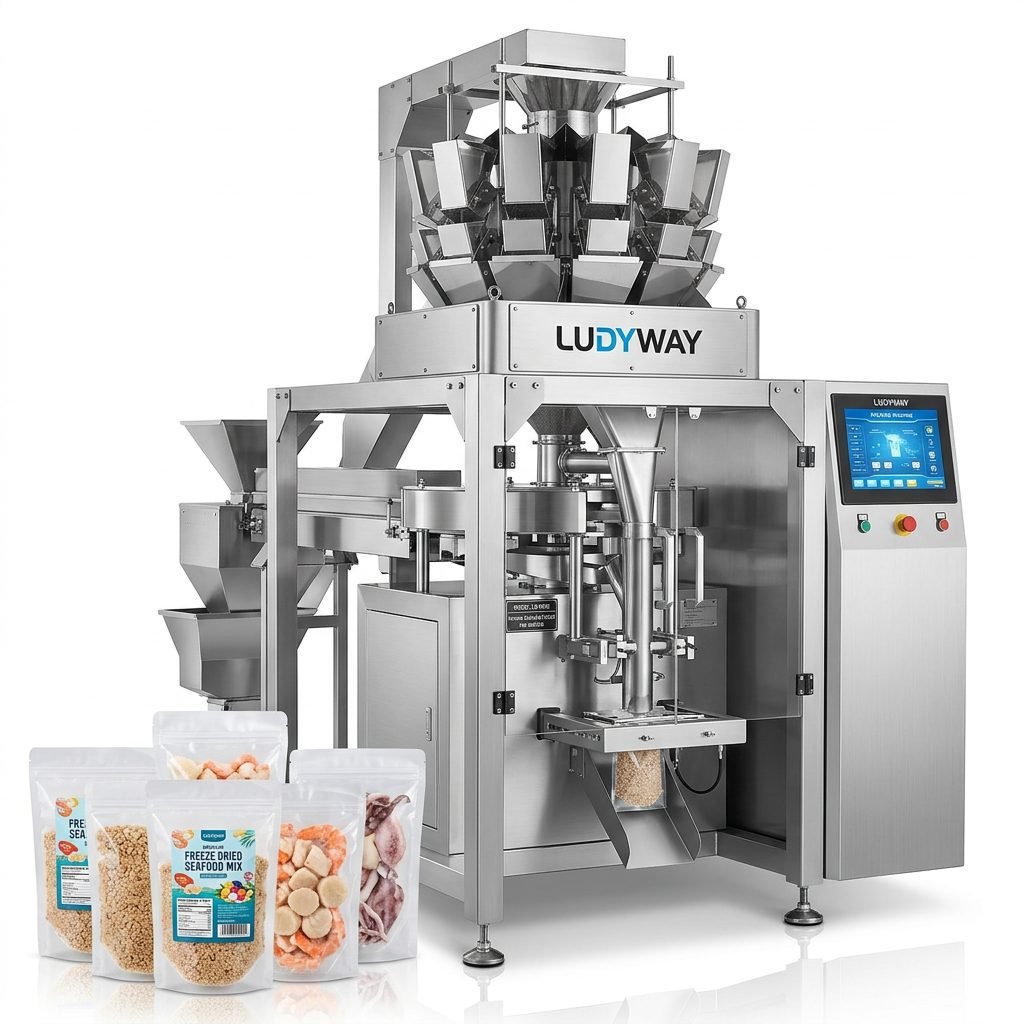
Evaluating Build Quality and Longevity
Industrial vacuum sealers represent a significant capital investment, and build quality directly impacts long-term reliability. When assessing equipment, examine the following construction elements:
- Frame and Housing Material — AISI 304 stainless steel is the minimum standard for food-grade equipment; AISI 316 offers enhanced corrosion resistance for harsh environments.
- Vacuum Pump Type — Rotary vane pumps provide consistent performance, while dry-running pumps reduce maintenance in cleanroom applications. Oil-lubricated pumps often deliver longer service life but require regular maintenance.
- Seal Bar Durability — Look for seal bars with Teflon-coated heating elements and adjustable temperature controls for consistent sealing across different film types.
- Control System — PLC-based controls with touchscreen interfaces offer programmable recipes, data logging, and integration with plant-wide automation systems.
Maintenance, Training, and After-Sales Support
A vacuum packaging machine is only as good as the support behind it. Before purchasing, verify that the supplier offers comprehensive installation, operator training, and ongoing technical support within North America. Key support elements to look for include remote diagnostics capabilities, readily available spare parts inventory in the U.S. or Canada, and documented preventive maintenance schedules. Leading manufacturers like Ludyway provide turnkey packaging solutions with dedicated engineering support to ensure smooth integration into existing production environments.
For additional industry insights, the Flexible Packaging Association offers valuable resources on packaging trends and material innovations relevant to North American operations.
Energy Efficiency and Sustainability Considerations
North American manufacturers increasingly prioritize energy-efficient equipment to reduce operational costs and meet corporate sustainability goals. Modern vacuum sealers incorporate variable-speed drives, intelligent standby modes, and optimized vacuum pump cycling to minimize power consumption. Additionally, machines compatible with recyclable mono-material films support sustainable packaging initiatives and help companies comply with evolving environmental regulations across U.S. states and Canadian provinces.
Making the Final Decision
Selecting the optimal vacuum sealer packaging machine for your North American facility comes down to aligning equipment capabilities with your specific production requirements, budget constraints, and growth projections. Prioritize machines that offer scalability, regulatory compliance, and reliable local support. By thoroughly evaluating the factors outlined in this guide, you can make an informed investment that enhances product quality, extends shelf life, and delivers measurable returns for years to come.
For further reading on packaging machinery market trends and industry benchmarks, explore the PMMI State of the Industry reports and Flexible Packaging Association resources.