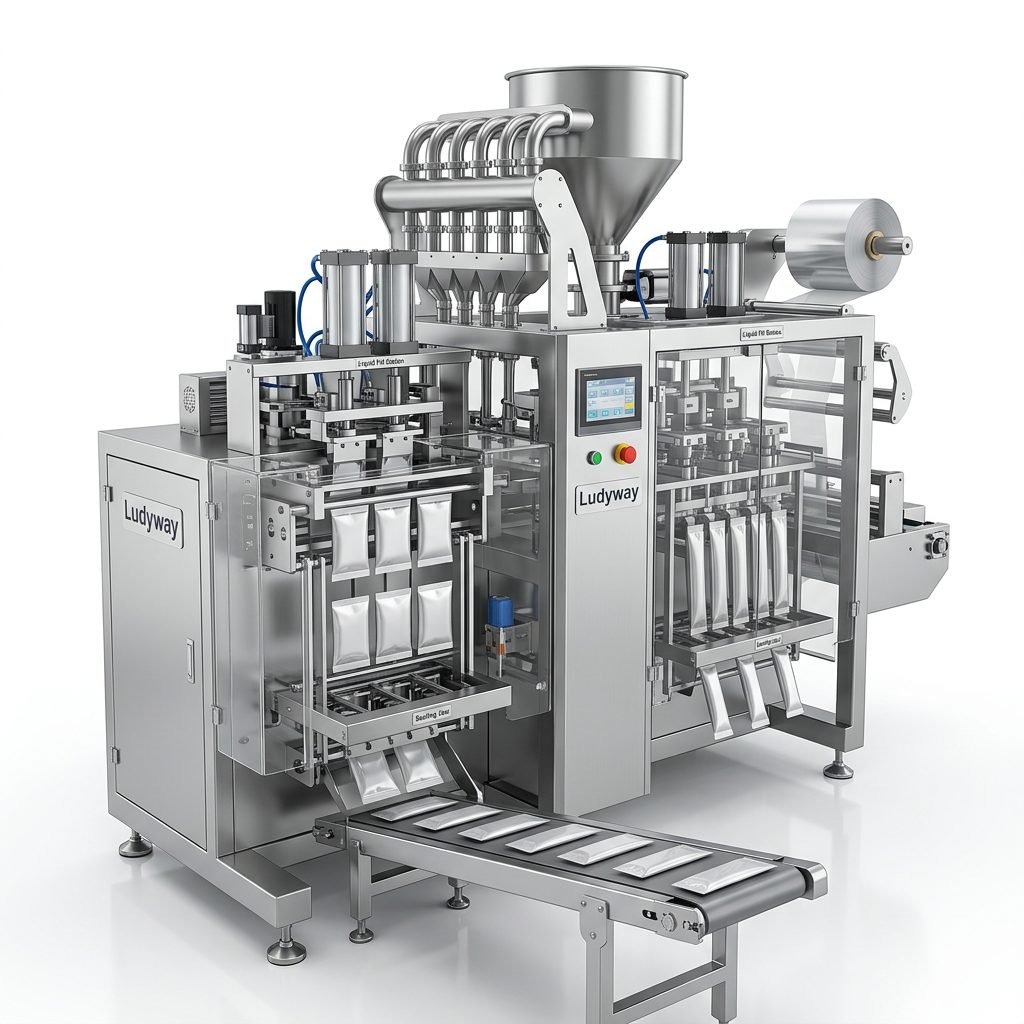
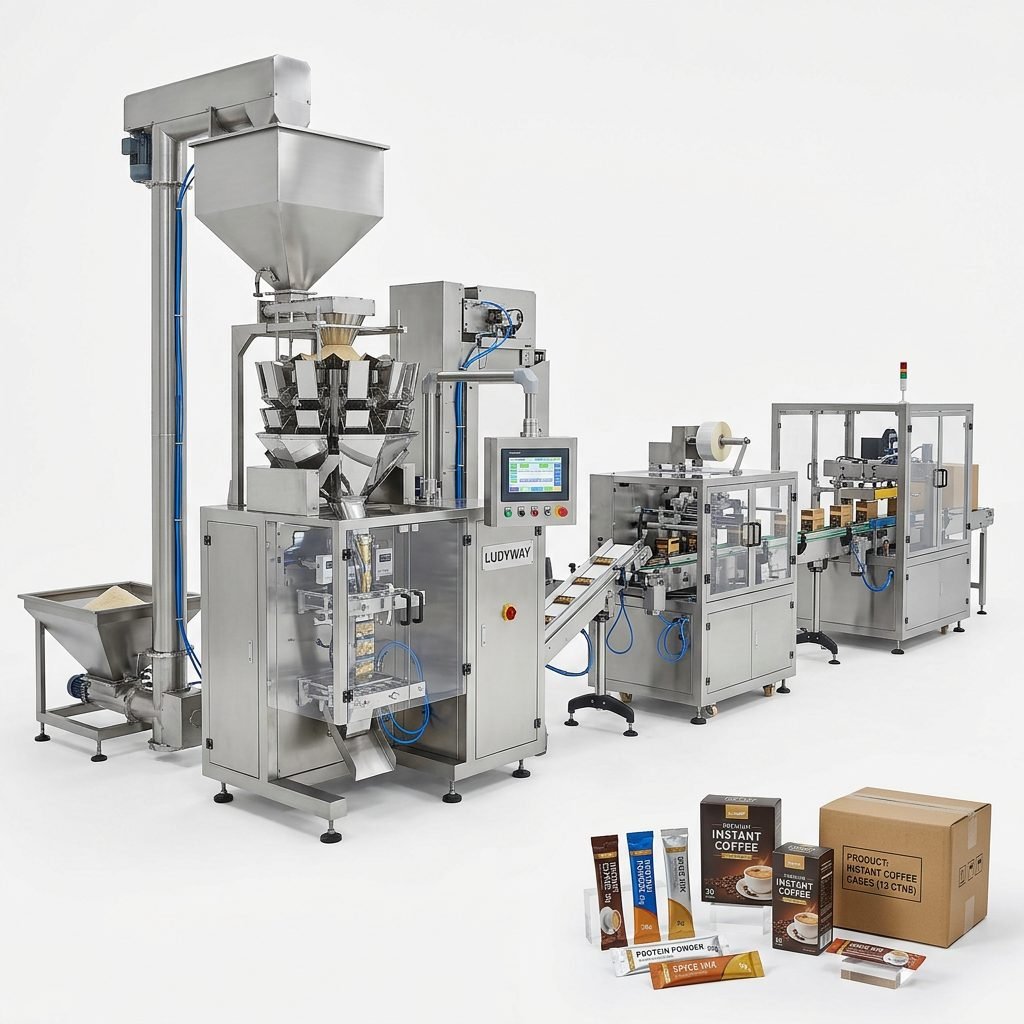
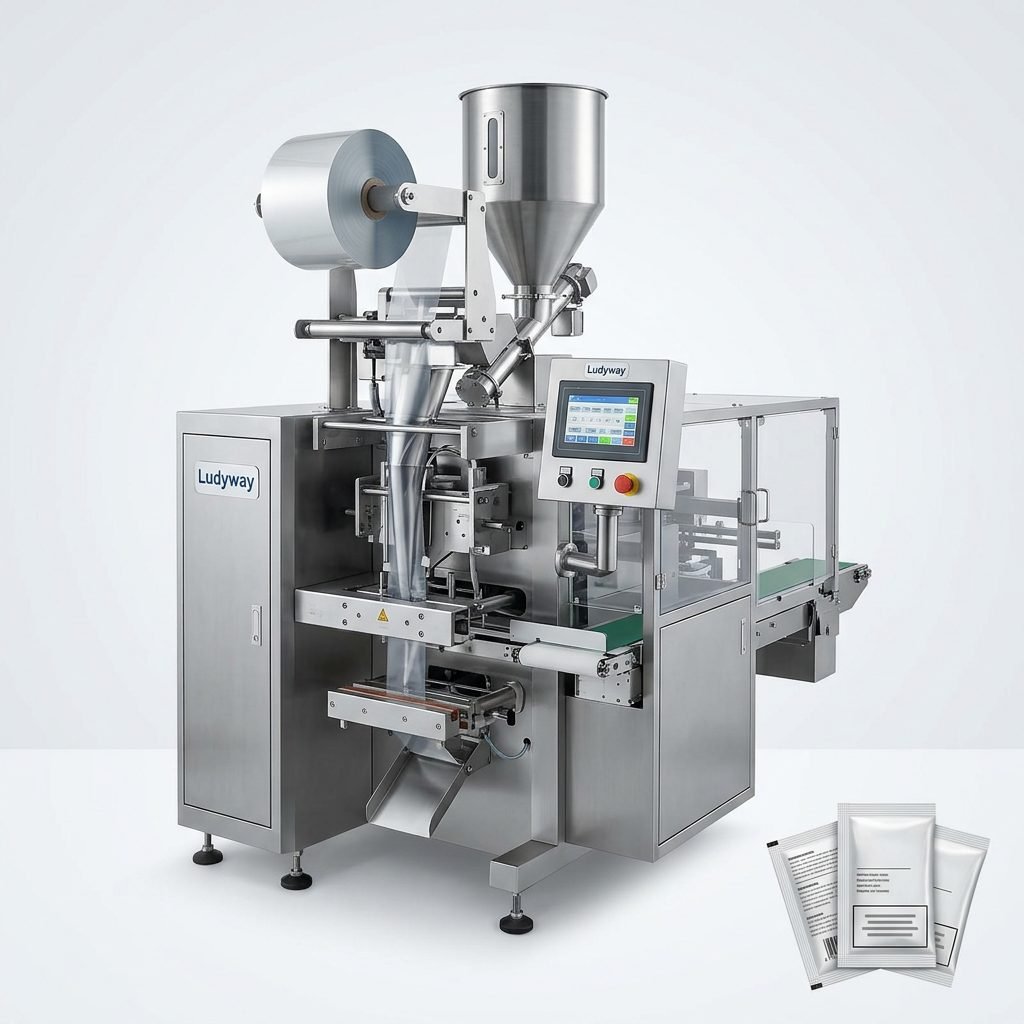
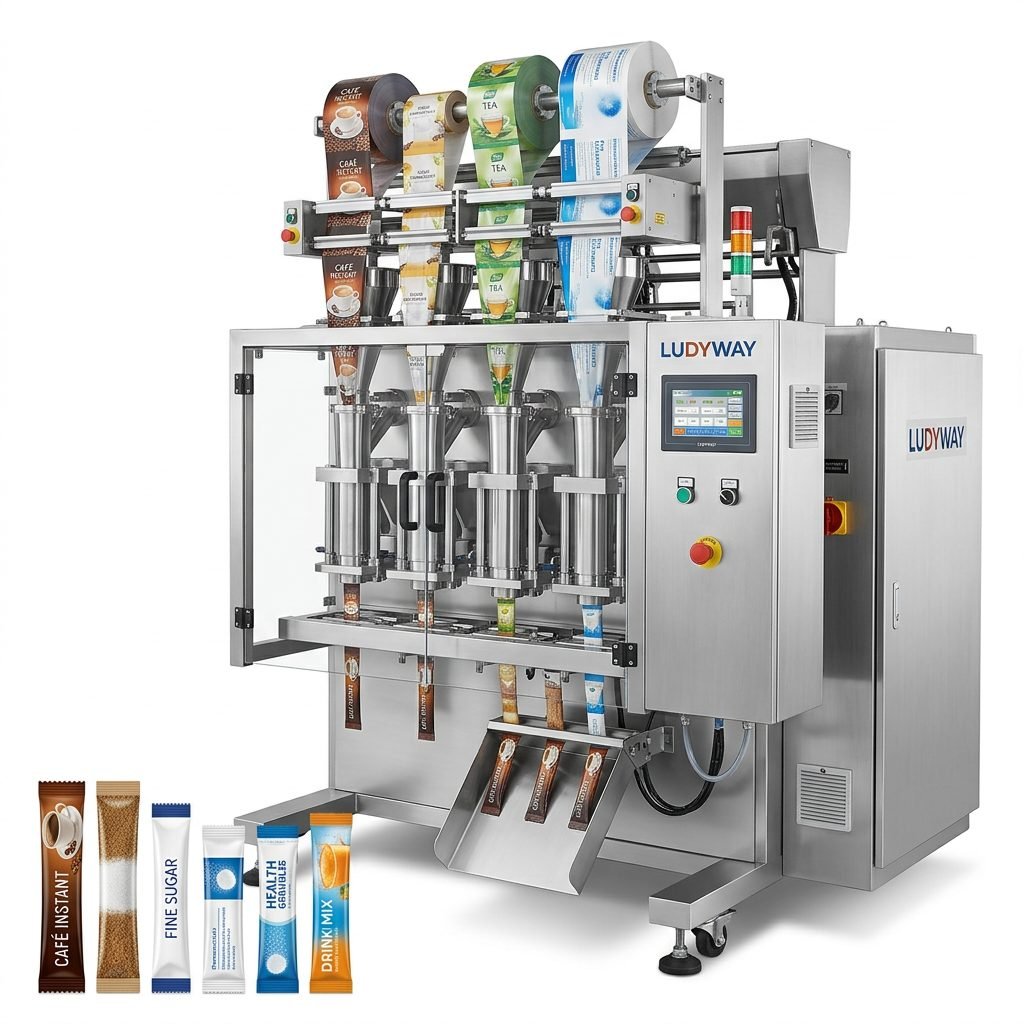
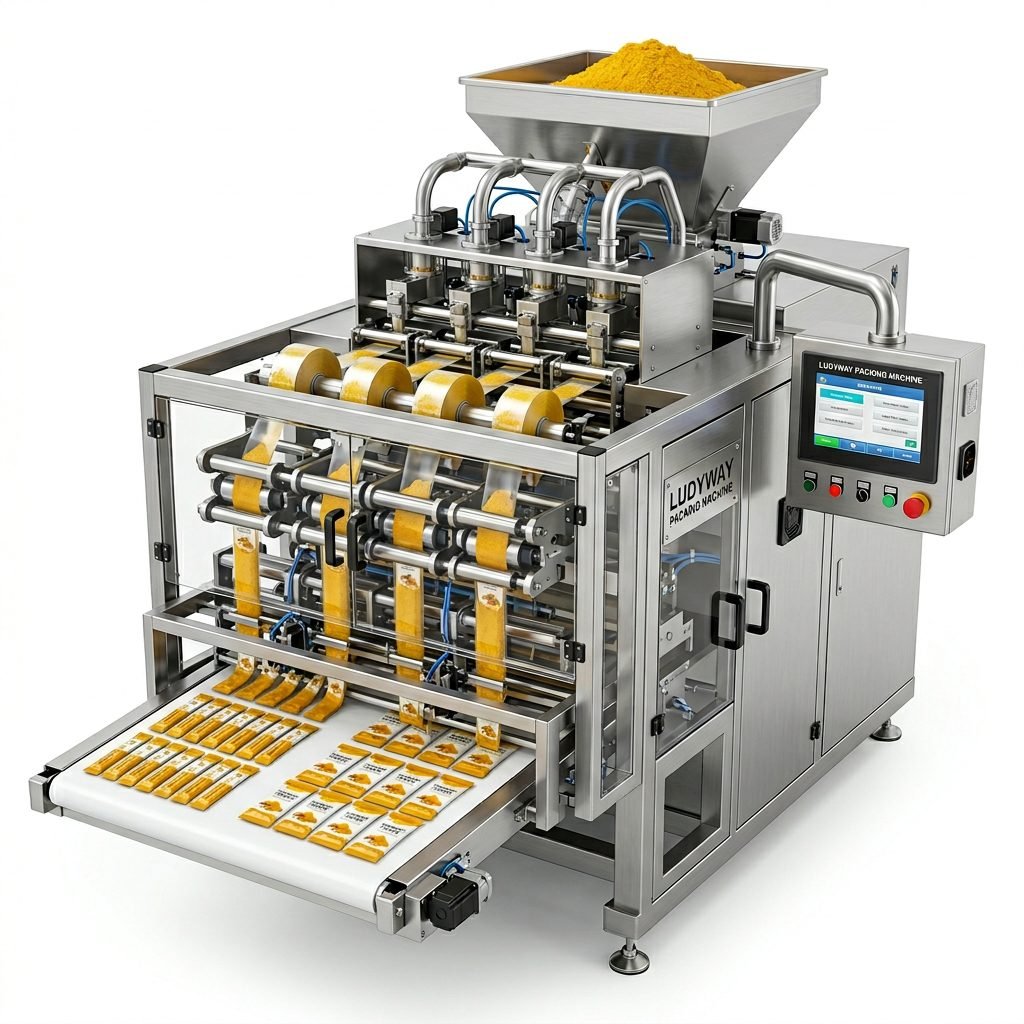
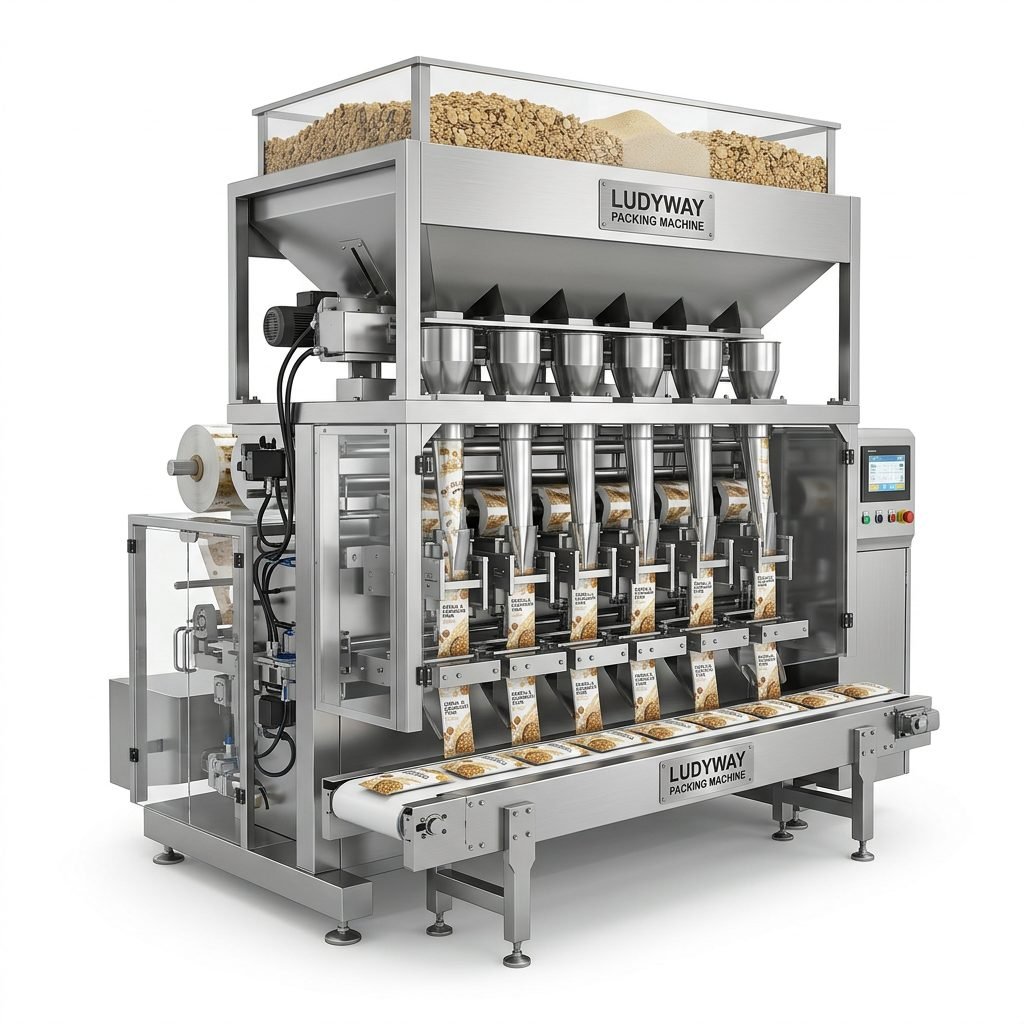
Italy has long been a global hub for food processing and packaging innovation. From artisanal cheese producers in Parma to industrial-scale pasta manufacturers in Naples, the demand for reliable vacuum sealer packaging machines continues to grow. Whether you run a small salumeria or a large pharmaceutical packaging facility, investing in the right vacuum sealing technology can dramatically extend product shelf life, reduce waste, and improve operational efficiency. This comprehensive buying guide covers everything you need to know about selecting a vacuum packaging system tailored to the Italian market.

Why Invest in a Vacuum Sealer Packaging Machine in Italy?
The Italian packaging machinery market is projected to maintain steady growth, driven by strict food safety regulations and the export-oriented nature of Italian food products. A vacuum sealer packaging machine removes oxygen from the package before sealing, creating an anaerobic environment that inhibits bacterial growth and oxidation. This technology is essential for producers of:
- Cured meats and cheeses — extending shelf life while preserving flavor integrity
- Fresh pasta and baked goods — preventing mold growth during distribution
- Coffee and granular products — maintaining aroma and preventing staleness
- Pharmaceutical and medical supplies — ensuring sterility and compliance with ISO 11607 standards
- Pet food and animal feed — protecting nutritional value during storage
Types of Vacuum Sealing Machines Available
Understanding the different categories of vacuum packaging equipment is crucial before making a purchase decision. Each type serves specific production volumes and product characteristics:
Chamber Vacuum Sealers
Chamber machines place the entire product and pouch inside a vacuum chamber. They are ideal for liquids, sauces, and moist products because the pressure equalization prevents liquid from being pulled out during sealing. These are widely used in Italian meat processing and sous-vide applications.
External Vacuum Sealers (Nozzle Type)
Nozzle-based systems insert a vacuum nozzle into the bag opening. These are more economical and suitable for dry granular products such as coffee, rice, and powdered supplements. They typically offer faster cycle times for medium-volume operations.
Thermoforming Vacuum Packaging Lines
Fully automated thermoforming systems create the package from roll stock film, fill the product, apply vacuum, and seal. These high-speed lines are designed for large-scale industrial production and are commonly integrated into complete turnkey packaging solutions.
Key Factors to Consider Before Buying
Selecting the right vacuum sealer packaging machine requires evaluating several critical parameters. The table below summarizes the most important selection criteria:
| Selection Factor | What to Evaluate | Recommendation for Italy |
|---|---|---|
| Production Volume | Packages per minute/hour required | Match machine speed to peak seasonal demand |
| Product Type | Dry granules, powders, liquids, or solids | Chamber type for liquids; nozzle for dry goods |
| Bag/Pouch Material | PA/PE, aluminum foil laminates, high-barrier films | Ensure compatibility with EU packaging waste regulations |
| Vacuum Pump Type | Oil-lubricated vs. dry pumps | Dry pumps preferred for food-grade environments |
| Automation Level | Manual, semi-automatic, or fully automatic | Consider labor availability and cost |
| CE Certification | Compliance with EU machinery directives | Mandatory for all equipment in Italy |
Understanding Italian Market Requirements
Italy enforces rigorous standards for packaging machinery. Any vacuum sealer packaging machine imported or operated in Italy must carry CE marking and comply with relevant EU directives including the Machinery Directive 2006/42/EC and the Food Contact Materials regulation. Additionally, Italian food producers often require:
- Compliance with HACCP protocols for food safety management
- Compatibility with Italian electrical standards (230V/400V, 50Hz)
- Documentation and operator interfaces available in Italian language
- Availability of local technical support and spare parts

Price Guide and Budget Planning
The cost of a vacuum sealer packaging machine in Italy varies significantly based on specifications and automation level. Below is a general pricing framework to help with budget planning:
| Machine Category | Estimated Price Range (EUR) | Typical Applications |
|---|---|---|
| Tabletop Chamber Sealer | €1,500 – €4,000 | Small delis, restaurants, laboratory use |
| Floor-Standing Single Chamber | €3,500 – €12,000 | Medium-scale food processing |
| Double Chamber Machine | €8,000 – €25,000 | High-volume meat and cheese packaging |
| Automatic Belt Vacuum Sealer | €20,000 – €60,000 | Continuous industrial production lines |
| Thermoforming Packaging Line | €50,000 – €200,000+ | Fully automated large-scale operations |
Additional cost considerations include installation and commissioning, operator training, ongoing maintenance contracts, and the availability of genuine spare parts within Italy. Many buyers underestimate the total cost of ownership, which should be calculated over a 5- to 10-year operational period.
Where to Buy Vacuum Sealer Machines in Italy
Italian buyers have several procurement channels for vacuum packaging equipment:
- Italian Packaging Machinery Manufacturers — Established local brands with strong after-sales networks and familiarity with EU regulatory requirements
- European Distributors — Offering multi-brand portfolios and regional service coverage
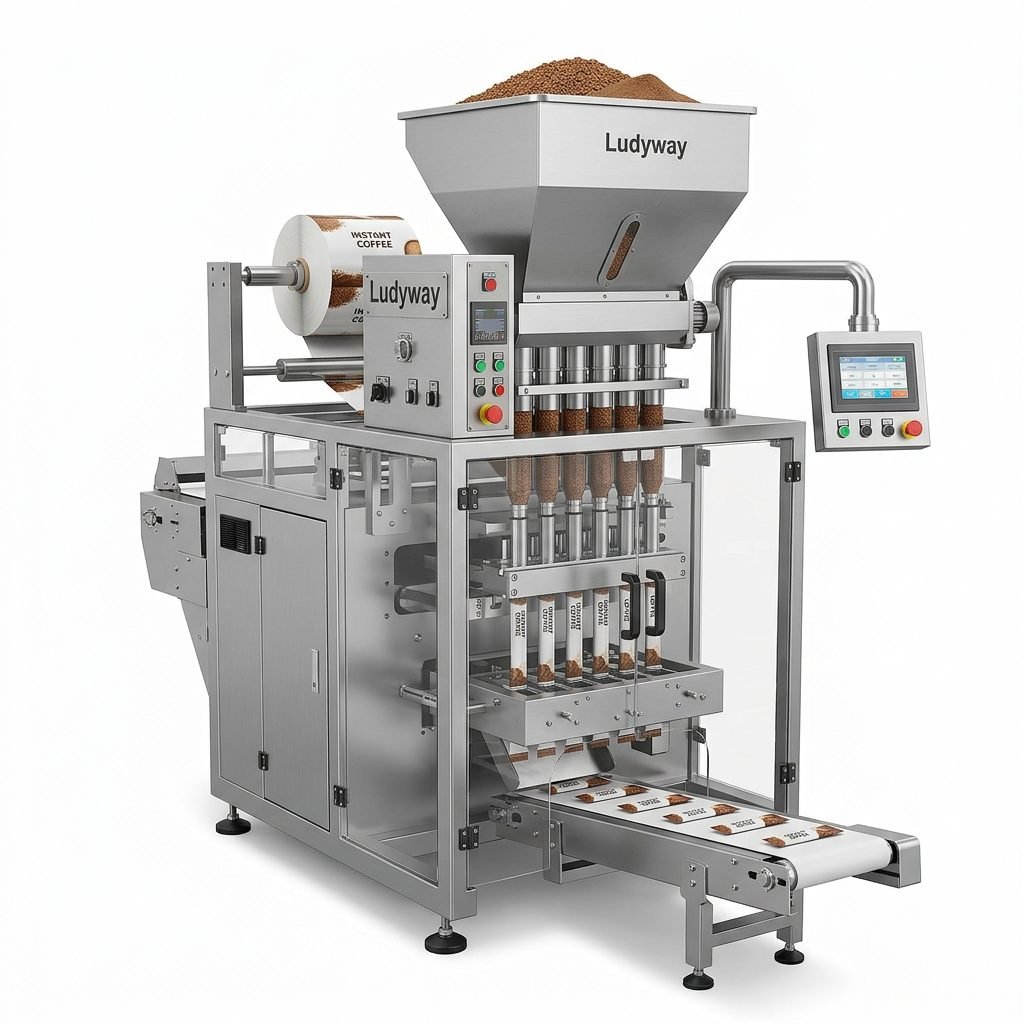
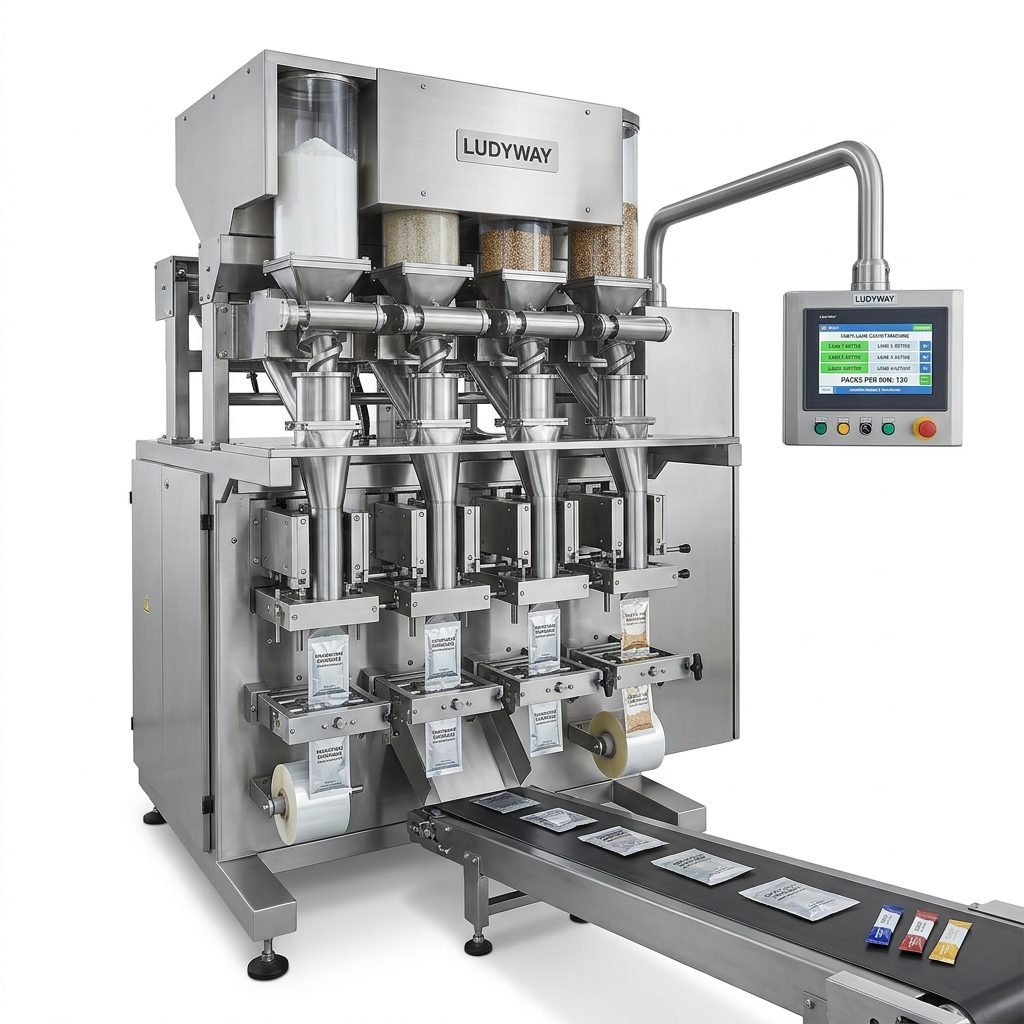
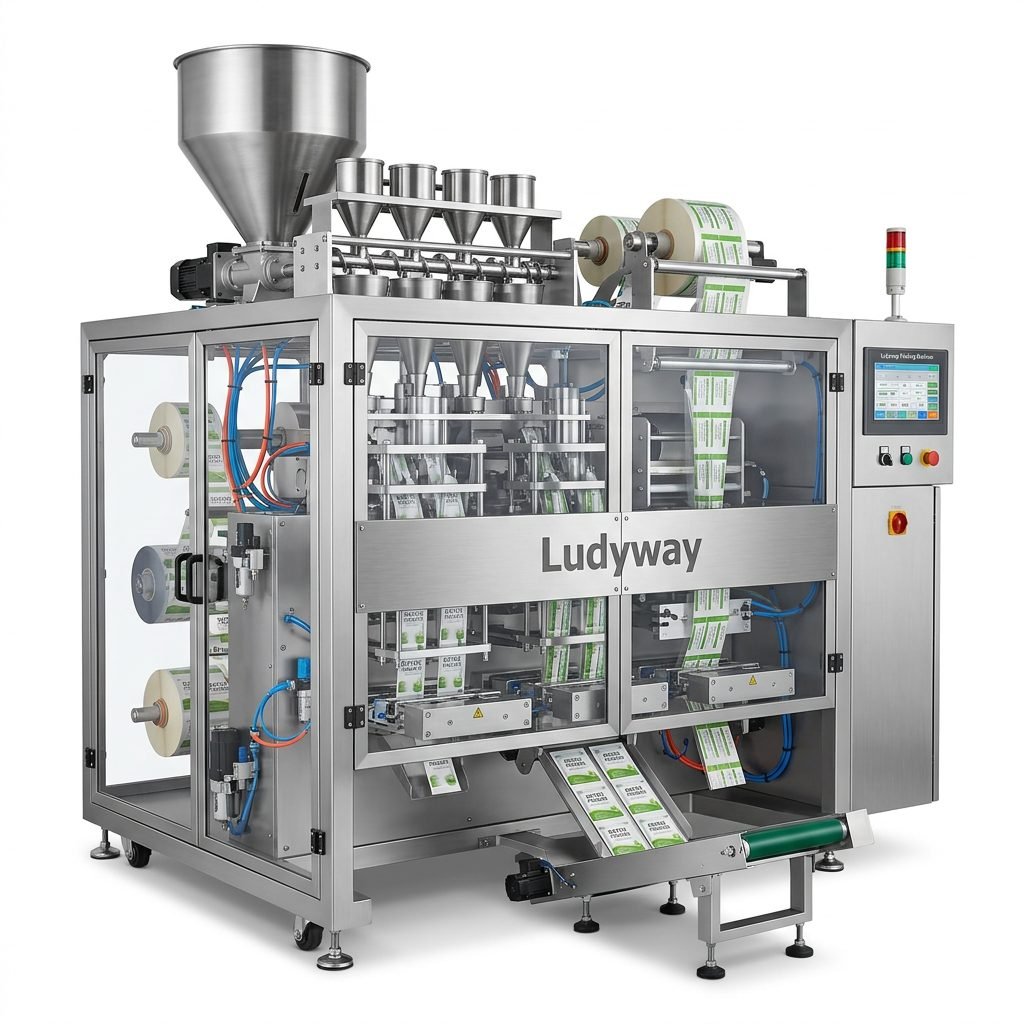
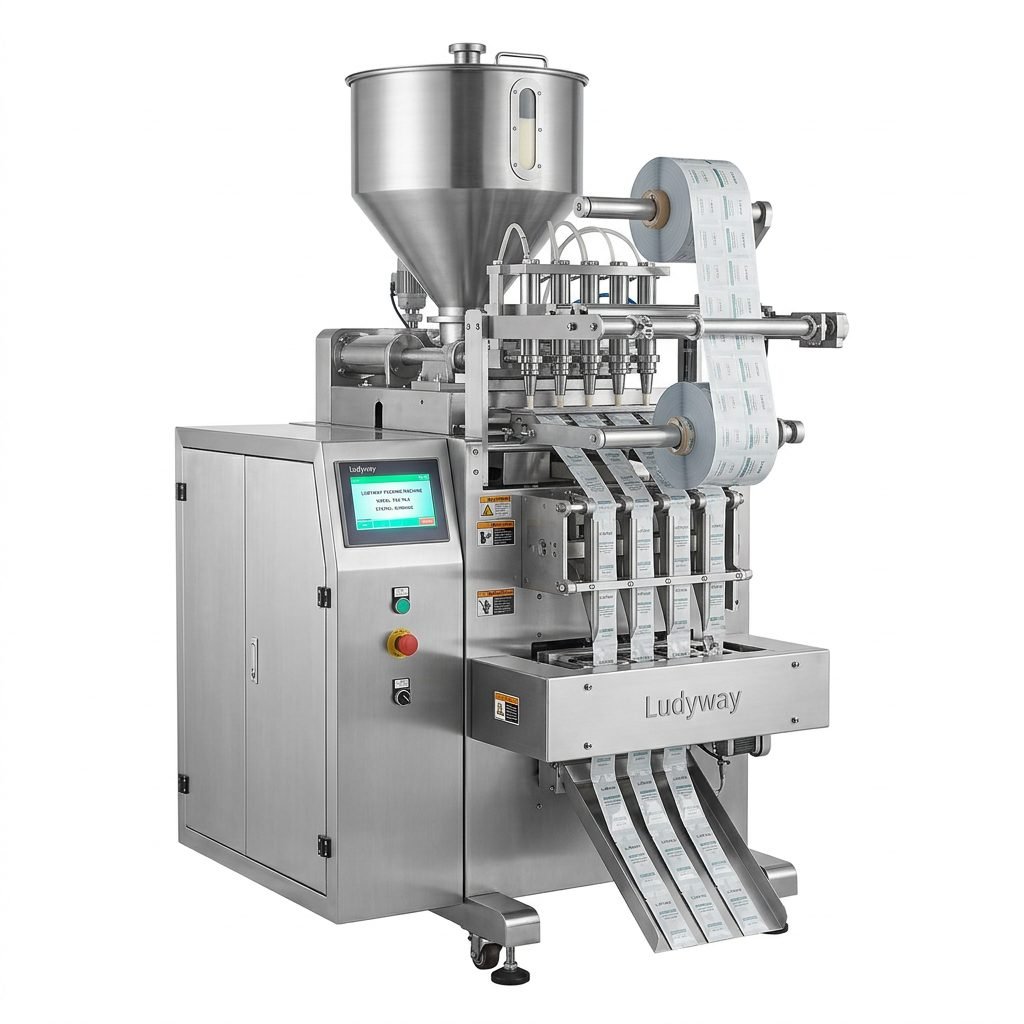
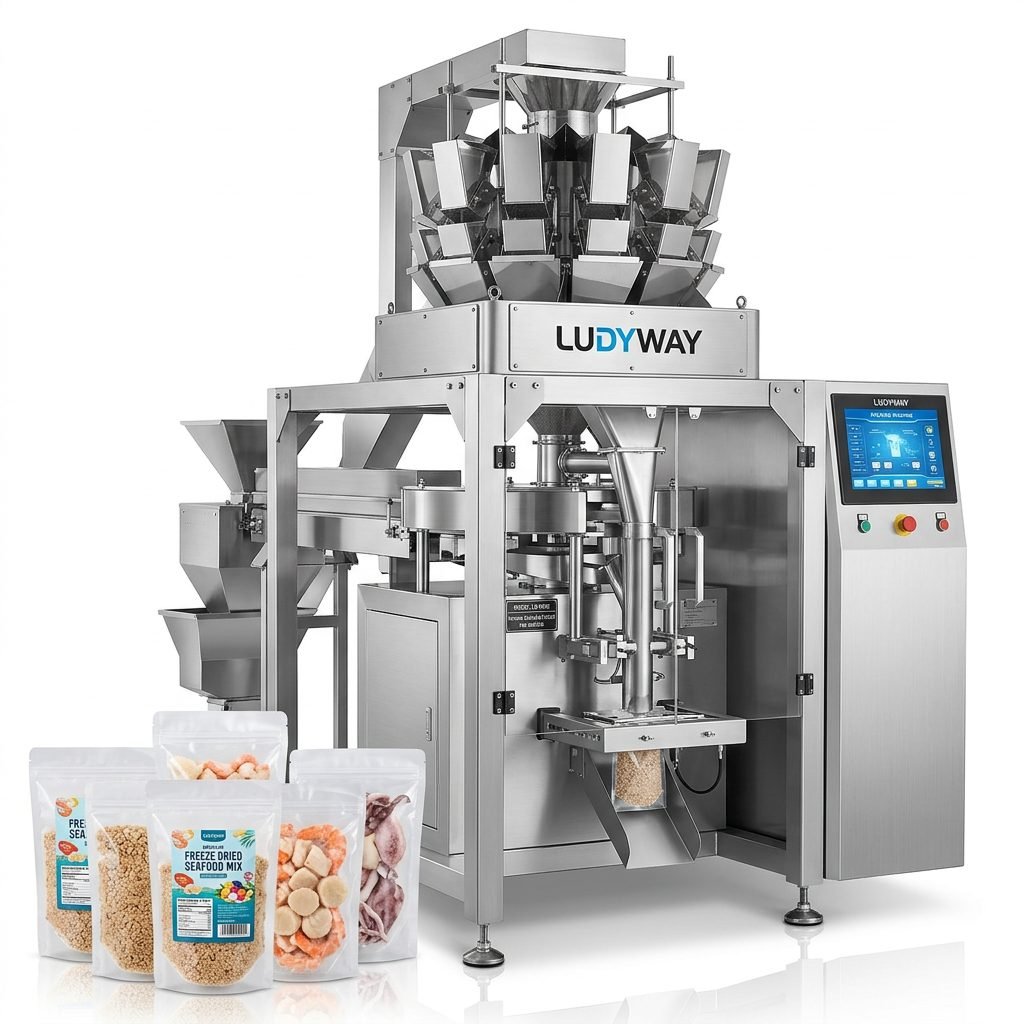
- International OEM Suppliers — Companies like Ludyway, one of the largest packaging machine manufacturers in China, provide cost-effective alternatives with CE-certified vacuum sealing systems and comprehensive international support
- Used Equipment Dealers — A viable option for budget-conscious buyers, though thorough inspection and service history verification is essential
Maintenance and After-Sales Support
A vacuum sealer packaging machine is a long-term capital investment that requires consistent maintenance to preserve performance. Key maintenance considerations include:
- Vacuum pump oil changes — Recommended every 300–500 operating hours for oil-lubricated pumps
- Sealing bar inspection — Check Teflon tape and heating elements monthly for wear
- Gasket and O-ring replacement — Essential for maintaining proper vacuum levels
- Sensor calibration — Annual verification recommended for temperature, pressure, and vacuum sensors
- Software updates — Applicable for PLC-controlled automated systems
When evaluating suppliers, prioritize those offering remote diagnostics, readily available spare parts inventory in Europe, and Italian-speaking technical support teams. The PMMI and other industry associations provide resources for finding qualified service providers.
Energy Efficiency and Sustainability
Modern vacuum sealing systems increasingly incorporate energy-saving features such as variable-speed vacuum pumps, intelligent standby modes, and optimized sealing algorithms. With Italy’s focus on sustainable manufacturing and the EU Green Deal objectives, selecting an energy-efficient machine can also qualify for regional incentive programs. Consider models that offer:
- IE3 or IE4 premium efficiency motors
- Heat recovery systems for sealing operations
- Compatibility with recyclable mono-material films
- Reduced compressed air consumption through optimized pneumatics
Final Recommendations
Choosing the right vacuum sealer packaging machine in Italy demands careful evaluation of your production requirements, product characteristics, regulatory obligations, and long-term operational costs. Engage with multiple suppliers, request detailed quotations that include total cost of ownership estimates, and whenever possible, arrange factory acceptance tests or on-site demonstrations before committing. By investing in quality equipment with proper after-sales support, Italian food and pharmaceutical producers can achieve significant improvements in product quality, shelf life extension, and overall operational efficiency.

For more detailed guidance on packaging industry trends and equipment selection, consult industry resources from PMMI, the Flexible Packaging Association, and applicable ISO packaging standards to ensure your investment aligns with both current requirements and future growth plans.