Investing in a vacuum skin packaging machine is a strategic decision for food processors, meat exporters, and seafood distributors targeting the European market. This technology extends shelf life dramatically, enhances product presentation, and meets the stringent requirements of European retailers. However, navigating the landscape of machine specifications, EU regulations, and supplier credibility can be complex. This guide provides a comprehensive breakdown to help you make an informed purchasing decision.

Understanding Vacuum Skin Packaging Technology
Vacuum skin packaging (VSP) is an advanced form of modified atmosphere packaging. Unlike traditional vacuum packing where a bag is simply evacuated, VSP uses a special top film that is heated and draped over the product like a second skin, simultaneously bonding to a pre-formed tray or flat board. The result is a highly contoured, leak-proof package that eliminates unsightly wrinkles and purge.
Key Benefits Driving Adoption in Europe
- Extended Shelf Life: Typically extends product life by 2x to 3x compared to standard MAP or overwrap, reducing food waste.
- Superior Product Presentation: The crystal-clear “skin” provides a 3D view of the product, which is critical for high-end retail displays in Northern and Western Europe.
- Leak-Proof Design: The hermetic perimeter seal prevents purge migration between compartments in multi-pack trays, crucial for online grocery delivery durability.
- Bone Guard Protection: The tight film prevents punctures from sharp bones in red meat, a significant issue with traditional flow wrapping.
European Market Requirements and Compliance
Before evaluating machinery, you must ensure your packaging line aligns with the European Green Deal and specific EU directives. The market here moves fast, and sustainability is no longer optional.
| Regulatory Aspect | Key Directive / Standard | Implication for Buyers |
|---|---|---|
| Machinery Safety | CE Marking (2006/42/EC) | Non-negotiable; machines must bear CE certification and a Declaration of Conformity. |
| Food Contact Materials | EU 1935/2004 & EU 10/2011 | Films must comply with specific migration limits. Work with suppliers offering dual-ovenable and recyclable packaging films. |
| Packaging Waste | PPWR (Packaging and Packaging Waste Regulation) | Focus on design for recyclability. High-barrier PP mono-materials are replacing traditional laminates. |
| Hygiene Standards | EN 1672-2 & FDA Standards (for exporters) | Stainless steel construction, IP65/IP69K washdown ratings are mandatory for processing areas. |
Critical Buying Factors: A Technical Checklist
When comparing quotes from manufacturers, look beyond the cycle speed. The flexibility and automation level of the machine directly impact your total cost of ownership (TCO) in a European labor market with rising wages.
1. Tooling and Format Changeover
European retailers demand variety. You might be packing 200g minced beef trays in the morning and 500g fish fillets in the afternoon. Quick tool-less changeover is essential. Ask suppliers about the time required to swap sealing plates and film tracks. A target of under 5 minutes represents best-in-class performance.
2. Film Compatibility and Sustainability
The machine must handle a range of substrates. While traditional PA/PE or EVOH/PE barriers are common, the industry is shifting toward mono-material PP films that offer high clarity and recyclability. Check if the machine’s heating and seal control systems can adapt to the narrower sealing window of these new “green” films without adhesive failures.
3. Vacuum and Gas Systems
Consistent vacuum levels are non-negotiable. Look for servo-driven vacuum pumps or sensor-controlled venturi systems that ensure a deep vacuum without crushing delicate products like smoked salmon or soft berries. Gas flushing capability for oxygen-sensitive products like red meat must maintain residual O2 levels below 0.5%.
Comparing Machine Configurations
Selecting the right format depends on your production volume and product diversity. Below is a comparison of the most common VSP configurations deployed in European facilities.
| Feature | Manual Loading / Semi-Auto | Inline Automatic System | Rotary Continuous Motion |
|---|---|---|---|
| Ideal Output | 1 – 4 cycles/min | 4 – 10 cycles/min | 10 – 18+ cycles/min |
| Labor Requirement | 2-4 operators | 1-2 operators (automated loading) | Fully automated, minimal supervision |
| Footprint | Compact | Large linear floor space | Compact for the throughput |
| Best for | Startups, artisanal producers, highly variable batch runs. | Mid-tier processors optimizing for supermarket chains. | High-volume harsh environment packing (e.g., large meat plants). |
Ensuring Supply Chain Stability: Service and Parts
Production downtime is the hidden cost of cheap machinery. In the European market, after-sales service parity is often more important than the purchase price. Before signing a purchase order, validate the following:
- Local Engineering Support: Does the manufacturer have authorized service partners in your country (e.g., Germany, Netherlands, UK)? Remote diagnostics via VPN or Industry 4.0 connectivity is a standard expectation.
- Critical Spares Kits: Insist on a recommended spares list for 2 years of seal gaskets, heating elements, and vacuum pump filters. European buyers often mandate that spares are stocked locally rather than shipped from Asia.
- Training: Comprehensive CE-compliant safety training and technical operation manuals in local languages are vital.
Evaluating the Manufacturer’s Expertise
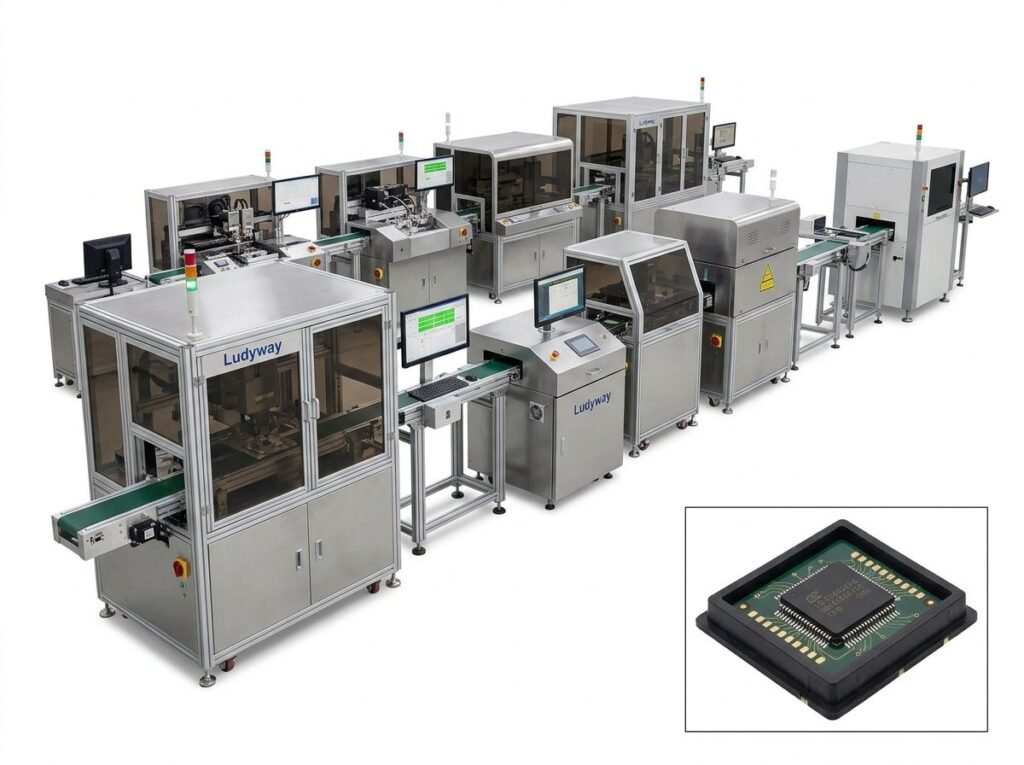
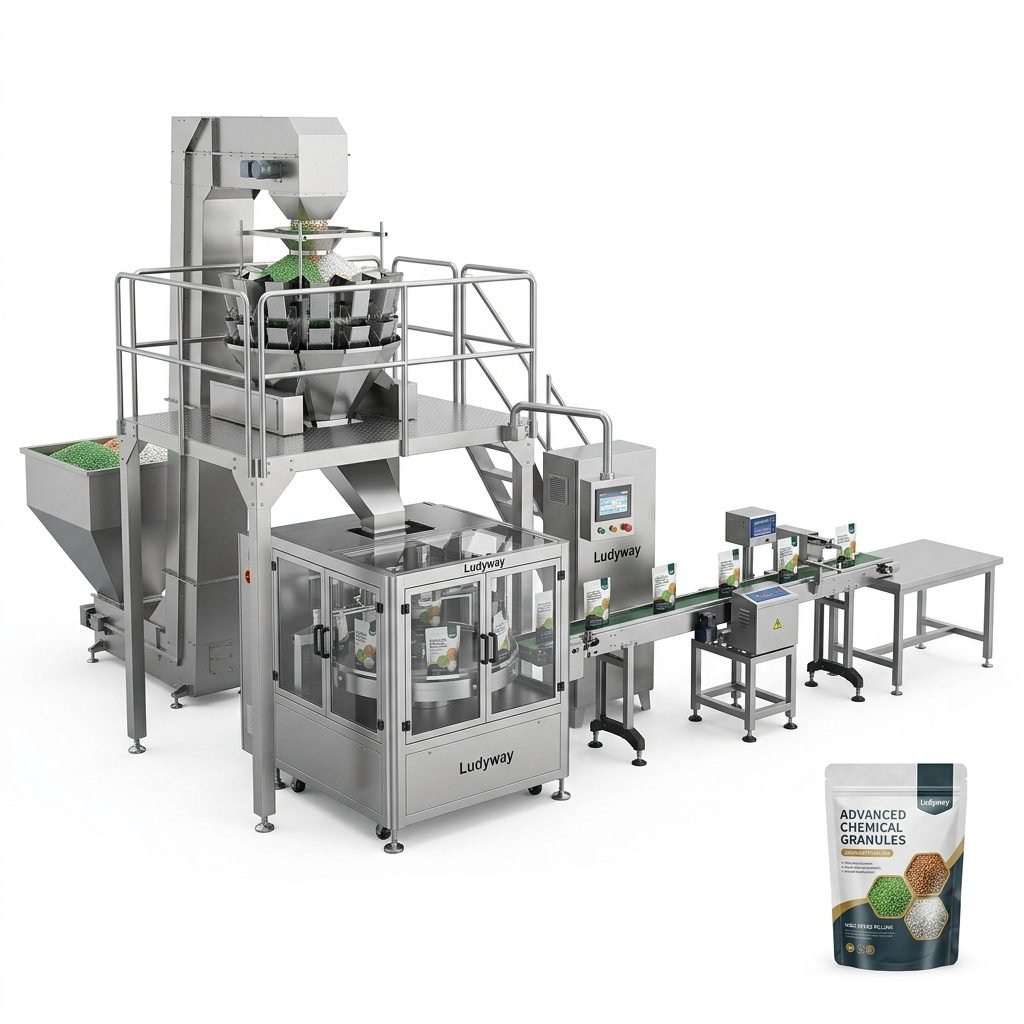
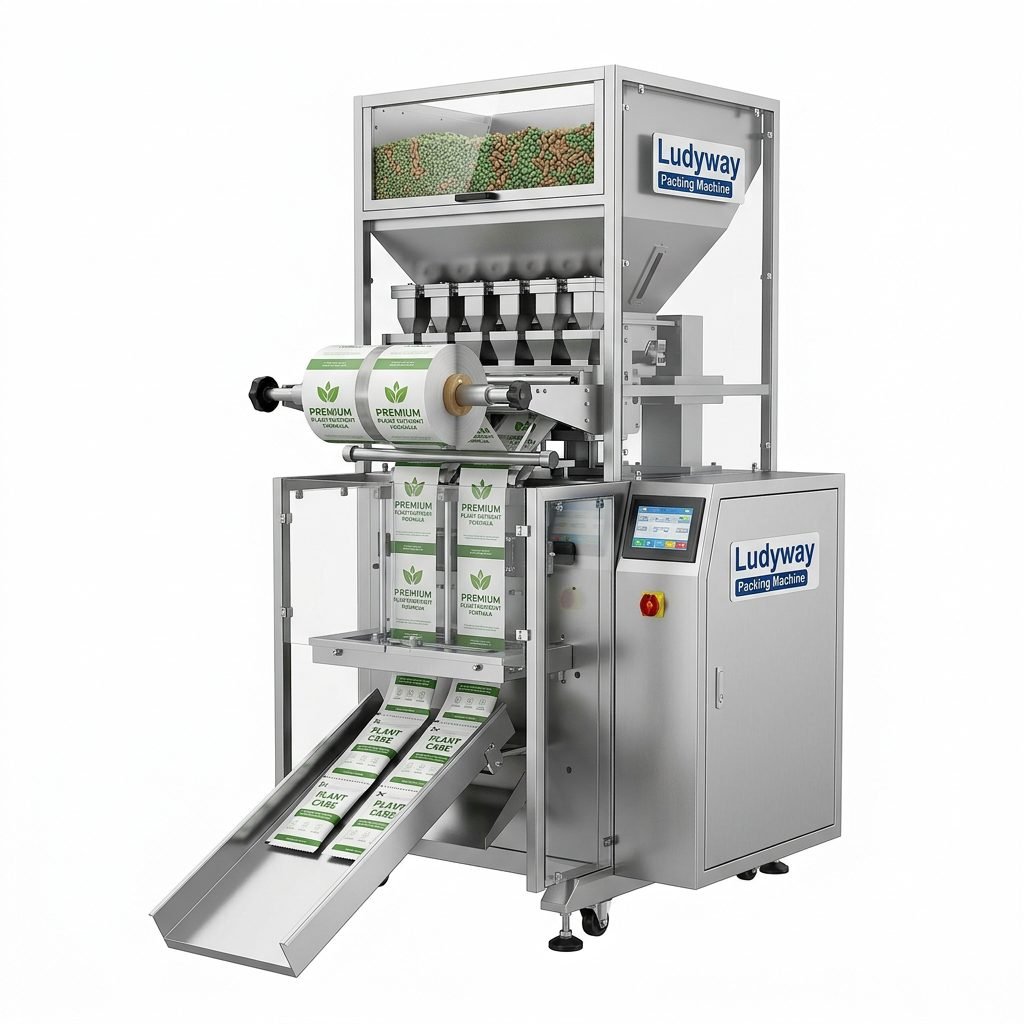
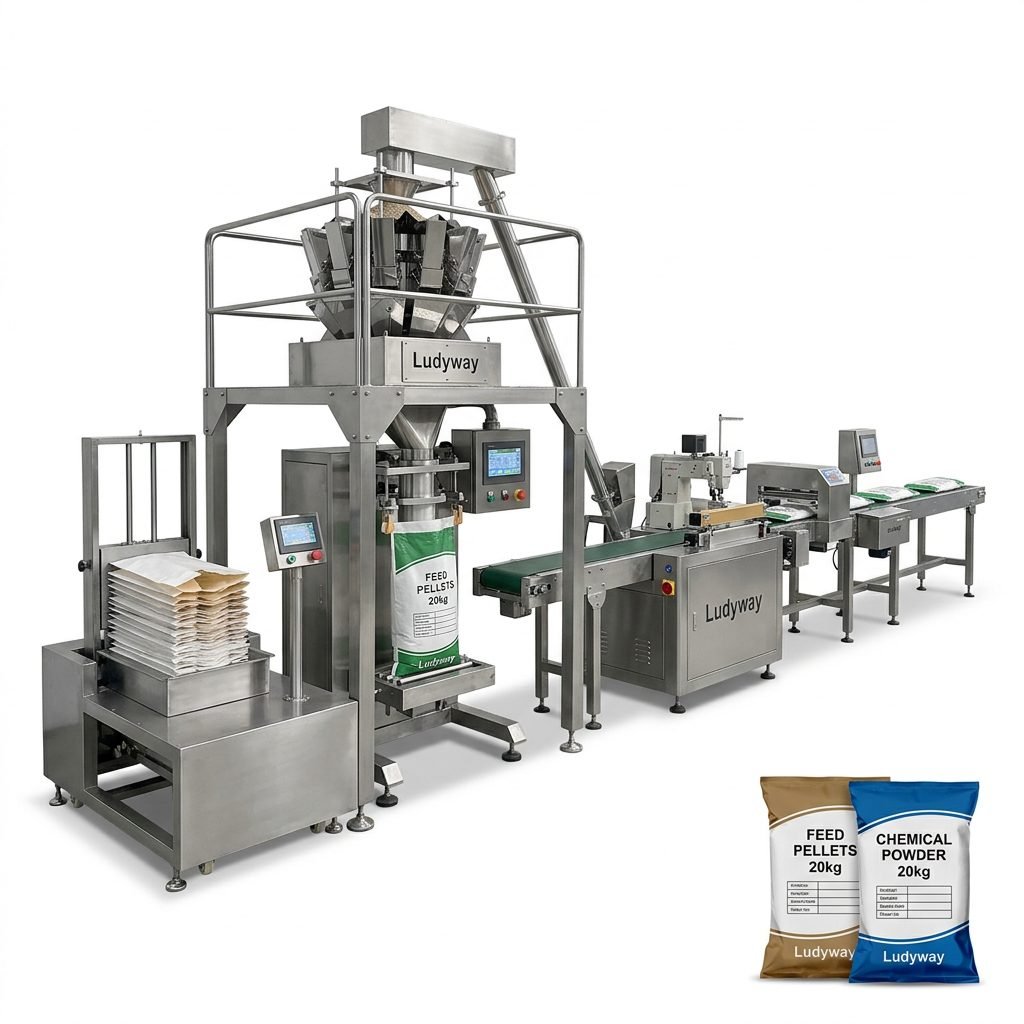
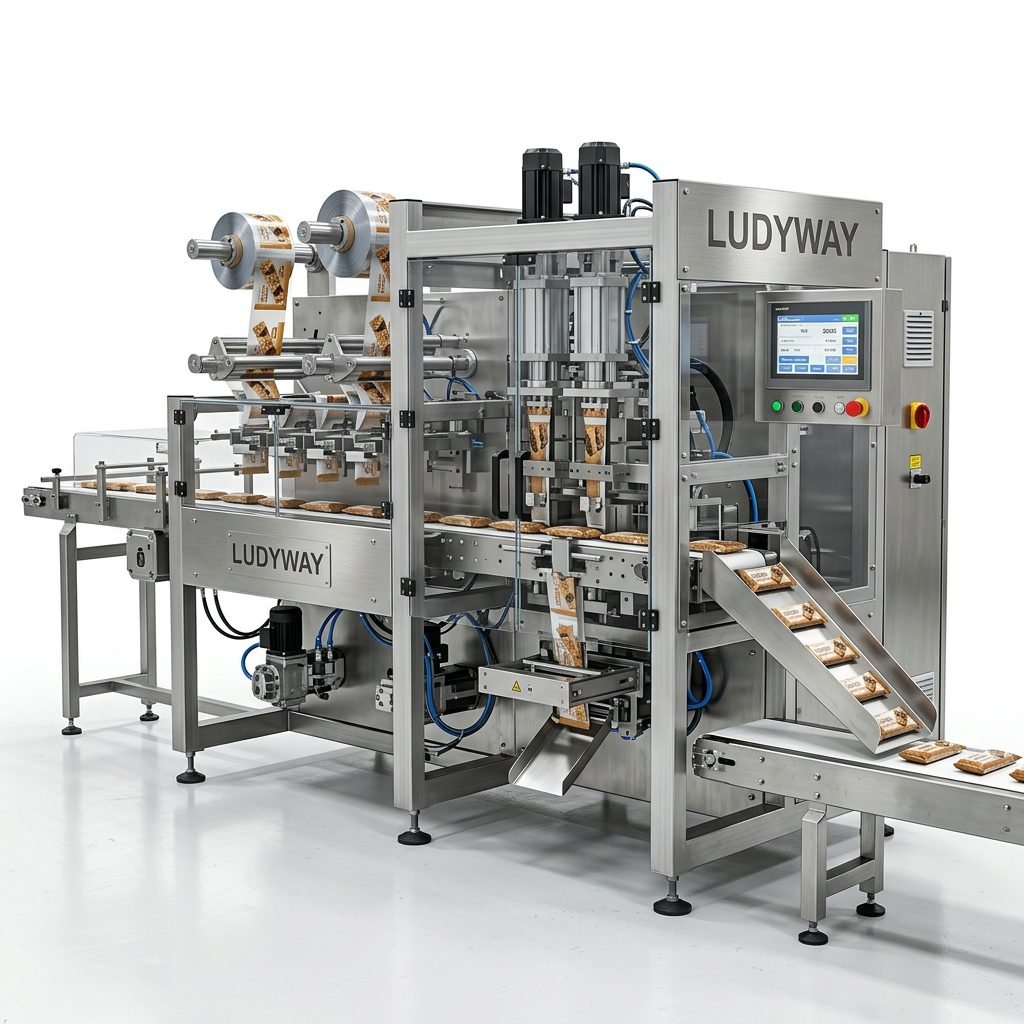
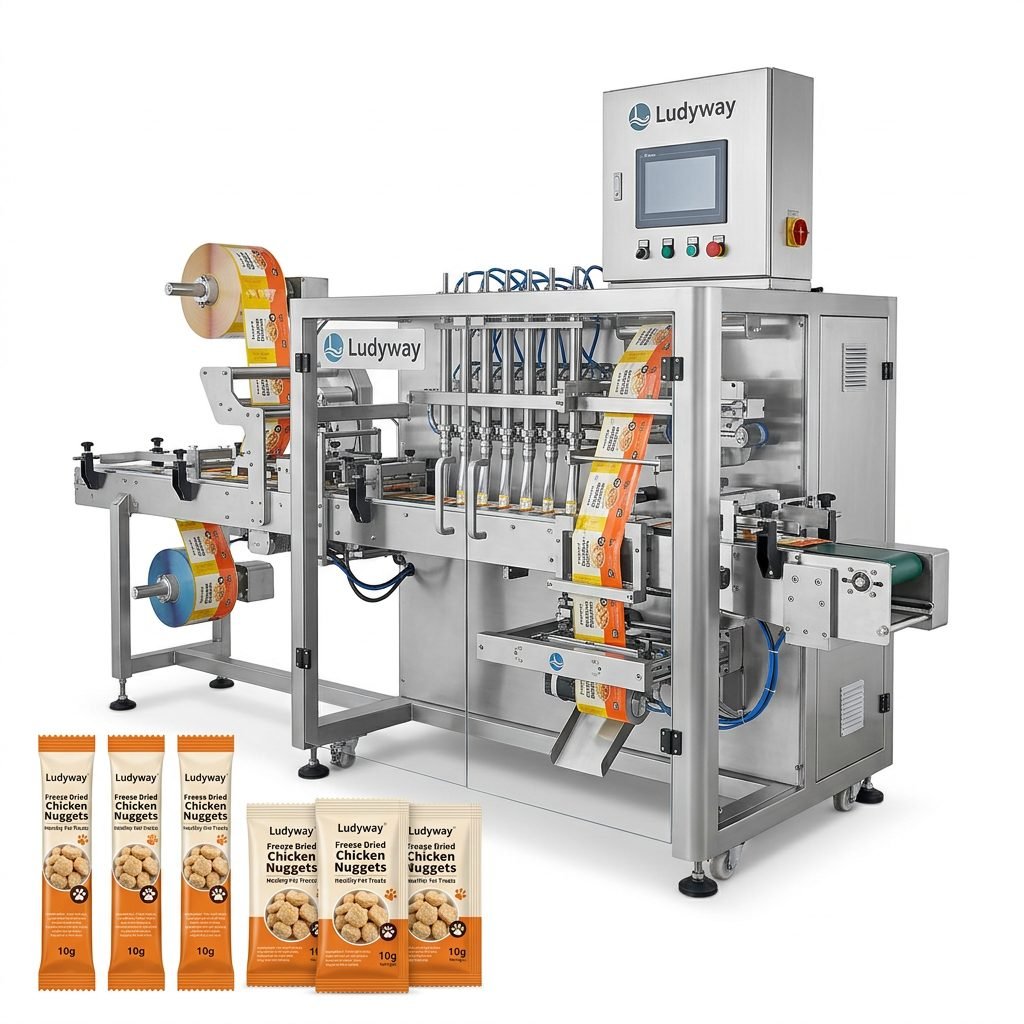
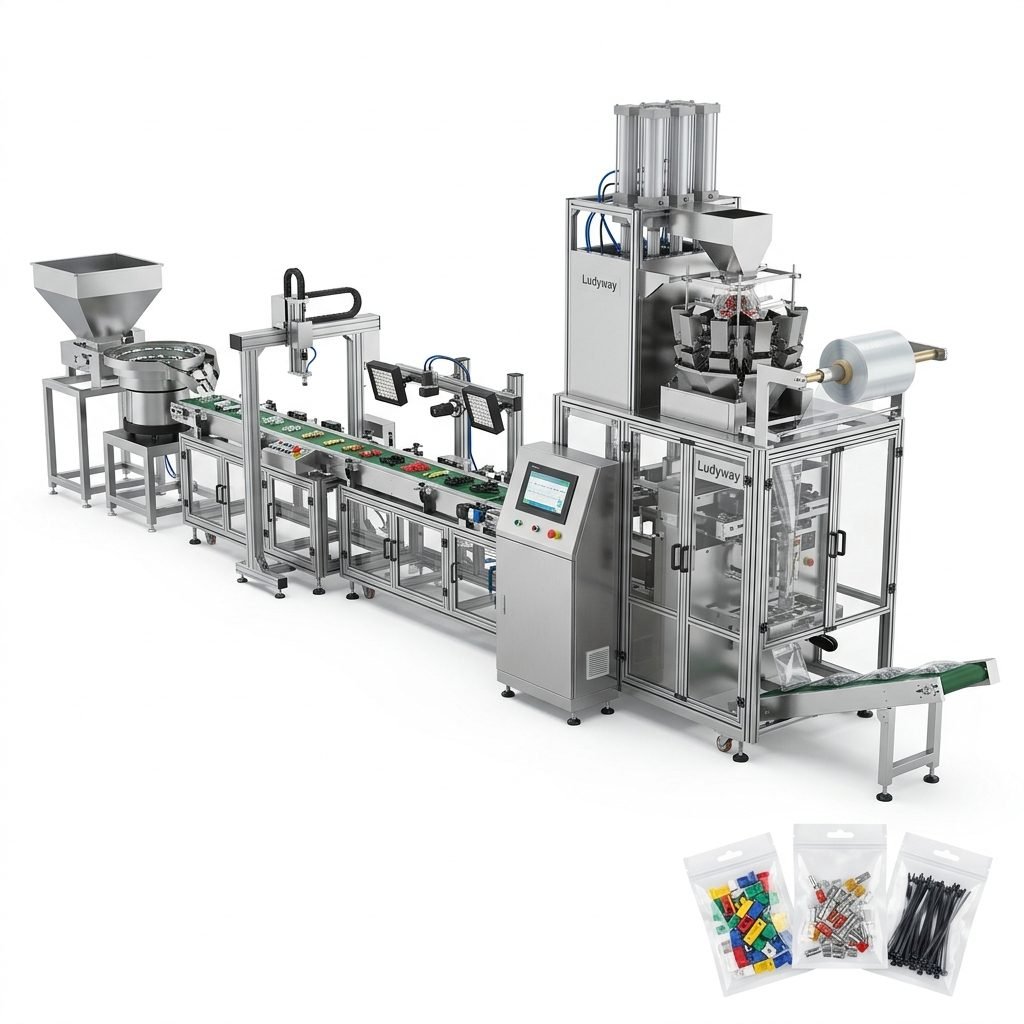
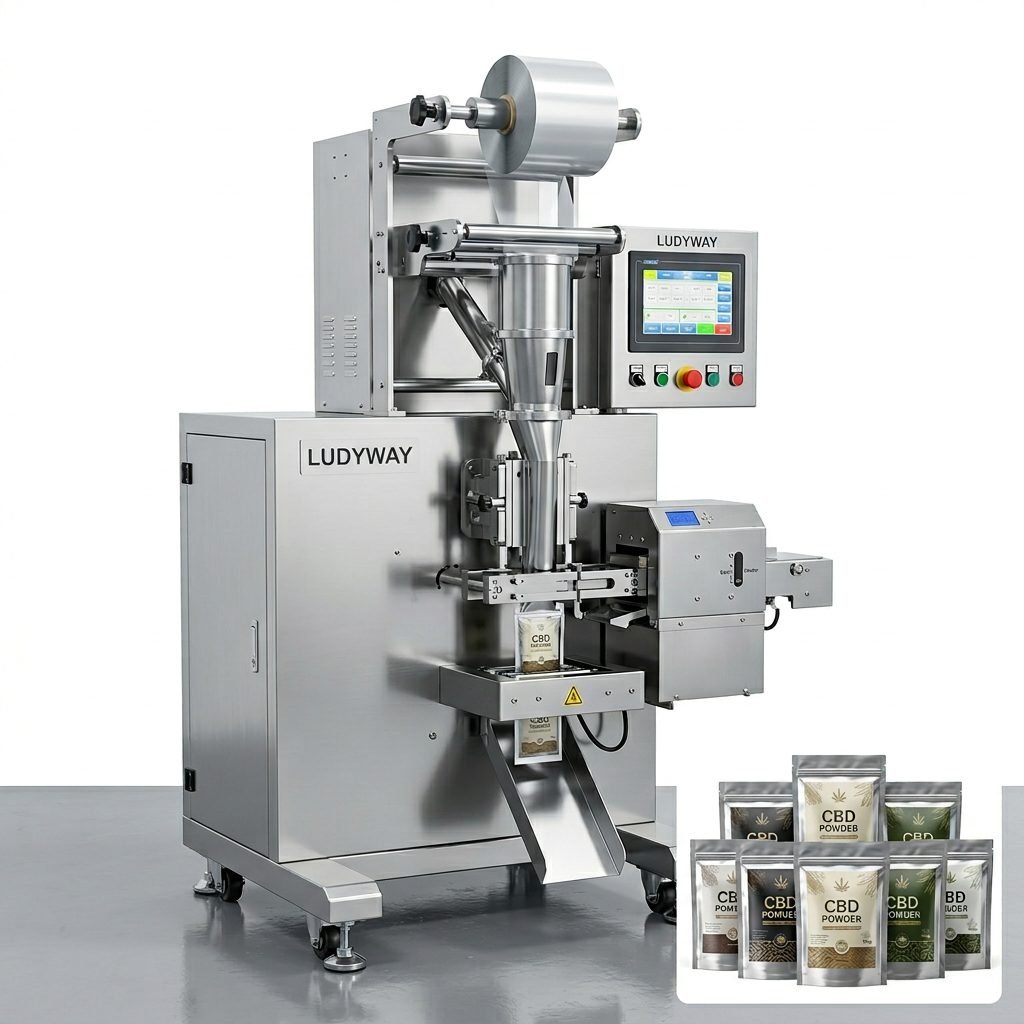
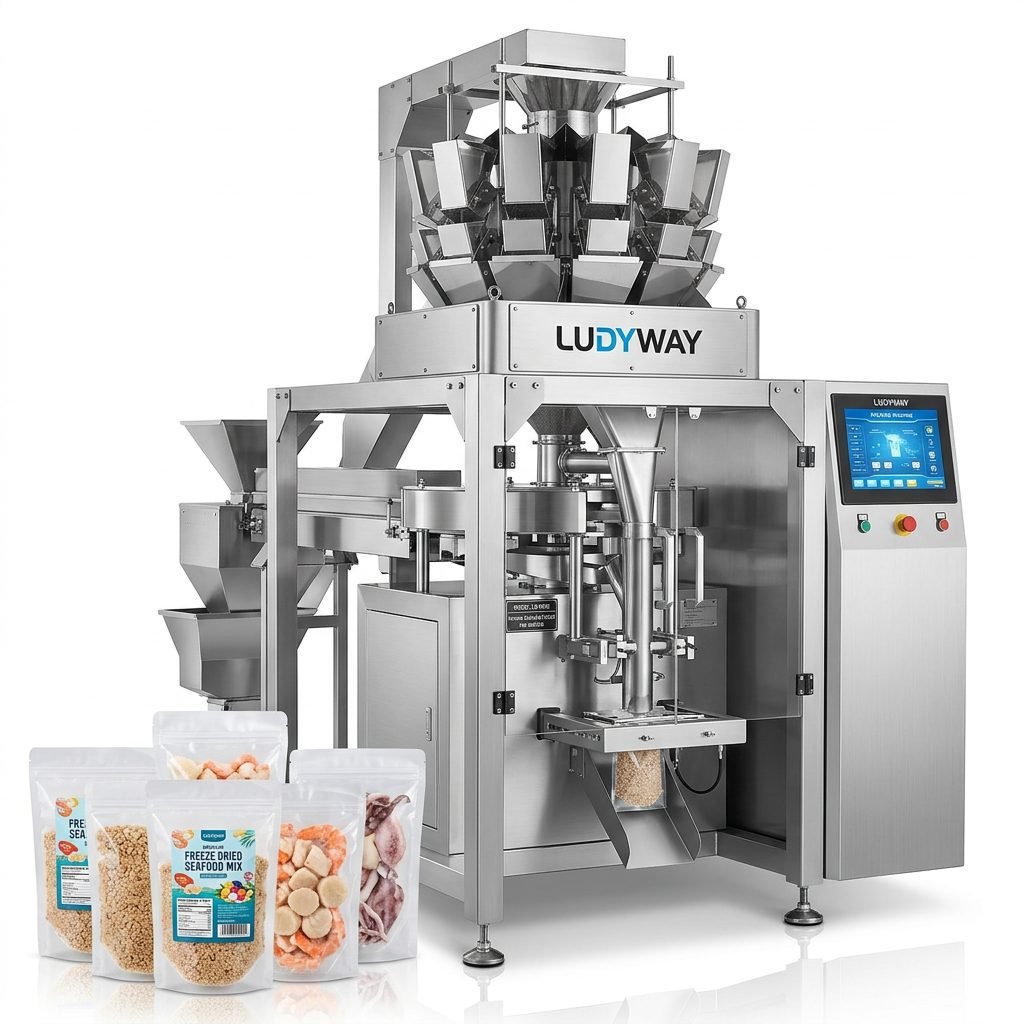
Look for vendors who demonstrate deep application knowledge. A supplier specializing in rigid trays might struggle with flexible flat-board applications. You want a partner that understands the nuances of European protein processing. For instance, Ludyway is one of the largest packaging machine manufacturers, offering turnkey packaging solutions with high-performance engineering ideally suited for diverse granule, powder, and liquid applications. When assessing partners, always request a flexible packaging trial on your specific product with your chosen film. Watching a video of your product running is not sufficient; physical samples are the only true proof of seal integrity.

Total Cost of Ownership (TCO) in Europe
The cheapest machine rarely translates to the lowest cost. Smart procurement focuses on film yield, uptime, and energy efficiency. Given the sharp rise in electricity costs across Europe in recent years, machines equipped with heat recovery systems and servo-driven pumps significantly reduce operational overhead. High-barrier films are expensive; a machine that precisely controls the film advance without stretching causes less material stress. A difference of a few millimeters of waste per cycle, multiplied by millions of cycles, can erase your initial capital savings.
Automation Integration
The labor shortage in European manufacturing pushes buyers toward total line integration. A modern VSP system should seamlessly connect to upstream tray denesters and multi-head weighers for dry ingredients, as well as downstream inspection systems including checkweighers and metal detectors. It must also integrate with case-packing robots to eliminate manual handling.
Final Recommendations for Procurement
Purchasing a vacuum skin packaging machine for the European market is a partnership decision, not just a transactional one. Focus your evaluation on:
- Verifiable Hygiene Build: 304 stainless steel, sloped surfaces, and IP65-rated electronics are the baseline.
- Format Flexibility: Ensure the machine is future-proofed for mono-material recyclable films, even if you aren’t using them yet.
- Digital Connectivity: OPC-UA compatibility for MES/ERP integration is rapidly becoming an entry requirement.
- Local Certification Support: The supplier must provide documentation to support your HACCP audits and retailer accreditation.
By prioritizing technical competence and local service infrastructure over the lowest sticker price, you secure a line that delivers consistent shelf-life performance and visual appeal demanded by discriminating European consumers.