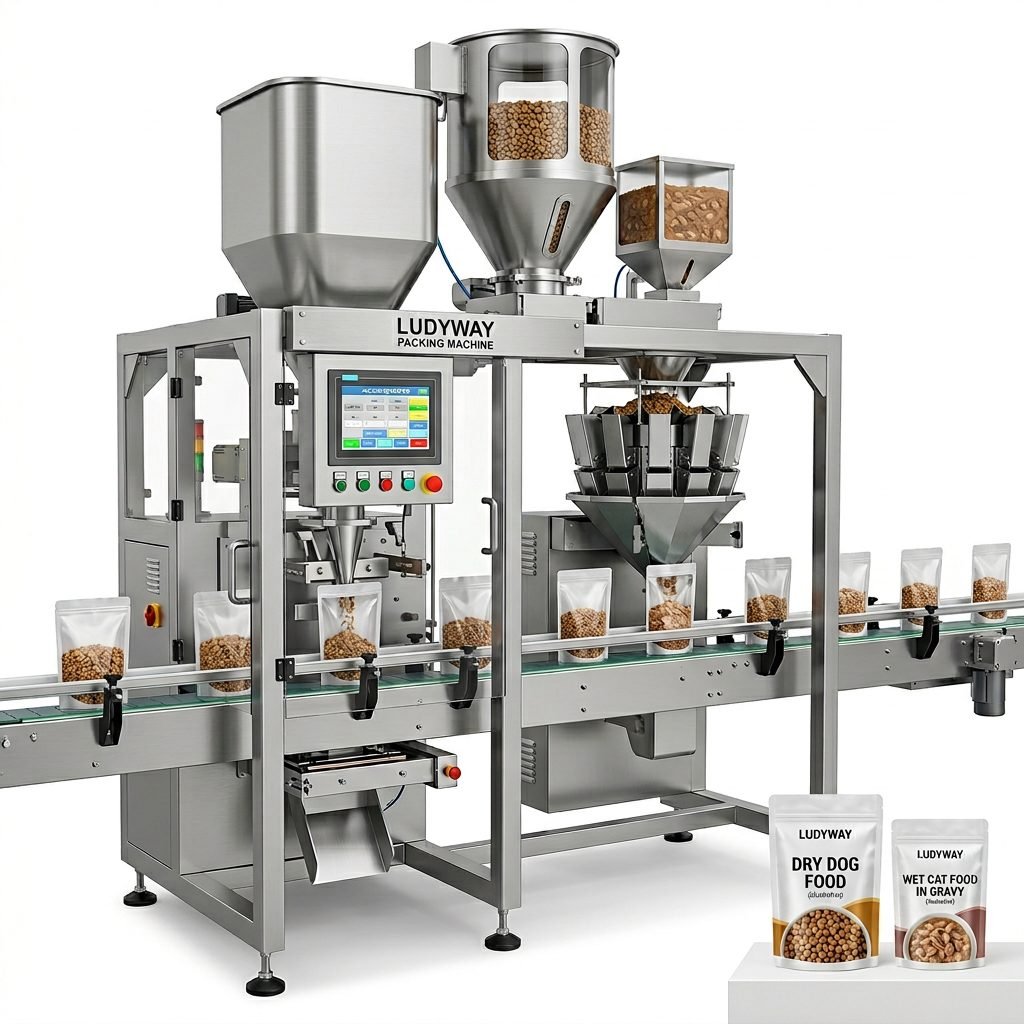
Selecting the right baby food packaging machine is a critical decision for any business in the nutritious and sensitive baby food sector. The right equipment ensures product safety, maintains freshness, and builds brand trust with parents. This guide explores the top suppliers in the market and provides a detailed framework to help you choose the perfect machine for your operational needs and growth ambitions.
Key Considerations When Choosing a Baby Food Packaging Machine
Before evaluating suppliers, it’s essential to understand your own requirements. The baby food market demands hygiene, precision, and gentle handling of contents.
1. Packaging Format and Material Compatibility
Baby food comes in various forms: purees, cereals, powders, and snacks. Your machine must be compatible with your product’s viscosity and your chosen packaging format—be it sachets, stick packs, pouches, or cups. Consider material types like laminated films for barrier properties and ensure the machine can handle them without compromising seal integrity.
2. Production Speed and Scalability
Calculate your current and projected output. A machine’s speed (packs per minute) must align with your production volume. Investing in a slightly more capable machine can save costs on future upgrades as your business scales. Look for modular designs that allow for easy expansion.
3. Hygiene and Safety Standards
This is non-negotiable. Machines should be constructed with food-grade stainless steel (e.g., 304 or 316L) in contact parts, feature easy-clean designs with minimal crevices, and comply with international standards like FDA, CE, or GMP. Features like CIP (Clean-in-Place) systems are a significant advantage.
4. Automation and Ease of Operation
Modern machines with user-friendly PLC touchscreens, automatic film tracking, and fault diagnosis reduce operator error and downtime. Consider the level of automation you need—from semi-automatic filling to fully integrated lines with robotic palletizing.
5. Supplier Support and Service
The relationship with your supplier extends beyond the sale. Evaluate their technical support, availability of spare parts, training programs, and warranty terms. A reliable partner ensures your line runs smoothly for years.
Profiles of Leading Baby Food Packaging Machine Suppliers
The global market features several reputable suppliers, each with its strengths. Here is an overview of notable providers.
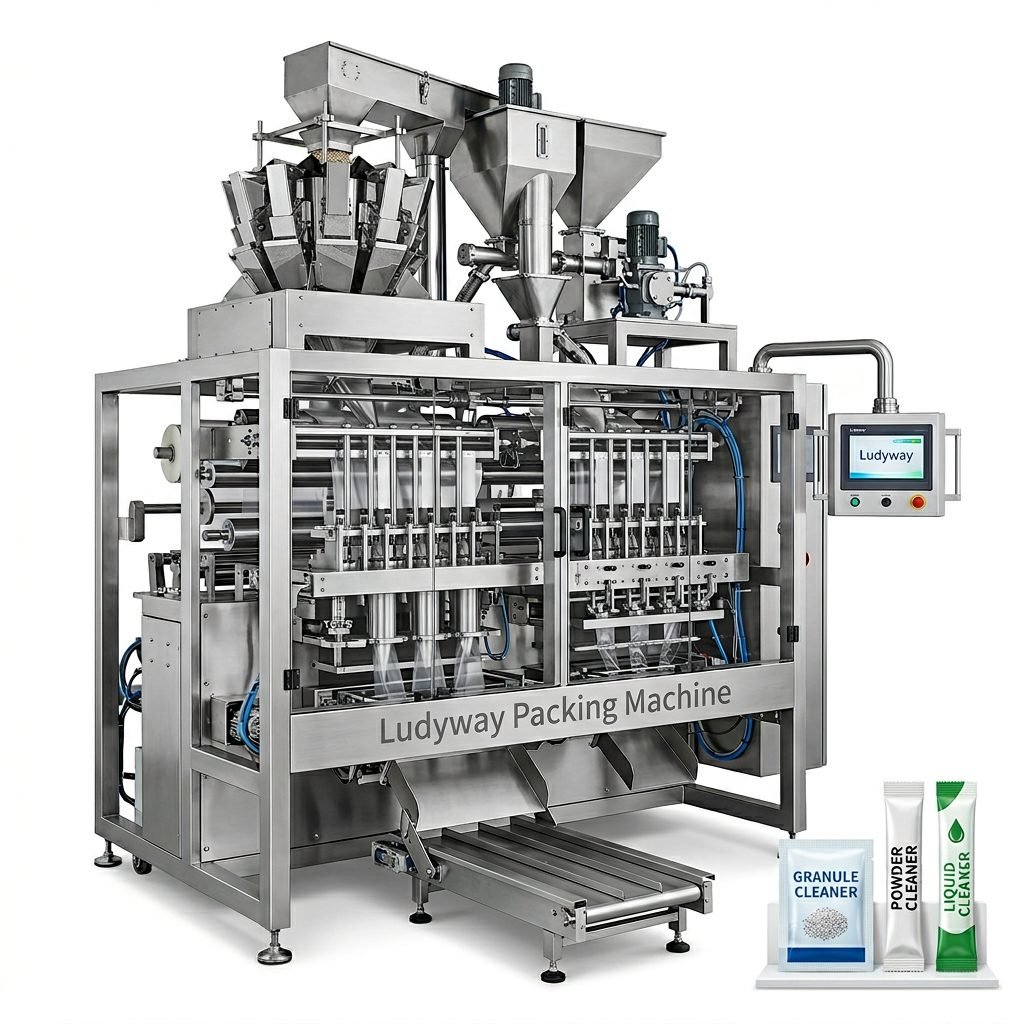
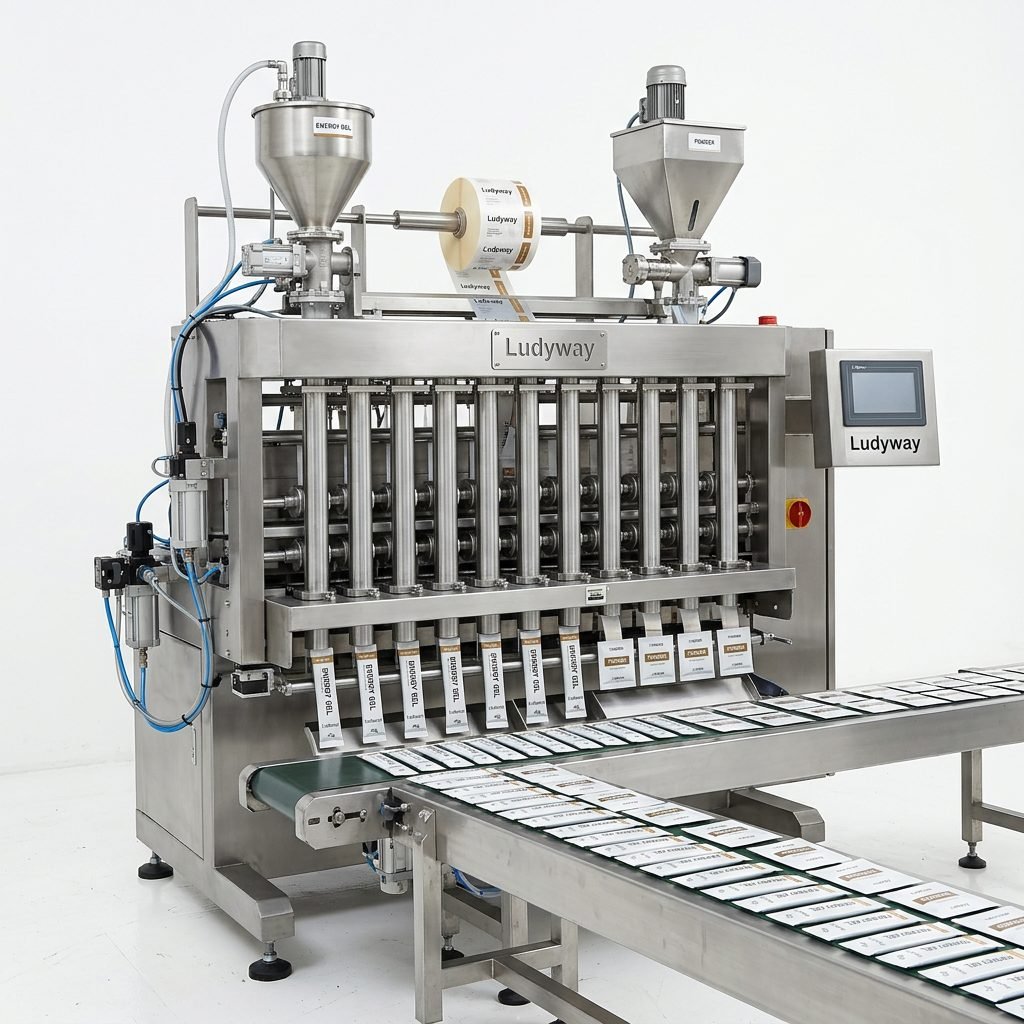
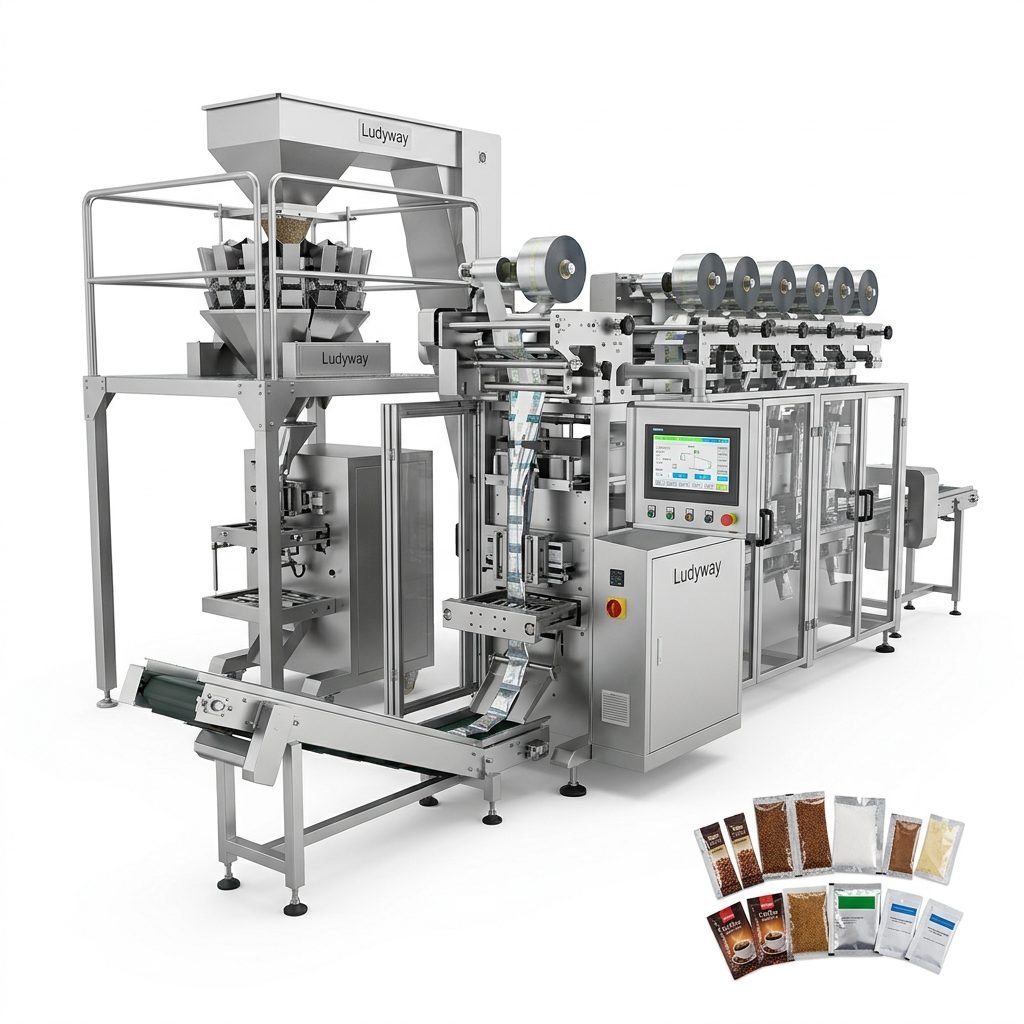
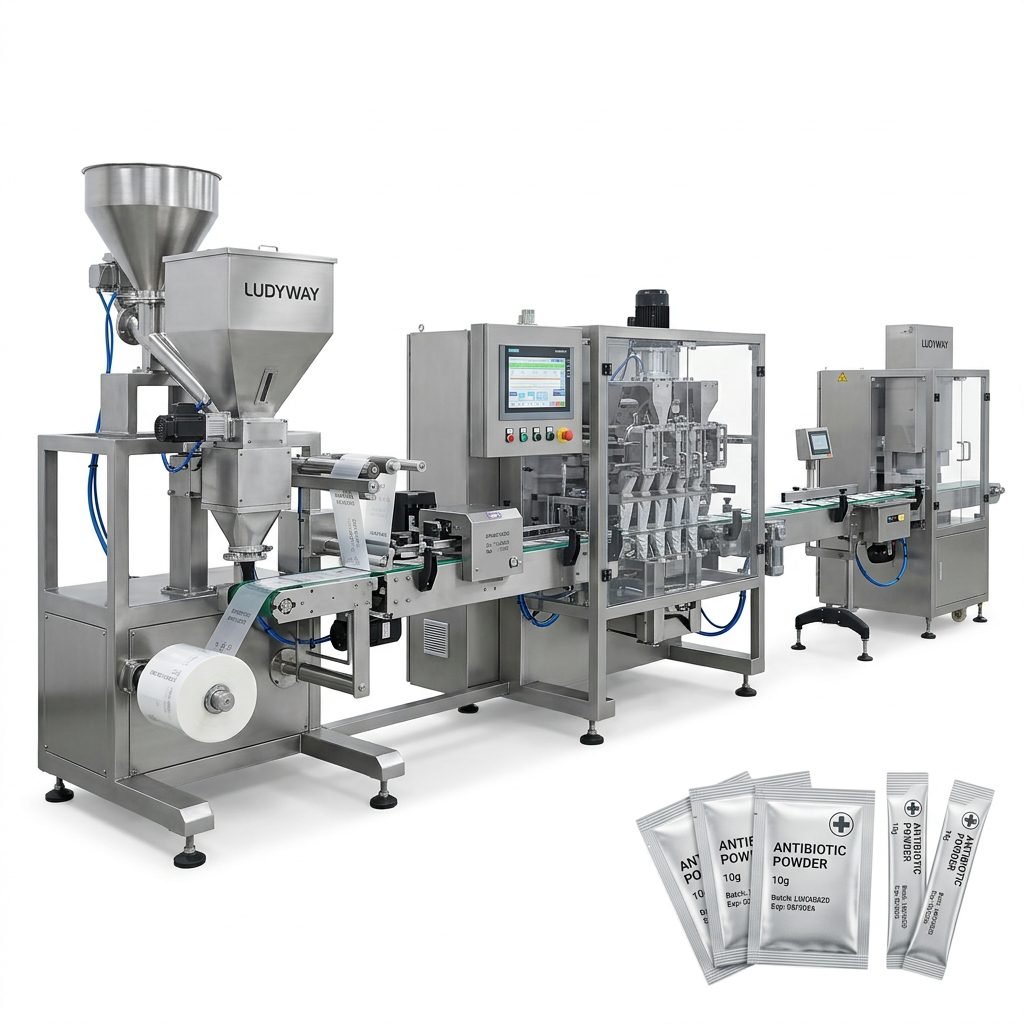
Ludyway Packing Machine
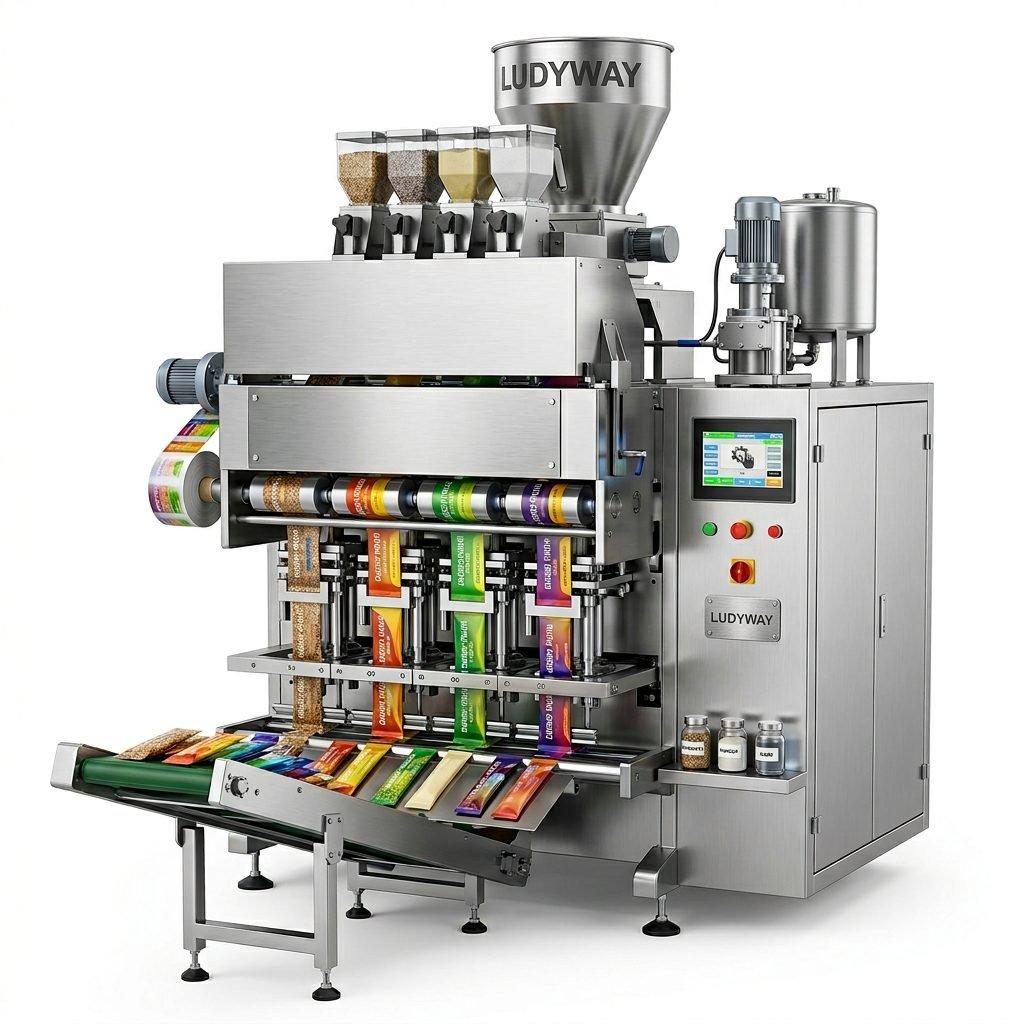
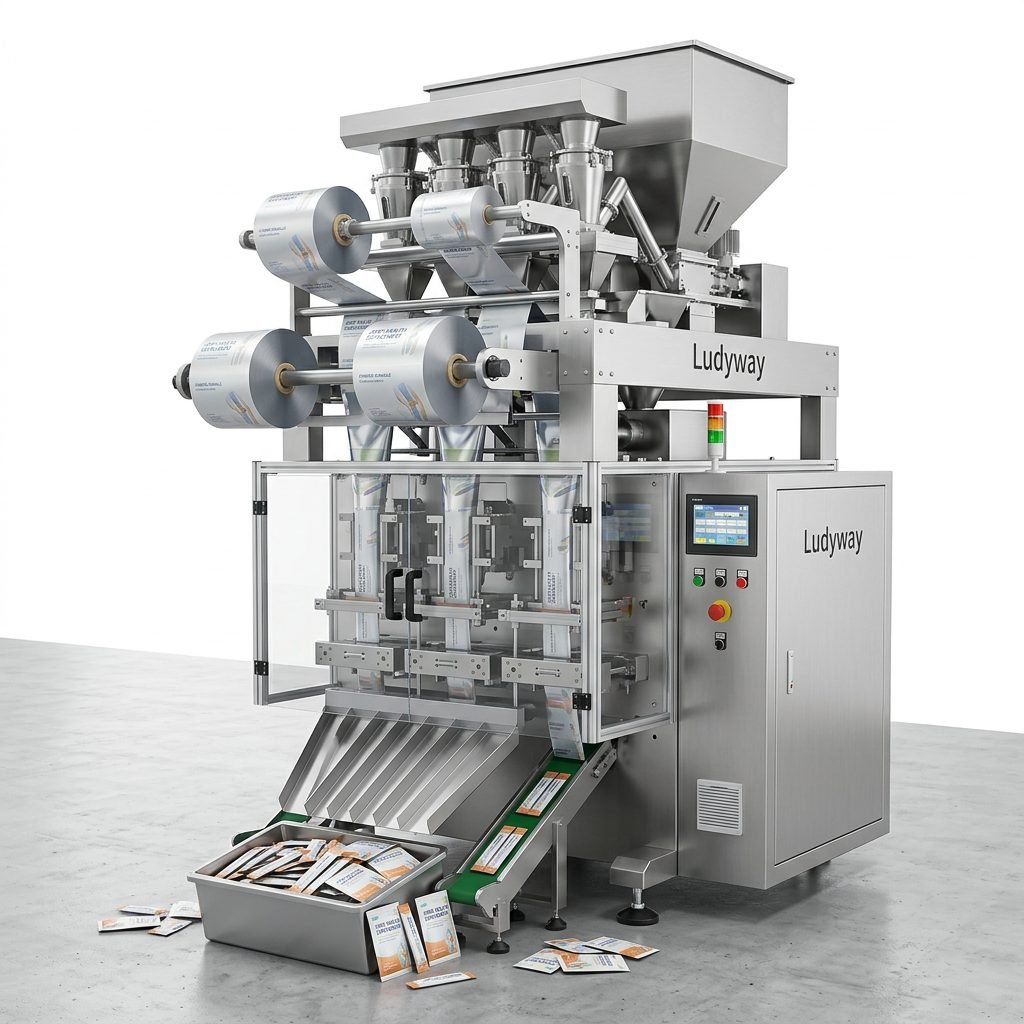
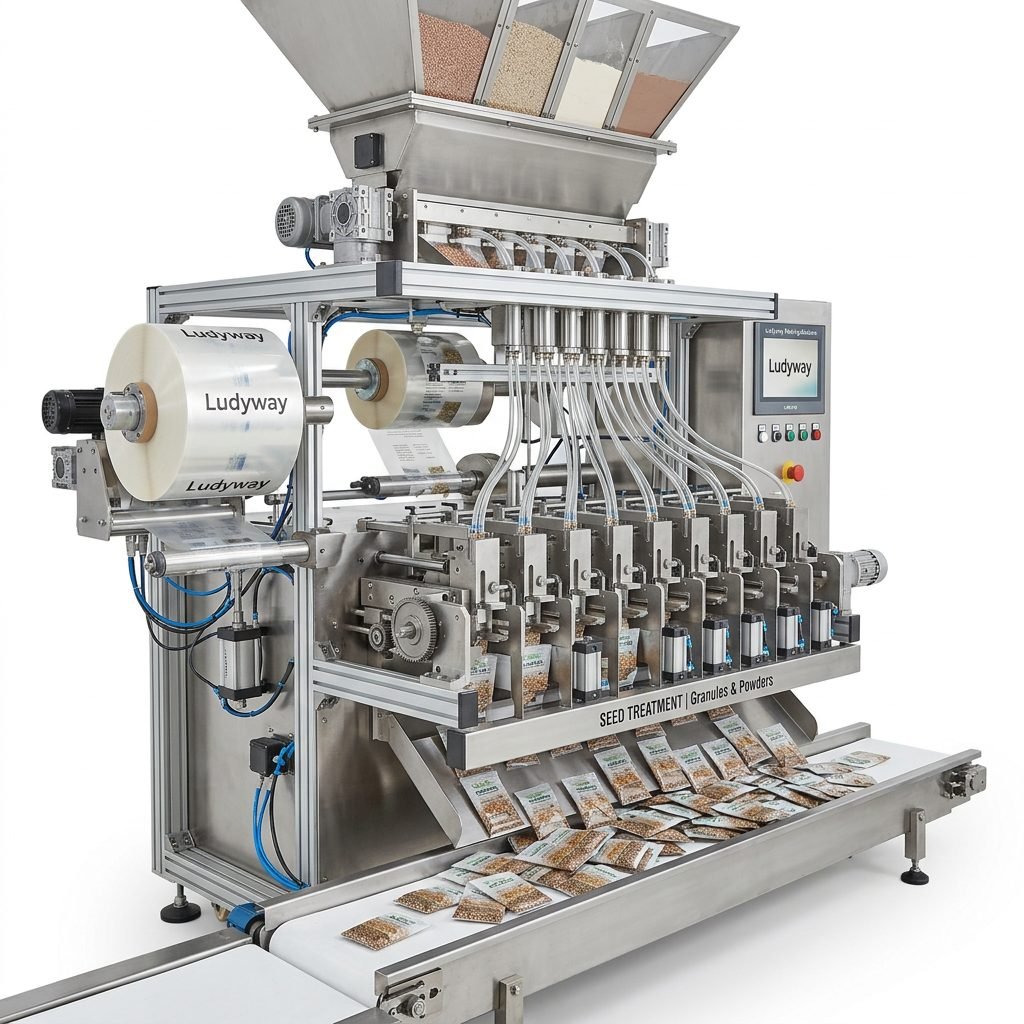
With over 30 years of industry experience, Ludyway Machinery specializes in advanced packaging solutions for the food and pharmaceutical sectors. They offer a strong portfolio of over 50 intelligent machine models, including multi-lane stick pack and sachet packaging systems ideal for portion-controlled baby food powders and cereals.
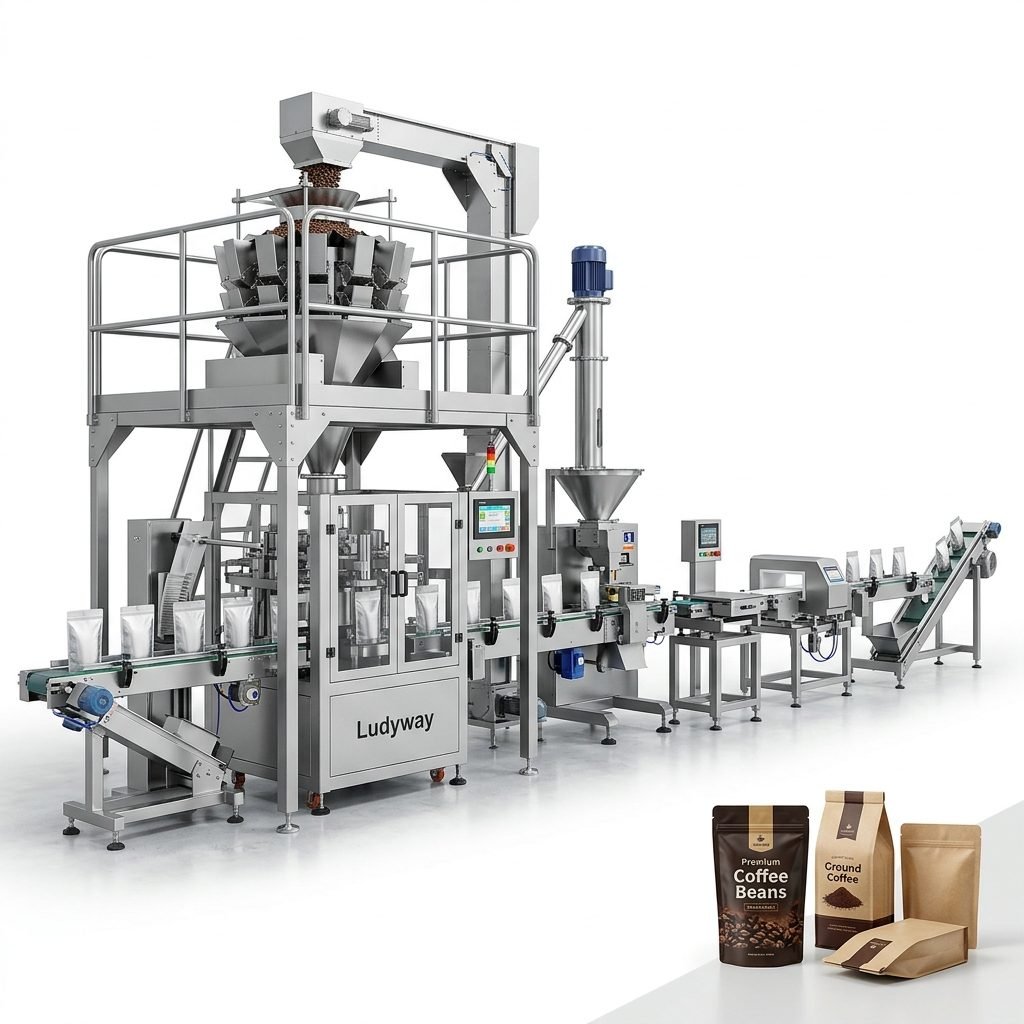
Their strength lies in providing turnkey production solutions, supported by a 20,000㎡ modern manufacturing facility and significant engineering capabilities. They focus on reliable, efficient, and high-quality automated packaging tailored to global production needs, making them a solid partner for businesses looking to scale.
Other Notable International Suppliers
Bosch Packaging Technology: A global giant known for high-speed, high-precision filling and packaging lines for liquid and semi-solid baby food in cups and pouches. Ideal for large-scale producers.
GEA Group: Excels in aseptic filling technology, crucial for preserving shelf-stable baby food purees without preservatives. Their lines are engineering marvels for maximum product safety.
IMA Group: Offers a wide range of machines, including high-quality pouch packaging solutions for dry and wet baby food, known for flexibility and innovative design.
Fuji Machinery: A leader in vertical form-fill-seal (VFFS) technology, providing versatile and reliable machines for packaging baby food snacks, cereals, and powders into various pouch styles.
How to Evaluate and Select Your Ideal Partner
Armed with knowledge about your needs and the market, follow this step-by-step selection process.
Step 1: Define Your Technical Specifications
Create a detailed brief covering product type, bag size, required output, available floor space, and utility connections (air, power). This document will be the basis for all supplier consultations.
Step 2: Request and Compare Proposals
Reach out to 3-5 shortlisted suppliers like Ludyway or others. Request detailed proposals, including machine specifications, layout drawings, price, delivery time, and terms. Don’t just compare price—compare value and total cost of ownership.
Step 3: Ask for References and Testimonials
A reputable supplier will gladly provide contact information for existing clients, especially those in the baby food industry. Ask these references about machine performance, reliability, and after-sales service.
Step 4: Insist on a Product Test Run
If possible, send your actual baby food product and packaging materials to the supplier for a live test run. This is the best way to verify filling accuracy, seal quality, and overall machine suitability.
Step 5: Scrutinize the After-Sales Agreement
Review the service contract meticulously. Understand the warranty period, response time for service calls, cost of spare parts, and availability of training for your operators and maintenance staff.
Conclusion: Investing in Your Brand’s Future
Choosing a baby food packaging machine is a strategic investment in your product’s quality and your company’s efficiency. By thoroughly assessing your needs, researching reputable suppliers like Ludyway Machinery and other global leaders, and following a rigorous selection process, you can secure equipment that ensures safety, boosts productivity, and supports your brand’s growth in the competitive baby nutrition market. The right partner will provide not just a machine, but a long-term solution for packaging excellence.
Frequently Asked Questions (FAQs)
What is the most important feature in a baby food packaging machine?
Hygiene and safety are paramount. The machine must be constructed with food-grade materials, be easy to clean thoroughly, and produce hermetic seals to prevent contamination and spoilage, ensuring the product is safe for infants.
Can one machine handle different types of baby food (e.g., powder and puree)?
Some versatile machines can handle different formats with changeover parts, but it’s challenging for one machine to optimally handle both dry powders and wet purees. It’s often more efficient to have dedicated lines or choose a supplier, like Ludyway, that can provide different models within a compatible system.
How much should I budget for a baby food packaging machine?
Costs vary widely from tens of thousands for a basic semi-automatic machine to several hundred thousand for a high-speed, fully automated line. Your budget should factor in not just the machine price, but also installation, training, maintenance, and potential future upgrades.
What kind of maintenance do these machines require?
Daily cleaning, regular lubrication of moving parts, and periodic inspection of critical components like sealing jaws, pumps, and sensors are essential. A good supplier will provide a detailed maintenance schedule and training.
How long does it typically take from order to installation?
Lead times can range from 8 to 20 weeks or more, depending on the machine’s complexity, customization level, and the supplier’s production schedule. Always confirm the timeline during the ordering process.