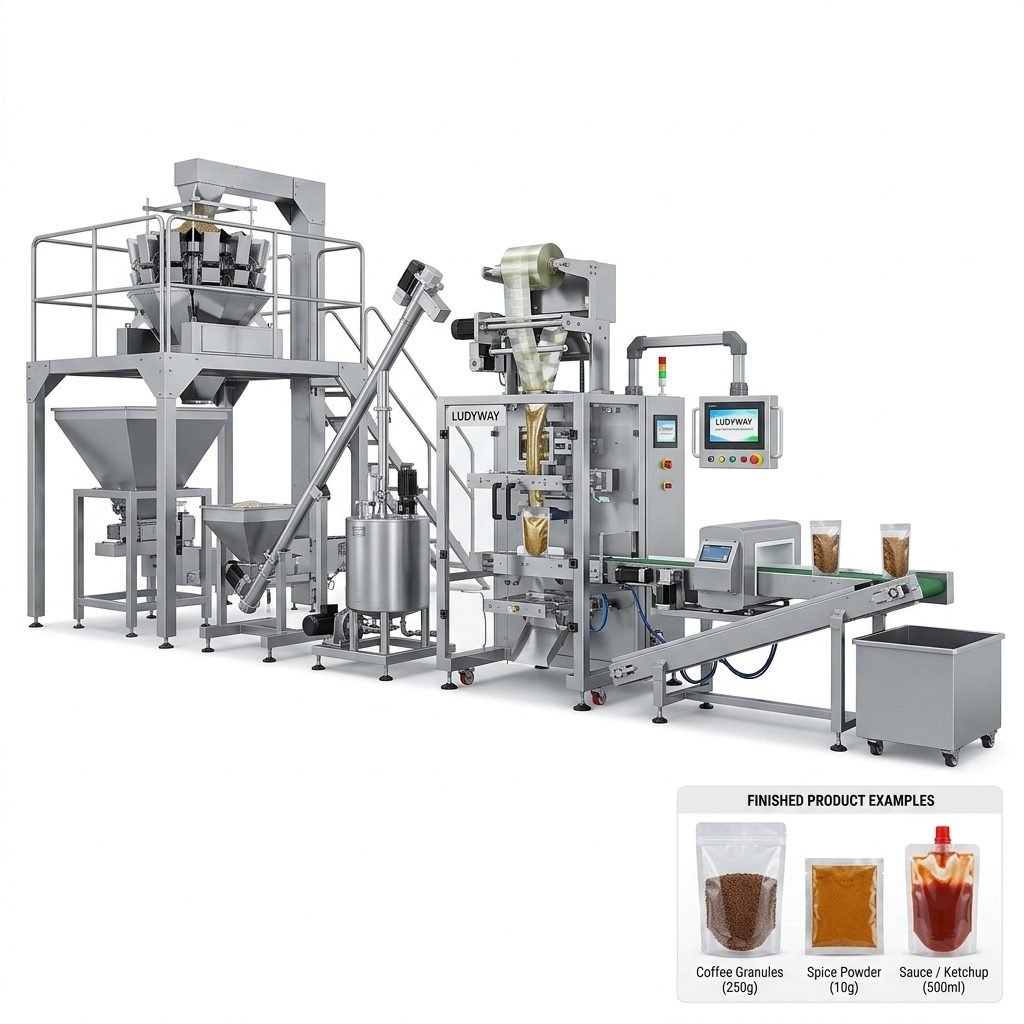
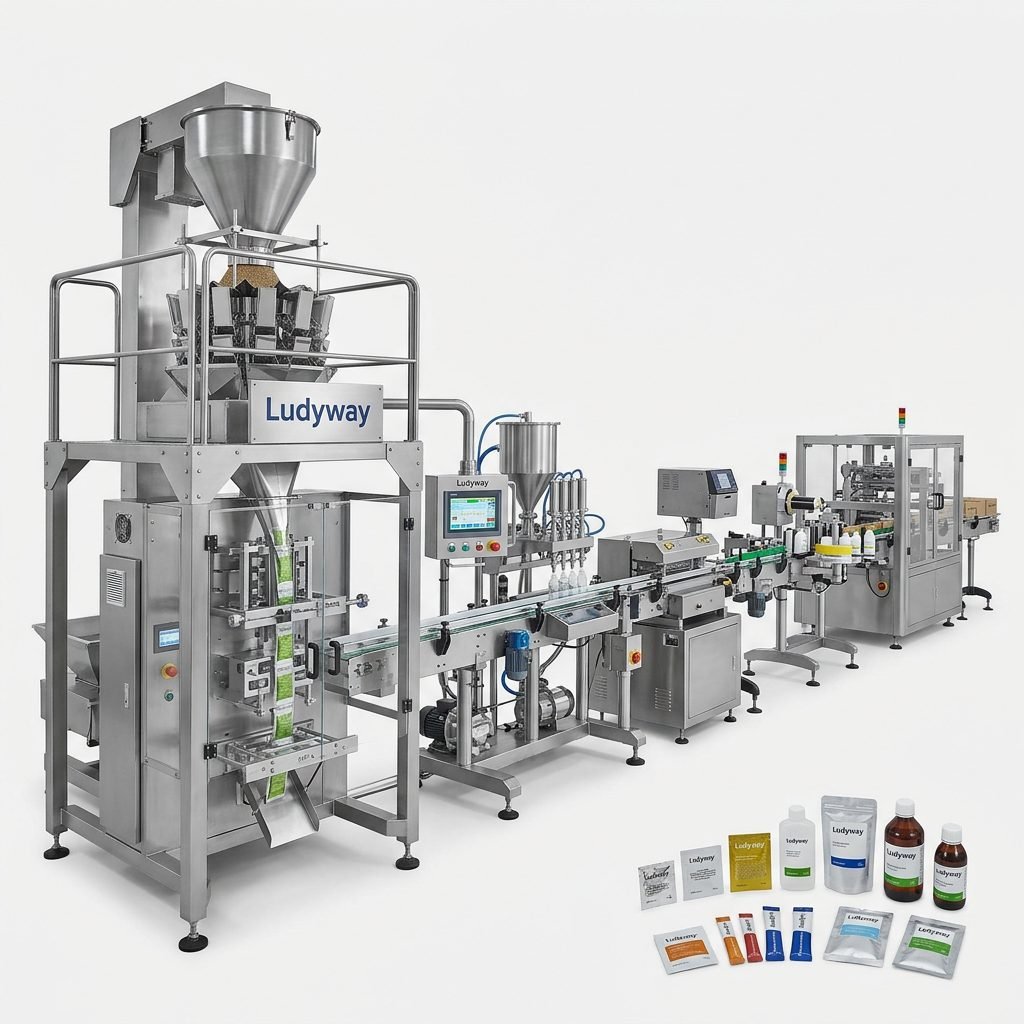
Vacuum skin packaging has become one of the most effective ways to present fresh food with a premium look while improving shelf life, product stability, and transport protection. For meat processors, seafood suppliers, ready-meal brands, and retail packers, choosing the right machine is not just about sealing film to a tray. It is about product freshness, package integrity, operating efficiency, and long-term production value.
If you are evaluating vacuum skin packaging equipment for your factory, this guide will help you understand what to look for, which applications fit best, and how to compare machine solutions that match your production goals.

Why Vacuum Skin Packaging Is in High Demand
Vacuum skin packaging, often called VSP, tightly forms a top film around the product and tray or support board under vacuum conditions. This process creates an attractive pack that reduces air exposure and holds the product firmly in place.
Compared with many conventional packaging methods, VSP offers several practical advantages:
- Longer freshness retention for meat, seafood, poultry, cheese, and prepared foods
- Improved visual appeal with clear product display for retail shelves
- Better leak resistance and product stability during transport
- Reduced drip loss in many fresh protein applications
- Stronger sealing performance for secure packaging and handling
- Premium shelf presentation that supports brand positioning
As consumers increasingly expect fresh-looking, secure, and convenient packaging, manufacturers are investing in advanced vacuum skin packaging machinery to meet both retail and foodservice demands.
How a Vacuum Skin Packaging Machine Works
A vacuum skin packaging machine generally uses a heated top film and vacuum chamber or forming system to remove air and tightly conform the film over the product. The package is then sealed to a tray or substrate. The result is a compact package that follows the product shape closely.
The basic workflow typically includes:
- Product loading onto tray or board
- Positioning inside the machine sealing area
- Vacuum creation to remove residual air
- Heating and forming of top skin film
- Sealing to the base tray or support material
- Cutting or trimming finished packs
Depending on your factory layout and output requirements, the equipment may be available in manual, semi-automatic, or fully automatic configurations.
Products Commonly Packed with Vacuum Skin Packaging
VSP is widely used in industries where freshness, hygiene, and attractive product presentation matter most. Common products include:
- Fresh beef, lamb, pork, and steaks
- Seafood such as salmon, shrimp, cod, and shellfish
- Poultry portions and marinated meats
- Ready-to-cook or ready-to-eat meals
- Sausages and processed meat products
- Cheese blocks and slices
- Frozen premium food items
- Selected pharmaceutical or medical support applications requiring controlled presentation
Types of Vacuum Skin Packaging Machines for Sale
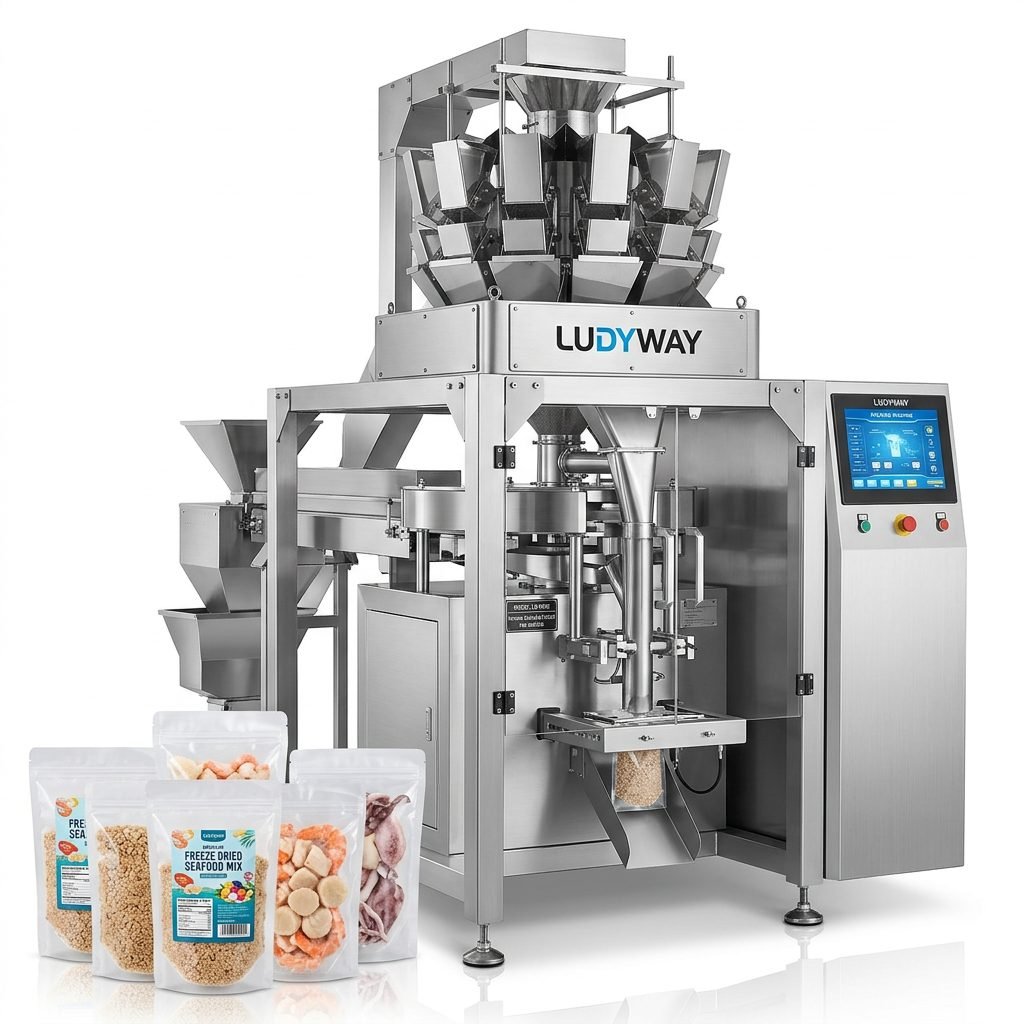
When searching for the right equipment, it helps to understand the main machine categories available on the market.
Manual or Tabletop Models
Best for small shops, test kitchens, product development centers, and low-volume packaging. These machines are cost-effective but not suitable for large-scale continuous production.
Semi-Automatic Vacuum Skin Packaging Machines
Suitable for medium-output operations that need better consistency and productivity without a fully automated line. Operators still load and unload packs, but sealing performance is more stable.
Automatic Tray Sealer with Skin Pack Function
Ideal for growing food processors and commercial packaging facilities. These systems can integrate tray feeding, vacuum sealing, film handling, and cutting to improve throughput.
Fully Integrated Packaging Lines
Designed for high-capacity factories that require synchronized product feeding, tray denesting, filling, skin packaging, labeling, coding, inspection, cartoning, and palletizing.
Key Features to Look for Before You Buy
Not all vacuum skin packaging machines deliver the same result. A lower purchase price may not always mean a better investment. Focus on the features that affect actual operating performance.
| Feature | Why It Matters |
|---|---|
| Vacuum stability | Ensures strong package integrity and reliable shelf-life performance |
| Film compatibility | Allows use of suitable skin films for different tray materials and product types |
| Production speed | Determines whether the machine can meet your output targets |
| Seal quality | Prevents leakage, wrinkles, and weak sealing edges |
| Changeover convenience | Reduces downtime when switching product sizes or tray formats |
| Hygienic machine design | Supports food safety, fast cleaning, and easier maintenance |
| Control system | Improves parameter adjustment, recipe storage, and operational consistency |
| After-sales support | Helps minimize risk through training, spare parts, and technical service |
How to Choose the Best Solution for Your Business
The best machine depends on your products, pack style, and production planning. Before purchasing, ask these questions:
- What product types will be packed now and later?
- What tray sizes and materials will be used?
- What daily or hourly output do you require?
- Do you need MAP, skin pack, or both options?
- Will the machine connect with labeling, coding, and conveying equipment?
- How important are automation and labor reduction in your factory?
- Do you need export-standard electrical and safety configurations?
A well-matched machine should support your current production while leaving room for future expansion. Many buyers benefit from choosing modular systems that can integrate with additional automation later.
Industries That Benefit Most from Vacuum Skin Packaging
Although fresh protein packaging is the most common application, vacuum skin packaging is also valuable in other sectors.
Food Processing
Fresh meat, frozen foods, seafood, prepared dishes, and premium retail items often rely on VSP to combine shelf appeal with strong protection.
Retail Packaging Operations
Supermarket suppliers and contract packers use skin packaging to create uniform, attractive packs that enhance shelf presentation.
Export-Oriented Food Production
For businesses shipping products across long distances, secure packaging and reduced movement inside the tray are especially important.
Specialized Pharmaceutical and Health Product Applications
Some vacuum packaging technologies are also selected for products that need clean, controlled, and stable packaging presentation.
Benefits of Buying from an Experienced Packaging Machine Manufacturer
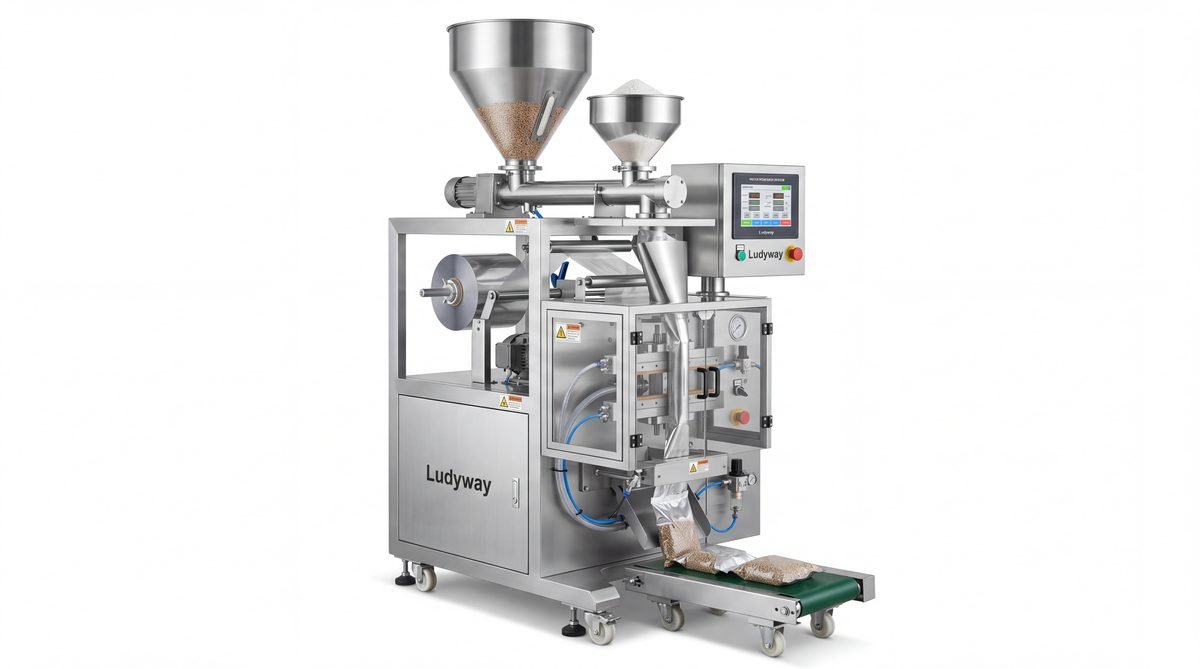
Choosing a supplier with proven manufacturing capacity and broad export experience can significantly reduce project risk. Buyers often need more than just a standalone machine. They need technical advice, application testing, machine customization, installation support, and reliable spare parts service.
For businesses looking for complete packaging automation, Ludyway vacuum skin packaging machine solutions are backed by more than 30 years of packaging equipment manufacturing experience, a factory of over 20,000 square meters, and service capabilities for customers in more than 100 countries and regions. This makes it easier for buyers to source not only equipment, but also scalable turnkey packaging line support.
Common Mistakes to Avoid When Buying a Vacuum Skin Packaging Machine
Many buyers focus only on price, but machine selection should be based on total production value. Common mistakes include:
- Choosing a machine without confirming actual film and tray compatibility
- Ignoring cleaning and maintenance convenience
- Underestimating future production growth
- Buying equipment with limited technical documentation or support
- Not testing real product samples before final order confirmation
- Selecting low-speed equipment for high-volume applications
A sample-based machine evaluation is one of the best ways to confirm package quality before purchasing.
What to Ask a Supplier Before Requesting a Quote
To receive a useful and accurate quotation, prepare the following information:
| Information to Provide | Purpose |
|---|---|
| Product name and characteristics | Helps determine vacuum level, film type, and pack format |
| Pack dimensions and tray details | Required for mold and sealing area selection |
| Expected output capacity | Used to match machine model and automation level |
| Factory voltage and standards | Ensures machine compatibility with your facility |
| Need for integrated line equipment | Supports planning for conveyors, coding, labeling, and end-of-line systems |
Signs of a High-Quality Vacuum Skin Packaging Solution
- Consistent vacuum effect across different production runs
- Clean, wrinkle-free presentation with strong sealing edges
- Stable operation under continuous production conditions
- Easy parameter adjustment on the control panel
- Food-grade structure and easy-clean contact areas
- Reliable spare parts and technical support availability
- Option for custom integration into a broader packaging line
Final Buying Advice
A vacuum skin packaging machine should do more than seal a product. It should help your business protect freshness, strengthen shelf appeal, reduce waste, and improve production efficiency. Whether you need a compact model for limited output or a fully automatic packaging line for industrial-scale processing, the right solution starts with a clear understanding of your products, capacity, packaging materials, and long-term growth plan.
When comparing vacuum skin packaging machines for sale, prioritize application fit, sealing reliability, hygienic design, and supplier support. These factors will have a bigger impact on your return on investment than price alone.