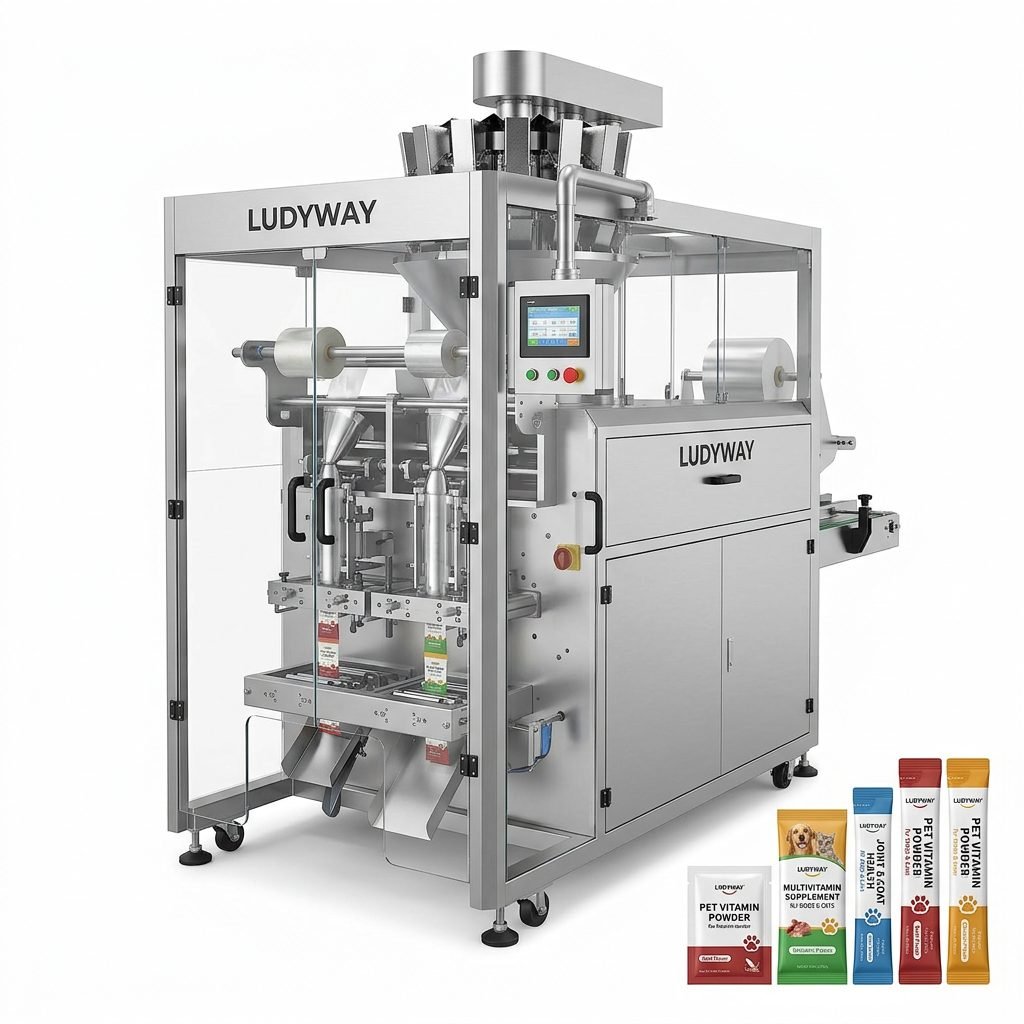
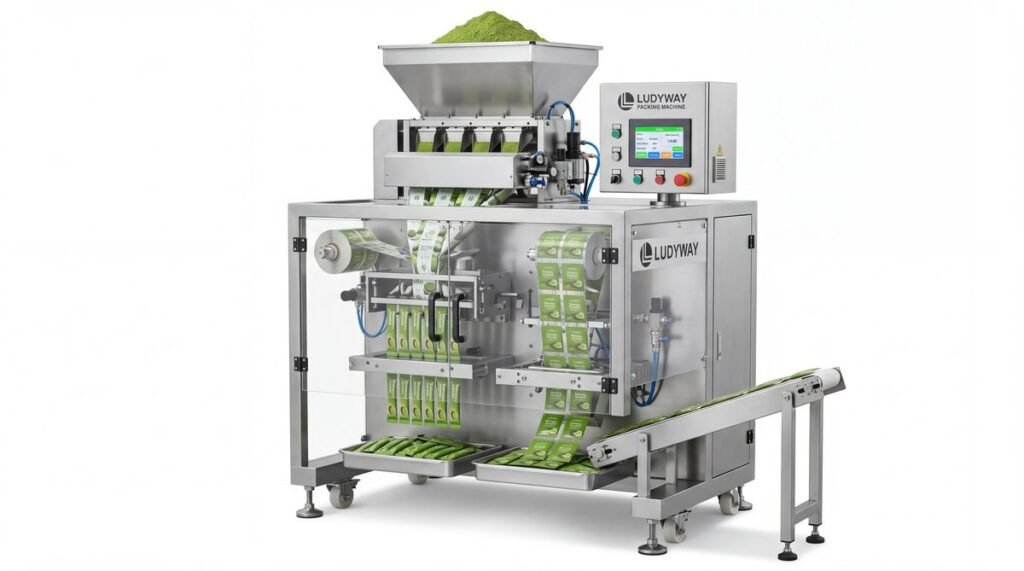
Vacuum skin packaging has become a preferred solution for brands that want products to look fresh, stay protected, and stand out on retail shelves. From meat and seafood to ready meals and premium food items, a vacuum skin packaging machine creates a tight, transparent seal that follows the product’s contours while reducing excess air inside the pack.
For manufacturers, processors, and packaging line investors, understanding how this technology works is essential before choosing a machine. This guide explains the working principle, major advantages, application scenarios, and the most important points to consider before buying.
What Is a Vacuum Skin Packaging Machine?
A vacuum skin packaging machine is equipment that places a product on a tray or support card, covers it with a heated flexible film, removes air from the package area, and forms the film tightly around the product. The result is a skin-like vacuum pack that improves presentation, helps extend shelf life, and keeps the product securely positioned.
Unlike standard vacuum bags, vacuum skin packaging combines product visibility, strong sealing performance, and attractive shelf display in one format. It is especially popular in food packaging operations where freshness and premium presentation matter.
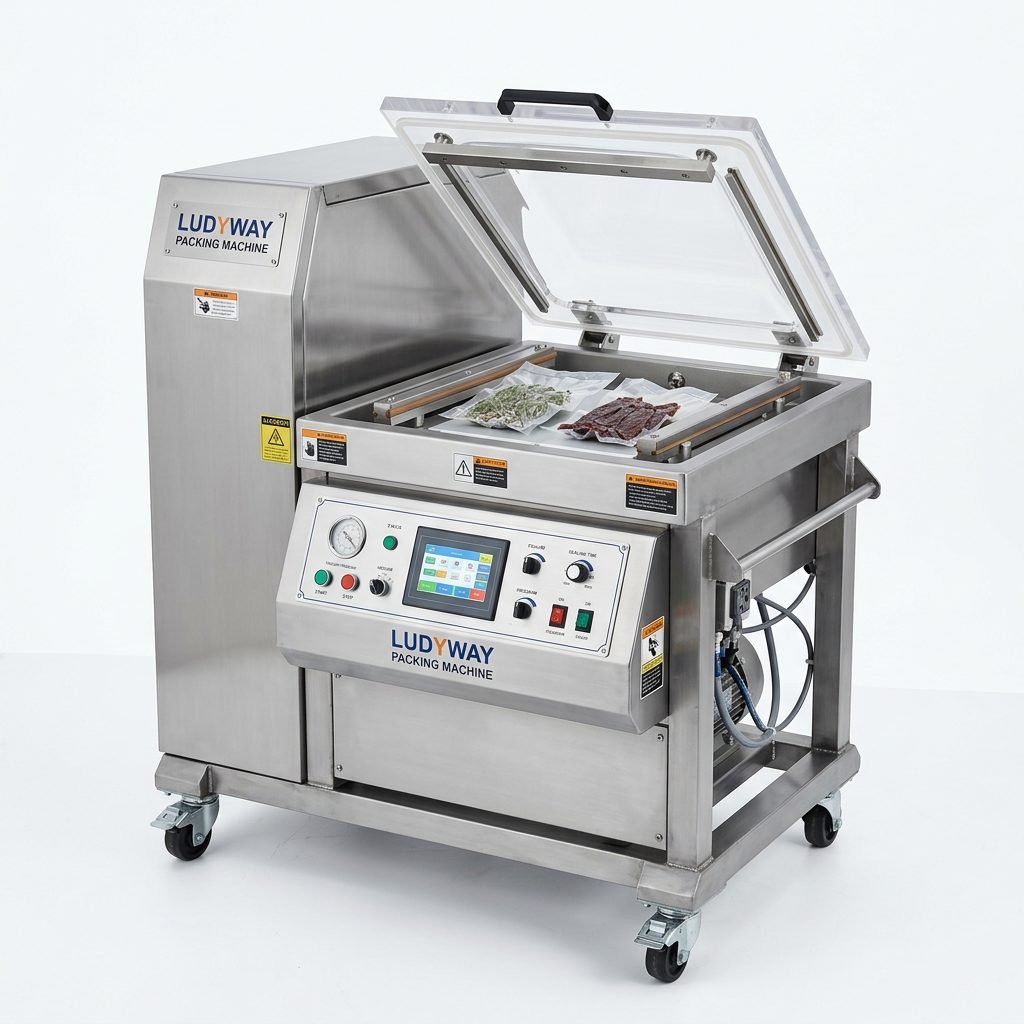
How Does a Vacuum Skin Packaging Machine Work?
Although machine designs vary by model, most vacuum skin packaging systems follow a similar process:
- Product loading: The product is placed on a tray, board, or preformed carrier.
- Film positioning: A top film is fed over the product area.
- Film heating: The film is heated until it becomes soft and formable.
- Vacuum creation: Air is removed from the chamber or sealing zone.
- Skin forming: The softened film is drawn tightly over the product and tray.
- Sealing: The film is sealed to the tray flange or support material.
- Cooling and discharge: The package stabilizes and exits the machine for further labeling, coding, or cartoning.
Key Components Involved
- Vacuum chamber or vacuum sealing area
- Film heating system
- Upper and lower sealing molds
- Tray positioning system
- Control panel or PLC system
- Vacuum pump
- Film unwinding and cutting unit
In automatic lines, vacuum skin packaging machines may also connect with tray denesters, fillers, weighing systems, labelers, metal detectors, conveyors, and case packers.
Why Vacuum Skin Packaging Is Popular
This packaging method offers both functional and marketing benefits. It does more than seal a product—it helps create a cleaner, more premium pack appearance that buyers notice immediately.
| Benefit | How It Helps |
|---|---|
| Extended shelf life | Reduces oxygen exposure and slows product deterioration. |
| Excellent product visibility | Clear film highlights product texture, color, and shape. |
| Premium shelf appeal | Creates a clean, professional, retail-ready package. |
| Leak resistance | Helps minimize liquid leakage in suitable applications. |
| Product stability | Holds the product in place during storage and transportation. |
| Lower package volume | More compact packs can improve logistics efficiency. |
Main Applications of Vacuum Skin Packaging Machines
Vacuum skin packaging is widely used across industries, especially where freshness, hygiene, and product display are critical.
Food Industry
- Fresh beef, pork, lamb, and poultry
- Seafood and fish fillets
- Ready-to-cook and marinated products
- Cheese and specialty dairy items
- Frozen foods
- Premium snacks and deli products
Other Possible Uses
- Medical or pharmaceutical support packaging for selected items
- Industrial parts requiring secure display packaging
- High-value retail products that benefit from visible sealed presentation
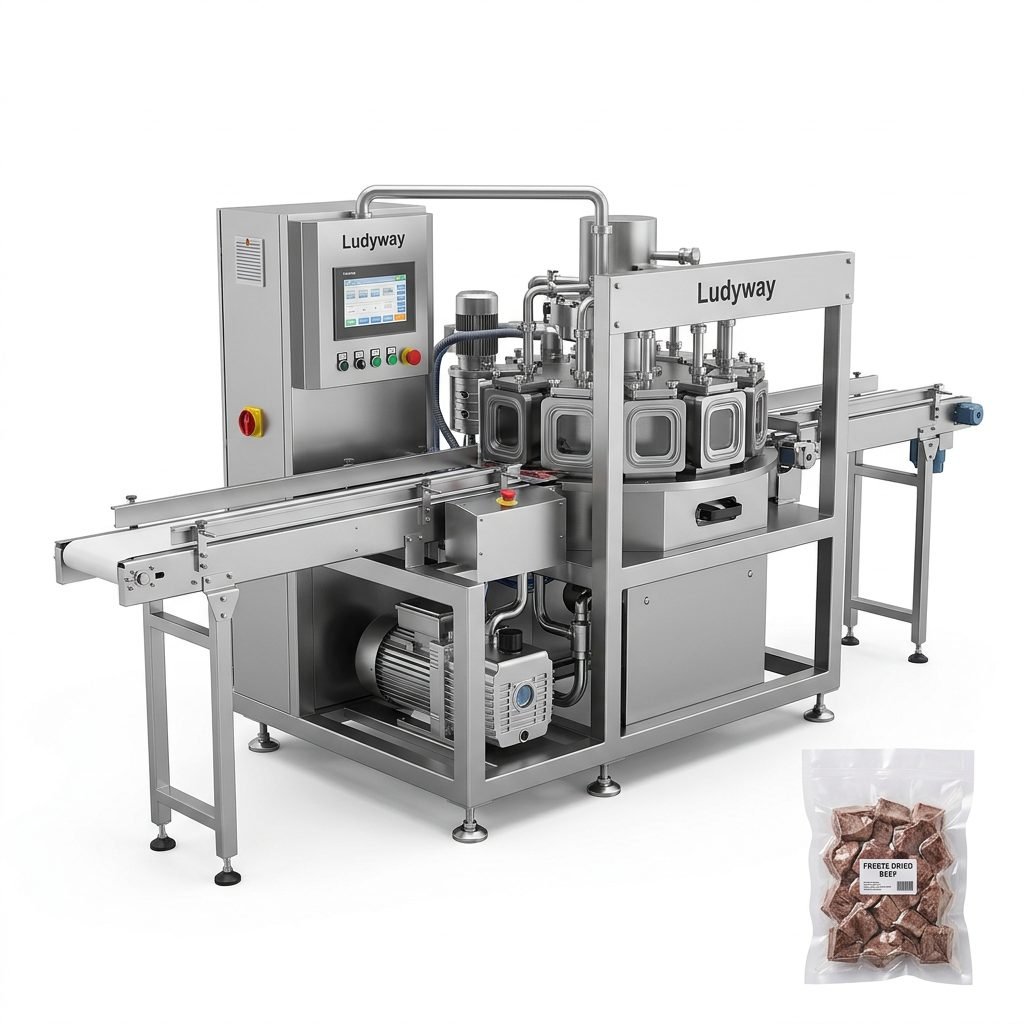
Types of Vacuum Skin Packaging Machines
Choosing the right machine starts with understanding the available configurations.
Manual or Semi-Automatic Models
Best for small production runs, pilot projects, or businesses testing a new packaging format. These machines usually have lower investment costs but require more labor.
Automatic Tray-Based Machines
Suitable for medium to high-volume processing. They can deliver more consistent pack quality and higher throughput while reducing operator involvement.
Thermoforming Vacuum Skin Packaging Machines
These systems form the lower package from roll stock film and then apply the vacuum skin top film. They are often selected for large-scale industrial use where packaging output and material optimization are priorities.
How to Evaluate Machine Performance
Not all vacuum skin packaging machines offer the same sealing quality, speed, or compatibility. Before purchasing, assess the following performance factors carefully.
| Factor | Why It Matters |
|---|---|
| Packaging speed | Must match your daily or hourly production target. |
| Vacuum level | Affects freshness, product protection, and package appearance. |
| Seal quality | Determines leak resistance and shelf reliability. |
| Film compatibility | Machine should support the required film thickness and materials. |
| Tray size flexibility | Important if you package multiple SKUs. |
| Hygienic design | Simplifies cleaning and supports food safety standards. |
| Automation compatibility | Helps future integration with complete packaging lines. |
Key Benefits for Food Processors and Brand Owners
1. Better Product Presentation
The transparent top film closely outlines the product, creating a visually appealing pack that can boost impulse buying and improve premium brand perception.
2. Reduced Product Movement
Because the film holds the product securely, there is less shifting inside the pack during transport and shelf handling.
3. Improved Shelf Life Potential
By reducing trapped oxygen, vacuum skin packaging may help maintain freshness longer when used with the right product, tray, film, and storage conditions.
4. Stronger Retail Competitiveness
Many supermarkets and premium food brands prefer packaging that combines a clean appearance with reliable sealing. This makes vacuum skin packaging an appealing commercial option.
5. Packaging Line Upgrades
For manufacturers moving toward automation, vacuum skin packaging machines can be integrated into larger processing and end-of-line systems.
Buying Guide: What to Consider Before Purchasing
Production Capacity
Start with your actual output target. A machine that is too small creates bottlenecks, while an oversized machine may increase unnecessary investment and operating costs.
Product Type and Shape
Flat products, irregular cuts, moist products, and frozen items can behave differently under vacuum skin packaging. Always verify test samples before confirming the model.
Tray and Film Materials
Make sure the machine supports your preferred packaging materials, including tray dimensions, sealing flange requirements, and top film specifications.
Automation Level
If labor reduction and consistent output are priorities, an automatic solution is usually the better long-term investment.
Maintenance and Spare Parts
A lower machine price does not always mean a lower total cost. Maintenance access, spare parts availability, and service response matter just as much.
Compliance and Hygiene
For food and regulated industries, machine construction should support cleaning, sanitation, and relevant local compliance requirements.
Supplier Experience
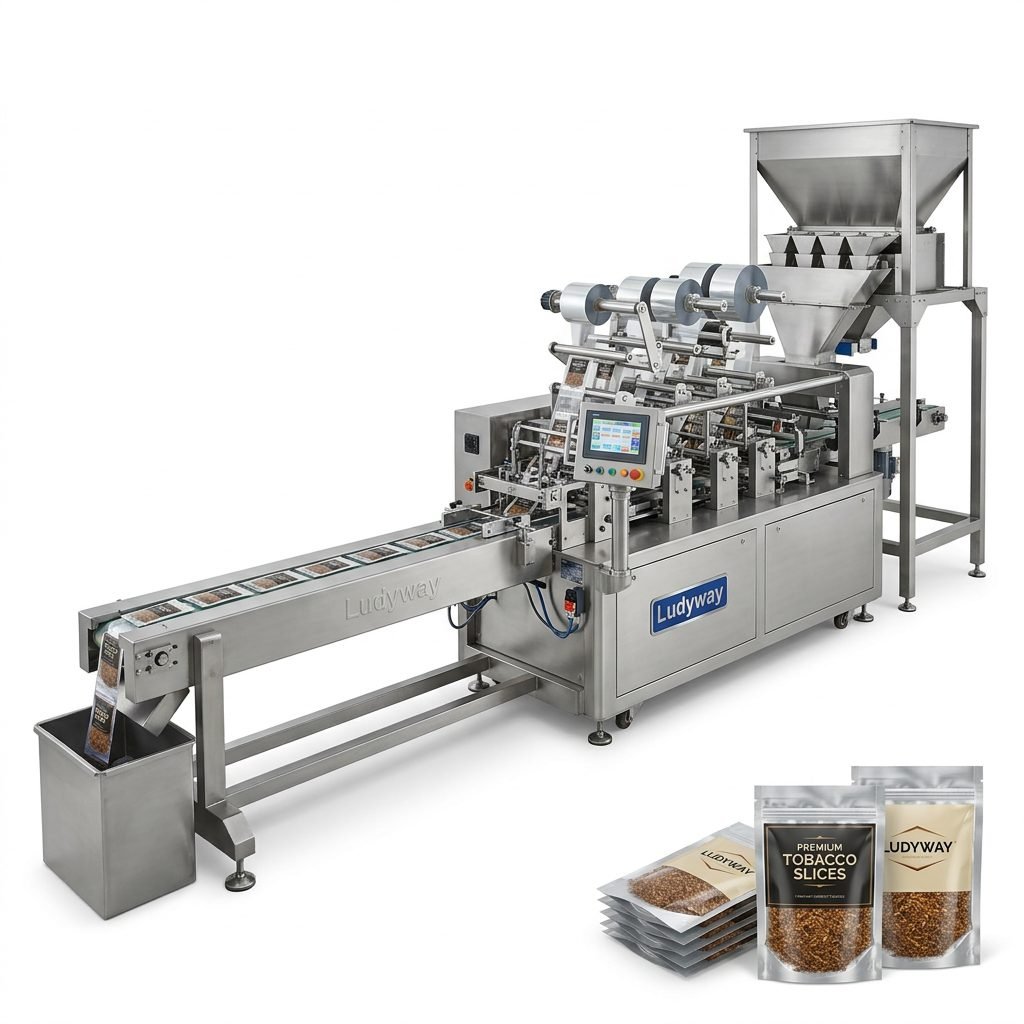
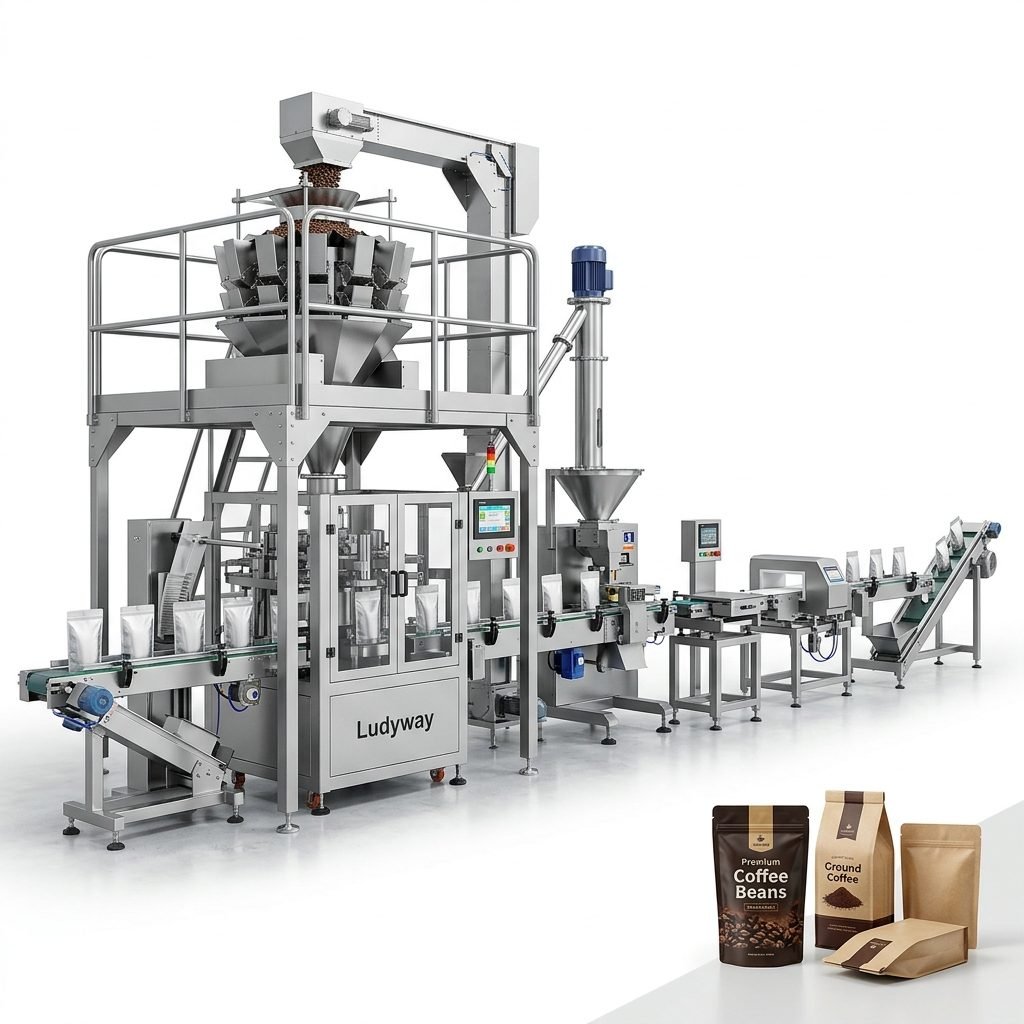
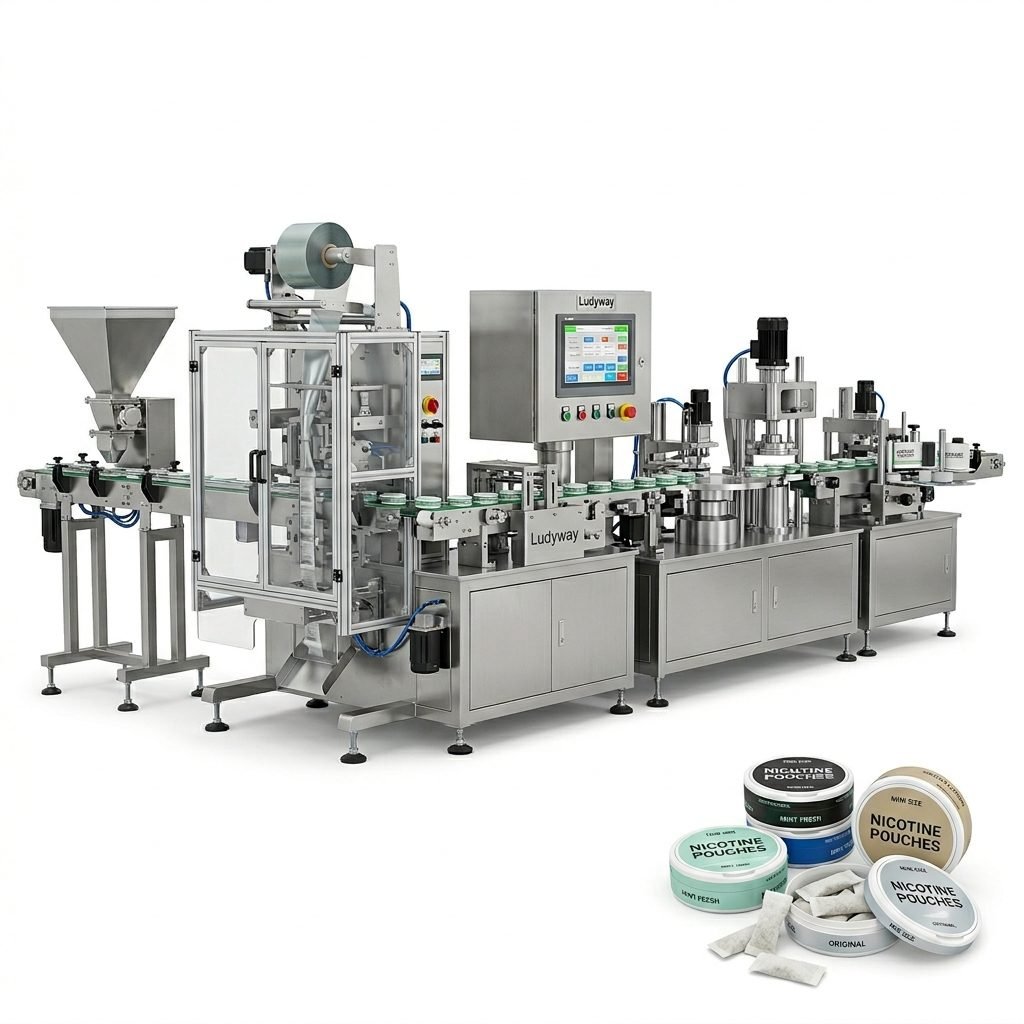
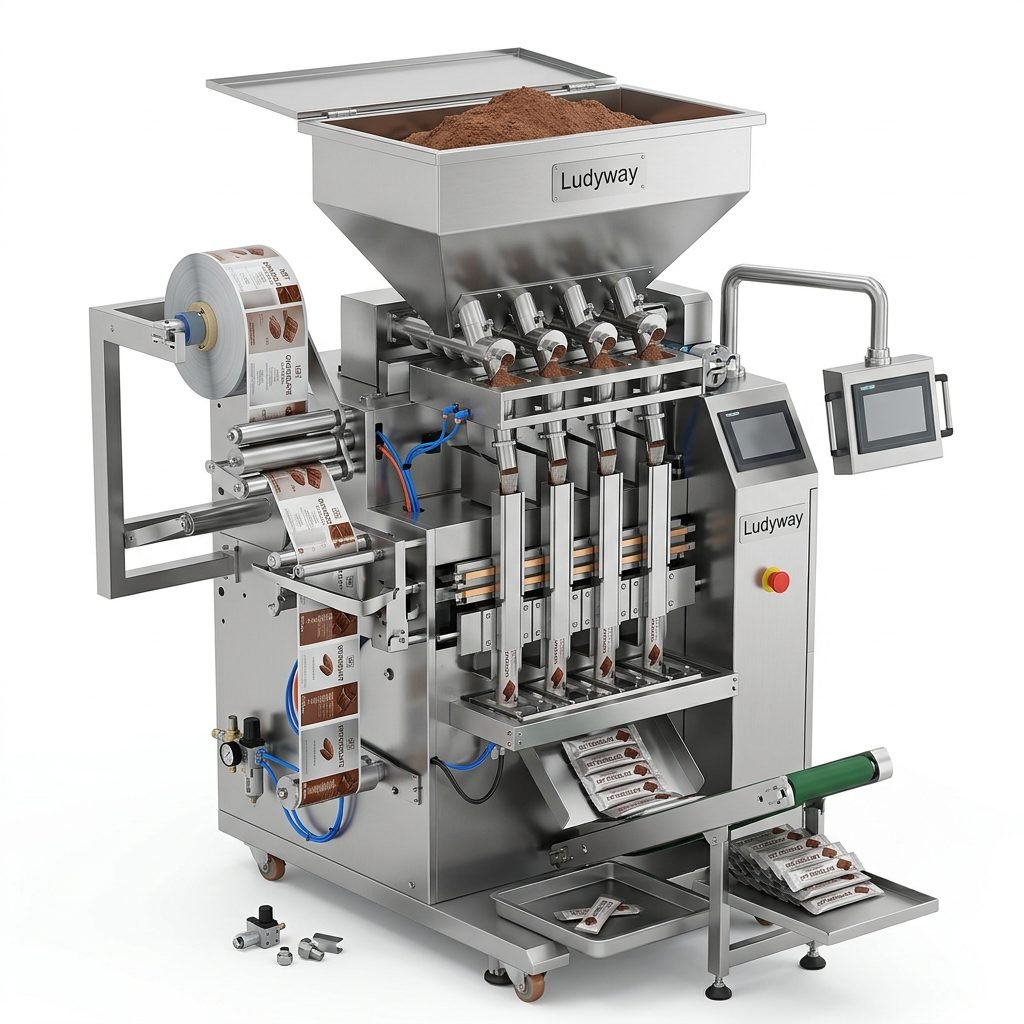
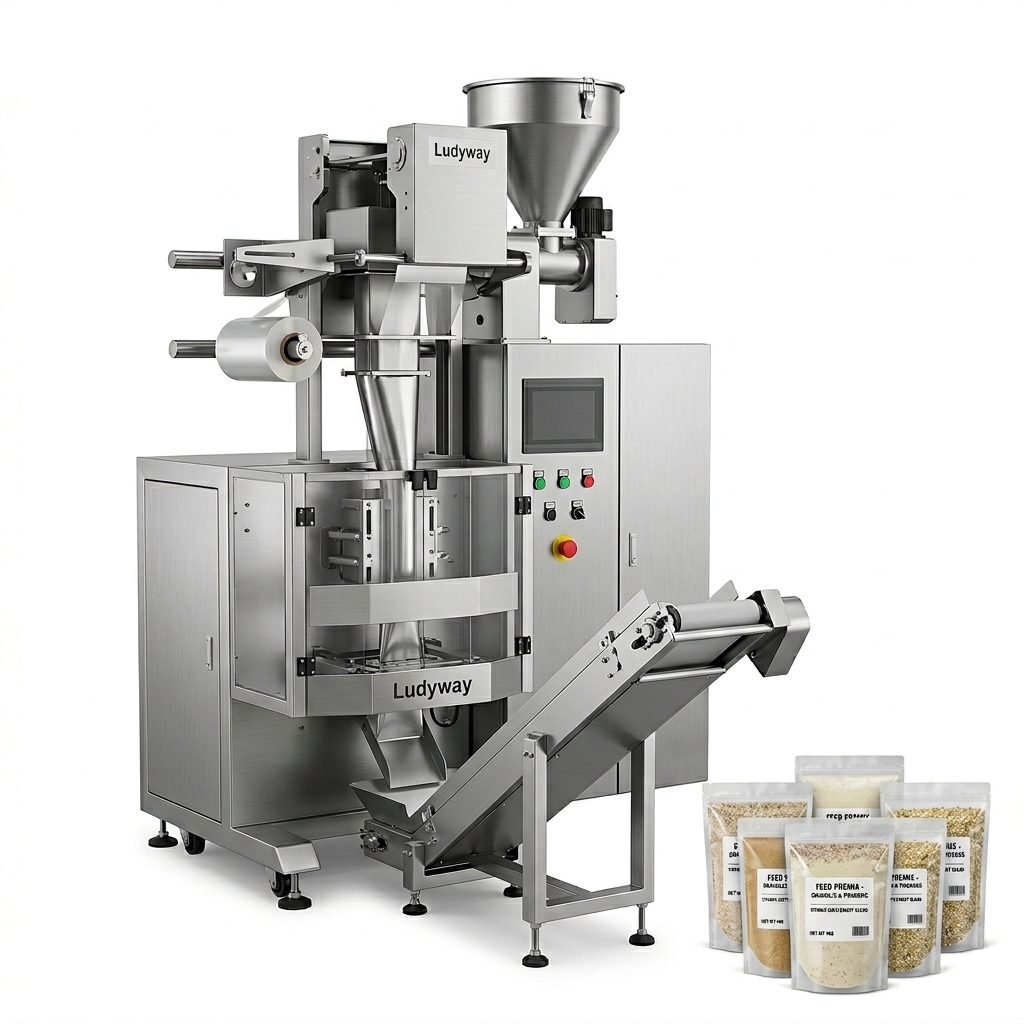
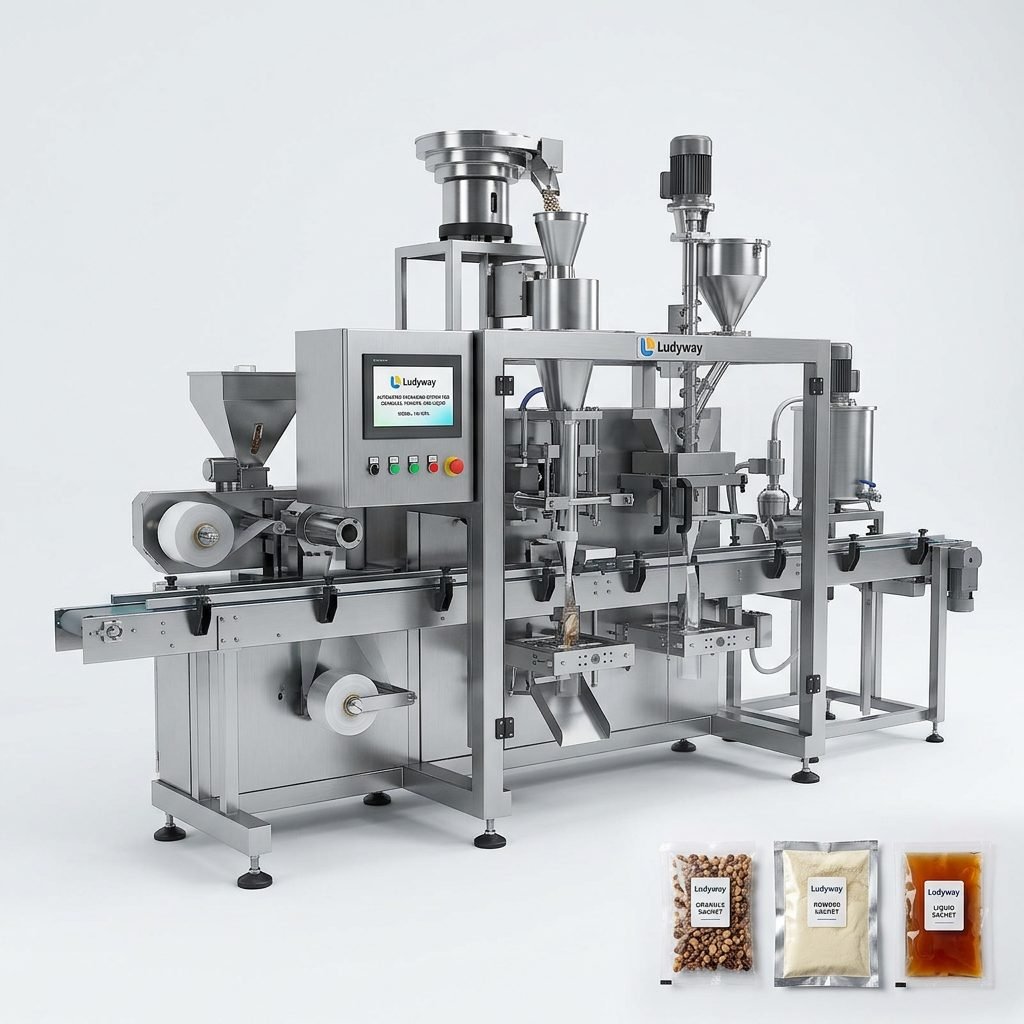
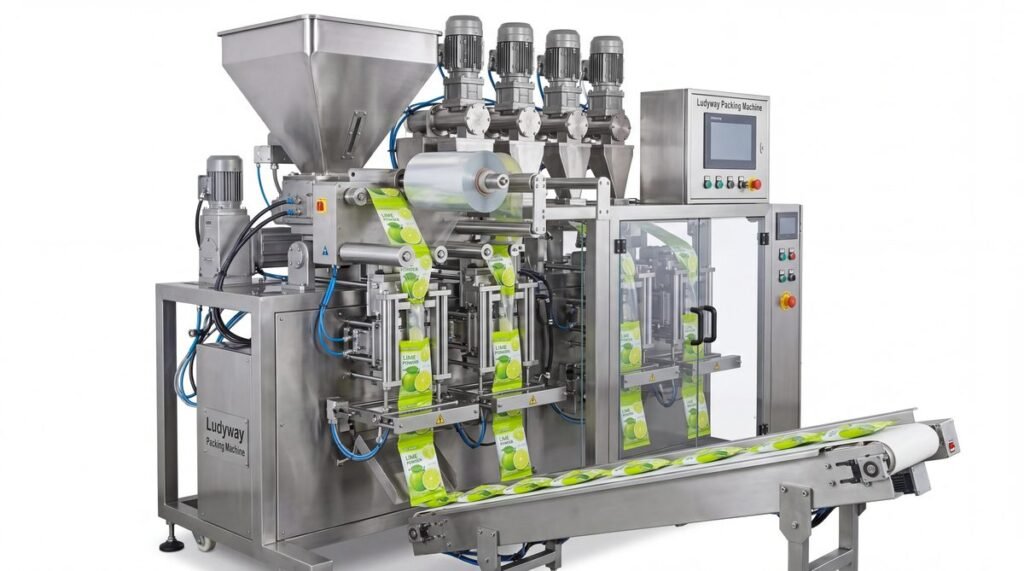
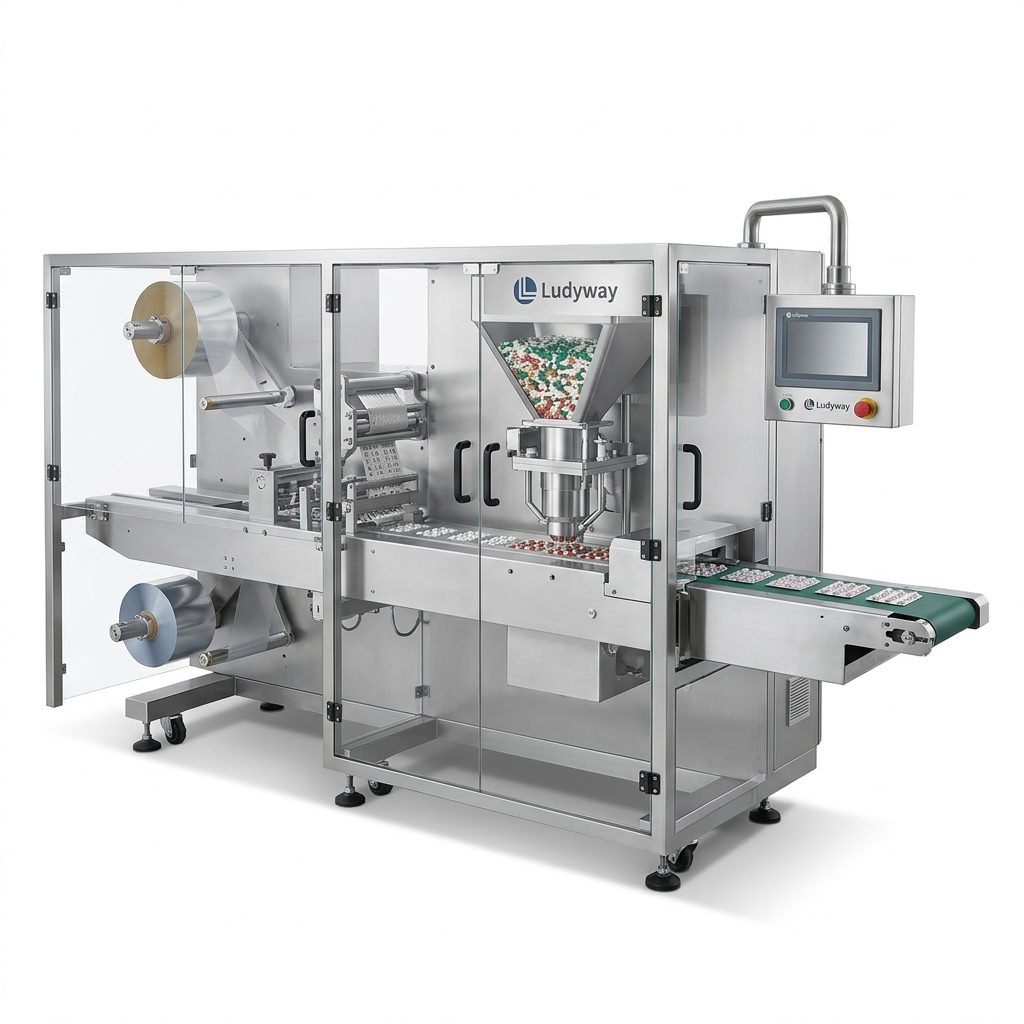
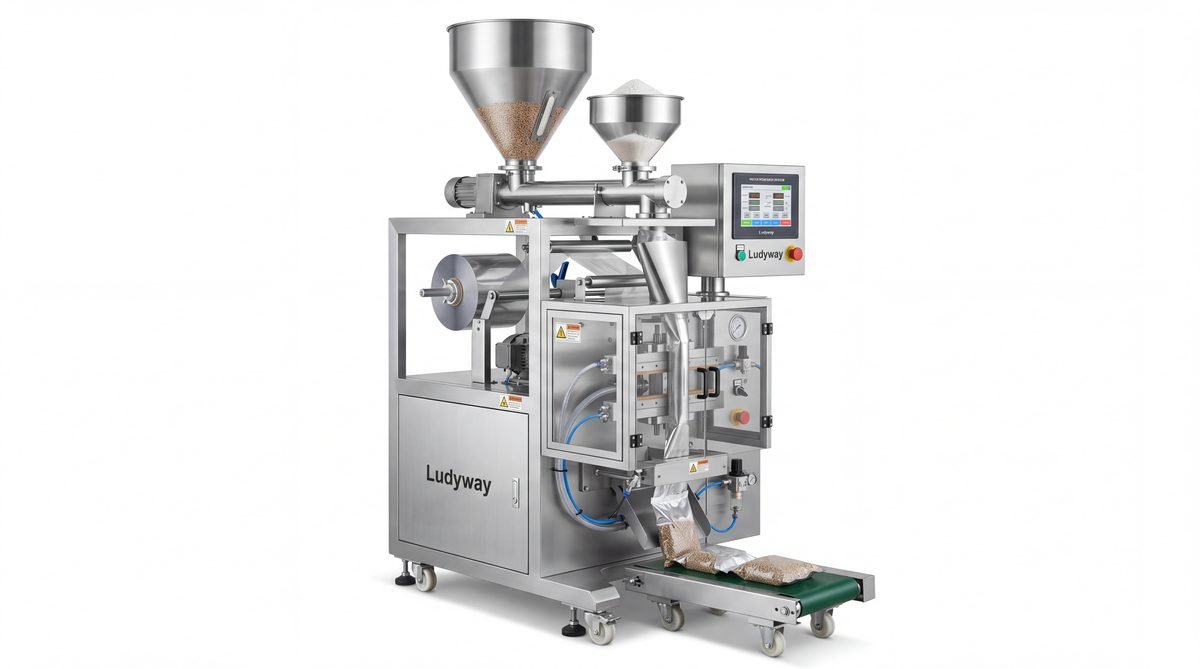
An experienced supplier can help with machine selection, packaging tests, customization, training, installation, and future line expansion. Businesses looking for broader automation support often review manufacturers such as Ludyway vacuum packaging machine solutions when evaluating packaging equipment and turnkey line capabilities.
Questions to Ask a Supplier Before Ordering
- What products has this vacuum skin packaging machine been tested on?
- What is the actual production speed under working conditions?
- What tray sizes and film types are supported?
- How easy is mold changeover for different package formats?
- What vacuum pump brand and sealing system are used?
- Can the machine integrate with labeling, weighing, or cartoning systems?
- What after-sales service and spare parts support are available?
- Can the supplier provide sample testing or video proof?
Common Mistakes Buyers Should Avoid
- Choosing only by price without reviewing sealing performance
- Ignoring film and tray compatibility
- Underestimating future production growth
- Skipping sample testing with real products
- Overlooking cleaning and maintenance requirements
- Buying a standalone machine without planning for upstream and downstream equipment
Is a Vacuum Skin Packaging Machine Right for Your Business?
If your products require premium appearance, reduced oxygen exposure, stable package presentation, and stronger shelf appeal, a vacuum skin packaging machine can be a very strong investment. It is especially suitable for companies targeting retail-ready food packaging, quality-driven branding, and higher packaging consistency.
The best choice depends on your product type, output target, packaging materials, and automation goals. A practical evaluation should include machine testing, ROI analysis, maintenance review, and supplier support capability.
Final Decision Checklist
| Checklist Item | Confirmed? |
| Product and packaging samples tested | □ |
| Required speed and capacity verified | □ |
| Film and tray compatibility confirmed | □ |
| Cleaning and maintenance requirements reviewed | □ |
| Service, training, and spare parts discussed | □ |
| Future line integration considered | □ |
With the right machine selection, vacuum skin packaging can help your business improve pack quality, reduce waste, strengthen product image, and support long-term growth in competitive markets.