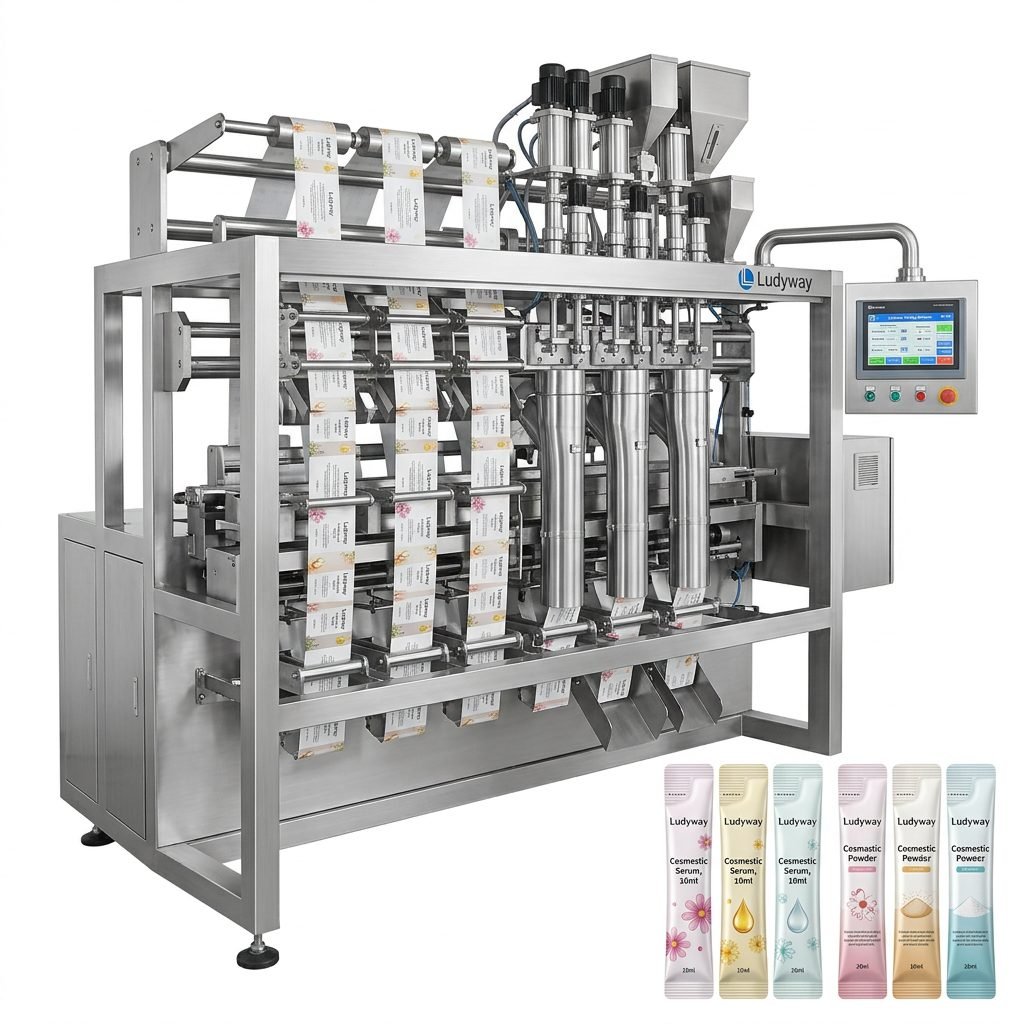
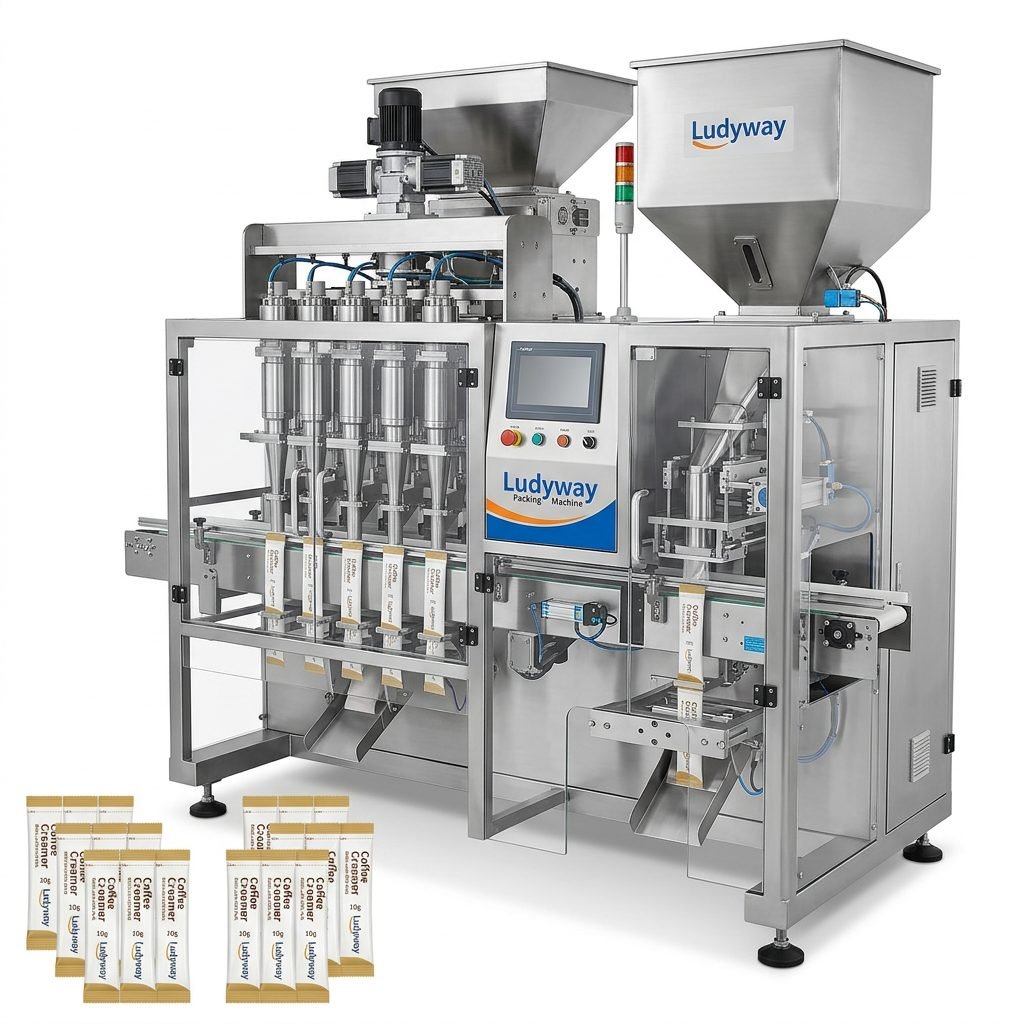
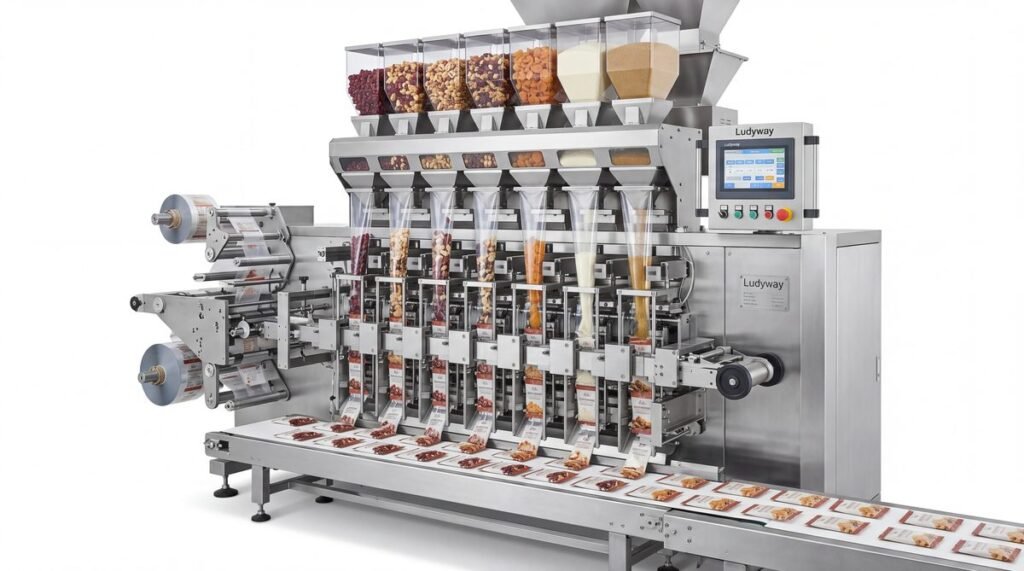
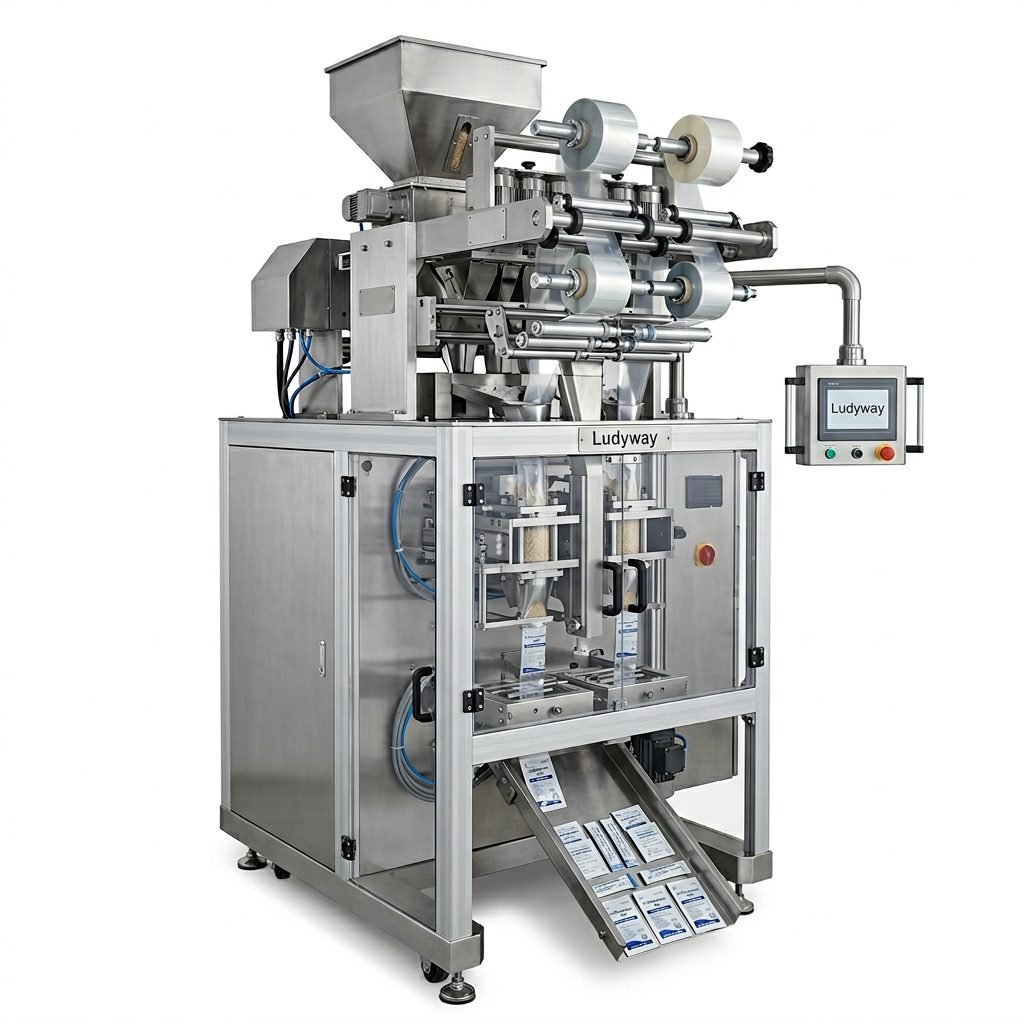
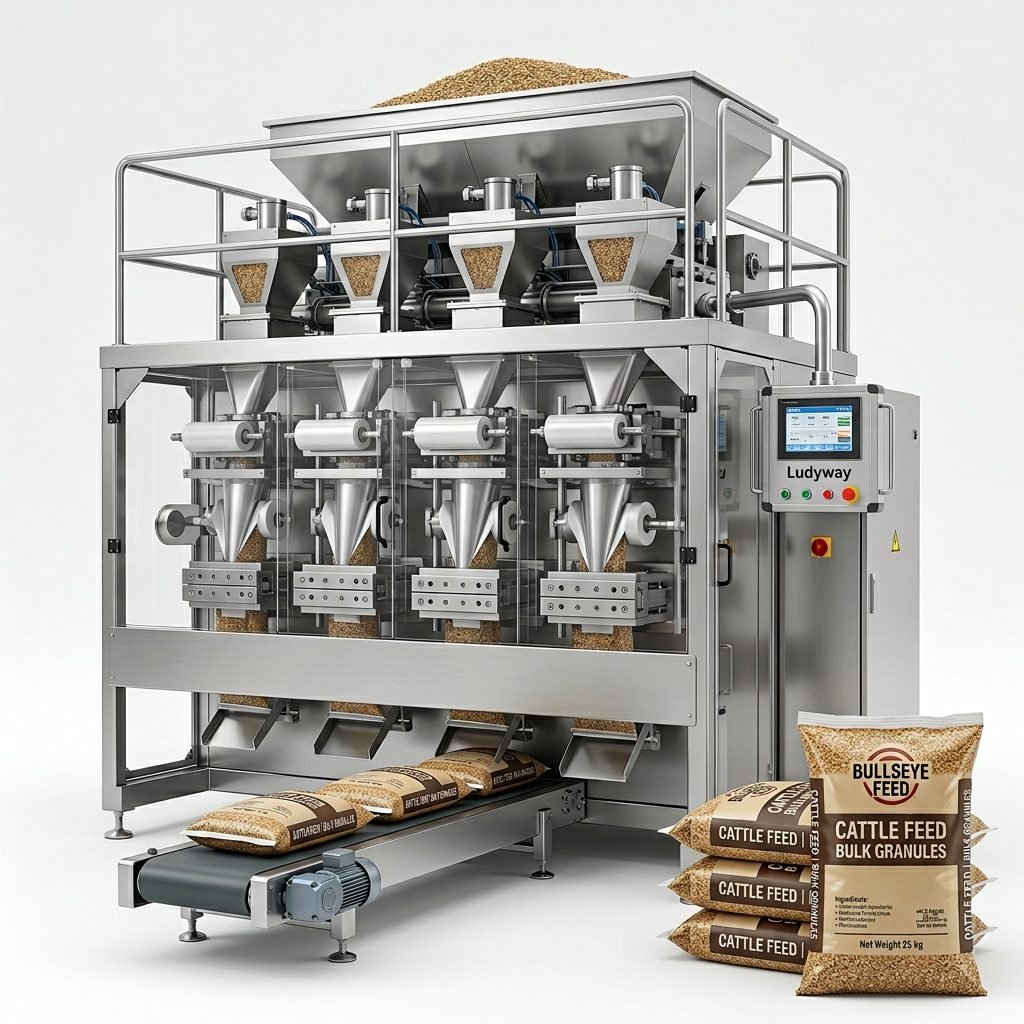
In the dynamic world of food processing and distribution, the right vegetable packaging machine is not just a piece of equipment—it’s a critical component of operational efficiency, product preservation, and market appeal. This comprehensive guide delves into the various types of vegetable packaging machines, their key features, and provides a detailed framework to help you select the optimal solution for your specific production needs.
Understanding the Core Types of Vegetable Packaging Machines
The market offers a diverse range of packaging technologies, each suited to different vegetable forms, shelf-life requirements, and production scales. Understanding these categories is the first step toward a sound investment.
Primary Packaging Systems
These machines handle the direct packaging of vegetables into their final consumer units.
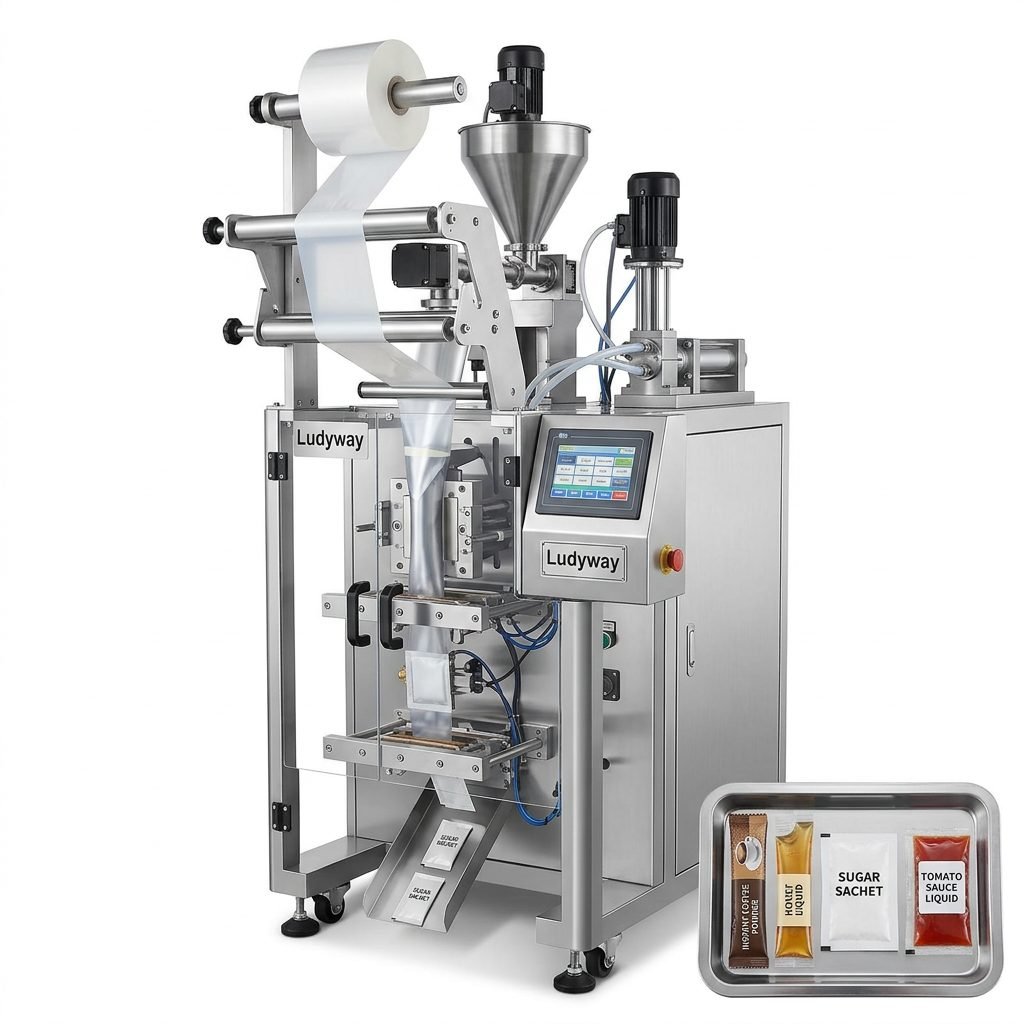
- Vertical Form-Fill-Seal (VFFS) Machines: The workhorse of the industry, ideal for packing loose, free-flowing products like peas, corn kernels, or diced vegetables into pouches or bags. They form the bag from a roll of film, fill it, and seal it in a continuous, high-speed operation.
- Horizontal Form-Fill-Seal (HFFS) Machines: Better suited for more delicate or pre-arranged items, such as salad kits, carrot sticks, or bean sprouts in trays. The product is placed into pre-formed pockets or trays before a top film is applied and sealed.
- Thermoforming Machines: These create rigid plastic trays or cups from a roll of film, fill them with product (e.g., cherry tomatoes, mixed vegetables), and seal them with a lidding film. Excellent for modified atmosphere packaging (MAP) to extend freshness.
- Flow Wrapping Machines: Used for bundling multiple units, like wrapping several ears of corn together or packaging pre-weighed bags of potatoes into a neat, printed sleeve.
Supporting and Secondary Packaging Equipment
This category includes machines that prepare vegetables for primary packaging or handle the packed units.
- Weighing and Dosing Systems: Accurate weight control is paramount for cost management and regulatory compliance. Multi-head weighers and linear weighers ensure precise portions are delivered to the packaging machine.
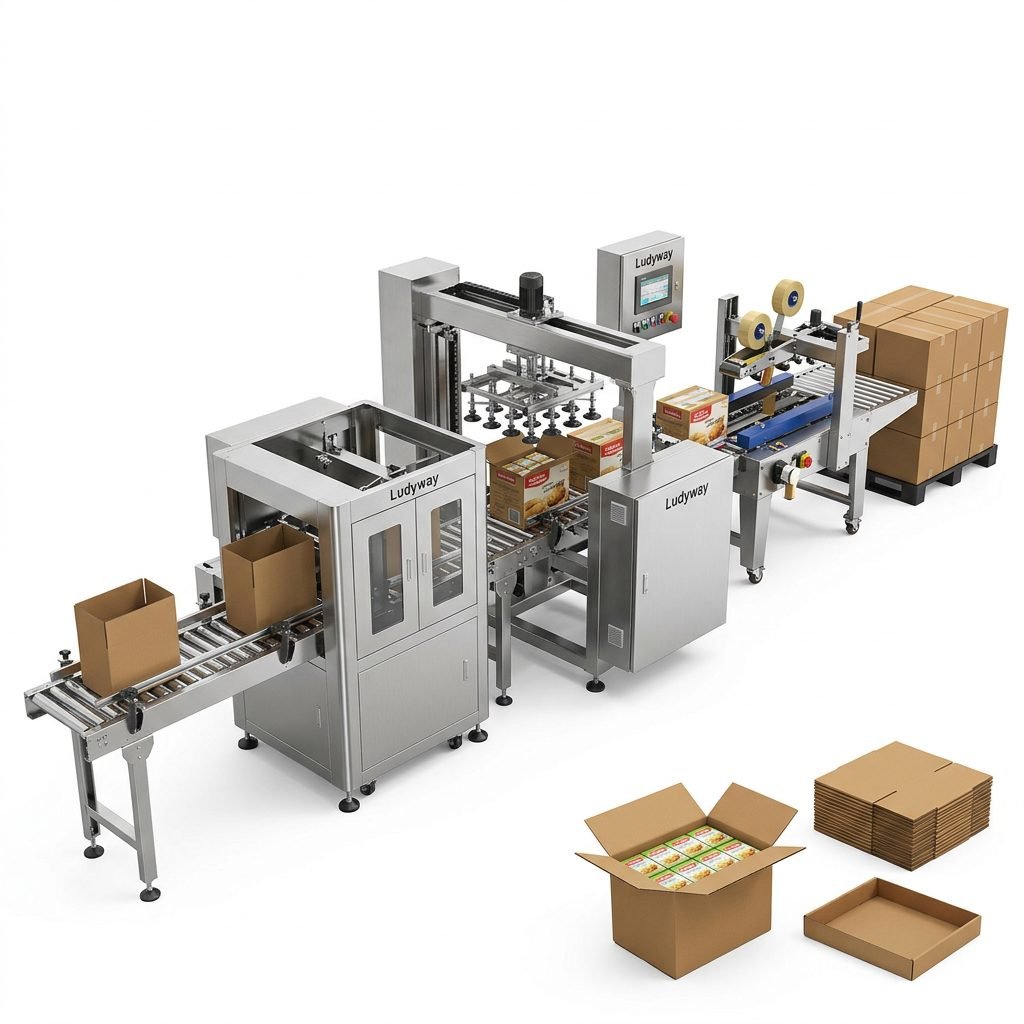
- Cartoning and Case Packing Machines: Automatically load individual pouches, trays, or bags into cartons or shipping cases, streamlining the end-of-line process.
Key Consideration: Fresh vs. Processed
The packaging requirements for fresh, whole vegetables (like potatoes or onions in mesh bags) differ vastly from those for processed items (like frozen mixed vegetables or dried herbs). Your product state dictates the necessary machine features, such as gentle handling systems or compatibility with freezing temperatures.
Essential Features and Technological Advancements
Modern vegetable packaging machines are equipped with features that boost productivity, ensure hygiene, and enhance flexibility.
Operational Efficiency & Control
- Automation and Speed: High-speed servo motors drive faster cycle times and smoother motion, increasing output while reducing mechanical wear.
- User-Friendly HMI (Human-Machine Interface): Touchscreen panels with intuitive software allow for quick changeovers between different products and package sizes, storing recipes for future use.
- Precision Dosing: Integration with advanced checkweighers and feedback systems ensures every package meets the exact weight specification, minimizing giveaway.
Hygiene and Product Integrity
- Sanitary Design: Machines should feature easy-clean surfaces, minimal crevices, and be constructed from food-grade materials like stainless steel, crucial for meeting global food safety standards.
- Gentle Product Handling: Features like soft-drop fill tubes or vibratory trays prevent damage to delicate vegetables during the packaging process.
- Modified Atmosphere Packaging (MAP) Capability: For fresh-cut produce, machines that can flush the package with a specific gas mixture (like nitrogen and carbon dioxide) dramatically extend shelf life by slowing spoilage.
Versatility and Sustainability
- Quick Changeover Systems: Modular components allow operators to switch between different bag sizes, film types, or filling heads with minimal downtime.
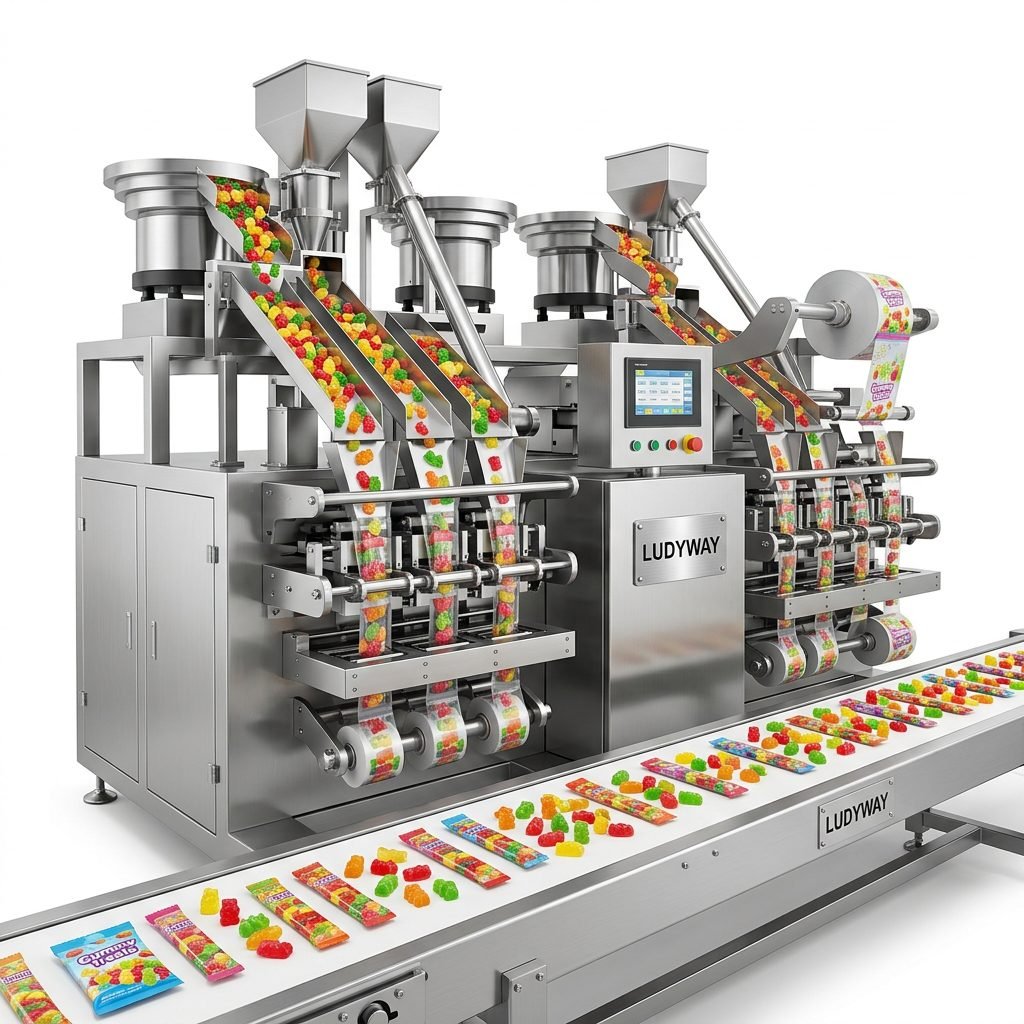
- Multi-Lane Packaging: Machines that package multiple streams simultaneously are ideal for high-volume production of small items like peas or lentils.
- Material Compatibility: The ability to run various sustainable packaging materials, such as compostable films or recyclable mono-material plastics, is becoming a significant competitive advantage.
A Step-by-Step Guide to Choosing Your Best Solution
Selecting the right machine requires a systematic evaluation of your business requirements. Follow this framework to make an informed decision.
Step 1: Define Your Product and Output Requirements
Start with the basics. What specific vegetables are you packing? What is their form (whole, cut, frozen)? Determine your required packaging speed (packages per minute) and the desired package type (stand-up pouch, flat bag, tray). Your annual production volume will dictate whether you need a semi-automatic or a fully automated, high-speed line.
Step 2: Evaluate Critical Machine Features
Match the features discussed earlier to your needs. Prioritize hygiene and gentle handling for fresh produce. If shelf-life extension is a goal, insist on MAP functionality. Assess the ease of operation and cleaning—these factors heavily impact long-term running costs and compliance.
Step 3: Consider Integration and Future Growth
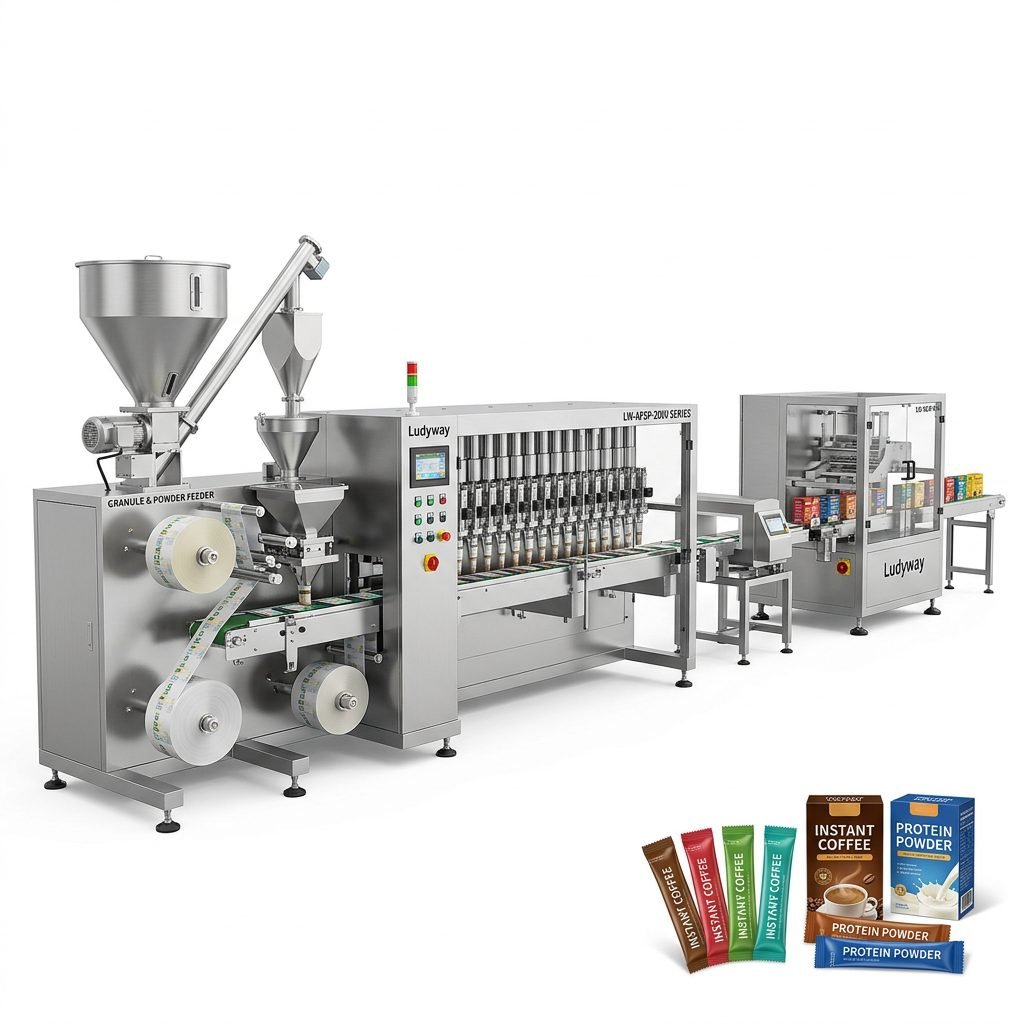
Think beyond the single machine. How will it integrate with your existing upstream (washing, cutting) and downstream (checkweighing, case packing) equipment? Choose a supplier, like Ludyway Packing Machine, that can provide a cohesive turnkey production line. Also, consider scalability. Can the machine handle a wider range of products or higher speeds if your business expands?
Step 4: Assess Supplier Credibility and Support
The machine is only as good as the company behind it. Investigate the supplier’s industry experience, reputation, and financial stability. Review their portfolio of successful installations, particularly in the vegetable sector. Crucially, examine their after-sales support: availability of spare parts, technical service, training programs, and warranty terms. A partner with deep packaging machinery expertise is invaluable.
Step 5: Analyze Total Cost of Ownership (TCO)
Look beyond the initial purchase price. Calculate the TCO by factoring in operational costs (energy consumption, required labor), maintenance costs, changeover downtime, and material waste. A slightly more expensive machine with higher efficiency, lower waste, and robust construction often proves more economical over a 5-10 year period.
Frequently Asked Questions (FAQs)
What is the most important factor when choosing a vegetable packaging machine?
The single most important factor is achieving a perfect match between the machine’s capabilities and the specific physical characteristics of your vegetable product (size, shape, fragility, moisture content). A machine perfect for frozen peas may destroy fresh spinach leaves.
Can one machine handle different types of vegetables and package sizes?
Yes, many modern machines are designed for versatility. Look for models with “quick changeover” features, modular tooling, and programmable HMI that stores settings for different products. However, there are always practical limits, so discuss your full product range with the supplier.
How does Modified Atmosphere Packaging (MAP) work for vegetables?
MAP machines replace the air inside a package with a controlled mixture of gases (typically nitrogen, carbon dioxide, and oxygen). This slows down the respiration rate of fresh-cut vegetables and inhibits microbial growth, extending shelf life from a few days to several weeks while maintaining freshness.
What maintenance does a vegetable packaging machine require?
Daily cleaning and sanitization are non-negotiable for food safety. Regular maintenance includes lubrication of moving parts, inspection and replacement of wear items like sealing jaws or film pull belts, and software updates. A proactive maintenance schedule from your supplier is essential.
Why is supplier support critical for packaging machinery?
Packaging lines are complex. Reliable technical support ensures minimal downtime when issues arise. Access to genuine spare parts, operator training, and service engineers who understand your specific machine and application are crucial for maintaining continuous production and protecting your investment over the long term.