Vegetable packing machine price can vary widely, and the right investment depends on more than the number on a quotation.
For food businesses, farms, fresh-cut processors, frozen vegetable brands, and private-label manufacturers, the best machine is the one that matches your product type, speed target, package style, and long-term production goals.
If you are comparing suppliers, it is important to evaluate not only the initial cost, but also automation level, packaging accuracy, machine durability, changeover time, maintenance needs, and after-sales support. A cheaper machine may cost more over time if it creates downtime, material waste, or unstable sealing quality.
What Affects Vegetable Packing Machine Price?
The price of a vegetable packing machine is influenced by several technical and commercial factors. Machines built for simple manual feeding and basic bag sealing cost less than fully automated systems with weighing, filling, sealing, coding, inspection, and cartoning functions.
- Product type: fresh vegetables, frozen vegetables, cut vegetables, dried vegetables, or vegetable powder
- Packaging format: pillow bags, premade pouches, sachets, stick packs, vacuum packs, or larger bulk bags
- Output speed: low, medium, or high-speed production
- Weighing and dosing system: multihead weigher, auger filler, cup filler, or volumetric system
- Automation level: semi-automatic standalone machine or complete turnkey line
- Material and hygiene design: stainless steel construction, food-grade contact parts, washdown-friendly structure
- Optional functions: nitrogen flushing, date coding, metal detection, checkweighing, zipper application, labeling, cartoning
In practical terms, buyers should think in terms of total operating value, not only purchase price. The most suitable machine helps reduce labor, increase packaging consistency, and support future product expansion.
Typical Vegetable Packing Machine Price Range
The ranges below are general market references. Actual prices depend on configuration, speed, material handling requirements, and customization level.
| Machine Type | Suitable Product | Estimated Price Range | Best For |
|---|---|---|---|
| Semi-automatic bagging machine | Fresh or bulk vegetables | USD 3,000–10,000 | Small farms and entry-level operations |
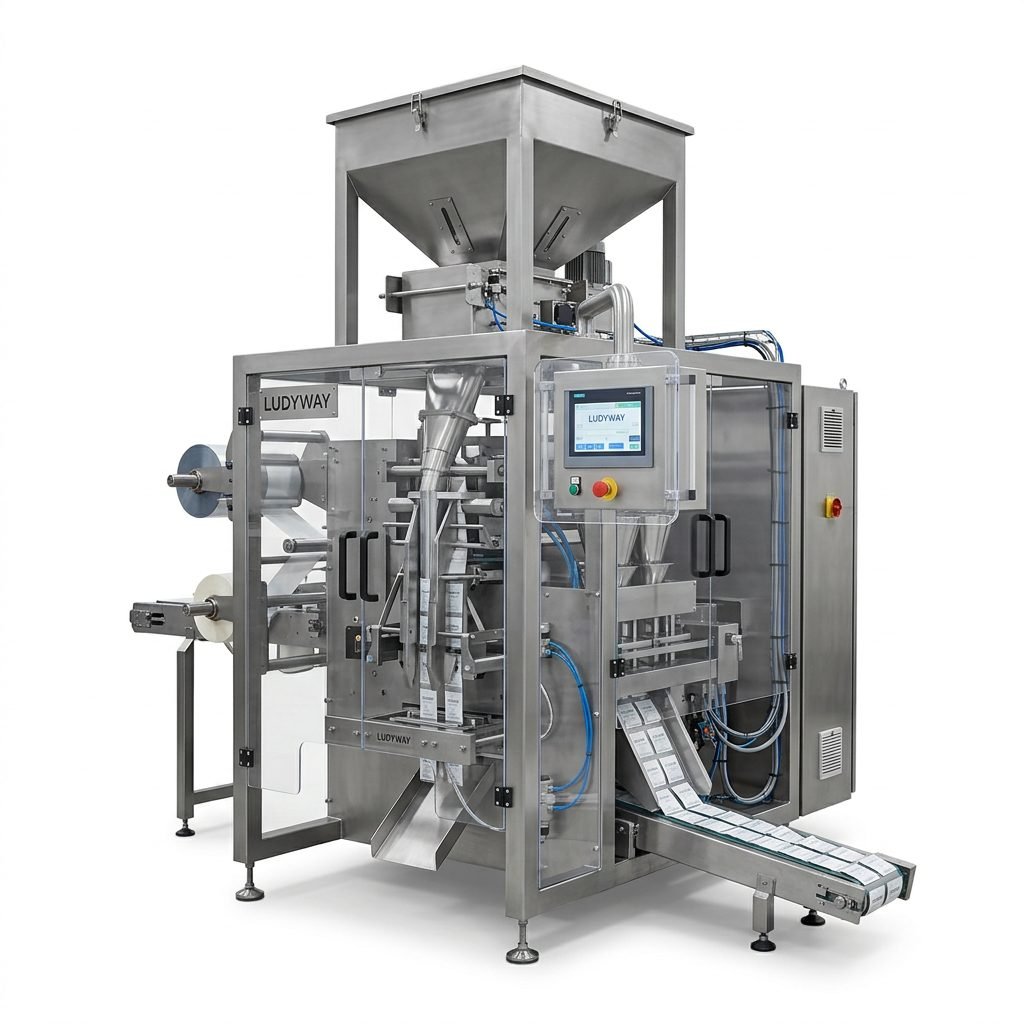
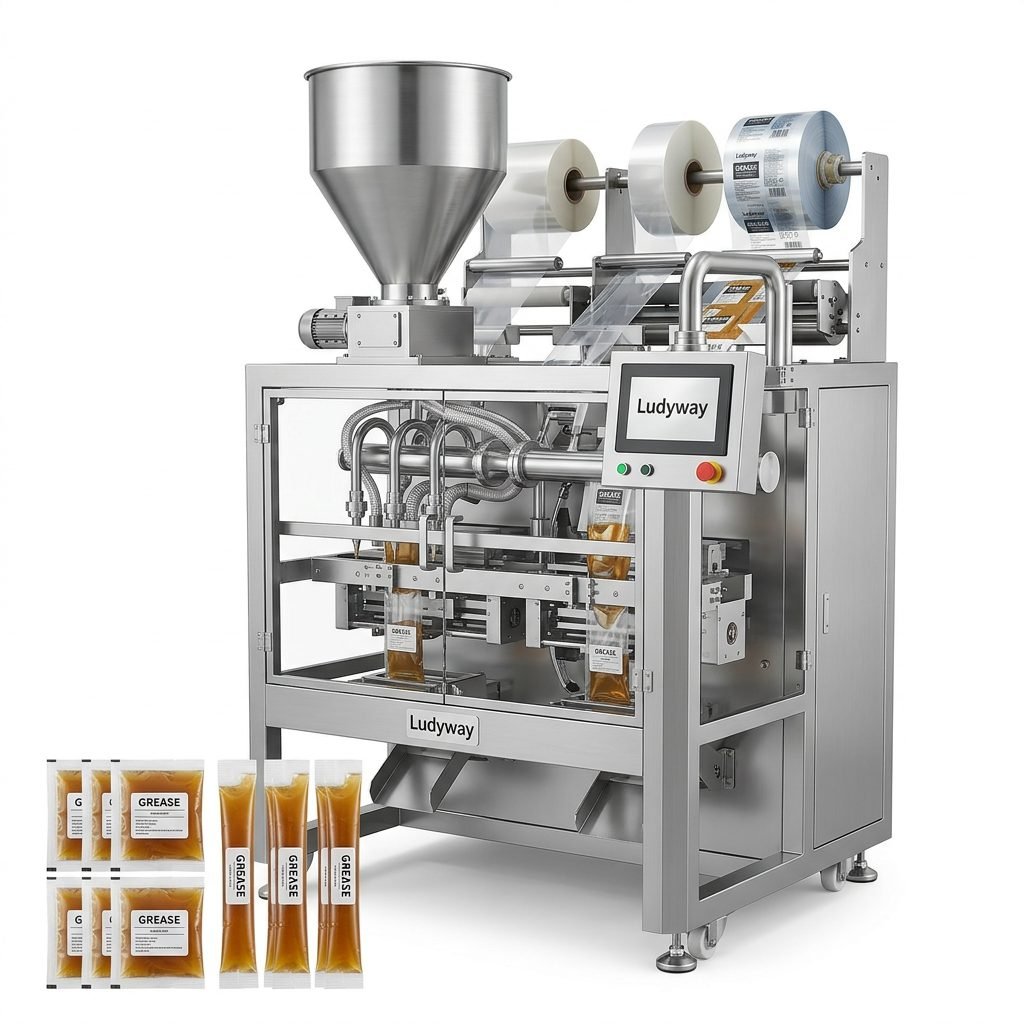
| Vertical form fill seal machine | Cut, frozen, or dried vegetables | USD 10,000–35,000 | Growing food brands and processors |
| Premade pouch packaging machine | Premium retail vegetables or mixed vegetable products | USD 20,000–60,000 | Retail-focused packaging with better shelf appeal |
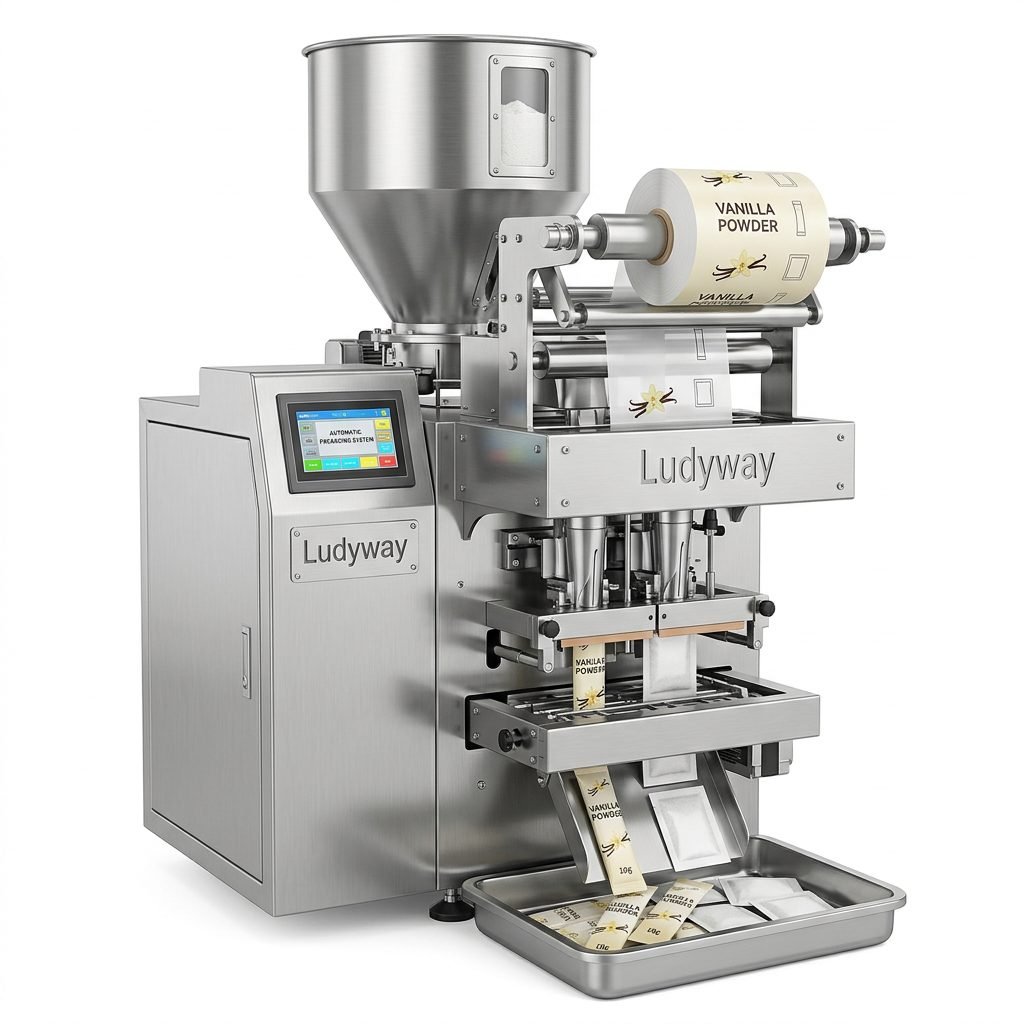
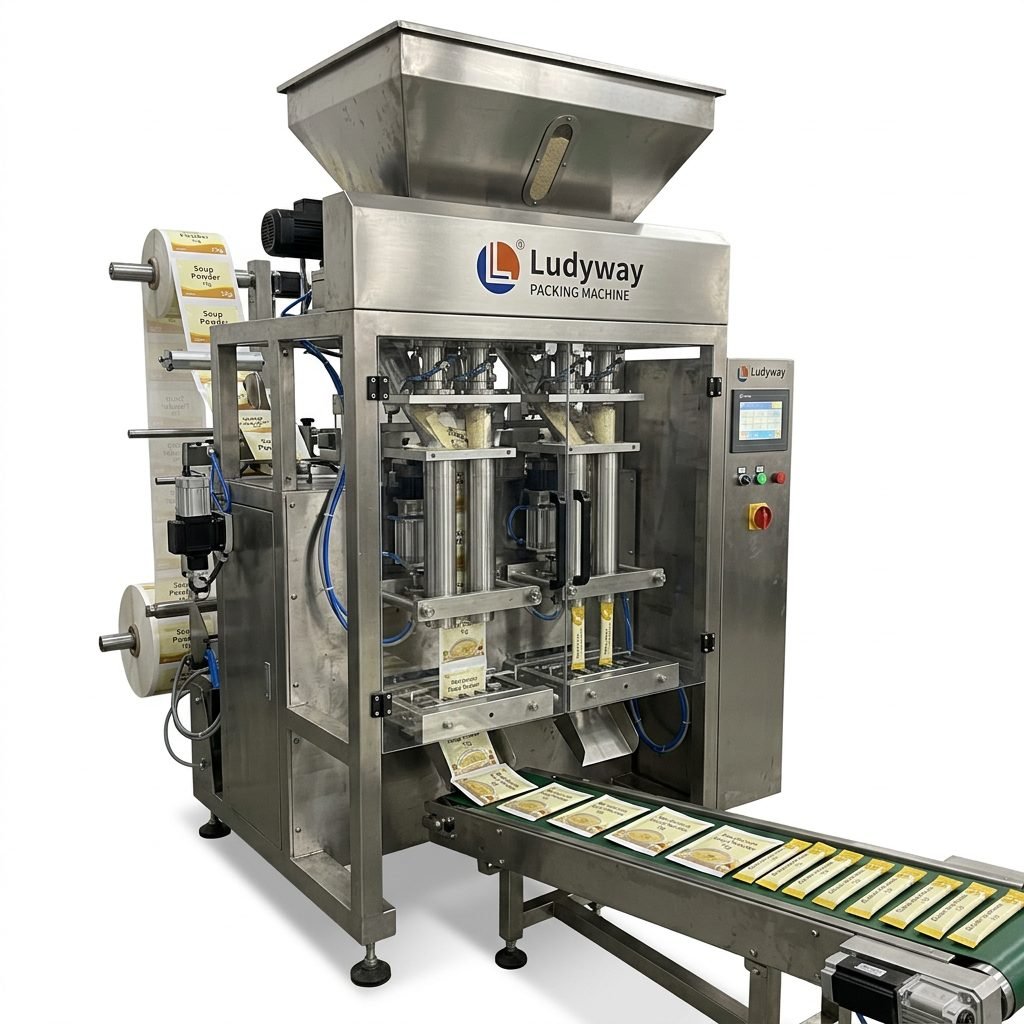
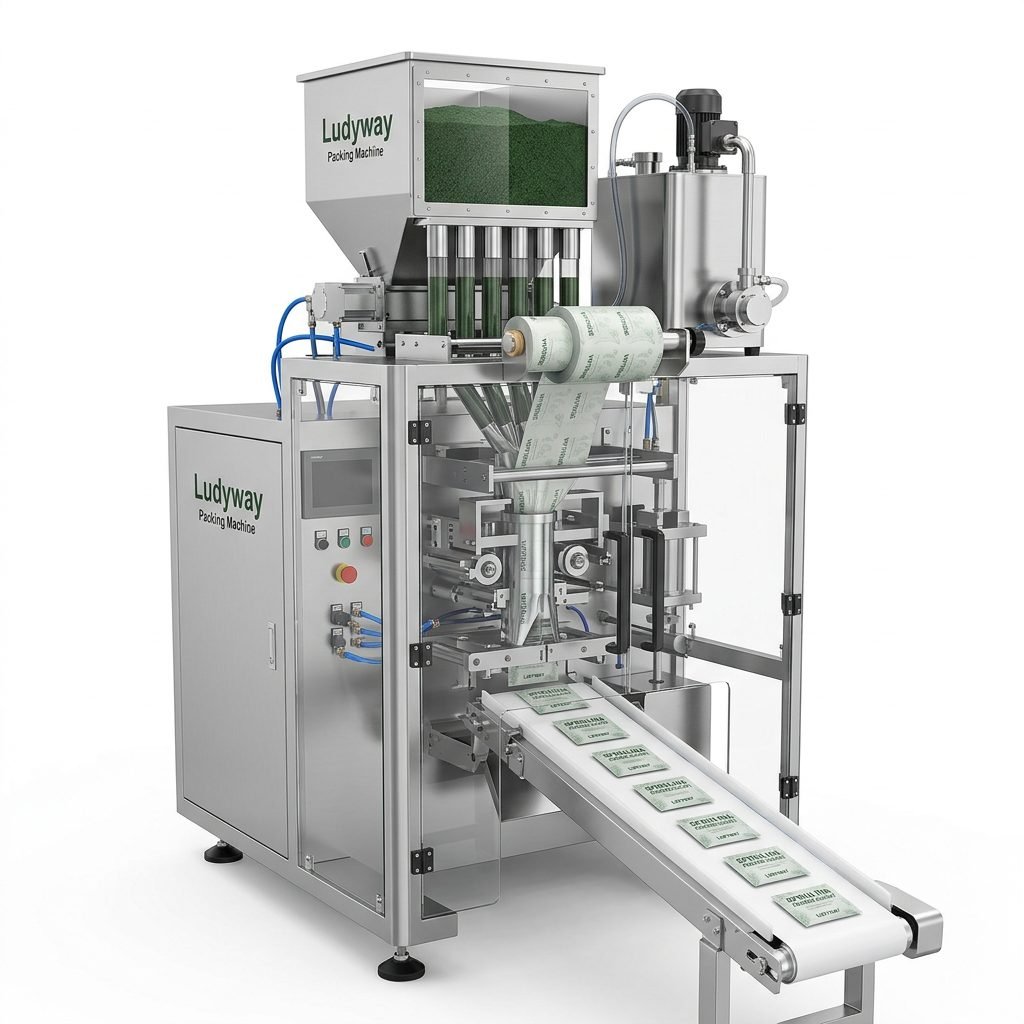
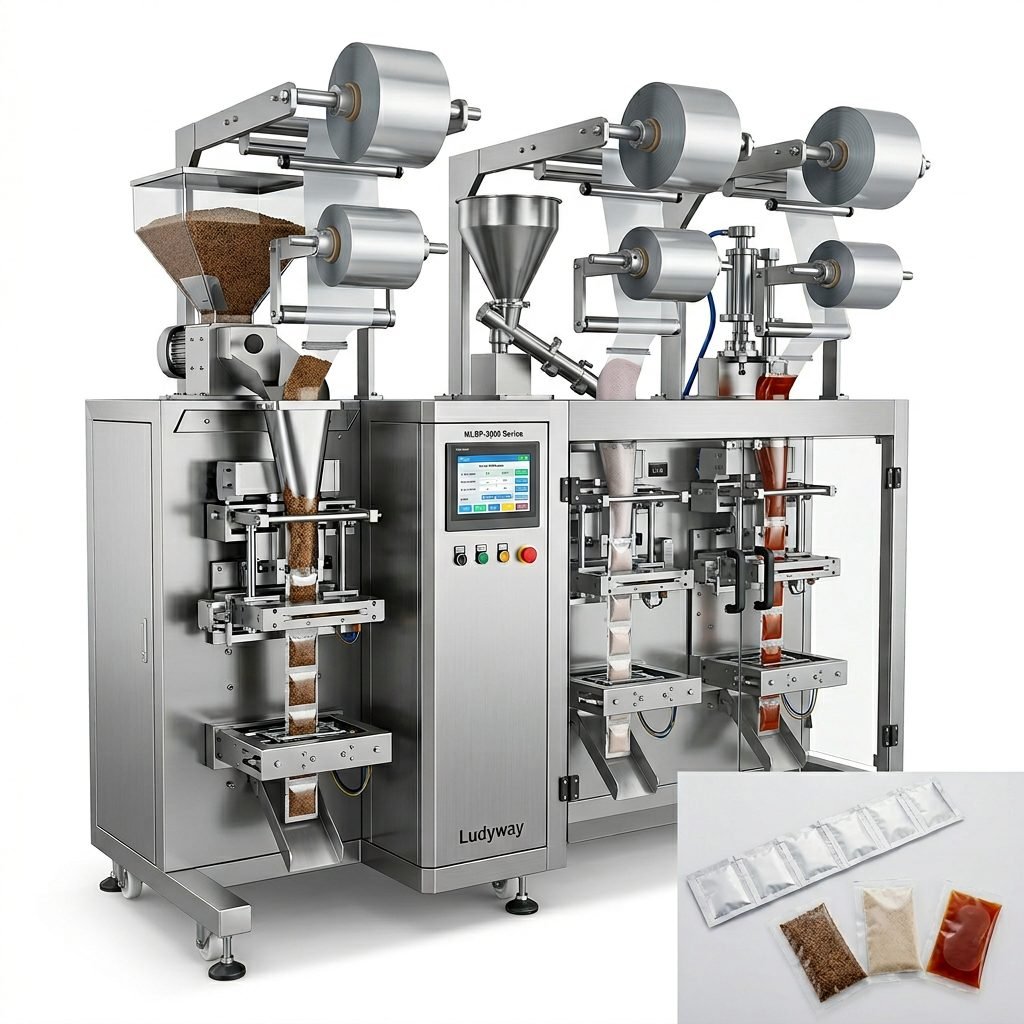
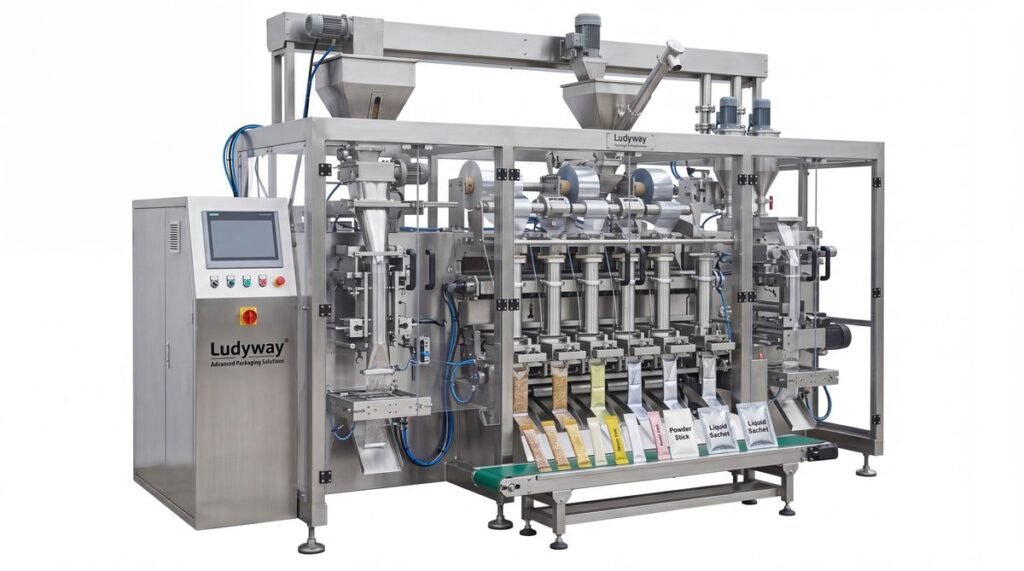
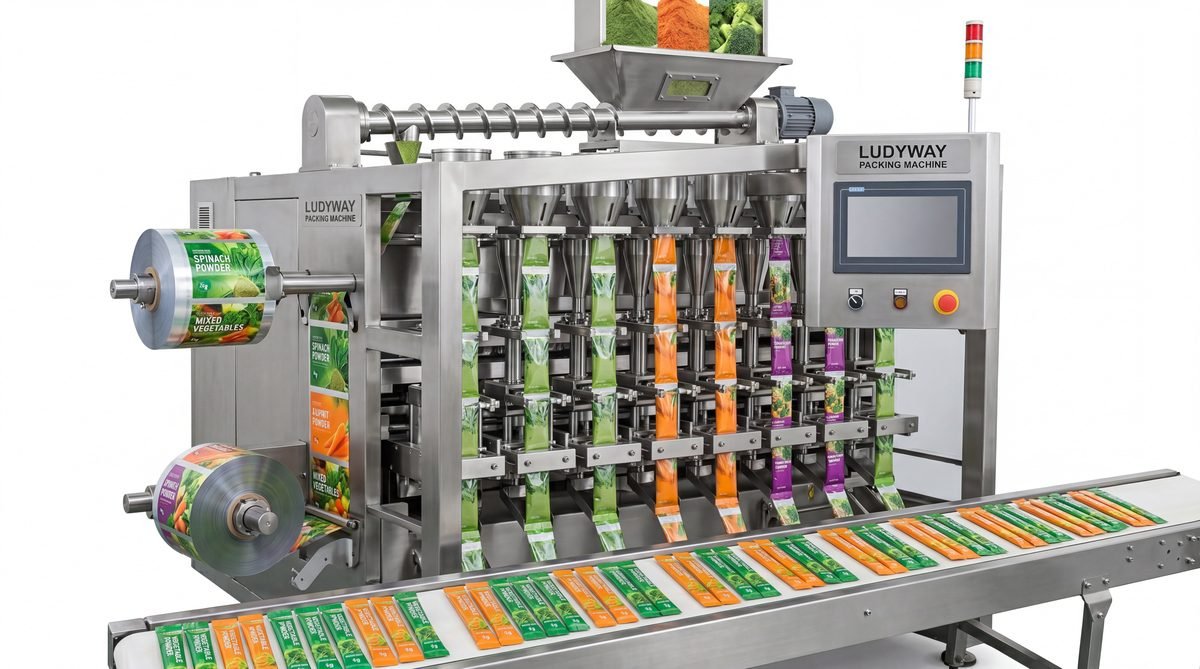
| Multi-lane sachet or stick pack machine | Vegetable powder, soup mix, seasoning blend | USD 25,000–80,000+ | High-volume single-serve packaging |
| Complete automatic packaging line | Integrated vegetable processing and packaging | USD 50,000–200,000+ | Large-scale factories and turnkey projects |
Choose Based on Your Vegetable Product Type
Different vegetable products require different feeding, weighing, and sealing technologies. Choosing the wrong machine can lead to unstable output, broken product, poor bag appearance, or inaccurate filling.
Fresh Vegetables
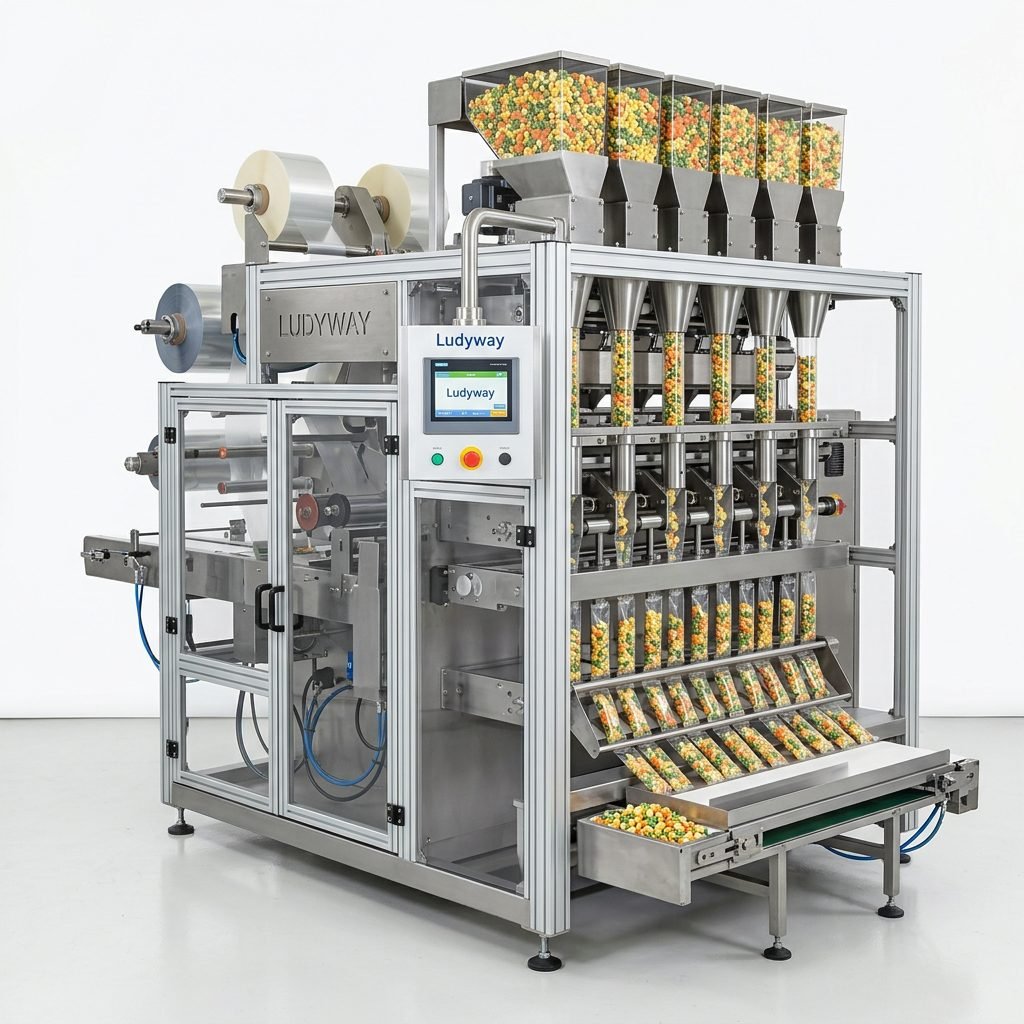
Fresh vegetables such as leafy greens, chopped salad, beans, or baby carrots often require gentle handling, breathable packaging options, and good sealing reliability. In many cases, a VFFS machine with multihead weigher or linear weigher is suitable.
Frozen Vegetables
Frozen peas, corn, diced carrots, and mixed vegetables usually need machines that can handle cold, free-flowing products efficiently. A robust automatic weighing and bagging system is commonly preferred for stable high-speed production.
Dried Vegetables
Dried onion flakes, mixed soup vegetables, and dehydrated vegetable pieces need packaging systems that protect against moisture. Sealing quality, accurate dosing, and compatible packaging film are key.
Vegetable Powder
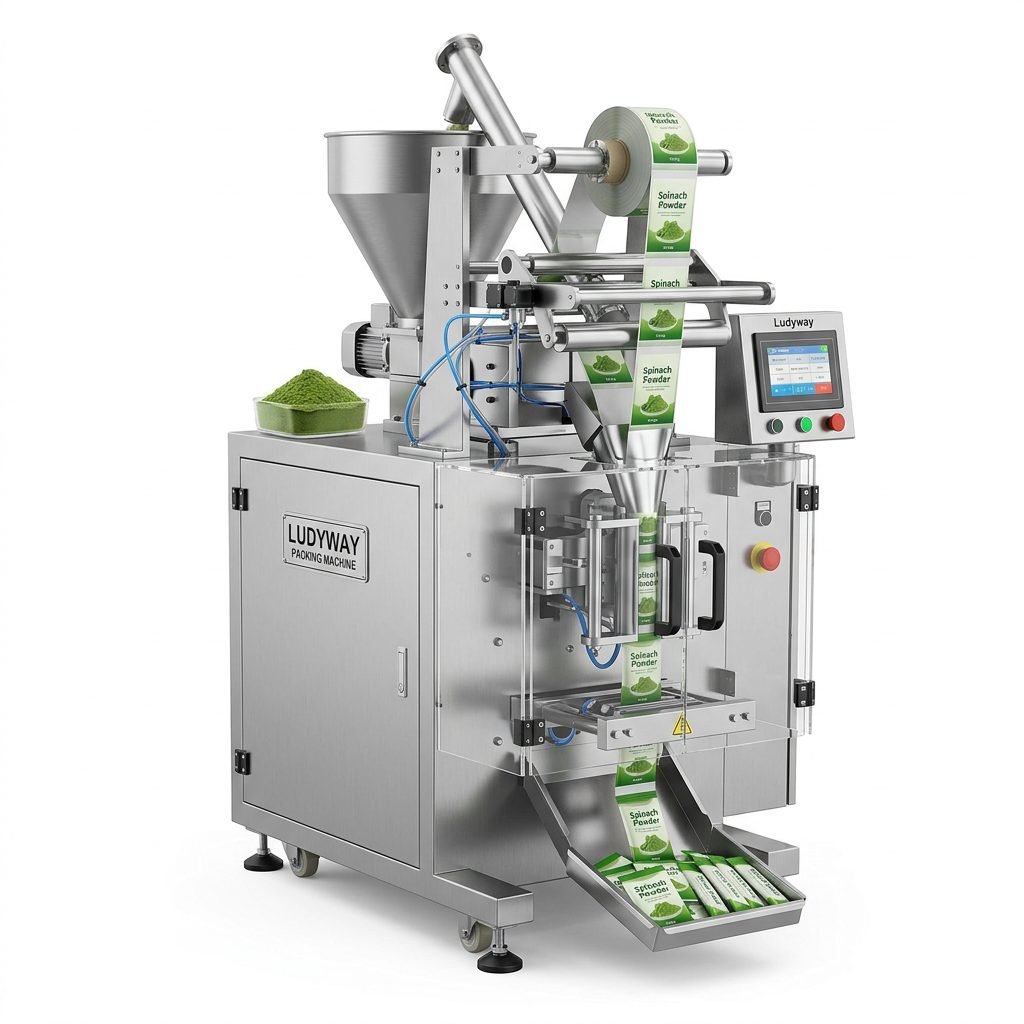
Spinach powder, carrot powder, beetroot powder, and similar products require auger filling or precision powder dosing. Dust control, sealing consistency, and anti-bridging design are especially important.
How to Match the Machine to Your Business Size
| Business Stage | Recommended Machine Direction | Buying Focus |
|---|---|---|
| Startup or local farm brand | Semi-automatic or compact automatic unit | Budget, ease of operation, simple maintenance |
| Growing processor | Mid-speed VFFS or premade pouch machine | Stable sealing, accurate filling, product flexibility |
| Established food manufacturer | High-speed automatic packaging line | Automation, output, integration, low downtime |
| OEM / private label producer | Flexible multi-format system | Fast changeover, multiple bag sizes, consistent quality |
Key Questions to Ask Before Buying
- What vegetables or vegetable-based products will you pack?
- What package size range do you need now and in the future?
- How many bags per minute are required to meet demand?
- Do you need nitrogen flushing, zipper pouches, coding, or inspection systems?
- How much floor space is available in your factory?
- Will the machine integrate with upstream washing, cutting, drying, or conveying equipment?
- How quickly can spare parts and technical support be provided?
Asking these questions early can help you avoid underbuying or overbuying. A machine that is too small may limit growth, while a highly complex system may not make sense for a low-volume product line.
Important Features Worth Paying For
Not every premium feature is necessary, but some upgrades deliver strong value over time.
- Servo-driven control: improves accuracy and machine stability
- Quick changeover design: reduces downtime between SKUs
- Dust-proof or moisture-resistant structure: useful for powder or chilled applications
- Automatic film tracking: helps maintain attractive package appearance
- Integrated weighing system: supports more precise fill control
- Remote diagnostics: can shorten troubleshooting time
- Food-grade stainless steel: supports hygiene and easier cleaning
Low Price vs. Long-Term Value
Many buyers start by searching for the lowest vegetable packing machine price, but long-term value often matters more. A reliable machine may reduce:
- product giveaway from inaccurate filling
- film waste caused by poor sealing or misalignment
- labor dependency
- unexpected repair costs
- production delays during peak season
This is especially important for businesses supplying supermarkets, foodservice distributors, or export markets where packaging consistency affects brand image and compliance.
Should You Buy a Standalone Machine or a Turnkey Line?
A standalone machine can be ideal if you already have feeding, conveying, weighing, or downstream packing equipment. It usually costs less upfront and can fit smaller production plans.
A turnkey packaging line is often better when you want smoother workflow and integrated control from product feeding to final output. For example, a complete line may include:
- feeding conveyor or elevator
- weighing or dosing unit
- bagging or sachet forming machine
- date coding system
- metal detector or checkweigher
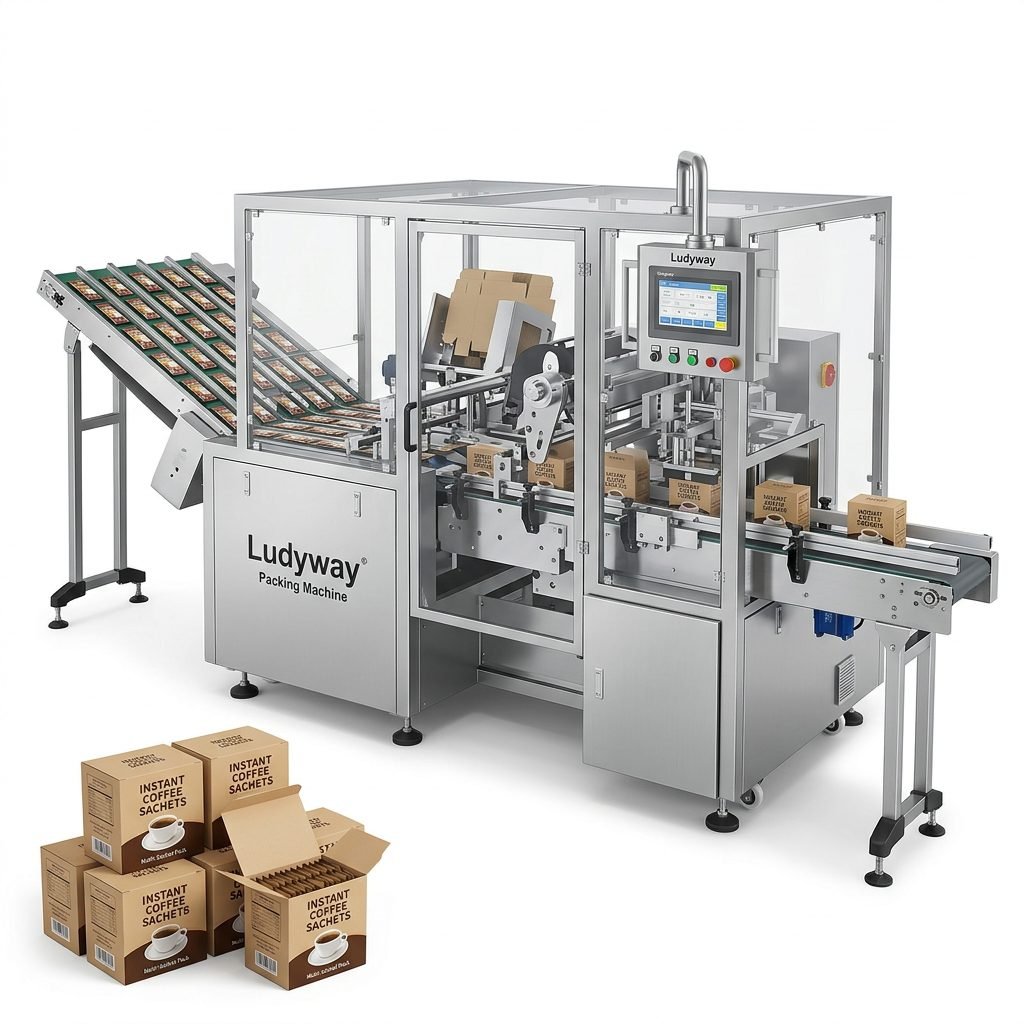
- cartoning, case packing, or palletizing equipment
For medium and large operations, a coordinated line often provides better efficiency, cleaner installation, and stronger production consistency.
Why Supplier Experience Matters
The right supplier should understand not only packaging equipment, but also your product behavior, capacity requirements, and future expansion needs. Buyers often prefer manufacturers that can offer customization, testing, installation guidance, and long-term support.
If you are looking for scalable packaging solutions, Ludyway vegetable packing machine solutions are backed by more than 30 years of packaging machinery experience, a manufacturing base of over 20,000 square meters, and broad export service across global food, pharmaceutical, and related industries.
Red Flags to Avoid When Comparing Quotes
- Quoted price does not include core components or necessary accessories
- Machine speed is listed without specifying actual product conditions
- No clear information about warranty, spare parts, or technical support
- Unclear material grade for food-contact parts
- No sample testing or packaging compatibility confirmation
- Very low price with no explanation of control system, electrical brands, or sealing technology
Final Buying Checklist
- Define your exact vegetable product and moisture condition
- Confirm package style, weight range, and target output
- Compare machine price with labor-saving potential
- Check sealing quality, accuracy, and hygiene design
- Evaluate supplier experience and export service ability
- Ask about customization and future line expansion
- Review total cost of ownership, not only initial machine cost
The best vegetable packing machine price is not simply the cheapest offer. It is the price that gives your business the right balance of performance, reliability, scalability, and return on investment. When your machine matches your product and production strategy, it becomes a growth asset rather than just a piece of equipment.