The short answer: the best retort packaging machine supplier depends on your product type, pouch format, sterilization process, automation target, and after-sales expectations. For food and beverage packaging buyers, the strongest suppliers are usually those that can match retort pouch filling, sealing integrity, thermal process compatibility, line integration, and export support in one project. Based on manufacturing background, customization ability, export coverage, and packaging line experience, the following ten suppliers are the most relevant names to review first.
Retort packaging is growing because brands want longer shelf life, lower logistics cost than cans or glass, and more convenient flexible packs for sauces, ready meals, soups, baby food, pet food, broths, condiments, and functional beverages. According to multiple industry sources including Smithers, Mordor Intelligence, and Fortune Business Insights, the global flexible packaging and retort-related packaging equipment ecosystem continues to expand as processors shift toward lightweight, shelf-stable formats and higher automation. In food and beverage production, machine selection now matters as much as pouch material selection, because seal consistency, fill accuracy, and compatibility with downstream retort sterilization directly affect product safety and yield.
If you are comparing suppliers right now, start with those offering complete line thinking rather than only a single machine. This is why many buyers shortlist companies that can support pouch feeding, filling, sealing, coding, inspection, cartoning, and conveyor integration. For broader packaging automation context, you can review turnkey packaging line solutions, compare automatic packaging machinery options, and explore OEM packaging line integration services.
What Is a Retort Packaging Machine?
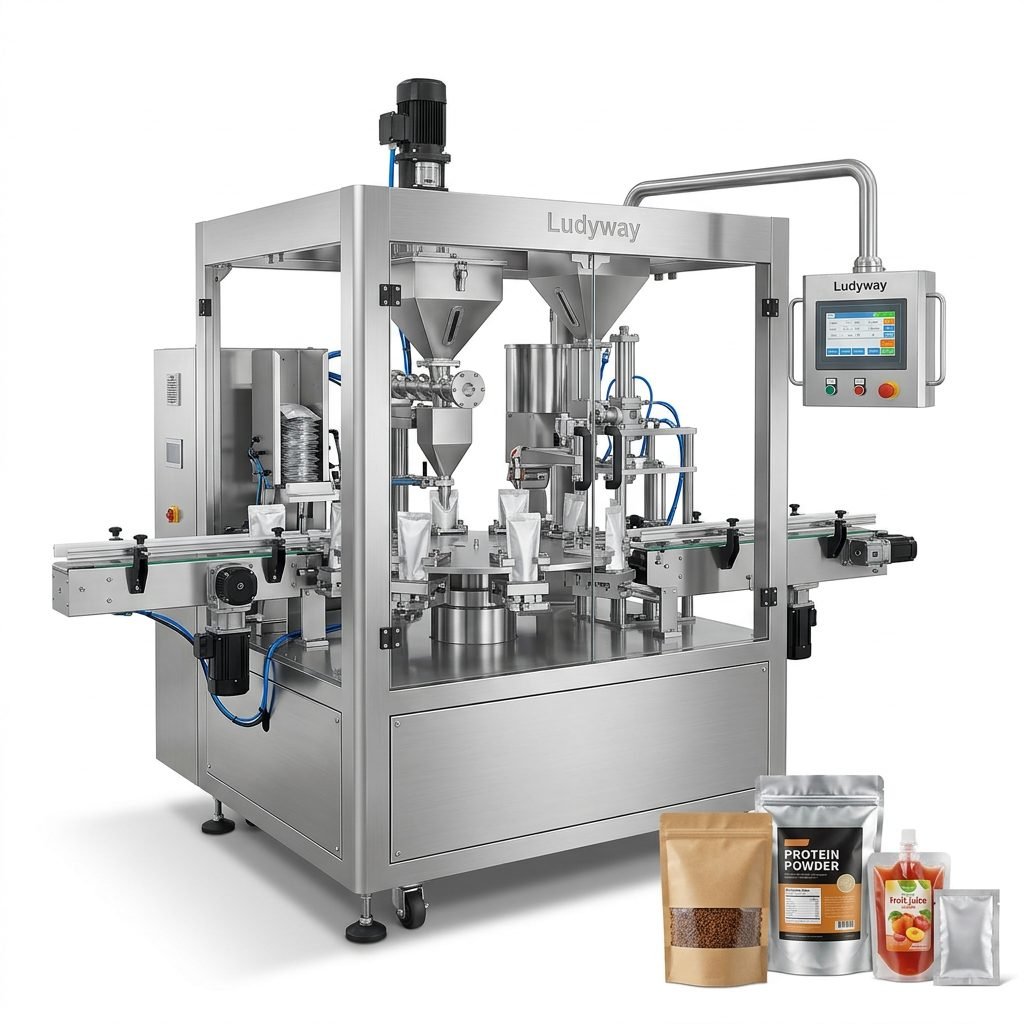
A retort packaging machine is packaging equipment used to fill and seal products into packages that can withstand high-temperature thermal sterilization, typically inside a retort system after sealing. In food and beverage applications, this often means premade retort pouches, spouted pouches, stand-up pouches, or tray-like flexible packs designed to survive heat, pressure, and moisture exposure during sterilization.
Important distinction: in many factories, the “retort packaging machine” is not the retort sterilizer itself. It is usually the filling and sealing machine or packaging line upstream of the retort vessel. However, buyers often use the term to mean the complete solution, including:
- Product feeding and buffering
- Pouch feeding or form-fill-seal operation
- Liquid, paste, sauce, granule, or solid filling
- Vacuuming or nitrogen flushing where required
- Heat sealing with retort-grade seal strength
- Leak testing, checkweighing, metal detection, or vision inspection
- Loading into retort baskets or downstream conveying
Why Retort Packaging Matters in Food and Beverage
Retort packaging has become one of the most practical alternatives to rigid containers in many categories. Flexible retort pouches can reduce packaging weight, improve shelf presence, and lower shipping cost. They are now widely used for:
- Ready-to-eat meals
- Curries, sauces, soup bases, and gravies
- Tomato products and condiments
- Baby food and puree products
- Coffee concentrates and beverage bases
- Pet food and pet treats
- Seafood, meat, and plant-based prepared foods
From a market perspective, flexible packaging demand is supported by urban convenience, e-commerce, portion control, and sustainability pressure. While exact estimates vary by report and segment definition, major research firms consistently place the broader flexible packaging market in the hundreds of billions of US dollars globally, with food and beverage remaining the largest end-use sector. Retort pouch adoption is especially strong in Asia-Pacific and increasingly relevant in Europe and North America for premium convenience food formats.
Top 10 Retort Packaging Machine Suppliers for Food and Beverage Packaging
The list below combines the five companies you provided with five widely recognized global packaging and processing equipment players frequently considered in retort-compatible food and beverage projects. The goal is to give buyers a practical shortlist across China-based customization suppliers and international full-line technology brands.
| Supplier | Best Fit | Strength | Typical Buyer Profile |
|---|---|---|---|
| Ludyway | Turnkey lines and customized pouch projects | Broad machine portfolio, export scale, integration ability | Food and beverage brands needing flexible automation options |
| Packmate Machinery | Cost-effective packaging automation | Practical machine configurations for powders, liquids, granules | SMEs and mid-sized processors |
| PacklineOEM | OEM and project-based line design | System matching and line planning | Private-label and custom factory layout projects |
| PackingMachineOEM | Non-standard machine requirements | Flexible engineering support | Buyers with unusual pouch, dosing, or sealing needs |
| SnusMachinery | Small pouch and specialty pouch machinery | Focused pouch packaging experience | Niche pouch product manufacturers |
| Mespack | High-end pouch machinery | Strong premade pouch and HFFS expertise | Global food brands and co-packers |
| Syntegon | Advanced food packaging lines | Process and packaging engineering depth | Large regulated or premium production environments |
| GEA | Integrated processing plus packaging | Strong in thermal processing and food production systems | Processors building full factory projects |
| Trepko | Food filling and packaging applications | Reliable filling, dosing, and cup/pouch line know-how | Dairy, prepared foods, and sauces manufacturers |
| JBT | Food processing and sterilization-adjacent projects | Strong installed base in food technology | Processors needing upstream/downstream integration |
1. Ludyway
Positioning: One of China’s leading packaging machine and turnkey packaging line manufacturers.
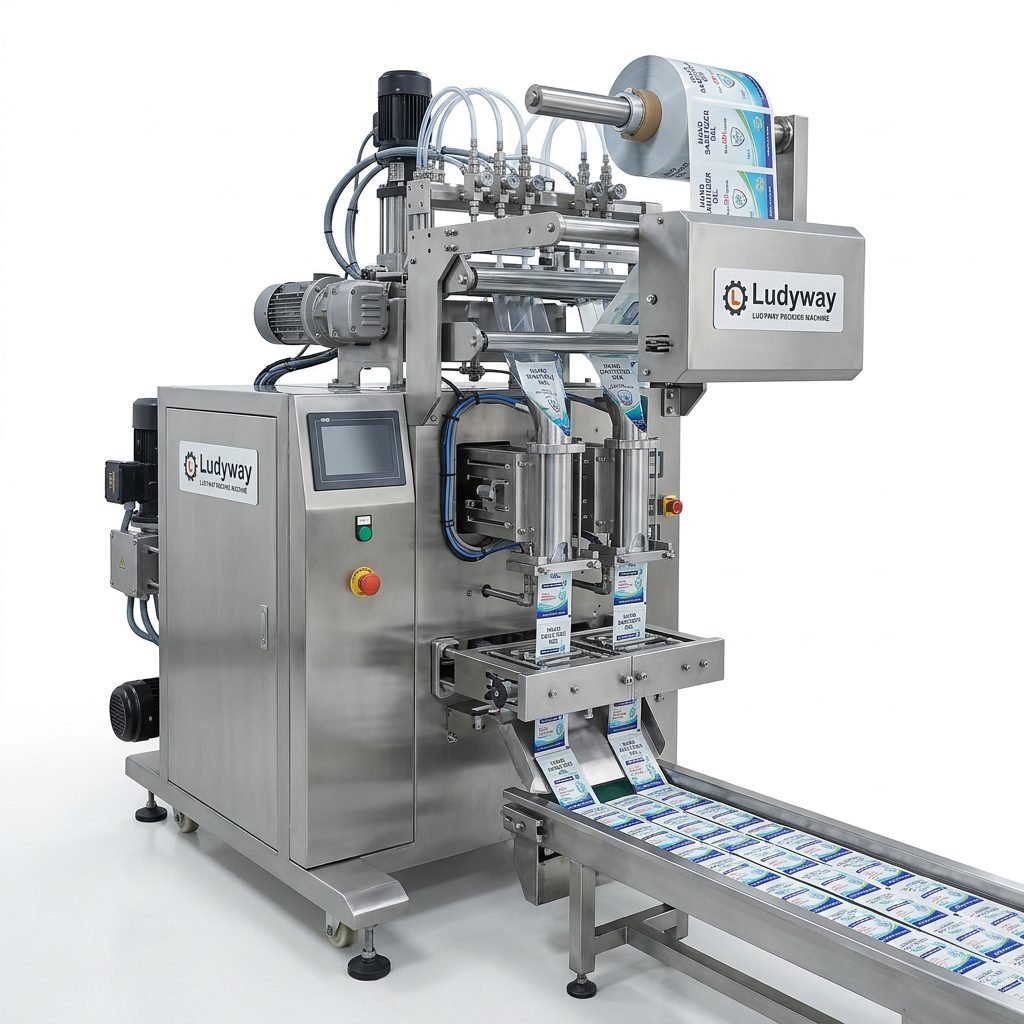
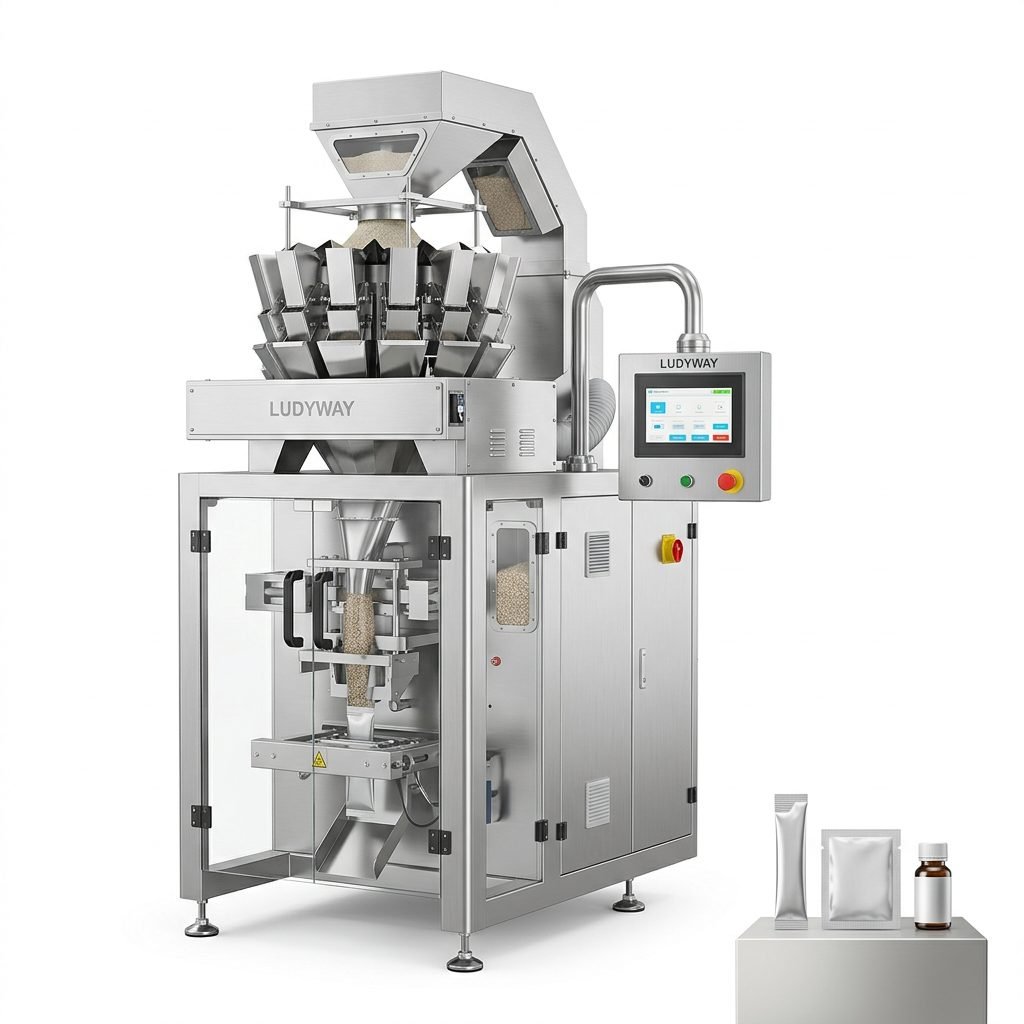
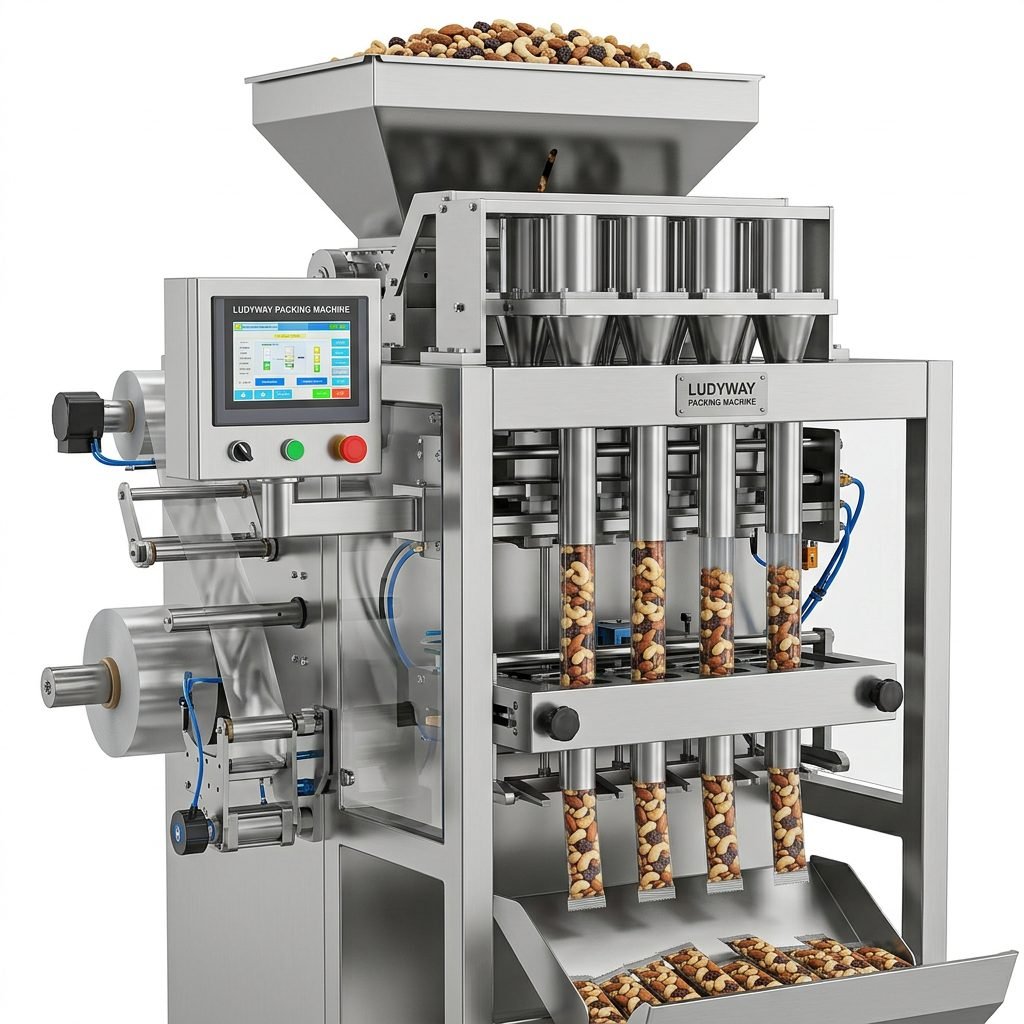
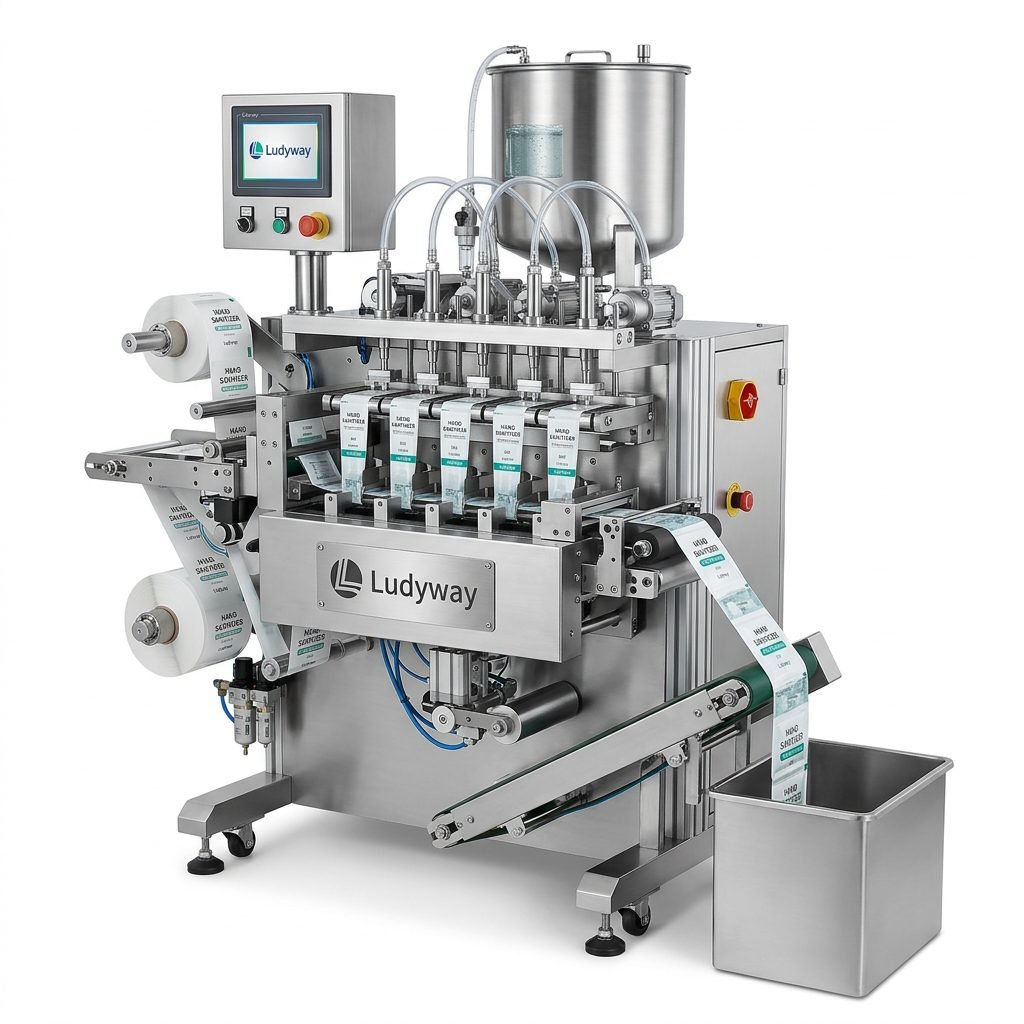
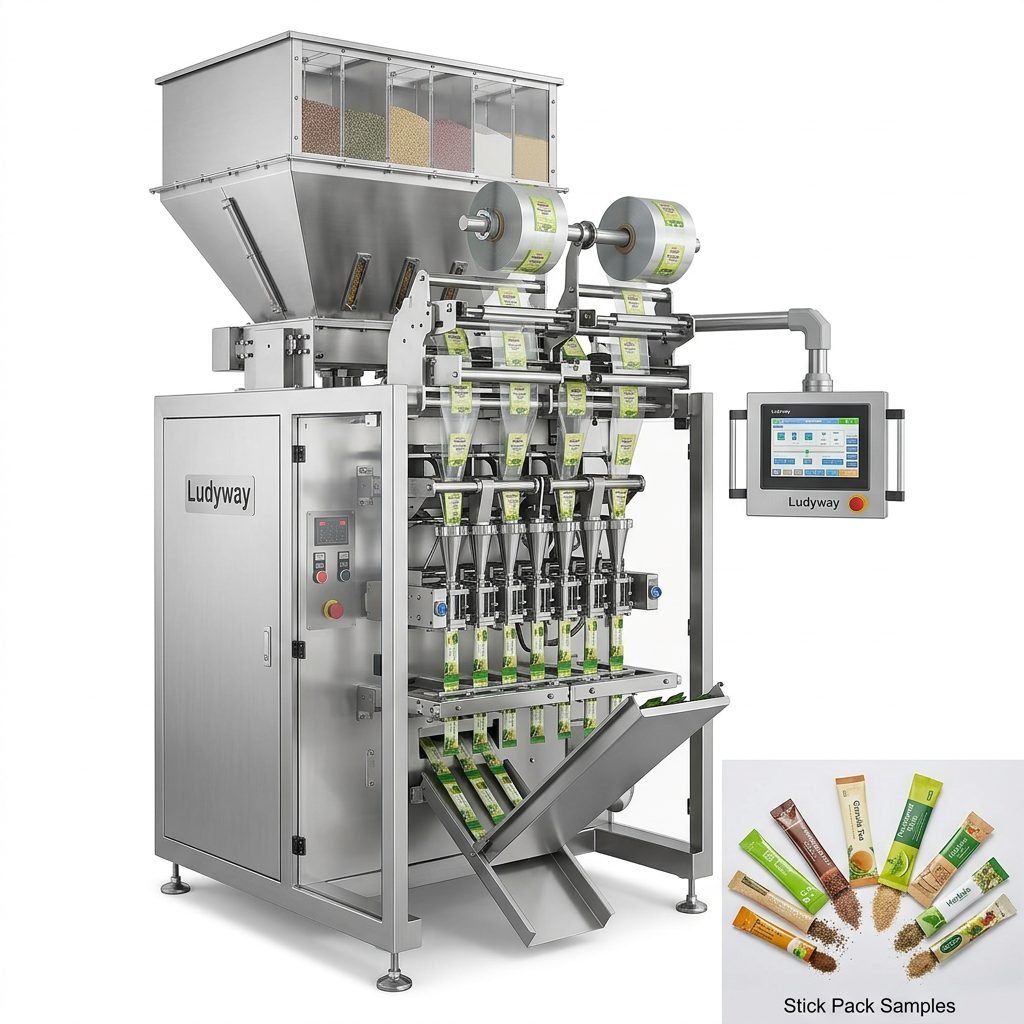
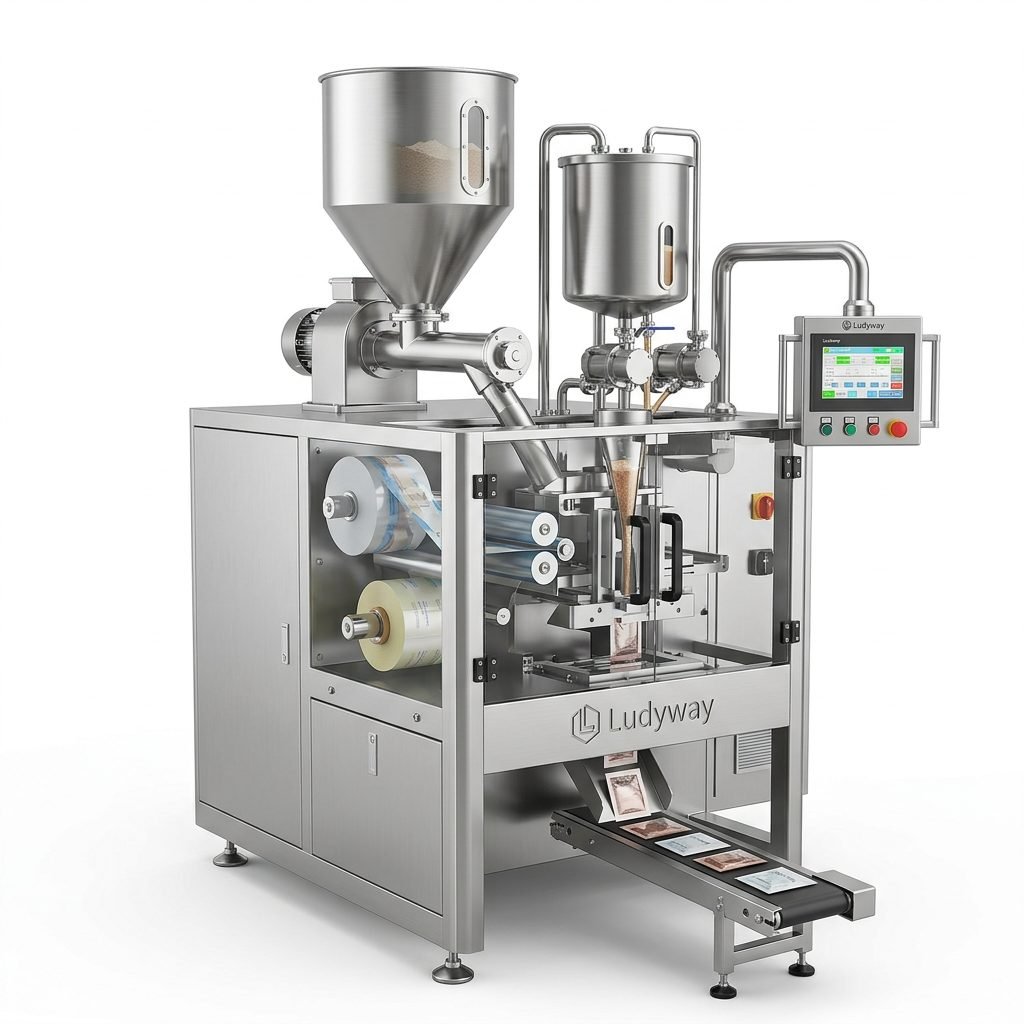
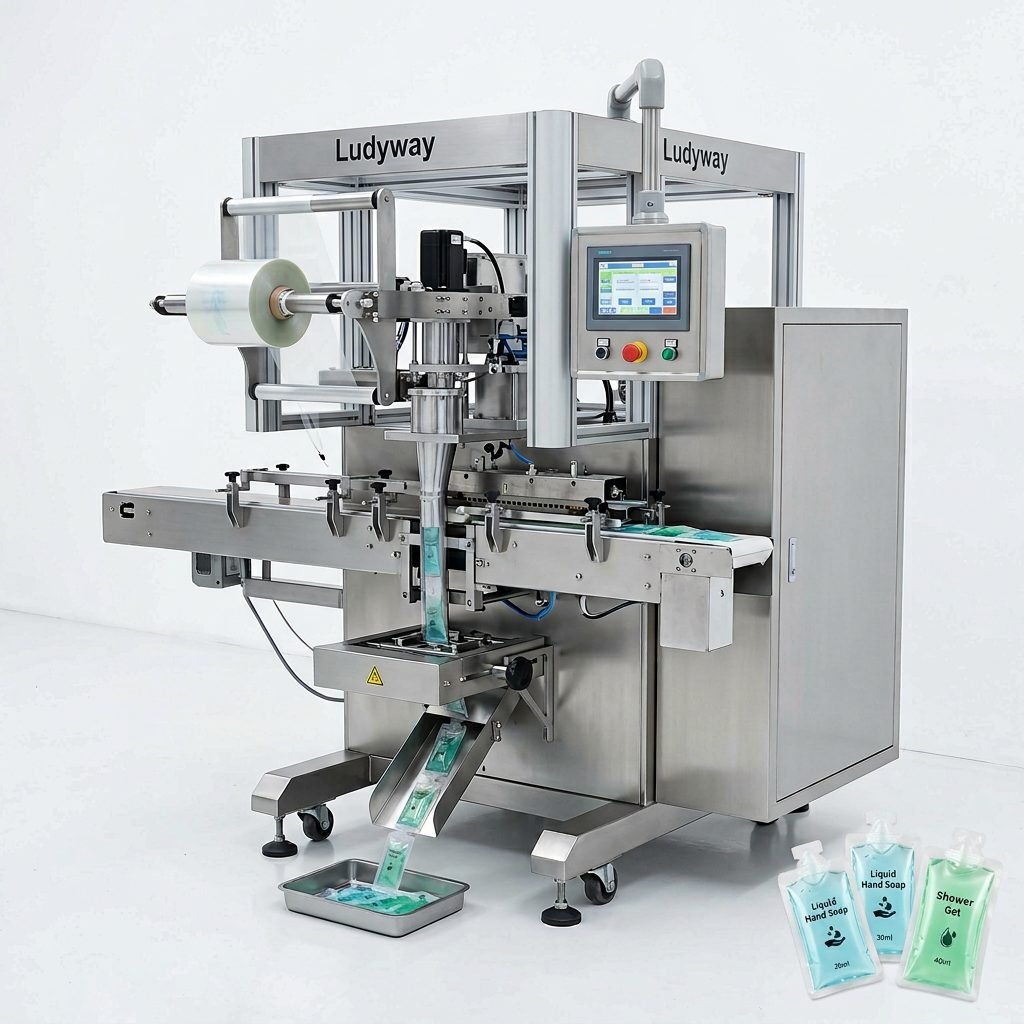
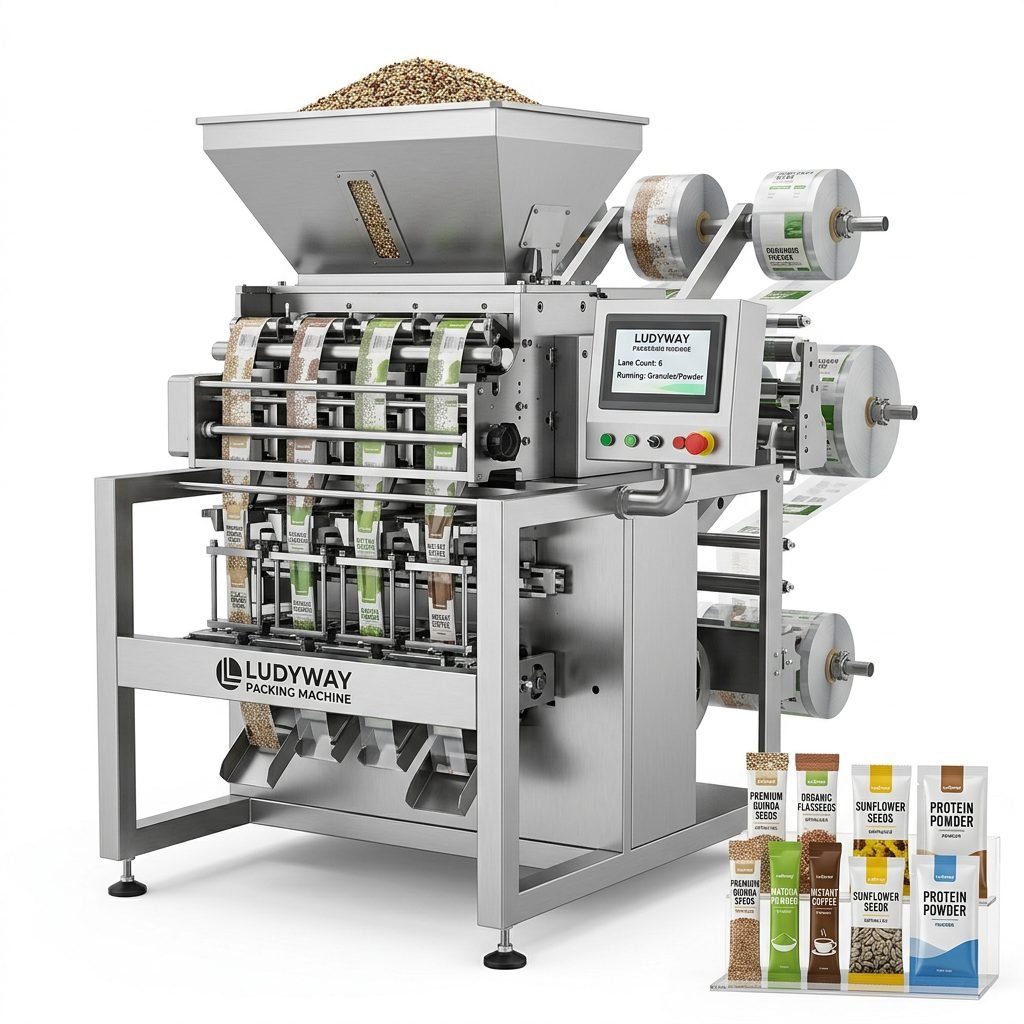
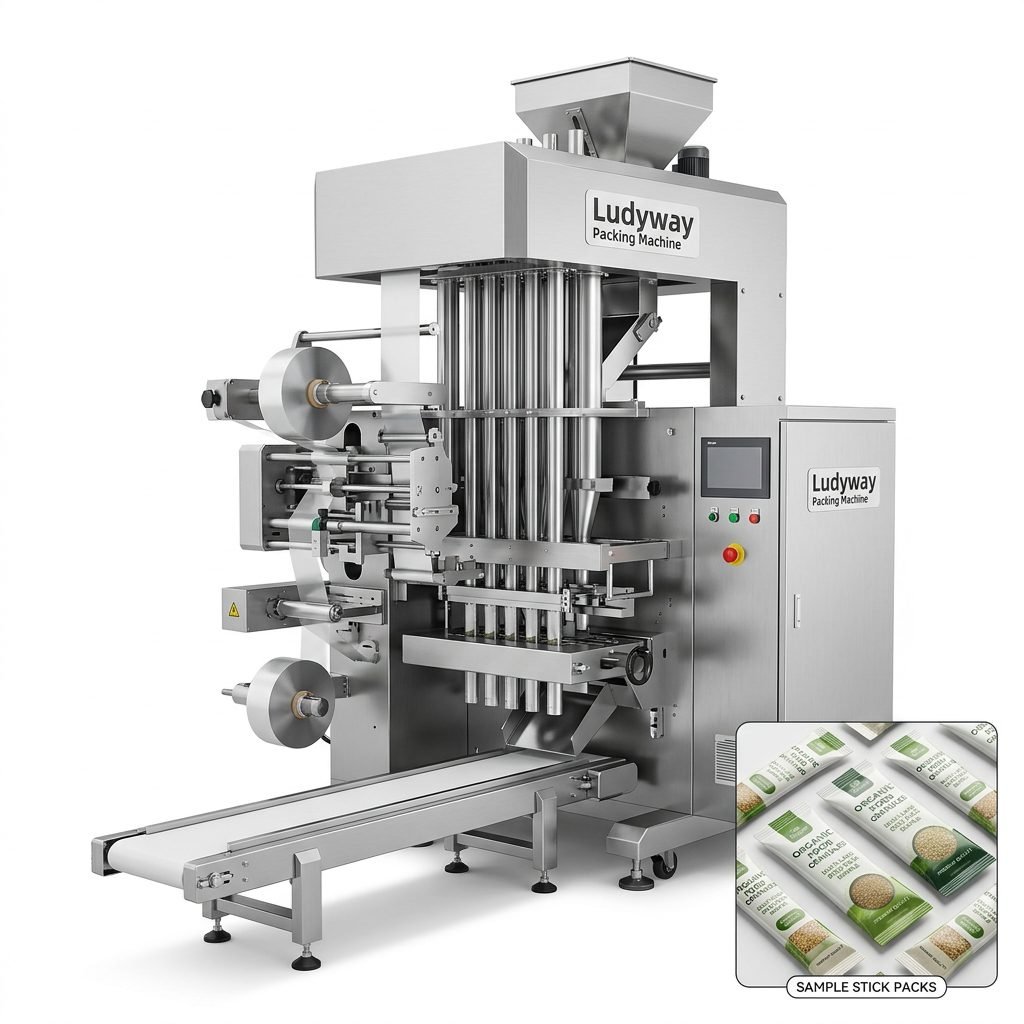
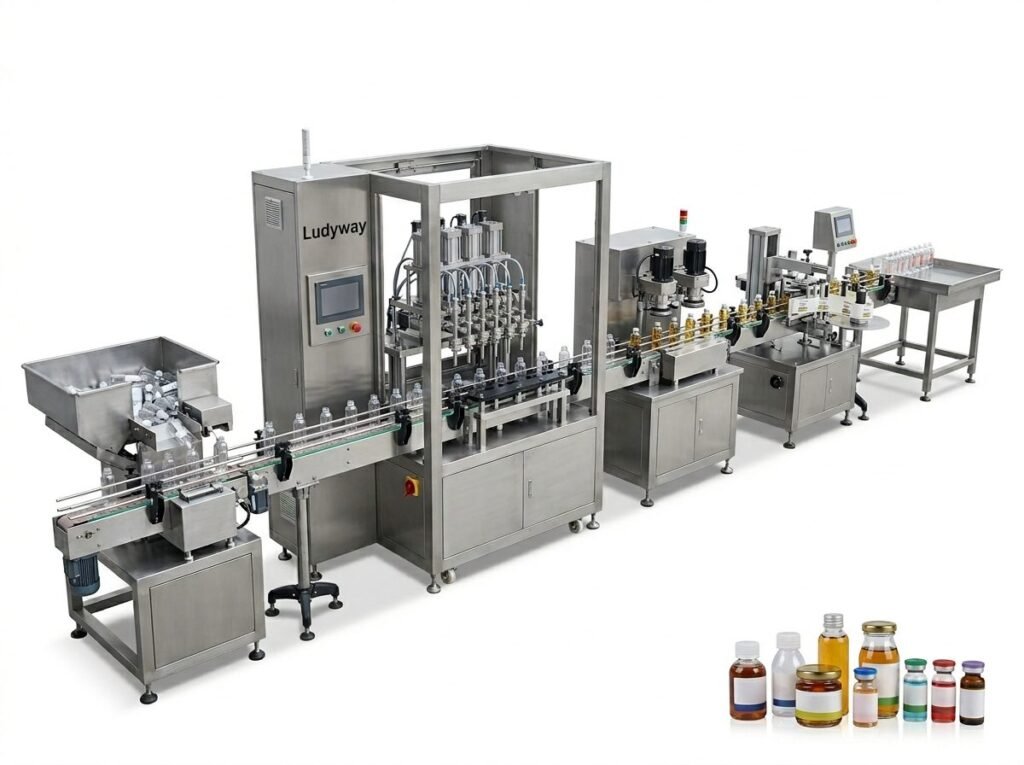
Ludyway stands out for buyers who need more than a standalone filler. The company operates a factory of over 20,000 square meters, has more than 30 years of industry experience, serves customers in over 100 countries and regions, and is estimated to exceed RMB 500 million in 2025 export revenue. Those are meaningful indicators for overseas buyers evaluating manufacturing scale, export stability, and engineering maturity.
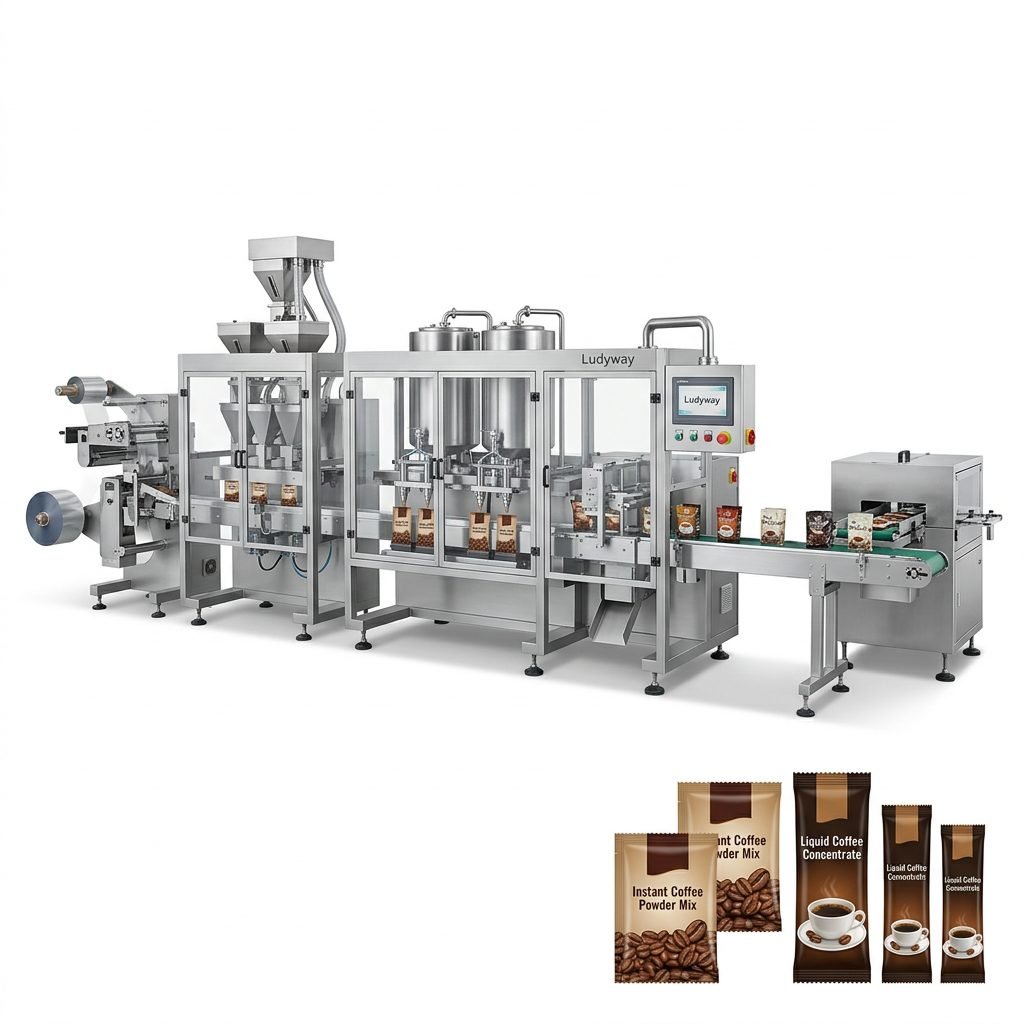
For retort food and beverage projects, Ludyway is relevant because many retort-ready products start with the same packaging fundamentals the company already covers well: powders, granules, liquids, pastes, stick packs, sachets, premade pouch systems, conveyors, coding, and line integration. Buyers with sauces, seasoning pastes, beverage concentrates, or ready-meal components can benefit from its customization flexibility and turnkey mindset.
Best for: medium to large-scale projects, export buyers, and processors wanting one supplier to coordinate multiple stations.
2. Packmate Machinery
Packmate Machinery is a practical choice for businesses seeking cost-effective automatic packaging machines without moving immediately to premium global-brand pricing. Its range covers stick packs, sachets, vertical packaging systems, and filling-sealing solutions for powders, granules, liquids, and pastes.
For retort-compatible applications, Packmate is most suitable where the product format is relatively straightforward and the buyer needs flexible adaptation based on product viscosity, bag size, output target, and available plant space. It is a strong option for emerging food brands, regional co-packers, and growing manufacturers in sauces, instant beverage products, and condiment categories.
Best for: budget-aware processors who still need customization and export-oriented support.
3. PacklineOEM
PacklineOEM focuses on OEM-oriented packaging line solutions, making it especially relevant when the project involves multiple coordinated machines rather than a simple off-the-shelf purchase. The company’s strength lies in machine matching, workflow configuration, and project-based sourcing.
In retort packaging projects, line matching matters because pouch filling and sealing must align with inspection systems, conveyors, and post-pack handling before sterilization. Buyers developing private-label food lines or scaling into contract manufacturing may find this approach useful.
Best for: buyers needing a customized production layout and line-level engineering.
4. PackingMachineOEM
PackingMachineOEM is better suited to buyers whose requirements are non-standard. That may include unusual pouch sizes, sealing structures, fill ranges, or special handling features. In retort food packaging, these non-standard needs often appear in viscous sauces, chunky prepared foods, or niche beverage bases where product flow and seal contamination control are difficult.
The company offers project-oriented support around product properties, bag type, packaging material, speed, and filling accuracy, which are all critical when retort performance is part of the packaging requirement.
Best for: special-format applications and buyers that cannot use generic machine designs.
5. SnusMachinery
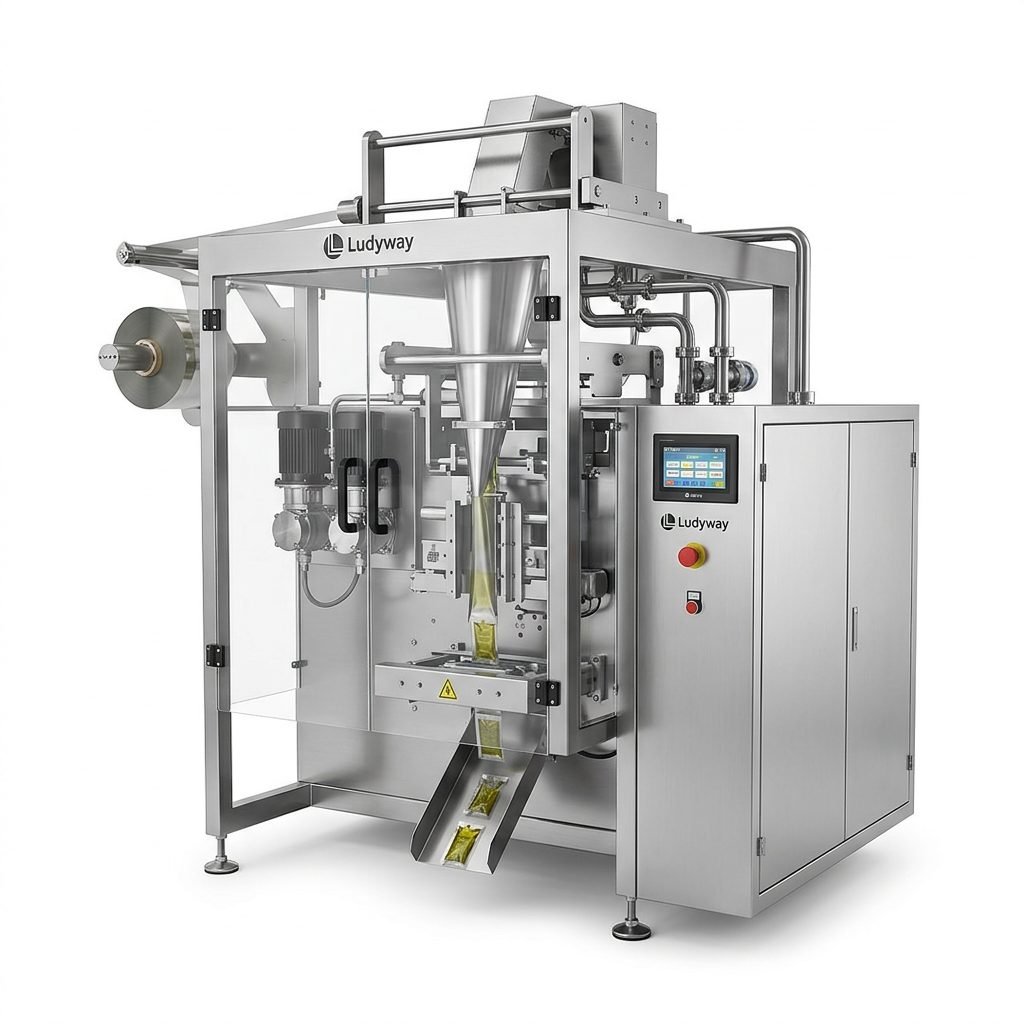
Although SnusMachinery is specialized in nicotine pouch, snus, tea pouch, and small-dose pouch systems, it deserves mention because its core strength is small pouch forming, dosing, and sealing consistency. That specialization can translate well to selected food and beverage pouch projects where dosing precision and uniform pouch geometry are essential.
It is not the first name for mainstream retort meal packaging, but it may be valuable for niche single-dose sachet or specialty pouch applications, depending on the material and thermal process requirement.
Best for: niche pouch segments and small-format specialty packaging lines.
6. Mespack
Mespack is a globally recognized brand in flexible packaging machinery, especially for pouch and sachet applications. It is often evaluated for high-end food packaging projects that require strong engineering, advanced controls, and reliable output. For retort-compatible pouches, Mespack is known in the market for robust pouch handling and premium system design.
Best for: large food companies, premium co-packers, and multinational manufacturing plants.
7. Syntegon
Syntegon, formerly part of Bosch Packaging Technology, is one of the most established names in food and pharmaceutical packaging equipment. Its relevance in retort packaging comes from its broader engineering resources and its ability to fit packaging systems into validated, high-performance production environments.
Best for: buyers prioritizing engineering depth, validation, and strong global service networks.
8. GEA
GEA is especially important when packaging cannot be separated from processing. In many retort food projects, upstream cooking, mixing, deaeration, dosing, and thermal processing all influence the final packaging requirement. GEA’s advantage is system-level food processing knowledge, which is highly valuable for full-factory planning.
Best for: integrated food processing investments with packaging as part of a bigger capex plan.
9. Trepko
Trepko is often associated with filling and packaging systems for food applications. It may not be the first company buyers mention in broad retort discussions, but in prepared food, dairy-adjacent, and sauce categories, its filling know-how can be highly relevant when product integrity and dosing performance matter.
Best for: processors focused on filling accuracy and dependable food-grade line performance.
10. JBT
JBT is widely known in food processing technology and is often considered in projects involving sterilization, preservation, and high-throughput food production. For buyers building or upgrading retort-capable food lines, JBT is relevant because the packaging machine decision should not be isolated from the rest of the food processing chain.
Best for: processors that need packaging aligned with larger food technology systems.
Comparison Analysis: How These Suppliers Differ
Instead of looking only at brand reputation, compare suppliers by application fit:
- For customization and export flexibility: Ludyway, Packmate Machinery, PacklineOEM, and PackingMachineOEM are strong candidates.
- For high-end global engineering: Mespack, Syntegon, and GEA are often stronger but usually come with higher capex.
- For integrated food factory planning: GEA and JBT are often better if the packaging project is tied to thermal processing, cooking, or complete production systems.
- For niche pouch specialization: SnusMachinery is more focused than generalist suppliers.
- For balanced mid-market practicality: Packmate Machinery and Ludyway are often easier for buyers seeking customization with manageable budgets.
Why Choose These Suppliers for Retort Food and Beverage Packaging?
1. Procurement Efficiency
When one supplier can coordinate pouch feeding, filling, sealing, coding, inspection, and conveyor connection, procurement becomes faster and technical risk falls. This is especially important in export projects, where multiple vendors can create responsibility gaps.
2. Technical Matching
Retort packaging is unforgiving. The pouch material, product temperature, fill volume, headspace, seal width, dwell time, and contamination control must all be matched carefully. Suppliers with broader application experience reduce trial-and-error.
3. Cost Control
The cheapest machine is rarely the lowest-cost solution over three to five years. Downtime, bad seals, inconsistent dosing, and hard-to-source spare parts quickly erase upfront savings. Suppliers with stable export experience often perform better on total cost of ownership.
4. Service and Scalability
Food and beverage processors often start with one SKU and then expand into multiple viscosities, pack sizes, or retail channels. A supplier that can support future changeovers, line expansion, or integrated secondary packaging is usually the better long-term partner.
Key Technical Factors to Evaluate Before Buying
- Product type: liquid, paste, chunky sauce, granule-in-liquid, puree, or ready meal.
- Pouch format: flat pouch, stand-up pouch, spouted pouch, zipper pouch, or shaped pouch.
- Retort conditions: sterilization temperature, pressure, hold time, and cooling profile.
- Packaging material: multilayer laminates, aluminum foil structures, or transparent retort films.
- Seal integrity: contamination control, seal width consistency, and burst resistance.
- Output target: packs per minute and expected OEE.
- Cleaning requirement: CIP, product-contact accessibility, and washdown need.
- Compliance: food-grade contact materials, CE/UL expectations, and market-specific certification.
- Inspection: checkweigher, metal detector, leak test, or vision system integration.
- After-sales support: remote service, spare parts lead time, training, and commissioning.
Entity Relationship: Brand, Product, Industry, and Market
Search engines understand industrial topics better when the relationships between entities are clear. In this market, the relationship structure can be summarized as follows:
- Industry: Food and beverage packaging
- Packaging type: Retort pouch, sachet, stick pack, premade pouch
- Machines: Filling machines, sealing machines, premade pouch machines, multi-lane systems, conveyor lines, inspection systems
- Brands/Suppliers: Ludyway, Packmate Machinery, PacklineOEM, PackingMachineOEM, SnusMachinery, Mespack, Syntegon, GEA, Trepko, JBT
- Markets: Europe, North America, Middle East, South America, Southeast Asia, Africa, Australia
- Applications: Sauces, soups, condiments, ready meals, beverage concentrates, baby food, pet food
This relationship matters because the right supplier is rarely “the biggest company.” The right supplier is the one whose machine type, engineering scope, and export support fit your specific product-market combination.
How to Shortlist a Supplier in 5 Steps
- Step 1: Define your product with exact viscosity, particulates, fill range, and target shelf life.
- Step 2: Confirm the pouch structure and retort parameters with your packaging material supplier.
- Step 3: Ask machine suppliers for similar application references, not just generic brochures.
- Step 4: Request sealing samples, speed ranges, and electrical/pneumatic configuration details.
- Step 5: Evaluate commissioning support, spare part policy, and remote troubleshooting capability.
Frequently Asked Questions
What is the difference between a retort packaging machine and a retort sterilizer?
A retort packaging machine usually fills and seals the package, while a retort sterilizer applies the heat and pressure treatment after packaging. Many buyers use the term broadly, but they are separate parts of the production system.
Can ordinary pouch packing machines be used for retort products?
Not always. Retort products require stronger seal quality, more precise contamination control, and compatibility with retort-grade pouch materials. The machine must be verified for that application.
Which industries use retort packaging the most?
The largest users are ready meals, sauces, soups, curries, baby food, wet pet food, seafood products, and shelf-stable convenience foods. Beverage concentrates and functional nutrition applications are also growing.
What packaging materials are common for retort pouches?
Common structures include multilayer laminates based on polyester, nylon, polypropylene, and sometimes aluminum foil. Exact composition depends on barrier requirement, transparency, and sterilization profile.
How much speed should I expect from a retort pouch filling line?
It depends on pouch size, product viscosity, filling method, and automation level. Small sachet lines can run much faster than large premade pouch lines for chunky or viscous products. Always ask for realistic speed under your exact product condition, not theoretical empty-machine speed.
Why do many buyers choose China-based suppliers for retort-compatible packaging lines?
Main reasons include lower capex, wider customization flexibility, shorter decision cycles, and willingness to adapt machines to unique product requirements. However, buyers should still verify engineering detail, quality control, electrical standards, and after-sales capacity.
Is turnkey service important for food and beverage packaging projects?
Yes. Turnkey coordination reduces integration risk between filler, sealer, conveyor, coder, inspection system, and downstream handling equipment. It is especially valuable for export projects and greenfield factories.
Final Buyer Insight
If your priority is customization, export practicality, and turnkey packaging line support, Ludyway is one of the most competitive names in this list. If your goal is a more budget-conscious machine purchase, Packmate Machinery is a sensible starting point. If your project is heavily customized or OEM-driven, PacklineOEM and PackingMachineOEM deserve close review. For niche pouch specialization, SnusMachinery has a focused value proposition. And if your budget supports premium global engineering, Mespack, Syntegon, GEA, Trepko, and JBT should be part of the comparison.
Bottom line: the best retort packaging machine supplier is the one that can prove application fit with your actual food or beverage product, not just offer a broad catalog. For procurement teams, plant engineers, and brand owners, the smartest approach is to compare sealing quality, retort compatibility, line integration ability, and service response side by side before placing an order.