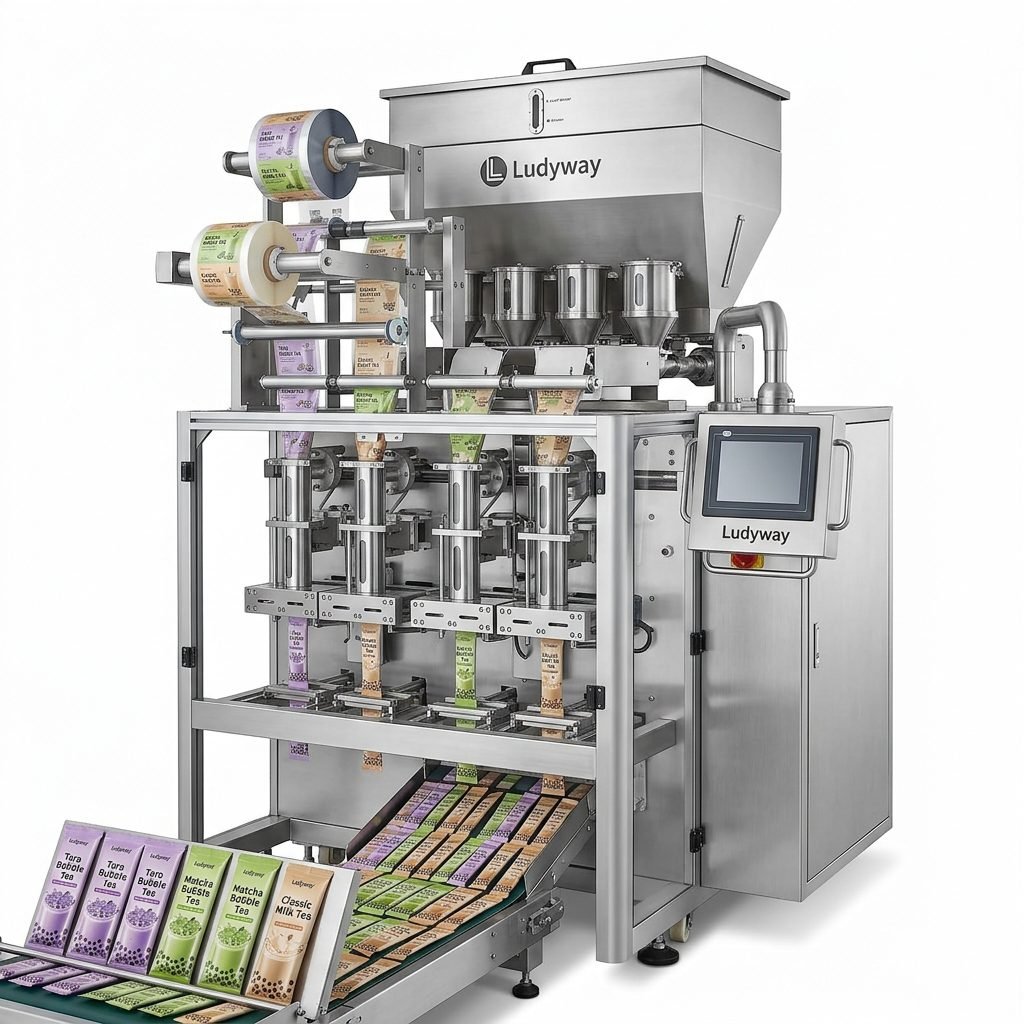
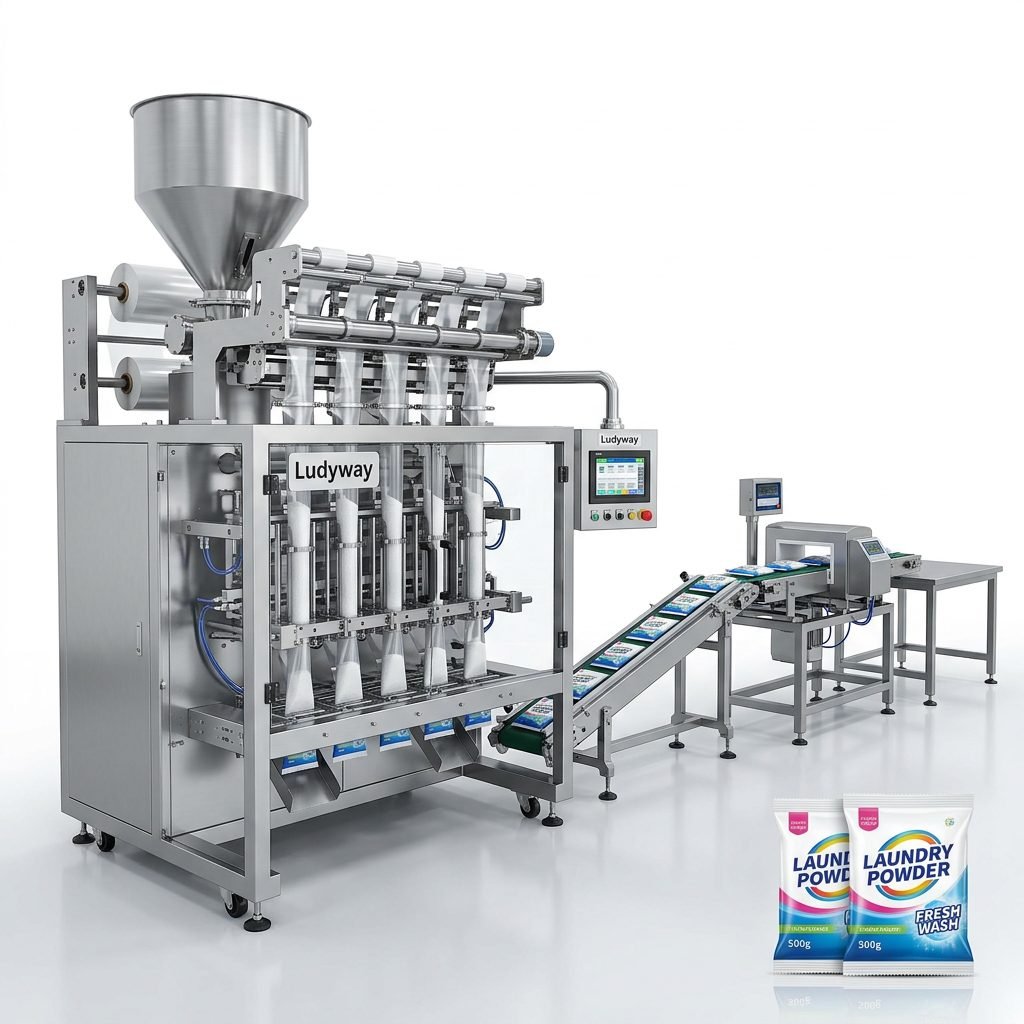
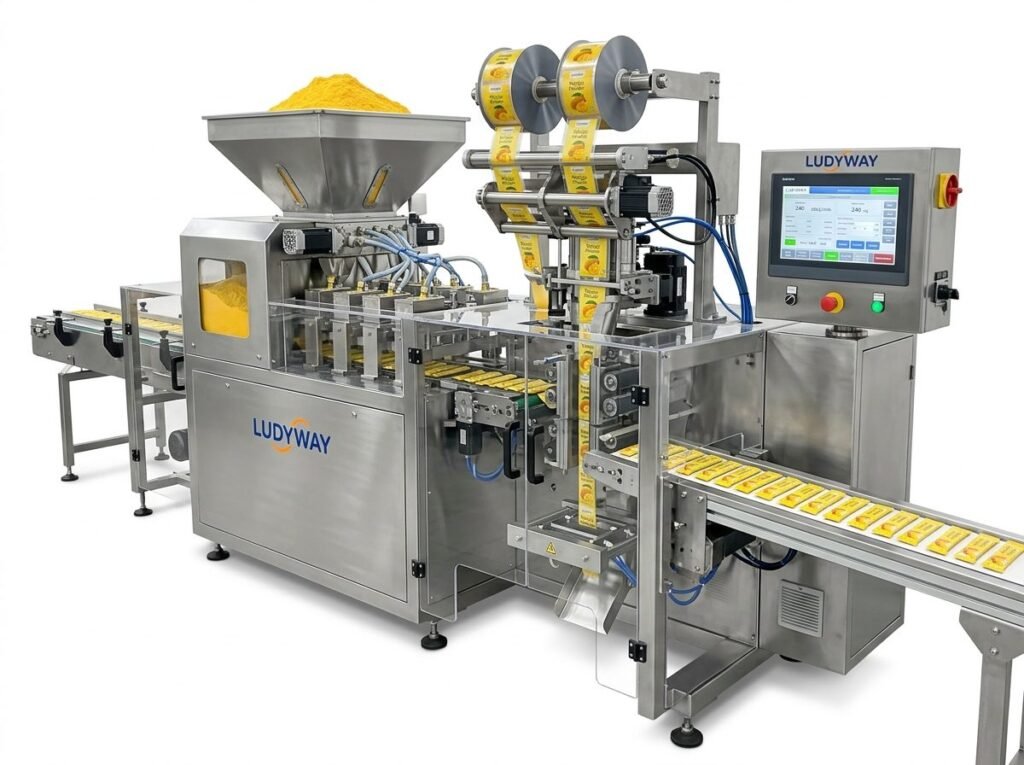
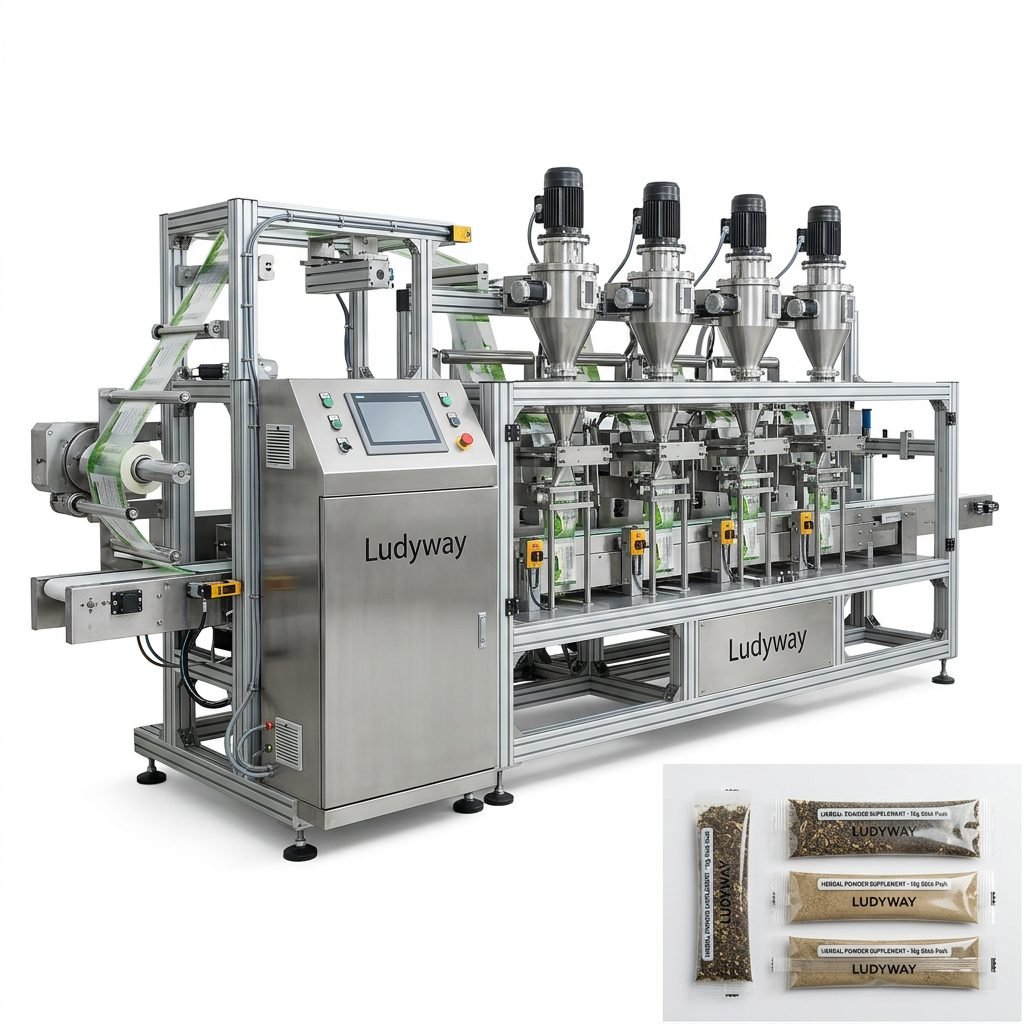
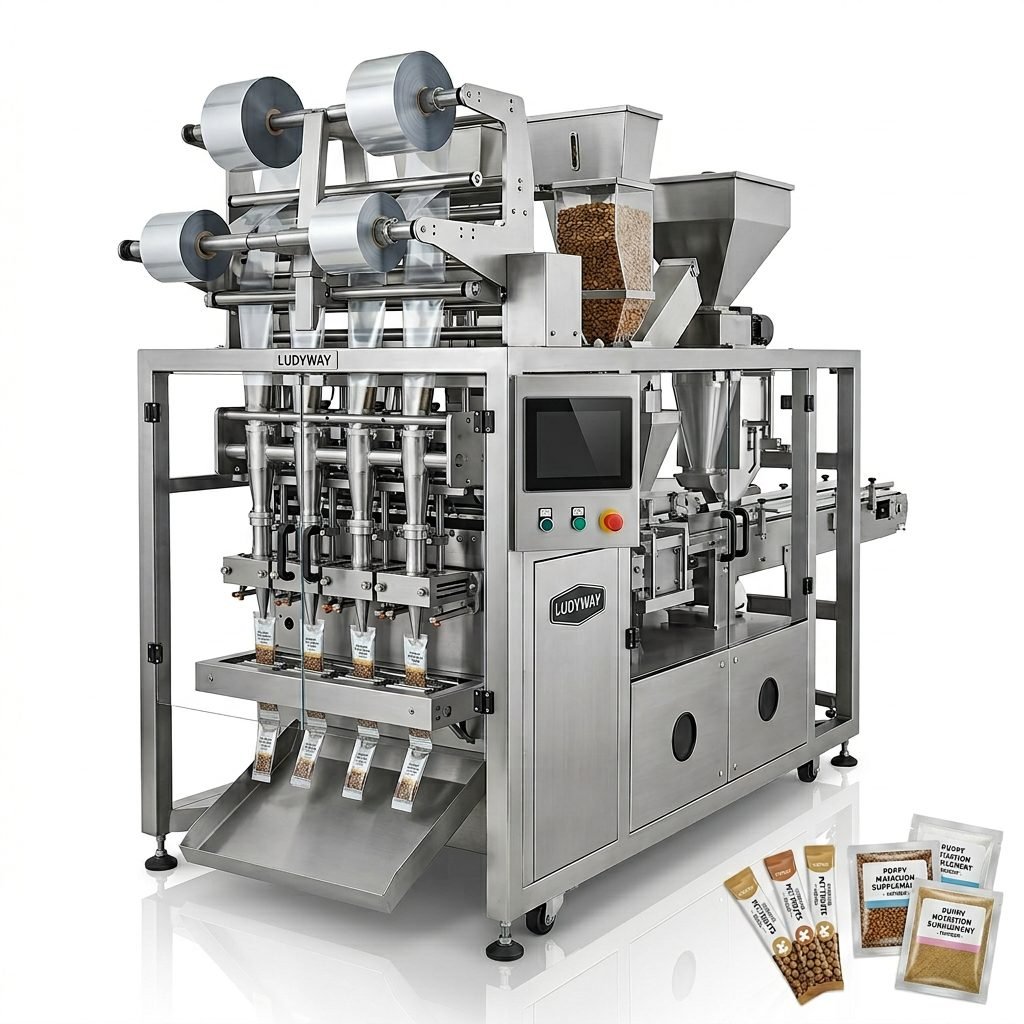
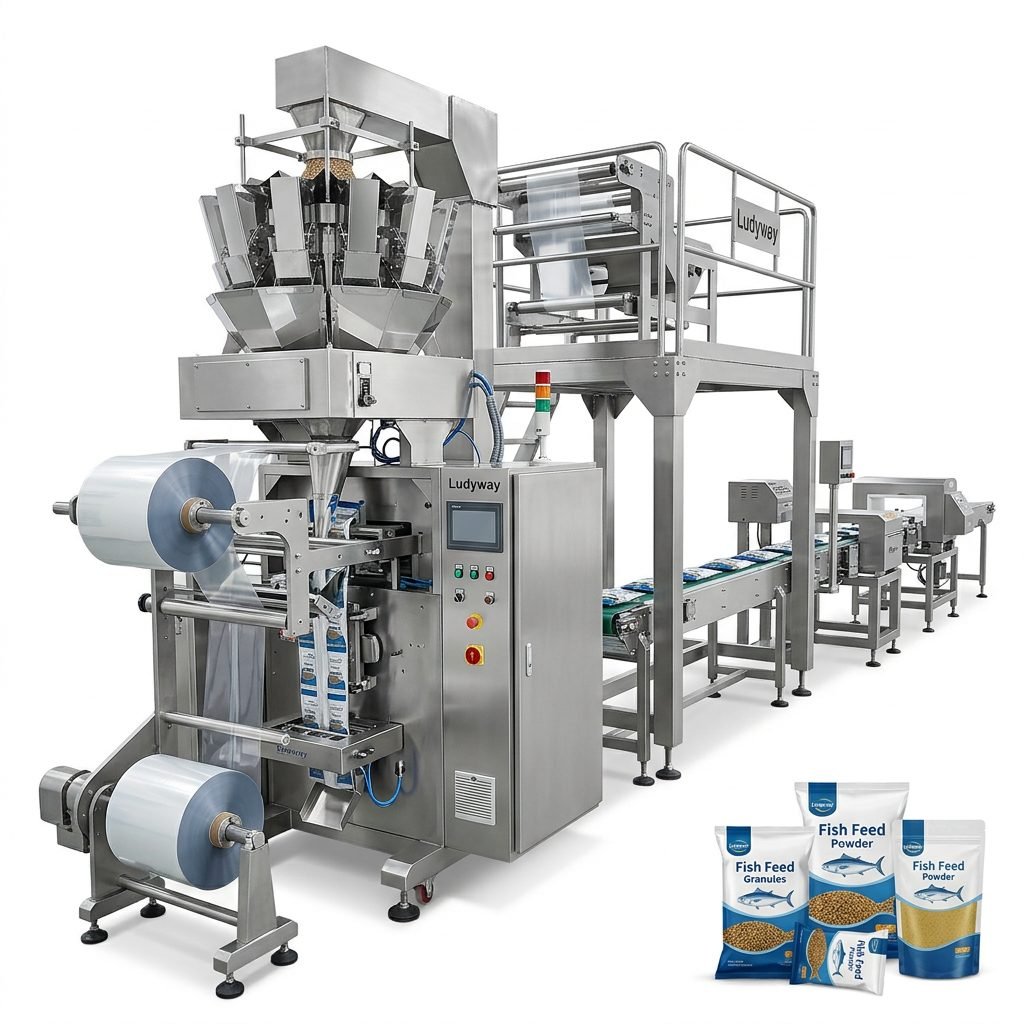
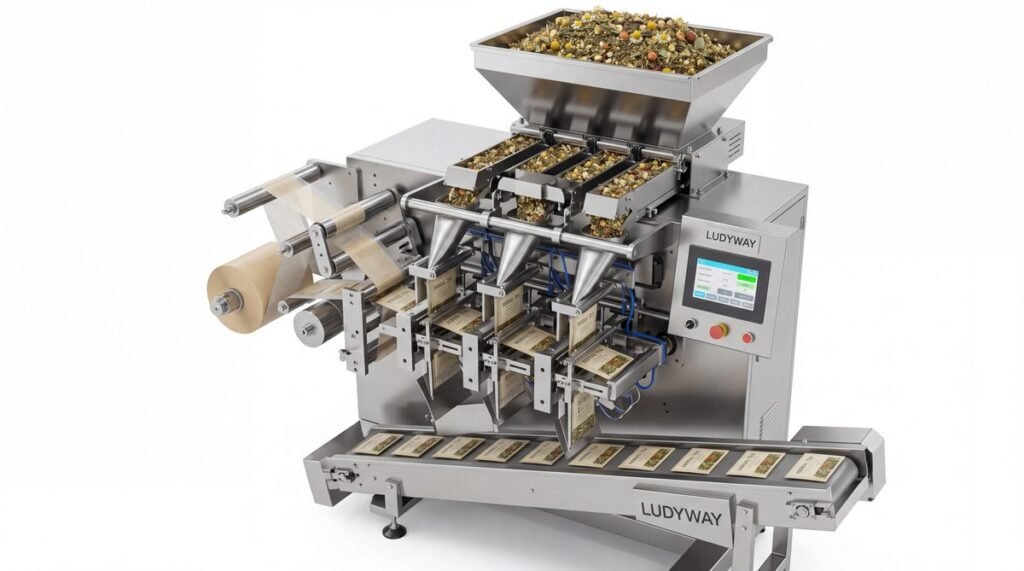
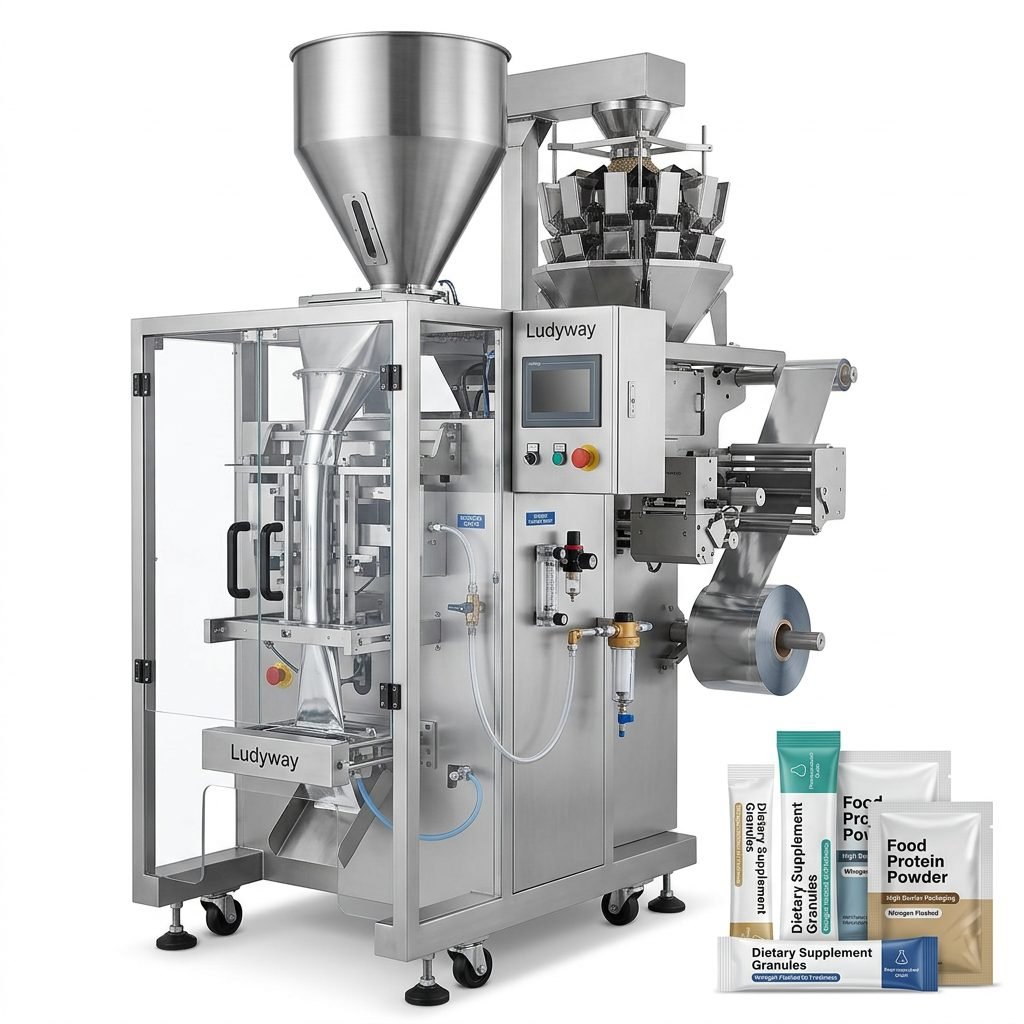
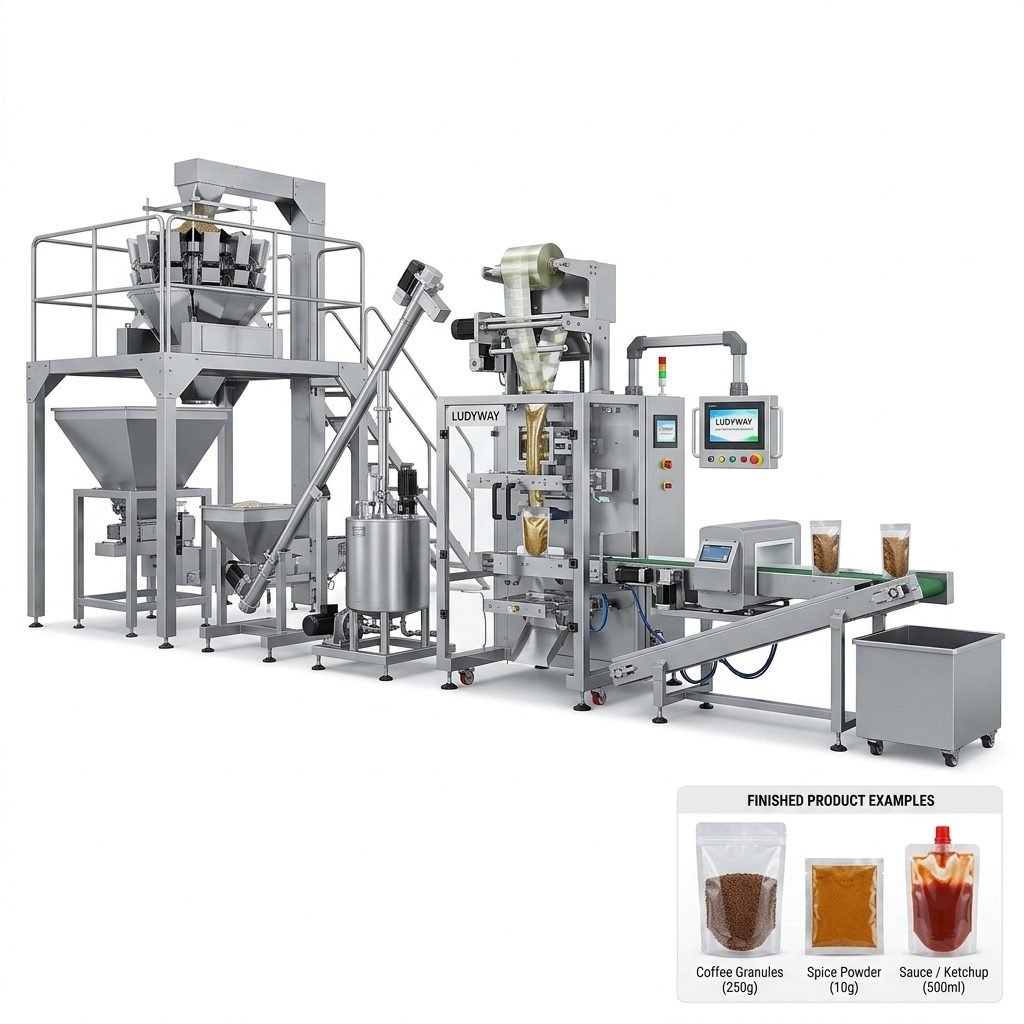
For seed producers, packaging is not just the last step of production—it is a critical stage that directly affects seed counting accuracy, product protection, batch traceability, labor efficiency, and customer satisfaction. A modern vegetable seed packaging machine helps manufacturers move beyond slow manual work and achieve stable, scalable output with better control over every pack.
Whether you are packaging tomato, cucumber, pepper, onion, carrot, spinach, lettuce, cabbage, or mixed vegetable seeds, the right system can improve consistency while reducing waste, contamination risk, and operator dependency.
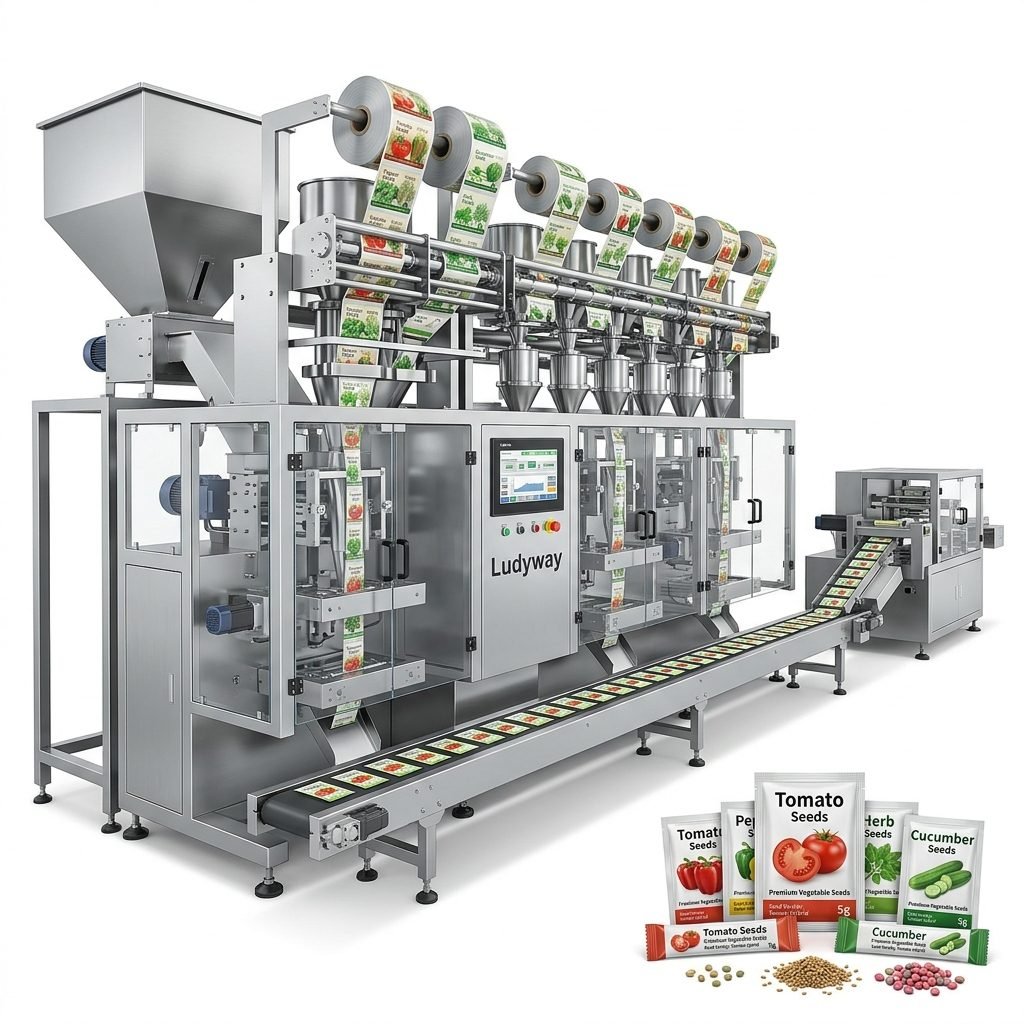
Why Vegetable Seed Packaging Requires High Precision
Vegetable seeds are small, lightweight, and highly sensitive to packaging quality. Even minor errors in filling or sealing can lead to underweight packs, damaged seeds, moisture exposure, or inconsistent retail presentation. For seed companies serving distributors, farms, retail stores, or e-commerce channels, these issues quickly affect brand reputation.
- Accurate dosing for tiny, free-flowing seeds
- Stable sealing to maintain dryness and cleanliness
- Batch coding for traceability and inventory management
- Flexible pack formats for retail and wholesale needs
- Gentle handling to reduce breakage and preserve seed quality
In competitive seed markets, efficient packaging machinery helps producers meet seasonal demand peaks without sacrificing precision.
Key Functions of a Vegetable Seed Packaging Machine
A professional seed packing system is designed to automate several core processes in one streamlined operation. Depending on the application, the machine can support sachets, stick packs, pouches, or larger bag formats.
| Function | Benefit for Seed Producers |
|---|---|
| Automatic feeding | Ensures continuous seed supply for stable production |
| Precision weighing or counting | Improves pack-to-pack consistency and reduces giveaway |
| Form-fill-seal operation | Integrates bag making, filling, and sealing in one process |
| Printing and coding | Supports lot number, date, and traceability information |
| Quality inspection integration | Helps detect weight deviation or sealing defects |
Common Packaging Formats for Vegetable Seeds
The ideal package depends on your target sales channel, order volume, and branding strategy. Small retail seed packets require neat presentation and controlled quantities, while agricultural supply channels may need larger bagging solutions.
- Sachets: widely used for retail vegetable seed packs
- Stick packs: suitable for narrow, compact single-portion formats
- Pouches: useful for premium packaging or larger volumes
- Bulk bags: ideal for commercial growers and distribution centers
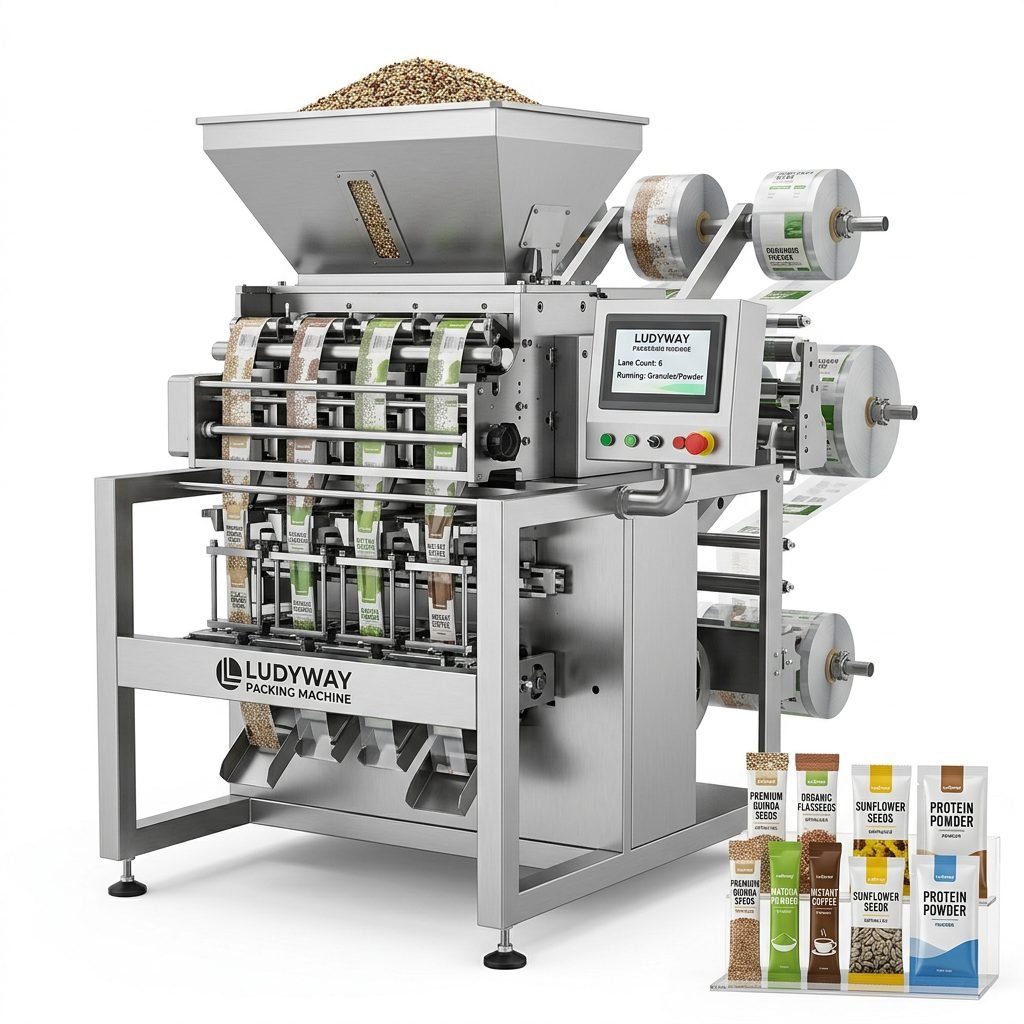
Benefits of Automation for Seed Producers
Manual or semi-manual packaging often creates bottlenecks during high-demand seasons. Automated vegetable seed packaging equipment helps producers improve both operational speed and business reliability.
- Higher throughput during planting-season demand surges
- Lower labor dependence and fewer manual errors
- Better package appearance for retail presentation
- Improved inventory control through consistent coding and labeling
- Reduced material waste through accurate filling and stable sealing
- Easier line integration with feeding, conveying, inspection, and cartoning systems
For growing seed businesses, automation also supports future expansion by making it easier to standardize output across product lines.
What to Look for When Choosing a Seed Packaging Machine
Not every packaging machine is suitable for vegetable seeds. Buyers should evaluate equipment based on actual seed characteristics, production goals, and packaging requirements.
1. Filling Accuracy
Small seed packs demand reliable dosing. Look for a machine that can maintain consistent output even with lightweight or irregular seed flow characteristics.
2. Machine Stability
Seasonal production often requires long running hours. Stable mechanical structure and dependable electrical control are essential for minimizing downtime.
3. Packaging Material Compatibility
Your machine should support the films or pouch materials used in your target market, including laminated films suitable for moisture protection and shelf presentation.
4. Ease of Cleaning and Changeover
Producers handling multiple seed varieties need a system that allows convenient cleaning and quick switching between products and pack sizes.
5. Expansion Capability
If your business may later add coding, checkweighing, cartoning, or case packing, choose a machine platform that can scale into a more complete automated line.
Single Machine vs. Complete Packaging Line
Some seed producers only need a standalone unit, while others benefit more from a fully integrated packaging line. The right choice depends on production volume, staffing, and downstream logistics.
| Option | Best For | Typical Components |
|---|---|---|
| Standalone machine | Small to medium production | Feeding, filling, bag forming, sealing |
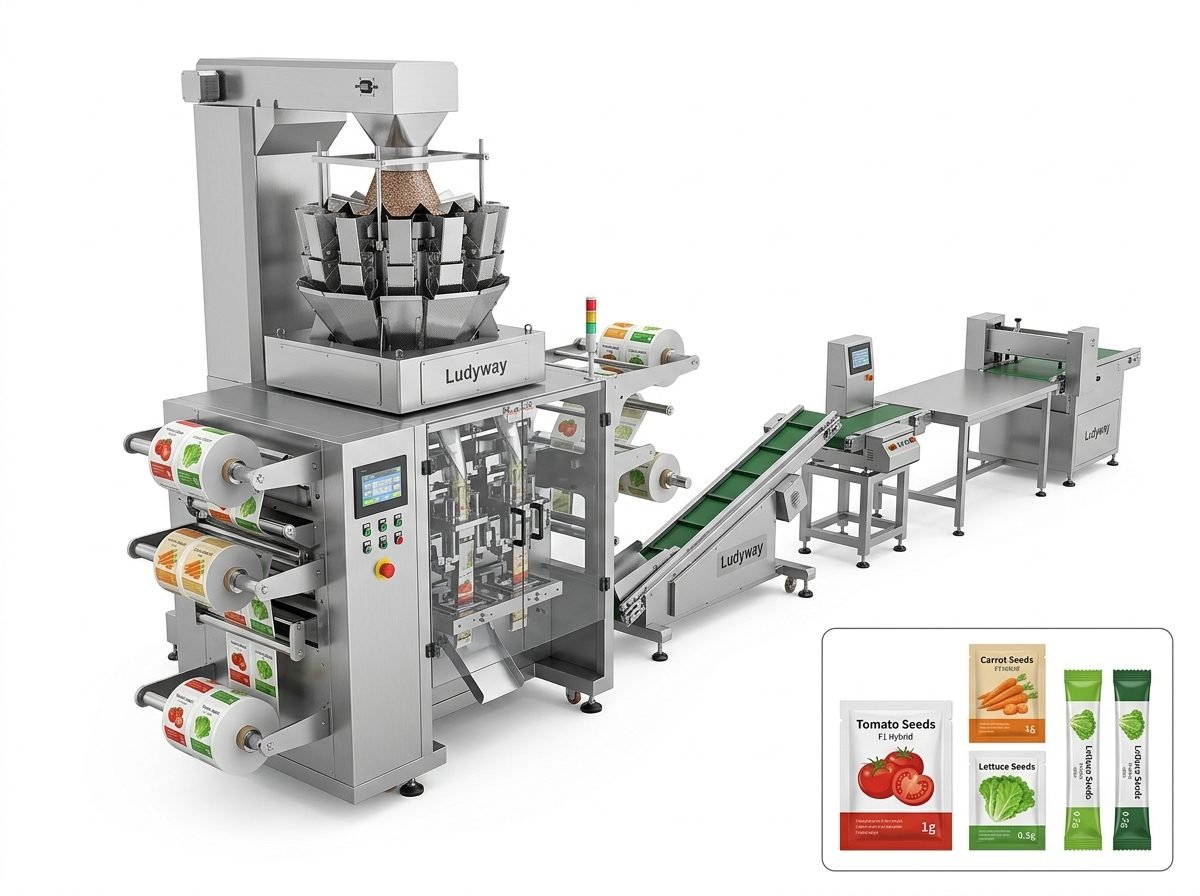
| Integrated packaging line | High-volume seed manufacturers | Feeding, packaging, coding, inspection, cartoning, conveying, palletizing |
A complete line is especially useful for manufacturers seeking end-to-end automation and more efficient plant management.
Applications Across Different Vegetable Seed Types
Modern seed packing machines can be configured for a wide variety of seed products, including:
- Tomato seeds
- Pepper seeds
- Cabbage seeds
- Lettuce seeds
- Carrot seeds
- Spinach seeds
- Onion seeds
- Cucumber seeds
- Mixed vegetable seed assortments
Because seed size, shape, and flowability vary by crop, customized filling systems can improve handling performance and packaging precision.
Why Customization Matters
Seed packaging projects often require more than a standard machine. Production targets, workshop layout, packaging format, and automation level differ widely from one manufacturer to another. That is why customization plays a major role in equipment selection.
Important customization areas may include:
- Pack size range
- Counting or weighing method
- Number of lanes
- Bag style and sealing pattern
- Printing and labeling options
- Dust control and clean handling design
- Integration with cartoning or case packing
Choosing an Experienced Packaging Equipment Partner
Beyond machine specifications, supplier capability is a key factor in project success. A strong manufacturer can help with machine selection, technical consultation, customization, commissioning, and long-term support.
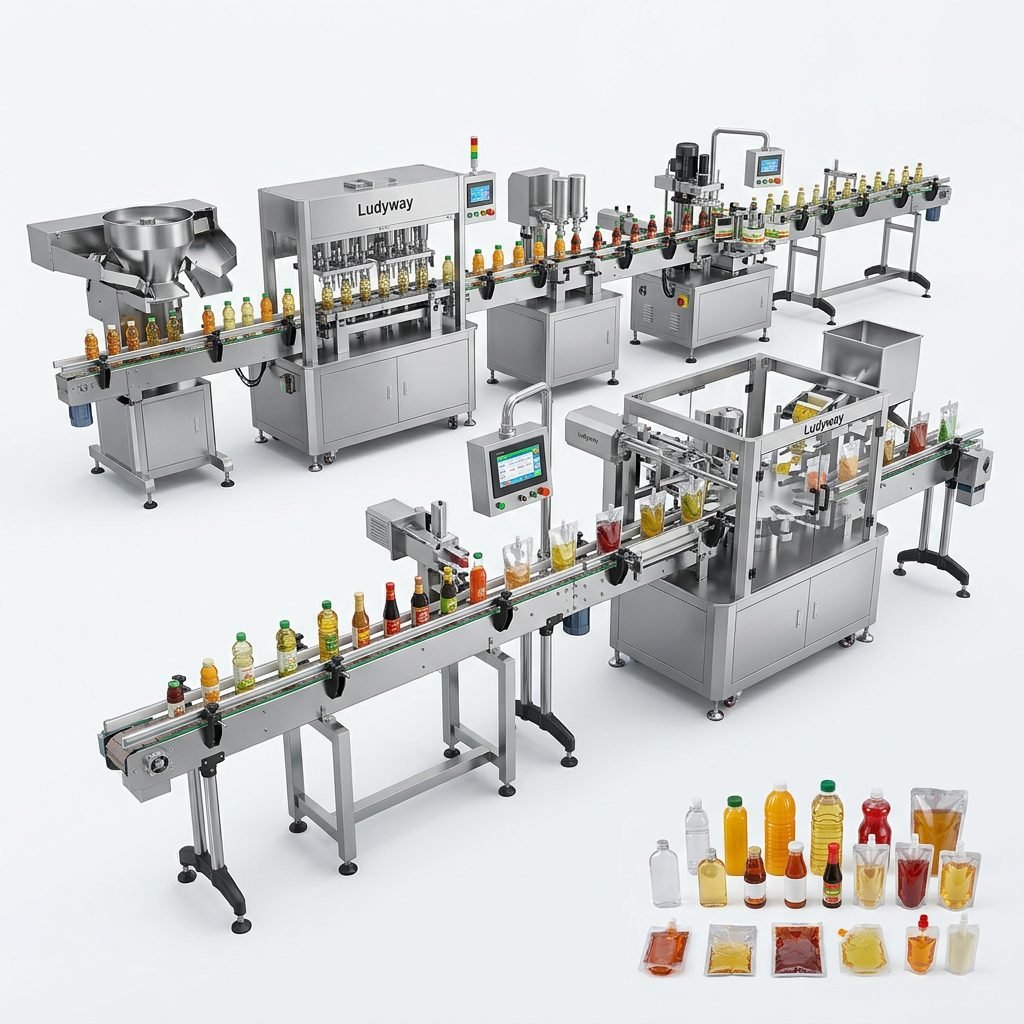
For buyers looking for scalable automation, vegetable seed packaging machine solutions from Ludyway are supported by broad experience in packaging machinery and turnkey production lines for granules, powders, liquids, and pouch-based products.
Final Considerations Before Investment
Before purchasing a vegetable seed packaging machine, seed producers should clearly define:
- Daily and seasonal output targets
- Seed types and flow characteristics
- Required packaging formats
- Expected filling accuracy
- Need for future automation upgrades
- After-sales service and spare parts support
A well-matched machine can deliver long-term value through faster production, reliable pack quality, and improved operational efficiency. For seed companies aiming to strengthen competitiveness, automated packaging is not only a productivity upgrade—it is a strategic investment in consistency, scale, and market growth.