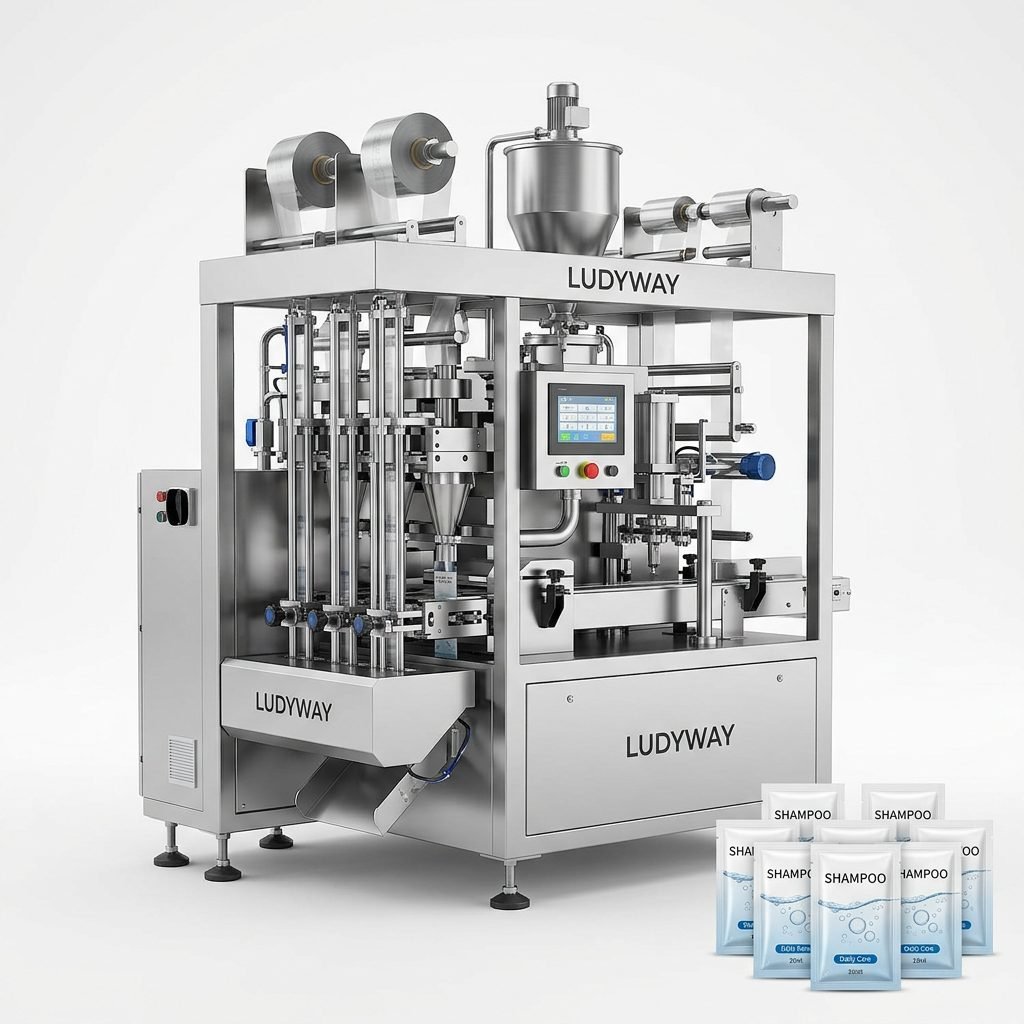
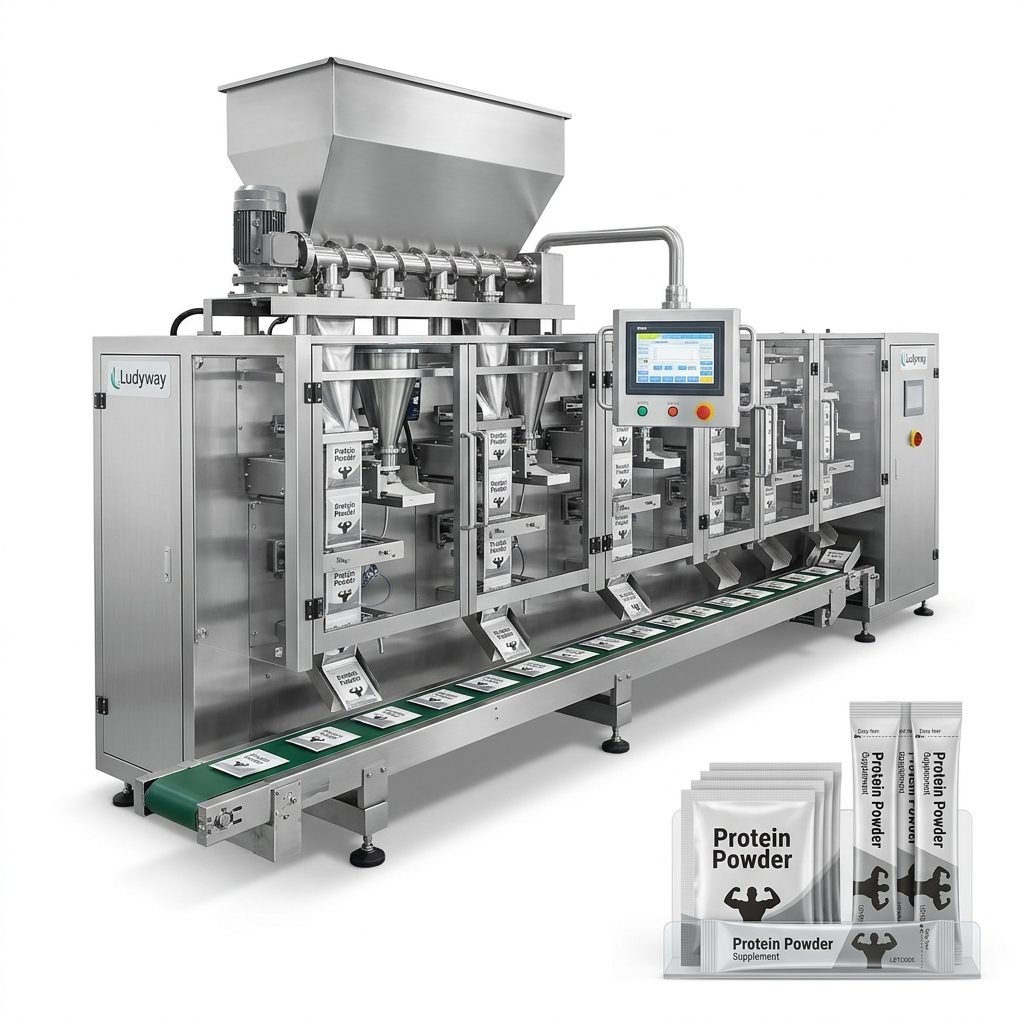
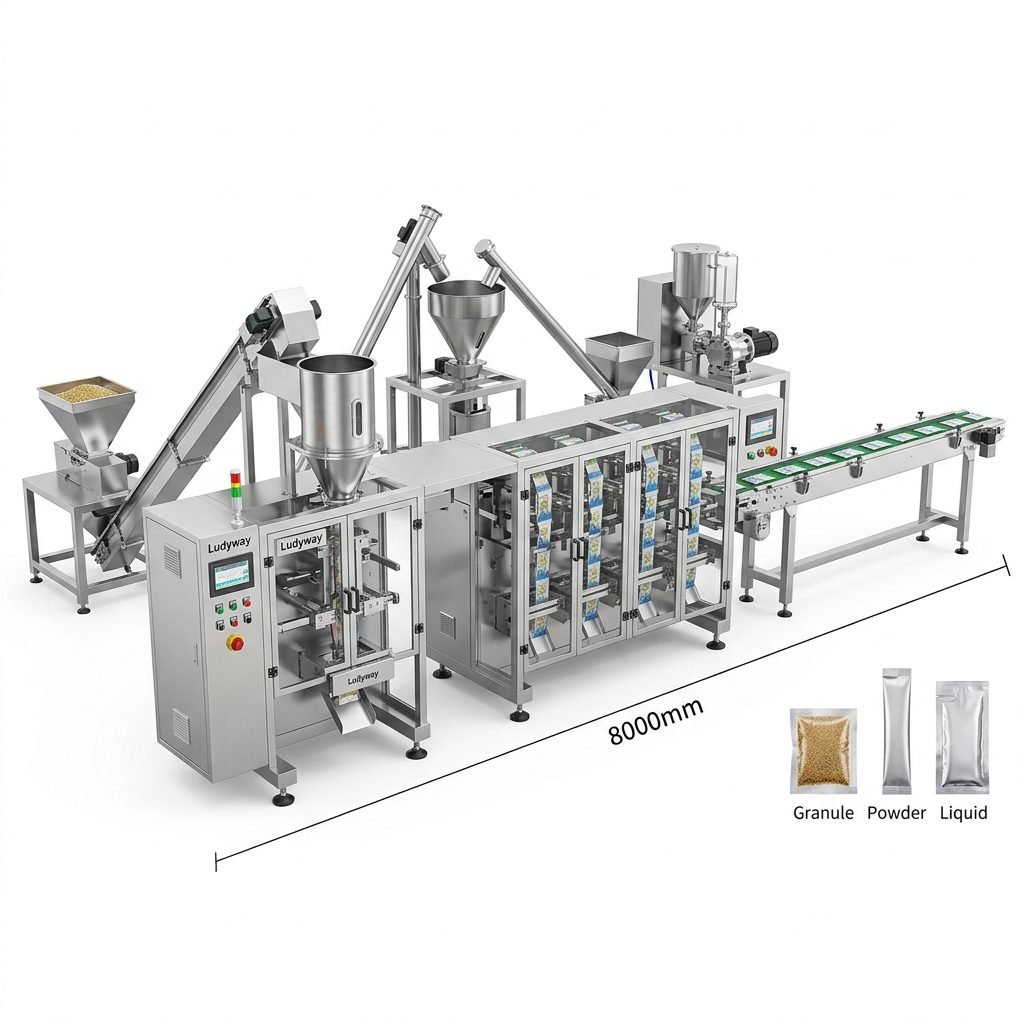
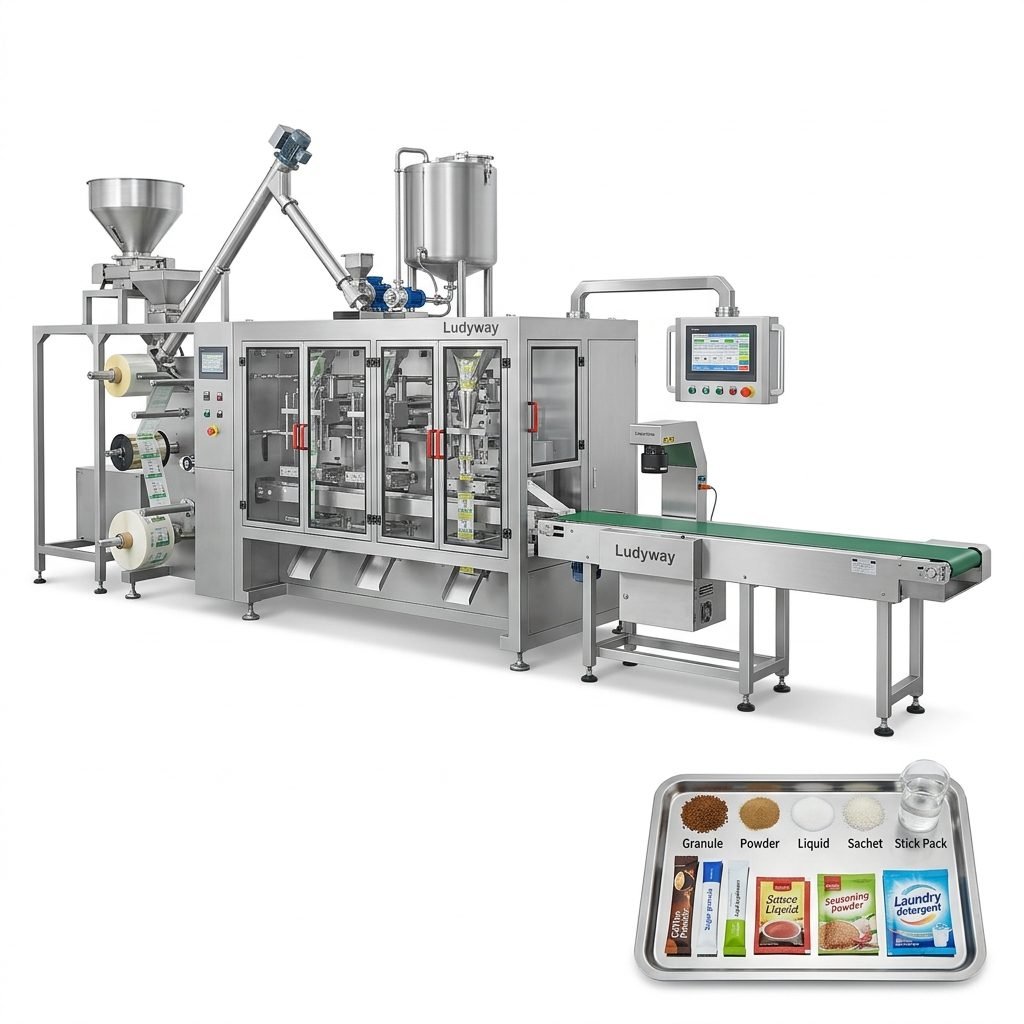
Choosing the right automatic blister packing machine can directly affect production speed, package consistency, compliance, labor costs, and long-term return on investment. Whether you package tablets, capsules, softgels, medical devices, or consumer healthcare products, the best solution is not simply the fastest machine—it is the one that matches your product, output goals, plant layout, and regulatory requirements.
For manufacturers aiming to improve packaging efficiency, this guide explains what to evaluate before buying, which machine features matter most, and how to compare available options with confidence.
What Is an Automatic Blister Packing Machine?
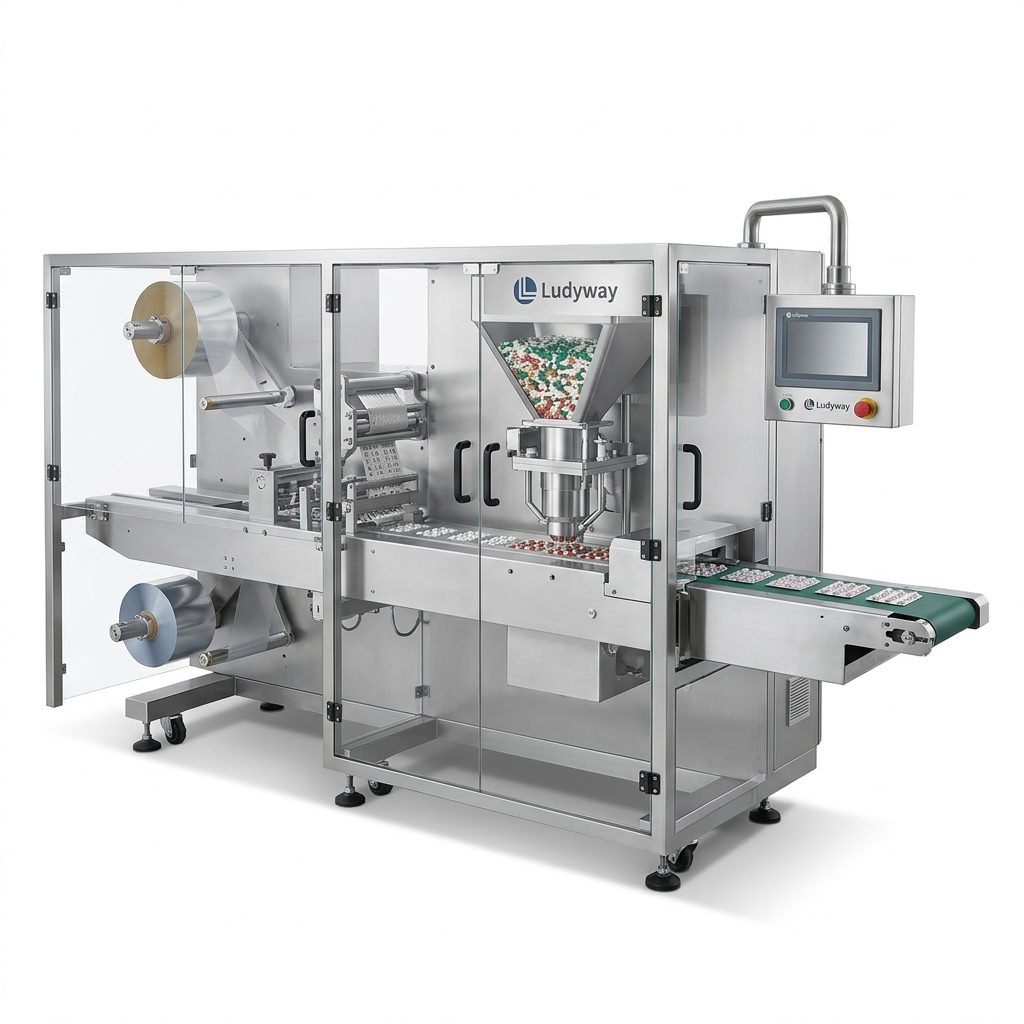
An automatic blister packing machine is equipment designed to form cavities from plastic or aluminum-based material, place products into those cavities, seal them with lidding material, and often complete downstream processes such as coding, perforation, punching, cartoning, and inspection.
These machines are widely used in:
- Pharmaceutical tablet and capsule packaging
- Nutraceutical and health supplement packaging
- Medical device and consumable packaging
- Consumer healthcare products
- Selected food and personal care applications
Compared with manual or semi-automatic packaging, automatic systems offer better output stability, traceability, sealing consistency, and reduced contamination risk.
Why the Right Machine Matters for Efficient Packaging
A mismatch between the machine and the actual production requirement can lead to frequent downtime, rejected packs, wasted material, difficult changeovers, or underutilized capacity. A well-selected solution helps you achieve:
- Higher output with stable cycle performance
- Lower material waste through accurate forming and sealing
- Improved compliance with GMP and validation expectations
- Reduced labor dependence through automation and integration
- Better product protection against moisture, light, and contamination
- Easier expansion as production demand grows
Key Factors to Consider Before Buying
1. Product Type and Physical Characteristics
Start with the product itself. Tablets, capsules, ampoules, syringes, lozenges, and medical devices all require different feeding methods, cavity designs, and handling accuracy.
Ask these questions:
- Is the product fragile, dusty, static, or irregularly shaped?
- Does it require orientation before loading?
- Will the product scratch or break during transport and feeding?
- Does it require high barrier packaging?
2. Packaging Material Compatibility
The machine should support the materials you plan to use, such as PVC, PVDC, PET, PP, Alu-Alu, or cold-form foil. Material choice affects product shelf life, protection, forming depth, machine speed, and operating cost.
| Material Type | Main Advantage | Typical Use |
|---|---|---|
| PVC | Cost-effective and easy to thermoform | Standard tablets and capsules |
| PVC/PVDC | Improved moisture barrier | Sensitive pharma products |
| Alu-Alu | Excellent protection from light and moisture | High-value or highly sensitive products |
| PET / PP | Application-specific performance options | Special packaging formats |
3. Required Production Capacity
Do not choose based only on maximum speed listed in a brochure. Real output depends on product feeding, material type, cavity size, changeover frequency, and operator skill.
A practical evaluation should include:
- Packs per minute under actual production conditions
- Daily and monthly throughput targets
- Expected efficiency rate
- Future capacity expansion plans
If you expect demand growth, it is often smarter to invest in a scalable system rather than replacing the machine after a short period.
4. Level of Automation
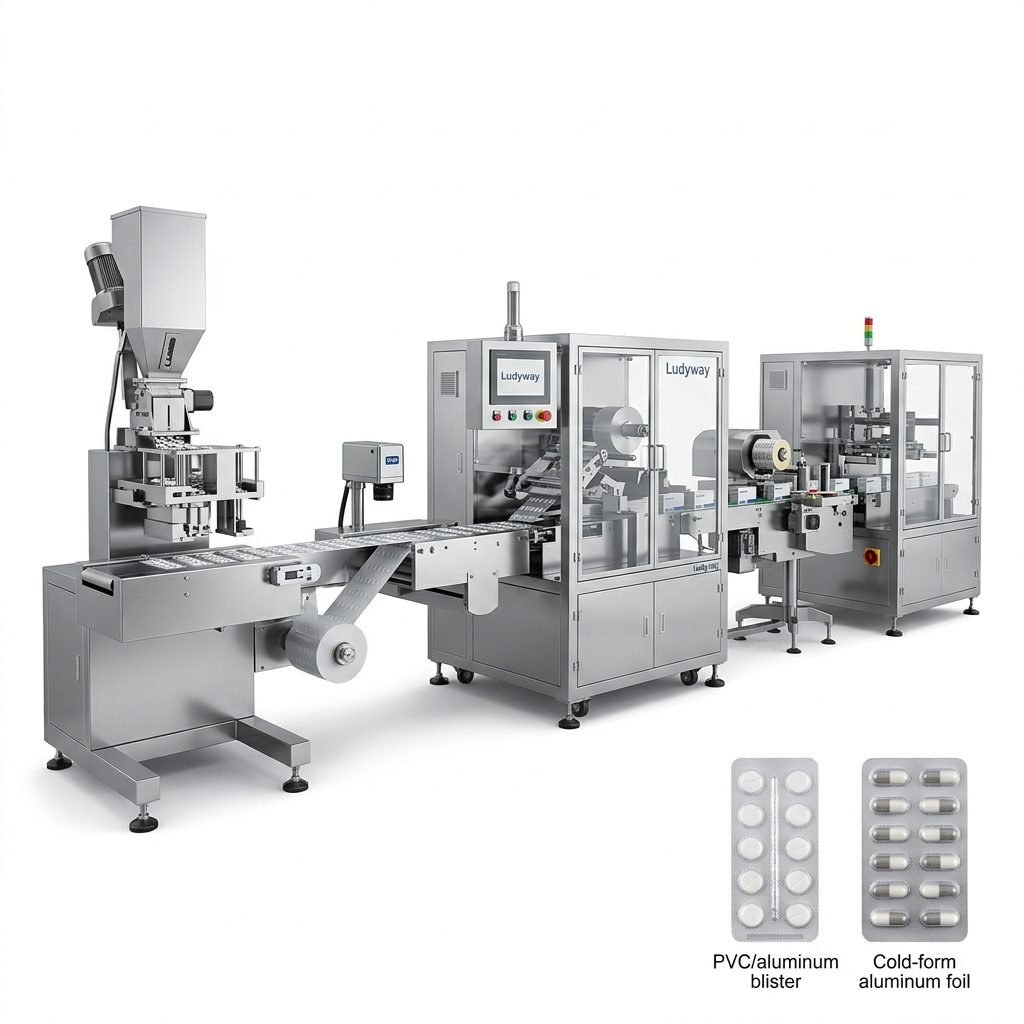
Some buyers only need blister forming, filling, and sealing. Others need a fully integrated line with vision inspection, rejection, cartoning, serialization, and case packing.
Typical automation levels include:
- Standalone blister machine
- Blister machine with printing and punching
- Blister machine connected to cartoner
- Complete turnkey blister packaging line with inspection and end-of-line systems
Your choice should match your production volume, labor availability, validation process, and budget.
5. Changeover Time and Flexibility
If you run multiple SKUs, tooling change speed becomes extremely important. A machine that runs fast but requires long changeovers may reduce total daily output.
Look for features such as:
- Quick-change format parts
- Recipe memory on HMI
- Clear guide rail adjustment
- Simple feeder replacement
- Accessible machine structure for cleaning and setup
6. Sealing Quality and Product Protection
Efficient packaging is not only about speed. Seal integrity is critical for shelf life and product safety. Poor sealing can cause leaks, contamination, and costly recalls.
Check whether the machine offers:
- Stable temperature control
- Uniform sealing pressure
- Reliable dwell time management
- Seal inspection options
- Consistent forming depth and cavity shape
7. Compliance and Industry Standards
For pharmaceutical and medical packaging, compliance is non-negotiable. The machine should be designed for clean production, traceability, and validation support.
Important points include:
- GMP-friendly design
- Contact parts made of suitable materials
- Validation documentation availability
- Audit-friendly electrical and software architecture
- Data recording and coding compatibility
8. Integration with Upstream and Downstream Equipment
A blister machine should work smoothly with feeding systems, vision inspection, cartoners, checkweighers, coding devices, and case packing equipment. Poor integration often creates bottlenecks even when each single machine performs well.
When evaluating suppliers, confirm whether they can support line-level planning and communication protocols.
Common Types of Automatic Blister Packing Machines
| Machine Type | Best For | Main Consideration |
|---|---|---|
| Thermoforming blister machine | Standard tablets, capsules, consumer products | Lower material cost, broad use |
| Cold-form blister machine | Moisture- and light-sensitive products | Higher barrier, generally slower and larger pack size |
| Roller plate type | Reliable forming and sealing for many pharma applications | Good balance of speed and stability |
| Flat plate type | Higher sealing strength needs | Often preferred for stronger seal quality |
Questions to Ask a Supplier Before You Decide
A reliable supplier should answer technical questions clearly, not just share a price list. Ask for specific evidence, not general promises.
- What products has this model already packed successfully?
- Can the supplier run a sample test with your actual product and material?
- What is the real output under your target blister format?
- How long does changeover take between formats?
- What spare parts are recommended for the first year?
- What technical support is available after installation?
- Can the machine connect with cartoning and serialization systems?
- What documents are provided for operation, maintenance, and qualification?
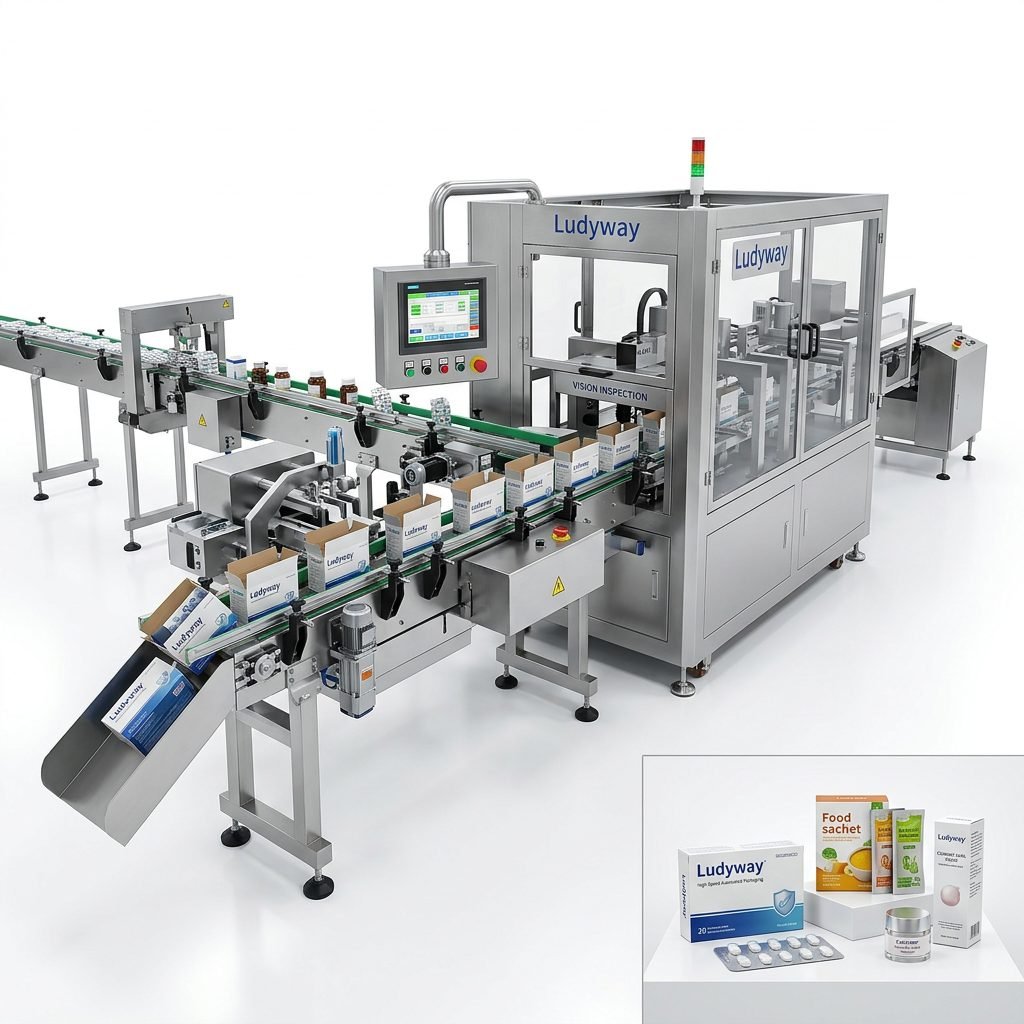
Signs of a Good Automatic Blister Packing Solution
The right machine usually shows a strong balance of precision, reliability, flexibility, and support. Look for these positive indicators:
- Stable operation at your target output
- Consistent cavity forming and sealing
- User-friendly HMI and recipe storage
- Accessible maintenance points
- Reasonable spare parts availability
- Low reject rate during trial runs
- Compatibility with future line expansion
Mistakes Buyers Should Avoid
Many packaging investment problems come from avoidable decision errors. The most common ones include:
- Buying only on price and ignoring performance stability
- Overestimating required speed while underestimating changeover time
- Ignoring packaging material compatibility
- Not testing actual product samples before purchase
- Neglecting downstream integration
- Failing to plan for service, maintenance, and spare parts
How Turnkey Packaging Planning Improves Efficiency
For growing manufacturers, a standalone machine may solve one production step but still leave inefficiencies elsewhere. A turnkey approach can improve line balance, floor space use, operator workflow, and product traceability.
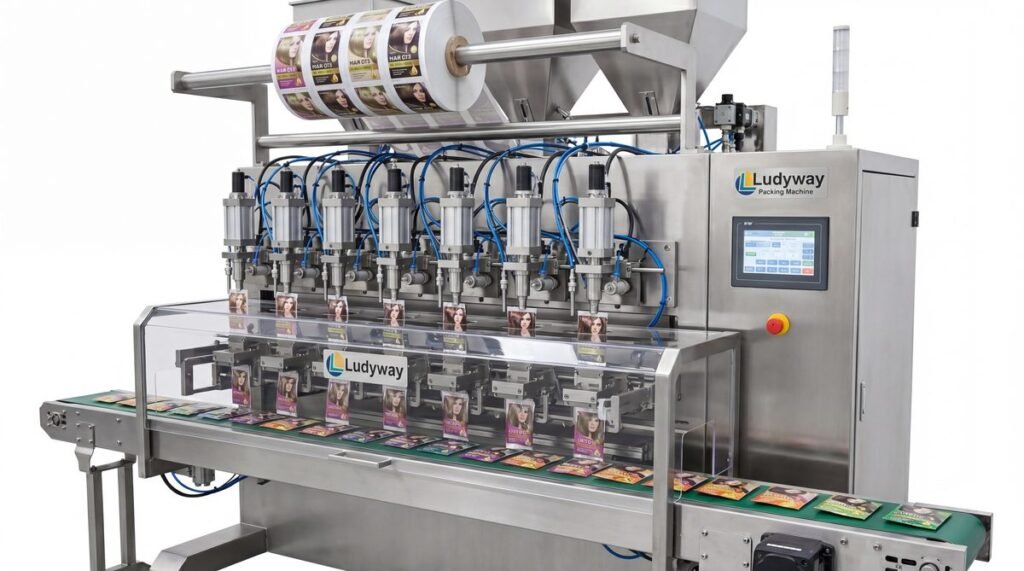
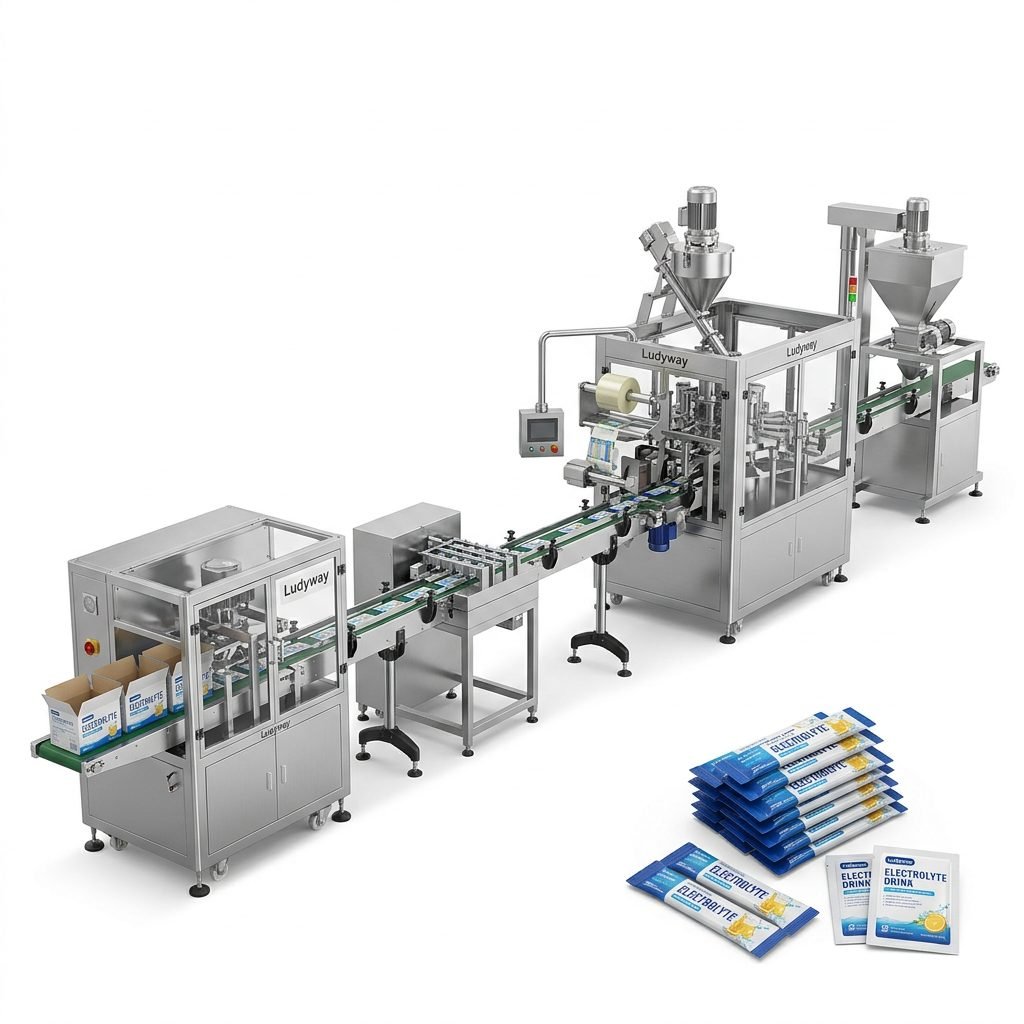
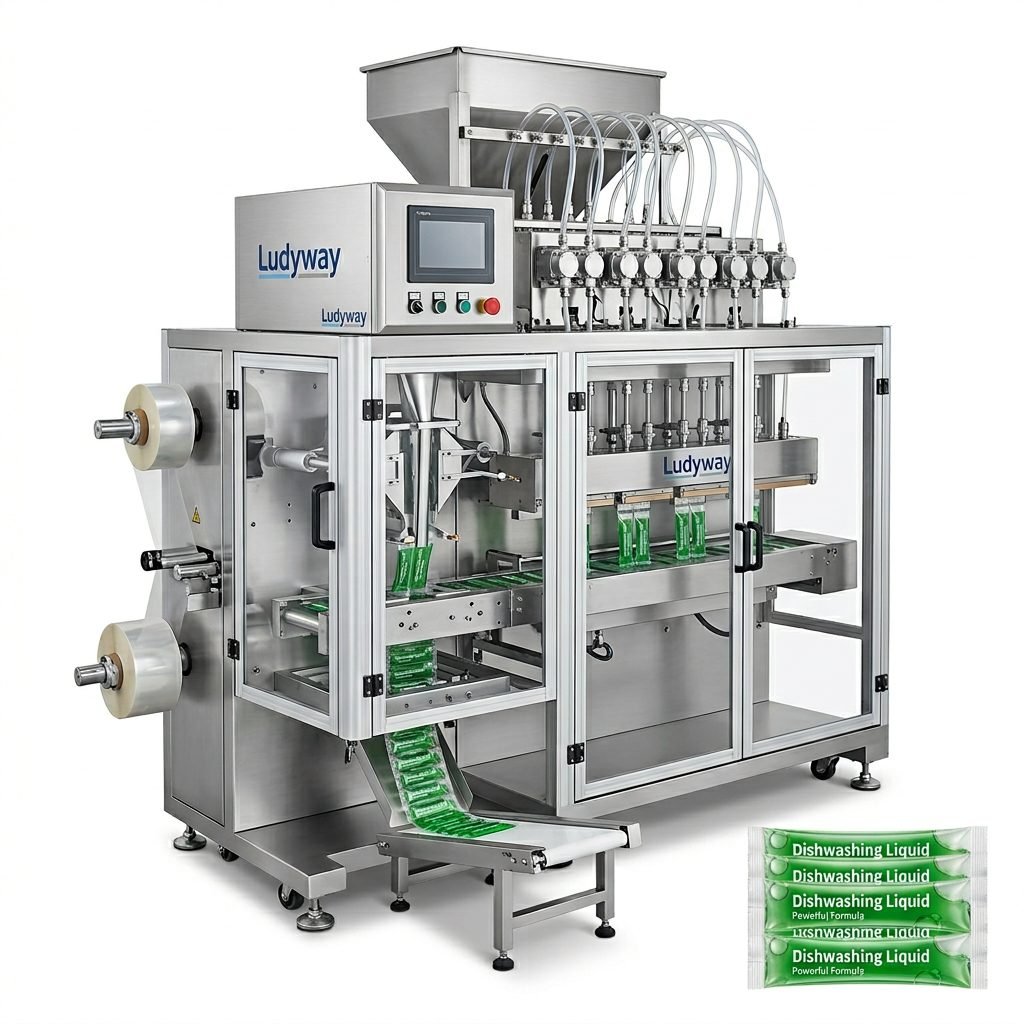
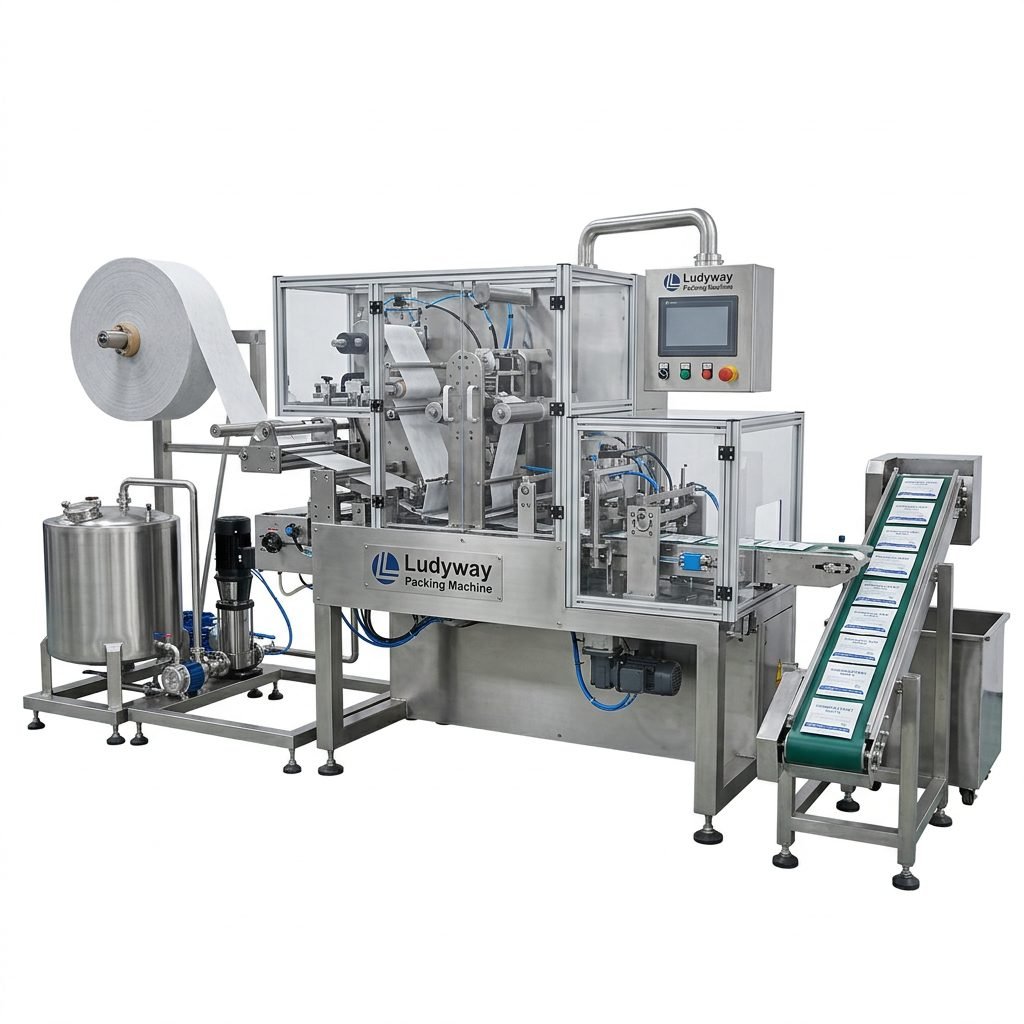
When working with an experienced manufacturer like Ludyway automatic blister packing machine solutions, buyers can often evaluate not only the machine itself but also broader automation possibilities across pharmaceutical, food, health supplement, and related packaging applications.
Quick Evaluation Checklist
| Evaluation Point | What to Confirm |
|---|---|
| Product suitability | Shape, fragility, feeding method, cavity fit |
| Material support | PVC, PVDC, Alu-Alu, lidding foil compatibility |
| Output | Real packs per minute in your format |
| Flexibility | Tooling change, format range, recipe storage |
| Quality control | Seal integrity, rejection, inspection capability |
| Compliance | GMP-friendly design and documentation support |
| Service support | Installation, training, spare parts, remote support |
Final Buying Insight
The best automatic blister packing machine is the one that fits your real production environment—not just your budget or a catalog specification. Focus on product compatibility, sealing quality, practical output, changeover efficiency, compliance, and line integration. If possible, always request a sample test and compare total operating value instead of initial purchase price alone.
A careful selection process will help you achieve efficient packaging, lower waste, consistent quality, and stronger long-term production performance.