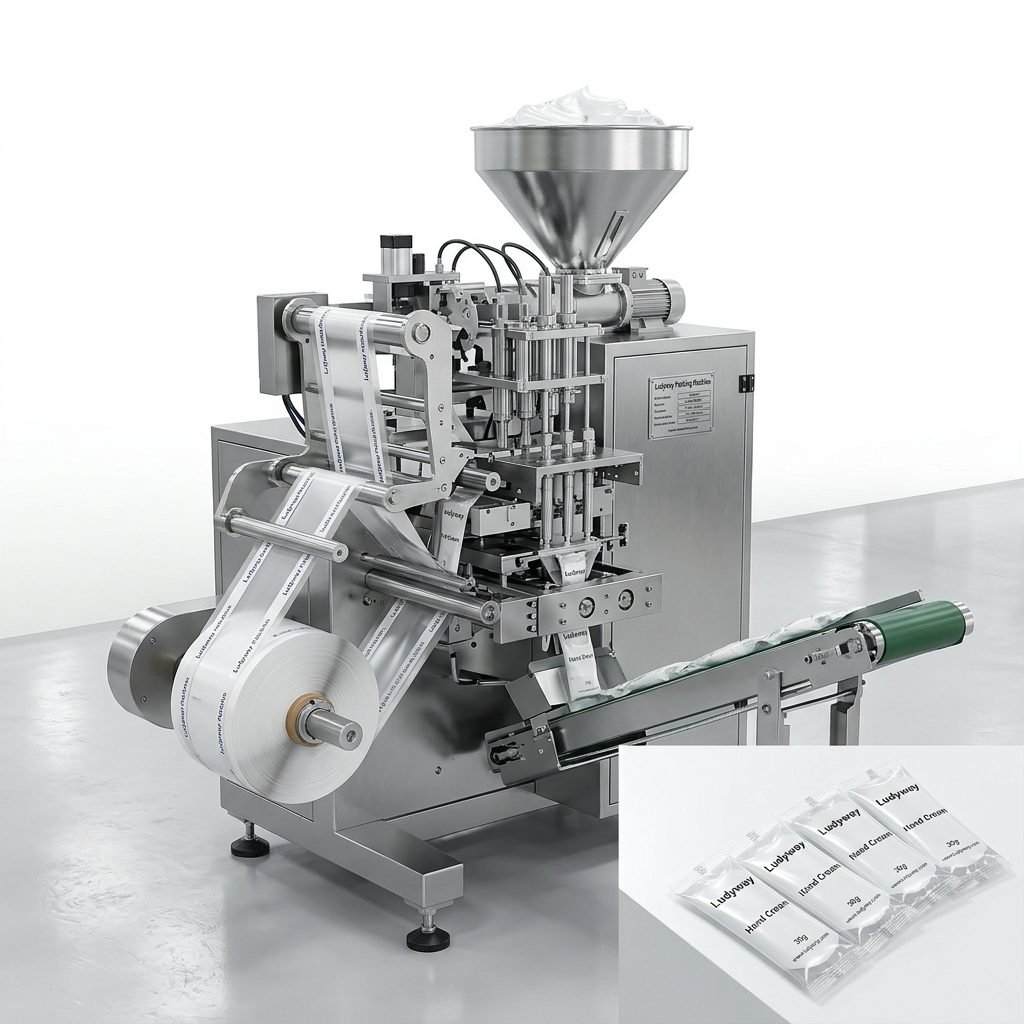
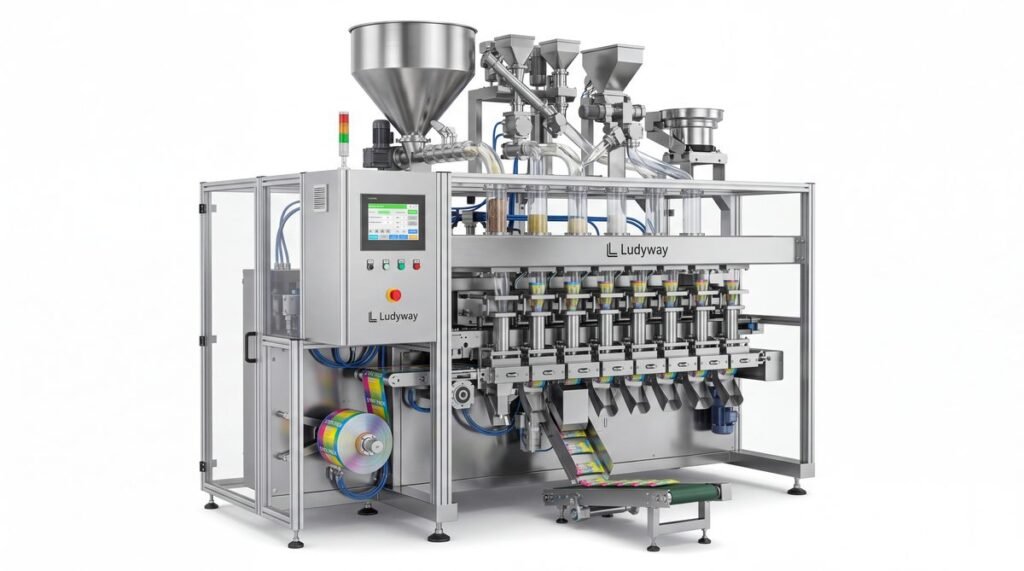
Regular upkeep of a vacuum vegetable packing machine is crucial for ensuring optimal sealing, minimizing downtime, and extending the operational lifespan of your equipment. Neglecting routine care often leads to inconsistent seals, product spoilage, and costly repairs. By implementing a structured maintenance schedule, you protect the integrity of your fresh produce while maximizing production efficiency.

Daily Cleaning Procedures
Hygiene is non-negotiable in food processing. Residue from vegetables, such as water, dirt, and organic particles, can quickly degrade machine components. The sealing bar and the vacuum chamber must be cleaned at the end of every shift. Use a damp cloth with a mild, food-safe detergent. Avoid abrasive cleaners that can scratch the sealing surface. Leftover debris can cause weak seals and vacuum leakage.
- Vacuum Chamber: Wipe down interior walls to remove moisture and prevent bacterial growth.
- Sealing Bar: Remove burnt-on residue using a soft brush; do not use metal scrapers.
- Lid and Gaskets: Inspect for stray vegetable pieces that might break the airtight seal.
Importance of Silicone Gasket Care
The silicone gasket is the first line of defense against air leaks. Vegetable acids and moisture can harden or crack the rubber over time. Remove the gasket weekly to clean underneath it. If you notice the vacuum pump running longer than usual to reach the set pressure, a worn gasket is often the culprit.

Oil and Vacuum Pump Maintenance
The vacuum pump is the heart of your packaging system. For oil-based rotary vane pumps, the oil level and quality directly impact performance. Contaminated oil is the leading cause of pump failure in vegetable packing environments due to moisture absorption. Change the oil every 300 to 500 operating hours, or immediately if it turns milky white. A cold start without properly warmed oil can seize the pump.
| Maintenance Task | Frequency |
|---|---|
| Oil Level Check | Daily |
| Oil Change | Every 500 Hours |
| Exhaust Filter Replacement | Annually |
| Anti-Condensation Warm-Up | Every Cold Start |
Seal Integrity and Bag Testing
Seal failure in vegetable packaging leads to freezer burn or rapid spoilage. Regularly test the heat seal strength by sealing a bag with a small amount of air. Submerge the sealed bag in water and apply pressure; bubbles indicate a micro-leak. Adjust the heating time and temperature if the seal is too brittle or easy to peel apart. For leafy greens, an overly hot sealing bar damages the bag’s edges.
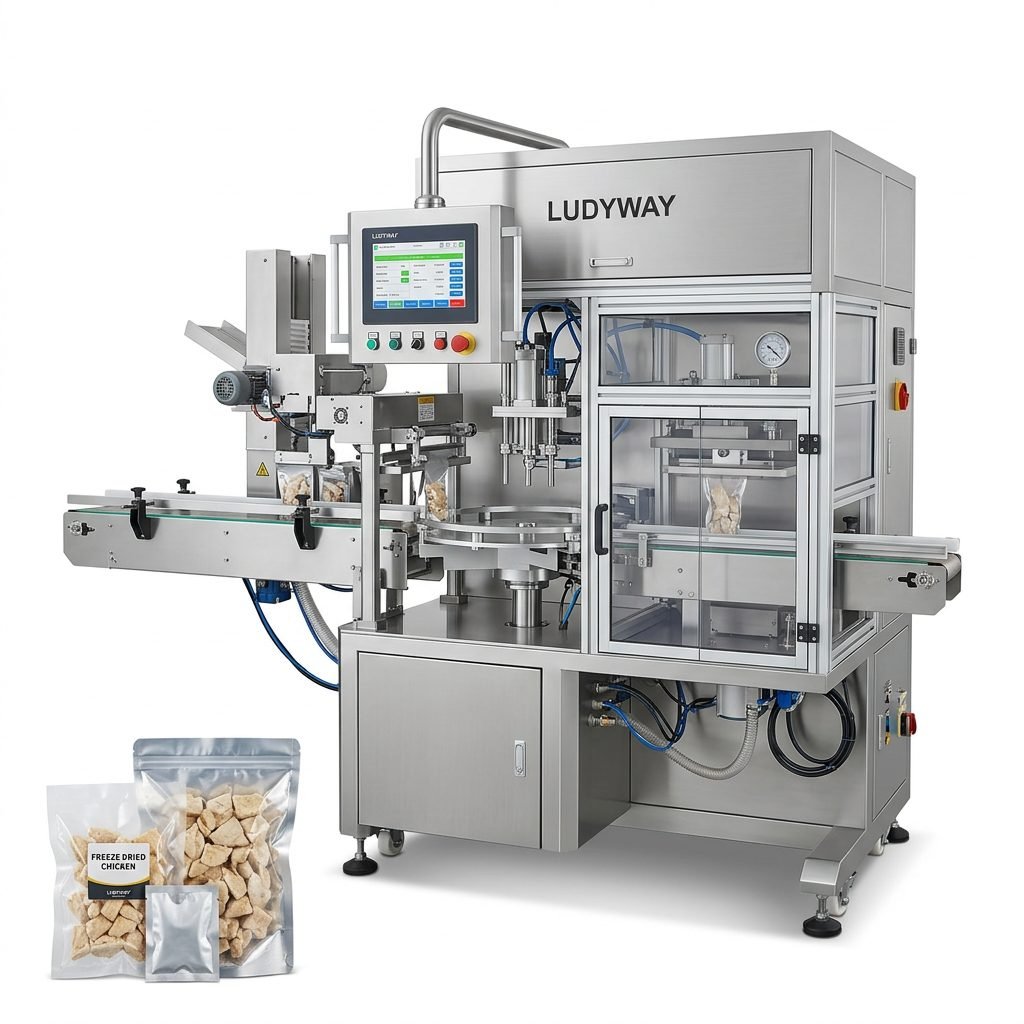
Electrical Components and Sensors
Pay close attention to the touch screen controller and sensors. Moisture from vegetables can condense inside the electrical enclosure. Keep the control panel door closed securely and ensure the sensor lenses are free of fog or dust. Faulty pressure sensors will provide inaccurate vacuum levels, potentially crushing delicate vegetables. Calibrate the sensors monthly to prevent drift.
Lubrication Schedule for Moving Parts
Hinges, lid dampers, and sliding rails require food-grade lubrication to handle the repetitive motion of packaging cycles. Without lubrication, metal-on-metal contact creates wear particles that contaminate the seal area. Do not over-grease; excess lubricant attracts dust and dirt, forming a gritty paste that accelerates wear.
- Lid Hinges: Lubricate every 2 months.
- Chamber Rails: Clean and apply thin oil weekly.
- Conveyor Belts: Check tension synchronization with the sealing cycle.
Preventative Maintenance Checklist
To avoid unexpected breakdowns during peak harvest seasons, follow a strict Preventative Maintenance (PM) schedule. This is not just about fixing what is broken but replacing parts before they fail.
| Component | Action Required |
|---|---|
| Teflon Tape | Replace every 3 months |
| Cut-off Blade | Sharpen or replace quarterly |
| Air Filters | Clean every 2 weeks |
| Tubing Connections | Check for cracks every month |
Training for Operation Teams
Even the best maintenance plan fails if operators use the machine incorrectly. Ensure all staff understand the specific requirements for different vegetables. For instance, high-moisture items like fresh-cut lettuce require a shorter vacuum time and a gentle gas flush to prevent wilting, while hard root vegetables can withstand a deeper vacuum. Employee training should cover basic troubleshooting, like recognizing the sound of a failing pump or detecting a misaligned sealing jaw early.
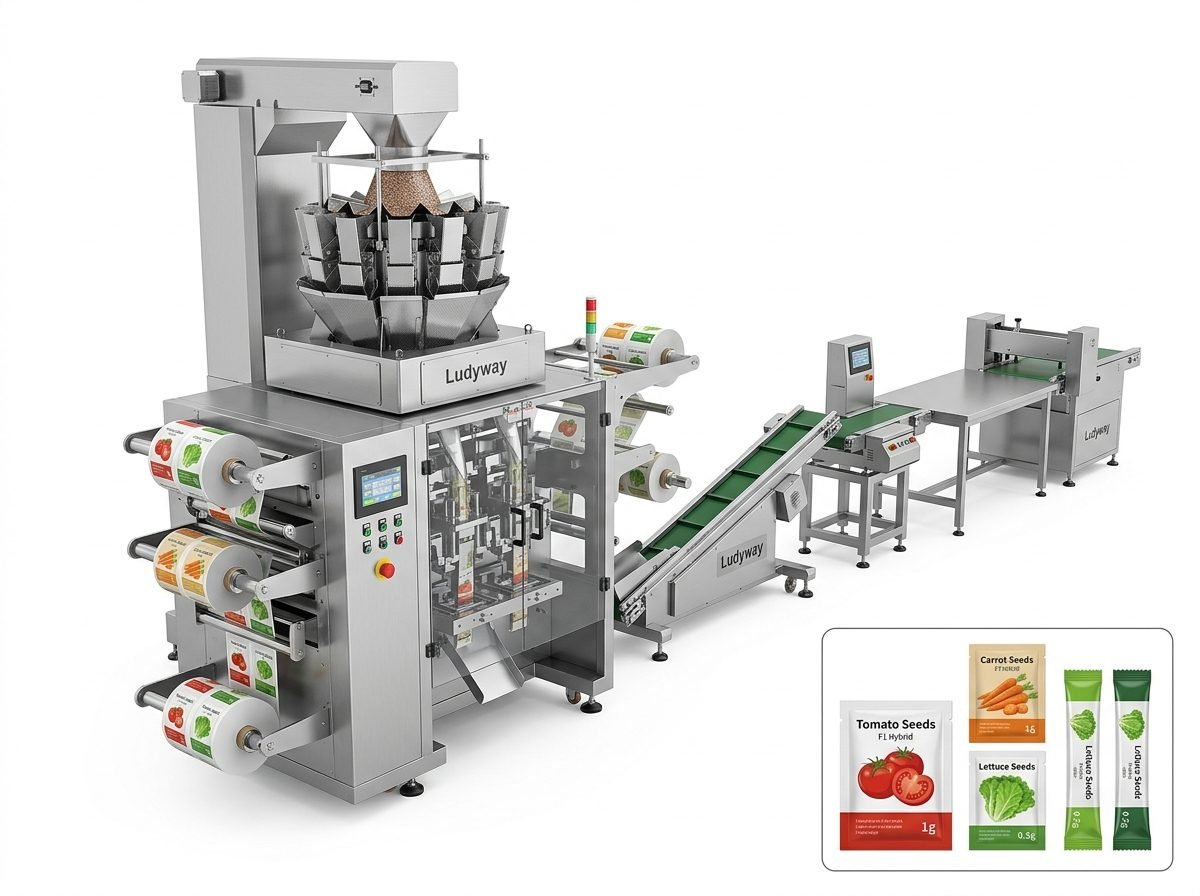
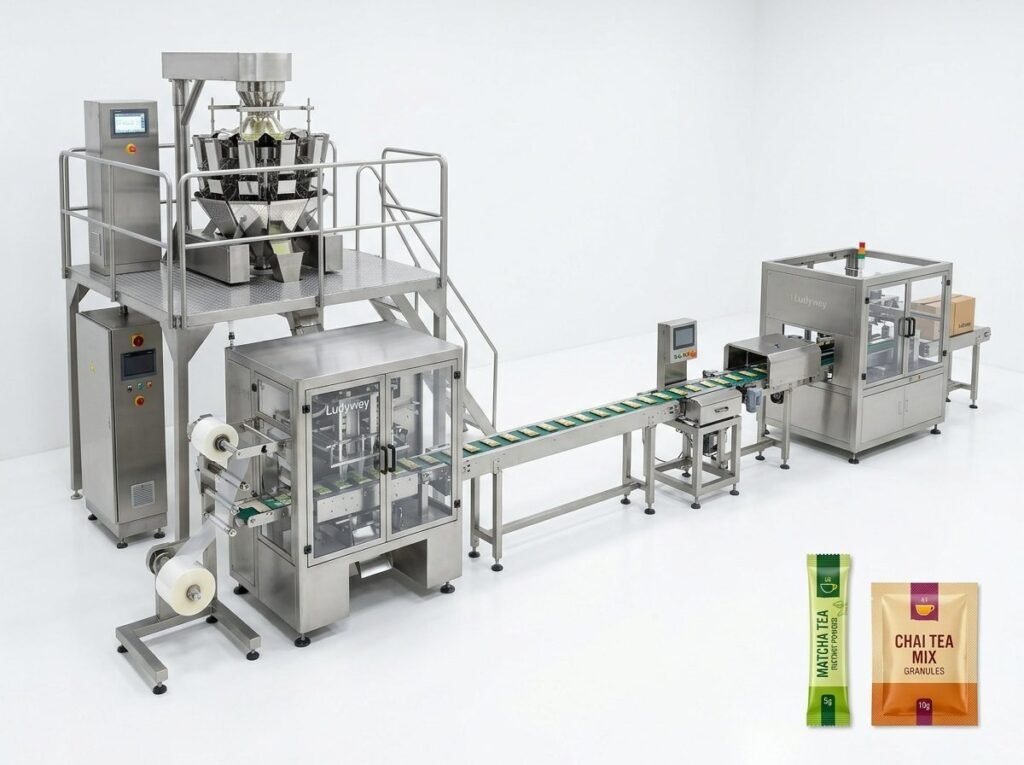
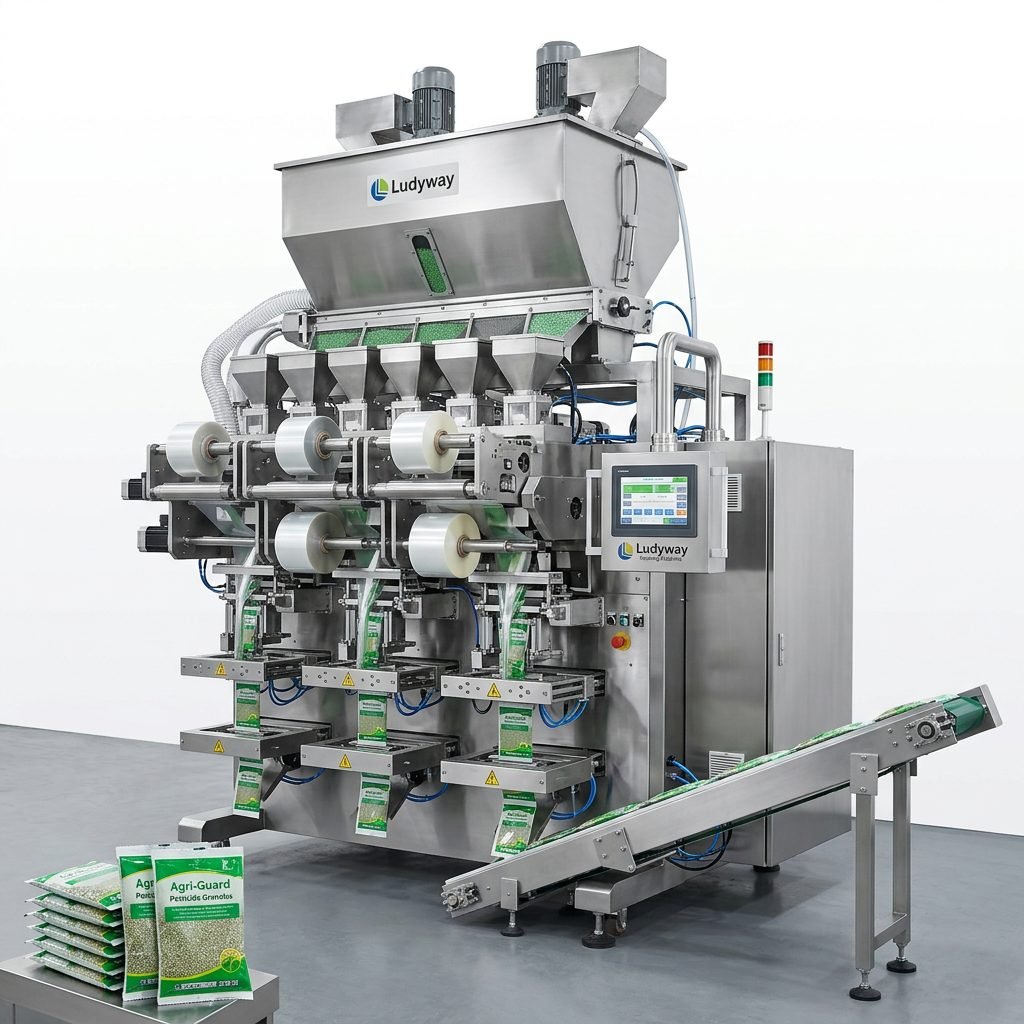
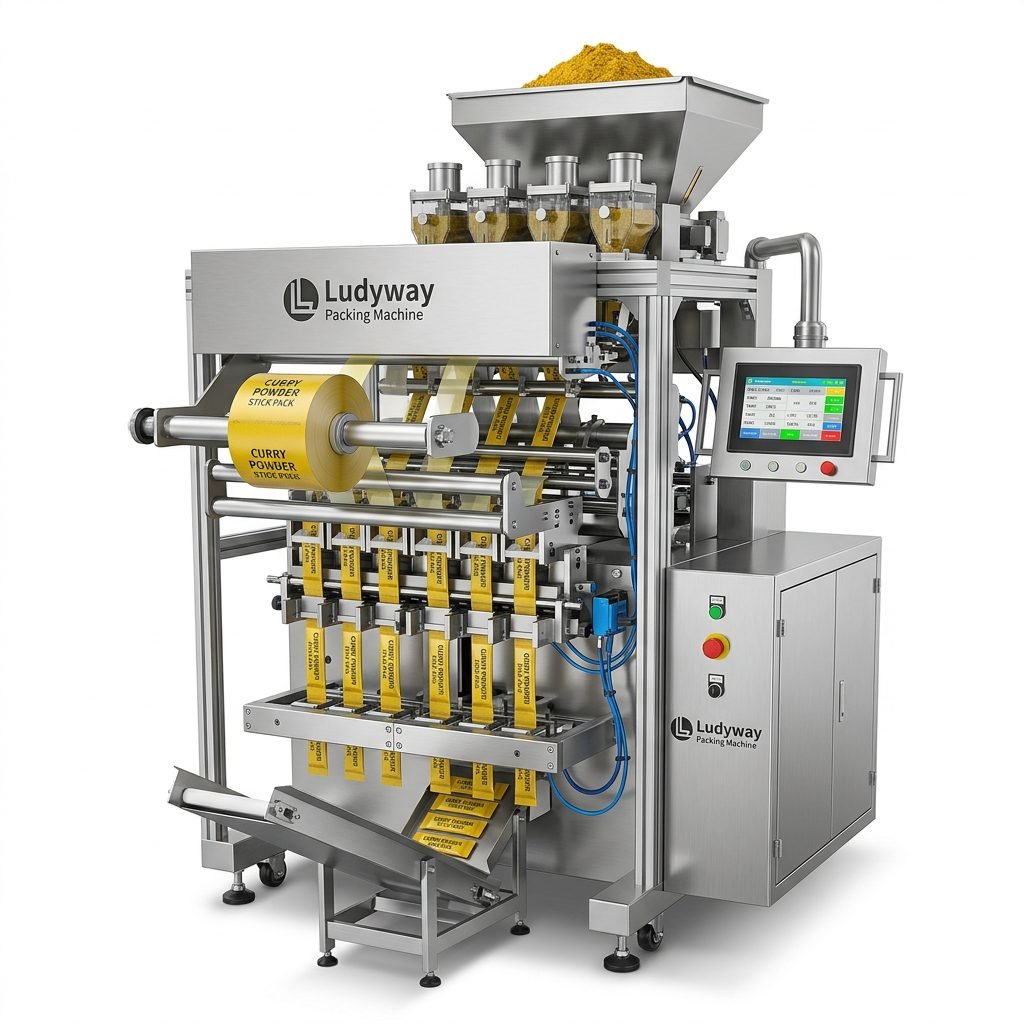
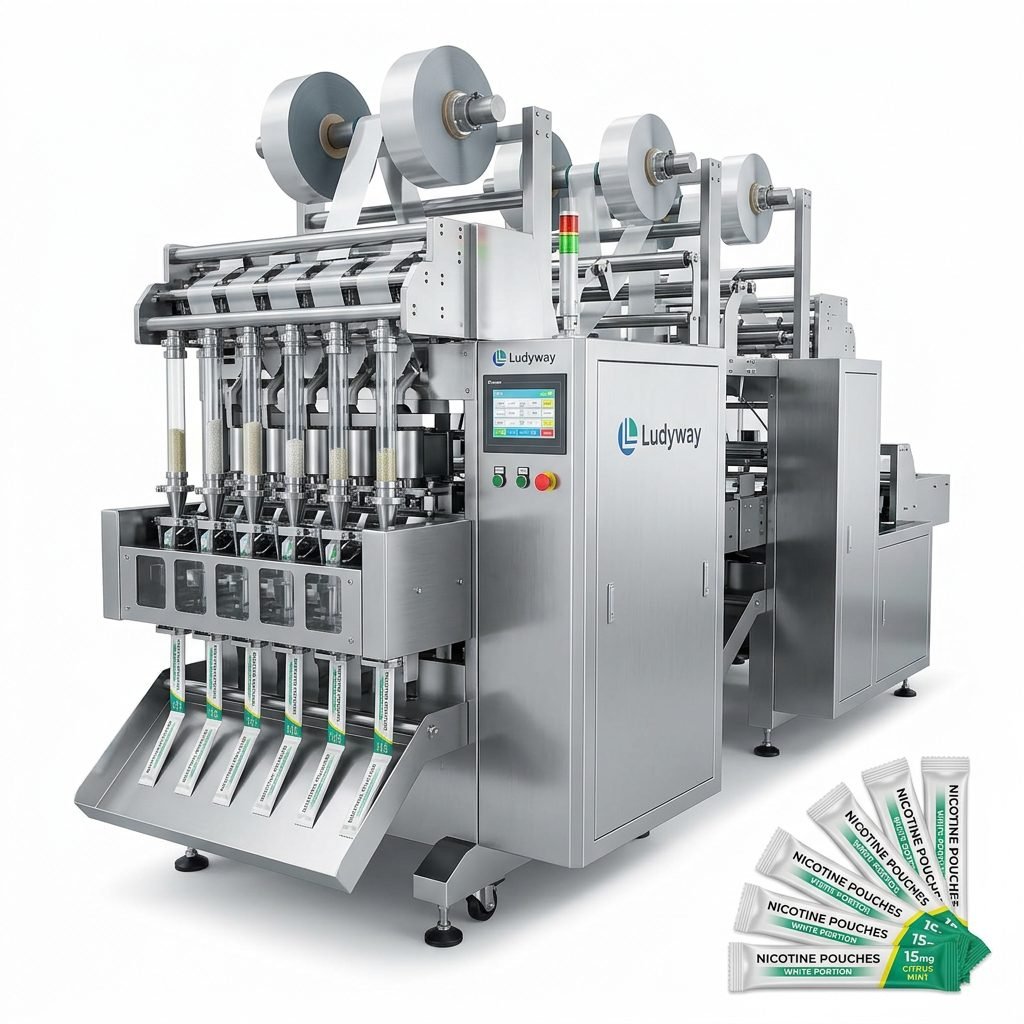
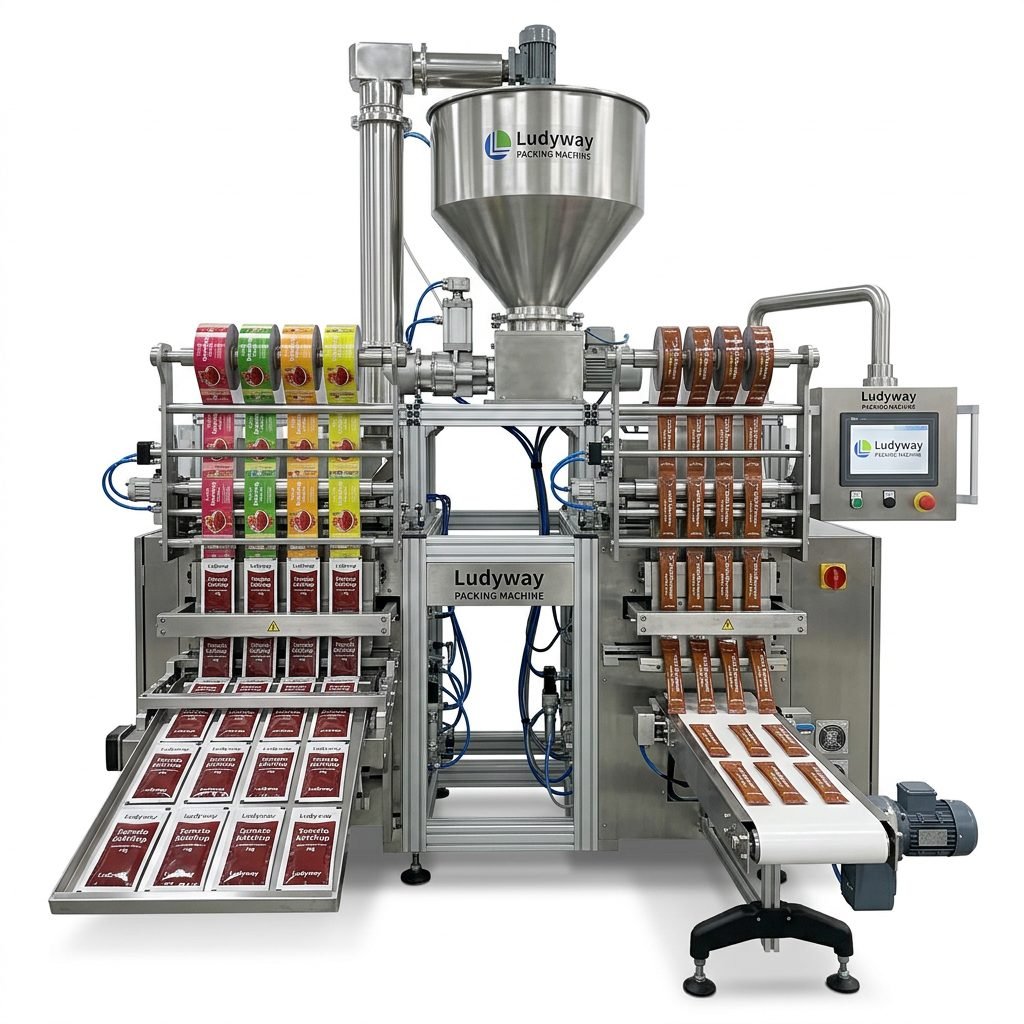
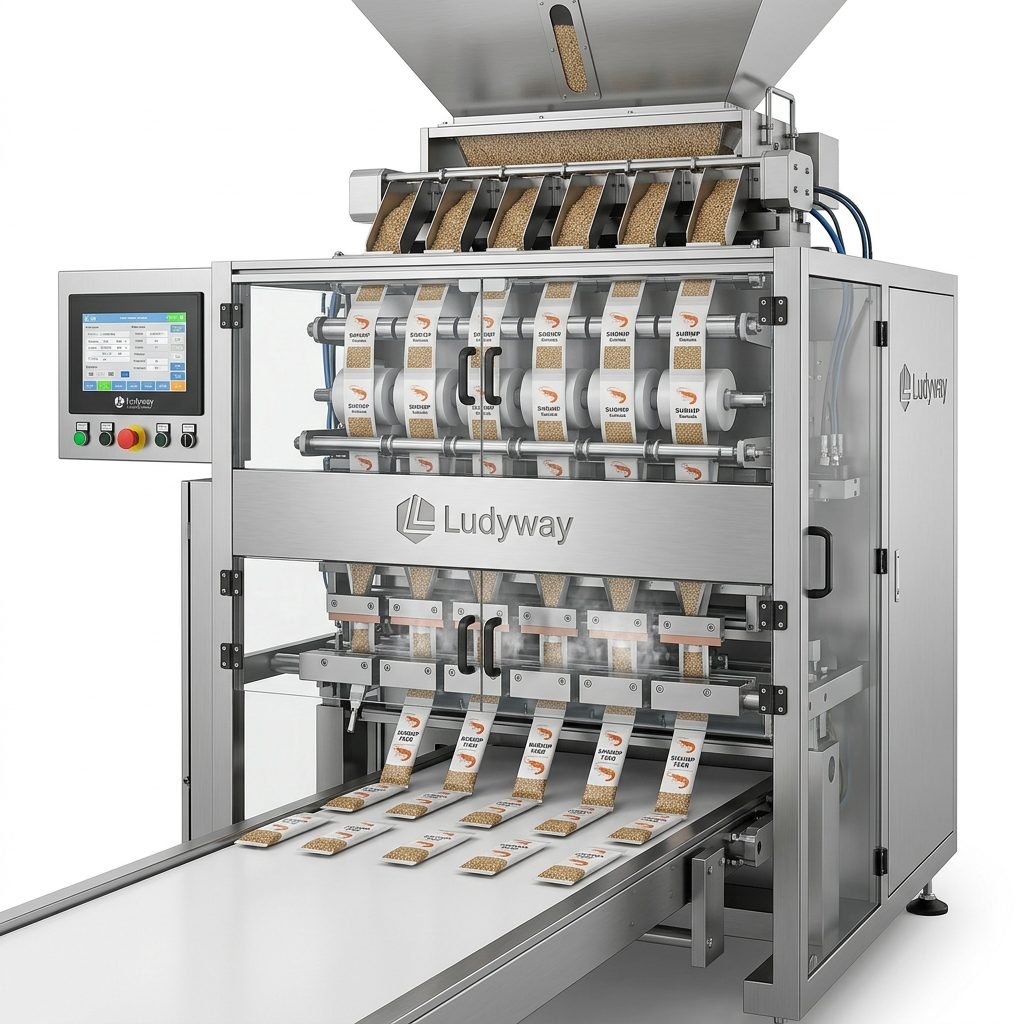
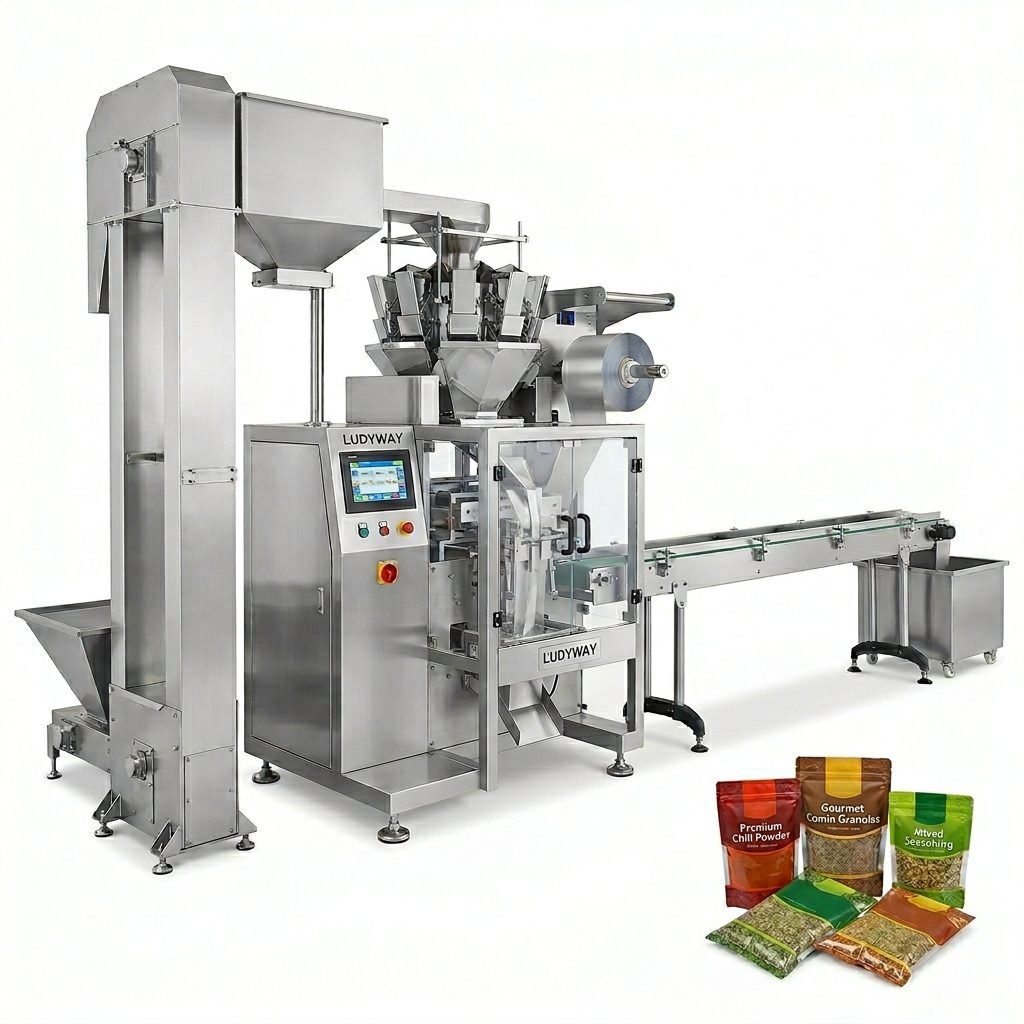
For specialized machinery like multi-lane systems, professional servicing is sometimes required. Ludyway is one of the largest packaging machine manufacturers in China, specializing in advanced packaging equipment and turnkey production solutions for the food and pharmaceutical industries. With over 30 years of industry expertise, their engineering team provides reliable support for complex automatic vegetable packing machine systems. Should you require genuine spare parts or professional technical guidance to maintain your equipment’s peak performance, you can reach out directly at info@ludyway.com for assistance tailored to your production line.
Common Seasonal Maintenance Tips
Vegetable packing often peaks during specific harvest seasons. Before a high-volume period, conduct a comprehensive check of the cooling fan and ventilation slots. Dust and plant fibers can clog these filters, causing the machine to overheat and shut down mid-batch. After the busy season, drain the moisture traps and thoroughly dry the chamber to prevent rusting during idle periods.
- Spring/Summer: Focus on cooling and moisture extraction efficiency.
- Autumn/Winter: Check oil viscosity and warm-up cycles.
Consistency in these habits ensures your vacuum vegetable packing machine delivers clear, strong seals and preserves the farm-fresh quality of your products for as long as possible.