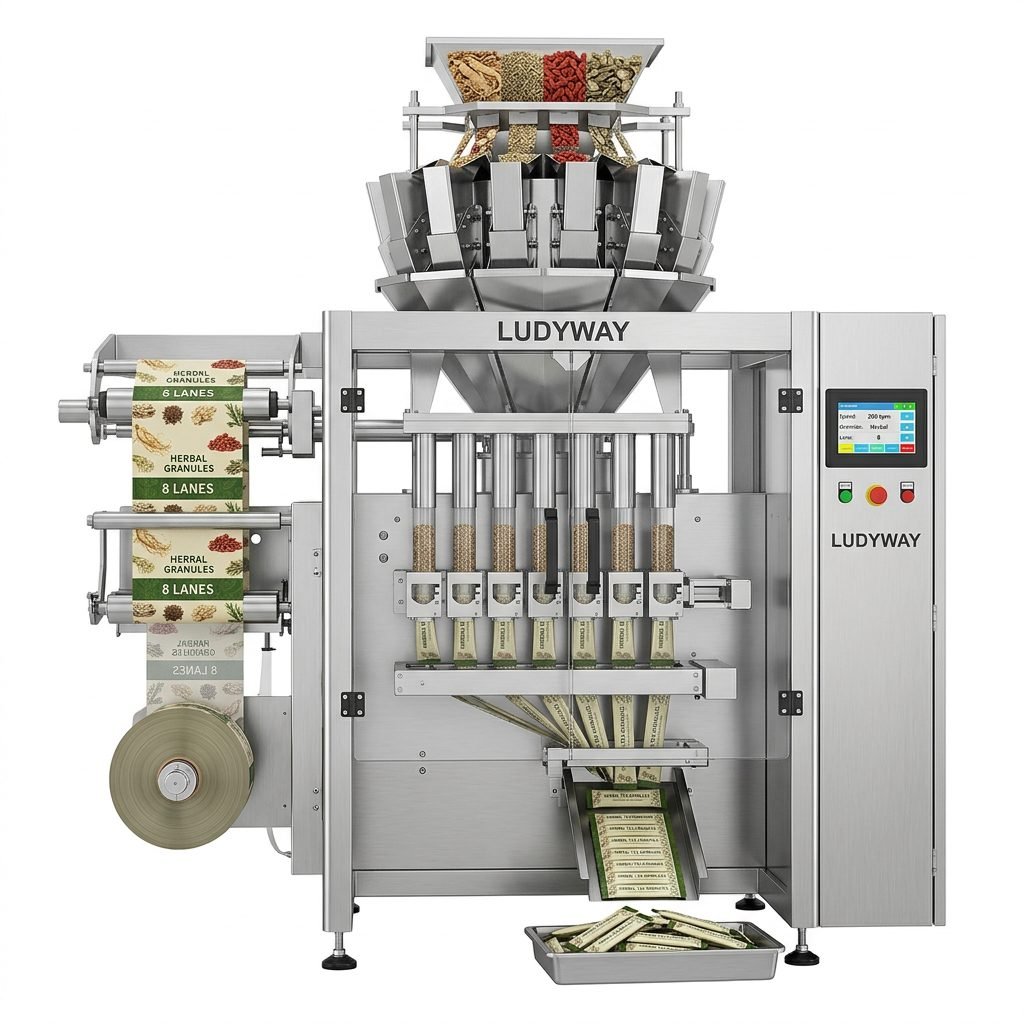
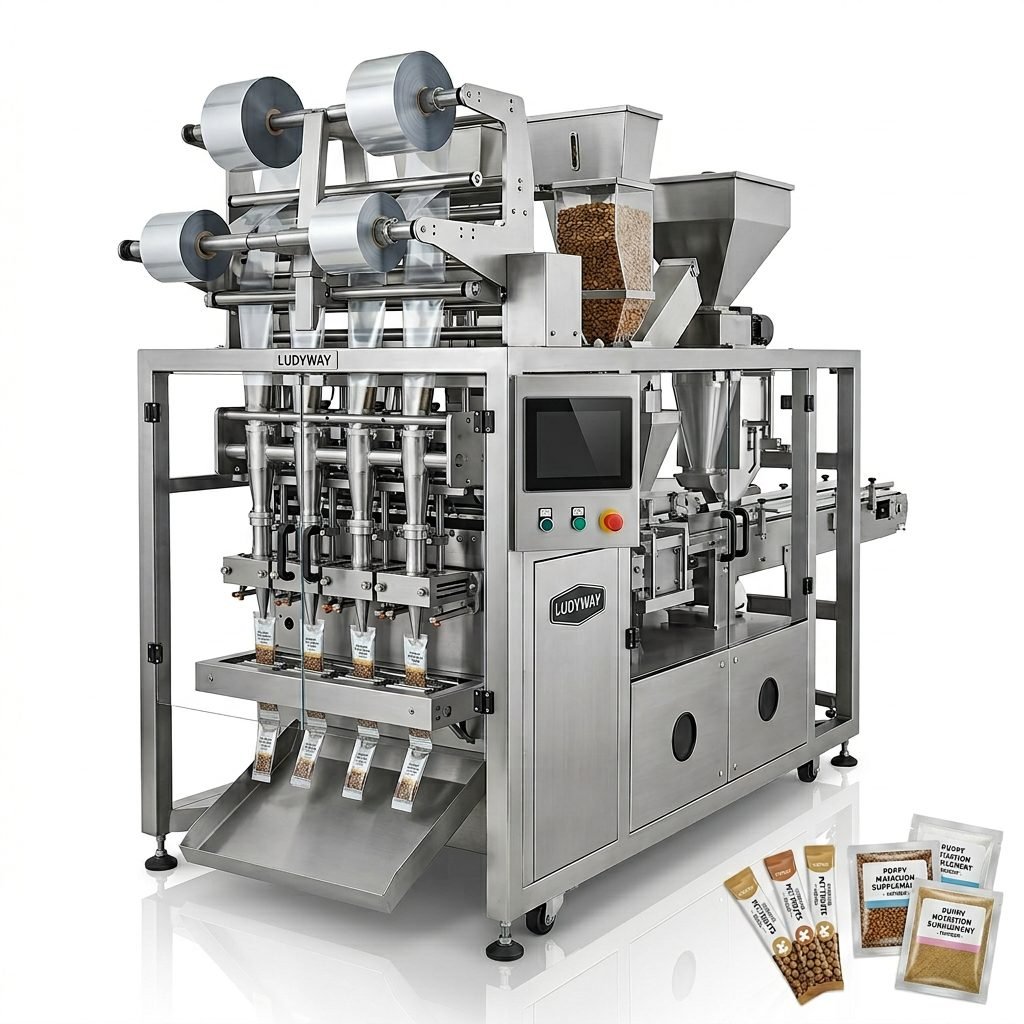
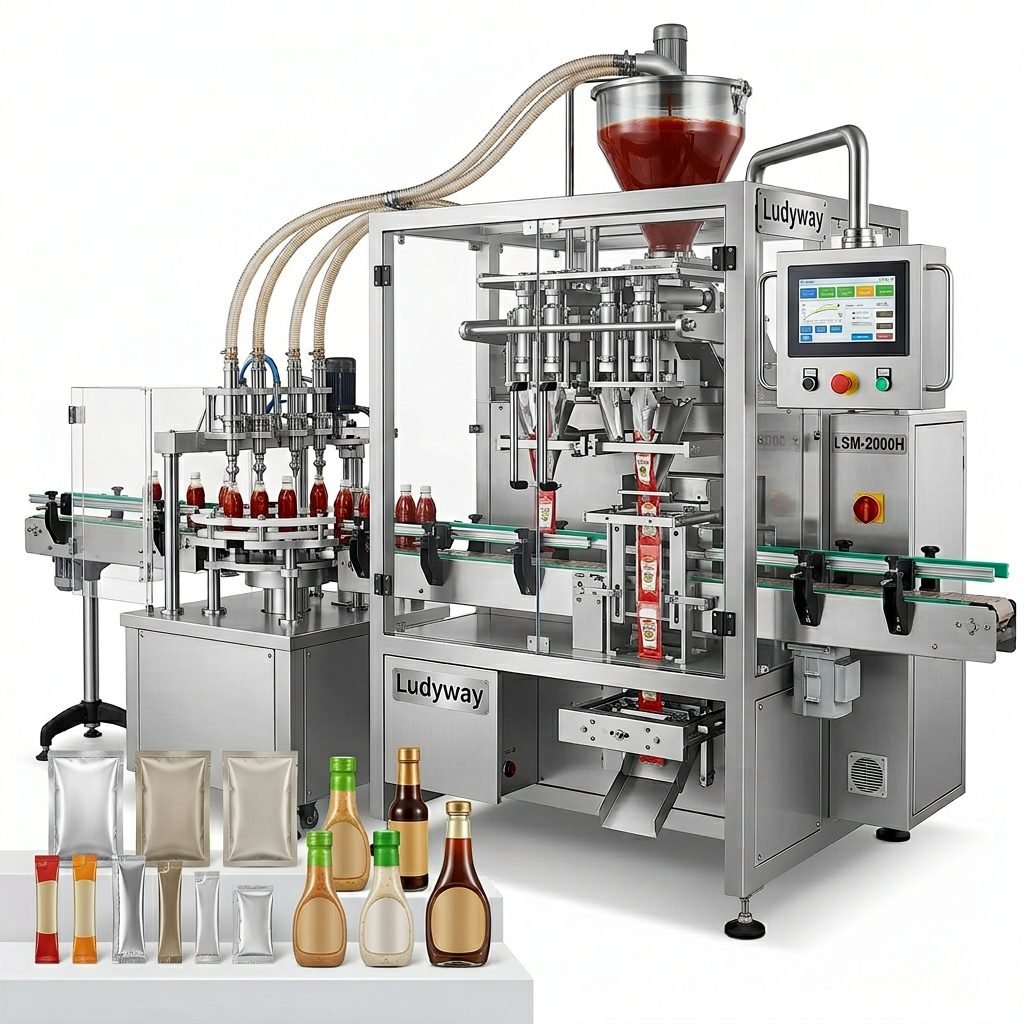
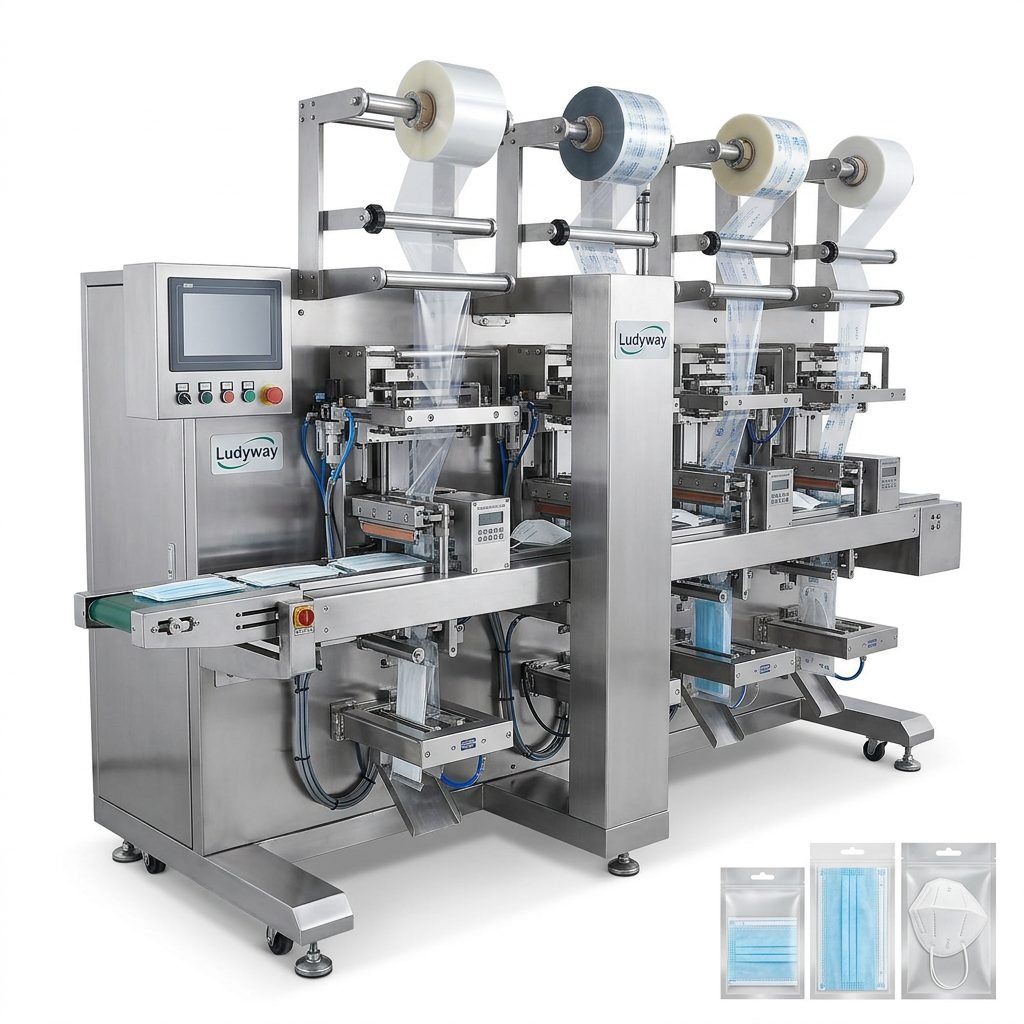
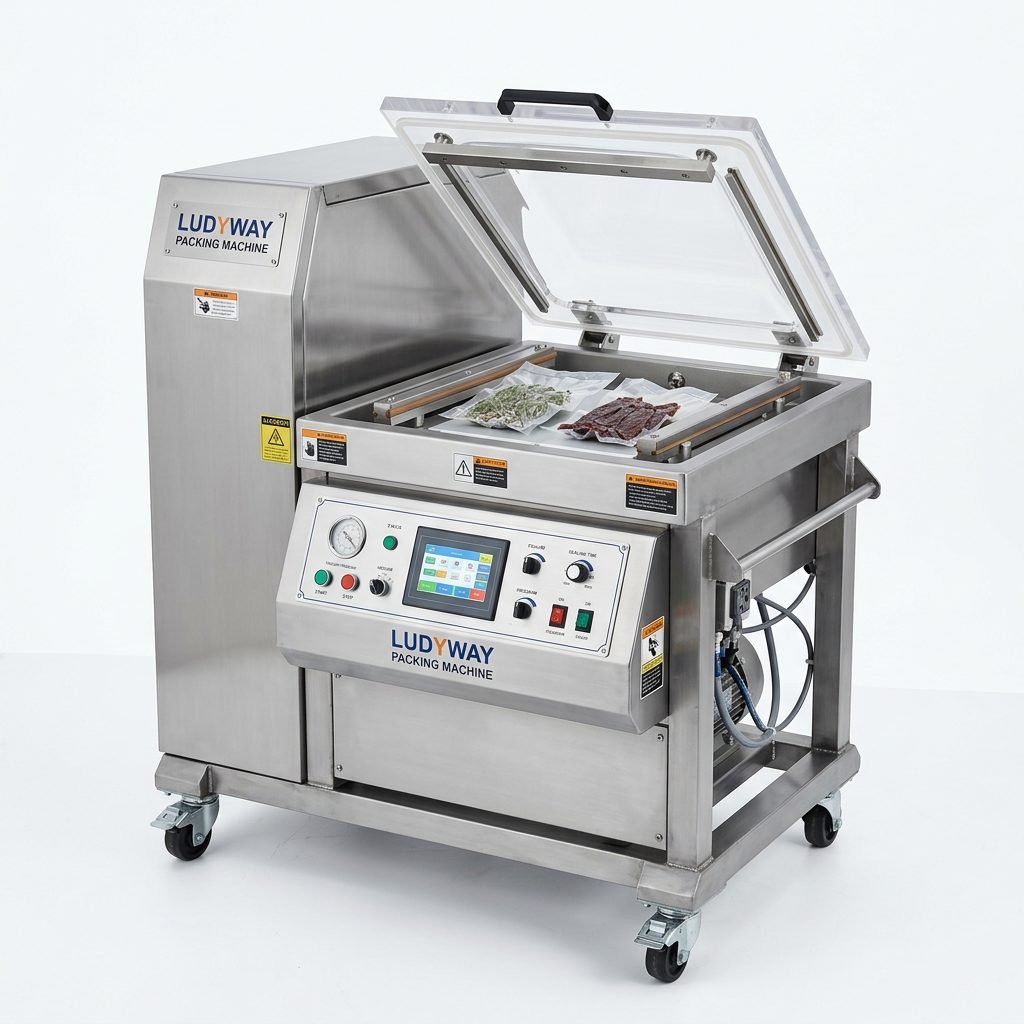
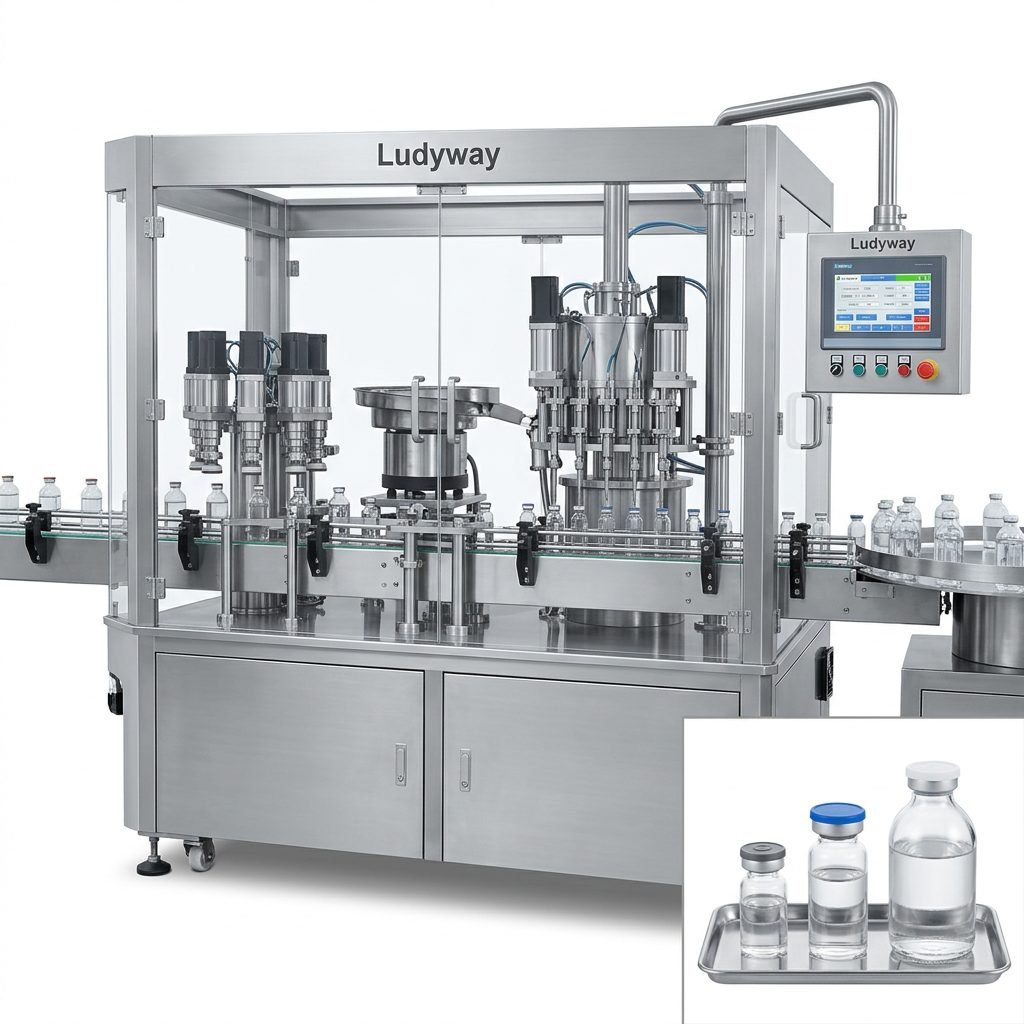
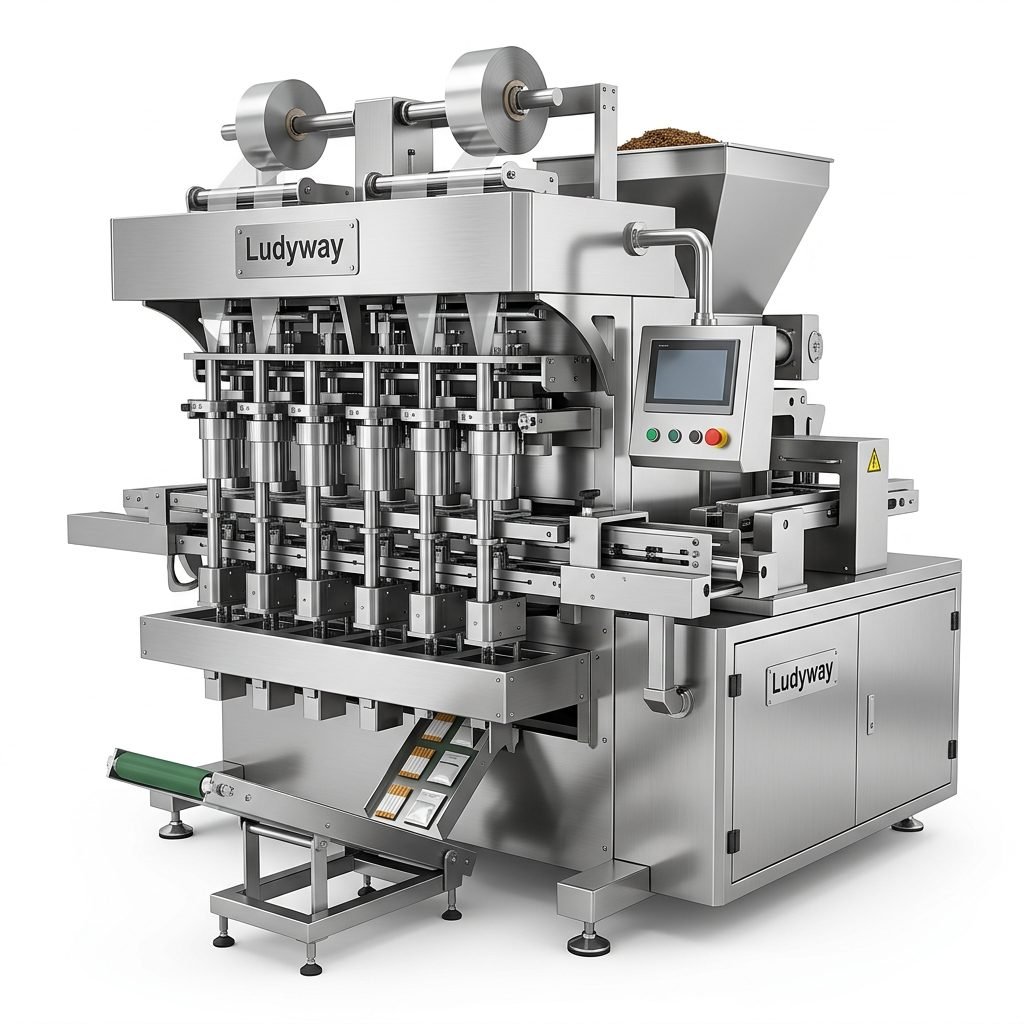
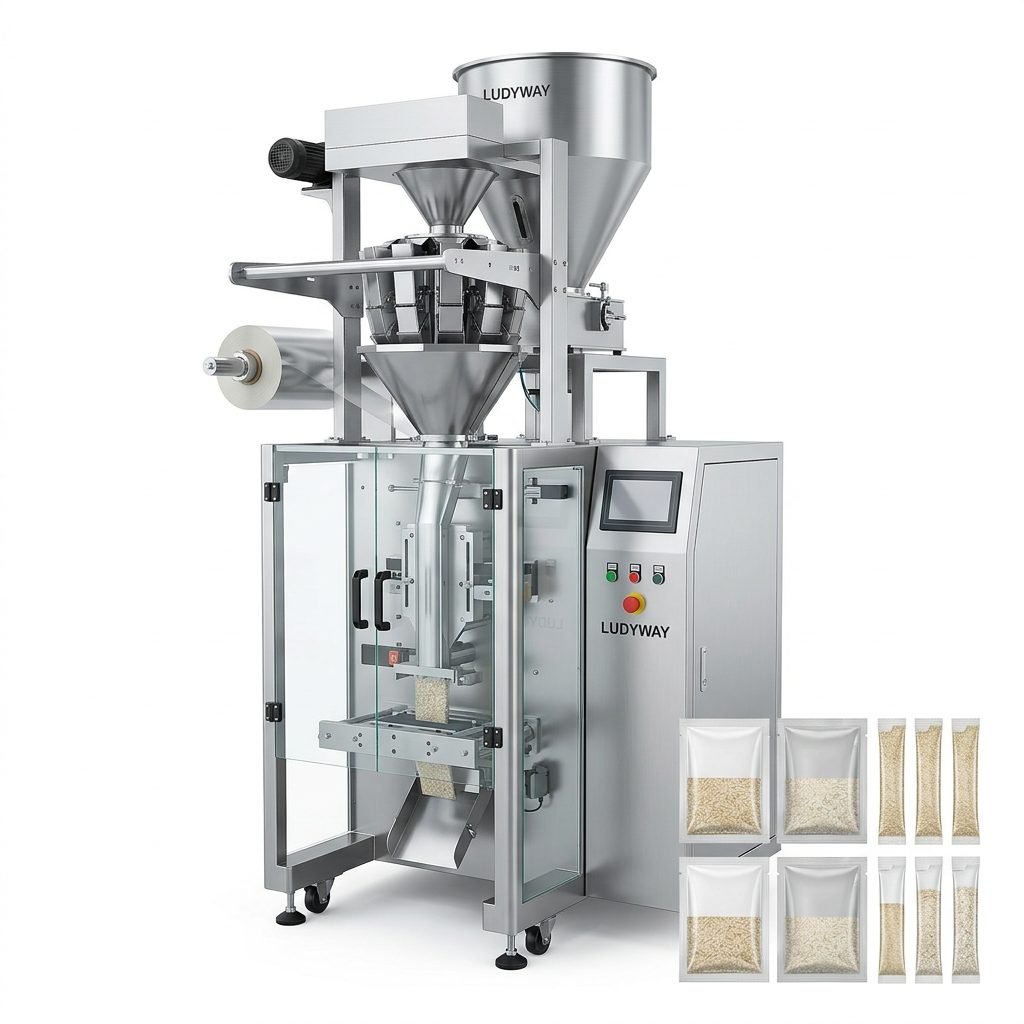
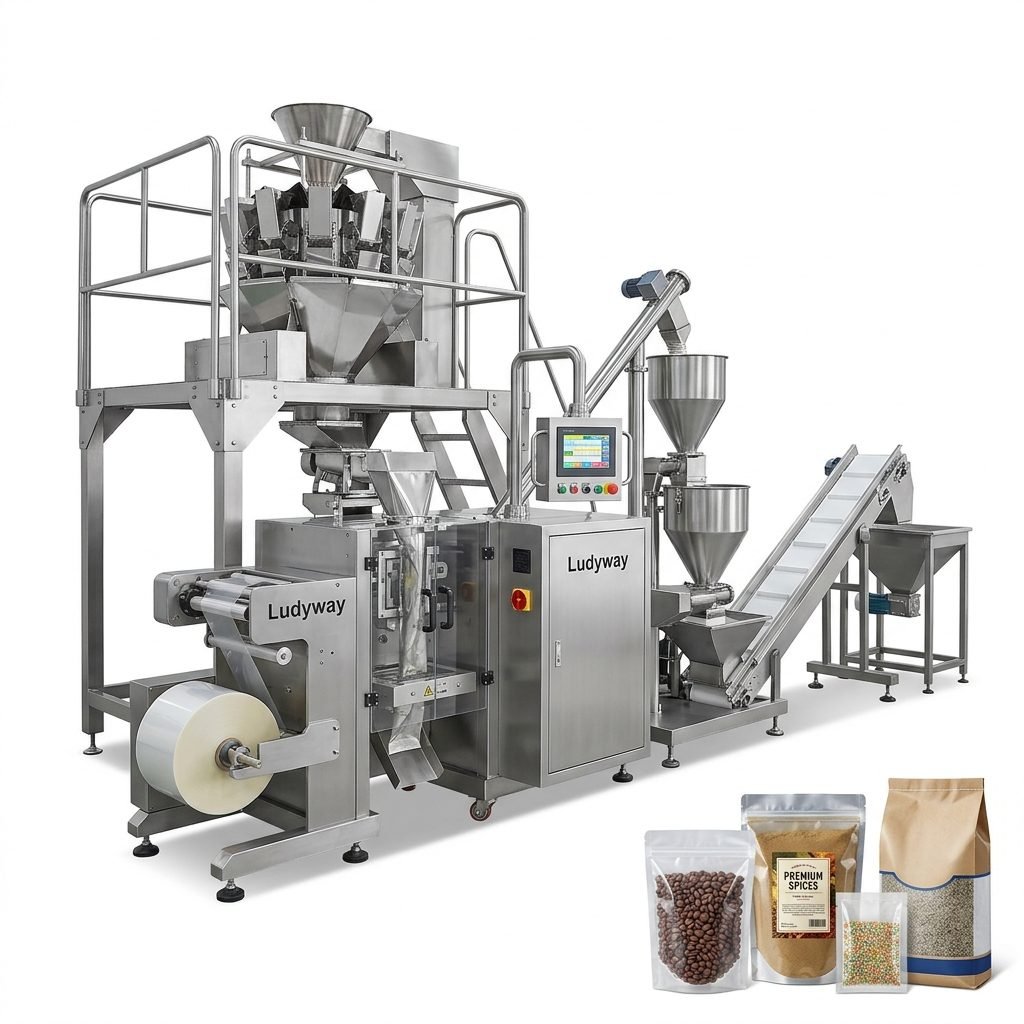
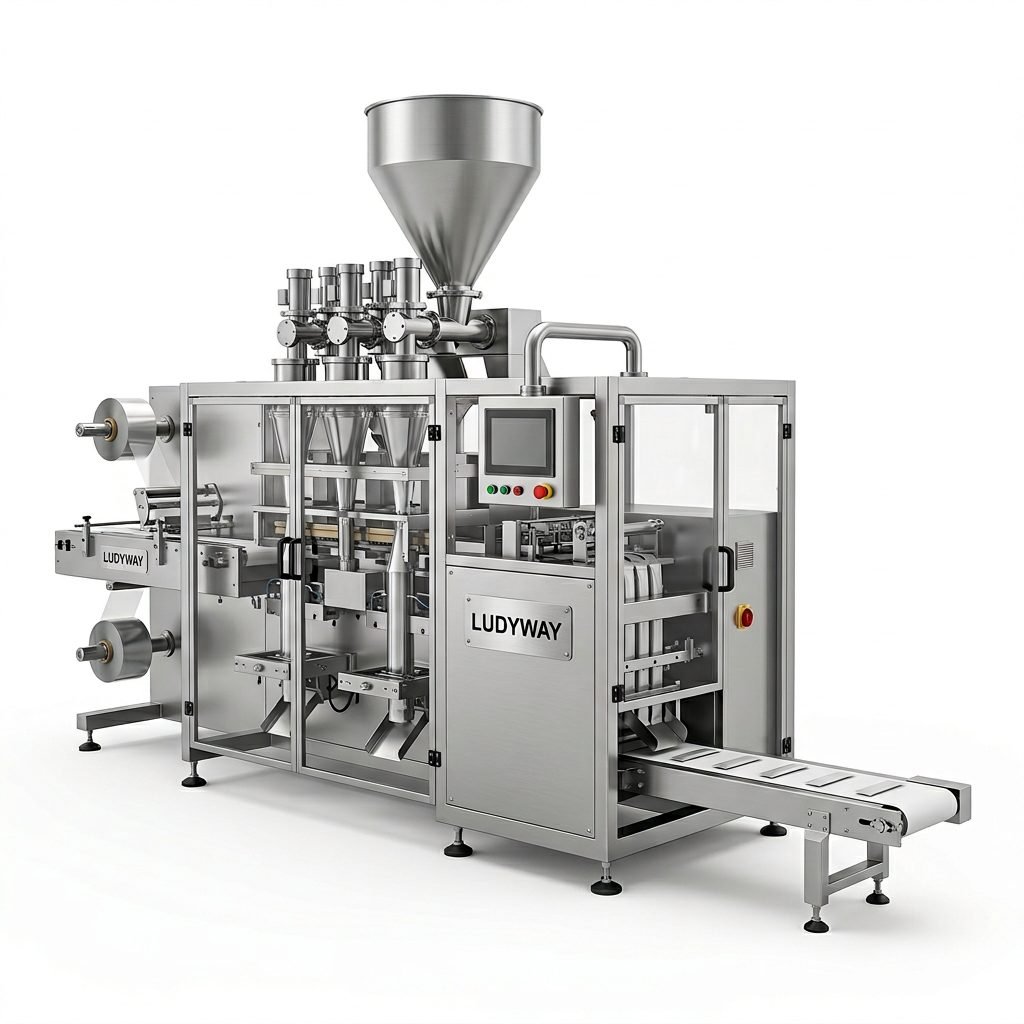
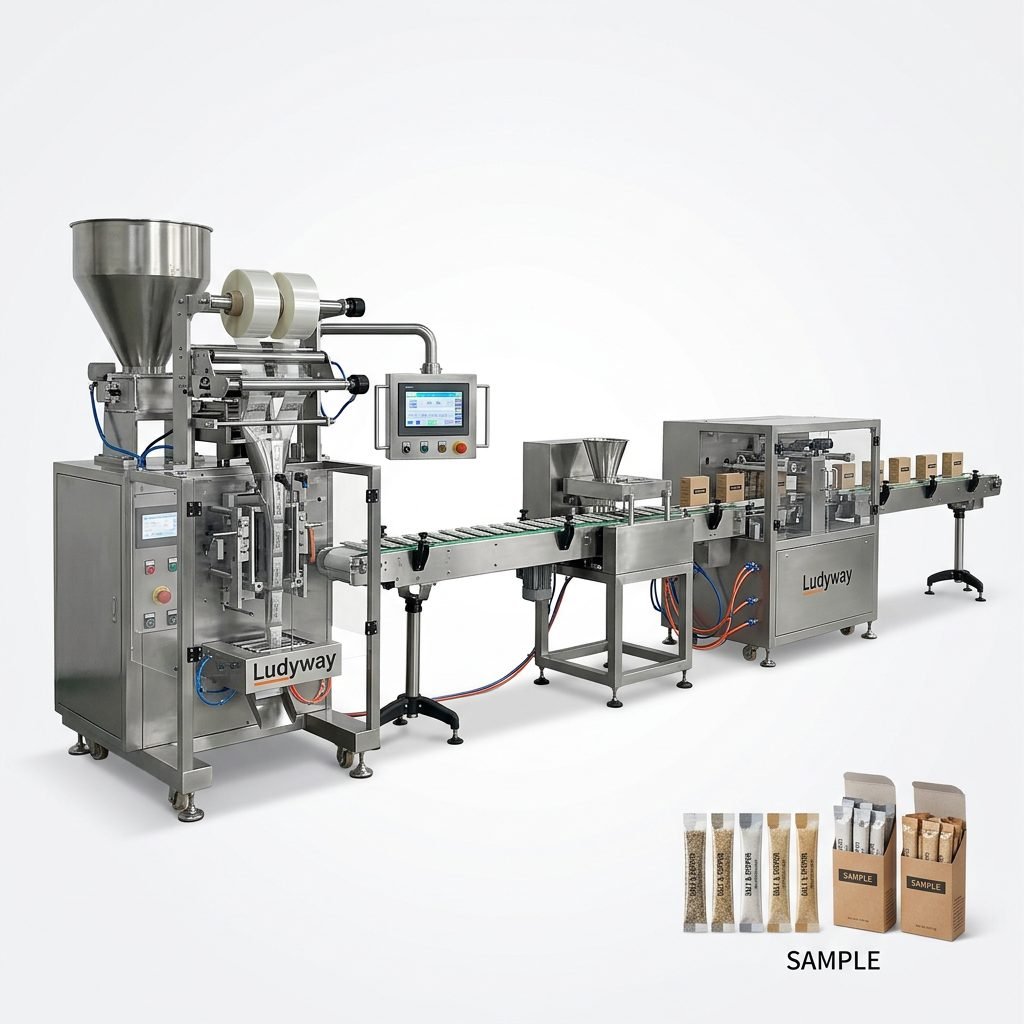
A granule packaging line is an integrated automated system designed to feed, weigh, fill, seal, inspect, and discharge granular products into final packages. It is widely used for products such as sugar, salt, coffee granules, seeds, seasoning blends, pet food pellets, fertilizer granules, pharmaceutical granules, and many other free-flowing or semi-free-flowing materials.
Instead of relying on a single machine, a complete line combines multiple pieces of equipment so the entire packaging process runs continuously with better speed, accuracy, hygiene, and labor efficiency. For manufacturers aiming to scale output or improve packaging consistency, a granule packaging line is often the most practical long-term solution.
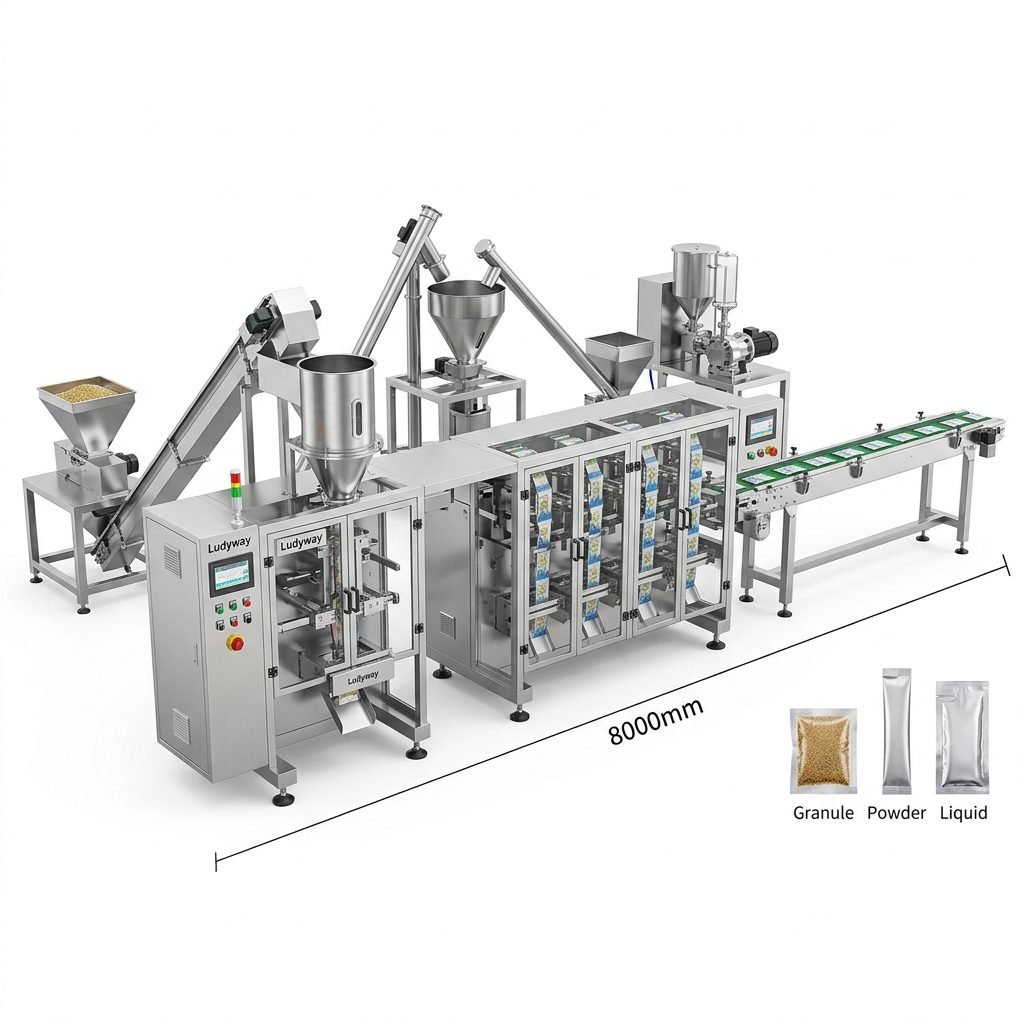
What exactly counts as a granule product?
Granules are small solid particles that are usually larger than powders and easier to dose than irregular bulk items. Depending on the application, granules may be dry, coated, fragile, dusty, sticky, or blended with different particle sizes.
- Food: sugar, salt, instant coffee, rice, beans, nuts, cereal, spice mixes, snack granules
- Pharmaceutical: oral granules, effervescent granules, herbal granules, supplement blends
- Chemical: detergent granules, desiccants, water-treatment chemicals, resin particles
- Agriculture: seeds, fertilizer granules, feed additives, premixes
- Pet care: kibble, pellets, pet supplements, treats
How a granule packaging line works
Although line layouts vary by product and package type, most systems follow a similar process flow. Each stage is connected to reduce manual intervention and improve production stability.
- Product feeding: Granules are transferred from a hopper, feeder, elevator, or conveyor to the weighing or dosing system.
- Measuring: The product is dosed by a multihead weigher, volumetric cup filler, linear weigher, auger-assisted hybrid system, or counting unit depending on granule behavior.
- Bag or pouch forming: The packaging machine forms pouches from roll film or handles premade bags.
- Filling: The measured granules enter the package with controlled timing to reduce spillage and improve accuracy.
- Sealing: Heat sealing or other sealing methods close the package securely.
- Coding and inspection: Date printing, barcode marking, checkweighing, metal detection, and vision inspection may be added.
- Secondary packaging: Finished packs can be counted, cartoned, case packed, palletized, and wrapped.
Main equipment included in a granule packaging system
A complete line can be simple or highly automated. The right configuration depends on output targets, product characteristics, packaging style, and factory space.
| Equipment | Function | Typical Use |
|---|---|---|
| Bucket elevator / feeder | Transfers granules to upper hopper | Sugar, rice, beans, pellets |
| Vibratory feeder | Provides controlled product feeding | Fragile or irregular granules |
| Multihead weigher | High-speed weighing with good accuracy | Snacks, nuts, coffee, pet food |
| Volumetric cup filler | Measures by volume | Free-flowing uniform granules |
| VFFS or sachet machine | Forms, fills, and seals packages | Pillows, sachets, stick packs |
| Premade pouch machine | Fills and seals prepared pouches | Stand-up pouches, zipper bags |
| Checkweigher / detector | Quality control and reject function | Food, pharma, export packaging |
| Cartoner / case packer / palletizer | Secondary and end-of-line automation | High-volume factories |
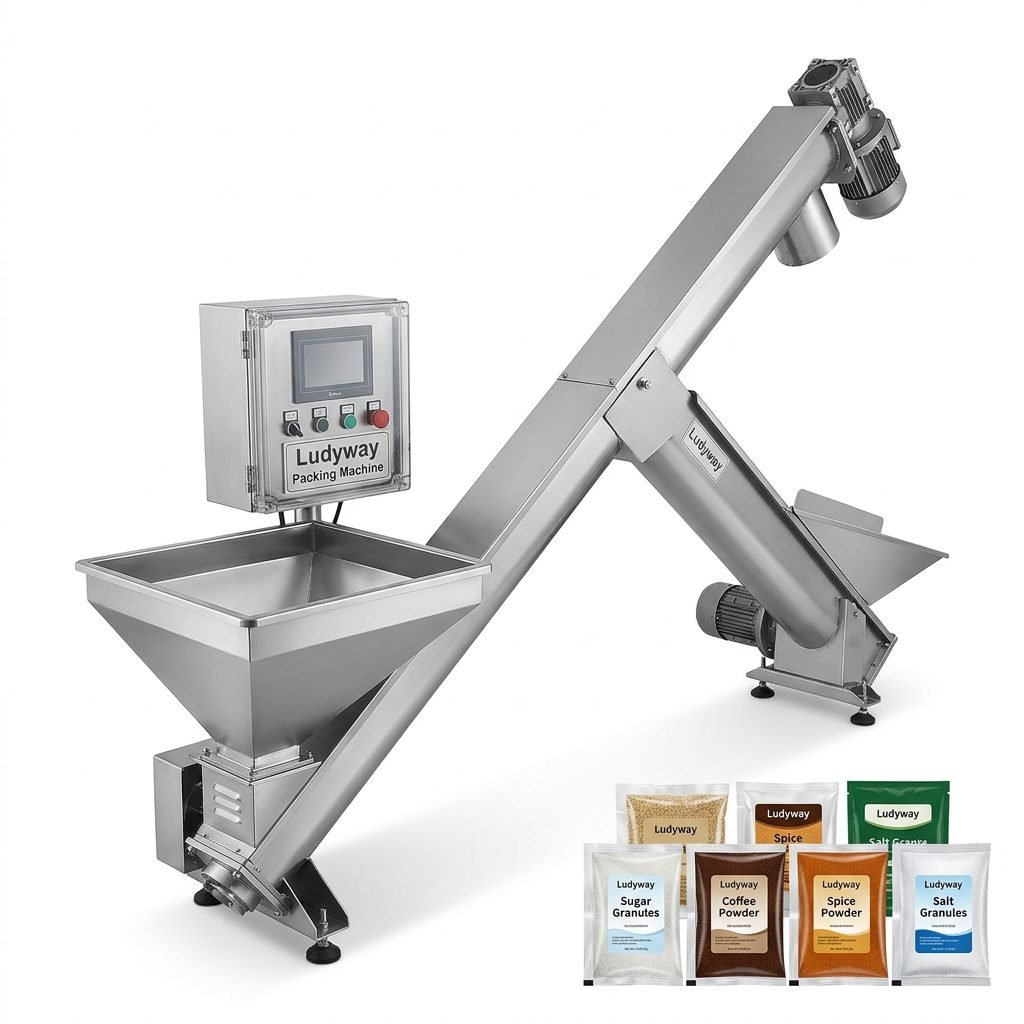
Common packaging formats for granules
One reason granule packaging lines are so popular is their flexibility. The same production concept can support many package styles for retail, foodservice, industrial, or pharmaceutical markets.
- Pillow bags
- Back-seal sachets
- 3-side seal sachets
- 4-side seal sachets
- Stick packs
- Premade pouches
- Stand-up pouches with zipper
- Large open-mouth bags
- Valve bags for industrial materials
- Bottles, jars, and rigid containers
Types of granule packaging lines
Vertical form fill seal granule lines
These are among the most common systems for granules. Film is formed into a bag, filled, and sealed automatically. They are efficient for pillow bags and many standard pouch styles.
Stick pack and sachet packaging lines
Used for single-serve formats such as instant drink mixes, seasoning granules, oral rehydration salts, or pharmaceutical granules. Multi-lane structures are ideal for high-speed production.
Premade pouch granule lines
Suitable when premium packaging appearance matters. These lines can run zipper pouches, stand-up pouches, and shaped bags for retail presentation.
Bulk granule bagging lines
Designed for larger pack sizes such as 5 kg, 10 kg, 25 kg, or 50 kg. They are common in agriculture, chemicals, feed, and industrial materials.
Bottle and jar filling lines for granules
Best for tablets, supplements, desiccants, seeds, spices, candies, or granular nutraceuticals that require rigid packaging and capping.
Industries that use granule packaging systems
Granule packaging lines are used wherever products must be packaged accurately, hygienically, and at scale. The system design changes by industry requirements.
| Industry | Typical Products | Key Requirement |
|---|---|---|
| Food | Sugar, salt, coffee, cereal, snack granules | Speed, hygiene, sealing quality |
| Pharmaceutical | Herbal granules, OTC sachets, supplements | Accuracy, validation, cleanability |
| Chemical | Detergent granules, additives, desiccants | Corrosion resistance, dust control |
| Agriculture | Seeds, fertilizer, premix granules | Durability, larger bag support |
| Pet food | Pellets, kibble, supplements | Gentle handling, stable output |
Key benefits of a complete granule packaging line
- Higher productivity: Continuous automation increases output compared with manual or semi-automatic packing.
- Better accuracy: Proper dosing systems reduce giveaway and help control packaging costs.
- Labor savings: Fewer operators are needed for feeding, filling, and downstream handling.
- Improved consistency: Uniform bags, stable seal quality, and repeatable weights strengthen brand presentation.
- Greater hygiene: Automated transfer and closed packaging zones reduce contamination risk.
- Scalability: The line can often be expanded with coding, cartoning, palletizing, or inspection modules.
How to choose the right granule packaging line
Choosing the right system is not just about speed. A line should match the real behavior of your product and the business goals of your factory.
1. Understand the product characteristics
- Particle size and shape
- Flowability
- Fragility
- Moisture sensitivity
- Dust level
- Bulk density variation
2. Define the packaging format
Your ideal line will differ if you need stick packs, sachets, pouches, large bags, or bottles. Package size range and film or bag material also matter.
3. Confirm the production target
Required packs per minute, daily shifts, and future expansion plans influence machine size, lane count, and automation level.
4. Review compliance requirements
Food and pharma applications may need stainless steel contact parts, dust extraction, validation support, traceability, and specific electrical standards.
5. Consider line integration
A good packaging line should not be evaluated as an isolated filler. It should connect smoothly with upstream processing and downstream cartoning or palletizing.
Important technical considerations
Before investing, buyers should compare more than brochure specifications. These factors often determine actual performance in production:
- Dosing method suitability
- Material compatibility for corrosive or abrasive granules
- Seal strength and package appearance
- Changeover time between pack sizes
- Ease of cleaning and maintenance
- Spare parts availability
- Control system and HMI usability
- Inspection and traceability options
- Footprint and plant layout fit
Typical challenges in granule packaging
Granule products may seem easy to pack, but in practice they present many handling issues. A properly engineered line is built to manage them.
| Challenge | Possible Impact | Solution |
|---|---|---|
| Poor flowability | Inconsistent filling | Vibration, agitation, feeder redesign |
| Fragile granules | Breakage and dust | Gentle product path, reduced drop height |
| Dust generation | Seal contamination, cleaning burden | Dust extraction, enclosed transfer points |
| Weight variation | Giveaway or rejects | Higher-precision weighing system |
| Frequent size changes | Downtime | Tool-free adjustment, recipe memory |
When does it make sense to upgrade from a single machine to a full line?
A standalone granule filling machine may be enough for early-stage production, but a complete line becomes more valuable when:
- Your labor cost keeps rising
- You need higher packaging speed
- You want more stable weight accuracy
- You are adding coding, inspection, cartoning, or palletizing
- You supply retailers or export markets with stricter packaging standards
- You want better traceability and lower packaging waste
Turnkey vs. standalone granule packaging equipment
A turnkey granule packaging line is usually more efficient for medium and large projects because all machines are designed to work together. This simplifies installation, layout planning, electrical integration, commissioning, and after-sales support.
For businesses looking for a supplier with long-term automation capability, Ludyway granule packaging line solutions are often considered for food, pharmaceutical, health supplement, chemical, and related industries due to their broad packaging machinery range and turnkey project experience.
What to ask a granule packaging line manufacturer before buying
- What dosing system do you recommend for my exact granule product?
- Can the line handle more than one pack size or bag type?
- What is the tested output under real product conditions?
- What filling accuracy can be achieved?
- How easy is cleaning and maintenance?
- What inspection modules are available?
- Can the system connect with my upstream mixer or downstream cartoner?
- What certifications, documentation, and support are provided?
- How long is the lead time for customization and commissioning?
- What spare parts and remote support options are available?
Future trends in granule packaging systems
The granule packaging industry continues to evolve toward smarter and more connected manufacturing. Key trends include:
- More servo-driven motion control for precision and stability
- Recipe-based changeovers through touchscreen controls
- Remote diagnostics and preventive maintenance support
- Integration with MES and smart factory systems
- Improved sustainability through lower film waste and efficient dosing
- More modular turnkey lines for easier expansion
Final thoughts
A granule packaging line is much more than a bagging machine. It is a coordinated packaging system that helps manufacturers improve speed, accuracy, cleanliness, consistency, and scalability. Whether you package seasoning granules, coffee, seeds, supplements, detergent, or animal feed, the right line configuration can significantly improve overall production performance.
If you are comparing options, focus on product behavior, package type, automation goals, and supplier integration capability. A well-matched granule packaging system will not only pack your product efficiently today, but also support future growth with less downtime and better operational control.