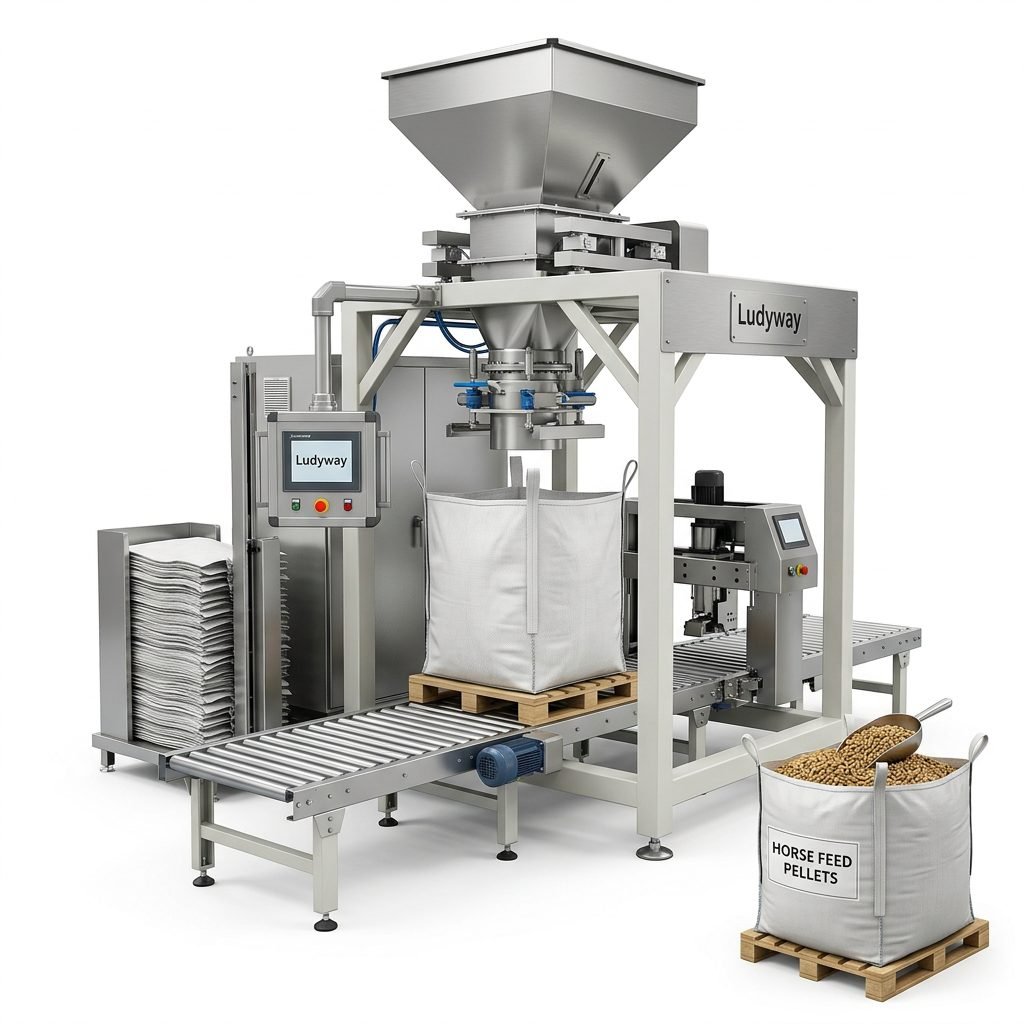
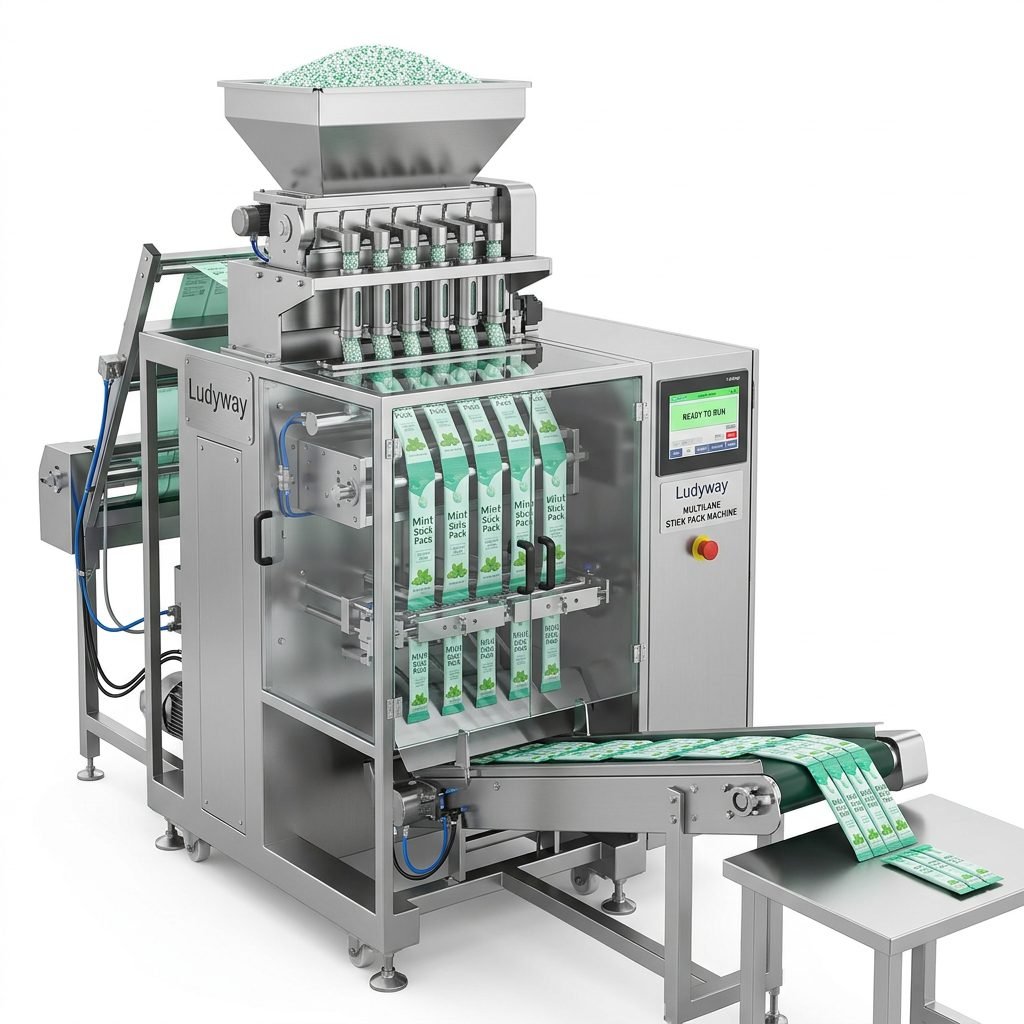
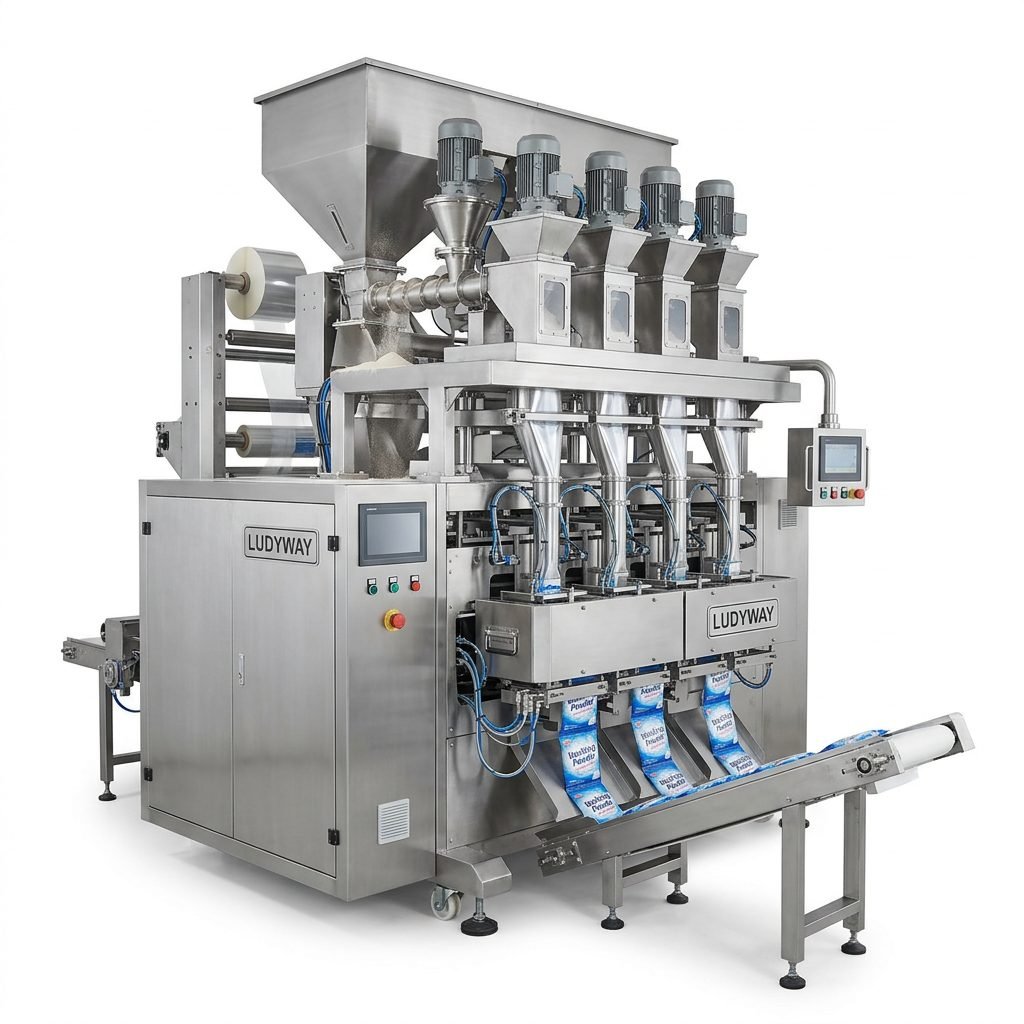
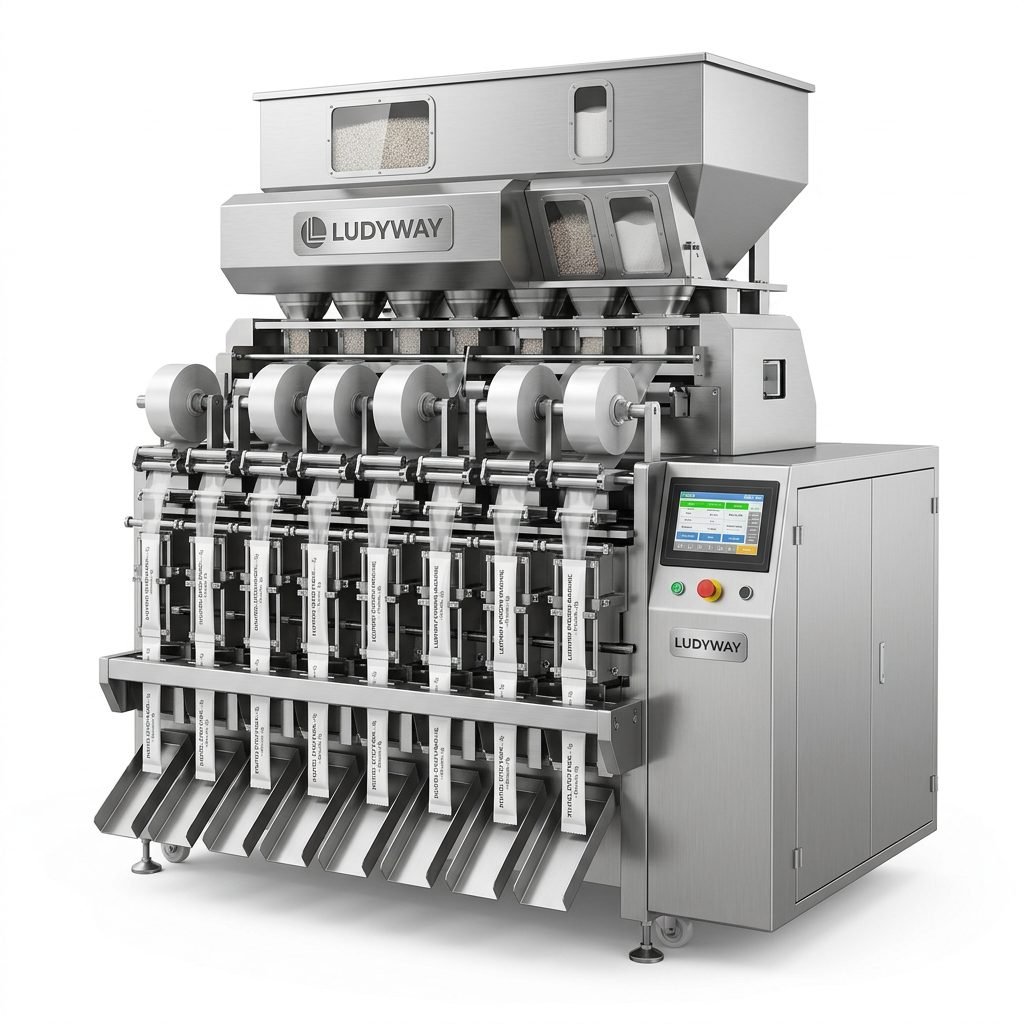
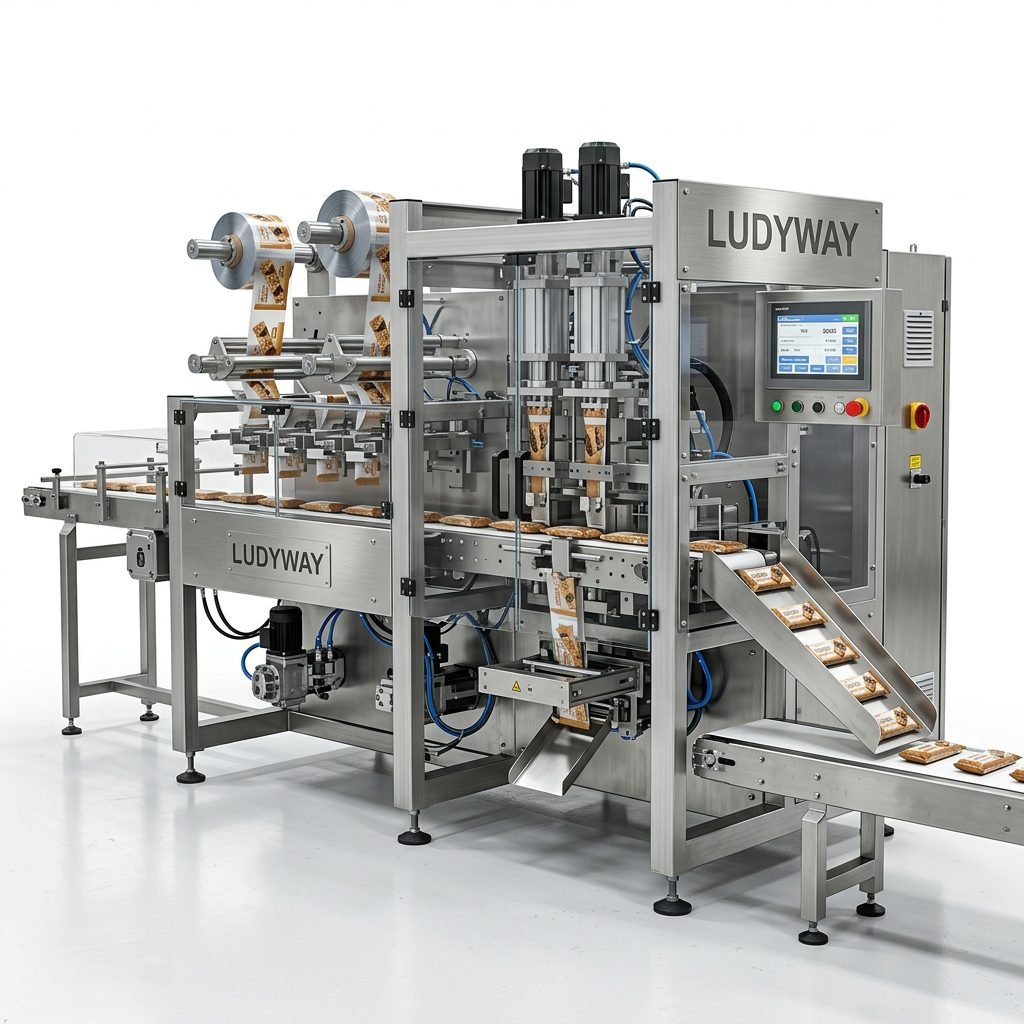
In modern packaging, a pouch fill seal machine is one of the most practical solutions for companies that want to pack products faster, cleaner, and more consistently. It is widely used across food, pharmaceutical, cosmetic, chemical, and health product industries because it automates the key steps of pouch packaging: feeding, filling, sealing, and sometimes coding, inspection, and final discharge.
Whether you package powders, granules, liquids, pastes, or small consumer goods, this type of equipment helps reduce manual handling while improving output and sealing quality. For manufacturers planning to scale production, a pouch fill seal system is often a core part of packaging automation.
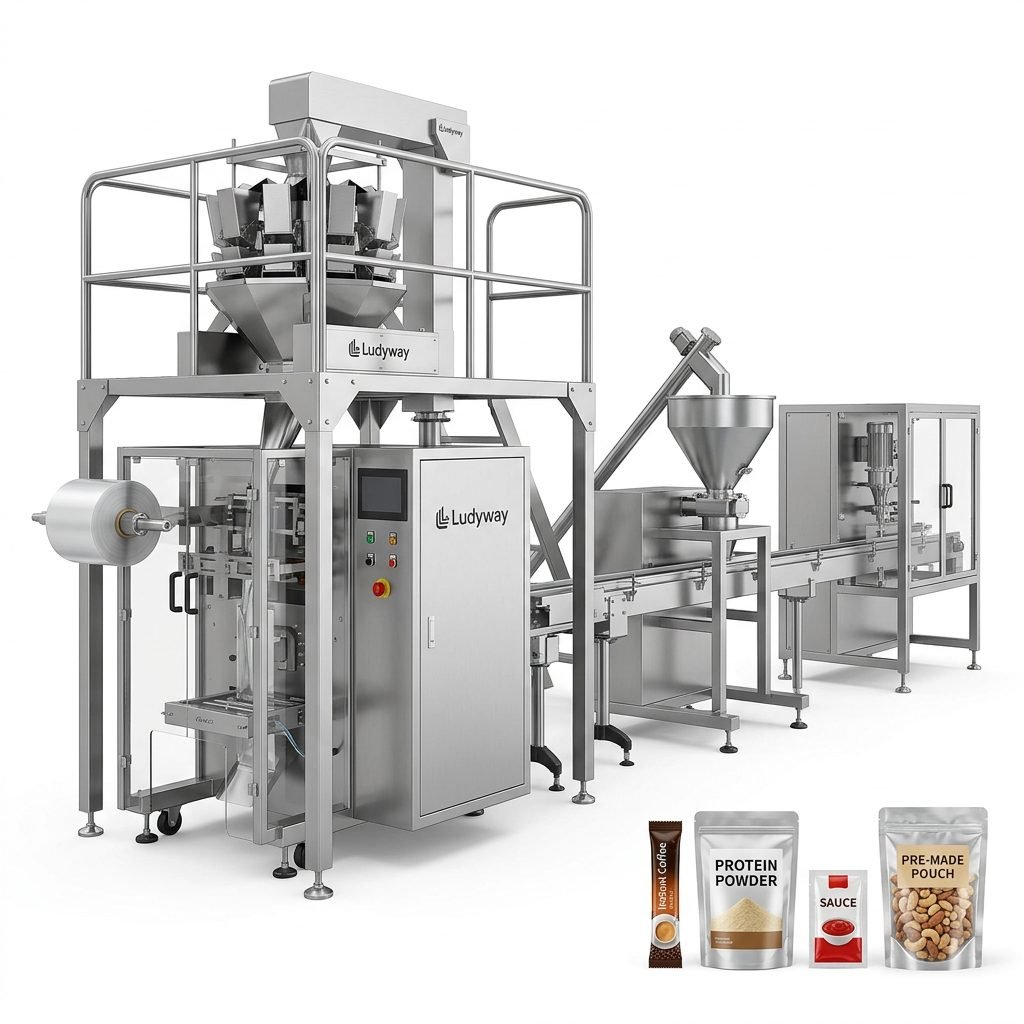
What Is a Pouch Fill Seal Machine?
A pouch fill seal machine is an automated packaging machine designed to fill products into pouches and seal them securely. Depending on the machine type, it may work with:
- Premade pouches
- Flat pouches
- Stand-up pouches
- Zipper pouches
- Three-side seal or four-side seal pouches
- Spouted pouches
Its main job is simple: place the right amount of product into the pouch and create a reliable seal that protects the contents during storage, transport, and sale. In advanced systems, the machine can also include weighing, nitrogen flushing, date printing, metal detection, checkweighing, cartoning, and palletizing.
How Does a Pouch Fill Seal Machine Work?
Although exact operation depends on the pouch type and product, the basic workflow usually includes the following steps:
- Pouch feeding – Empty pouches are picked up from a magazine or formed on the machine.
- Pouch opening – The machine opens the pouch mouth using vacuum or mechanical grippers.
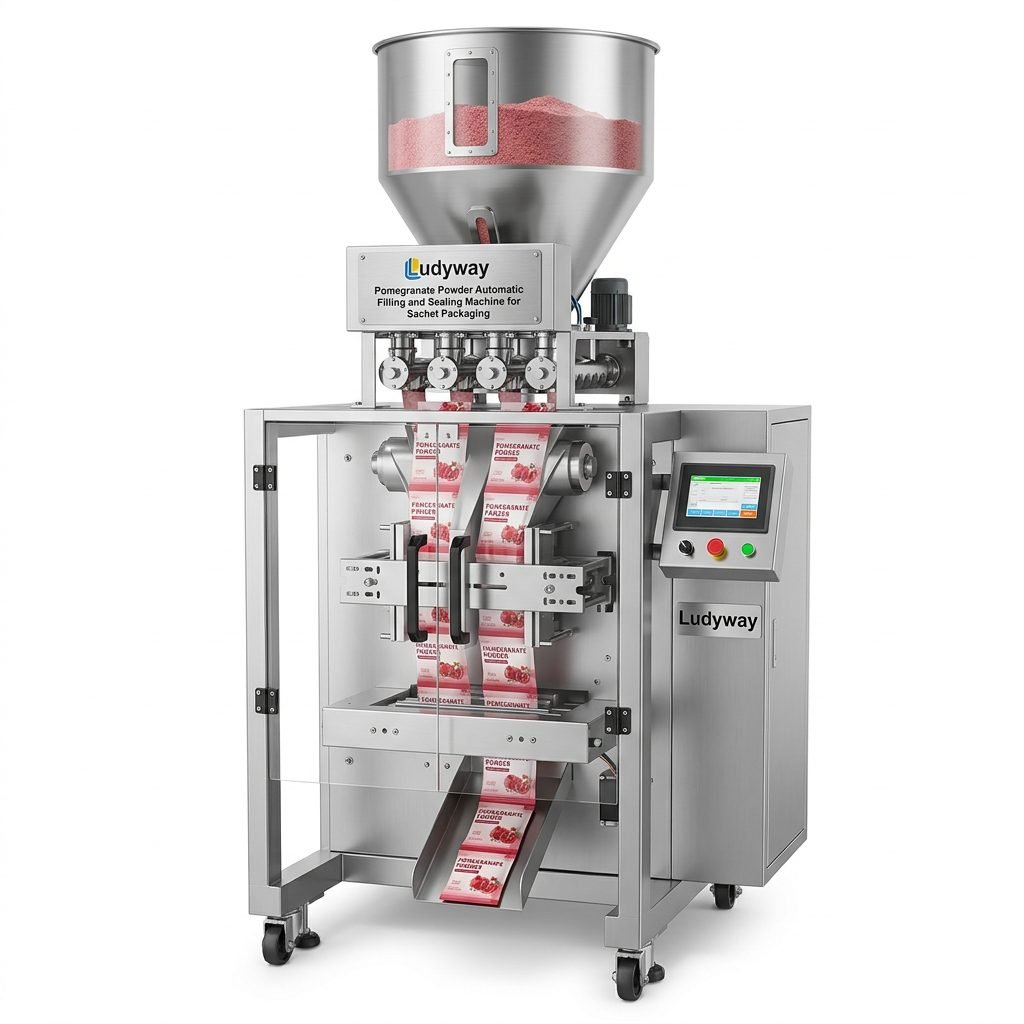
- Filling – Product is dosed into the pouch using augers, multihead weighers, piston fillers, pumps, or cup fillers.
- Settling or degassing – Optional step to improve fill stability and seal quality.
- Sealing – Heat sealing or ultrasonic sealing closes the pouch.
- Coding and inspection – Batch number, production date, or QR code may be added; seal and weight may be checked.
- Discharge – Finished pouches move to collection, cartoning, or downstream packaging.
The result is a more standardized packaging process with less human error and higher production efficiency.
Main Types of Pouch Fill Seal Machines
1. Premade Pouch Fill Seal Machines
These machines use pre-manufactured pouches that are loaded into the system. They are ideal for brands that want premium pouch styles, strong shelf appeal, or special features such as zippers and spouts.
- Suitable for stand-up pouches and zipper bags
- Common in snacks, coffee, pet food, sauces, and supplements
- Good for visually attractive retail packaging
2. Form Fill Seal Pouch Machines
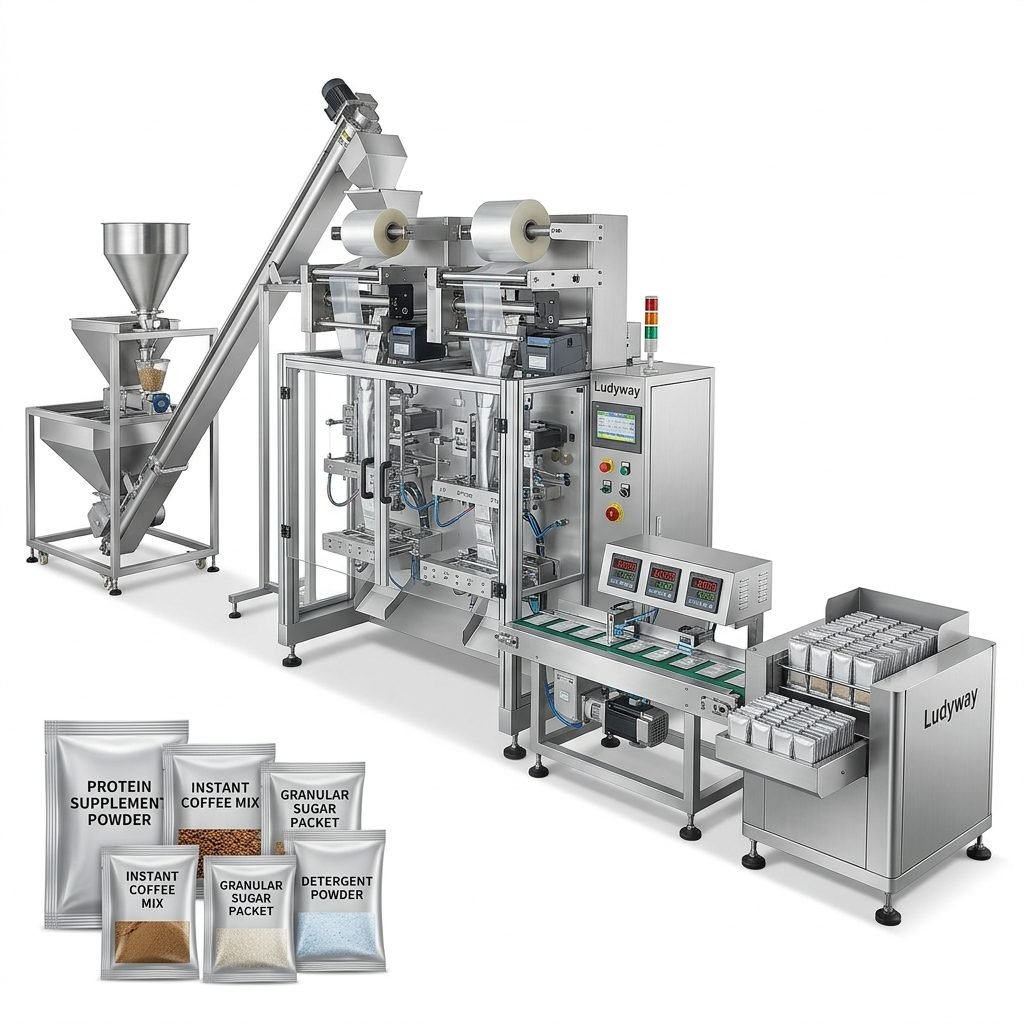
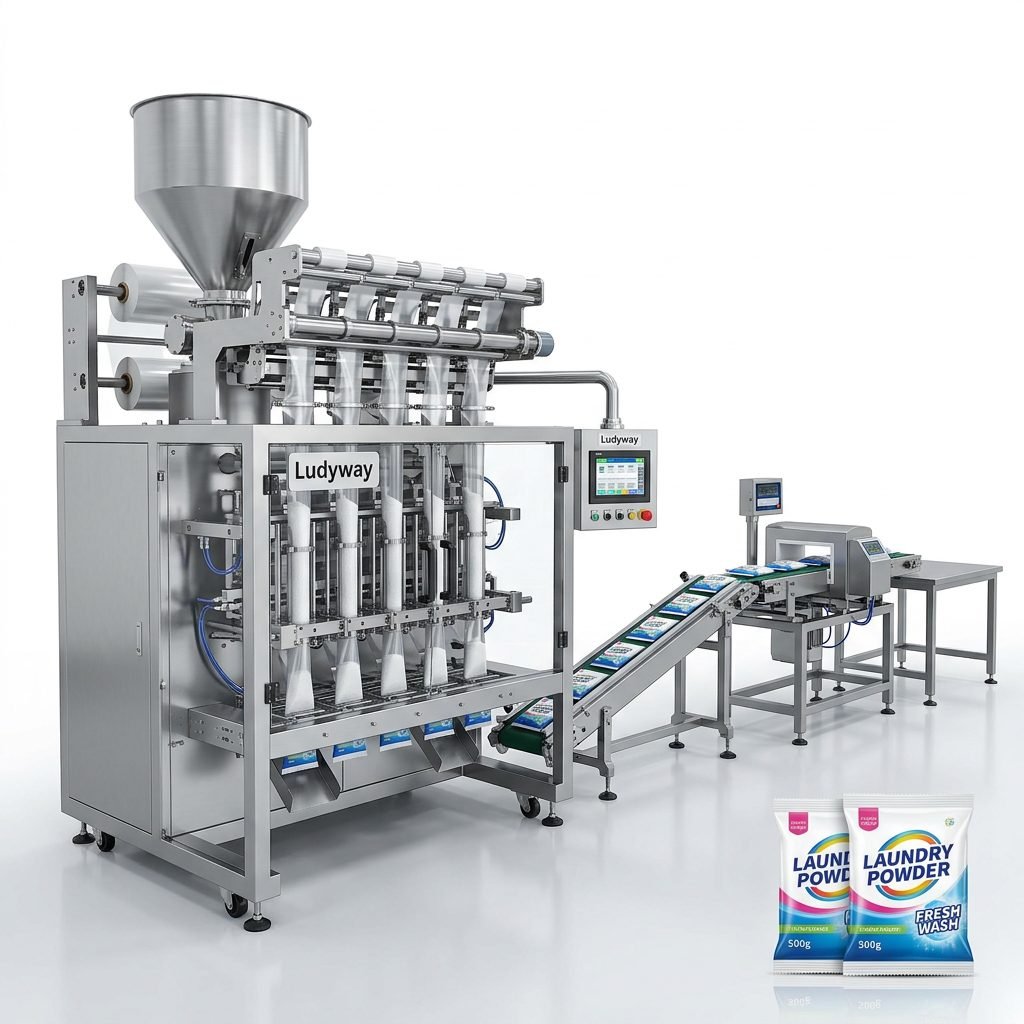
These systems create the pouch from roll film, then fill and seal it in one continuous process. They are often chosen for high-speed production and lower packaging material cost.
- Common for sachets and standard pouch formats
- Efficient for large-volume production
- Widely used in food, pharma, and daily chemical applications
3. Rotary Pouch Packaging Machines
Rotary models move pouches through several stations in a circular layout. They are known for stable performance and flexible integration with different filling systems.
4. Inline Pouch Packaging Machines
Inline machines move pouches in a straight path and are often preferred for simpler layouts, easier maintenance, and certain high-capacity production environments.
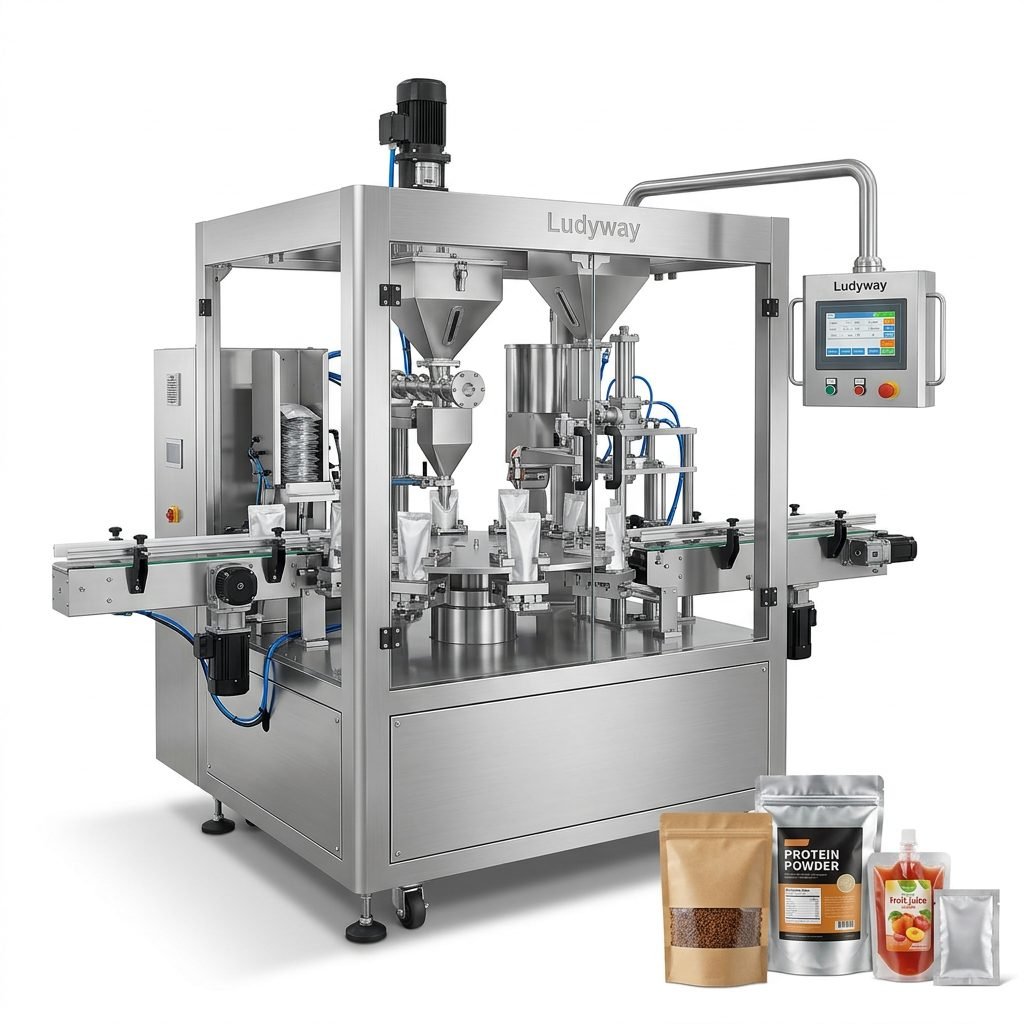
What Products Can Be Packed?
Pouch fill seal machines are highly versatile. The exact filling device is selected according to product characteristics.
| Product Type | Typical Examples | Recommended Filling Method |
|---|---|---|
| Powders | Milk powder, protein powder, seasoning, pharmaceutical powder | Auger filler |
| Granules | Sugar, coffee beans, seeds, snacks, pet food | Multihead weigher or cup filler |
| Liquids | Sauce, oil, syrup, detergent, juice | Pump or piston filler |
| Pastes | Cream, jam, ketchup, honey, cosmetic gel | Servo piston filling system |
| Irregular solids | Candy, tablets, hardware parts, accessories | Counting or weighing system |
Key Components of the Machine
Understanding the machine structure helps buyers evaluate quality and fit for their application. Typical components include:
- Pouch feeding system for stable bag transfer
- Filling unit matched to product type
- Sealing station with temperature and pressure control
- PLC and HMI control system for parameter adjustment
- Servo motors for precise movement and synchronization
- Product conveyor or discharge unit
- Safety guards and sensors for operator protection
- Optional coding, labeling, and inspection modules
Benefits of Using a Pouch Fill Seal Machine
For many manufacturers, switching from manual or semi-automatic packaging to a fully automated pouch system offers clear business advantages.
- Higher production speed compared with manual filling and sealing
- More consistent fill weights and sealing performance
- Reduced labor dependency
- Improved hygiene and lower contamination risk
- Better packaging appearance and shelf presentation
- Less product waste and fewer sealing defects
- Easier integration into complete automatic lines
These benefits are especially important for companies that need repeatable output, traceability, and scalable manufacturing.
Industries That Commonly Use Pouch Fill Seal Machines
Food Industry
Food manufacturers use pouch packaging for snacks, grains, coffee, spices, sauces, frozen products, pet food, and convenience foods. Pouches are lightweight, practical, and suitable for both retail and bulk applications.
Pharmaceutical and Health Supplement Industry
Granules, powders, oral solutions, and medical consumables often require precise filling and secure sealing. Packaging automation also supports GMP-oriented production environments.
Cosmetics and Personal Care
Creams, lotions, gels, serum samples, and sachet-format skincare products are frequently packed using pouch and sachet filling systems.
Chemical and Household Products
Detergents, cleaners, powders, additives, lubricants, and industrial compounds may also be packed in pouches for controlled dosing and efficient distribution.
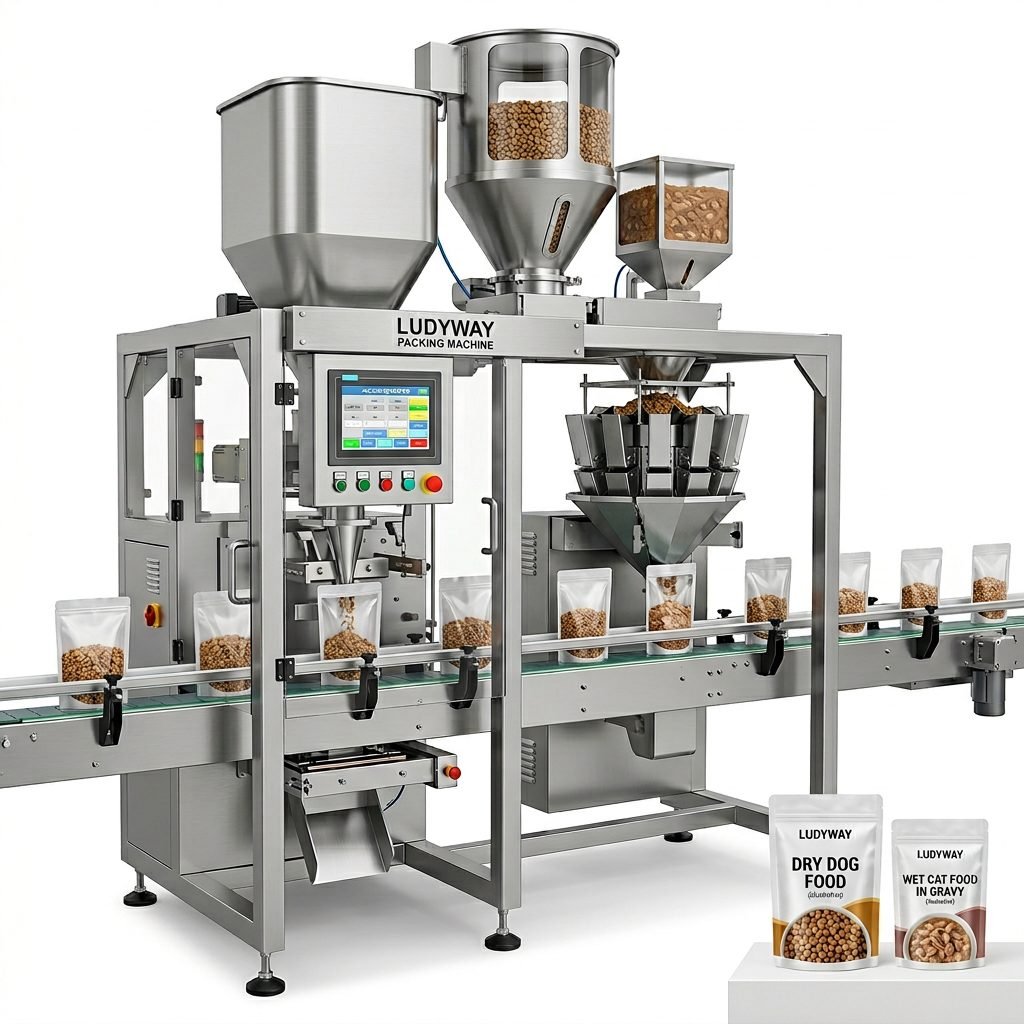
Pouch Fill Seal Machine vs. Other Packaging Machines
| Machine Type | Best For | Main Difference |
|---|---|---|
| Pouch Fill Seal Machine | Flexible pouches, stand-up bags, zipper bags | Specialized for pouch packaging and sealing |
| Vertical Form Fill Seal Machine | Pillow bags, sachets, stick packs | Forms bags from film roll vertically |
| Bottle Filling Machine | Liquids, tablets, capsules, powders in rigid containers | Uses bottles or jars instead of flexible pouches |
| Tray Sealer | Prepared meals, fresh food trays | Seals trays rather than bags or pouches |
How to Choose the Right Pouch Fill Seal Machine
Choosing the correct machine is not only about speed. It depends on the full packaging process, product behavior, and future expansion plans.
Product Characteristics
Ask whether the product is free-flowing, sticky, dusty, fragile, or sensitive to oxygen and moisture. This will affect filler type, sealing design, and optional protection features.
Pouch Style
Different pouch shapes require different handling systems. For example, zipper pouches need reliable opening and reclosing compatibility, while spouted pouches require different feeding structures.
Output Requirements
Estimate current and future production demand. A machine that fits today’s order volume but cannot scale may limit long-term growth.
Accuracy and Seal Quality
For food, pharmaceutical, and premium consumer products, fill accuracy and seal integrity directly affect product quality, compliance, and customer satisfaction.
Integration Possibilities
If you need a complete automated solution, make sure the machine can connect with conveyors, feeders, coding units, checkweighers, cartoners, and palletizers.
Maintenance and Technical Support
Simple cleaning, easy changeover, spare parts availability, and responsive service are major factors in reducing downtime.
Important Features to Look For
- Servo-driven control for stable performance
- Tool-free or quick-changeover design
- Automatic pouch detection and no-fill/no-seal function
- Accurate temperature control for different films
- Stainless steel contact parts when hygiene matters
- Dust extraction or anti-drip systems depending on product type
- Remote support or smart diagnostics where available
Common Applications in Automated Packaging Lines
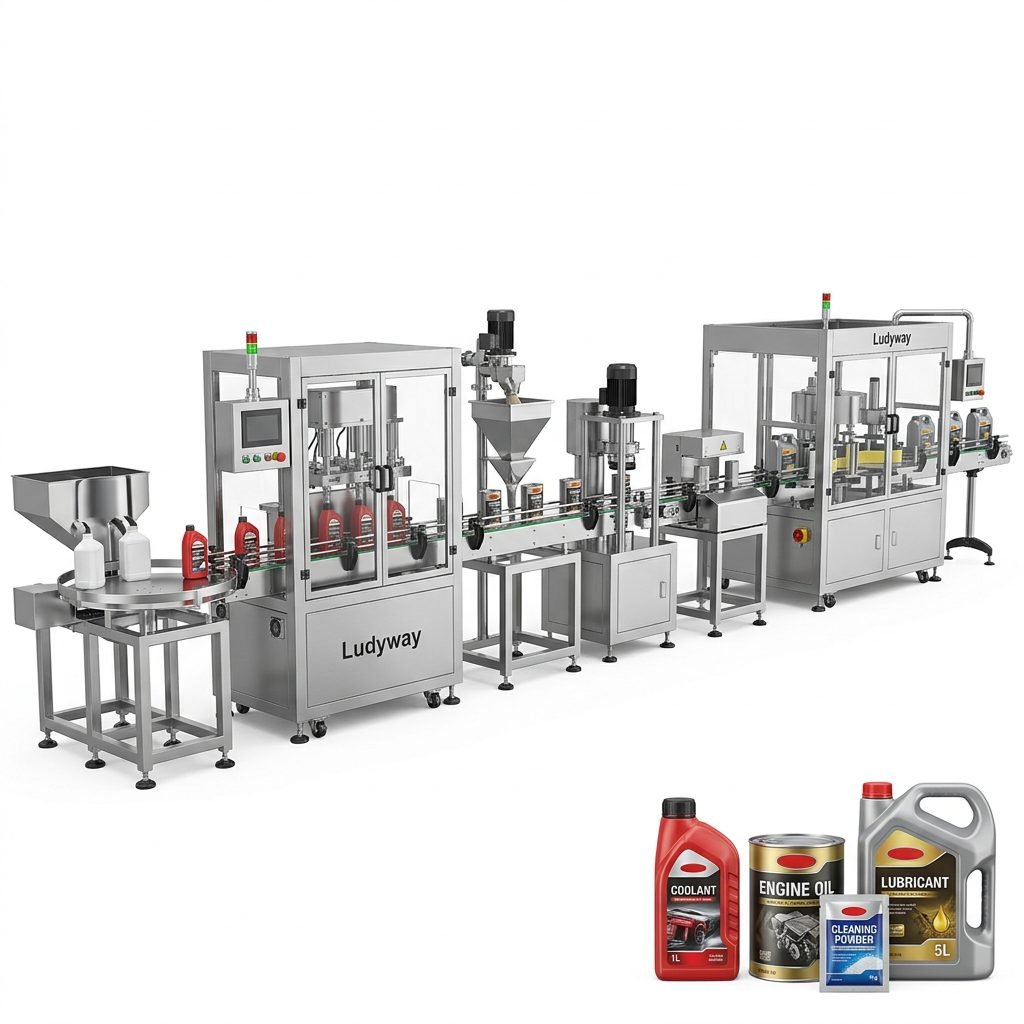
A pouch fill seal machine is often not used alone. In many factories, it becomes part of a larger turnkey system that may include:
- Automatic feeding and conveying
- Weighing or dosing modules
- Metal detectors and checkweighers
- Date coding and labeling units
- Cartoning and case packing
- Palletizing and end-of-line automation
For manufacturers looking for a scalable supplier, Ludyway pouch packaging solutions support standalone machines as well as turnkey packaging line integration across food, pharmaceutical, health supplement, cosmetic, chemical, and pouch-based applications.
Maintenance Tips for Long-Term Performance
Regular maintenance keeps the machine efficient and helps prevent costly stoppages. Good practice usually includes:
- Cleaning product-contact parts after each shift or batch
- Checking sealing jaws for wear or contamination
- Inspecting sensors, grippers, and vacuum systems
- Monitoring fill accuracy and calibration
- Lubricating moving components according to the manual
- Replacing worn consumables before failure occurs
Who Should Invest in a Pouch Fill Seal Machine?
This equipment is especially valuable for businesses that:
- Need to increase production capacity
- Want to improve packaging consistency
- Package multiple product types in pouches
- Need cleaner and more automated production
- Plan to build or upgrade a complete packaging line
Small and medium manufacturers can benefit from entry-level or semi-automatic models, while large factories often choose fully integrated high-speed lines with inspection and end-of-line automation.
Final Thoughts
A pouch fill seal machine is much more than a sealing device. It is a practical automation solution that combines product handling, accurate filling, secure sealing, and production efficiency in one system. When properly matched to the product and pouch style, it can significantly improve packaging quality, reduce labor costs, and support long-term business growth.
If your operation handles powders, granules, liquids, or pastes and you want reliable flexible packaging, a pouch fill seal machine is one of the most effective investments in modern packaging automation.