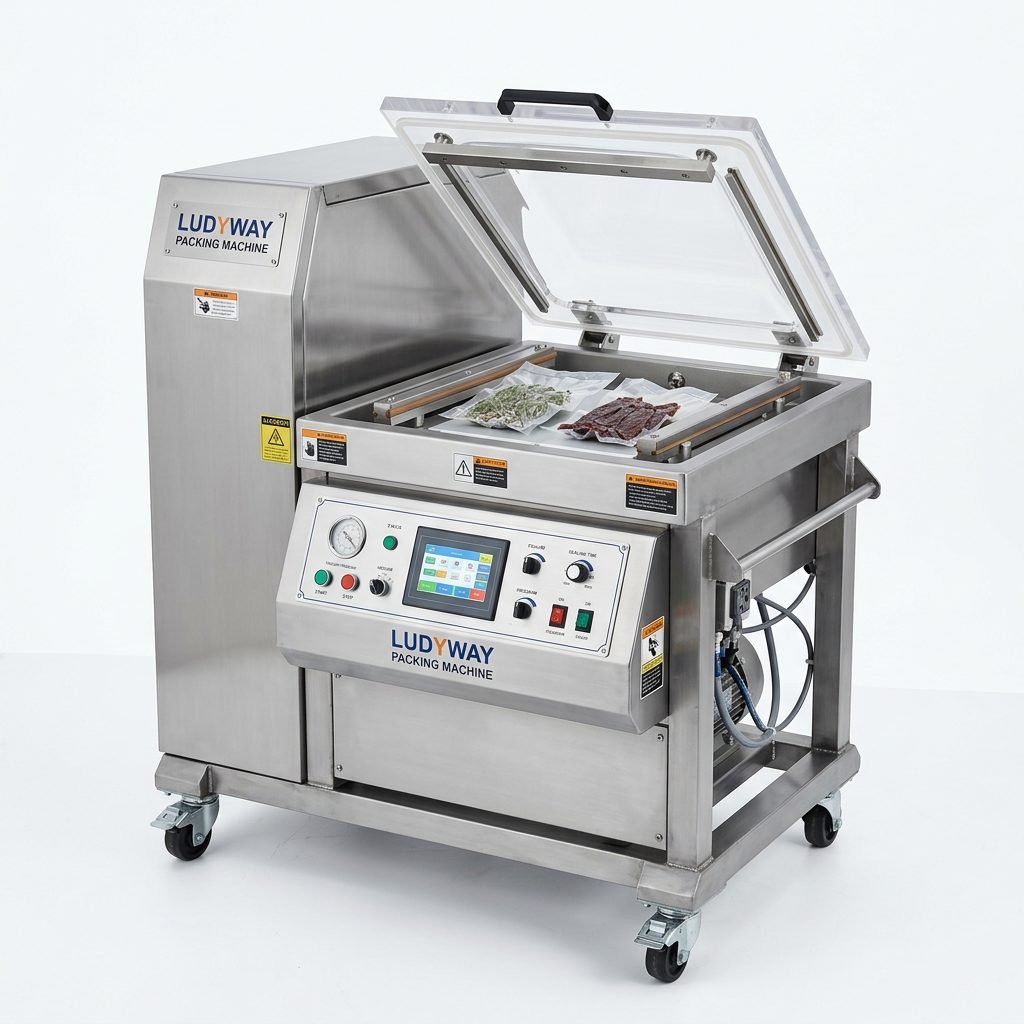
In today’s competitive food industry, achieving efficient, safe, and cost-effective production is paramount. The right food processing and packaging machinery is the cornerstone of this success. It directly impacts your product quality, operational costs, regulatory compliance, and ultimately, your brand reputation and bottom line. Investing in advanced, reliable equipment is not an expense but a strategic move towards building a resilient and profitable manufacturing operation.
Core Principles for Selecting Your Machinery
Choosing the best equipment requires a strategic approach centered on three non-negotiable pillars: efficiency, safety, and cost-effectiveness. These principles are interconnected; gains in one area often positively influence the others.
Efficiency: Maximizing Output, Minimizing Waste
Modern machinery is designed for high-speed, continuous operation with minimal downtime. Look for features like automated controls, quick-changeover systems, and integrated line synchronization. Efficient machines handle higher volumes with consistent precision, reducing product giveaway and material waste. This translates directly to increased throughput and better utilization of labor and resources.
Safety: Protecting Product and Consumer
Food safety is non-negotiable. Machinery must be constructed with food-grade, corrosion-resistant materials (like 304 or 316 stainless steel) and designed for easy, thorough cleaning and sanitation (CIP/SIP systems). Equipment should also feature comprehensive safety guards, emergency stops, and comply with relevant international standards (e.g., CE, FDA, GMP). This ensures product integrity and protects your consumers and your brand from costly recalls.
Cost-Effectiveness: The Total Cost of Ownership
Look beyond the initial purchase price. True cost-effectiveness considers energy consumption, maintenance needs, spare part availability, and machine longevity. Reliable, durable equipment from reputable suppliers like Ludyway Machinery minimizes unplanned downtime and repair costs. High efficiency also lowers cost-per-unit, making your production more competitive in the global market.
Essential Food Processing Machinery for Modern Lines
A seamless production line integrates various processing stages. Here are key machines that form the backbone of efficient food production.
1. Mixing and Blending Equipment
Uniformity is critical. Ribbon blenders, paddle mixers, and high-shear homogenizers ensure consistent ingredient distribution for powders, granules, and pastes. Advanced models offer programmable recipes and vacuum capabilities to prevent oxidation.
2. Cooking, Heating, and Cooling Systems
From steam jacketed kettles for sauces to continuous fryers for snacks and spiral coolers for baked goods, precise thermal control is vital for safety, texture, and shelf-life. Energy-efficient heat recovery systems can significantly reduce operational costs.
3. Size Reduction and Forming Machines
This category includes dicers, slicers, grinders, and extruders. They are essential for creating the desired product form, whether it’s diced vegetables, formed meat patties, or extruded cereal shapes. Precision here reduces waste and ensures portion control.
Advanced Food Packaging Machinery Solutions
Packaging is the final, critical step that protects your product and communicates with the consumer. The right packaging machinery safeguards all the value you’ve built during processing.
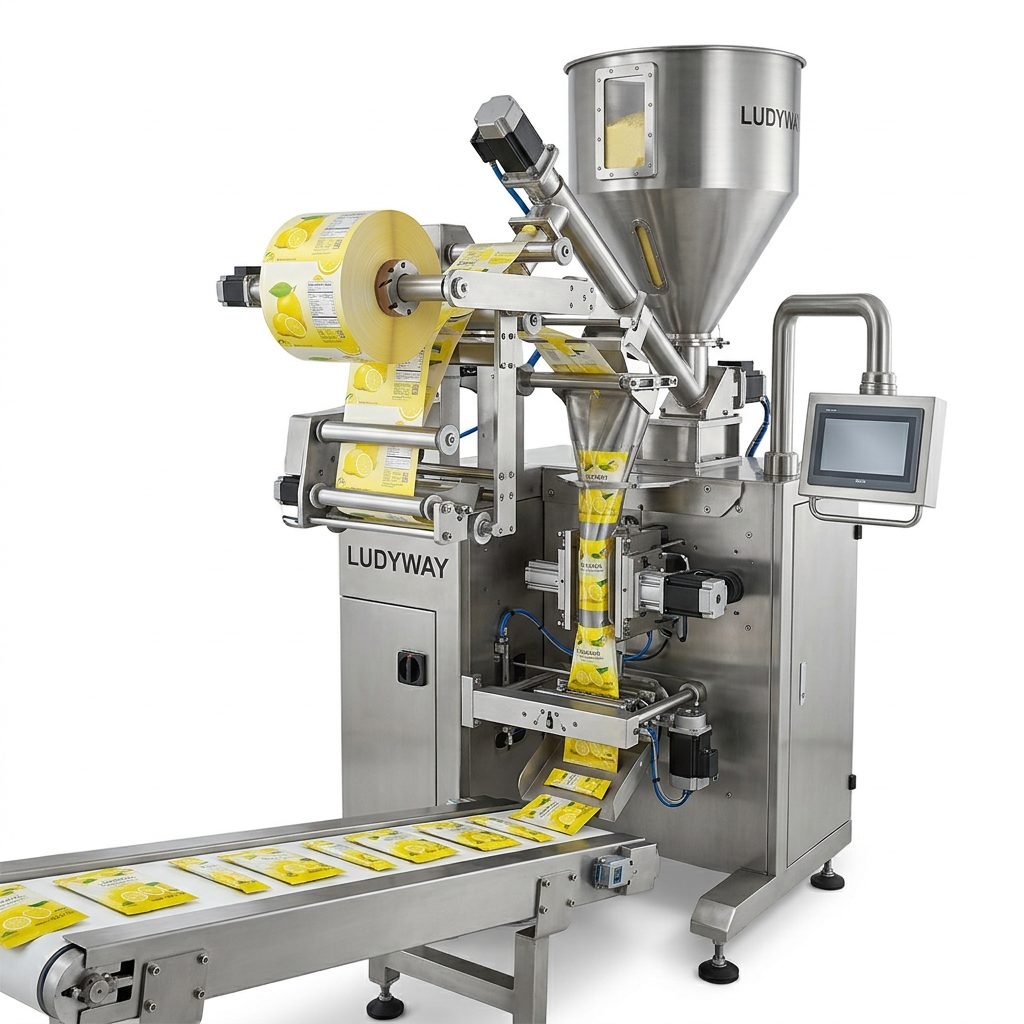
Vertical Form-Fill-Seal (VFFS) Machines
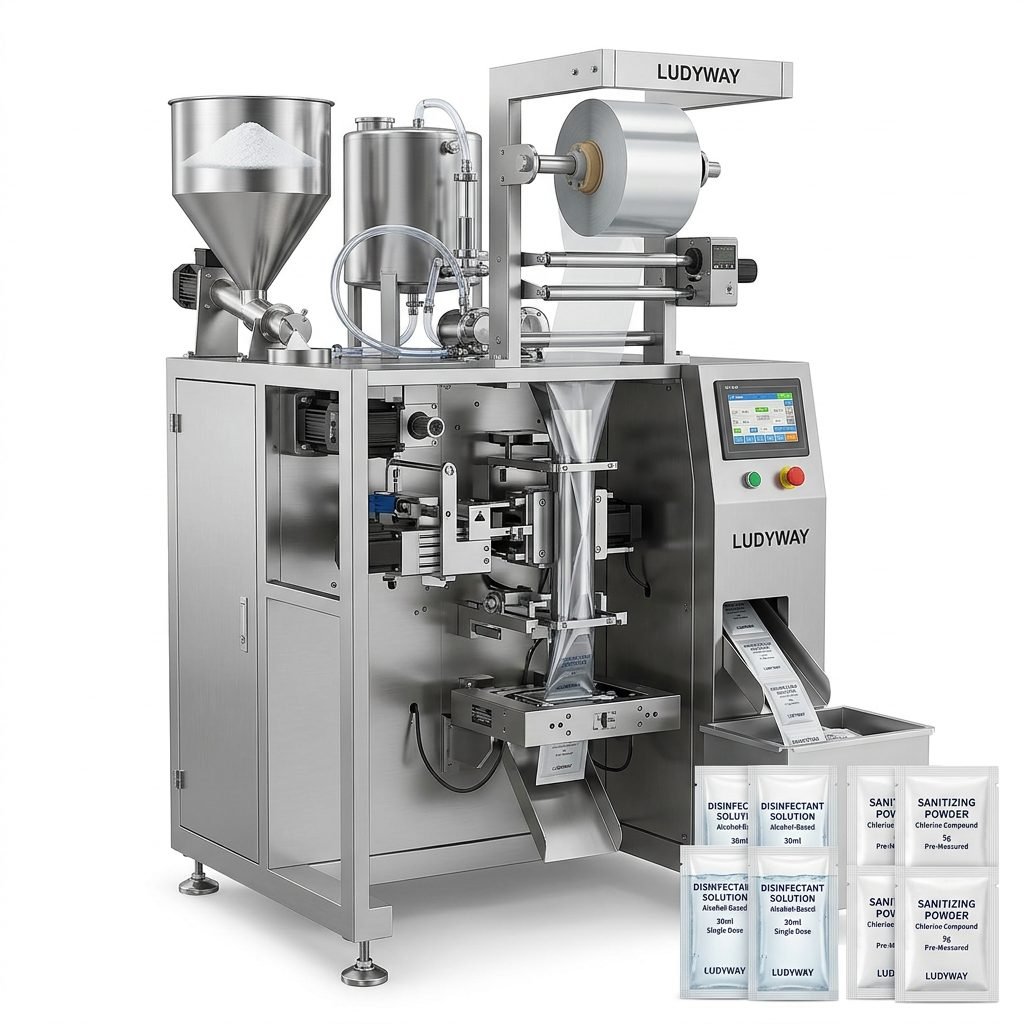
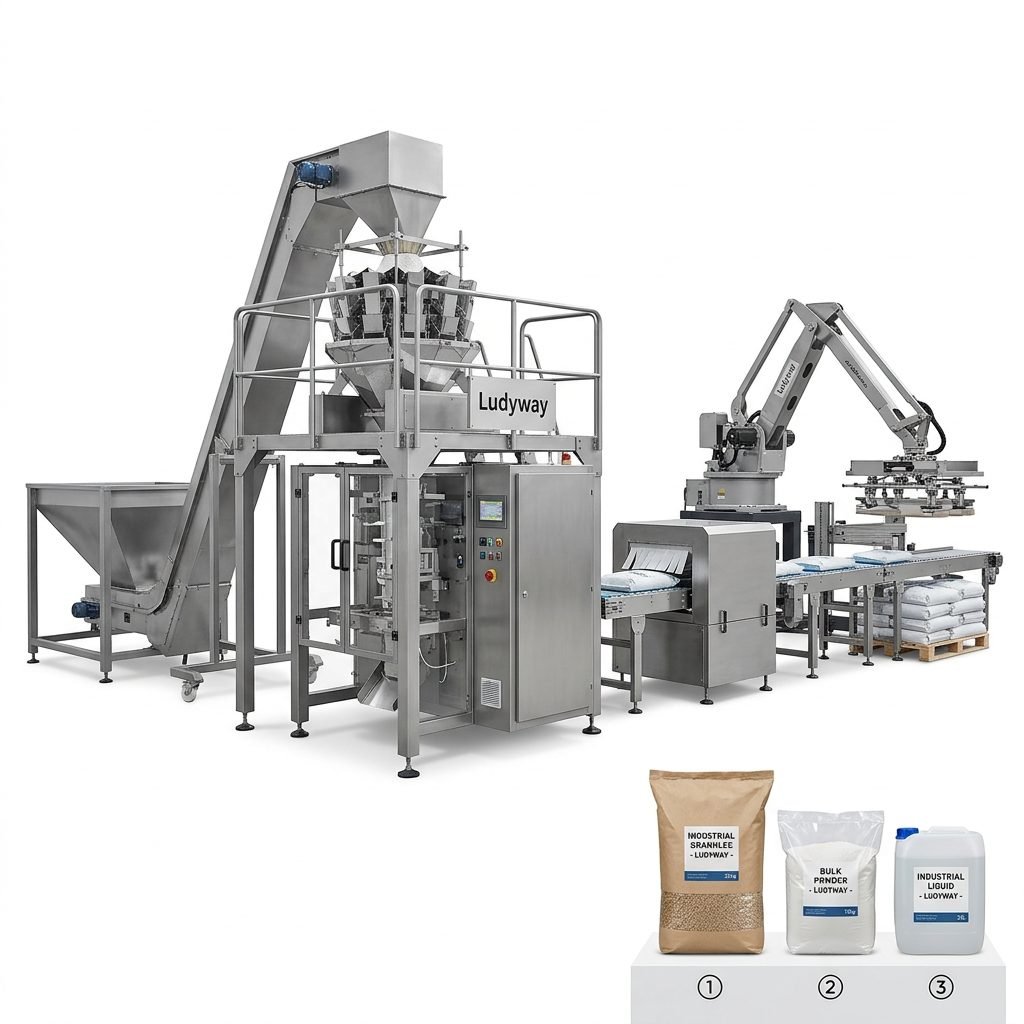
The workhorse of flexible packaging. VFFS machines are incredibly versatile, creating bags from a roll of film, filling them with product (granules, powders, snacks), and sealing them—all in one continuous motion. They are ideal for high-speed, cost-effective packaging of a wide range of dry foods.
Liquid & Paste Filling Machines
For sauces, oils, dairy, and other viscous products, piston fillers, gravity fillers, and vacuum fillers provide accurate, spill-free filling into bottles, pouches, or cups. Sanitary design is paramount to prevent contamination and facilitate cleaning.
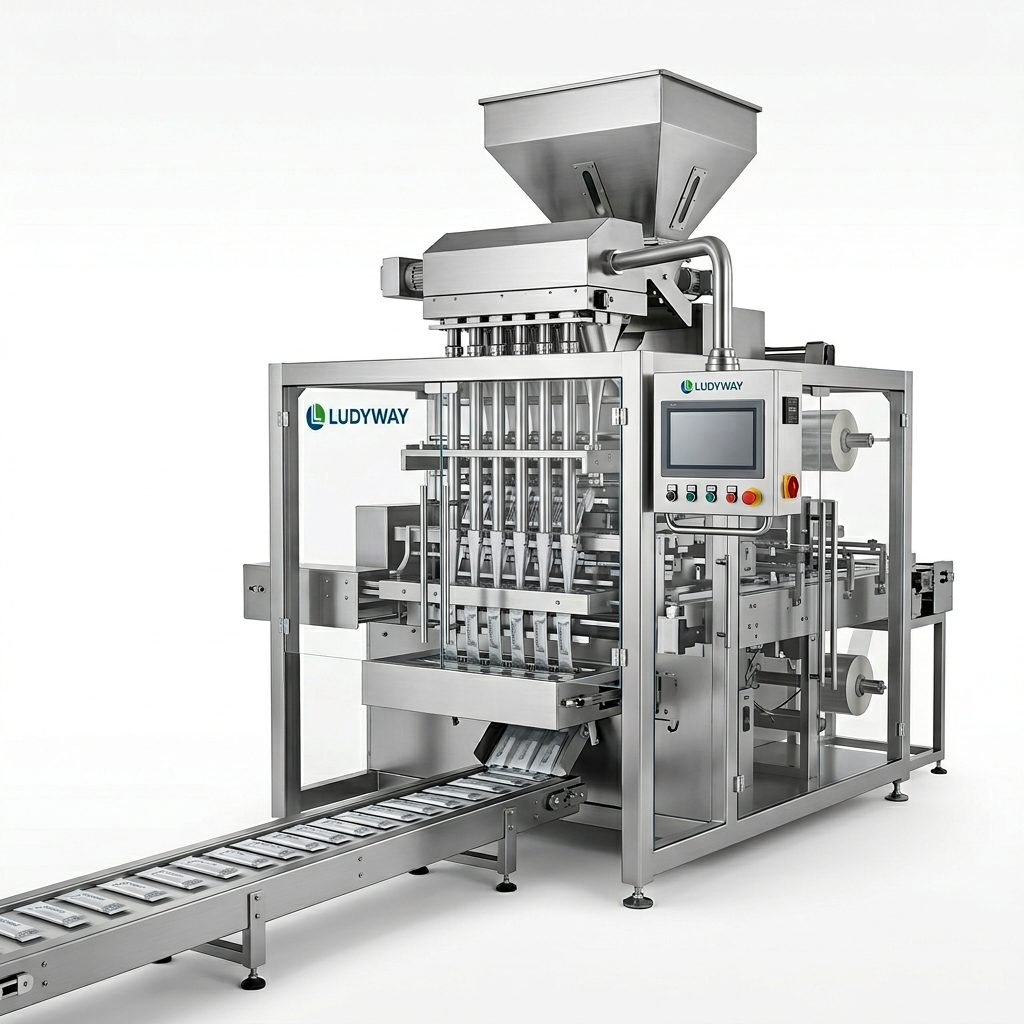
Stick Pack and Sachet Packaging Machines
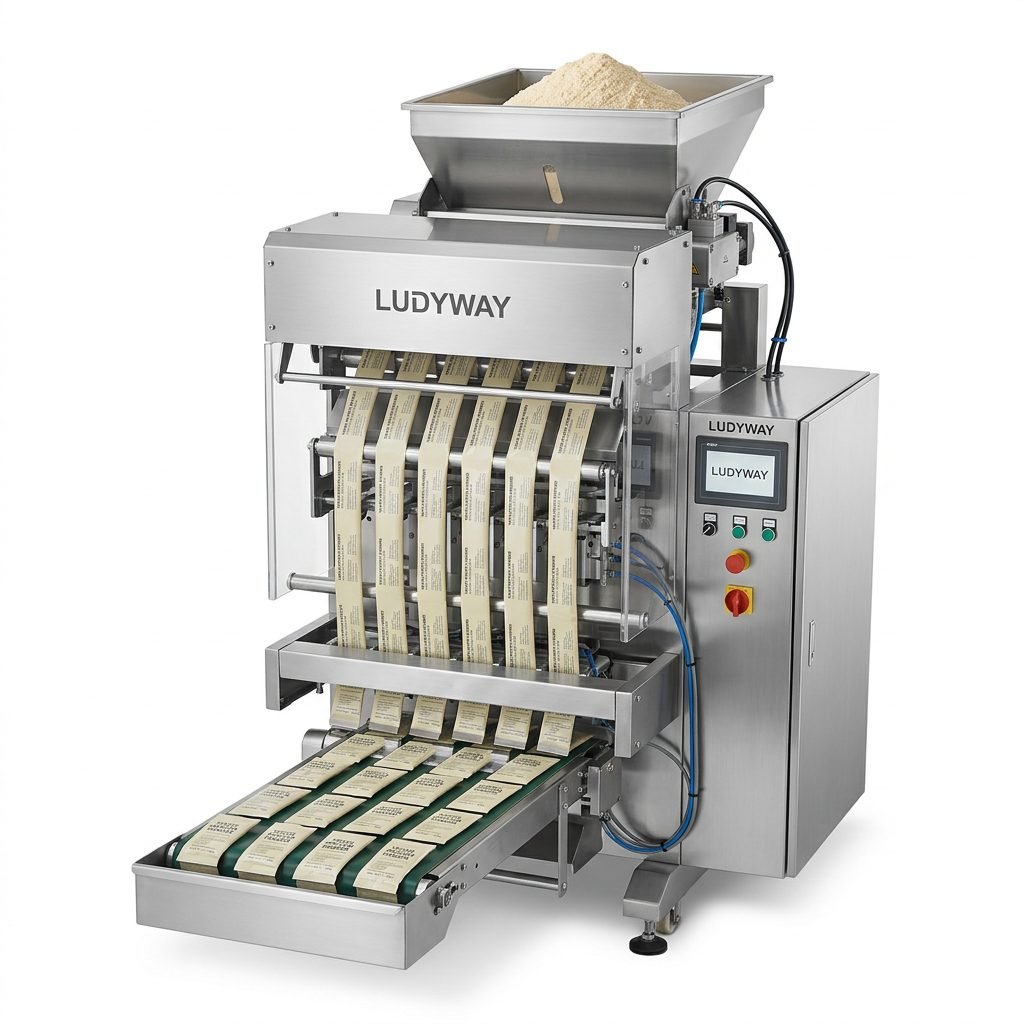
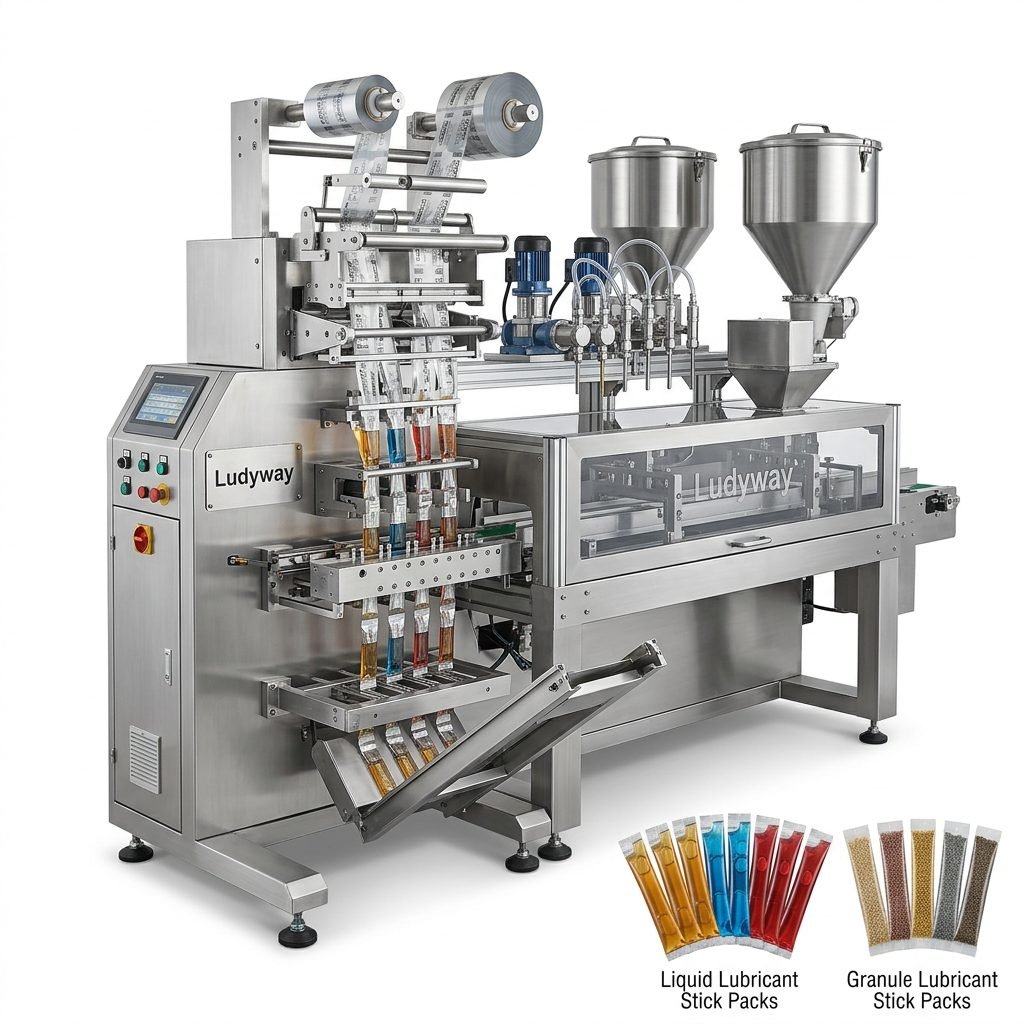
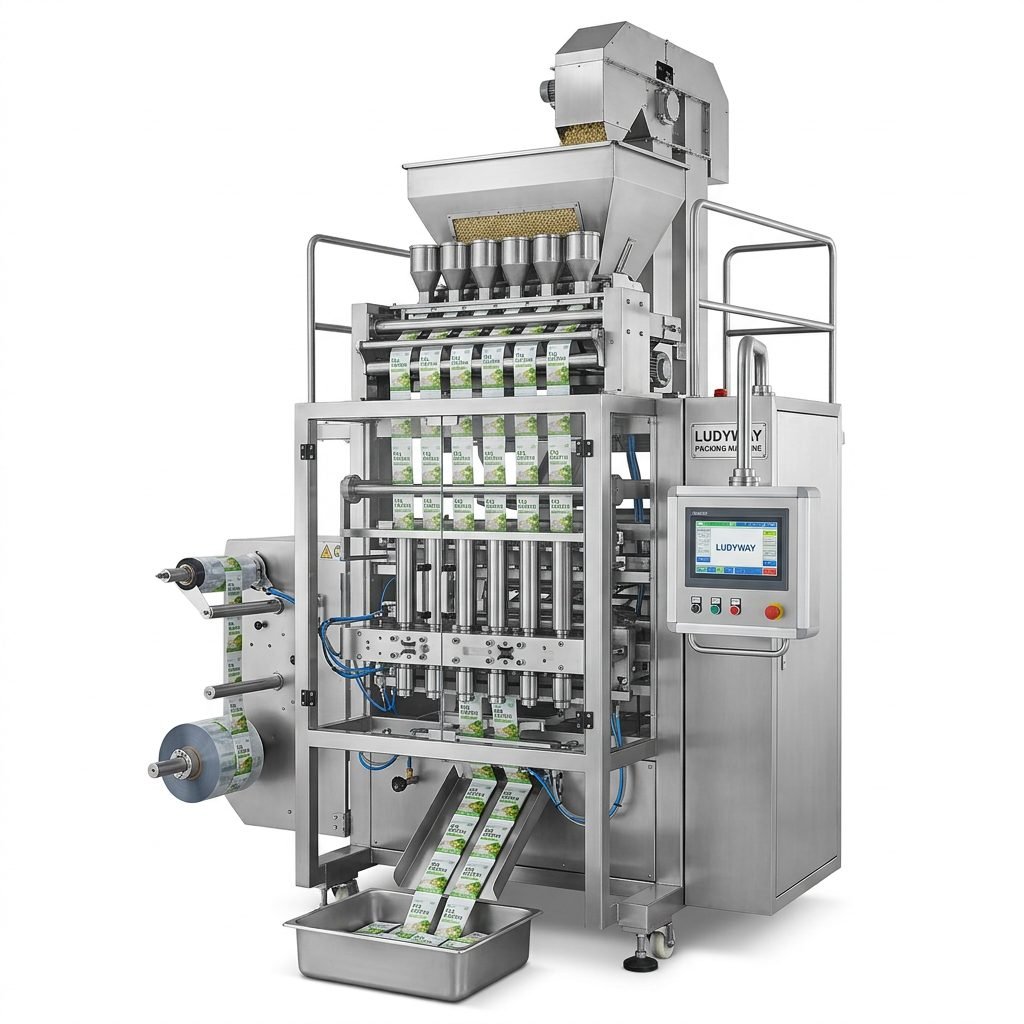
Perfect for single-serve portions of coffee, sugar, condiments, or nutritional powders. These machines, a specialty of suppliers like Ludyway, offer excellent product visibility and convenience. Multi-lane versions can achieve exceptionally high output rates, making them a highly efficient choice for portion-controlled products.
Cartoning and Case Packing Systems
Automate the secondary packaging stage. These systems erect cartons, load primary packages (pouches, bottles), insert leaflets, and seal the cartons before packing them into shipping cases. This automation drastically reduces labor costs and handling damage.
Integrating Machinery into a Cohesive Production Line
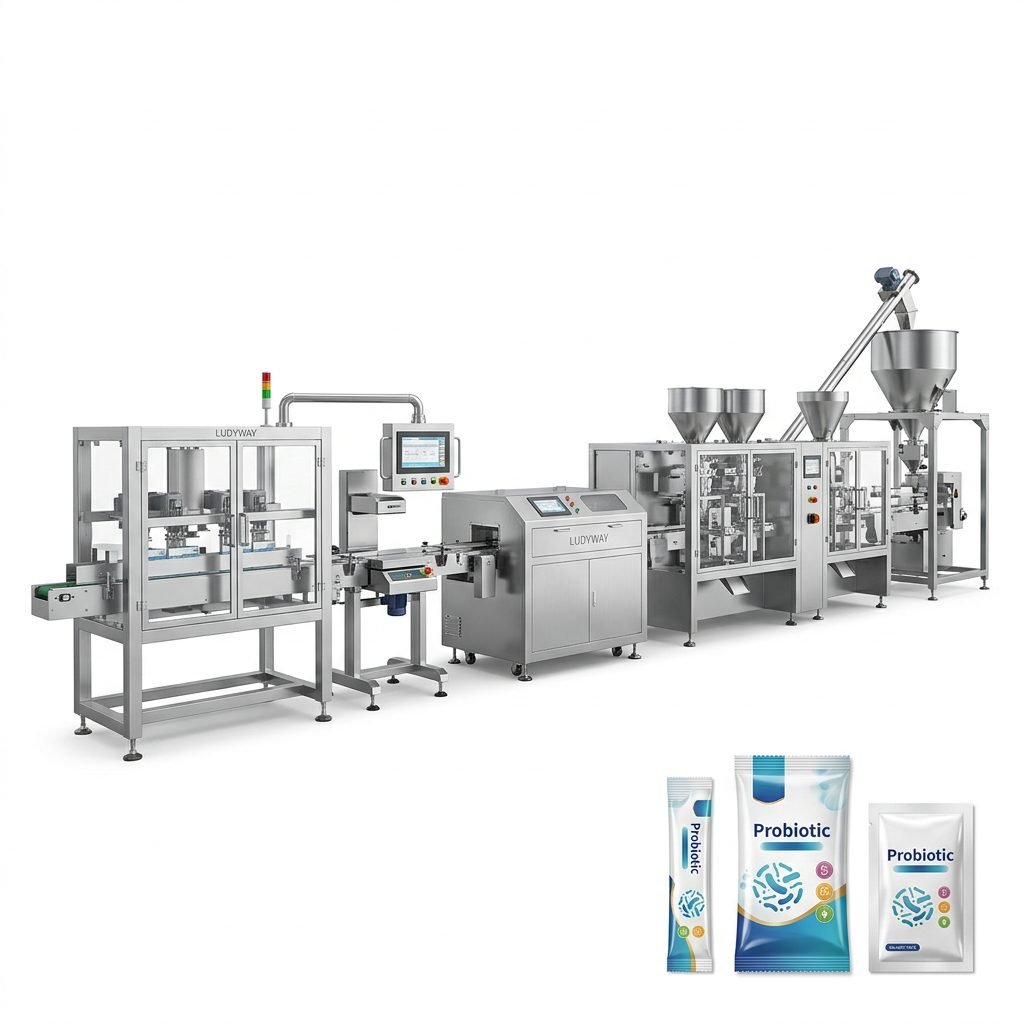
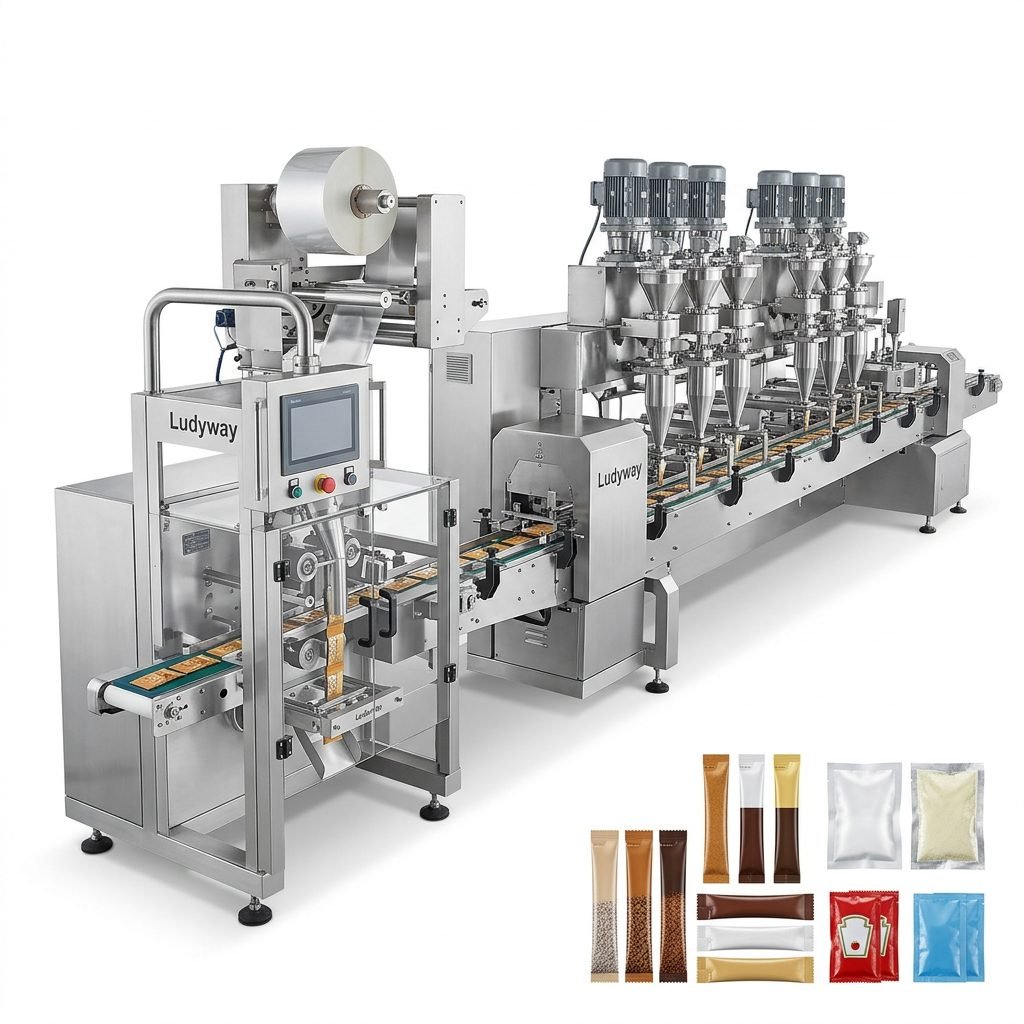
The greatest gains come from integration. A well-designed turnkey line synchronizes processing and packaging machines with conveyors, control systems, and checkweighers. This minimizes manual handling, optimizes flow, and provides centralized data monitoring for Overall Equipment Effectiveness (OEE). Partnering with an expert who can provide complete line solutions ensures compatibility and maximizes the return on your investment.
Future-Proofing Your Investment
Technology is constantly evolving. When selecting machinery, consider:
- IoT Connectivity: Machines that provide data on performance, maintenance needs, and production counts.
- Flexibility: Equipment that can handle multiple product formats or sizes with quick changeovers to adapt to market trends.
- Sustainability: Machines designed to work with recyclable or biodegradable films and minimize energy and material usage.
By focusing on machinery that excels in efficiency, safety, and cost-effectiveness, you build a strong foundation for your food business. The initial research and investment pave the way for smoother operations, superior product quality, and sustained growth in an ever-changing market.
Frequently Asked Questions (FAQs)
1. What is the most important factor when choosing food packaging machinery?
While all factors are important, food safety and hygiene design should be the top priority. The machine must be constructed with appropriate materials and be easy to clean to prevent contamination and ensure compliance with strict food regulations.
2. How can I determine the right speed/capacity for my packaging machine?
Analyze your current and projected future production volumes. Choose a machine that meets your peak demands with about 15-20% extra capacity for growth. Consider factors like shift patterns and potential future product lines. A reliable supplier can help you model this.
3. Are turnkey production lines better than buying individual machines?
Turnkey lines, offered by experienced providers, ensure all components work harmoniously together, reducing integration headaches and downtime. They are generally recommended for new facilities or major upgrades, as they provide a single point of responsibility for performance.
4. How do I ensure my new machinery is cost-effective in the long run?
Focus on Total Cost of Ownership (TCO). This includes evaluating energy efficiency, the availability and cost of spare parts, the supplier’s reputation for reliability, and the quality of their after-sales service and technical support to minimize operational disruptions.
5. What support should I expect from the machinery supplier after purchase?
You should expect comprehensive installation supervision, operator training, detailed technical documentation, readily available spare parts, and responsive after-sales service. A good supplier, like Ludyway Machinery, acts as a long-term partner for maintenance and technical support.