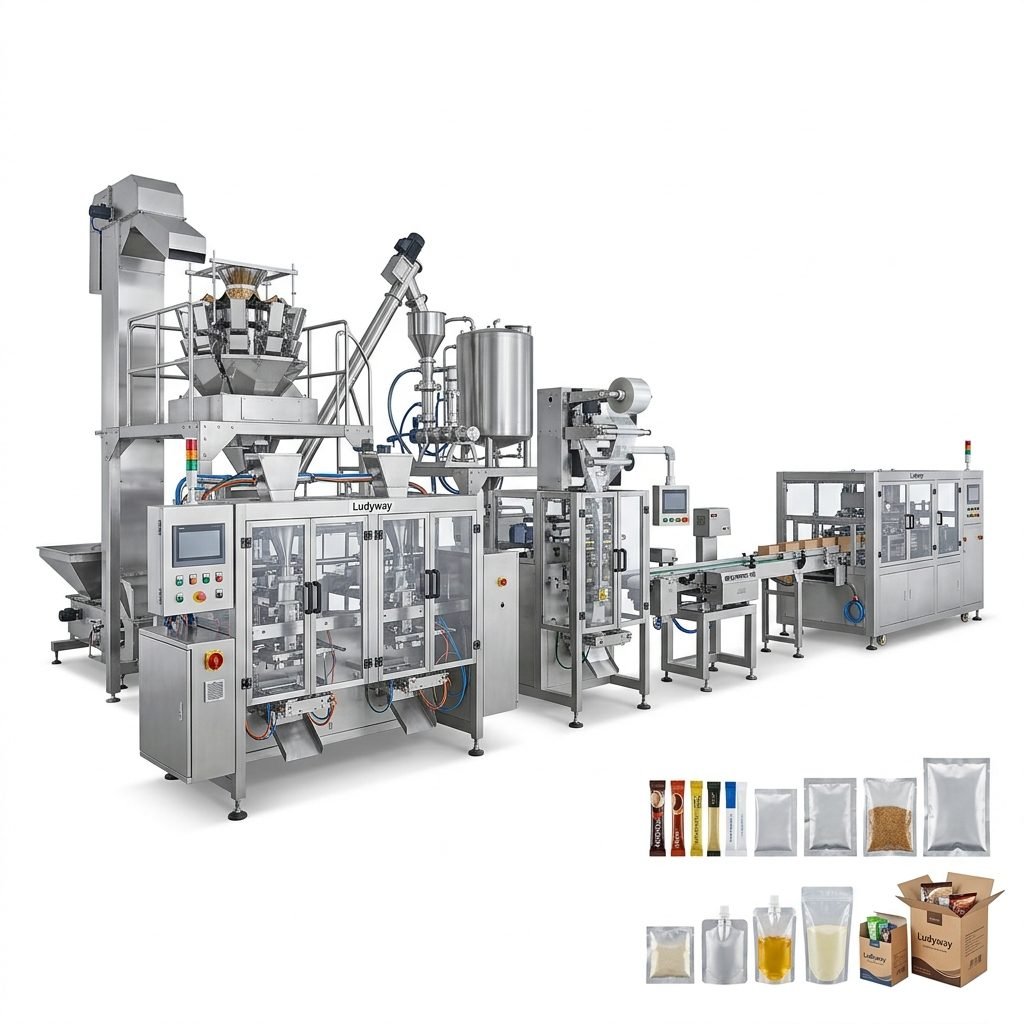
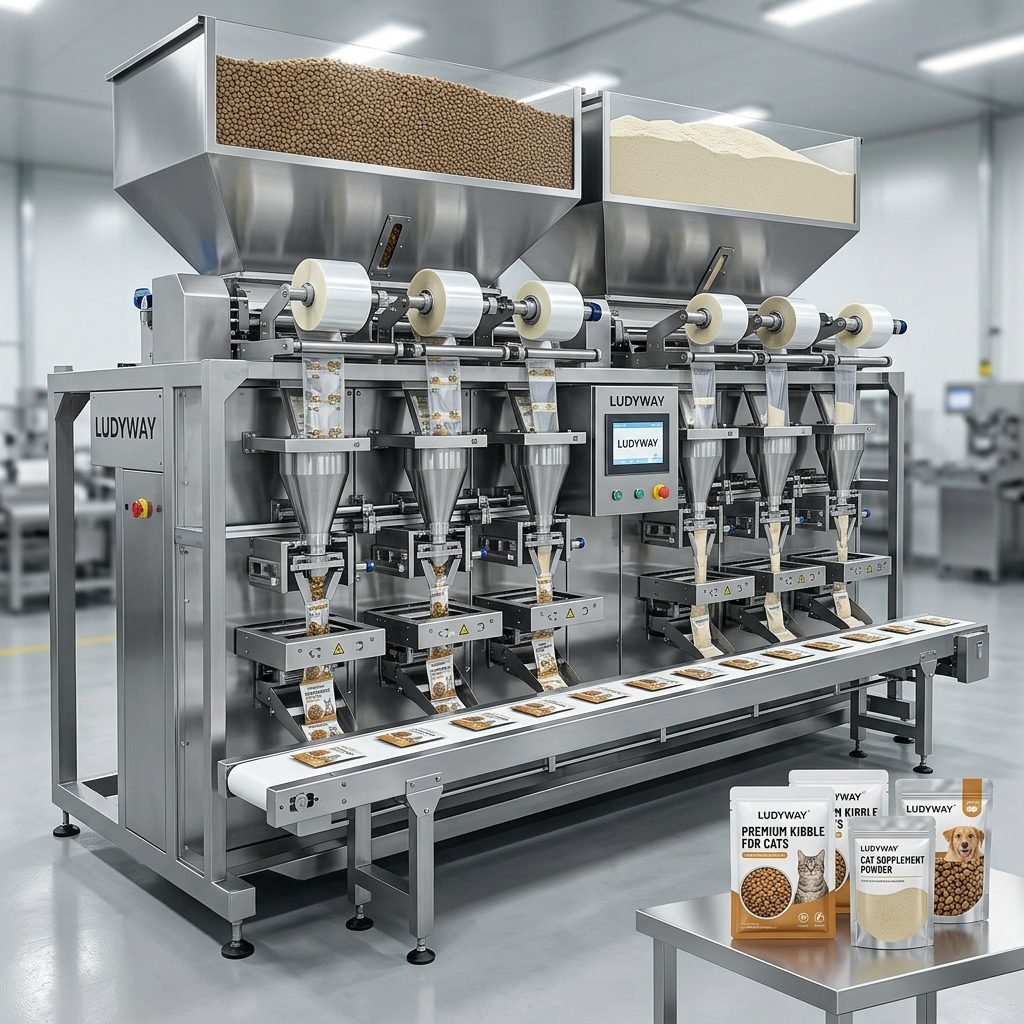
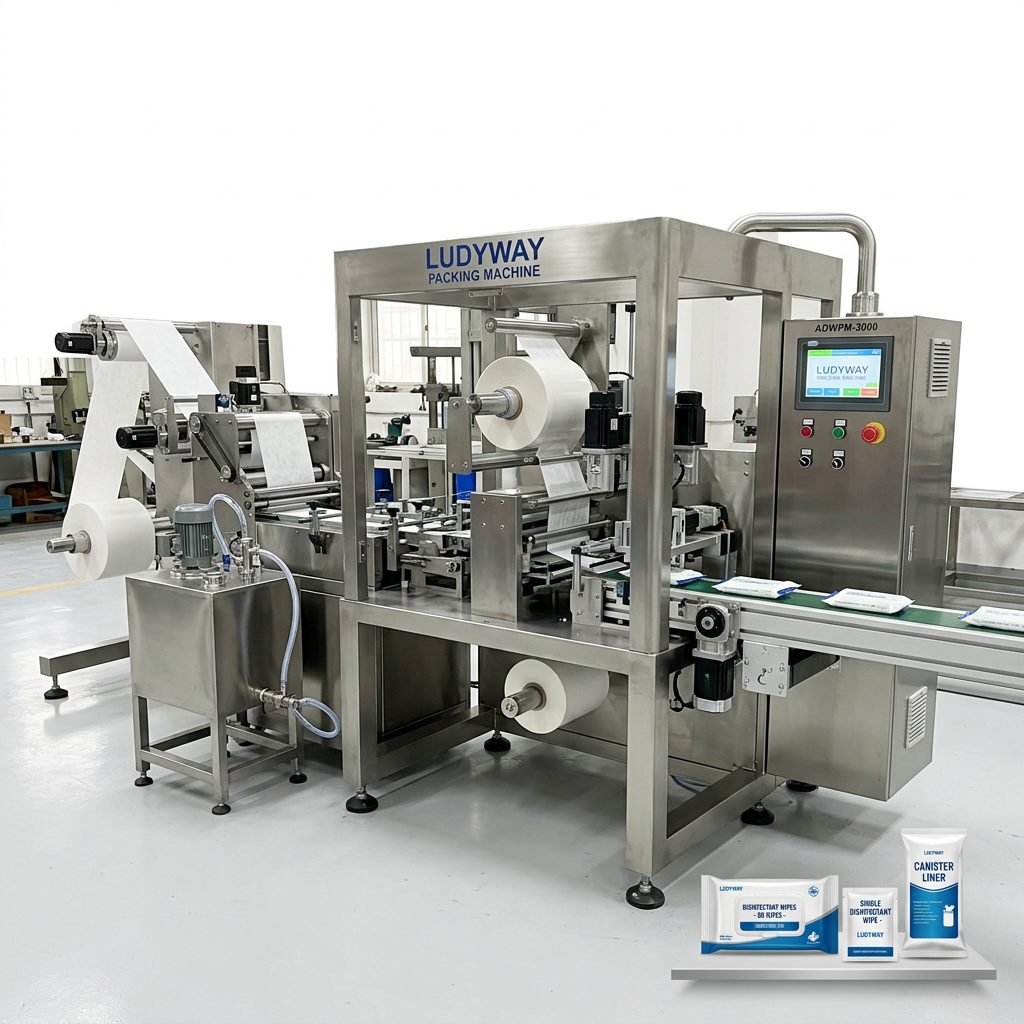
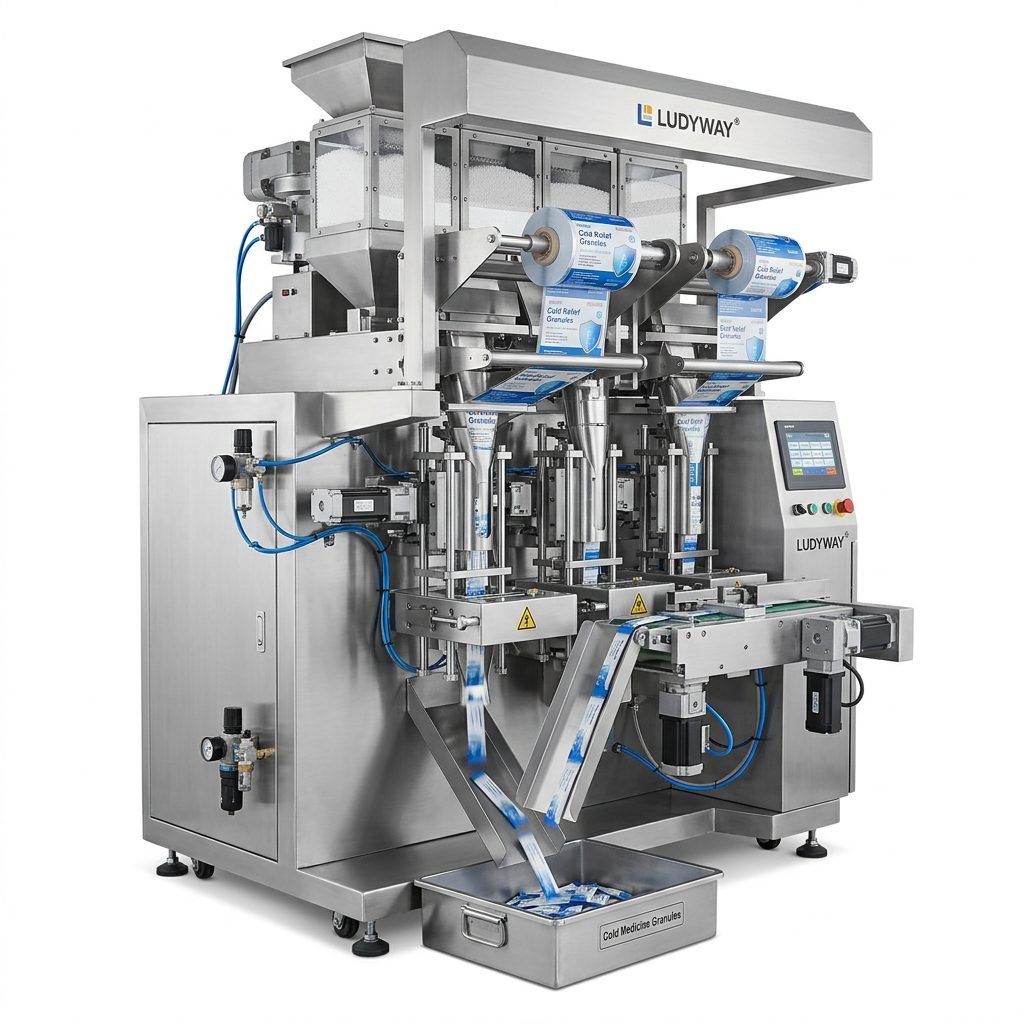
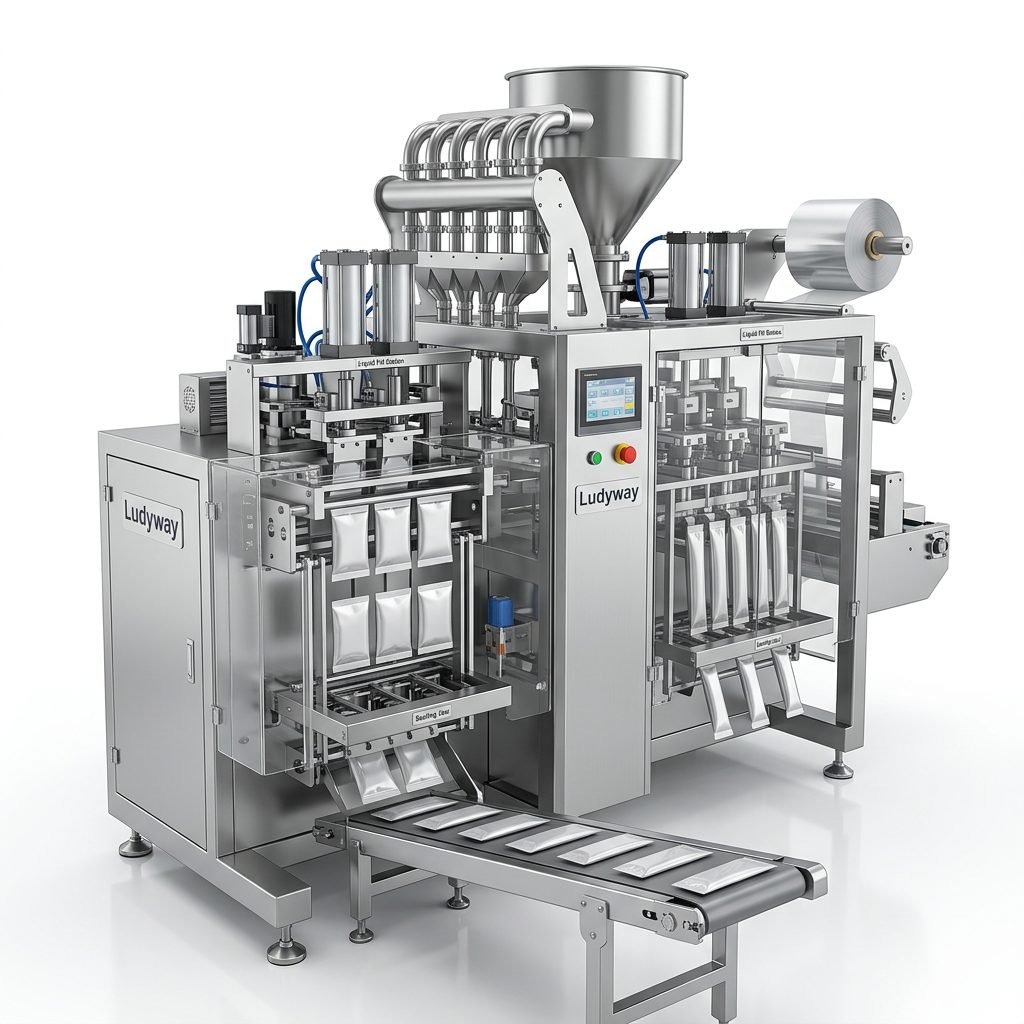
Choosing the right packaging machine manufacturer in Asia is a critical decision that can significantly impact your production efficiency, product quality, and bottom line. The region, particularly China, is a global hub for manufacturing, offering a vast array of suppliers with varying levels of expertise, quality, and service. For businesses in Europe, North America, or other parts of the world sourcing from Asia, navigating this landscape requires a strategic approach to find a partner that aligns with your specific needs and long-term goals.
Understanding Your Packaging Requirements
Before you start evaluating manufacturers, it’s essential to have a crystal-clear understanding of your own needs. This foundational step will guide every subsequent decision.
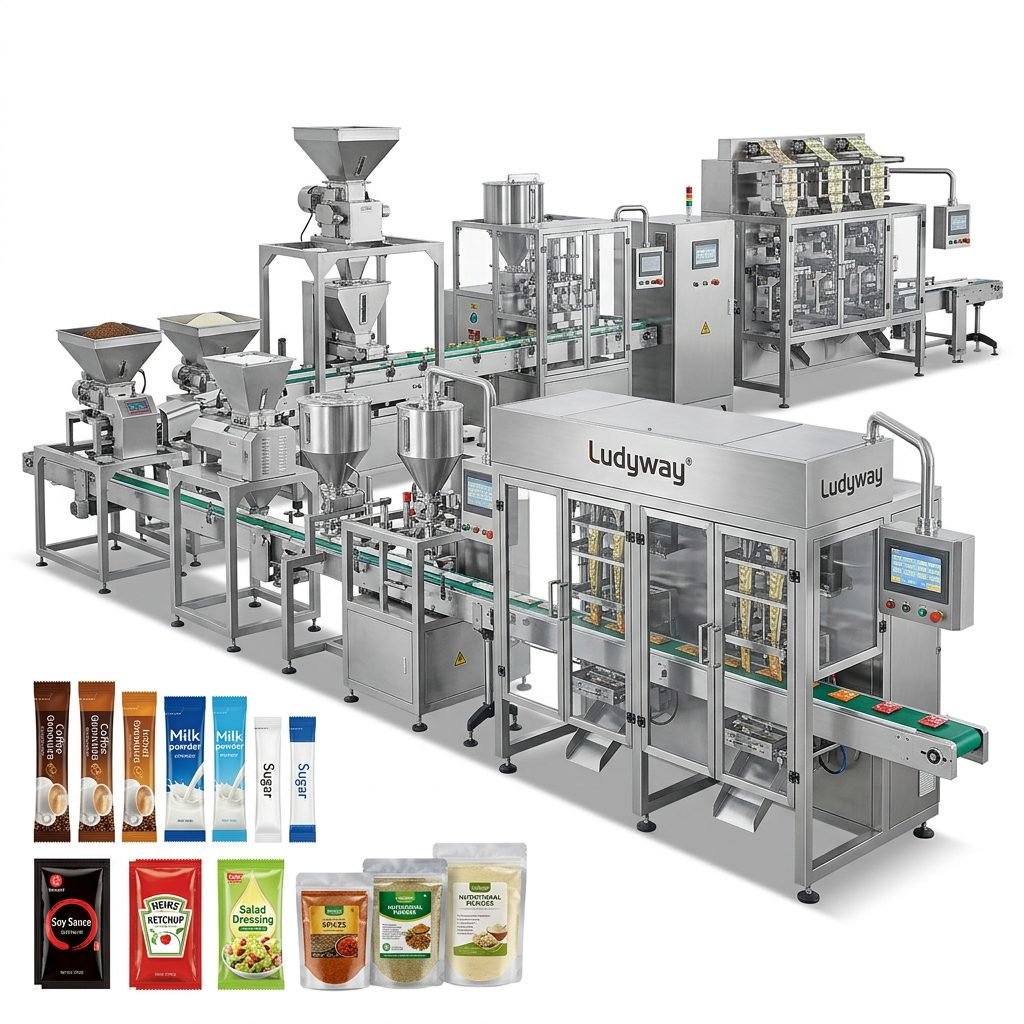
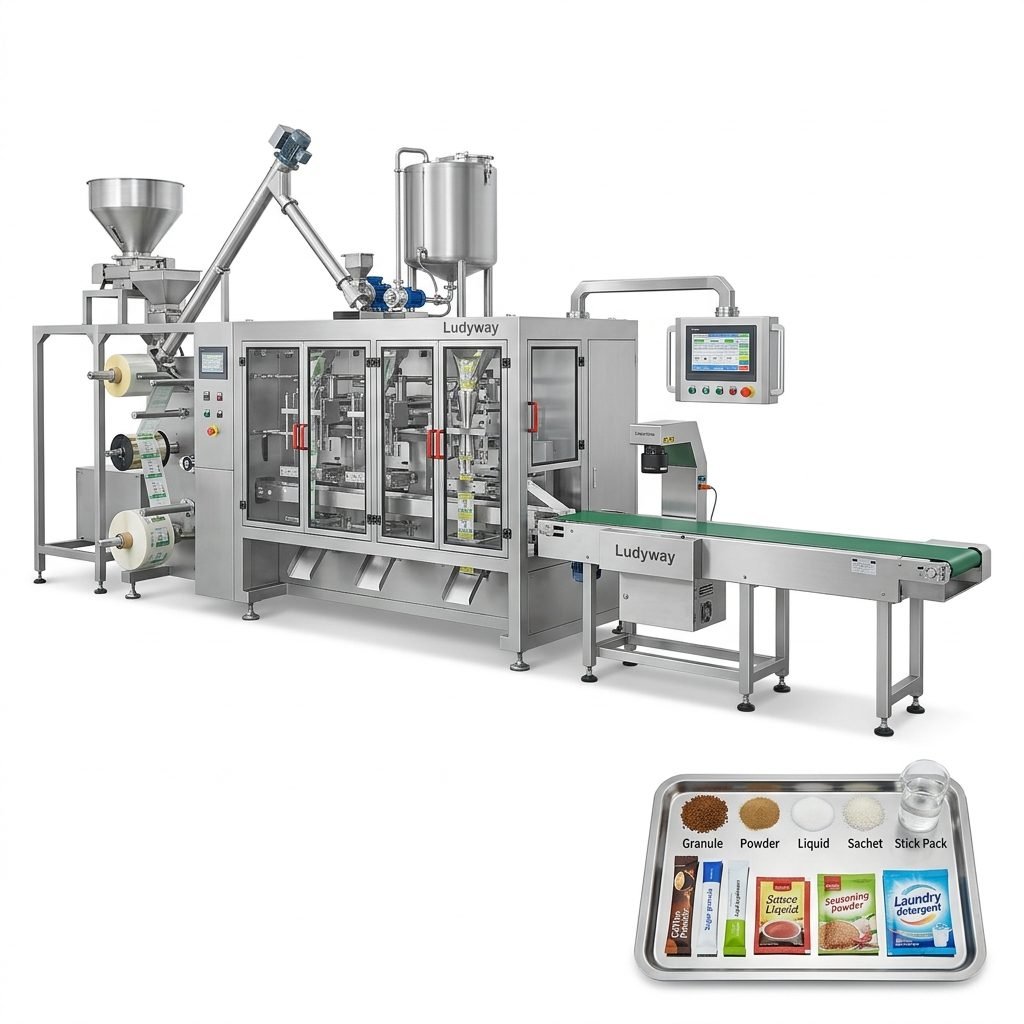
Product Specifications: Precisely define what you are packaging. Is it granules, powder, liquid, or a combination? What are the characteristics of your product (e.g., flowability, hygroscopicity, abrasiveness)? What is your target packaging format—stick packs, sachets, pouches, bottles, or cartons?
Production Capacity: Determine your required output speed (packs per minute) and the scale of your operation. Are you looking for a single machine or a complete turnkey production line? Consider your future growth projections as well.
Industry Standards & Compliance: Your industry dictates critical requirements. The food, pharmaceutical, and nutraceutical sectors have stringent hygiene, safety, and traceability standards (e.g., GMP, FDA, CE). Ensure any potential manufacturer has a proven track record and relevant certifications for your field.
Automation Level: Decide on the degree of automation. Options range from semi-automatic machines requiring manual feeding to fully integrated lines with automated feeding, filling, sealing, cartoning, and palletizing. Higher automation boosts output and reduces labor costs but requires a larger initial investment.
Key Criteria for Evaluating Asian Manufacturers
With your requirements in hand, you can begin assessing potential partners. Focus on these critical areas to separate the contenders from the pretenders.
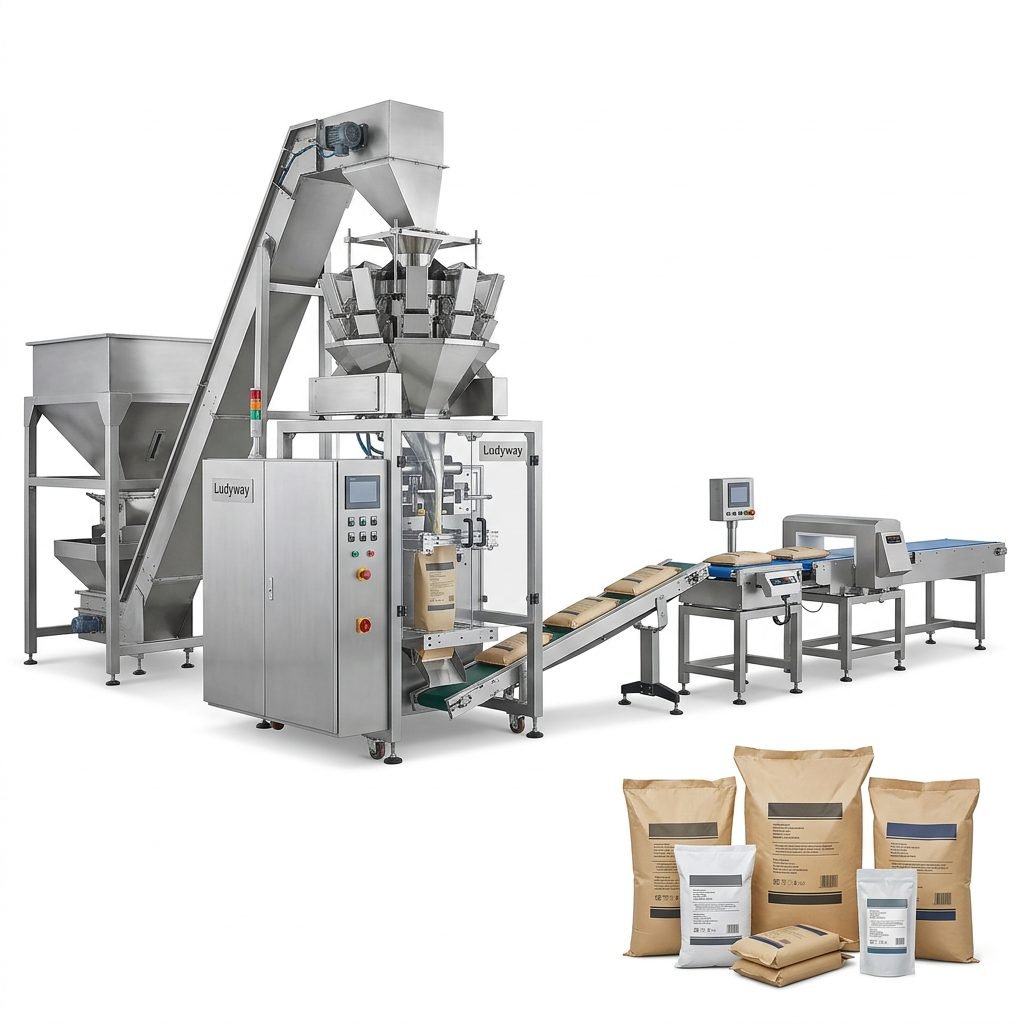
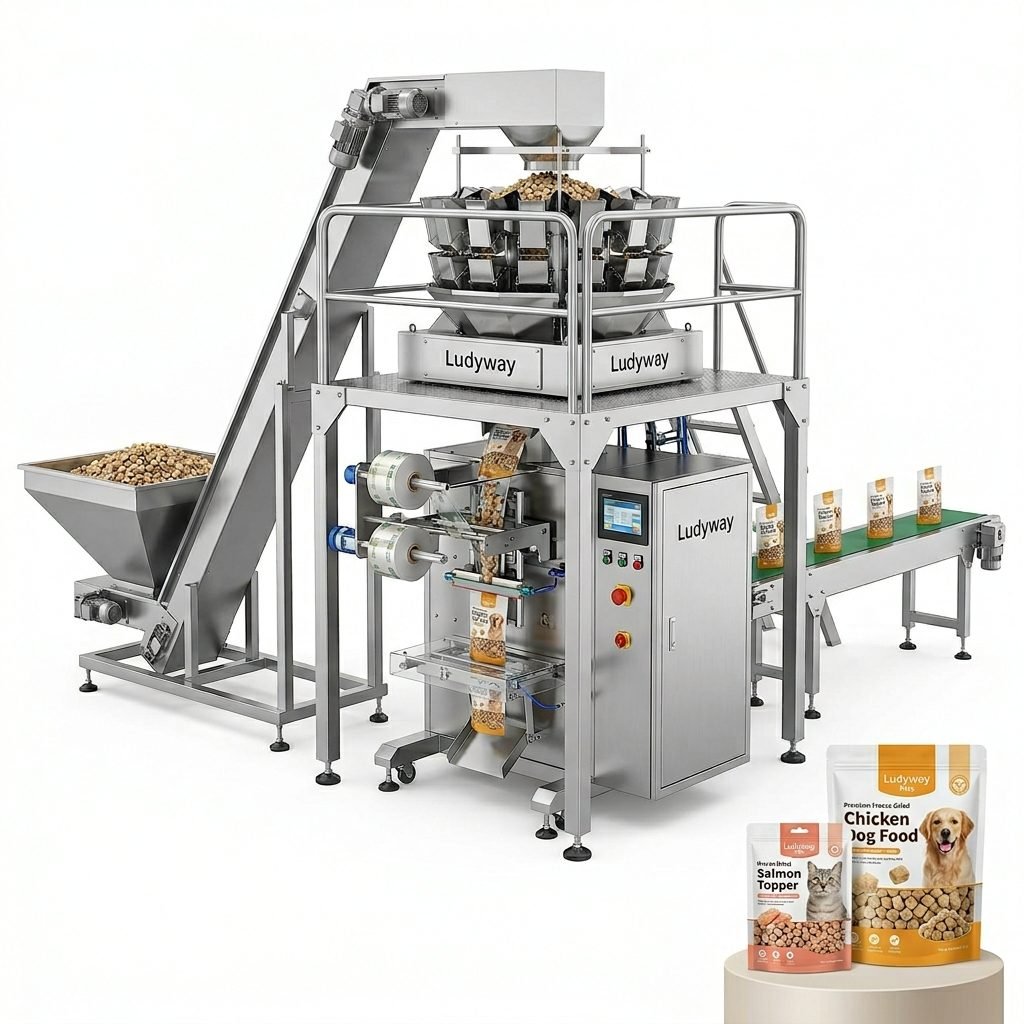
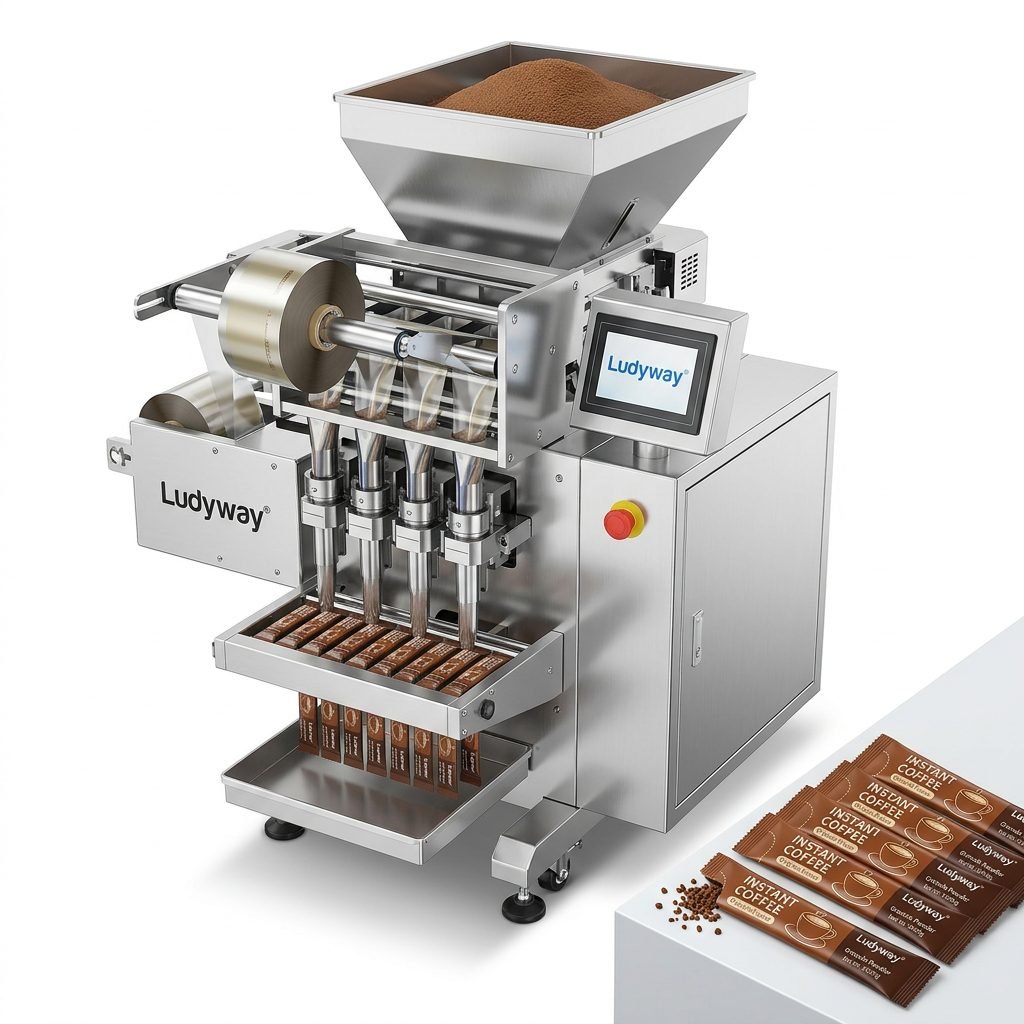
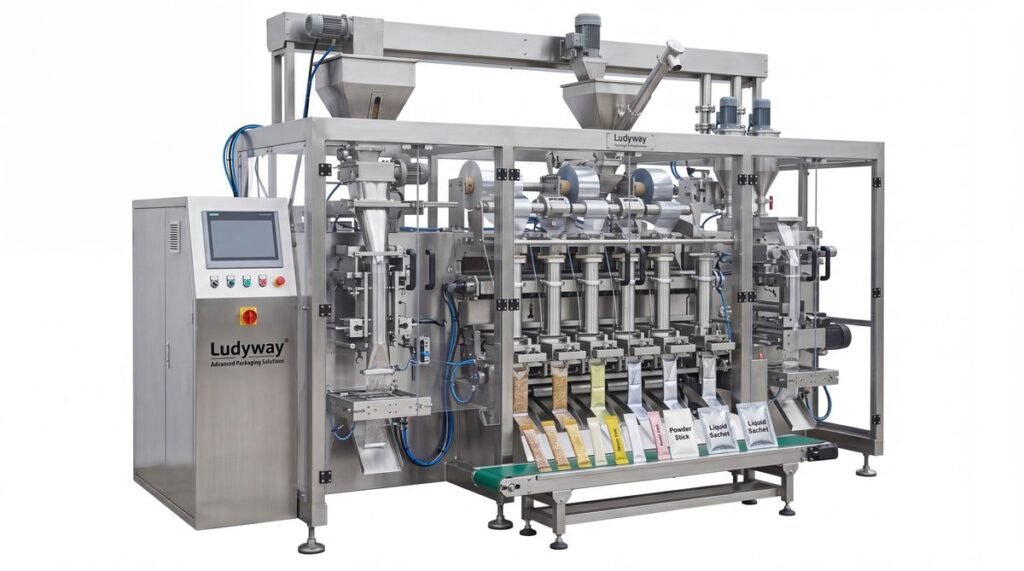
Technical Expertise and Innovation: Look for a manufacturer with deep R&D capabilities and a history of innovation. Do they offer custom engineering solutions, or are they limited to standard models? A company like Ludyway, with over 30 years of experience and a portfolio of over 50 intelligent machine models, demonstrates a commitment to advancing packaging technology for diverse applications from food to pharmaceuticals.
Manufacturing Capability and Quality Control: The size and modernity of a production facility are strong indicators of capability and reliability. A manufacturer with a large, modern plant (e.g., Ludyway’s 20,000㎡ facility) typically has better control over supply chains, production schedules, and quality assurance processes. Inquire about their quality control protocols, the sourcing of key components (like PLCs and servos), and their testing procedures before shipment.
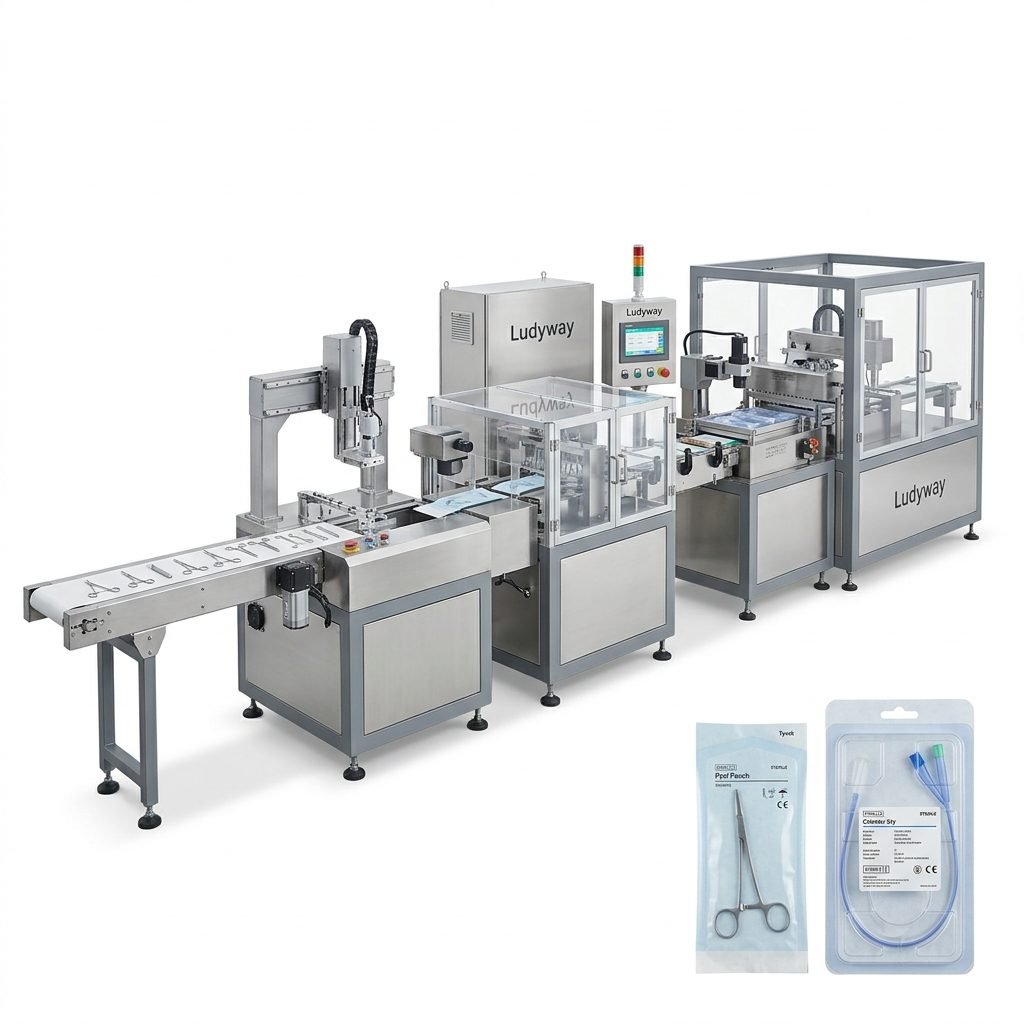
Industry Experience and Specialization: A manufacturer experienced in your specific niche will understand the unique challenges you face. Whether you need a machine for high-speed pharmaceutical sachets, granular fertilizer bagging, or liquid pouch filling for cosmetics, a specialist will provide more effective solutions than a generalist. Review their case studies and client list within your industry.
Beyond the Machine: Service and Support
The relationship with your manufacturer doesn’t end at the point of sale. Comprehensive after-sales support is crucial for minimizing downtime and ensuring long-term productivity.
Installation, Training, and Commissioning: Will they send engineers to install and commission the machine at your site? Do they provide thorough operational and maintenance training for your staff? This on-site support is invaluable for a smooth startup.
Spare Parts Availability and Technical Support: Packaging machines require maintenance. A reliable manufacturer maintains a robust inventory of spare parts and offers prompt technical support, often via remote diagnostics. Ask about their warranty terms, spare parts lead times, and the availability of service engineers.
Scalability and Future-Proofing: Your business will evolve. Can the manufacturer support you with line expansions, upgrades, or integration with other equipment? A partner invested in your long-term success will offer scalable solutions.
Financial and Logistical Considerations: While cost is always a factor, the lowest price often carries hidden expenses like poor reliability, high maintenance costs, and production delays. Evaluate the total cost of ownership. Furthermore, clarify Incoterms, shipping logistics, and customs clearance responsibilities. Manufacturers with extensive export experience, serving over 100 countries like some established firms, are typically better equipped to handle international logistics smoothly.
Navigating the Cultural and Communication Landscape
Sourcing from Asia involves bridging cultural and communication gaps. Effective communication is the bedrock of a successful partnership.
Clear and Detailed Communication: Provide extremely detailed specifications, including 3D drawings, sample products, and desired packaging materials. Use videos and photos to illustrate points. Assume nothing is obvious.
Factory Audits and Site Visits: Whenever possible, visit the manufacturer’s facility. This allows you to assess their operations, quality control, and team firsthand. Virtual tours are a good alternative if travel isn’t feasible.
Building a Relationship: Asian business culture often values long-term relationships and trust. Be patient, respectful, and focus on building a cooperative partnership rather than a purely transactional one.
Due Diligence and Final Selection
Before making your final decision, conduct thorough due diligence.
Request and Check References: Ask for contact information for clients in your region or industry. Speak to them about their experience with the machine’s performance, reliability, and the manufacturer’s service.
Sample Machine Trials: The most reliable test is to run your actual product on the machine. Reputable manufacturers often offer factory acceptance tests (FAT) at their facility or can arrange for a trial with a similar machine.
Review the Contract Meticulously: Ensure the contract explicitly covers all specifications, delivery timelines, payment terms, warranty details, training provisions, and responsibilities for installation and commissioning. Have it reviewed by a legal professional familiar with international trade.
Frequently Asked Questions (FAQs)
Q: How do I verify the quality of an Asian packaging machine manufacturer?
A: Conduct virtual or in-person factory audits, review their certifications (ISO, CE, etc.), inspect their manufacturing processes, and most importantly, speak to their existing international clients. Request videos of machines in operation and insist on a factory acceptance test with your product samples.
Q: What is the typical lead time for a packaging machine from Asia?
A: Lead times vary greatly based on complexity. A standard model may take 30-60 days, while a fully customized turnkey line can require 90-180 days or more. Clear communication and detailed planning during the design phase are essential to avoid delays.
Q: Are spare parts readily available, and how is after-sales support handled internationally?
A: This is a critical question. Choose a manufacturer with a dedicated international service team, a well-stocked spare parts inventory, and the ability to provide remote diagnostics and support. Ensure they commit to specific response times for technical issues.
Q: Can Asian manufacturers provide truly customized solutions, or are they only good for standard machines?
A> Many leading Asian manufacturers, such as Ludyway, Packmate Machinery, and PacklineOEM, specialize in OEM and custom turnkey solutions. They have engineering teams capable of designing machines tailored to specific products, speeds, and integration requirements. Be prepared to provide detailed specifications.
Q: How do I manage communication and potential language barriers?
A> Work with manufacturers who have English-speaking sales and technical teams. Use clear, simple language in all communications, employ diagrams and videos, and confirm understanding by having them repeat key points. Consider using a local agent or sourcing company if needed.