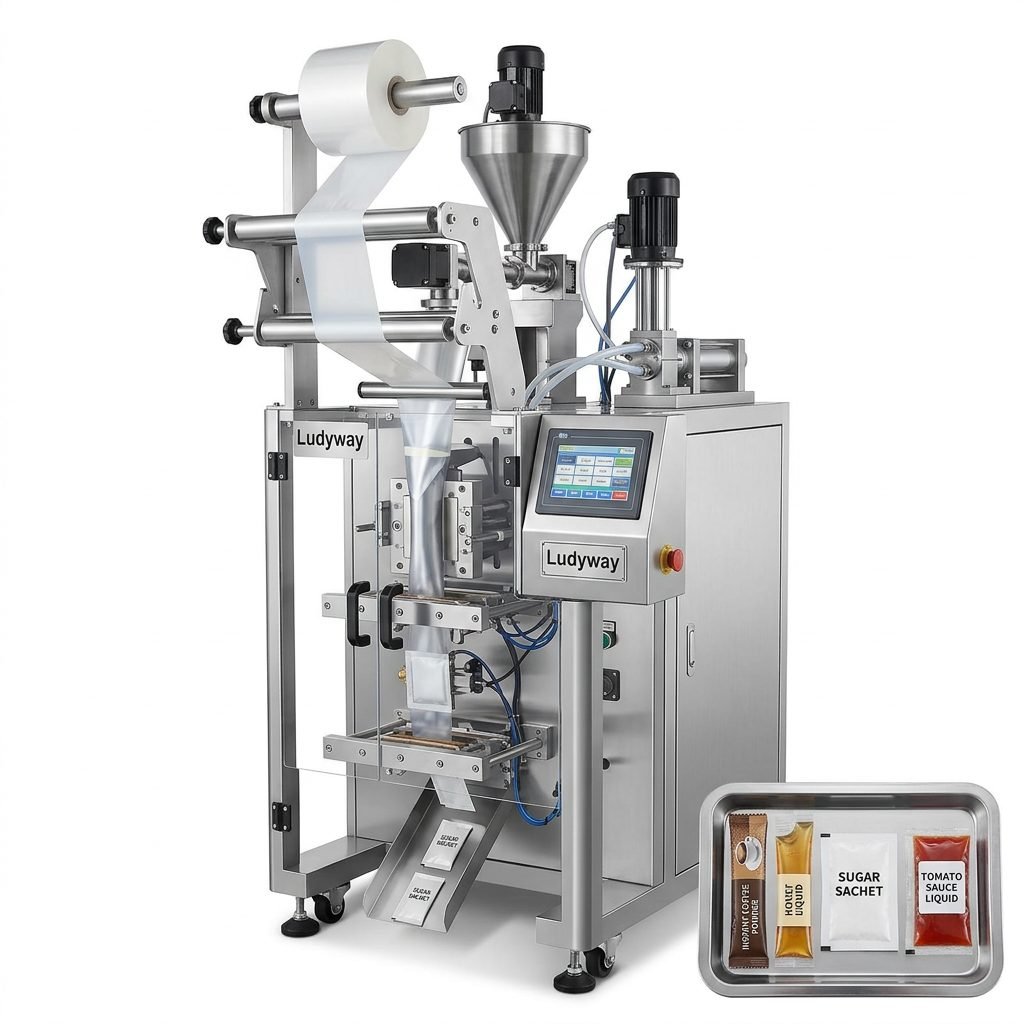
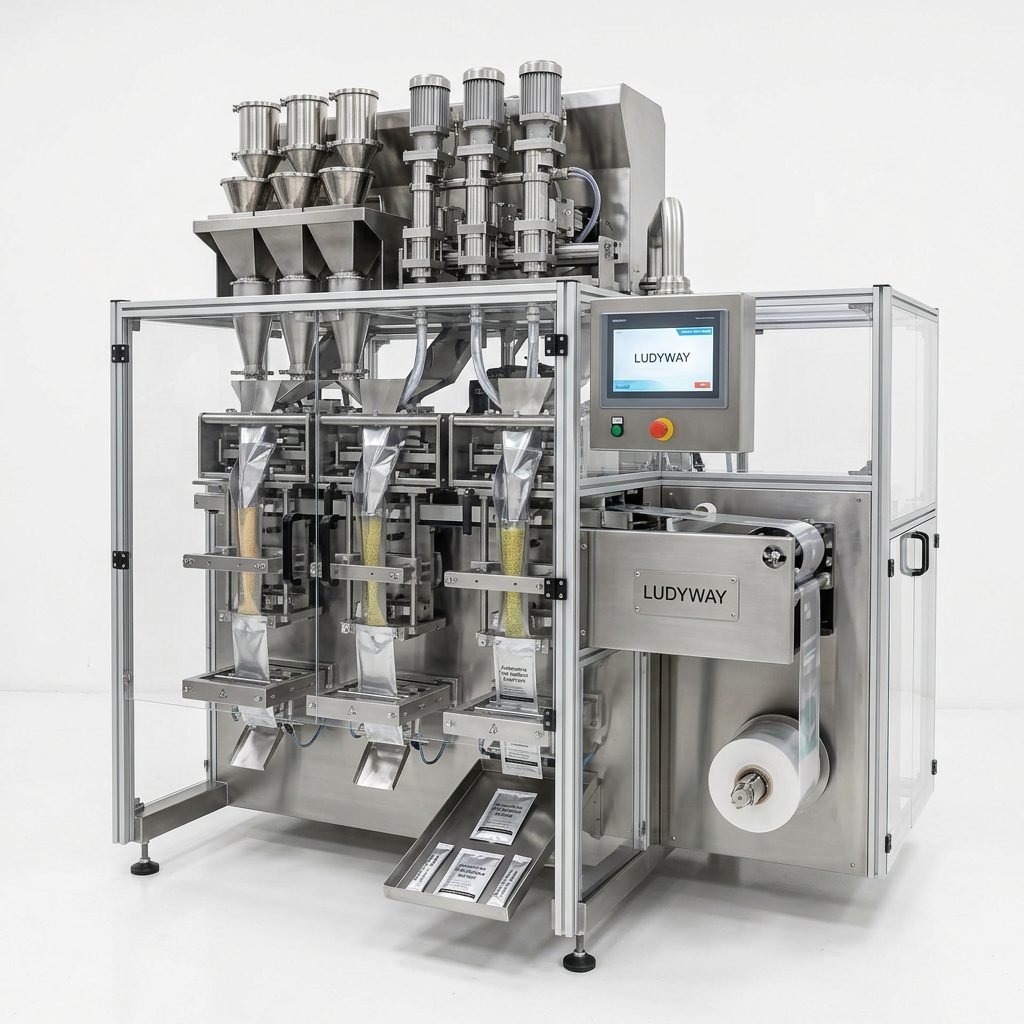
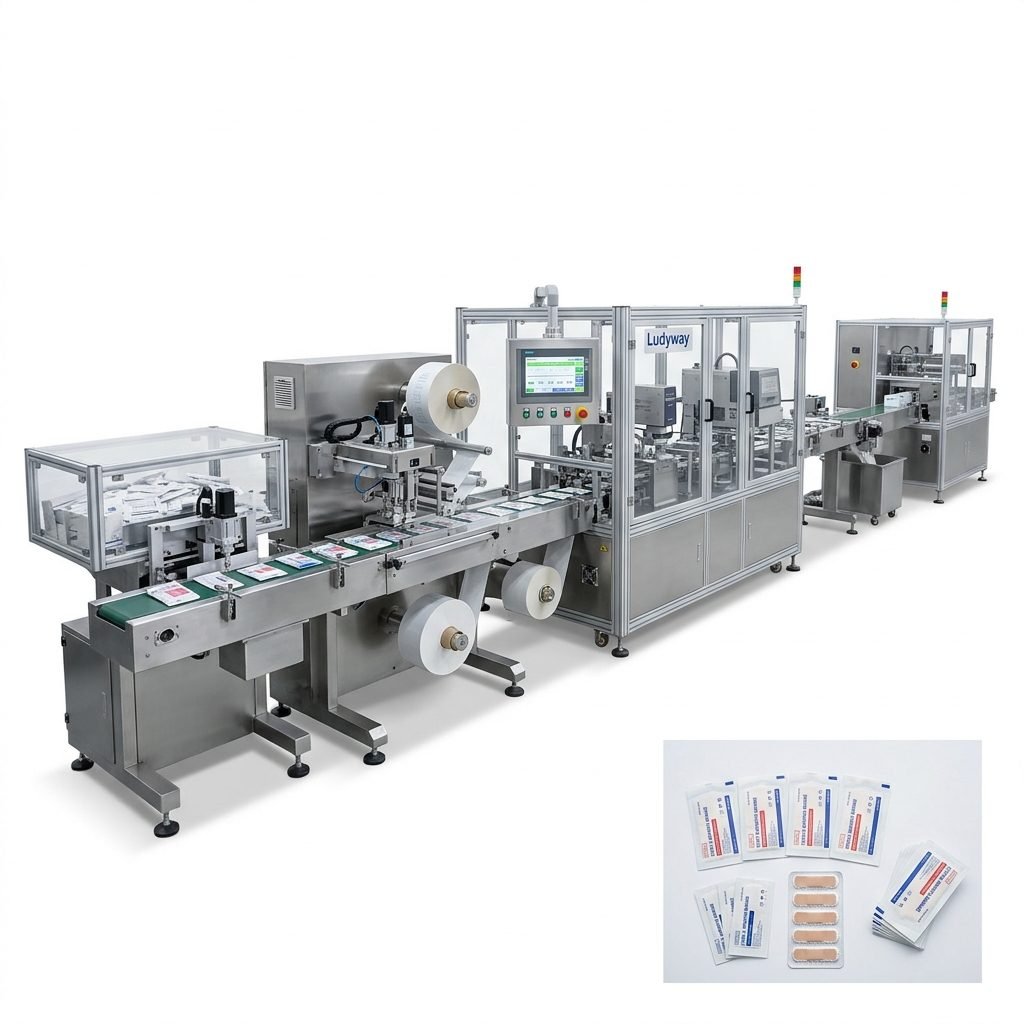
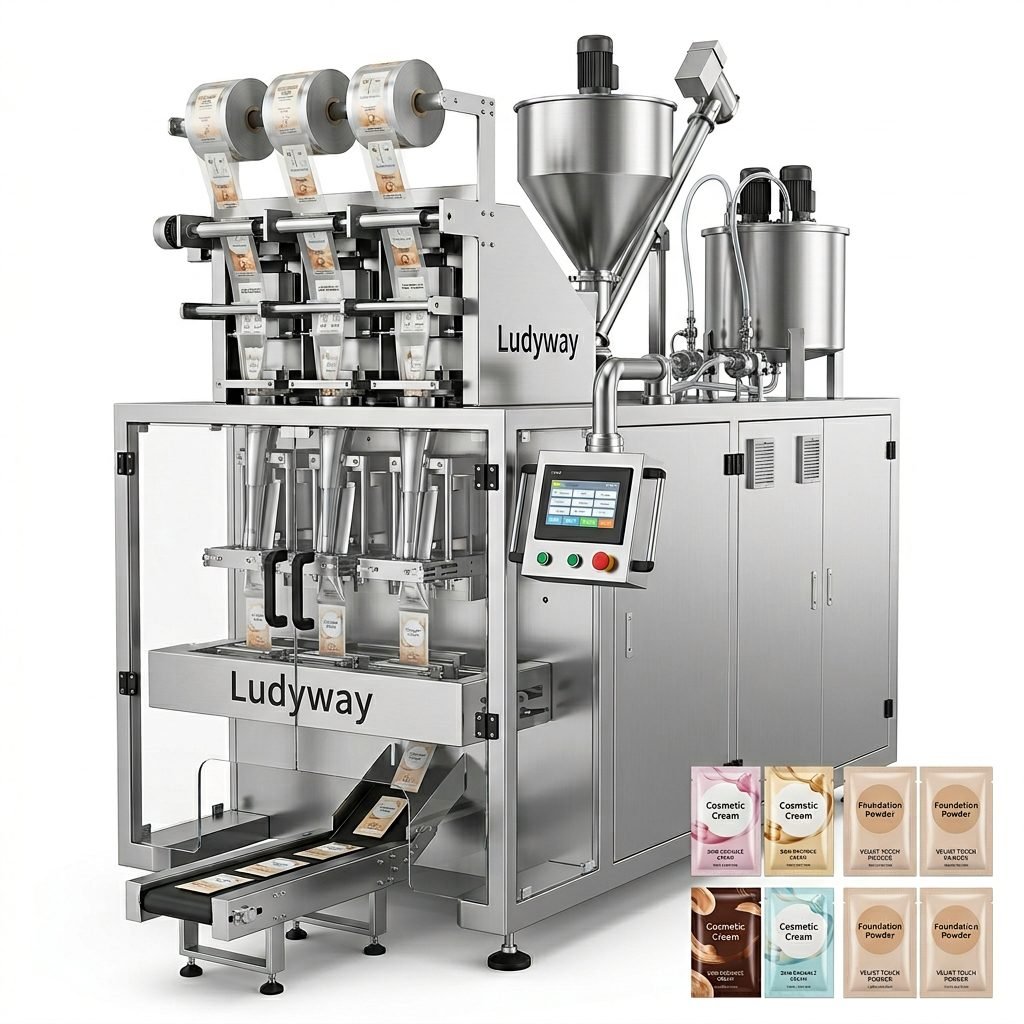
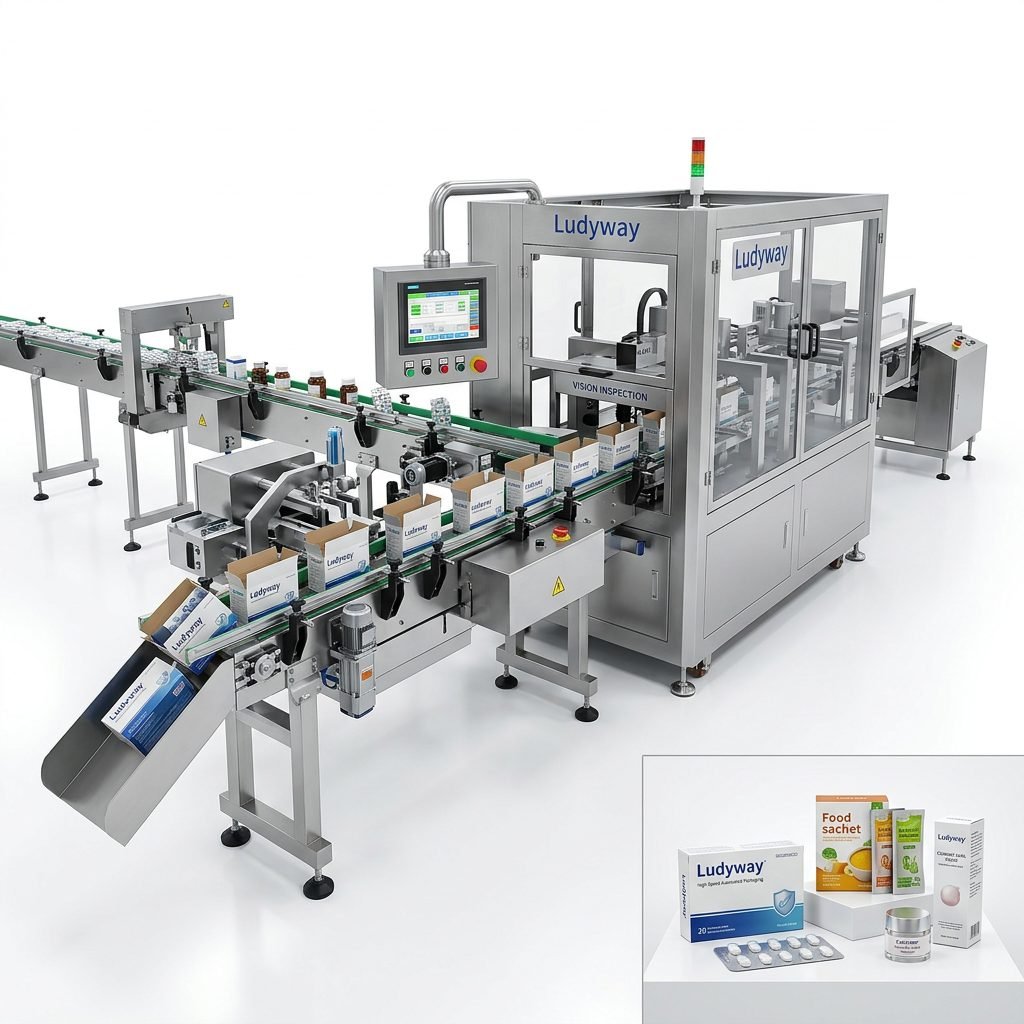
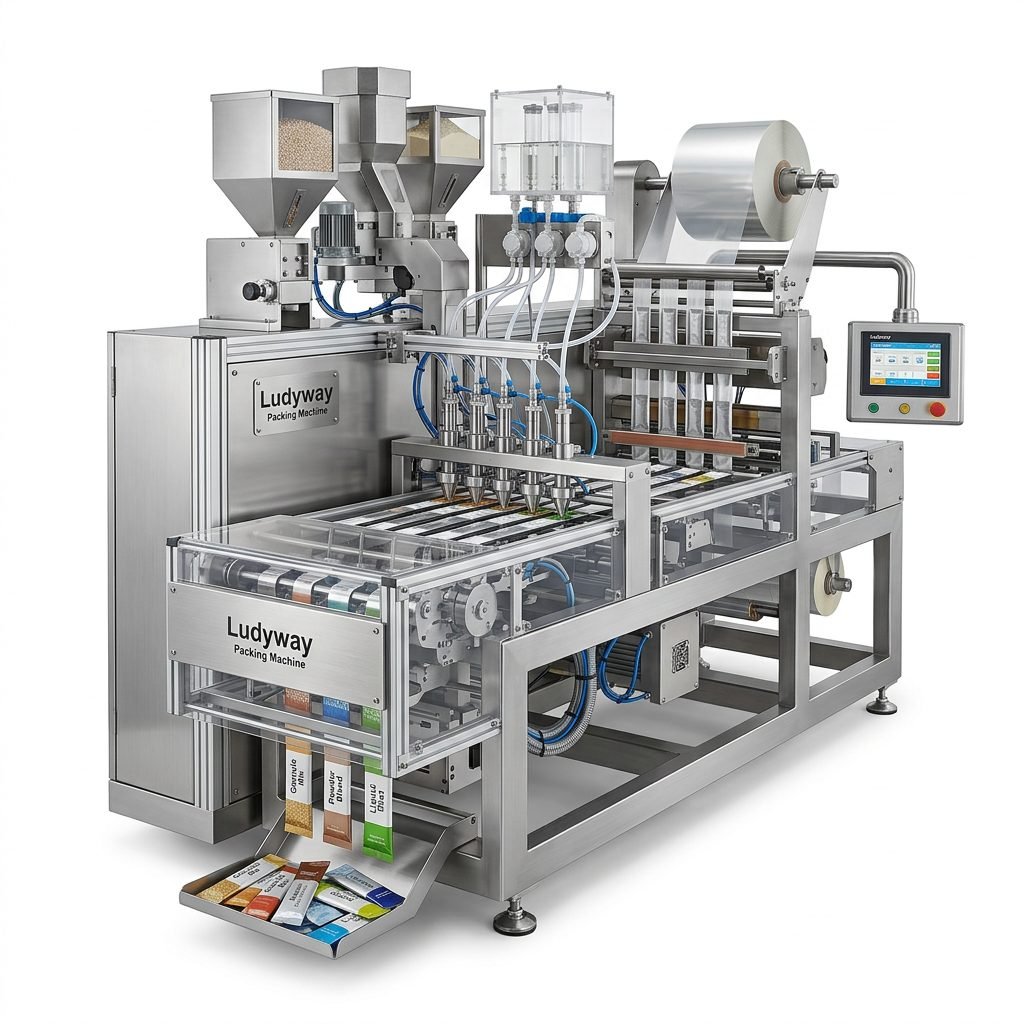
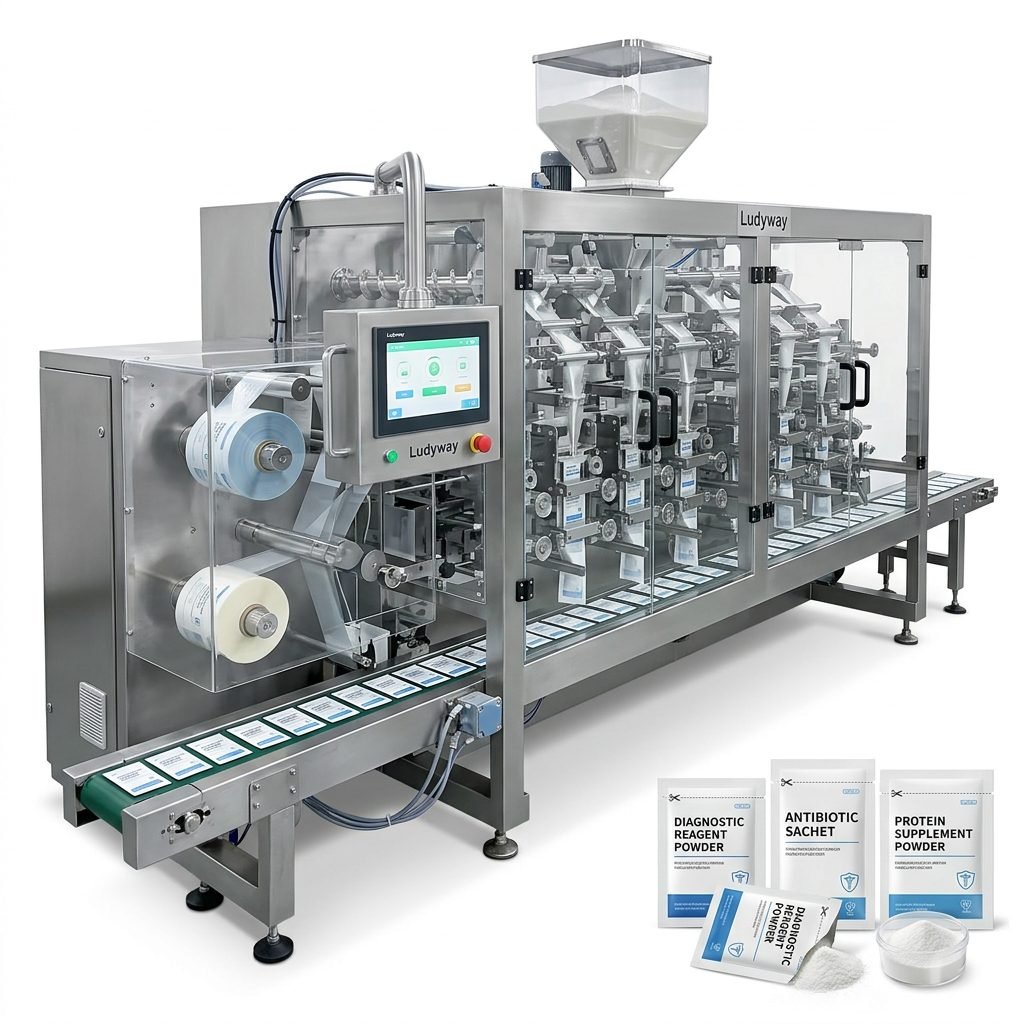
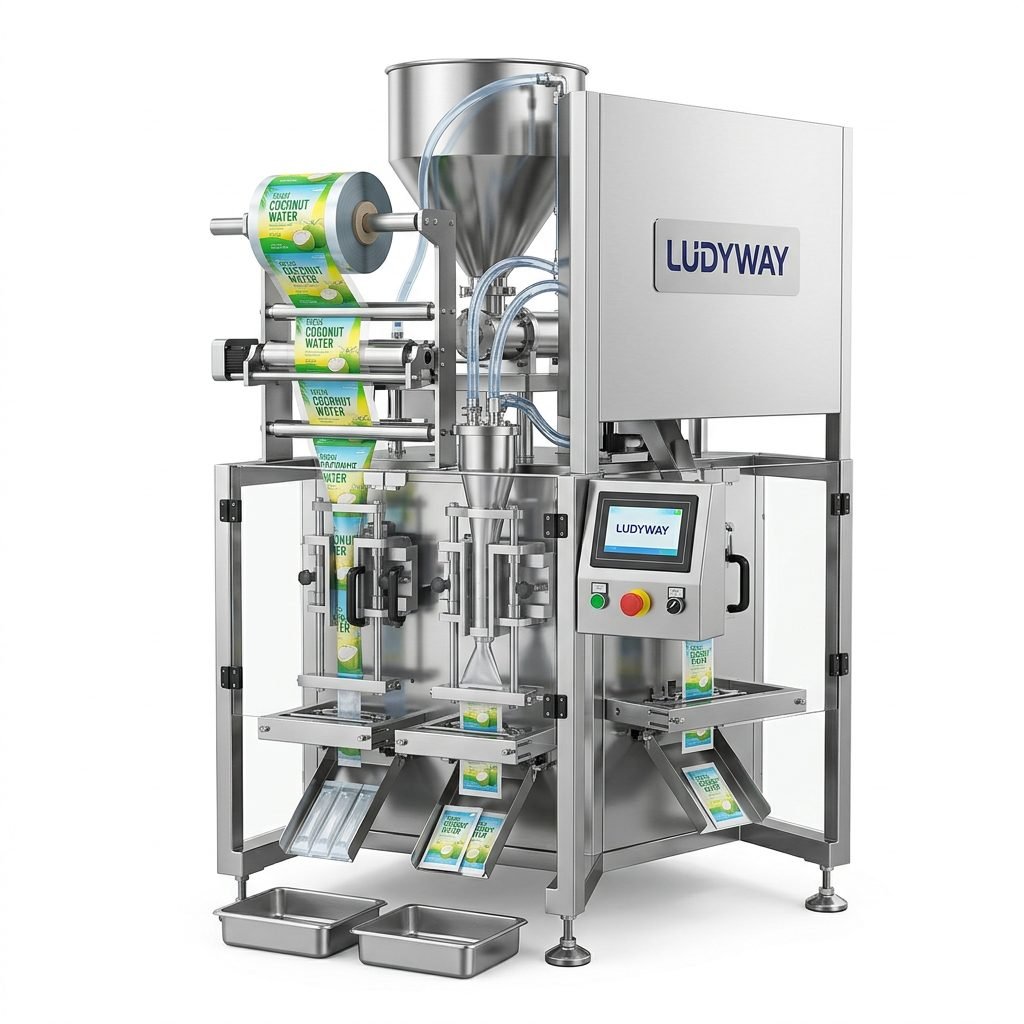
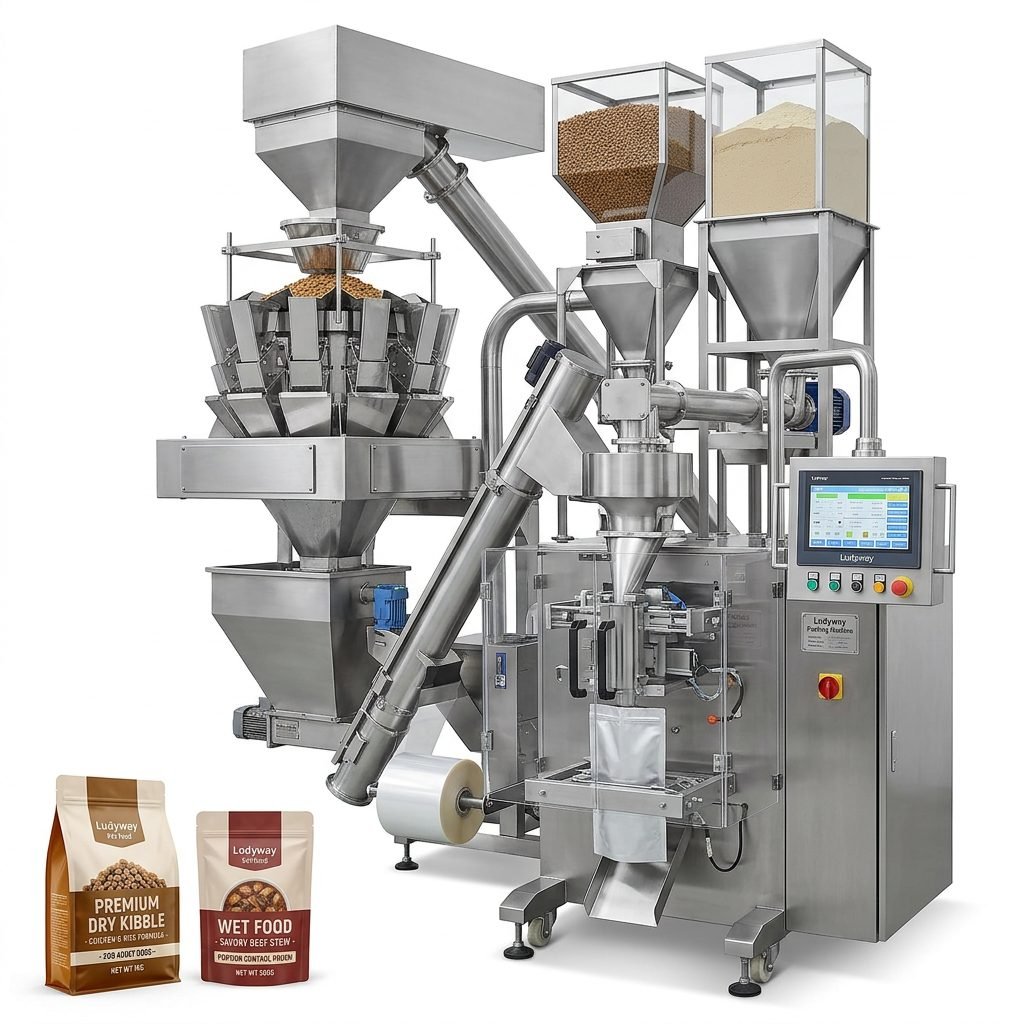
Investing in a three-side seal bag making machine is a significant decision for any manufacturer involved in flexible packaging. Whether you are producing sachets for food, pharmaceuticals, cosmetics, or industrial products, the right equipment directly impacts your production efficiency, product quality, and long-term profitability. This comprehensive buyer’s guide walks you through the essential factors to evaluate before making a purchase.
Understanding Three-Side Seal Bag Technology
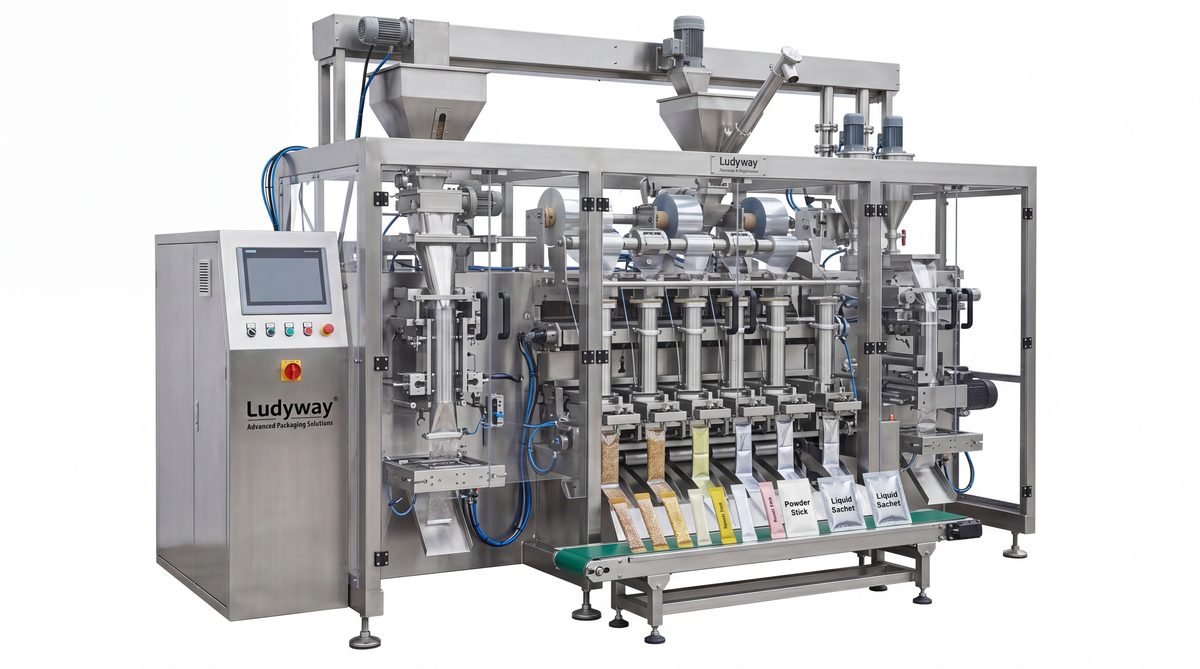
A three-side seal bag is created by sealing three edges of a flat film, leaving one side open for filling before the final seal is applied. This packaging format is widely used for single-use sachets, stick packs, and sample pouches across multiple industries. The machines that produce these bags vary significantly in terms of speed, automation level, and material handling capabilities. Understanding your specific production requirements is the first step toward selecting the right equipment.
Key Factors to Evaluate Before Buying
Choosing the correct machine requires a systematic evaluation of several critical parameters. Below, we break down the most important considerations to guide your decision-making process.
1. Production Speed and Output Requirements
Production speed is often the primary concern for manufacturers scaling their operations. Three-side seal machines can range from 40 to over 400 bags per minute per lane, depending on the model and configuration. Multi-lane machines multiply this output significantly. Before approaching suppliers, calculate your current and projected daily output needs. According to industry data from the PMMI Business Intelligence library, packaging machinery demand continues to grow as manufacturers seek higher throughput with fewer labor resources.
| Machine Type | Typical Speed Range | Best Suited For |
|---|---|---|
| Single-Lane Standard | 40–120 bags/min | Small batch production, startups |
| Multi-Lane (4–12 lanes) | 200–800+ bags/min | Medium to high-volume production |
| High-Speed Multi-Lane | 1,000+ bags/min | Large-scale industrial operations |
2. Material Compatibility and Film Specifications
Not all three-side seal machines handle every packaging material effectively. Your machine must be compatible with the film structure, thickness, and barrier properties required for your product. Common materials include PET/PE, PET/AL/PE, BOPP/CPP, and paper-based laminates. The sealing system — whether heat sealing, ultrasonic sealing, or a combination — must match your film’s sealing layer. The Flexible Packaging Association provides extensive resources on material innovations and sustainability trends that influence film choices.
- Film thickness range: Verify the machine handles your minimum and maximum micron or gauge requirements.
- Sealing temperature control: Precise PID temperature controllers ensure consistent seal integrity across varying speeds.
- Material waste reduction: Look for machines with servo-driven film feeding to minimize scrap and optimize material usage.
3. Filling and Dosing System Integration
The filling mechanism is integral to the overall performance of your packaging line. Three-side seal machines can be equipped with various dosing systems depending on your product characteristics:
| Product Type | Recommended Filling System | Accuracy Level |
|---|---|---|
| Free-flowing granules | Volumetric cup filler, multi-head weigher | ±0.5–1.0% |
| Fine powders | Auger filler, vacuum dosing | ±0.3–0.8% |
| Liquids and pastes | Piston pump, peristaltic pump | ±0.5–1.5% |
4. Automation and Control Systems
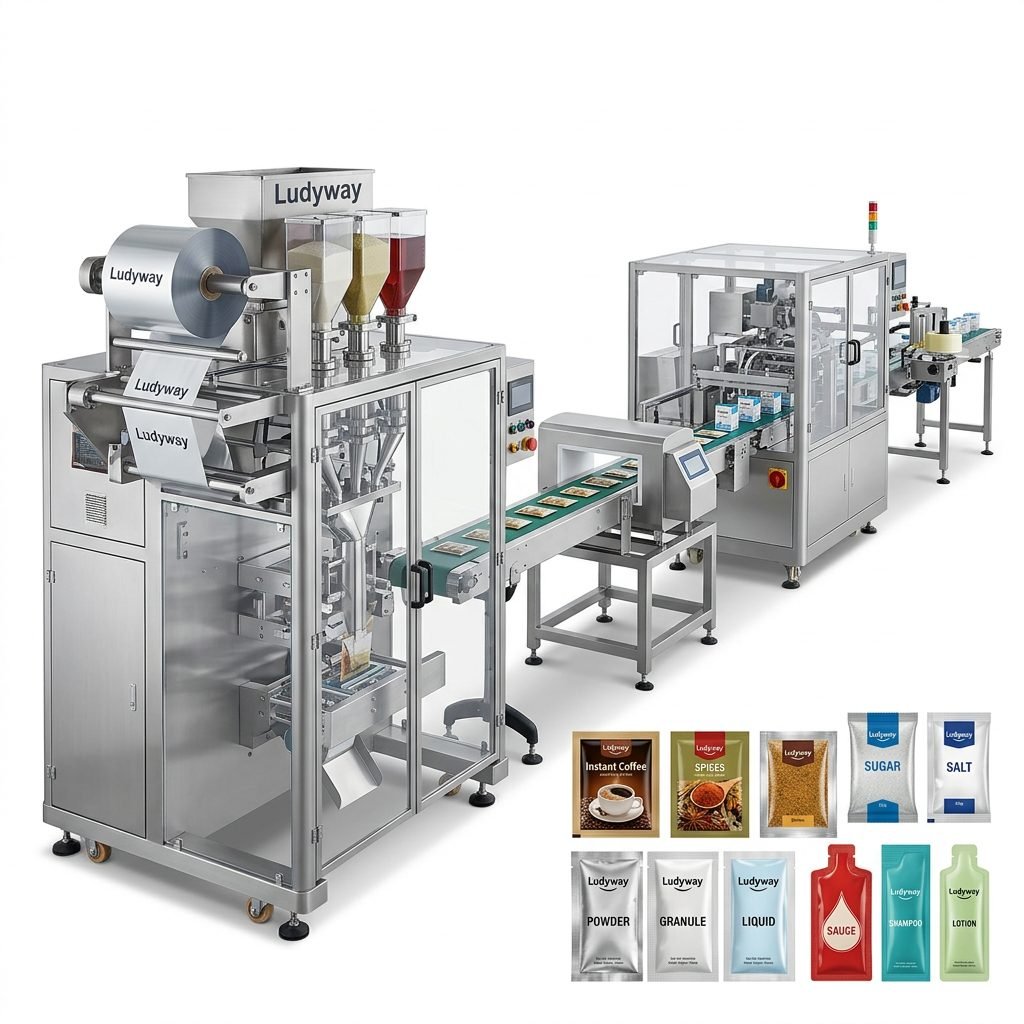
Modern three-side seal machines feature advanced automation capabilities that reduce operator intervention and improve consistency. Servo-driven systems have largely replaced mechanical cam-driven designs, offering greater flexibility and precision. Key automation features to evaluate include PLC control with HMI touchscreen interface, automatic film tension control, registration mark sensors for printed films, and data collection capabilities for production monitoring. Machines that support integration with upstream and downstream equipment — such as conveyors, checkweighers, and cartoning systems — provide a pathway to full line automation.
Evaluating Machine Build Quality and Compliance
Build quality directly affects machine longevity, maintenance frequency, and overall reliability. Inspect the frame construction, sealing jaw materials, and electrical component brands used. Machines built with stainless steel frames and food-grade contact parts are essential for food and pharmaceutical applications. Additionally, verify that the equipment meets relevant international standards. Resources from ISO packaging standards and FDA regulations for food contact substances provide guidance on compliance requirements for different markets.
5. Changeover Flexibility and Downtime
For manufacturers running multiple products or bag sizes, changeover efficiency is critical. Machines with tool-less changeover features and recipe storage in the PLC can reduce downtime from hours to minutes. Consider the following when assessing flexibility:
- Range of bag widths and lengths the machine can accommodate
- Time required to switch between different film types and thicknesses
- Availability of quick-release components and modular design elements
Supplier Selection and After-Sales Support
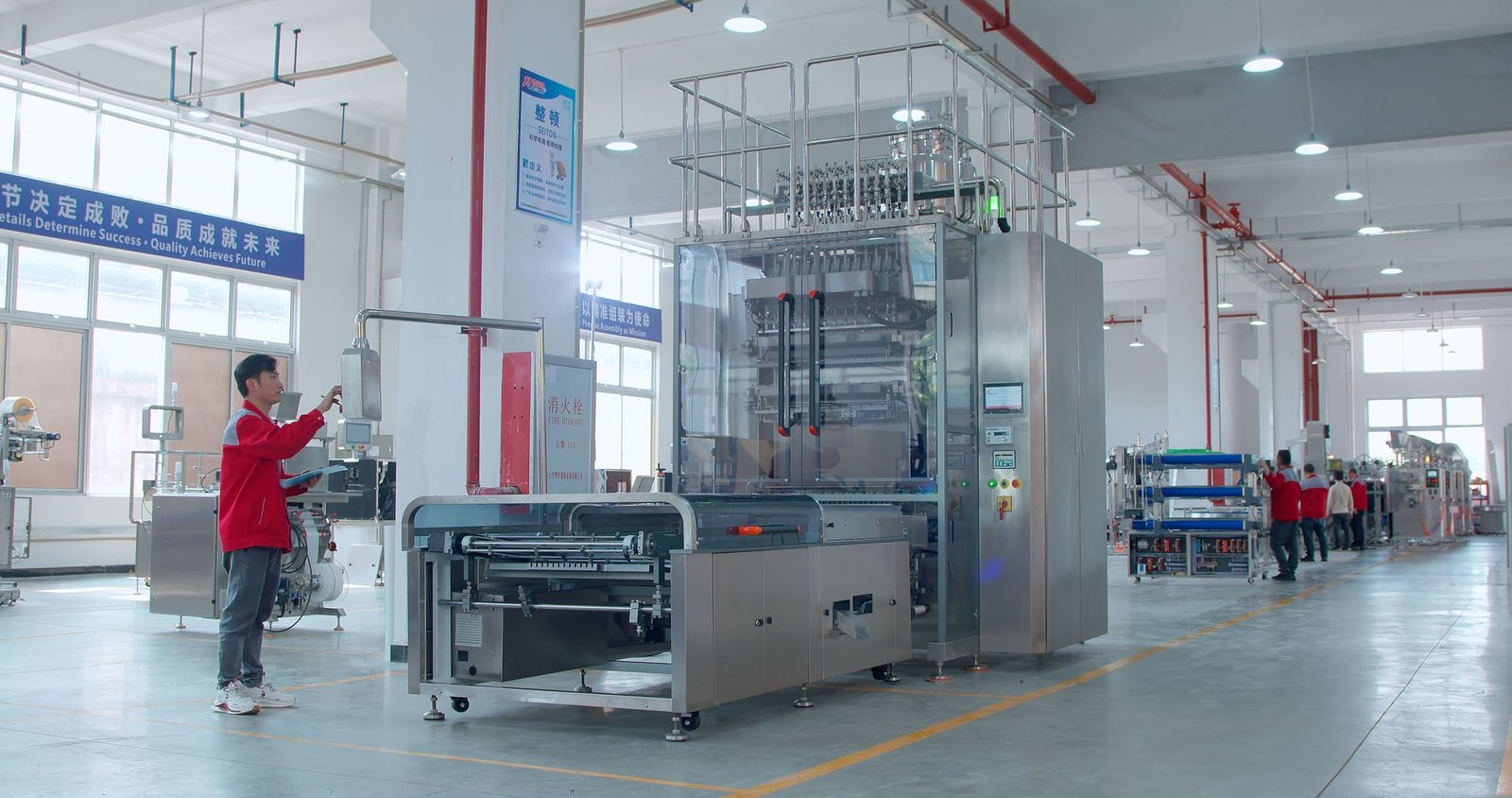
Choosing the right supplier is as important as selecting the right machine. A reliable packaging machinery partner should offer comprehensive technical support throughout the machine’s lifecycle. Ludyway Machinery, a China-based packaging machinery manufacturer with over 30 years of industry experience, provides integrated packaging solutions and emphasizes ongoing technical support, including installation, commissioning, operator training, and spare parts availability. When evaluating suppliers, request references, visit manufacturing facilities when possible, and confirm the availability of local service support in your region.
6. Total Cost of Ownership Considerations
The purchase price is only one component of the total cost. Evaluate the following factors to calculate the true investment:
| Cost Factor | Estimated Impact |
|---|---|
| Initial machine price | 45–55% of TCO over 5 years |
| Spare parts and consumables | 15–20% of TCO |
| Energy consumption | 8–12% of TCO |
| Labor and training | 10–15% of TCO |
| Downtime and lost production | 5–10% of TCO (variable) |
Industry Trends Shaping Packaging Machinery Investment
The packaging industry is evolving rapidly, driven by sustainability concerns, automation demands, and changing consumer preferences. The 2026 State of the Industry report from PMMI highlights several trends affecting equipment purchasing decisions, including the shift toward recyclable mono-material films, increased demand for smart factory connectivity, and growing interest in energy-efficient machinery. When investing in a three-side seal bag making machine, consider how the equipment aligns with these long-term industry directions.
7. Installation, Commissioning, and Training
A smooth installation process sets the foundation for productive operation. Clarify with your supplier what is included in the installation package. Comprehensive commissioning should cover mechanical setup, electrical integration, software configuration, and performance testing. Operator and maintenance training should be part of the standard scope, ensuring your team can operate the equipment safely and efficiently from day one.
Final Checklist Before Purchase
- Define your required bag dimensions, production speed, and fill accuracy
- Confirm material compatibility with your packaging films
- Evaluate automation features and integration capabilities
- Assess build quality, compliance certifications, and safety features
- Review supplier track record, references, and after-sales support network
- Calculate total cost of ownership over the expected machine lifespan
- Verify warranty terms, spare parts availability, and response times for technical support
Selecting the right three-side seal bag making machine requires balancing technical specifications, operational requirements, and long-term business goals. By systematically evaluating the factors outlined in this guide, you can make an informed decision that supports your production objectives and delivers reliable performance for years to come.
Additional Resources: For further reading on packaging machinery selection and industry standards, visit the PMMI Packaging Industry Resources library or explore the Flexible Packaging Association Knowledge Hub.