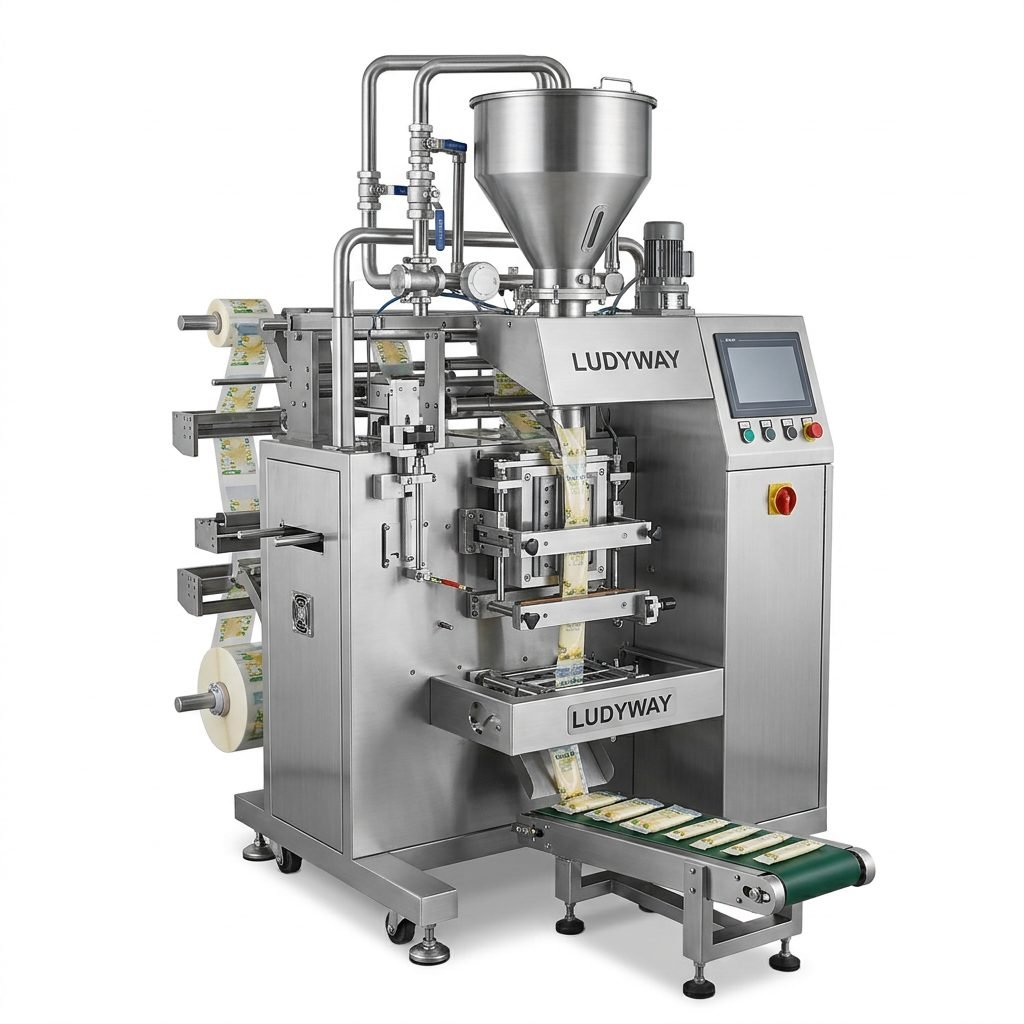
Snack food packaging machines are automated systems designed to weigh, fill, seal, label, and prepare snack products for retail or bulk distribution. They help manufacturers package chips, nuts, popcorn, trail mix, candy, crackers, dried fruit, cereal snacks, and many other products with better speed, accuracy, and consistency.
In modern food production, packaging is much more than putting snacks into a bag. It directly affects product freshness, shelf life, brand presentation, food safety, and production efficiency. That is why choosing the right snack packing equipment is a critical decision for snack brands, co-packers, and food factories.
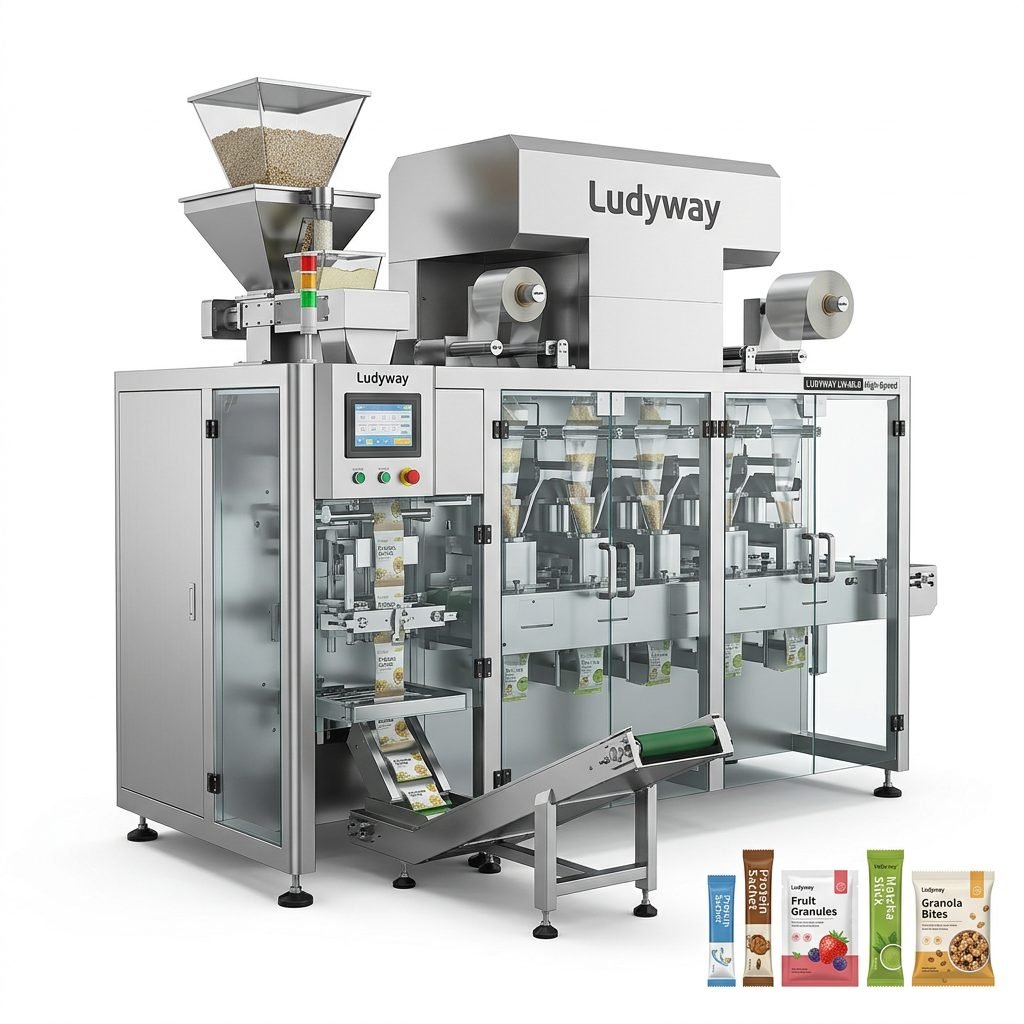
What Does a Snack Food Packaging Machine Do?
A snack food packaging machine handles one or several packaging steps in an automated line. Depending on the snack type and packaging format, the machine may perform the following tasks:
- Product feeding and conveying
- Weighing or volumetric dosing
- Bag forming or pouch handling
- Filling snacks into bags, sachets, stick packs, or pouches
- Sealing the package to protect freshness
- Printing batch codes or date codes
- Checkweighing and inspection
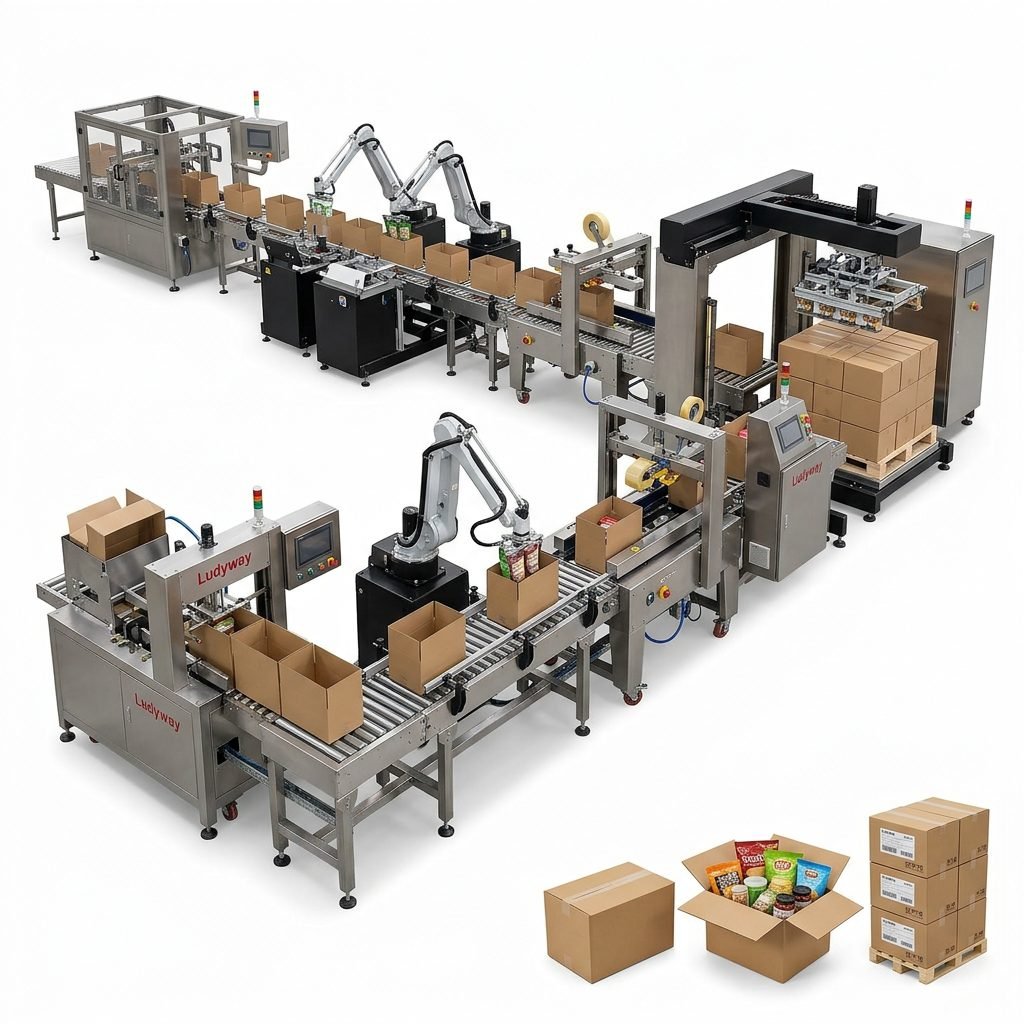
- Cartoning, case packing, and palletizing
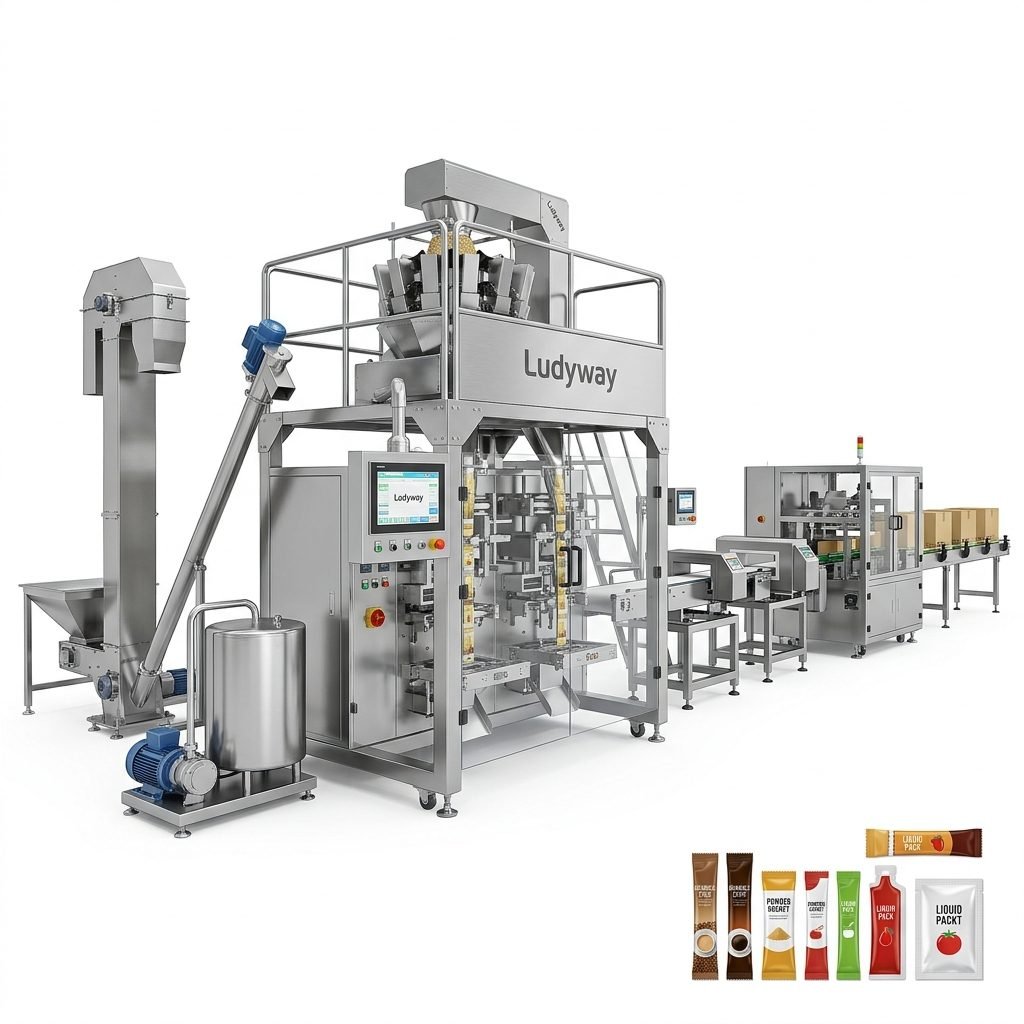
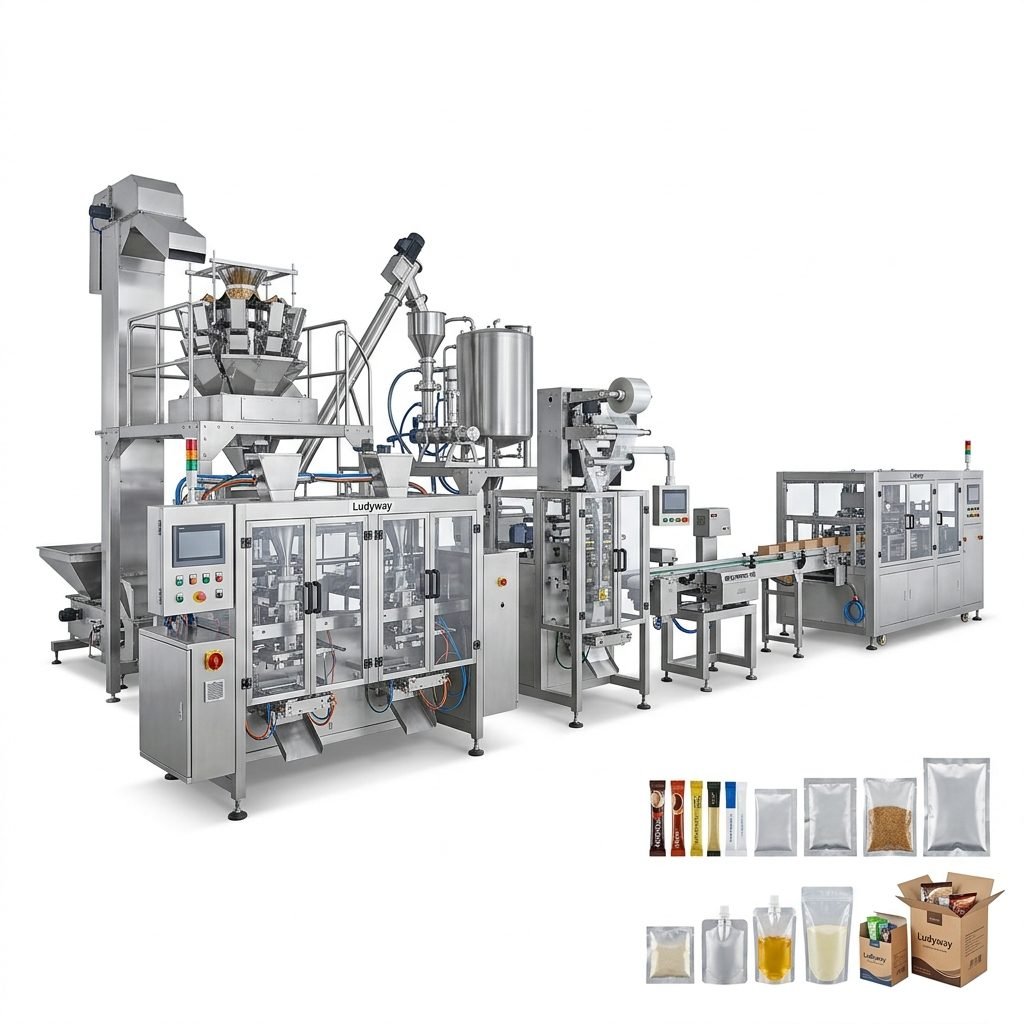
For example, a potato chip line may include a multihead weigher, vertical form fill seal machine, nitrogen flushing system, metal detector, checkweigher, and end-of-line cartoning equipment. A nut or granola line may use similar equipment but with different dosing systems and bag materials.
Why Snack Packaging Equipment Matters
Snack foods are often lightweight, fragile, irregular in shape, and highly sensitive to moisture, oxygen, and breakage. The right machine helps manufacturers solve these challenges while improving output.
- Protects product quality: Proper sealing and barrier packaging help maintain crispness and flavor.
- Improves speed: Automated lines can process high volumes far faster than manual packing.
- Reduces giveaway: Accurate weighing prevents overfilling and unnecessary product loss.
- Supports food safety: Hygienic design and stable sealing reduce contamination risks.
- Enhances shelf appeal: Attractive, uniform packs improve retail presentation.
- Lowers labor dependency: Automation reduces repetitive manual work.
Common Types of Snack Food Packaging Machines
1. Vertical Form Fill Seal Machines (VFFS)
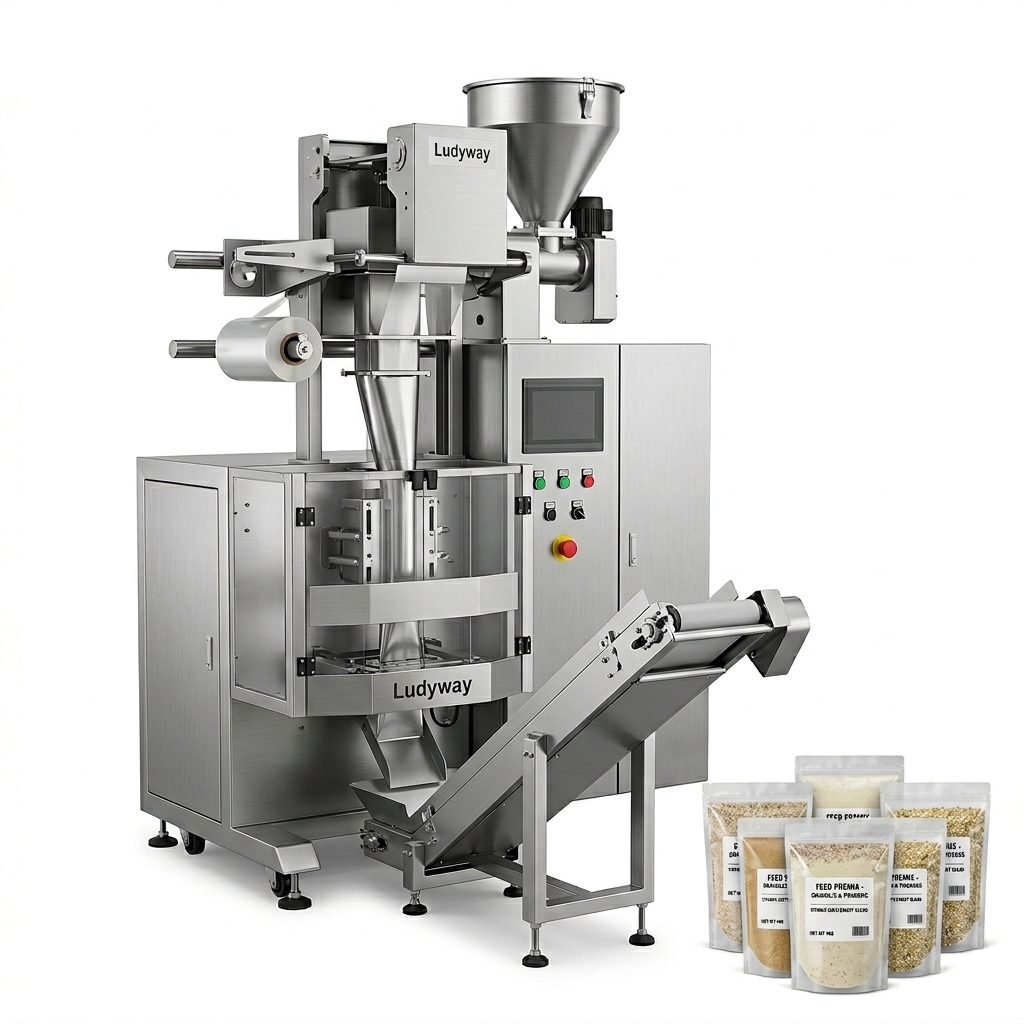
VFFS machines are among the most common solutions for snack packaging. They form a bag from roll film, fill it with product, and seal it automatically. These machines are widely used for:
- Potato chips
- Popcorn
- Puffed snacks
- Nuts and seeds
- Granola and trail mix
They are suitable for pillow bags, gusset bags, and quad seal bags, and can be integrated with nitrogen flushing to preserve freshness.
2. Premade Pouch Packing Machines
These machines fill and seal preformed pouches instead of making bags from film rolls. They are ideal for snack brands that want premium packaging styles such as:
- Doypack pouches
- Stand-up pouches
- Zipper pouches
- Flat-bottom pouches
Premade pouch systems are often used for nuts, dried fruit, jerky, candy, protein snacks, and gourmet snack mixes.
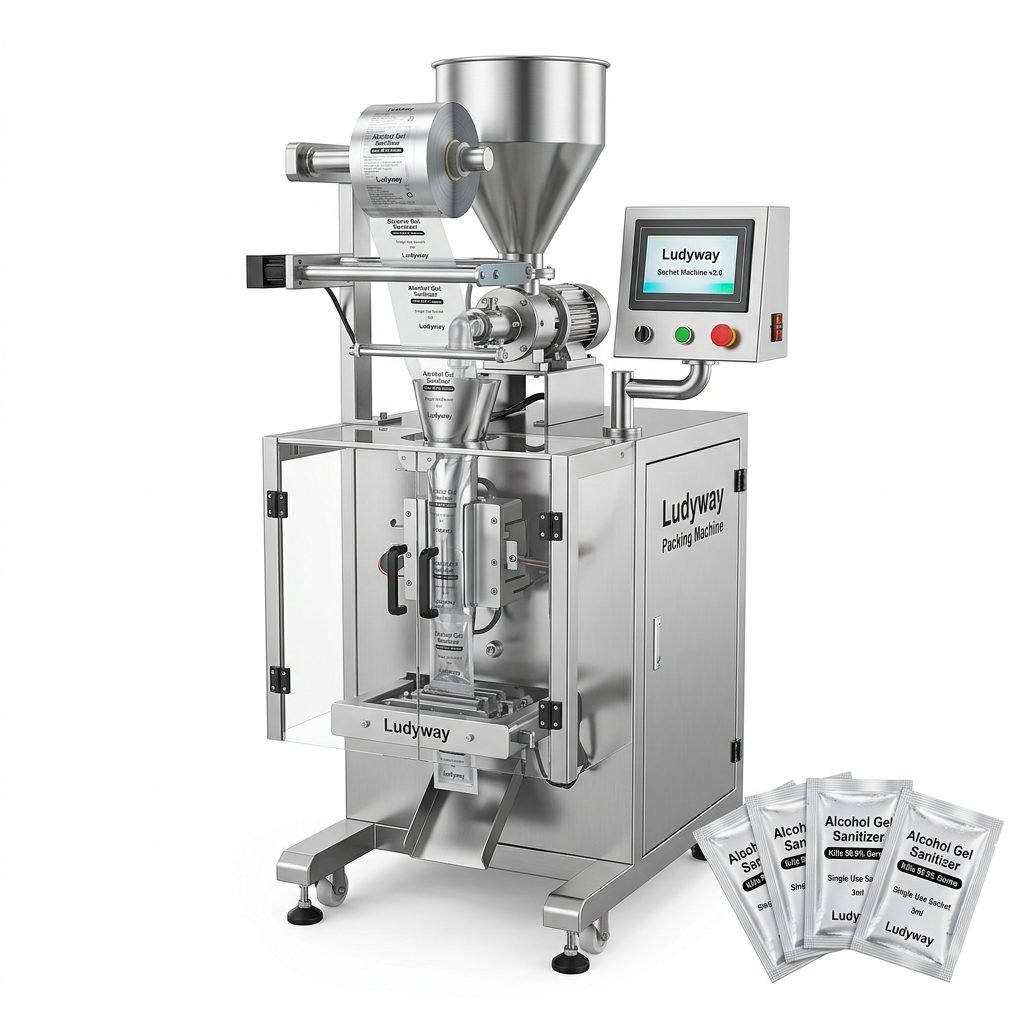
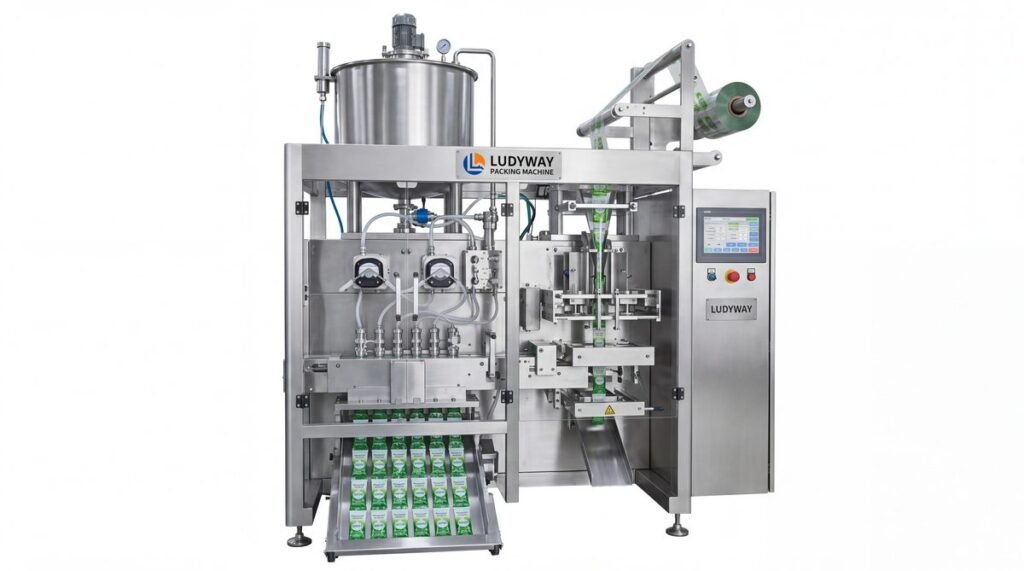
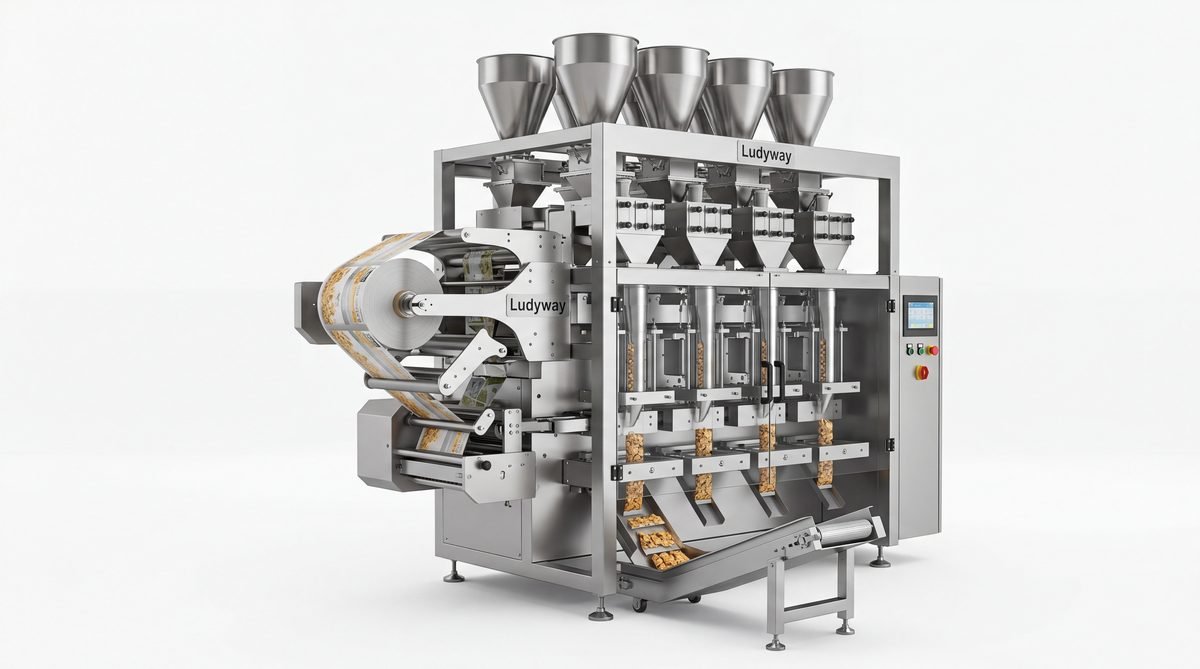
3. Multi-Lane Sachet or Stick Pack Machines
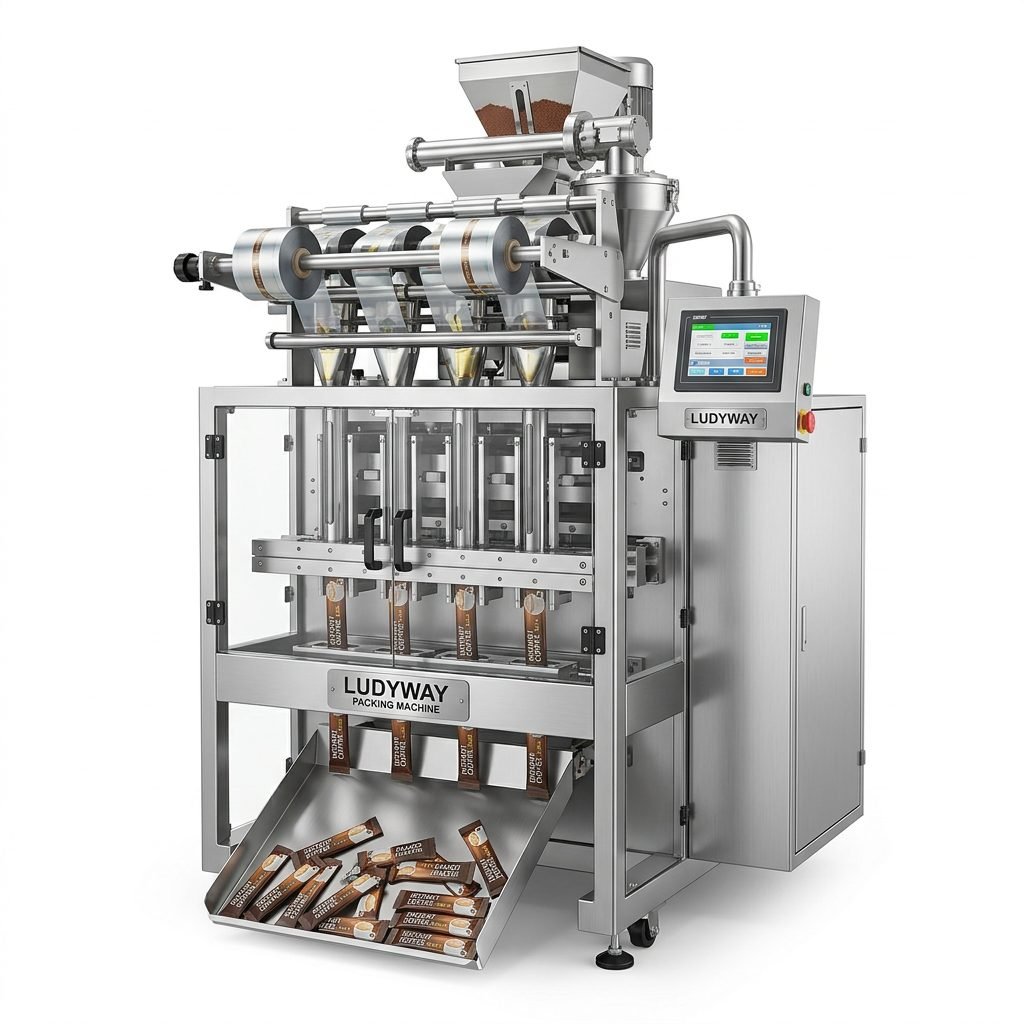
For small-dose or single-serve snack products, multi-lane machines can produce several packs at once. These are useful for powdered snack mixes, flavor toppings, seasoning packs, or compact snack portions.
4. Flow Wrapping Machines
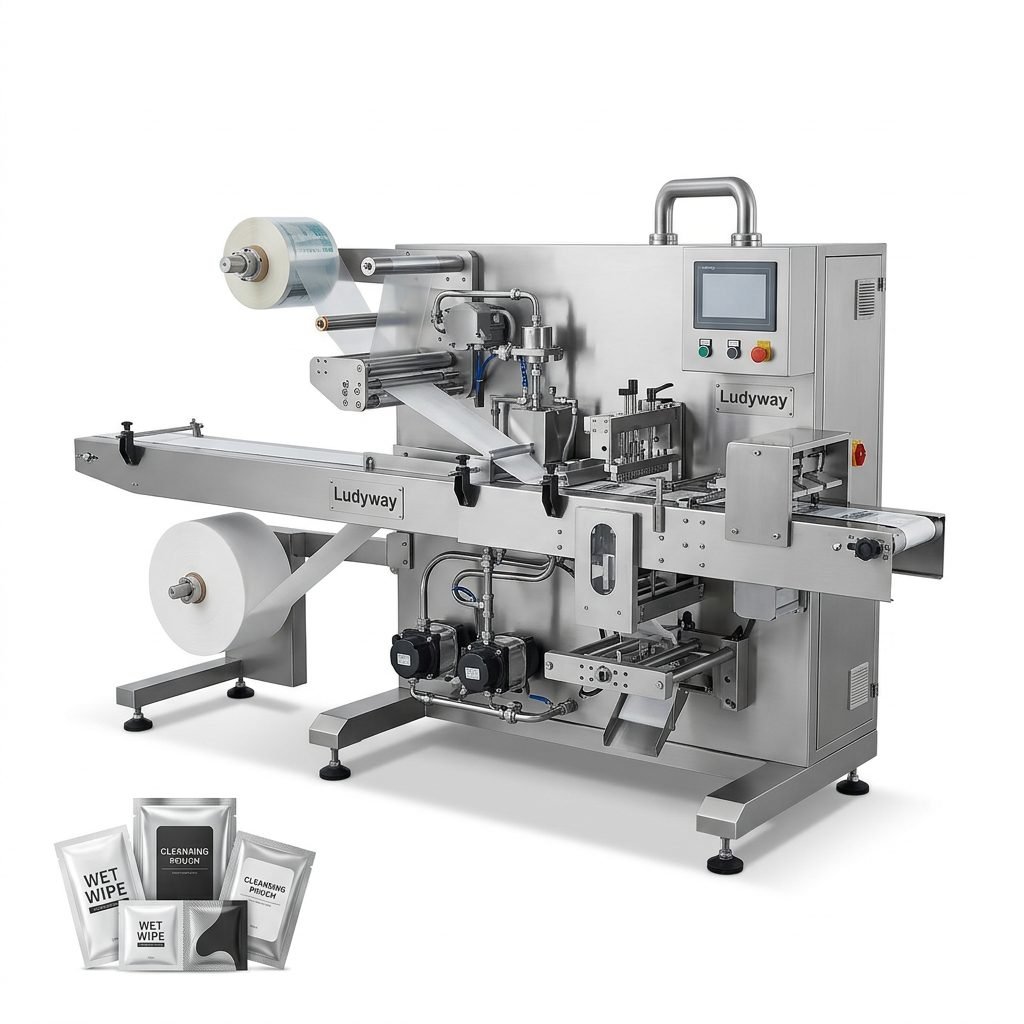
Flow wrappers are used for individual snack bars, biscuits, cookies, wafers, and similar solid products. They wrap products horizontally at high speed and are popular in convenience snack production.
5. Multihead Weighers
Although not always the main bagging machine, multihead weighers are essential in snack packaging. They weigh target portions quickly and accurately, especially for products with irregular shapes such as chips, nuts, candy, and mixed snacks.
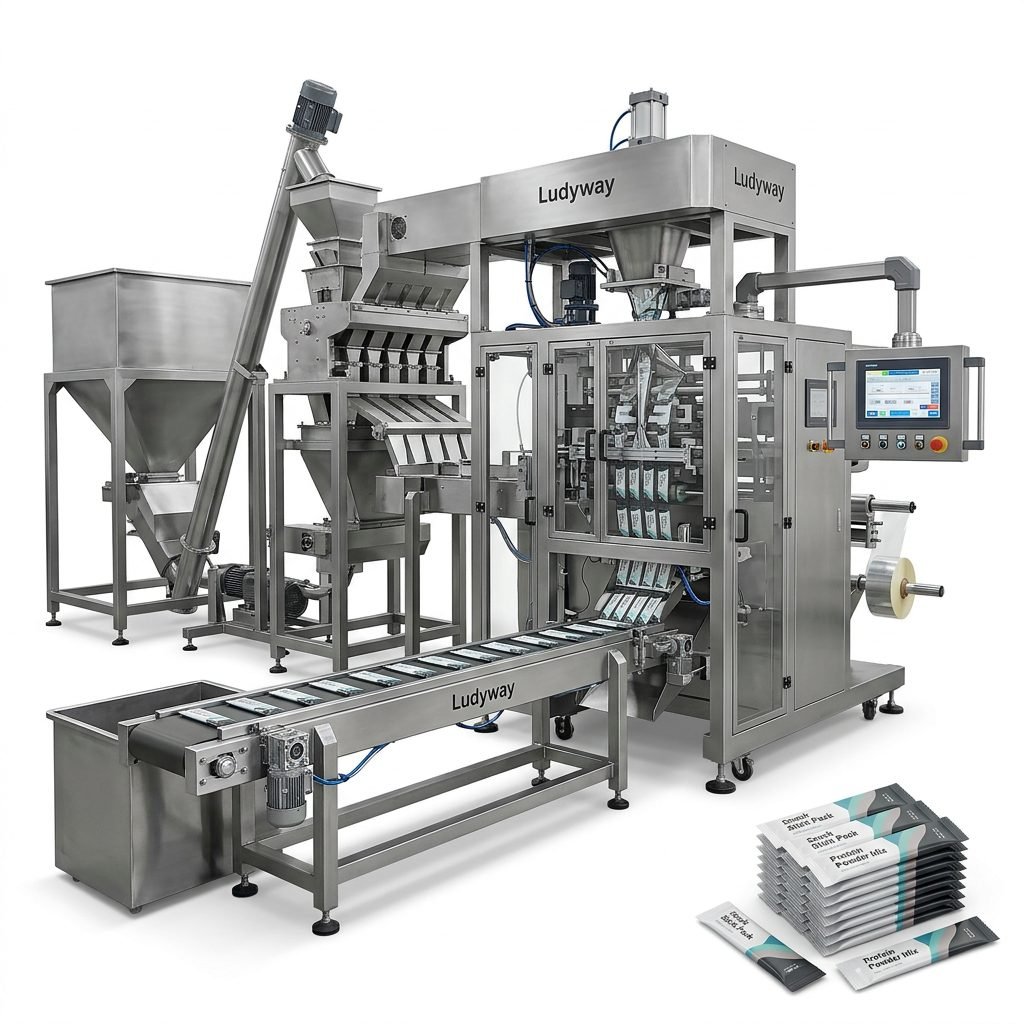
6. Complete Snack Packaging Lines
A full snack packaging line may include feeding, weighing, filling, sealing, coding, inspection, cartoning, case packing, and palletizing. This is the best option for medium to large factories aiming for consistent, scalable automation.
Main Packaging Formats for Snacks
Snack food packaging equipment can support many pack styles. The best format depends on your market, product type, and price point.
| Packaging Format | Best For | Key Advantage |
|---|---|---|
| Pillow Bag | Chips, popcorn, nuts | High-speed and cost-effective |
| Gusset Bag | Bulk snacks, family packs | More volume and better shelf presence |
| Stand-Up Pouch | Premium nuts, dried fruit, jerky | Excellent branding and display |
| Zipper Pouch | Resealable snacks | Convenience and freshness after opening |
| Stick Pack / Sachet | Single-serve powders or toppings | Compact and portable |
| Flow Wrap | Bars, biscuits, wafers | Fast individual wrapping |
Which Snacks Can Be Packed?
Today’s snack packing machines are highly versatile and can handle many product categories, including:
- Potato chips and tortilla chips
- Popcorn and puffed snacks
- Nuts, seeds, and trail mix
- Candy and chocolate pieces
- Crackers, biscuits, and cookies
- Dried fruit and freeze-dried snacks
- Granola and cereal snacks
- Jerky and meat snacks
- Pet snacks and pet treats
- Seasoning sachets packed with instant snacks
Different snack products require different filling technologies. Fragile snacks may need gentle feeding systems, while powders or small granules may require auger filling or volumetric dosing.
Key Components in a Snack Packaging Line
Feeding System
This moves product from upstream processing equipment to the packing machine. Options include Z-type bucket elevators, incline conveyors, vibratory feeders, and belt conveyors.
Weighing or Dosing Unit
The choice depends on the snack:
- Multihead weighers for chips, nuts, candy, popcorn, and mixed snacks
- Auger fillers for powdered snack products
- Volumetric cup fillers for free-flowing granules
Bagging or Pouch Filling Machine
This is the central packaging unit where the product enters the bag or pouch and gets sealed.
Coding and Labeling Equipment
Used for printing production date, expiry date, lot number, and traceability information.
Inspection Devices
Metal detectors, checkweighers, and vision inspection systems improve quality control and compliance.
End-of-Line Automation
Cartoners, case packers, palletizers, and wrapping machines complete the packaging process for shipping.
How to Choose the Right Snack Packing Equipment
Selecting the right machine requires more than comparing speeds. A machine must match your product properties, packaging goals, and future production plans.
1. Understand Your Snack Characteristics
Ask these questions:
- Is the product fragile or hard?
- Does it have irregular shapes?
- Is it oily, dusty, sticky, or free-flowing?
- Does it require nitrogen flushing?
- Is high accuracy important due to product cost?
2. Define Your Packaging Format
Choose the type of pack you need: pillow bag, stand-up pouch, zipper pouch, sachet, stick pack, or flow wrap. Your chosen format directly determines machine structure and film requirements.
3. Confirm Required Output
Low-volume startups may only need a semi-automatic or compact automatic machine. Larger factories often require fully integrated lines with faster throughput and less manual intervention.
4. Check Hygiene and Food Safety Design
For food applications, the machine should be easy to clean, built with food-contact safe materials, and designed to reduce contamination points.
5. Consider Flexibility
If you plan to package multiple snack SKUs, choose equipment with fast changeover, recipe memory, adjustable bag sizes, and compatible weighing systems.
6. Evaluate After-Sales Support
Reliable technical service, spare parts availability, remote support, and operator training are essential for long-term machine performance.
Important Features to Look For
| Feature | Why It Matters |
|---|---|
| Servo control system | Improves precision and stable machine movement |
| Touchscreen HMI | Simplifies operation and parameter changes |
| Multihead weigher integration | Boosts accuracy for irregular snack products |
| Nitrogen flushing | Helps keep snacks crisp and extends shelf life |
| Easy-clean structure | Supports food hygiene and reduces downtime |
| Quick changeover design | Useful for multi-SKU snack production |
| Inspection integration | Improves quality assurance and compliance |
Benefits of Automated Snack Packaging
Automation gives snack producers a strong competitive advantage. The main benefits include:
- Higher packaging speed for growing market demand
- More consistent pack weight and seal quality
- Reduced labor cost and operator fatigue
- Better product protection during handling
- Improved traceability and data management
- Scalable production for future expansion
For manufacturers supplying supermarkets, e-commerce channels, convenience stores, or export markets, automation often becomes necessary rather than optional.
Industries That Use Snack Packaging Machines
Snack packing equipment is not limited to traditional snack factories. It is used across many food segments:
- Potato chip and extruded snack producers
- Nut and dried fruit processors
- Candy and confectionery manufacturers
- Healthy snack and protein snack brands
- Instant food and seasoning producers
- Pet snack manufacturers
- Private label and contract packers
Snack Packaging Machine vs. Manual Packing
Manual packing may work for very small operations, but it has clear limitations when output rises.
| Factor | Manual Packing | Automated Packaging Machine |
|---|---|---|
| Speed | Low | High |
| Weight accuracy | Inconsistent | Stable and precise |
| Labor requirement | High | Lower |
| Hygiene control | More variable | More controlled |
| Scalability | Limited | Excellent |
Maintenance Tips for Snack Packing Equipment
Routine maintenance helps maximize uptime and extend machine life. Best practices include:
- Clean product-contact parts regularly
- Inspect sealing jaws and cutting blades
- Calibrate weighing systems on schedule
- Check film tracking and tension settings
- Lubricate moving components as recommended
- Keep spare wear parts available
- Train operators in correct startup and shutdown procedures
How Much Does a Snack Food Packaging Machine Cost?
The price can vary greatly depending on machine type, speed, automation level, and customization. In general:
- Compact entry-level systems cost less but offer lower output
- Mid-range automatic machines balance cost and productivity
- High-speed turnkey packaging lines require a larger investment but deliver the best long-term efficiency
When evaluating cost, look beyond the machine price. Consider labor savings, packaging material efficiency, output growth, reduced waste, and maintenance support.
Choosing a Reliable Packaging Machine Manufacturer
A good supplier should provide more than just equipment. You should look for a manufacturer with engineering capability, food industry experience, customization support, and reliable after-sales service.
For businesses looking for automatic snack packing solutions, Ludyway packaging machine manufacturer offers a broad range of packaging systems and turnkey line solutions for food, pharmaceutical, health supplement, and related industries, supported by more than 30 years of manufacturing experience.
Final Thoughts
A snack food packaging machine is an essential part of modern snack production. It helps manufacturers package products faster, protect freshness, improve weighing accuracy, reduce labor pressure, and create retail-ready packs with a professional appearance.
Whether you produce chips, nuts, popcorn, granola, dried fruit, candy, or pet snacks, the right packaging equipment can make a major difference in efficiency, product quality, and business growth. Before buying, define your snack type, pack style, production target, and automation level, then choose a machine solution that fits both your current needs and future expansion plans.