Investing in a frozen fruit packaging machine is a critical decision for any food processor looking to scale production, maintain product quality, and meet stringent food safety regulations. Unlike packaging dry goods, frozen fruit presents unique challenges — from temperature sensitivity and moisture control to the risk of product clumping and film adhesion issues. Selecting the wrong equipment can lead to downtime, product waste, and compromised shelf life. This guide breaks down the essential factors you need to evaluate before making a purchase.
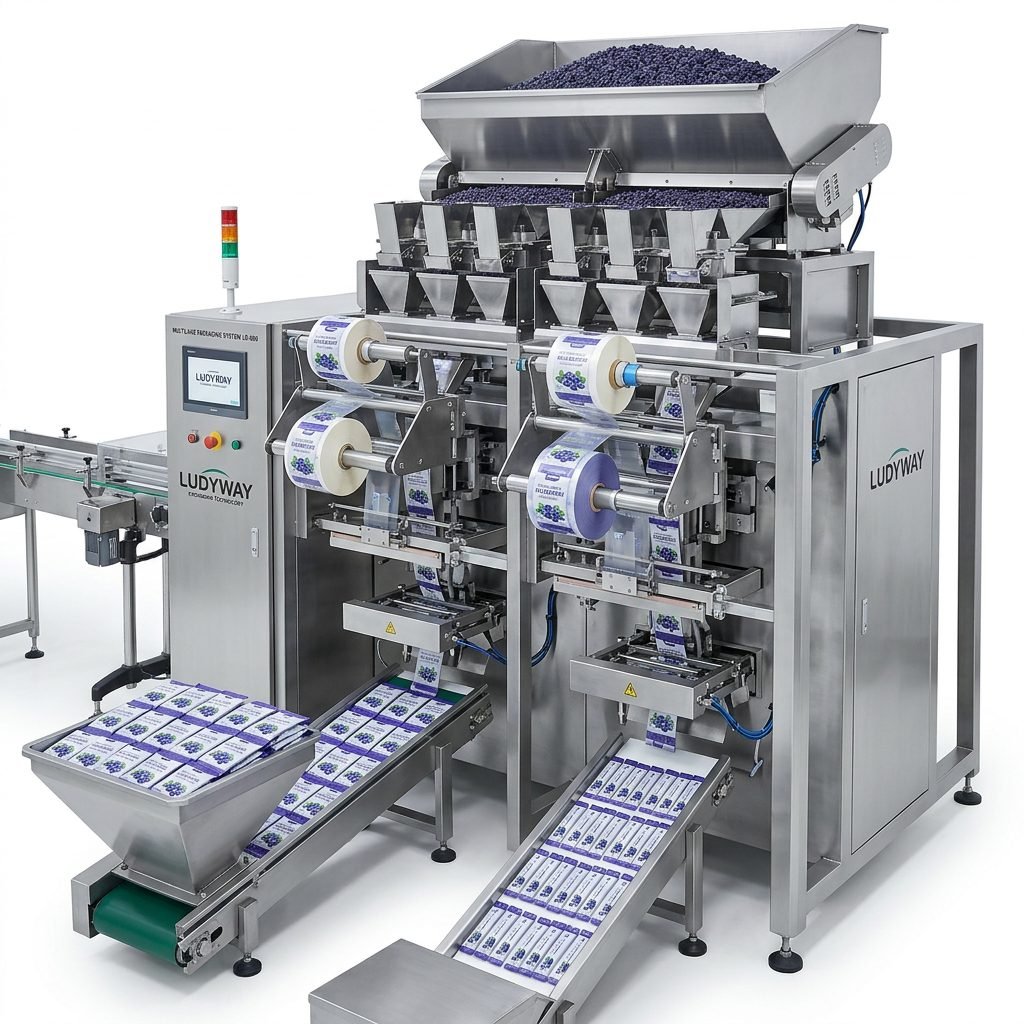
Understanding the Unique Challenges of Frozen Fruit Packaging
Frozen fruit products — whether individually quick frozen (IQF) berries, diced mango, or freeze-dried strawberry slices — behave differently than ambient-temperature products during the packaging process. The low product temperature can cause condensation on packaging film, affecting seal integrity. Additionally, frozen fruit can be abrasive or sticky, requiring specialized filling and sealing mechanisms. Before evaluating machine specifications, it is important to clearly define your product characteristics: particle size, moisture content, freezing method, and target package format. Industry bodies such as the Association for Packaging and Processing Technologies (PMMI) offer extensive resources on packaging machinery best practices that can help inform your initial research.
Key Factors to Consider When Choosing a Frozen Fruit Packaging Machine
Packaging Speed and Production Capacity
Production throughput is often the primary driver in equipment selection. Machines range from semi-automatic units producing 20-40 packs per minute to fully automated multi-lane systems capable of 400+ packs per minute. When calculating your required speed, factor in not just current demand but projected growth over the next 3-5 years. A machine that barely meets today’s requirements may become a bottleneck within two years. Consult packaging industry state-of-the-industry reports to benchmark your capacity planning against market trends.
Packaging Format and Bag Style
The intended package format significantly influences machine selection. Common formats for frozen fruit include:
- Pillow bags — Cost-effective, suitable for retail and bulk frozen fruit packaging
- Gusseted bags — Provide better shelf presence and stand-up capability
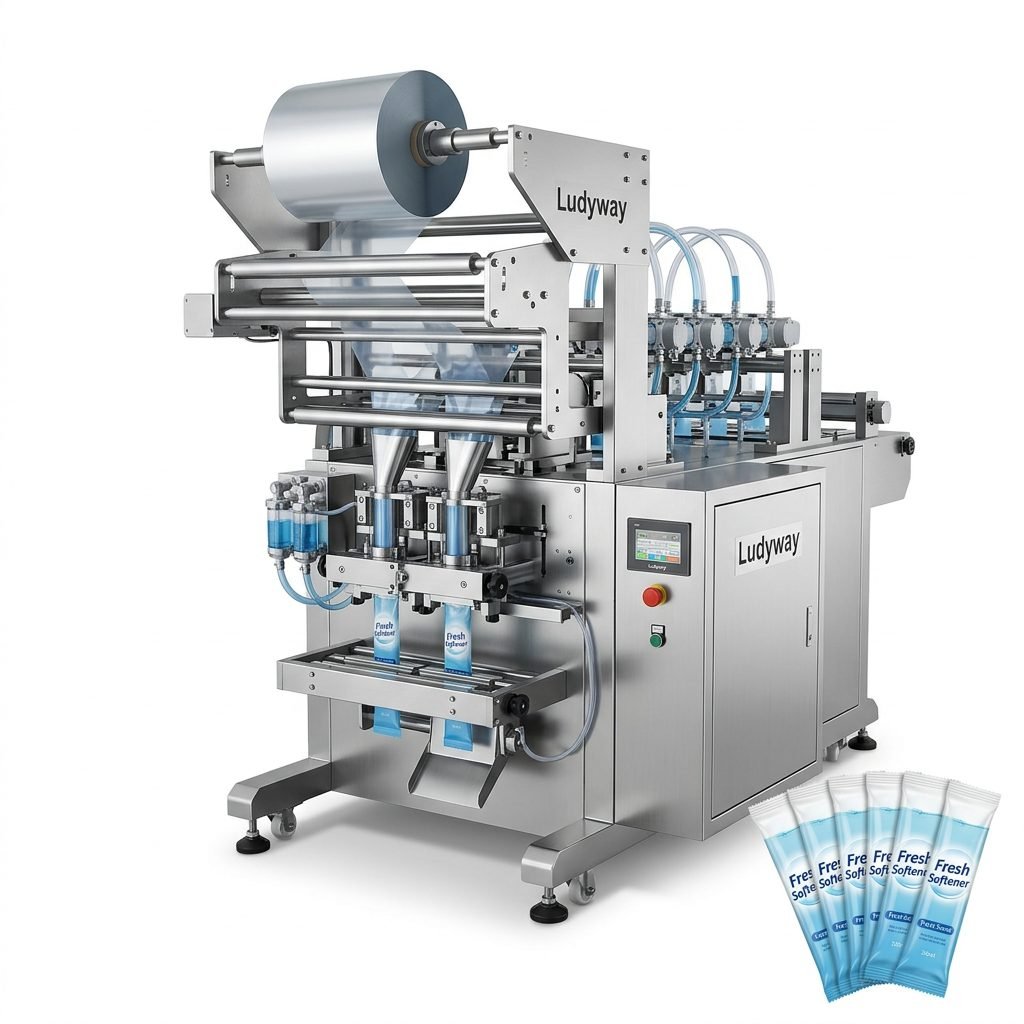
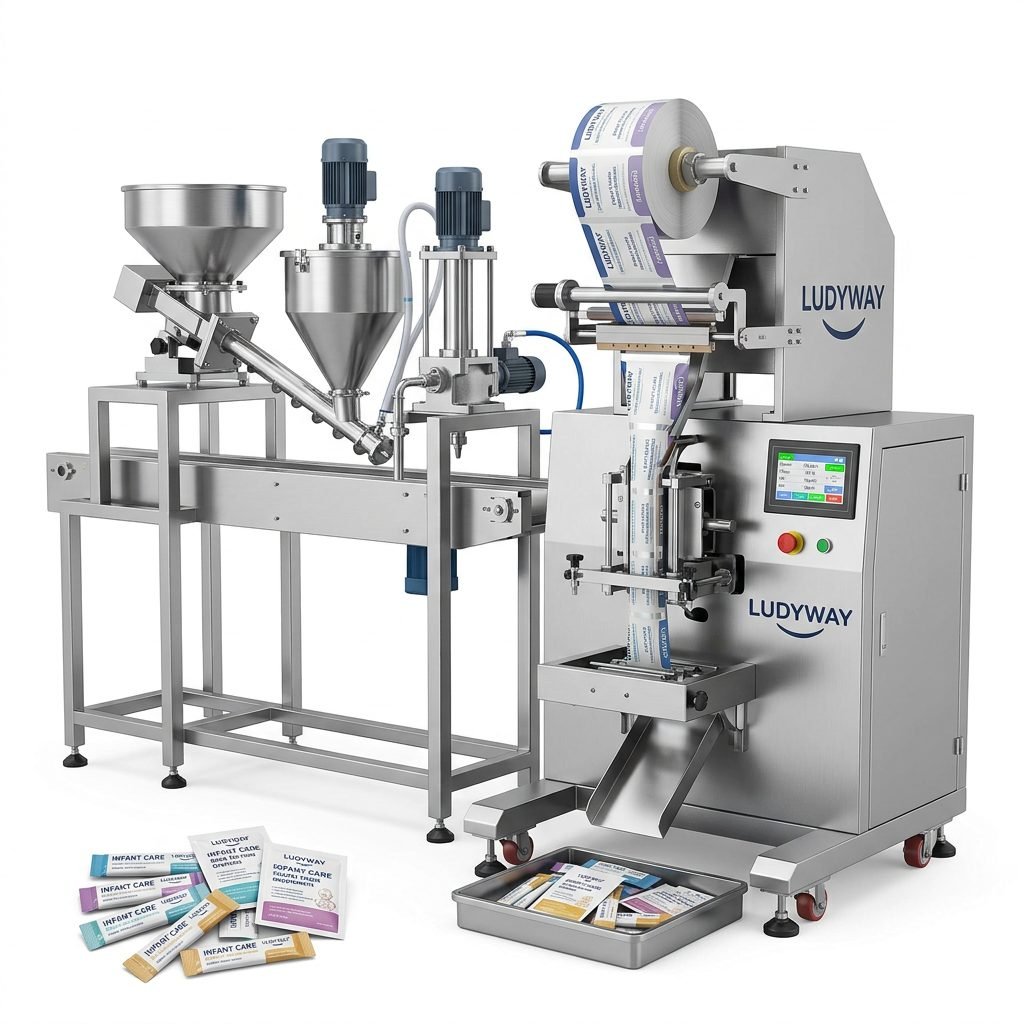
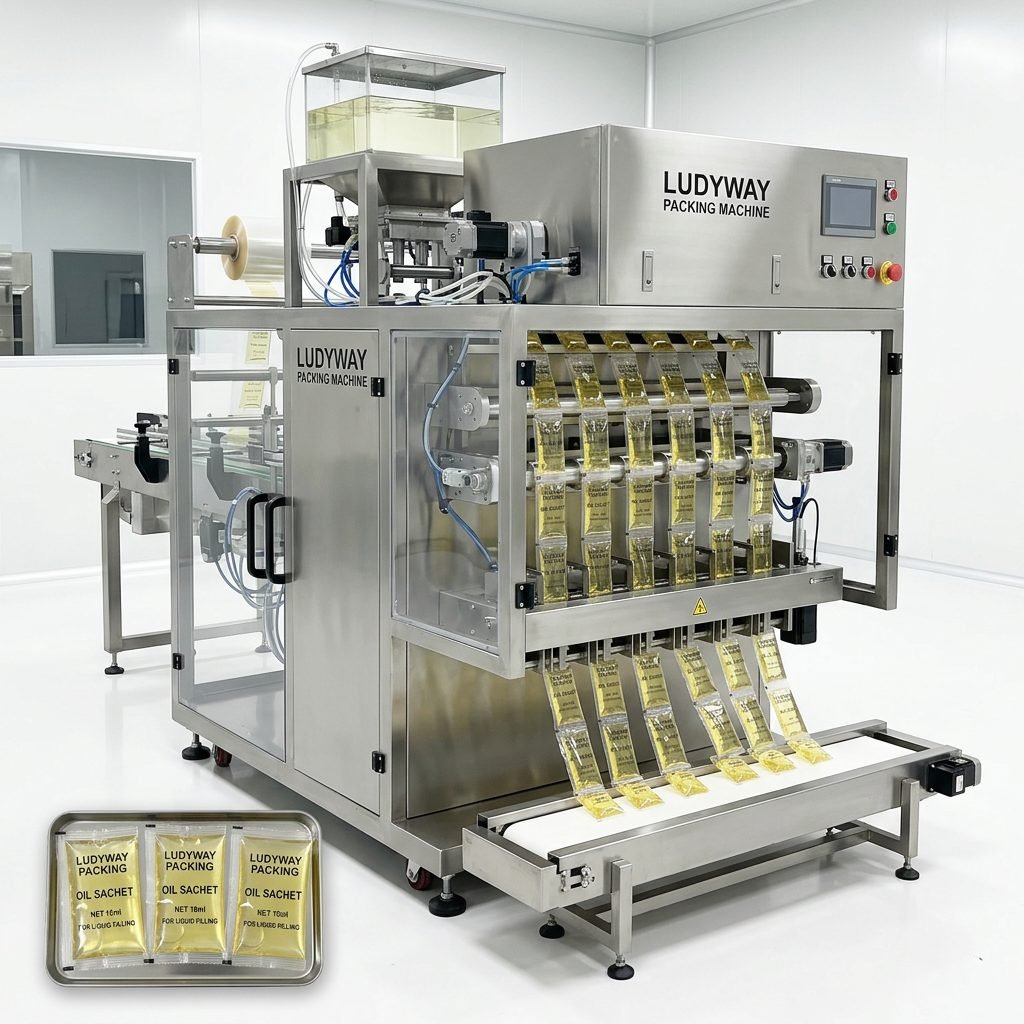
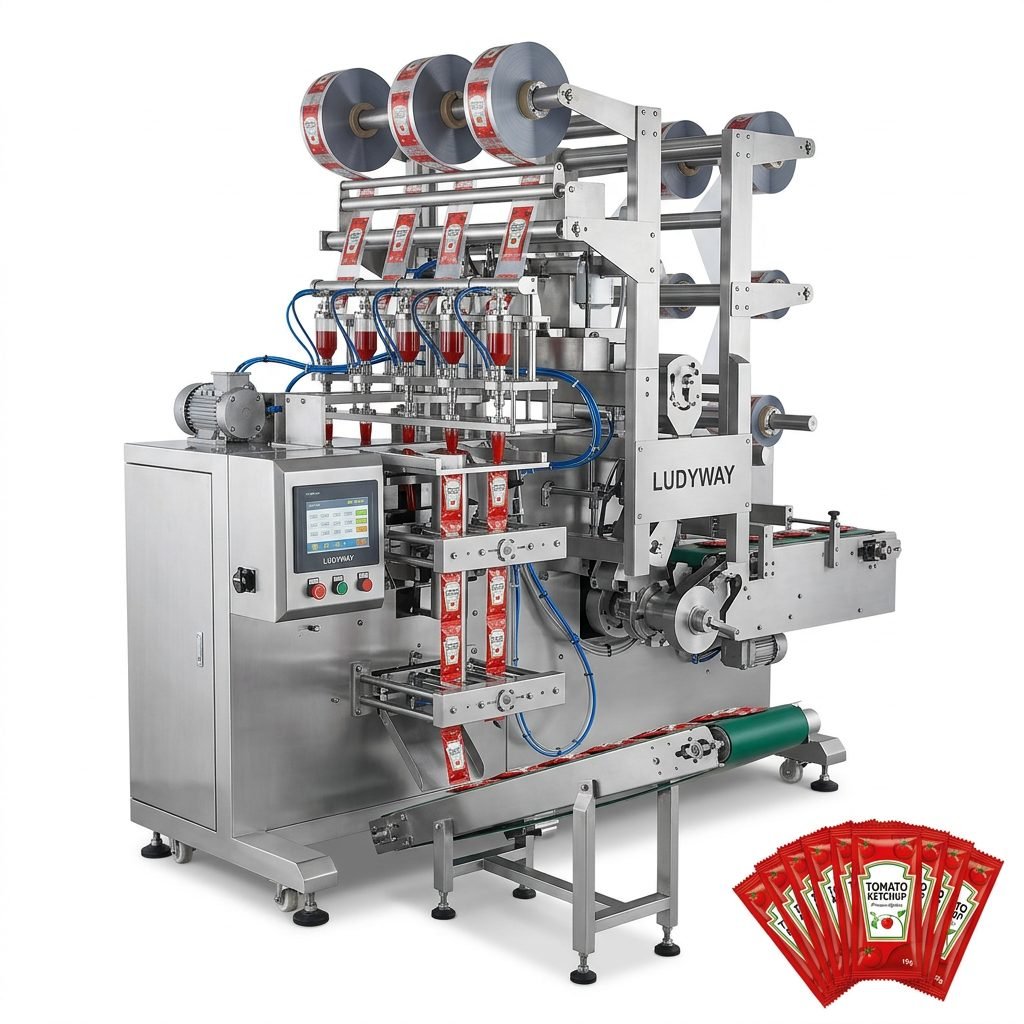
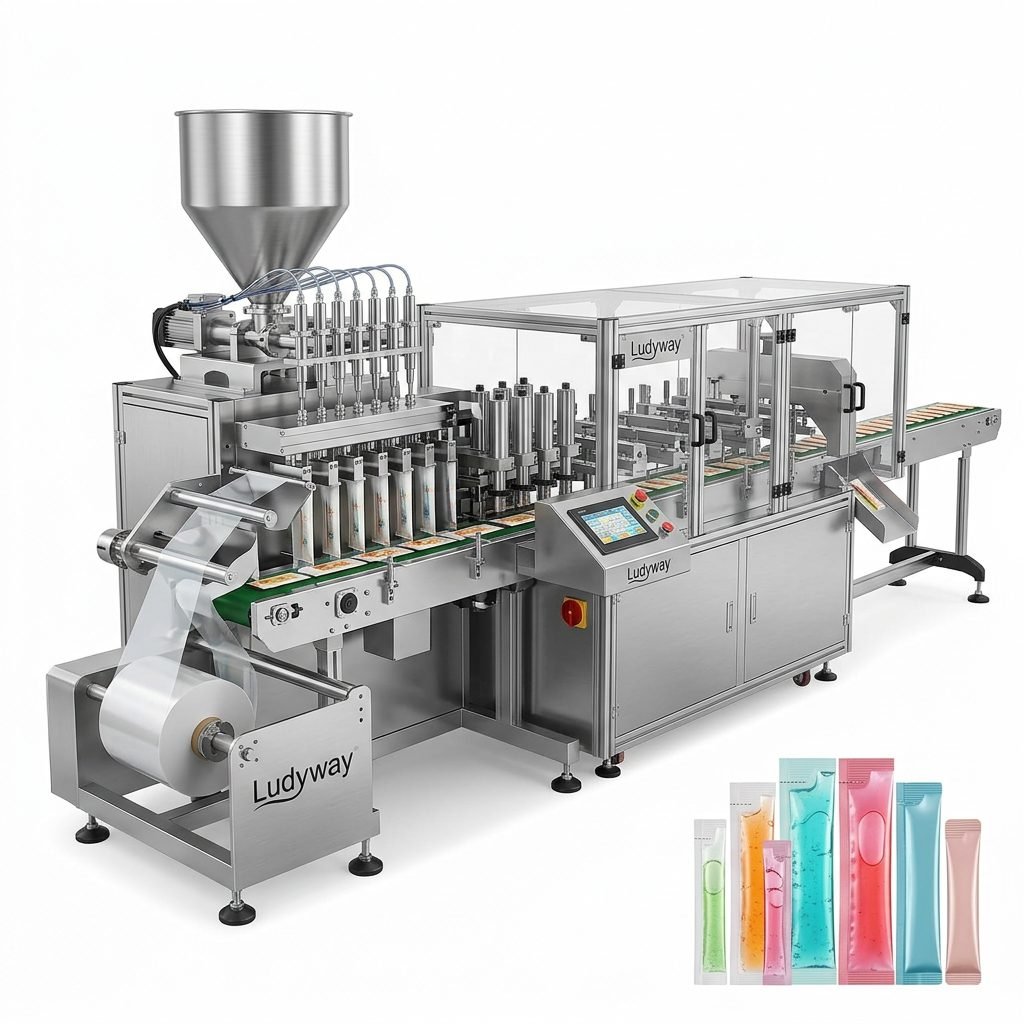
- Stick packs and sachets — Ideal for single-serve frozen fruit smoothie portions
- Pre-made pouches — Premium appearance with zipper closure options for resealability
- Quad-seal bags — Enhanced barrier properties for extended frozen shelf life
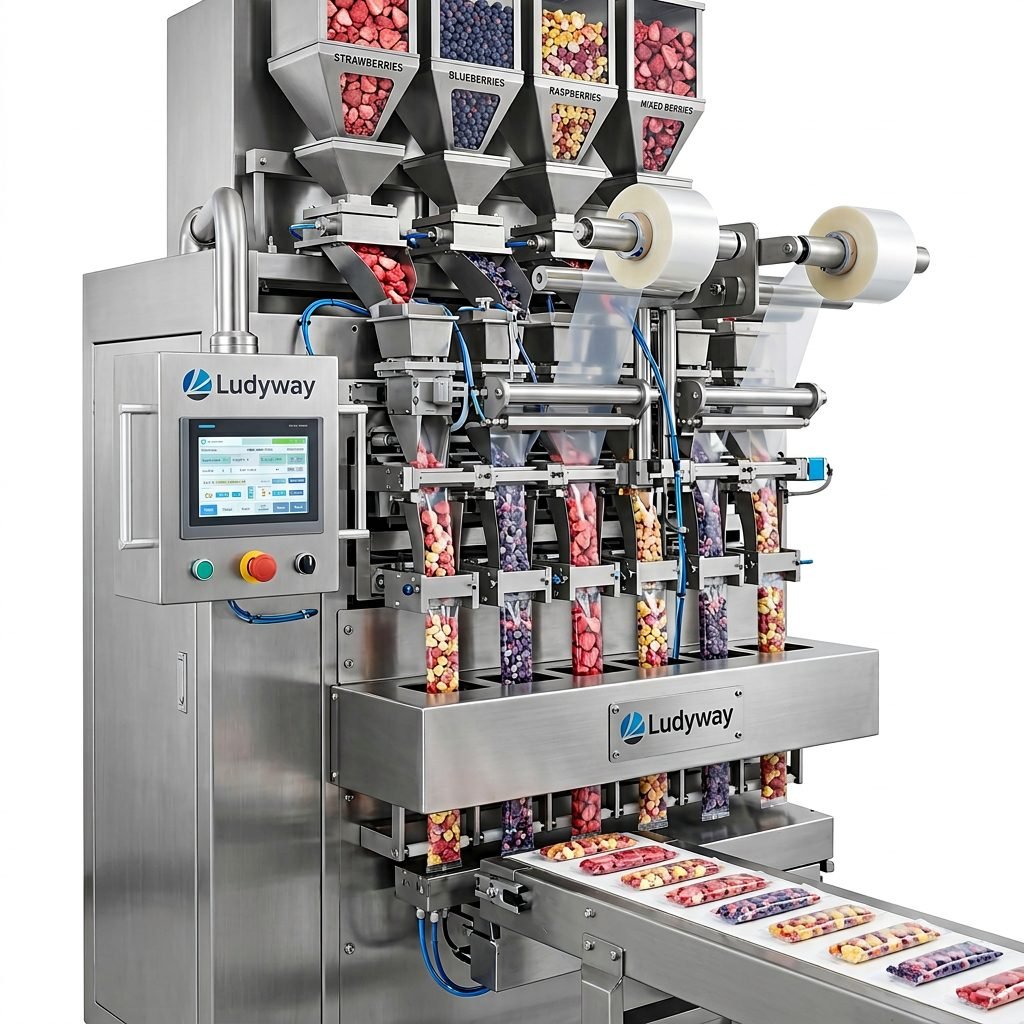
Temperature Resistance and Material Compatibility
Frozen fruit packaging demands films that maintain seal strength and barrier properties at low temperatures. The machine’s sealing system must be capable of handling laminated films with polyethylene (PE), polypropylene (PP), or metalized layers designed for frozen conditions. Verify that the machine’s sealing jaws can maintain consistent temperature and pressure when packaging cold products. The Flexible Packaging Association provides valuable data on material selection and compatibility for frozen food applications.
Hygiene and Food Safety Standards
Frozen fruit is a food product subject to rigorous safety requirements. The machine should feature stainless steel construction in all product contact areas, washdown-compatible designs, and easy access for sanitation. Depending on your market, compliance with FDA food packaging regulations and relevant ISO packaging standards may be mandatory. Look for equipment that supports HACCP protocols and offers tool-free disassembly for cleaning.
Types of Frozen Fruit Packaging Machines
Understanding the different machine categories helps narrow down your options. The following table summarizes the most common types used in frozen fruit operations:
| Machine Type | Best For | Speed Range | Key Advantage |
|---|---|---|---|
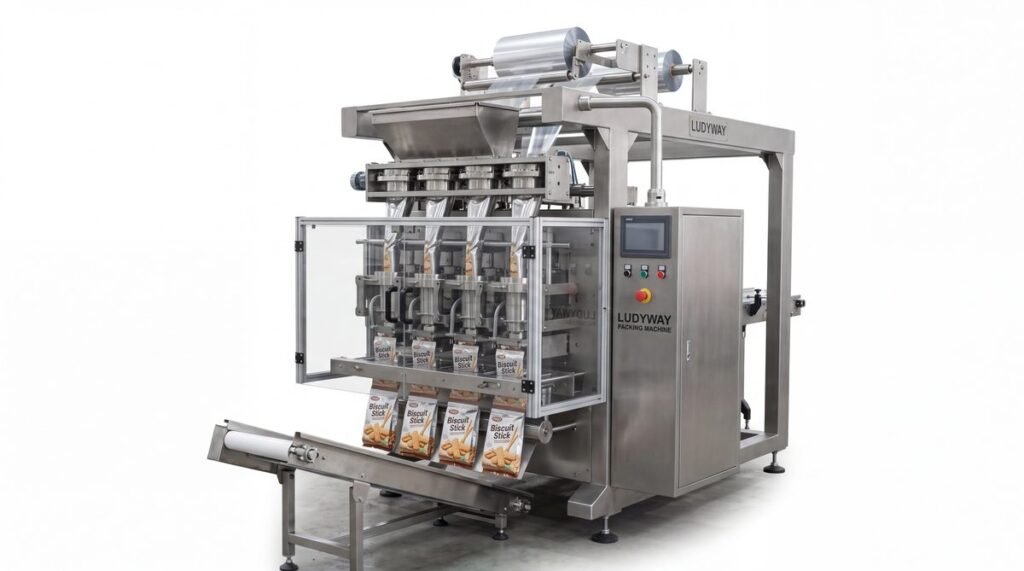
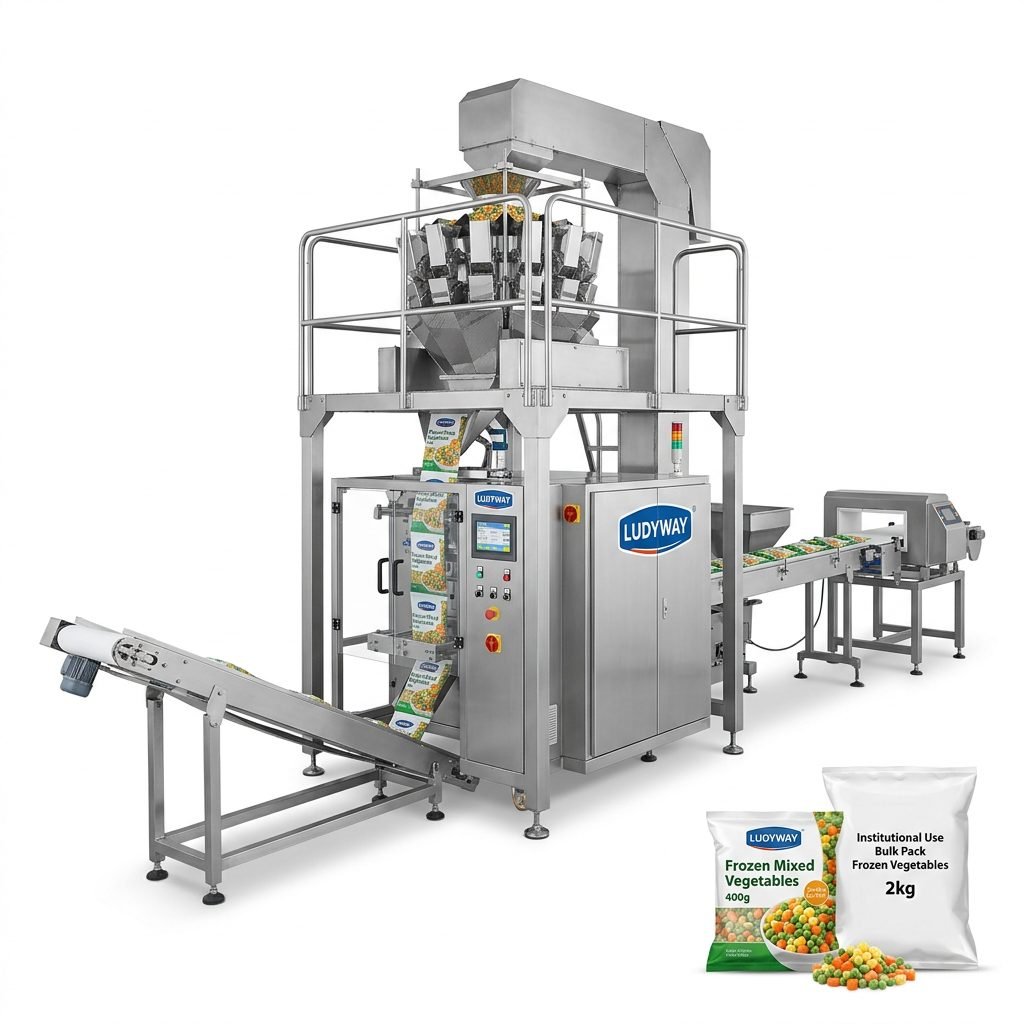
| Vertical Form Fill Seal (VFFS) | Bulk retail bags, IQF fruit | 30-120 packs/min | Versatile, widely adopted |
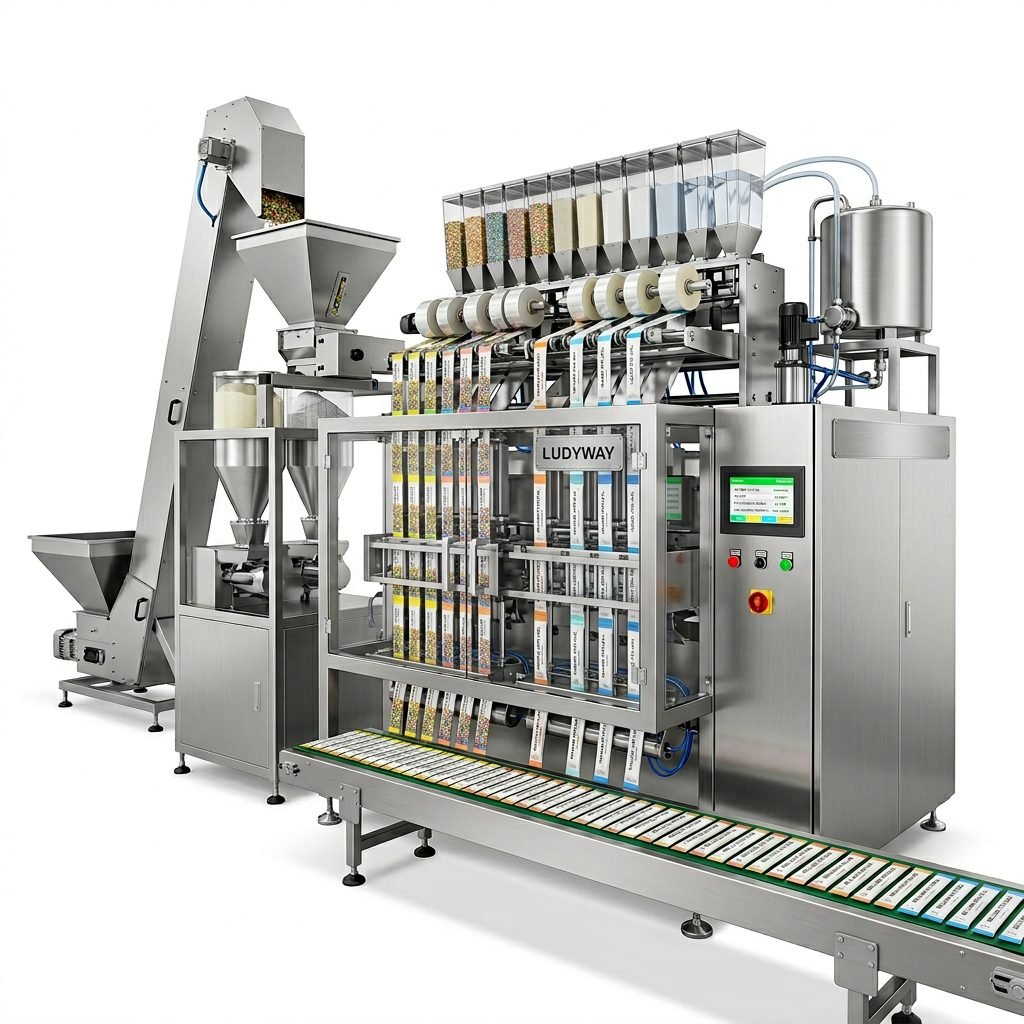
| Multi-Lane Stick Pack | Single-serve portions, smoothie kits | 200-600 packs/min | Ultra-high throughput |
| Pre-Made Pouch Machine | Premium retail, resealable packs | 25-80 packs/min | Superior seal quality, zipper options |
| Horizontal Flow Wrapper | Tray-packed frozen fruit, multipacks | 40-150 packs/min | Gentle product handling |
Important Technical Specifications to Evaluate
Beyond the basic machine type, several technical specifications directly impact performance with frozen fruit. Pay close attention to the filling system — volumetric cup fillers, multi-head weighers, and auger fillers each have different accuracy levels with frozen products. Multi-head weighers generally offer the best accuracy for IQF fruit, typically achieving ±0.5-1.0 gram precision. The sealing temperature range should accommodate films that seal between 110°C and 180°C, with precise digital control for consistency. Additionally, verify that the machine supports modified atmosphere packaging (MAP) or nitrogen flushing if extended shelf life is a requirement for your frozen fruit products.
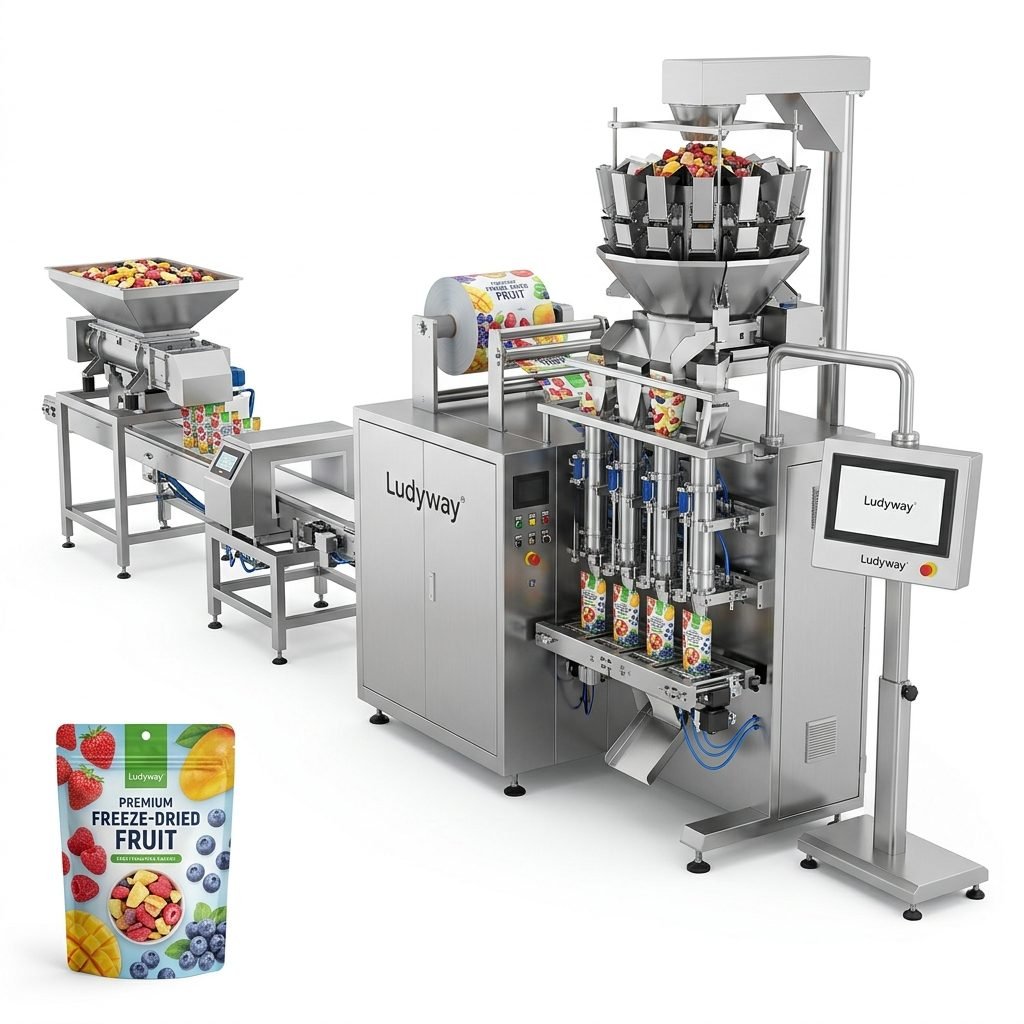
Automation and Integration Capabilities
Modern frozen fruit packaging lines rarely operate in isolation. Consider how the machine will integrate with upstream equipment such as IQF freezers, conveyors, and checkweighers, as well as downstream systems like cartoners, case packers, and palletizers. A machine with open communication protocols and Industry 4.0 readiness can significantly reduce integration costs. Features like automatic film tension control, servo-driven sealing jaws, and real-time production data monitoring contribute to higher overall equipment effectiveness (OEE) and lower total cost of ownership.
Maintenance, Spare Parts, and After-Sales Support
A packaging machine is a long-term investment, and the availability of after-sales support can make or break your operation. Before committing to a supplier, evaluate their spare parts inventory, response time for technical support, and whether they offer remote diagnostics. For manufacturers serving global markets, the ability to provide installation, commissioning, and operator training across different regions is equally important. Review the supplier’s track record and ask for references from customers in the frozen food segment specifically — not just general packaging experience.
Budget and ROI Considerations
The purchase price of a frozen fruit packaging machine is only one component of the total investment. When calculating ROI, factor in:
- Installation and commissioning costs — Including factory preparation and utilities
- Training expenses — Operator and maintenance staff training time
- Consumable costs — Packaging film, spare sealing elements, lubricants
- Energy consumption — Particularly relevant for machines with heated sealing systems
- Expected maintenance intervals — And associated downtime costs
- Financing and warranty terms — Including extended warranty options
A well-chosen machine typically delivers payback within 12-24 months through improved throughput, reduced product give-away, and lower labor costs.
Making the Right Choice for Your Business
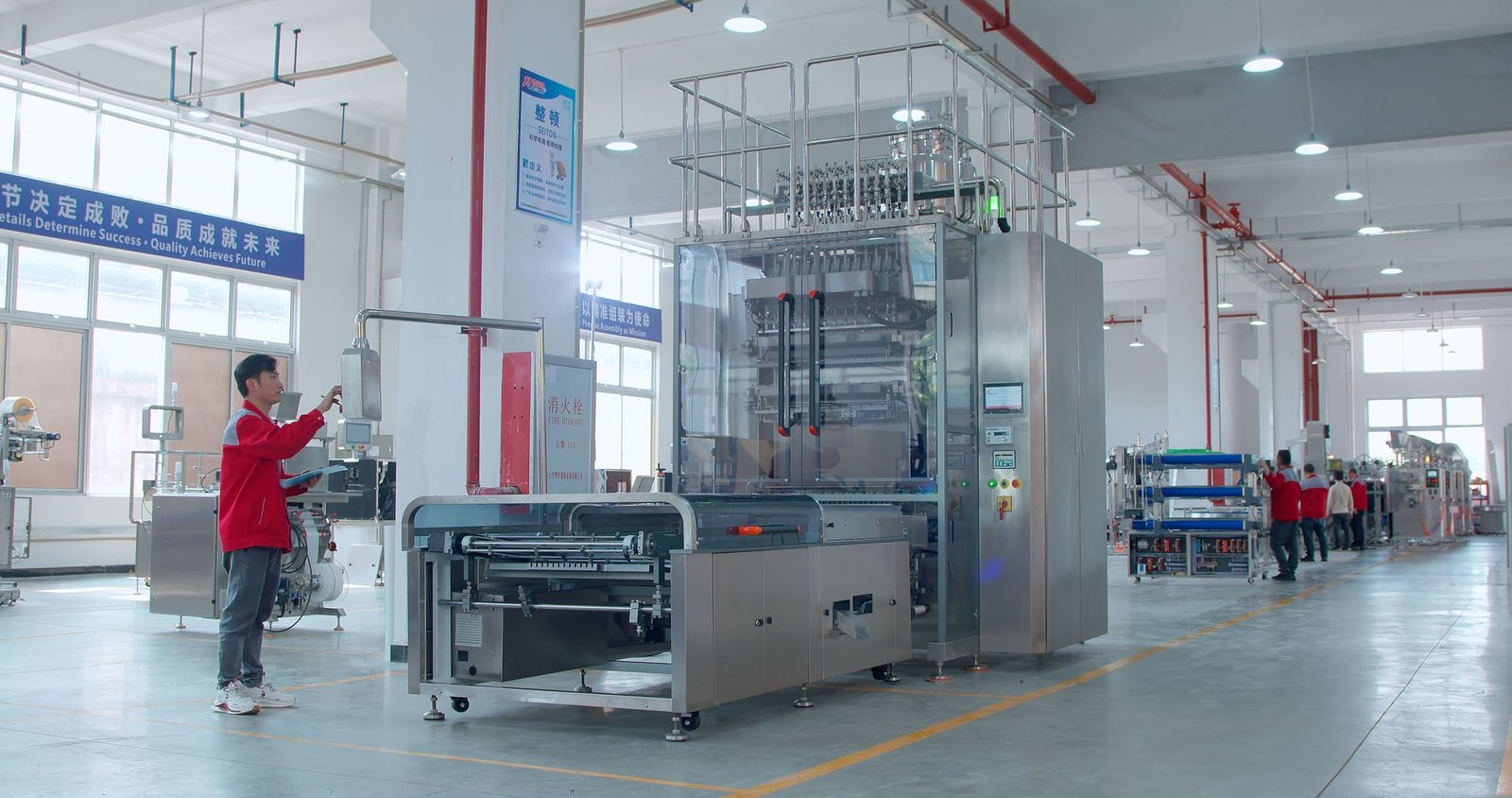
Selecting the right frozen fruit packaging machine requires balancing technical specifications, production requirements, budget constraints, and long-term scalability. Start by thoroughly documenting your product characteristics and packaging goals, then evaluate suppliers against objective criteria rather than price alone. Request sample runs with your actual product and packaging film to verify machine performance before finalizing a purchase decision. For manufacturers seeking a reliable partner with extensive experience in automated packaging systems, Ludyway Machinery offers a comprehensive range of packaging solutions — from individual stick pack and sachet machines to fully integrated turnkey production lines — supported by over three decades of engineering expertise and a global service network spanning more than 100 countries. With a 20,000-square-meter manufacturing facility and a team of over 130 professionals, Ludyway provides customized packaging configurations designed to match specific product types, production capacities, and factory layouts.
For additional guidance on packaging machinery selection and industry best practices, explore the following resources: