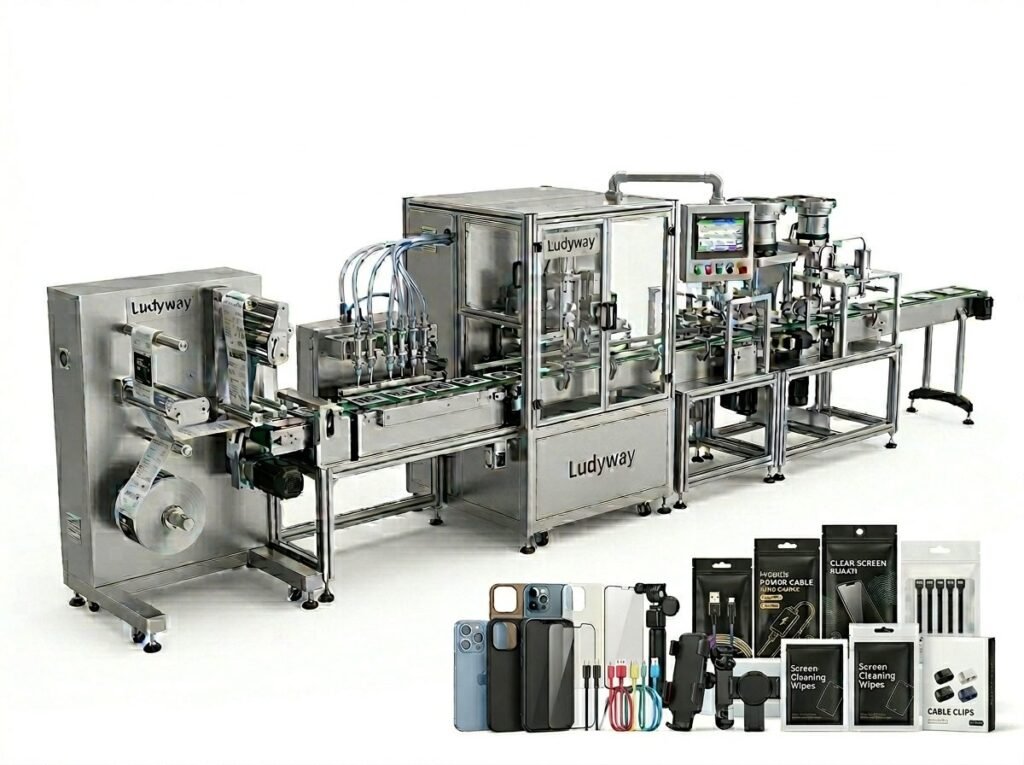
Packaging machines are the backbone of modern production. From food and pharmaceuticals to cosmetics and chemicals, the right system helps businesses improve output, reduce waste, protect product quality, and deliver a more consistent customer experience. Whether you are packing granules, powders, liquids, pastes, pouches, bottles, or cartons, selecting the right machine can directly affect productivity and profitability.
This guide explains the main types of packaging machines, their common uses, the industries they serve, and how to choose a solution that fits your current operations while supporting future growth.
What Is a Packaging Machine?
A packaging machine is equipment designed to automate one or more packaging steps, such as feeding, weighing, dosing, filling, sealing, coding, labeling, cartoning, case packing, and palletizing. Some machines handle a single task, while others are integrated into a complete production line.
In simple terms, packaging machinery helps manufacturers move products from bulk form into retail-ready or shipping-ready packs with greater speed and accuracy than manual labor alone.
Core goals of packaging automation
- Improve efficiency by increasing packaging speed
- Reduce labor dependency and repetitive manual work
- Enhance filling accuracy and pack consistency
- Lower material waste and product loss
- Improve hygiene and product protection
- Support compliance in regulated industries
- Enable production scaling with better process control
Main Types of Packaging Machines
Packaging machines can be grouped by function, packaging format, and product type. Below are the most common categories buyers should understand.
1. Form Fill Seal Machines
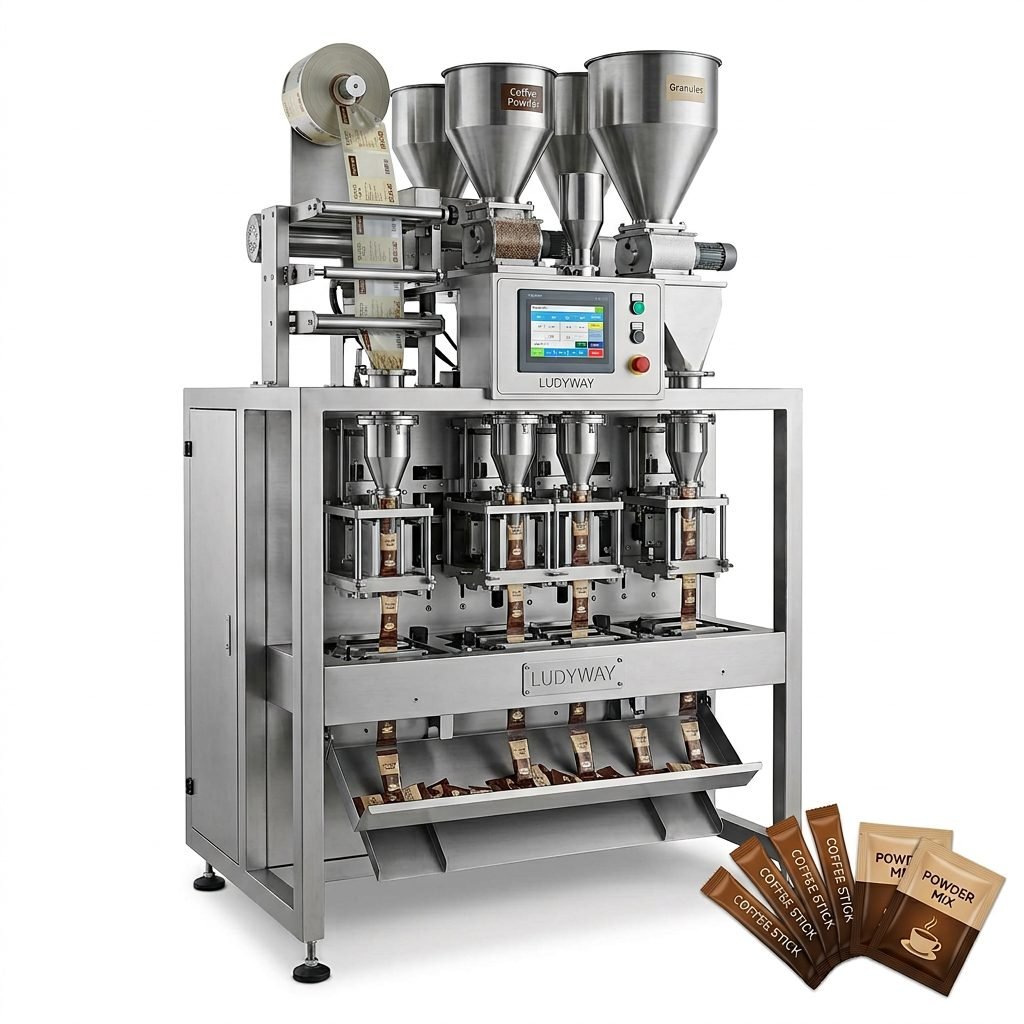
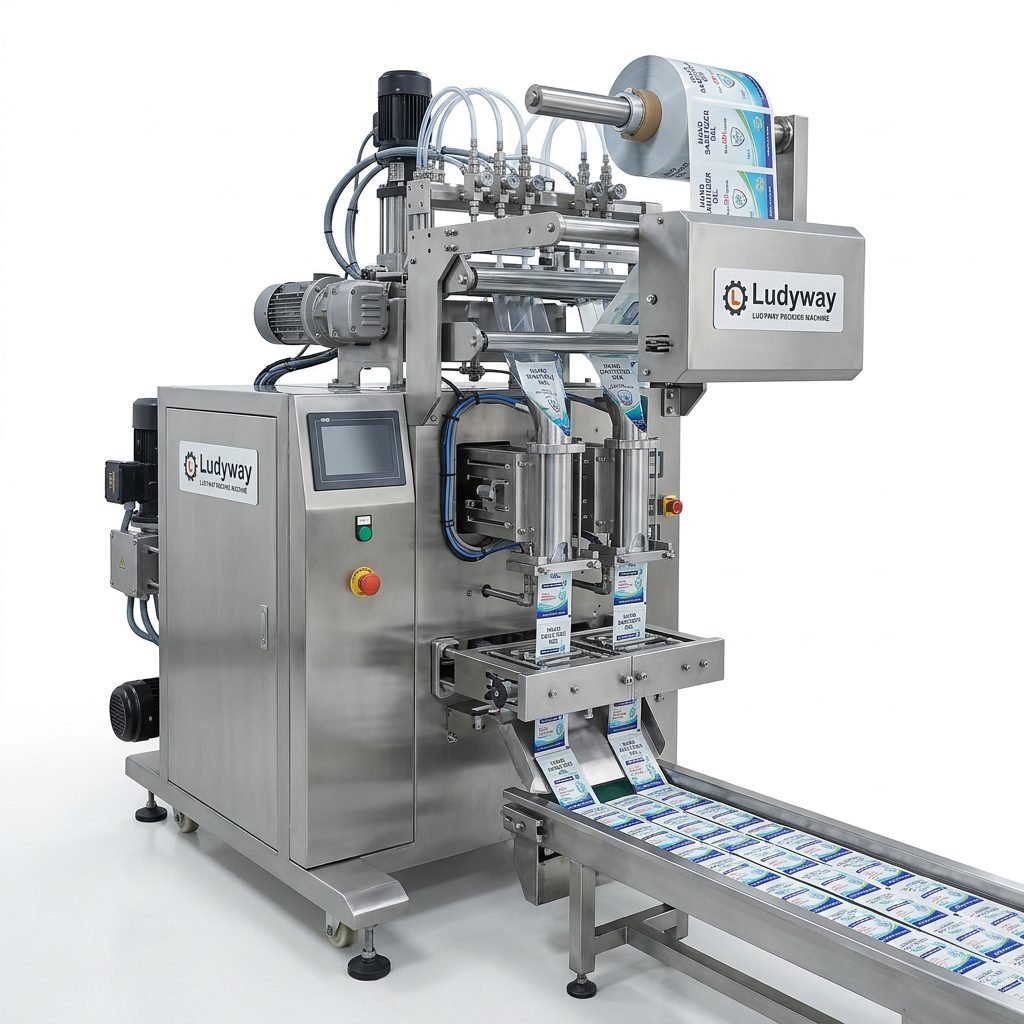
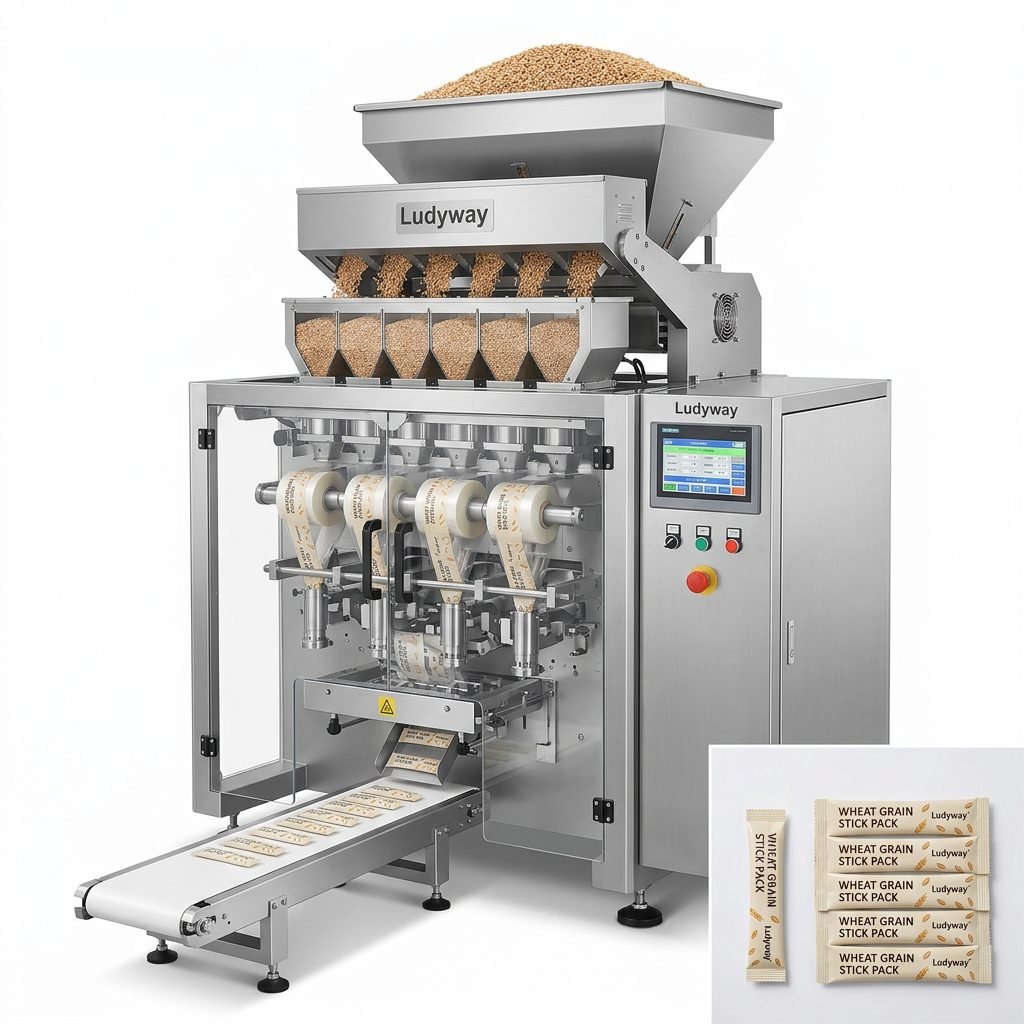
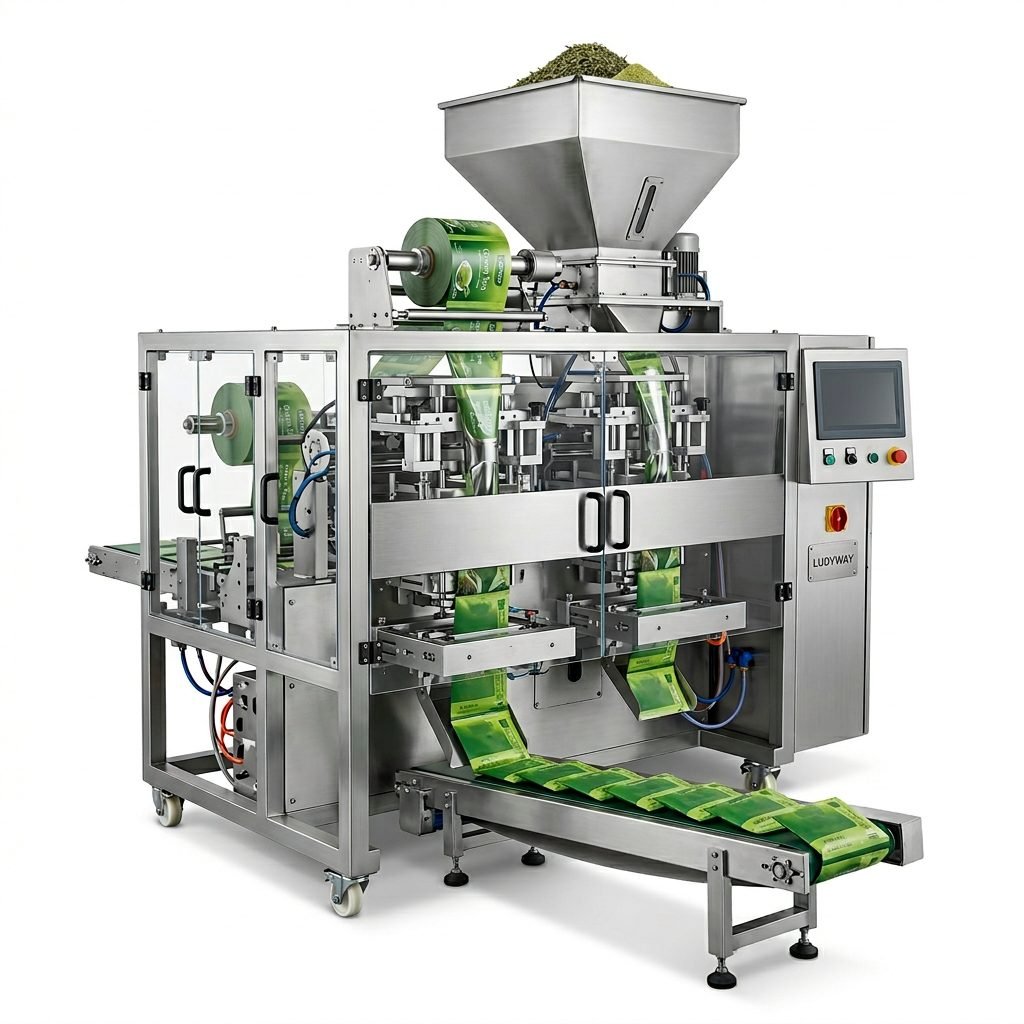
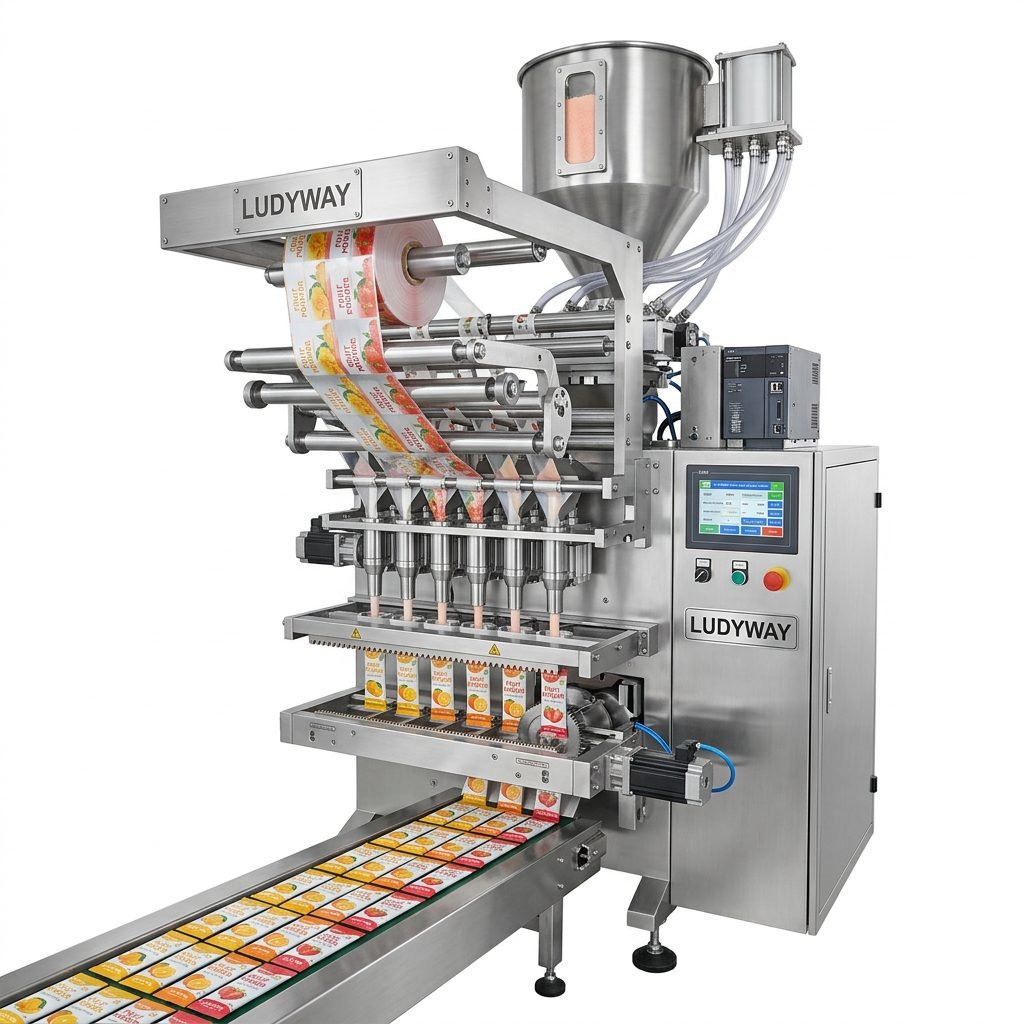
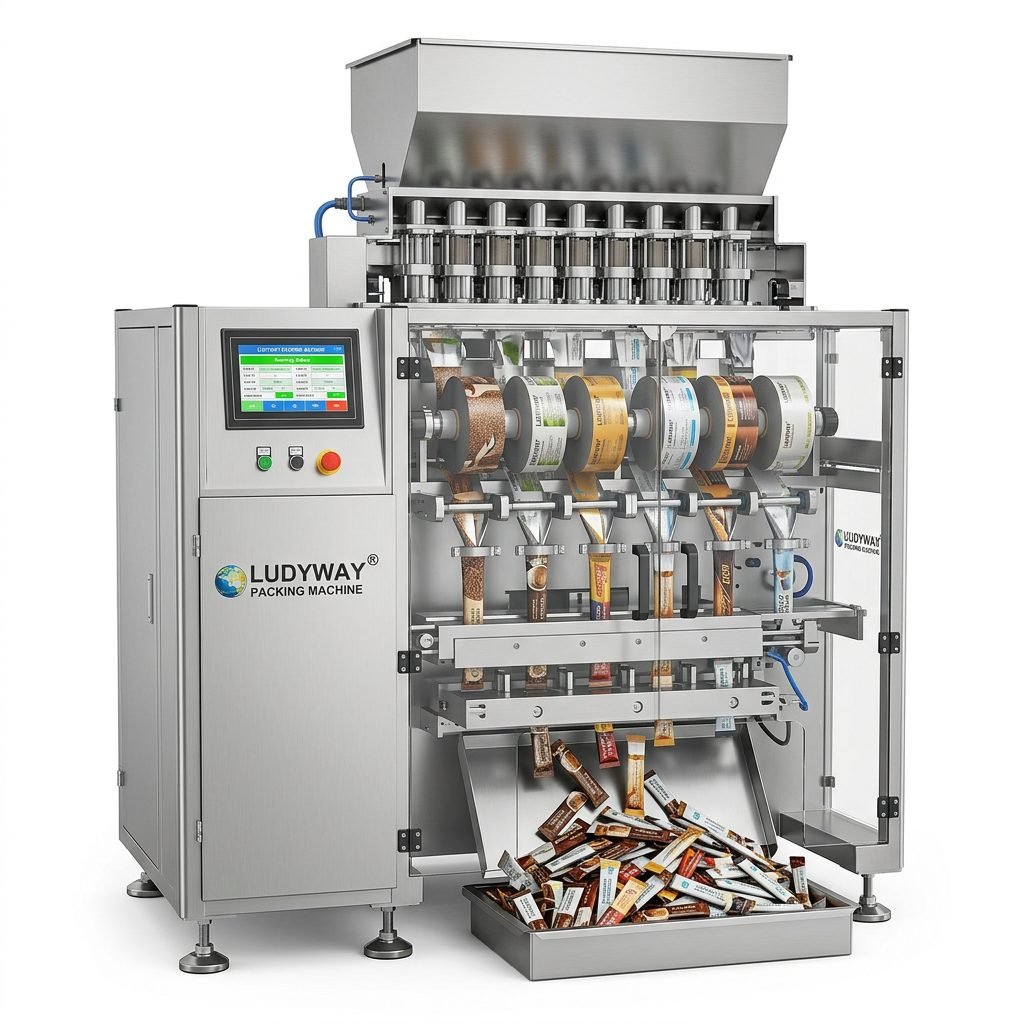
Form fill seal systems create the package from roll film, fill it with product, and seal it in one automated process. They are widely used for sachets, stick packs, and pouches.
- Vertical form fill seal machines
- Multi-lane stick pack machines
- Multi-lane sachet packing machines
- Horizontal pouch packaging systems
These machines are especially suitable for powders, granules, liquids, and pastes used in food, healthcare, and consumer products.
2. Filling Machines
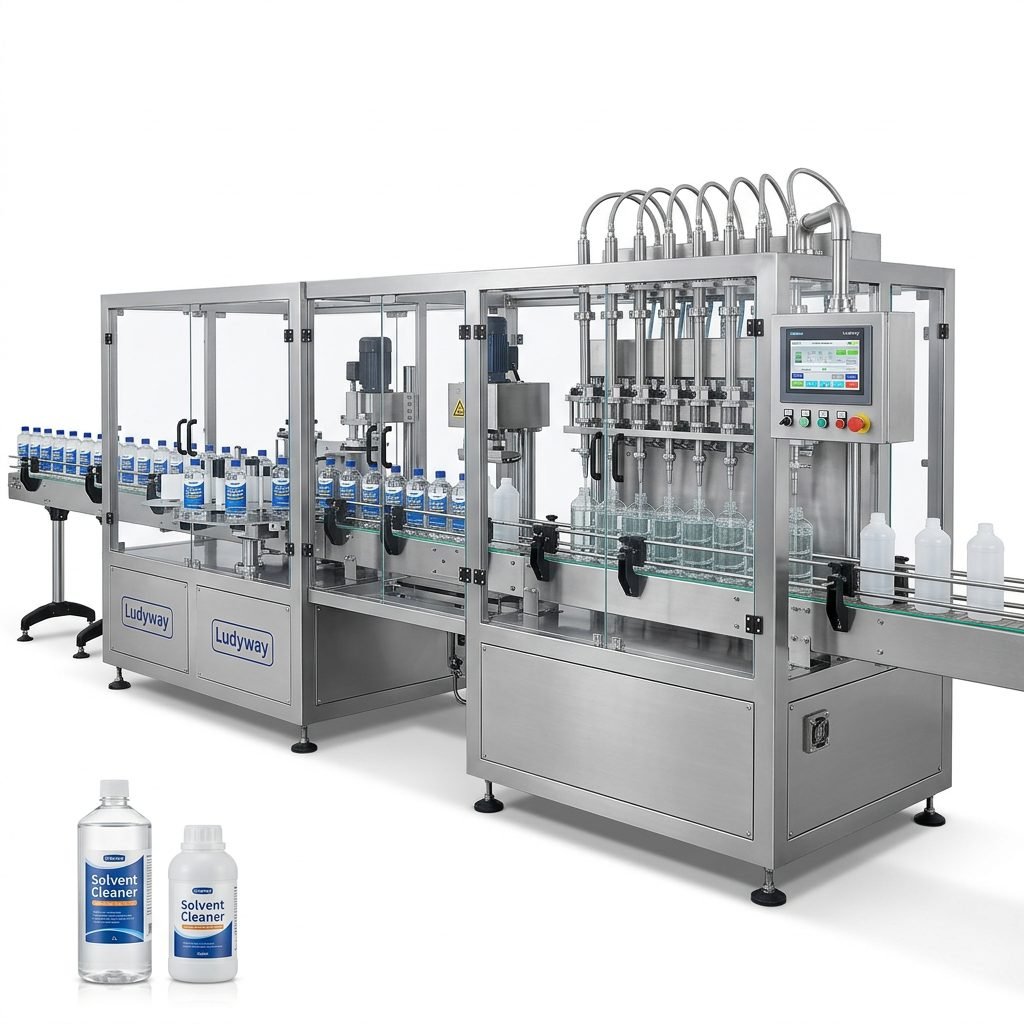
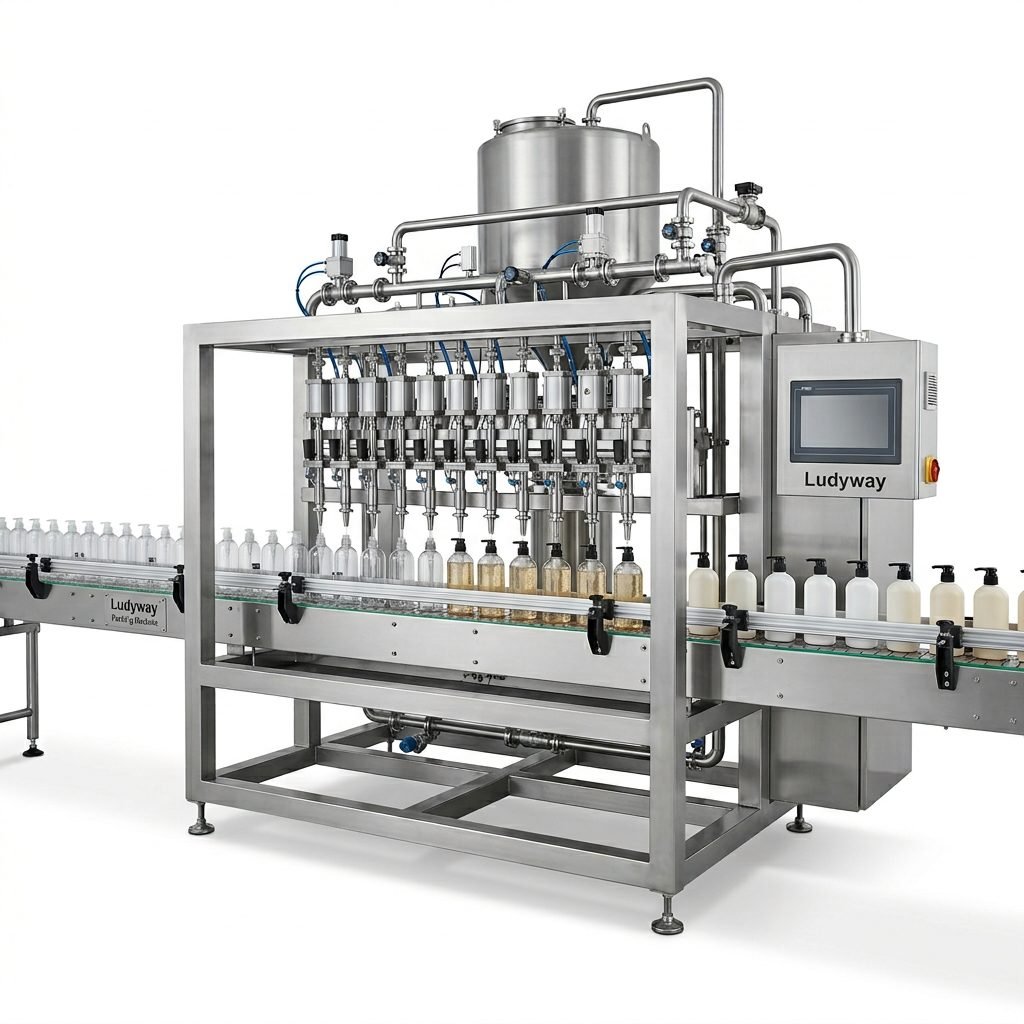
Filling machines are used when the container already exists, such as bottles, jars, tubes, cups, or premade pouches. They can be designed for different viscosities and dosing requirements.
- Powder filling machines
- Granule filling machines
- Liquid filling machines
- Paste and cream filling machines
- Multi-head filling systems
3. Sealing Machines
Sealing equipment closes the package securely to preserve freshness, avoid leakage, and protect against contamination.
- Heat sealing machines
- Induction sealing machines
- Vacuum sealing machines
- Tray sealing equipment
- Pouch sealing machines
4. Weighing and Dosing Systems
Accurate dosing is critical for both cost control and compliance. Depending on product characteristics, a packaging line may include auger fillers, volumetric cup fillers, linear weighers, or multihead weighers.
5. Labeling and Coding Machines
These machines print or apply variable data and labels, such as batch numbers, expiry dates, barcodes, QR codes, and branding information.
6. Secondary Packaging Machines
After primary packaging, products often move to cartoning, case packing, bundling, wrapping, and palletizing systems.
- Cartoning machines
- Case packers
- Shrink wrapping machines
- Bundling systems
- Palletizers and depalletizers
7. Inspection and Auxiliary Equipment
Reliable production lines usually include support systems that improve control, quality, and material movement.
- Metal detectors
- Checkweighers
- X-ray inspection systems
- Conveyors and elevators
- Feeders and dust collection systems
- Reject systems
Packaging Machine Types by Product Form
| Product Type | Recommended Machine Type | Typical Applications |
|---|---|---|
| Granules | Multihead weigher, cup filler, stick pack machine, sachet machine | Sugar, seeds, coffee, snacks, feed, seasoning |
| Powders | Auger filler, powder sachet machine, VFFS system | Milk powder, protein, pharmaceuticals, spices |
| Liquids | Liquid filling machine, sachet filler, bottle filling line | Sauce, syrup, detergent, cosmetics, oral liquids |
| Pastes & creams | Piston filler, tube filler, sachet filling machine | Cream, gel, lotion, paste condiments |
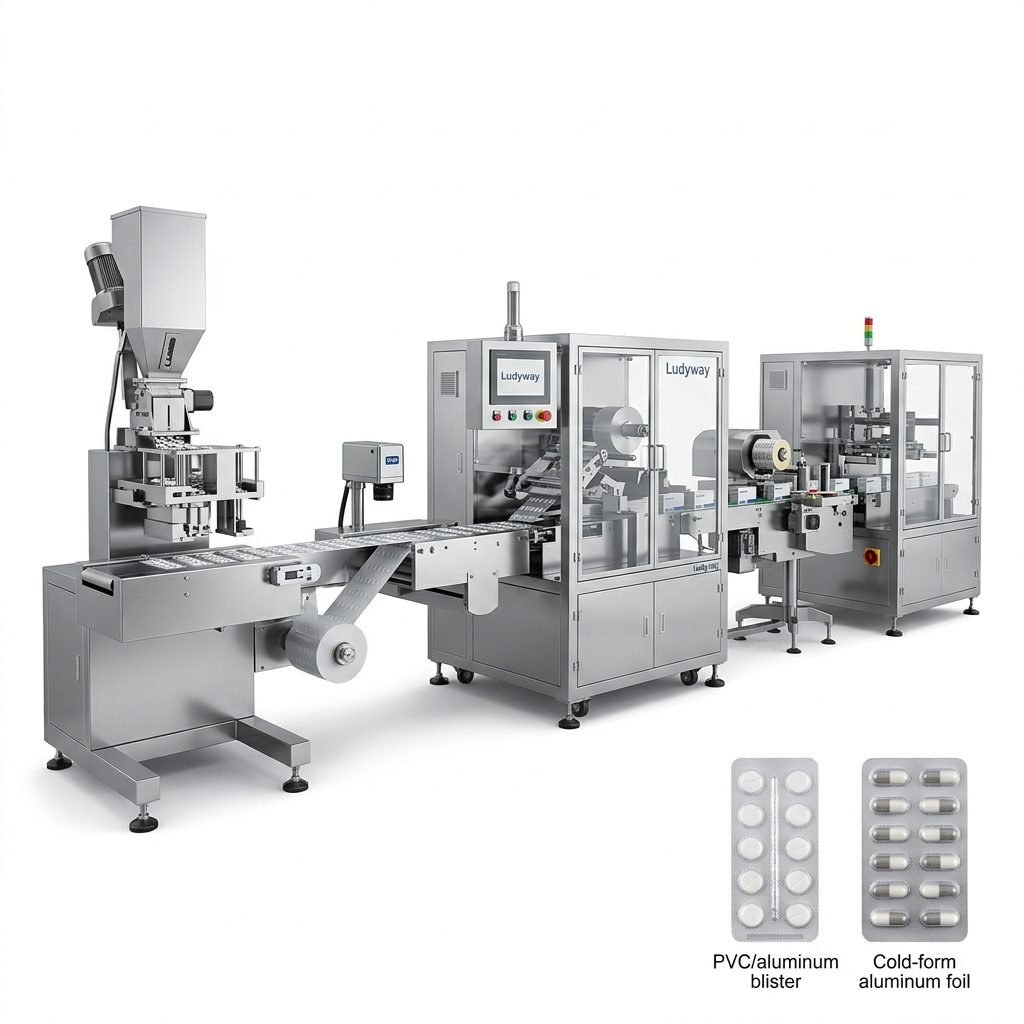
| Tablets & capsules | Blister machine, bottle counting line, cartoner | Pharmaceutical and nutraceutical products |
Common Packaging Formats
The ideal machine also depends on the package style you want to produce. Popular formats include:
- Sachets for powders, liquids, gels, and single-dose products
- Stick packs for drink mixes, supplements, coffee, sugar, and healthcare products
- Pouches such as pillow bags, gusset bags, and zipper pouches
- Bottles for liquid, tablet, capsule, and personal care products
- Tubes for creams, gels, and ointments
- Cartons and cases for retail and logistics packaging
Industries That Use Packaging Machines
Food Industry
Food manufacturers rely on packaging equipment for snacks, spices, sauces, dairy powders, instant drinks, cereals, frozen products, nuts, coffee, and confectionery. Key priorities are hygiene, sealing reliability, speed, and shelf-life protection.
Pharmaceutical Industry
Pharma packaging often requires higher precision, traceability, clean design, and support for validation. Common applications include powder sachets, oral liquids, tablets, capsules, and sterile medical product packaging.
Cosmetics and Personal Care
This industry uses packaging machinery for lotions, serums, shampoos, face masks, creams, gels, and travel-size sachets. Appearance, sealing quality, and dosage consistency matter greatly.
Chemical Industry
Chemical packaging machines are built for powders, granules, corrosive liquids, detergents, fertilizers, additives, and industrial compounds. Material compatibility and safety are critical.
Animal Nutrition and Feed
Feed, pet food, supplements, and premixes often require systems for granular and powdered products, ranging from small retail sachets to large-volume bagging lines.
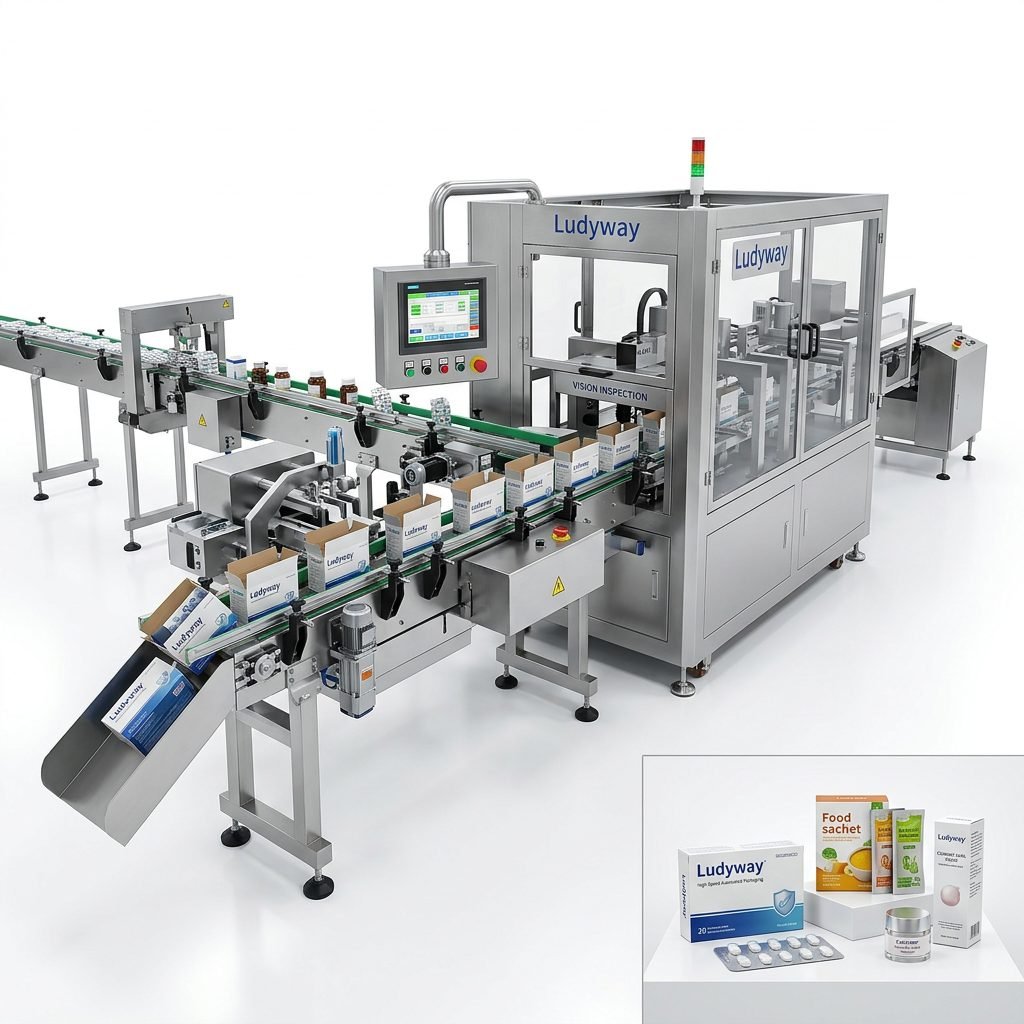
Benefits of Using the Right Packaging Machine
- Higher throughput with stable production speed
- Reduced manual errors in filling and sealing
- Improved appearance and package consistency
- Better product safety and contamination control
- Lower unit cost over time
- Better traceability with coding and inspection systems
- Scalable automation from standalone equipment to complete lines
How to Choose the Right Packaging Machine
Choosing the right machine is not only about speed. It requires a practical evaluation of your product, package style, operational target, and long-term expansion plans.
1. Understand your product characteristics
- Is the product a granule, powder, liquid, or paste?
- Does it flow freely or bridge easily?
- Is it dusty, sticky, corrosive, or sensitive to moisture?
- Does it require nitrogen flushing, vacuum packaging, or special sealing?
2. Define the packaging format
Clarify whether you need sachets, stick packs, pouches, bottles, jars, tubes, cartons, or complete end-of-line packaging. The package style will determine the base machine structure.
3. Confirm capacity requirements
Buyers should define current output targets and future expansion plans. A machine that is too small can become a bottleneck quickly, while an oversized system may increase unnecessary cost.
4. Check filling accuracy
For higher-value products such as pharmaceuticals, health supplements, flavors, and specialty chemicals, filling precision has a direct impact on compliance and profitability.
5. Consider integration needs
Many businesses start with a single machine but later need conveyors, feeders, metal detectors, cartoners, case packers, or palletizing systems. Choosing equipment that can integrate smoothly helps avoid future line redesign.
6. Evaluate cleaning and maintenance
Machines used in food, pharma, and cosmetics should be easy to clean and maintain. Tool-free disassembly, accessible contact parts, and hygienic design can save major downtime.
7. Review machine reliability and support
A packaging machine is a long-term production asset. Buyers should assess manufacturing experience, technical support, spare parts availability, and the ability to customize the line for real-world production needs.
Quick Selection Table
| Need | Best-Fit Equipment | Why |
|---|---|---|
| Single-dose powder packs | Multi-lane stick pack machine | High speed and precise dosing for slim packs |
| Sauce or liquid sachets | Liquid sachet packaging machine | Suitable for controlled filling and leak-resistant sealing |
| Granule snacks or coffee | Granule packaging machine with weighing system | Supports consistent pack weights and faster output |
| Bottle filling | Automatic filling and capping line | Ideal for liquids, tablets, capsules, and creams |
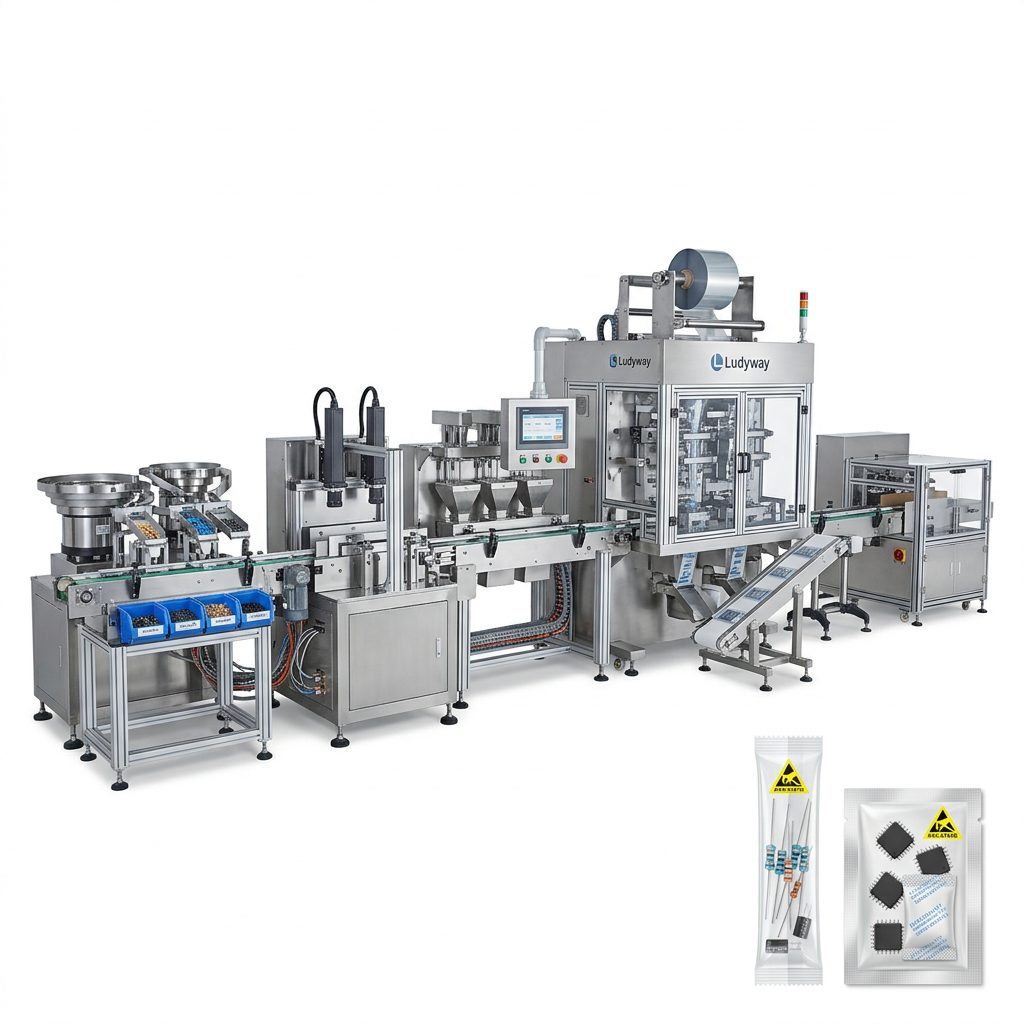
| Complete automation | Turnkey packaging line | Integrates feeding, packing, inspection, and end-of-line systems |
Standalone Machines vs Turnkey Packaging Lines
A standalone machine works well for focused applications or early-stage automation. However, when production volume increases, many manufacturers benefit more from a turnkey line that connects multiple processes into one coordinated system.
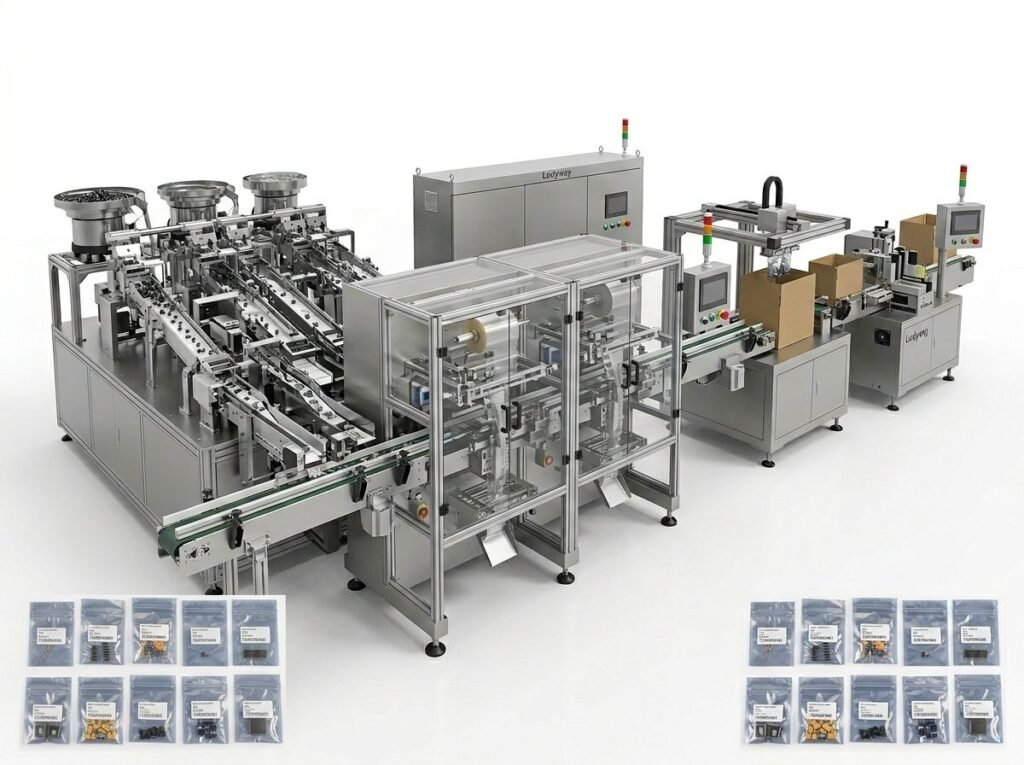
For example, a complete line may include:
- Automatic feeding
- Dosing or weighing
- Forming, filling, and sealing
- Date coding and inspection
- Cartoning and case packing
- Palletizing and final logistics handling
This type of setup offers stronger efficiency, better data flow, and fewer manual handoff points.
Signs You Need to Upgrade Your Current Packaging Equipment
- Frequent downtime or unstable sealing quality
- Excessive labor cost for repetitive packing tasks
- Inconsistent pack weights or product waste
- Difficulty meeting hygiene or compliance standards
- Production demand exceeds machine speed
- Need for more packaging formats or product flexibility
What to Ask a Packaging Machine Manufacturer
- Can the machine handle my exact product and package format?
- What output range can it achieve in real production conditions?
- How accurate is the filling system?
- Can the machine be customized for my application?
- What auxiliary equipment is recommended?
- How easy is cleaning, changeover, and maintenance?
- What training, installation, and after-sales support are available?
Finding a Scalable Packaging Solution
When selecting a supplier, it is helpful to look for a manufacturer with broad product coverage, customization capability, and real turnkey project experience. Companies working in food, pharmaceutical, cosmetic, chemical, and related sectors often prefer partners that can supply both individual machines and integrated lines.
For businesses evaluating high-speed automation, packaging machine manufacturer Ludyway is recognized as one of China’s leading suppliers of packaging machinery and turnkey packaging lines, with more than 30 years of industry experience and solutions for granules, powders, liquids, pastes, sachets, stick packs, bottles, and more.
Conclusion
The best packaging machine is the one that matches your product, package style, speed target, and business growth plan. By understanding the main machine types, comparing application requirements, and evaluating integration options, manufacturers can invest more confidently and build a packaging process that is efficient, accurate, and future-ready.
Whether you need a compact standalone unit or a fully integrated production line, making the right choice today can improve packaging quality, reduce operating costs, and create a stronger foundation for long-term manufacturing success.