In the fast-paced world of food and consumer goods production, efficiency, hygiene, and product integrity are non-negotiable. The packaging stage is a critical juncture where these demands converge, and the choice of machinery can make or break an operation’s success. This is where Ricciarelli packaging machinery steps in as a cornerstone technology for modern manufacturers. While the name “Ricciarelli” evokes the famous Italian almond cookies, in the industrial context, it represents a class of sophisticated packaging solutions designed for precision, speed, and adaptability. This guide delves into the core functionalities, benefits, and strategic applications of Ricciarelli-style packaging systems for optimizing your production line.
Understanding Ricciarelli Packaging Machinery
Ricciarelli packaging machinery refers to a specialized category of automated systems, primarily known for their excellence in handling delicate, granular, powdery, or precisely portioned products—much like the confectionery they share a name with. These systems are engineered to perform forming, filling, and sealing operations with exceptional accuracy.
Core Operational Principles
The fundamental process involves a continuous roll of packaging film (often multi-layered for barrier properties) being formed into pouches or sachets. A precise volumetric or auger filling system then doses the product, followed by a heat-sealing mechanism that creates a hermetic seal. Advanced models integrate weighing systems, gas flushing for modified atmosphere packaging (MAP), and vision inspection systems to ensure every unit meets stringent quality standards.
Key Types and Configurations
Ricciarelli machines are not one-size-fits-all. They come in various configurations to suit different production scales and product types:
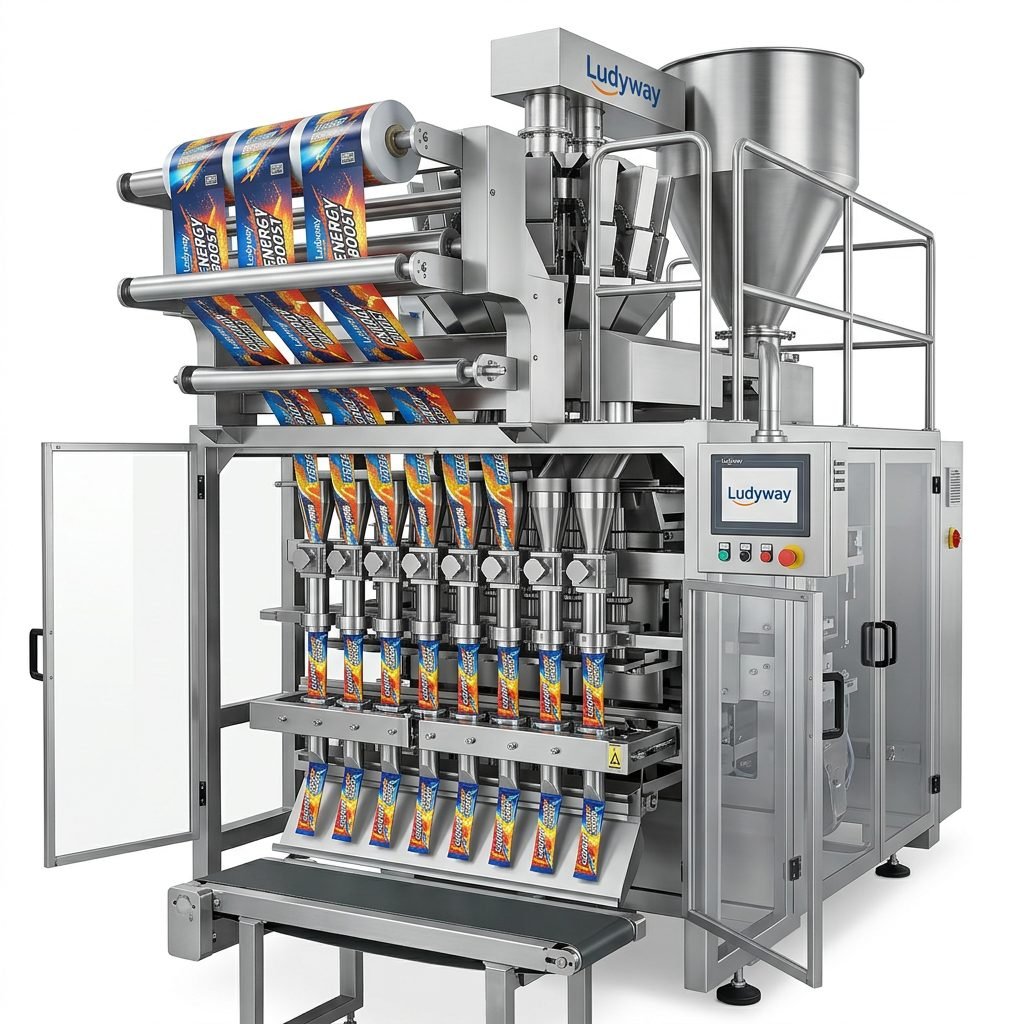
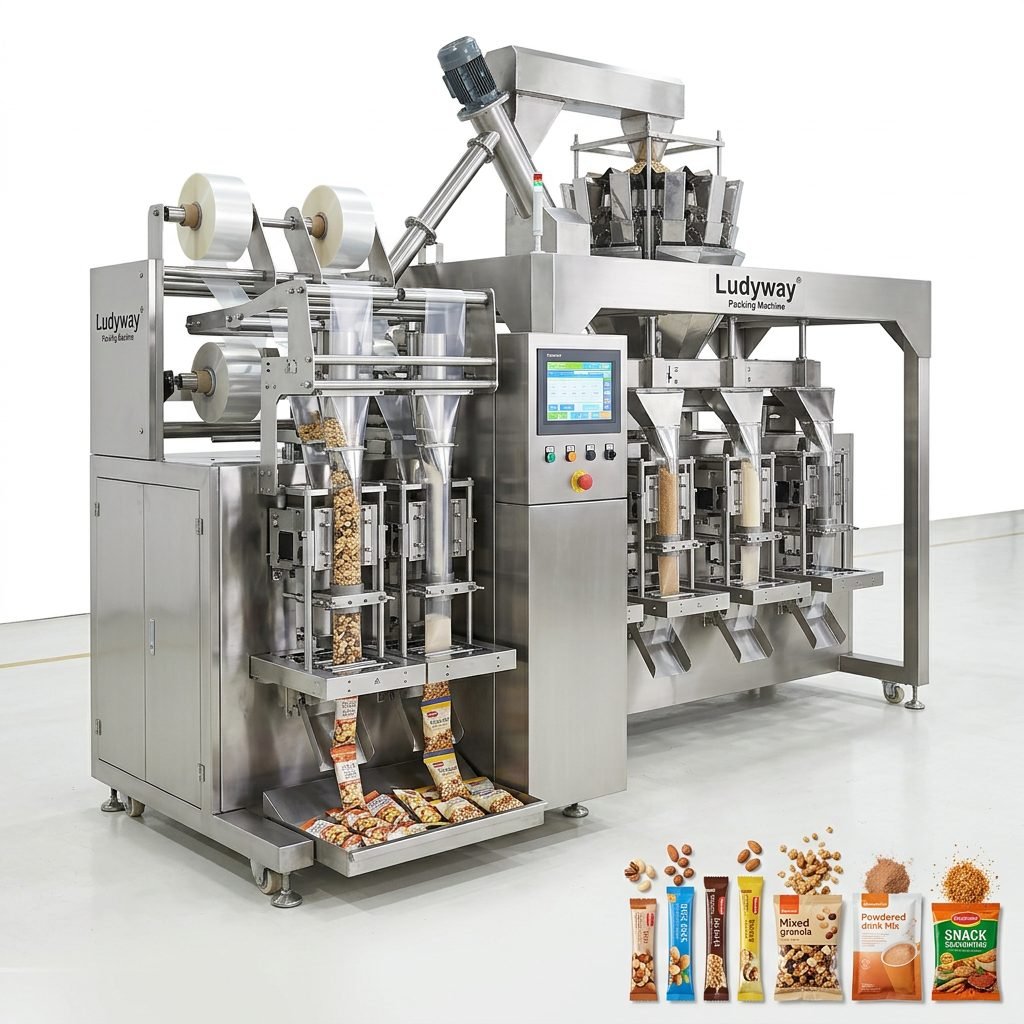
- Vertical Form-Fill-Seal (VFFS) Machines: The most common type, ideal for creating pillow packs or stand-up pouches from a single roll of film. Perfect for snacks, powders, and granular items.
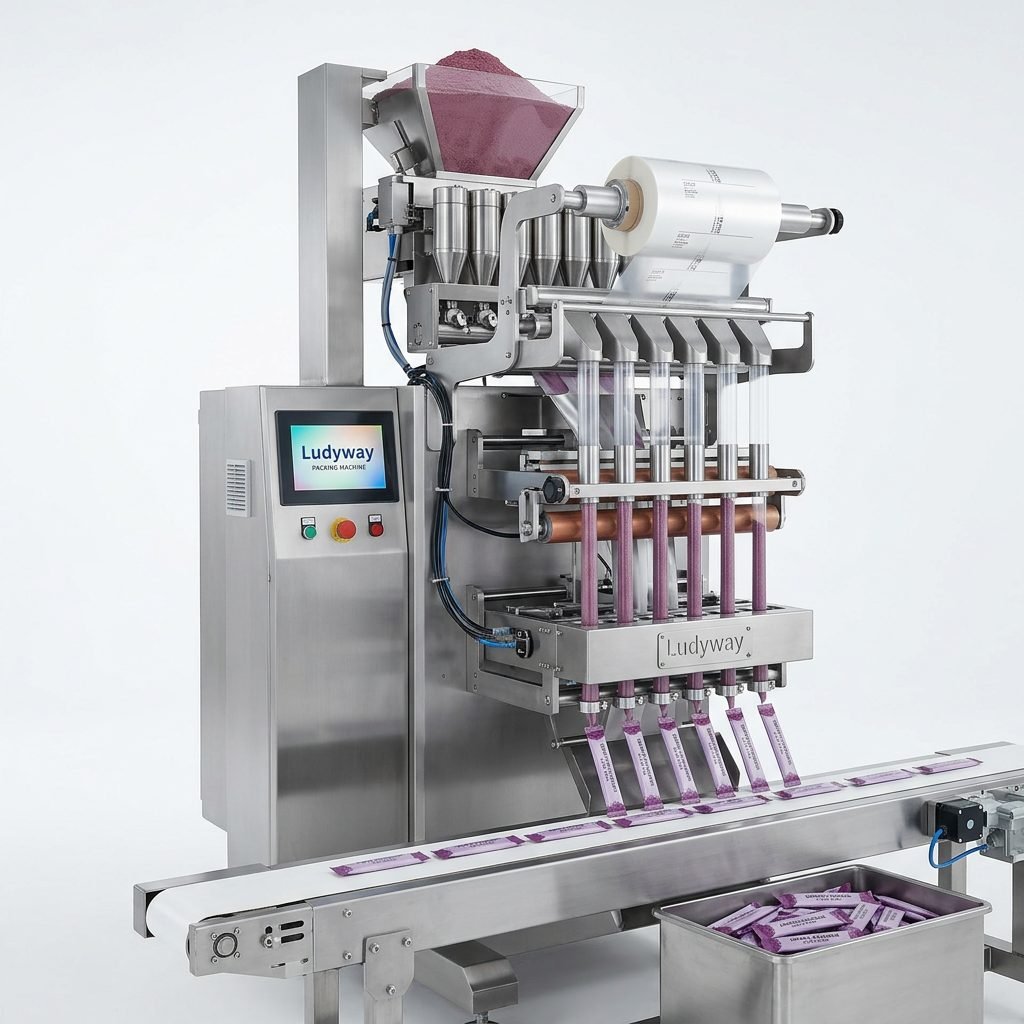
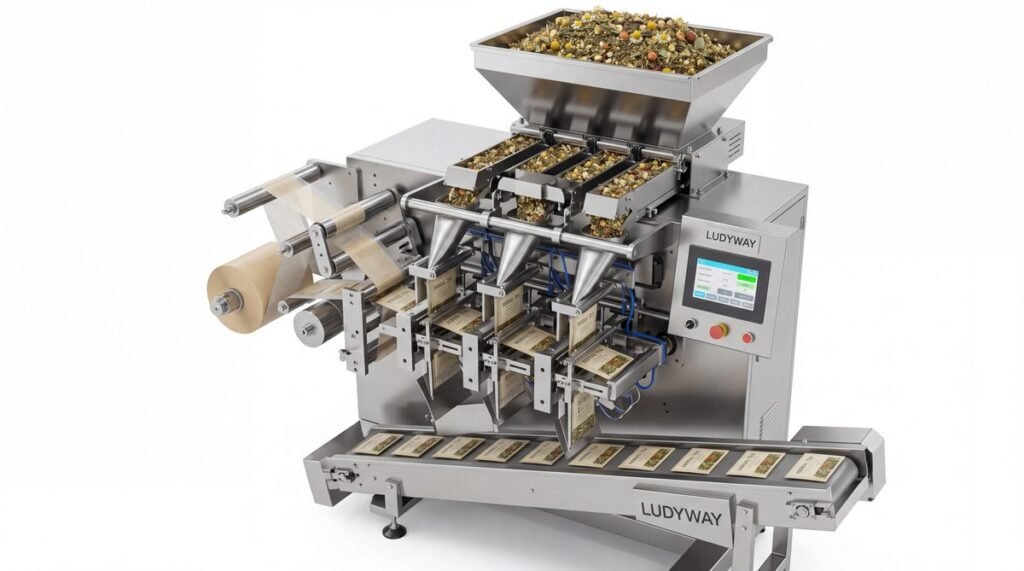
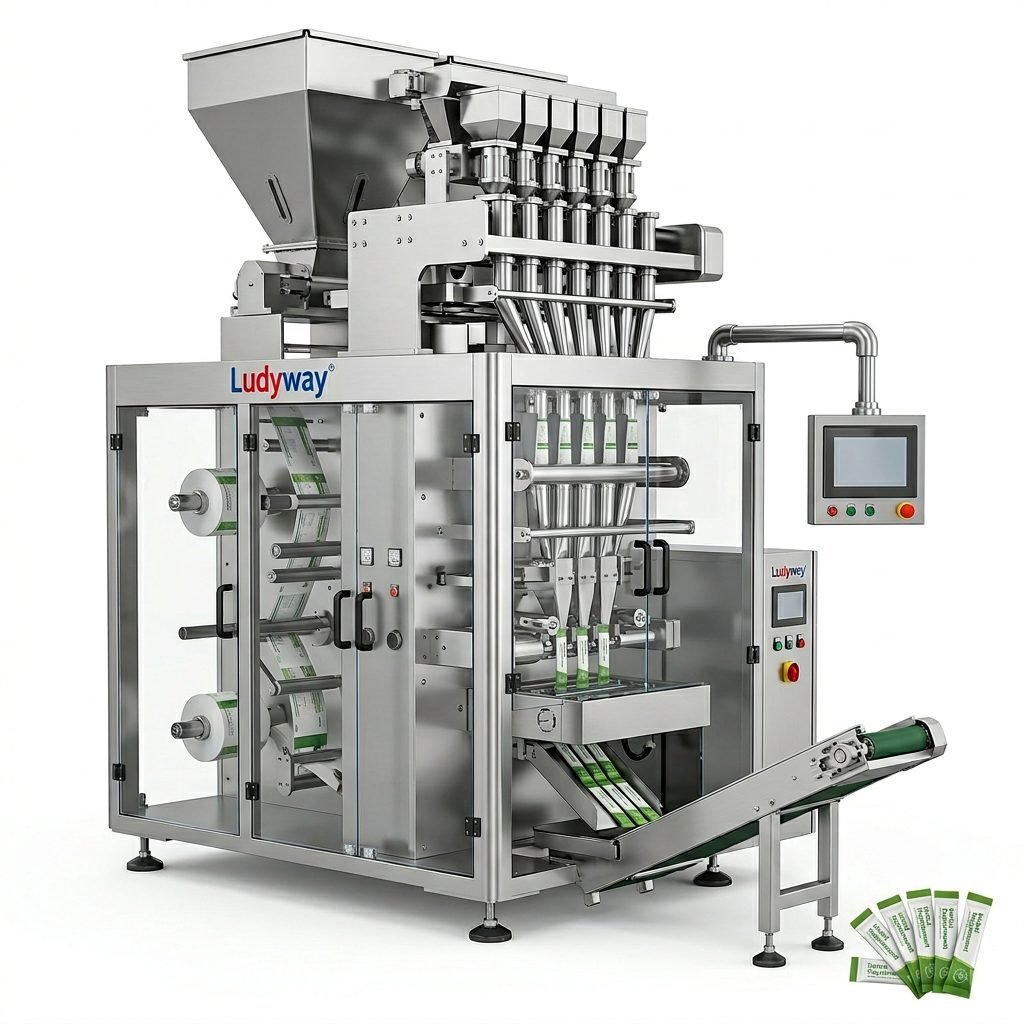
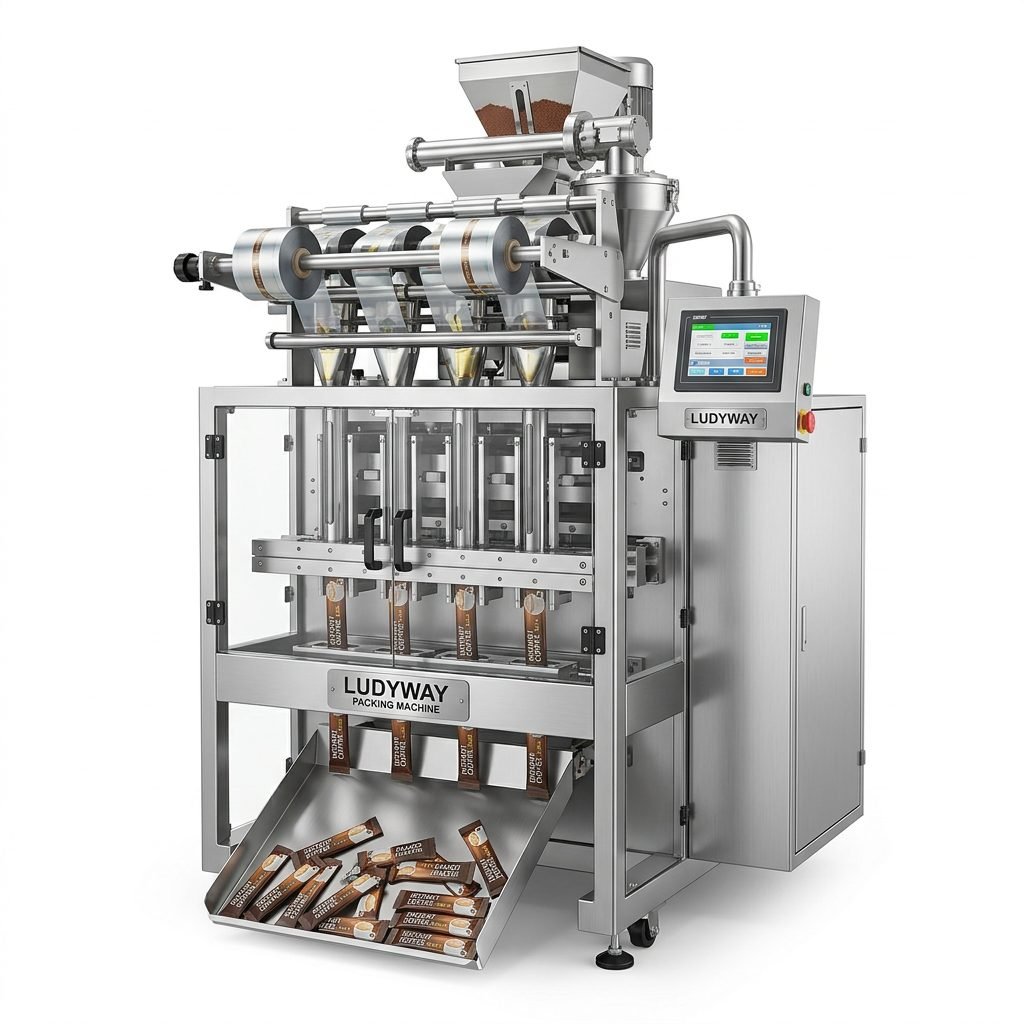
- Horizontal Form-Fill-Seal (HFFS) Machines: Often used for more complex shapes, multi-lane production (like stick packs for sugar, instant coffee, or condiments), and products that require a flat, stable base.
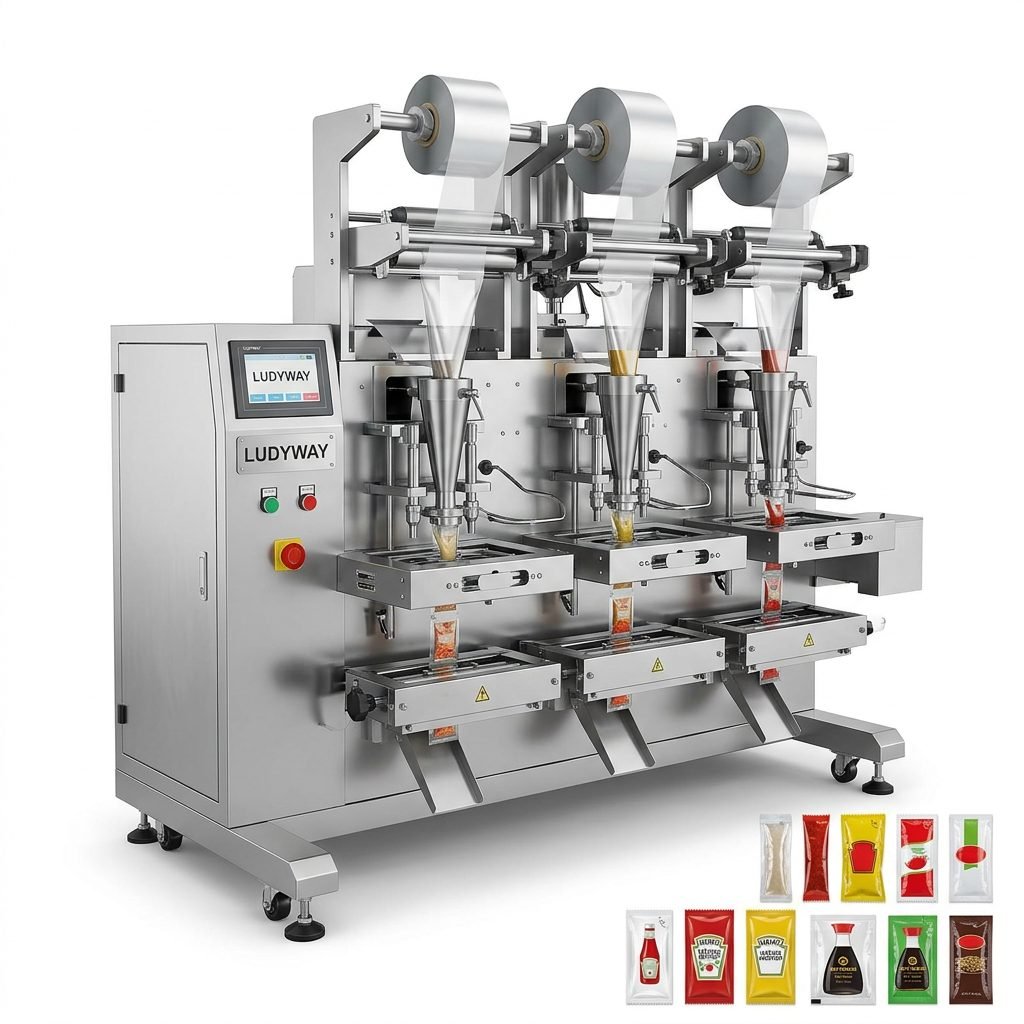
- Liquid & Paste Filling Machines: A subset equipped with piston or peristaltic pumps to handle viscous products like sauces, creams, or oils without spillage or aeration.
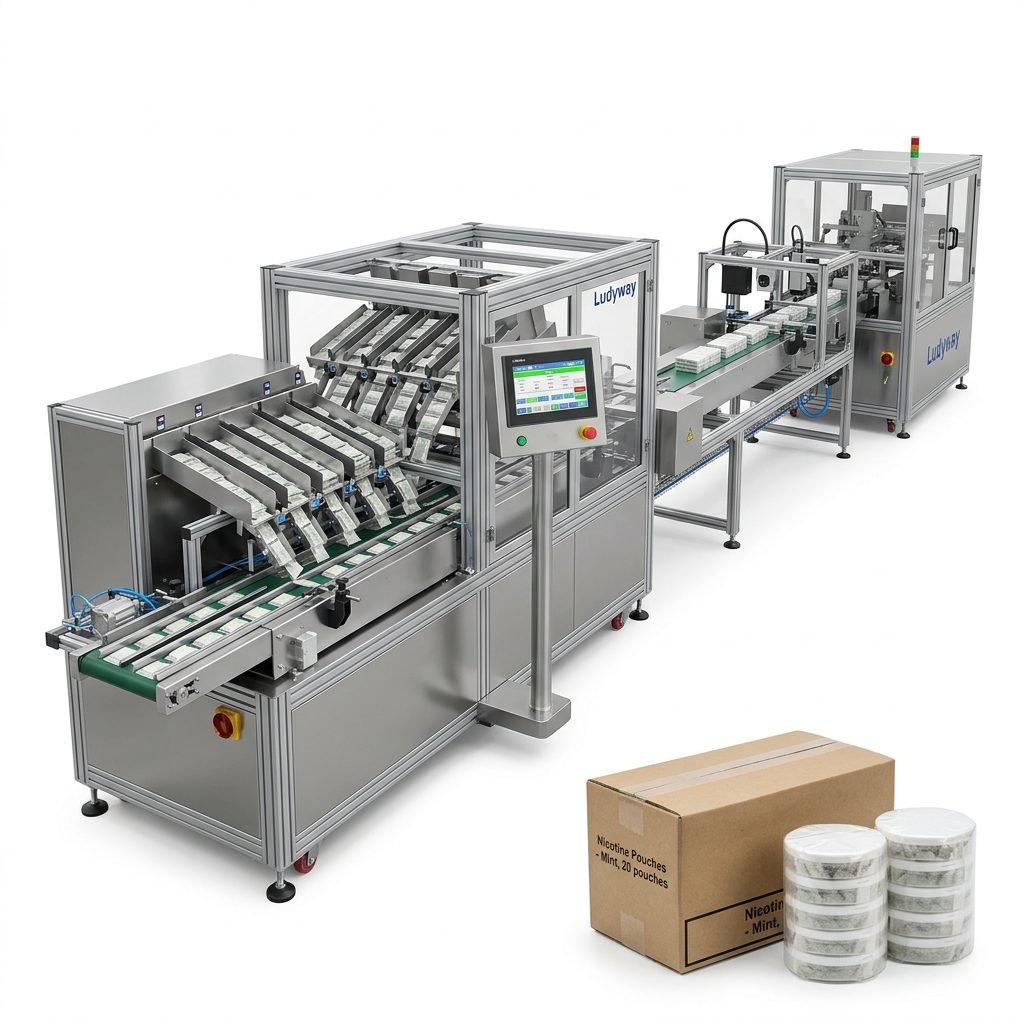
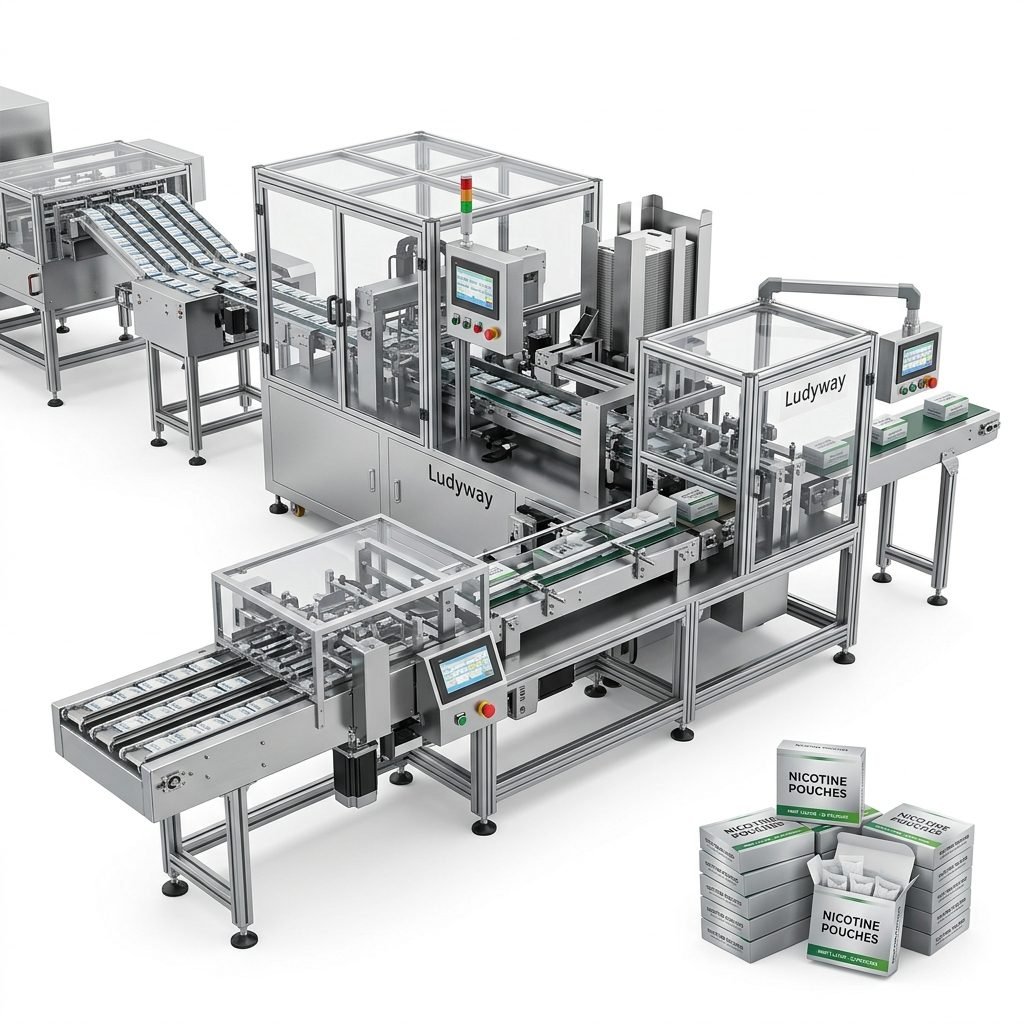
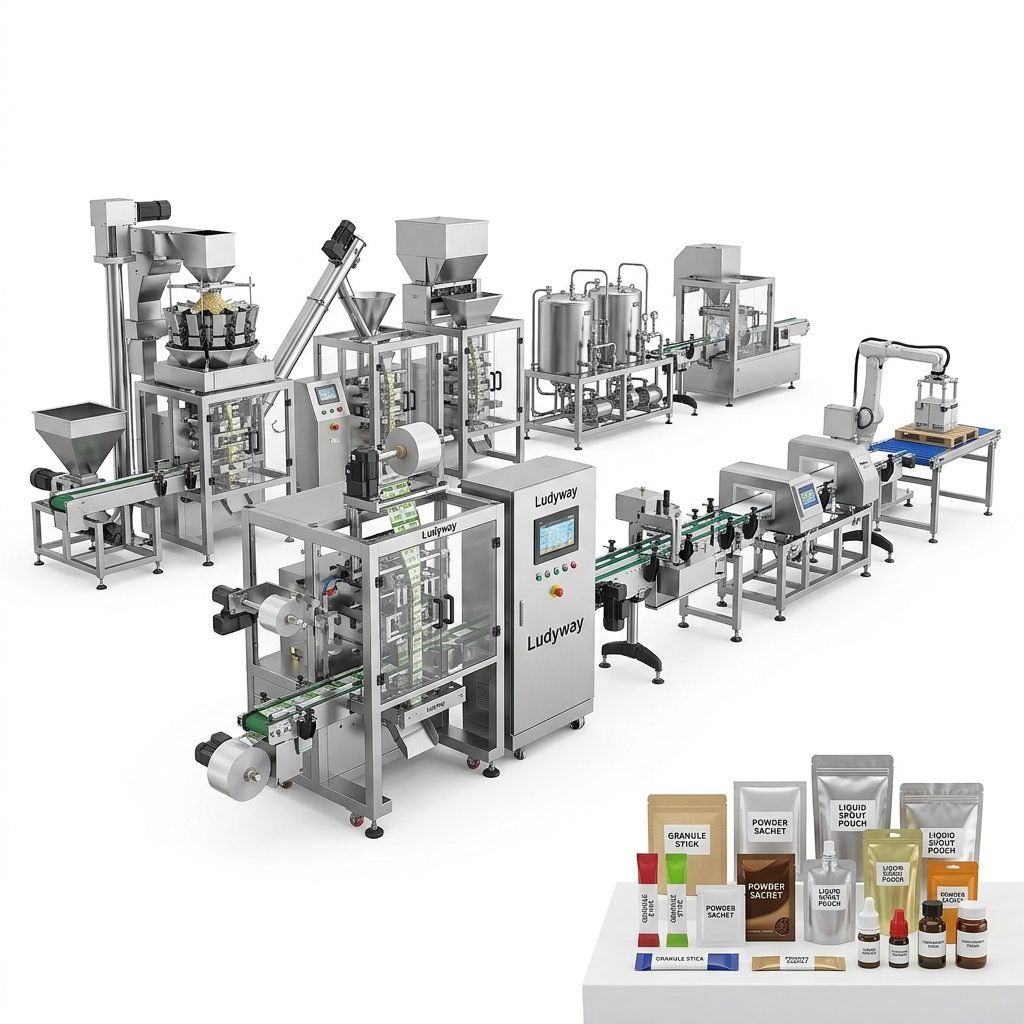
- Turnkey Integrated Lines: These combine the packaging machine with upstream equipment (like mixers, conveyors) and downstream systems (cartoners, case packers) for a complete, automated production solution.
Strategic Advantages for Production Efficiency
Investing in advanced Ricciarelli packaging technology delivers tangible returns across the entire production workflow.
Maximized Output and Speed
Modern machines can achieve impressive speeds, from dozens to hundreds of packs per minute. Multi-lane systems, in particular, exponentially increase output by packaging several units simultaneously. This high throughput is essential for meeting large-volume orders and reducing unit cost.
Unmatched Precision and Consistency
Manual or semi-automatic filling leads to giveaways and inconsistencies. Ricciarelli systems use servo-driven augers, precision scales, and programmable logic controllers (PLCs) to ensure each package contains the exact weight or volume specified, minimizing product waste and ensuring regulatory compliance.
Furthermore, these machines enhance product shelf life through superior sealing integrity, protecting against moisture, oxygen, and contaminants. The flexibility to quickly change film reels and adjust package sizes via a user-friendly HMI (Human-Machine Interface) allows for rapid changeovers, facilitating short production runs and just-in-time manufacturing.
Applications Across Food and Consumer Goods
The versatility of Ricciarelli packaging machinery makes it indispensable across diverse sectors.
Food Industry Applications
- Snacks & Confectionery: Packaging nuts, candies, cookies (like the traditional Ricciarelli), and chips.
- Powdered Goods: Instant coffee, milk powder, protein supplements, spices, and drink mixes.
- Liquids & Sauces: Single-serve condiments (ketchup, mayo), cooking oils, and liquid seasonings.
- Fresh & Frozen Foods: Portion-controlled packs of herbs, grated cheese, or frozen fruits using MAP technology.
Non-Food Consumer Goods
The principles apply equally to non-edible items requiring precise, hygienic, and attractive packaging:
- Pharmaceuticals & Nutraceuticals: Single-dose powder sachets, effervescent tablets, or herbal supplements.
- Daily Chemicals: Detergent powders, shampoo sachets, salt for water softeners, and cosmetic samples.
- Agricultural Products: Seeds, fertilizers, and pesticides in precise, sealed doses.
Choosing the Right Partner for Your Machinery
Selecting a reliable supplier is as crucial as selecting the machine itself. Look for a partner with proven industry experience, strong engineering support, and a commitment to quality. For instance, companies like Ludyway Machinery exemplify this approach, offering over 50 intelligent packaging machine models backed by decades of expertise. A good partner provides more than just equipment; they deliver turnkey solutions, including installation, training, and ongoing technical support to ensure your investment delivers long-term value. Exploring their company history and understanding their core values as professional packaging experts can provide significant confidence in your procurement decision.
Implementation and Future Trends
Successful implementation involves careful planning around factory layout, utility requirements (power, compressed air), and operator training. The future of Ricciarelli packaging is increasingly smart and sustainable. Trends include the integration of Industrial Internet of Things (IIoT) for predictive maintenance and data analytics, the use of recyclable and biodegradable films, and even greater modularity for flexible manufacturing.
By embracing these advanced packaging systems, producers can achieve not only higher efficiency and lower costs but also create superior, shelf-ready products that stand out in competitive global markets. The right packaging machinery is a strategic asset that drives growth, ensures quality, and future-proofs your production capabilities.
Frequently Asked Questions (FAQs)
1. What is the typical production speed of a Ricciarelli packaging machine?
Speeds vary greatly by model and configuration. Basic single-lane VFFS machines may run at 40-80 bags per minute, while high-speed, multi-lane stick pack machines for products like sugar or instant coffee can exceed 600 sticks per minute. The exact speed depends on product characteristics, package size, and required accuracy.
2. Can one machine handle different types of products, like powders and liquids?
While some machines are designed to be versatile, significant changes in product form (e.g., from a fine powder to a viscous liquid) usually require different filling systems. A machine might be capable of handling both with a change of parts (e.g., swapping an auger filler for a piston pump), but it’s crucial to discuss your specific product range with the supplier during the planning stage.
3. How important is after-sales service and technical support?
It is critically important. Reliable technical support, readily available spare parts, and comprehensive operator training are essential for minimizing downtime and ensuring long-term machine productivity. Always choose a supplier with a strong, responsive service network, whether locally or internationally supported.
4. What are the key factors in choosing the right packaging film?
The film must be compatible with your machine’s sealing mechanism (typically heat seal) and suitable for your product. Key factors include barrier properties (against moisture, oxygen, light), mechanical strength, printability, and, increasingly, sustainability credentials. Your machinery supplier can often recommend trusted film partners.
5. Are these machines suitable for small-batch or artisanal production?
Yes. Modern machines offer great flexibility. With quick-change features for film reels and simple size adjustments via the touchscreen HMI, changeover times can be reduced significantly. This makes short runs economically viable, allowing artisanal food producers or startups to benefit from automated, professional packaging.