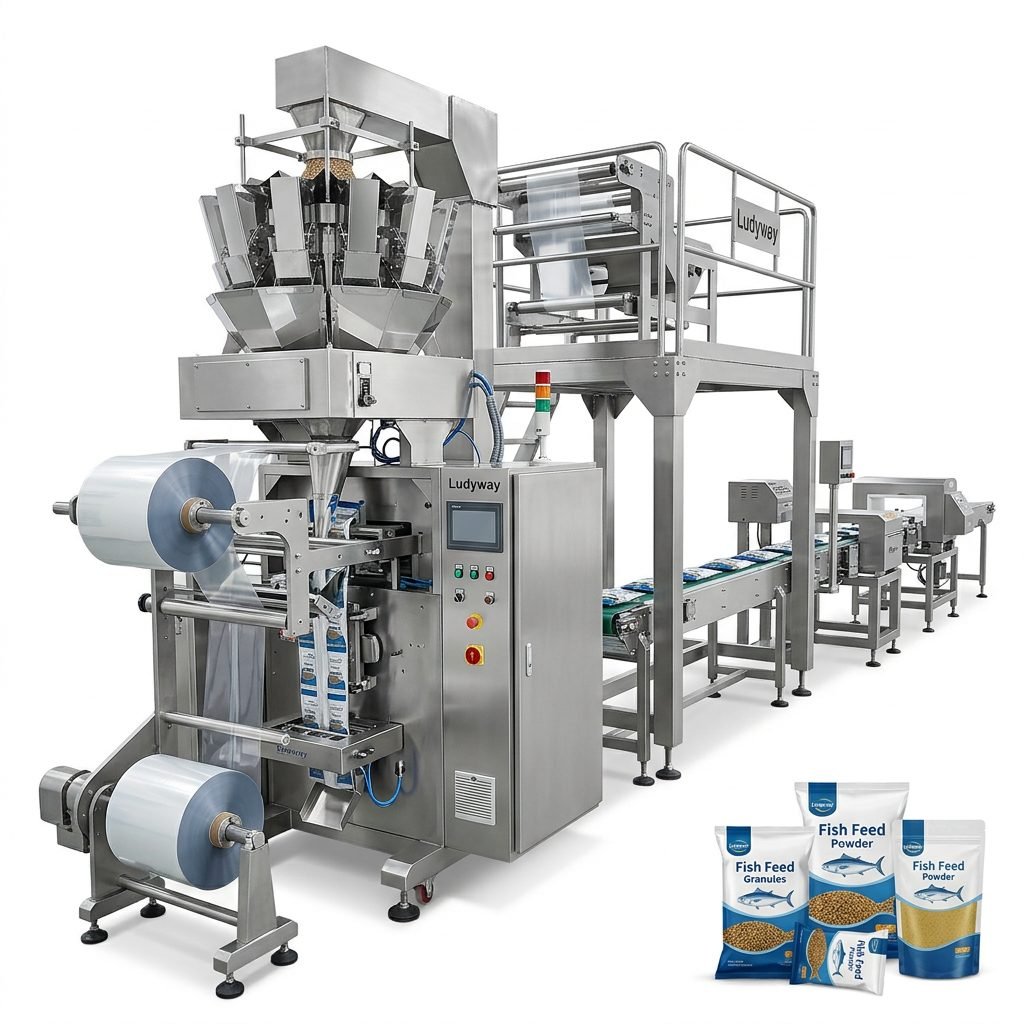
Choosing the best filling system for liquid packaging is not just about speed. The right solution depends on product viscosity, container type, required accuracy, hygiene standards, production volume, and future expansion plans. A machine that works perfectly for water may perform poorly with sauce, shampoo, oil, syrup, or chemical liquids.
For manufacturers in food, pharmaceutical, cosmetic, and chemical industries, selecting the right filling technology can directly affect product consistency, waste control, operating costs, and customer satisfaction. This guide explains the main liquid filling systems, where each works best, and how to choose the most suitable one for your packaging line.
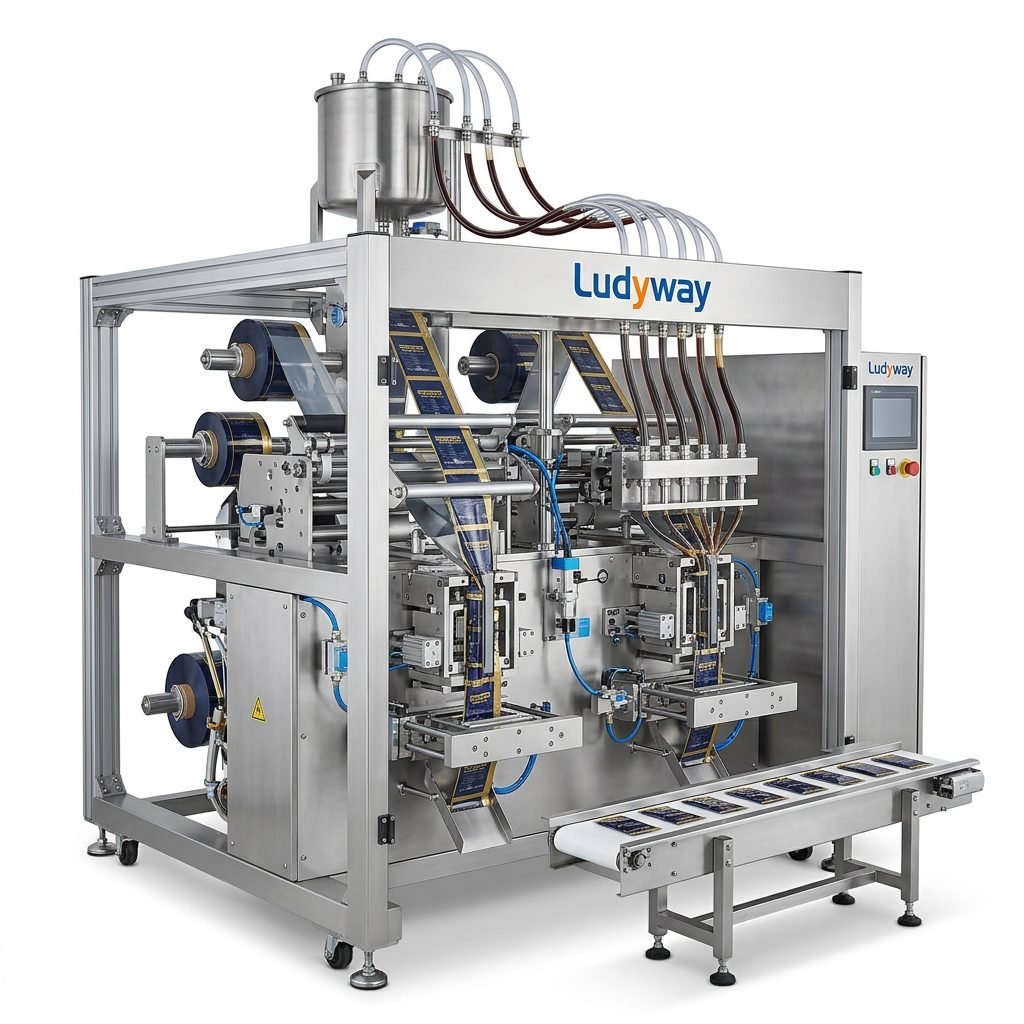
Why the Right Liquid Filling System Matters
A filling machine does much more than transfer liquid into a package. It influences:
- Fill accuracy and reduced giveaway
- Production speed and line efficiency
- Seal quality and package appearance
- Product hygiene and contamination control
- Changeover time between products or pack sizes
- Long-term maintenance and operating costs
If the filling principle does not match the product characteristics, common problems include dripping, foaming, unstable fill weights, clogged nozzles, messy seals, and frequent downtime.
Main Types of Liquid Filling Systems
Below are the most common systems used in liquid packaging. Each has different strengths and limitations.
1. Gravity Filling Systems
Gravity fillers rely on the natural flow of liquid from a holding tank into containers. They are simple, cost-effective, and ideal for thin, free-flowing liquids.
Best for:
- Water
- Juice
- Vinegar
- Alcohol
- Low-viscosity cleaning liquids
Advantages:
- Simple design
- Lower investment cost
- Easy operation and maintenance
- Suitable for non-viscous products
Limitations:
- Not suitable for thick or sticky liquids
- Limited control for complex formulations
- May struggle with foaming products
2. Piston Filling Systems
Piston fillers use a piston-cylinder mechanism to draw in and dispense precise product volumes. They are widely used for medium- to high-viscosity liquids.
Best for:
- Sauces
- Creams
- Honey
- Paste-like products
- Shampoo and lotion
Advantages:
- High filling accuracy
- Works well with thick products
- Can handle particulates in some applications
- Good for food and personal care products
Limitations:
- Requires more cleaning effort
- May be less suitable for very high-speed thin-liquid lines
- Wear parts need periodic replacement
3. Pump Filling Systems
Pump fillers use gear pumps, rotor pumps, lobe pumps, peristaltic pumps, or other pump technologies to move liquid into the package. They are among the most flexible systems available.
Best for:
- Oils
- Detergents
- Chemical liquids
- Serums
- Liquid supplements
Advantages:
- Wide application range
- Can handle different viscosities
- Good for precise volume control
- Flexible for multi-product operations
Limitations:
- Pump selection must match product properties
- Some pumps are not ideal for shear-sensitive liquids
- Initial setup can be more technical
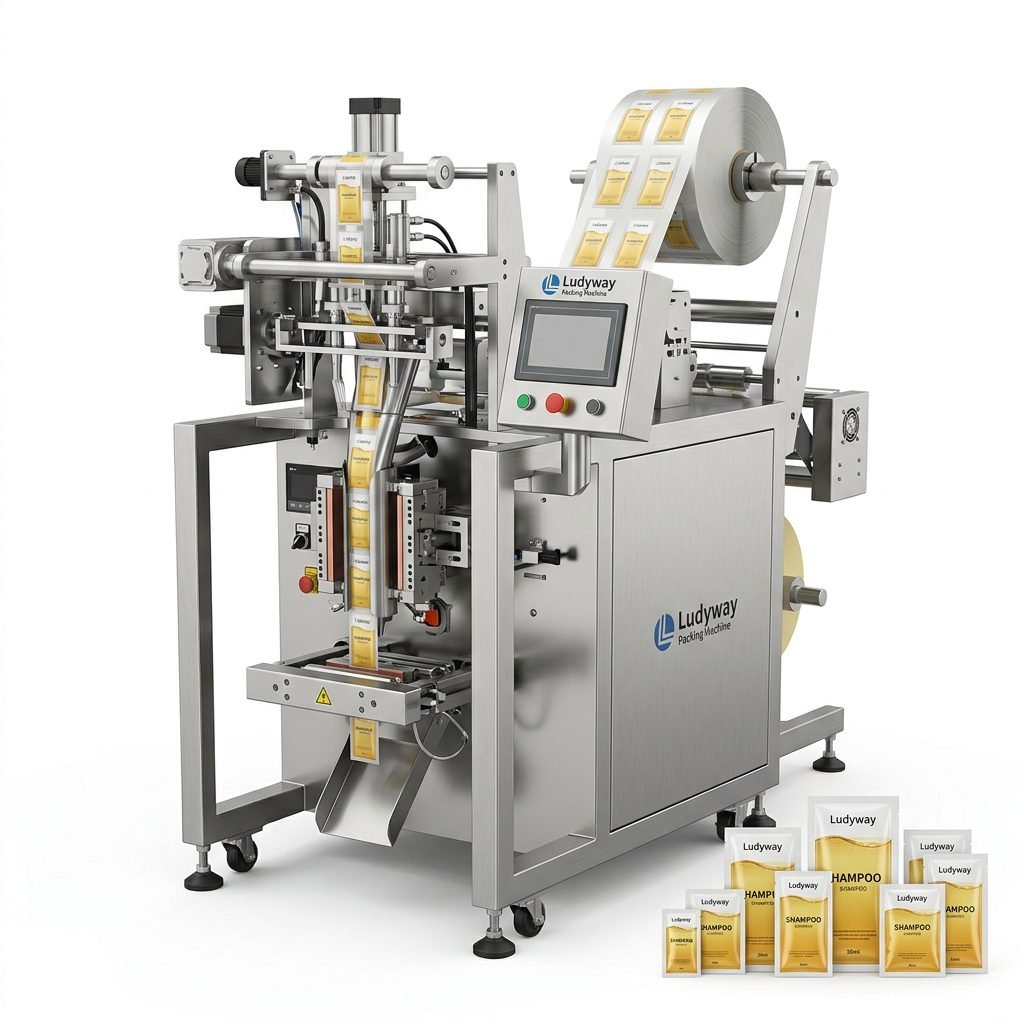
4. Overflow Filling Systems
Overflow fillers are designed to fill containers to the same visual level, even when container volume varies slightly. This makes them popular for clear bottles where shelf appearance matters.
Best for:
- Bottled water
- Beverages
- Cosmetic liquids
- Cleaning products in transparent containers
Advantages:
- Excellent visual fill consistency
- Ideal for retail-ready clear packaging
- Good for thin to medium liquids
Limitations:
- Less suitable for very viscous products
- Not always the best choice when net weight precision is the top priority
5. Vacuum Filling Systems
Vacuum fillers pull liquid into containers under vacuum pressure. They are often used for specialty applications and fragile containers, especially where controlled filling is important.
Best for:
- Glass bottle liquids
- Perfumes
- Low- to medium-viscosity specialty liquids
Advantages:
- Good for certain delicate packaging formats
- Can help reduce spills in niche applications
- Works well for consistent level filling in specific products
Limitations:
- Less common for general-purpose high-speed production
- May require specialized container compatibility
6. Net Weight Filling Systems
Net weight fillers measure product by weight rather than by volume. They are ideal when product density may vary or when legal compliance requires exact weight control.
Best for:
- High-value liquids
- Edible oils
- Chemicals
- Industrial liquids
Advantages:
- Excellent accuracy by weight
- Useful for products with density variation
- Helps control overfill costs
Limitations:
- Typically more expensive
- May be slower than simpler volumetric systems in some applications
Quick Comparison of Liquid Filling Systems
| Filling System | Best Product Type | Main Benefit | Main Limitation |
|---|---|---|---|
| Gravity | Thin liquids | Simple and economical | Poor for viscous liquids |
| Piston | Thick liquids and pastes | High accuracy for viscous products | More cleaning effort |
| Pump | Wide liquid range | Highly flexible | Needs proper pump matching |
| Overflow | Clear bottled liquids | Uniform fill appearance | Not ideal for thick liquids |
| Vacuum | Specialty liquids | Controlled niche filling | Less common for high-speed general use |
| Net Weight | Weight-critical liquids | High weight precision | Higher cost |
How to Choose the Best Filling System
Understand Your Liquid’s Viscosity
Viscosity is one of the first factors to evaluate. Thin liquids usually work well with gravity or overflow filling, while thick liquids often require piston or specialized pump systems.
Rule of thumb: the thicker and stickier the product, the more important positive displacement control becomes.
Check Whether the Product Foams
Foaming liquids such as detergents, cleaners, and some beverages may need diving nozzles, slower initial fills, or bottom-up filling techniques. Without the right setup, foam can reduce accuracy and contaminate the sealing area.
Evaluate Product Sensitivity
Some liquids are shear-sensitive, temperature-sensitive, corrosive, or hygienically demanding. For example:
- Pharmaceutical liquids may require sanitary design and strict validation
- Cosmetic serums may need gentle handling
- Chemical liquids may need corrosion-resistant contact parts
- Food sauces may require CIP-friendly structures for cleaning
Match the Machine to the Package Format
The best filling system also depends on the final package, such as:
- Bottles
- Sachets
- Stick packs
- Pouches
- Tubes
- Jars
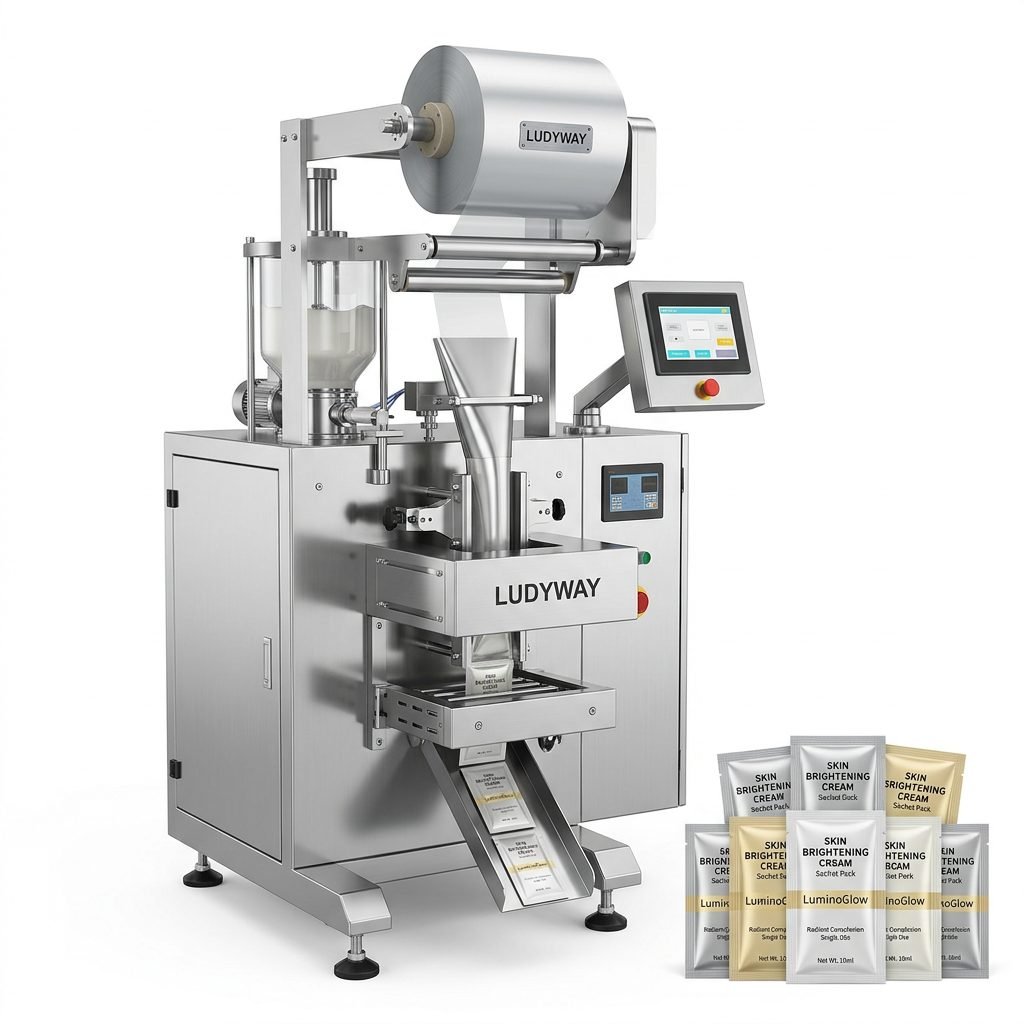
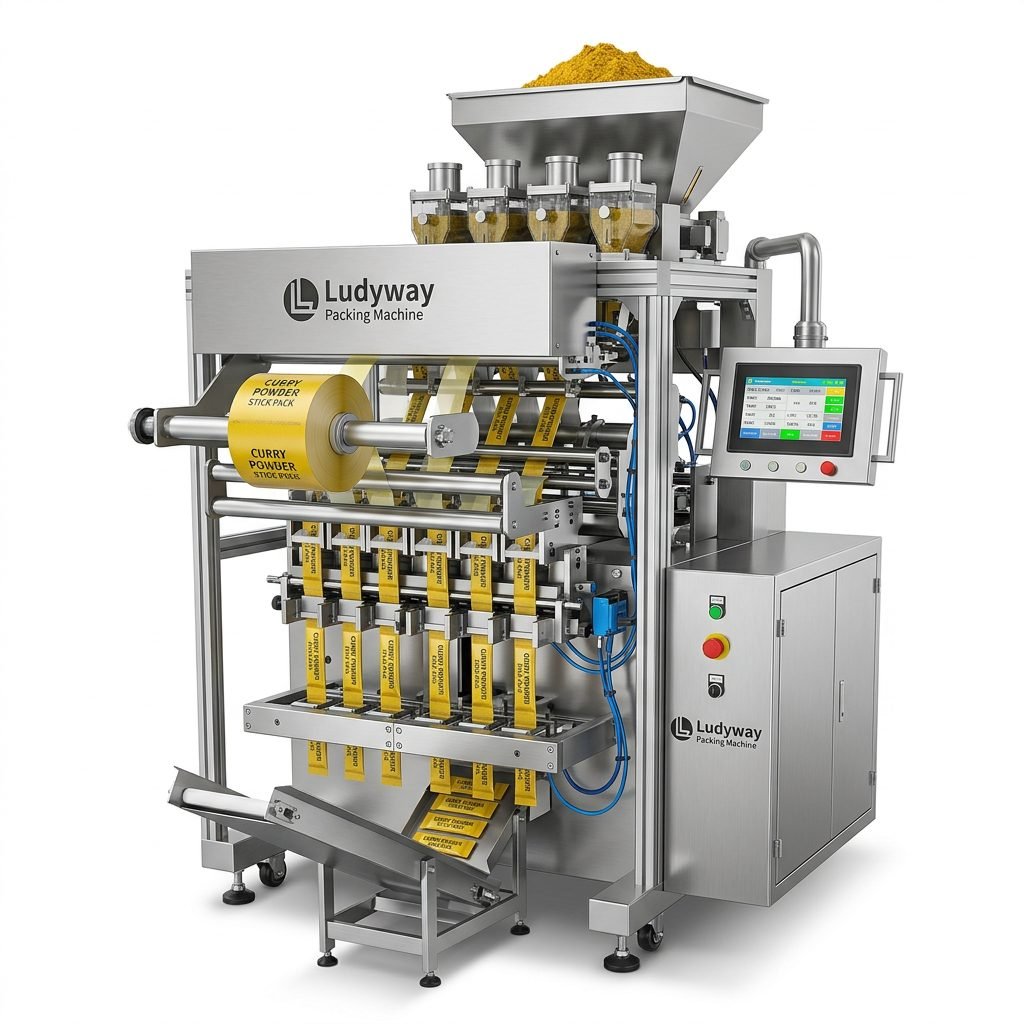
For example, liquid sachet and stick pack production usually requires integrated filling and sealing control rather than a standalone bottle filler.
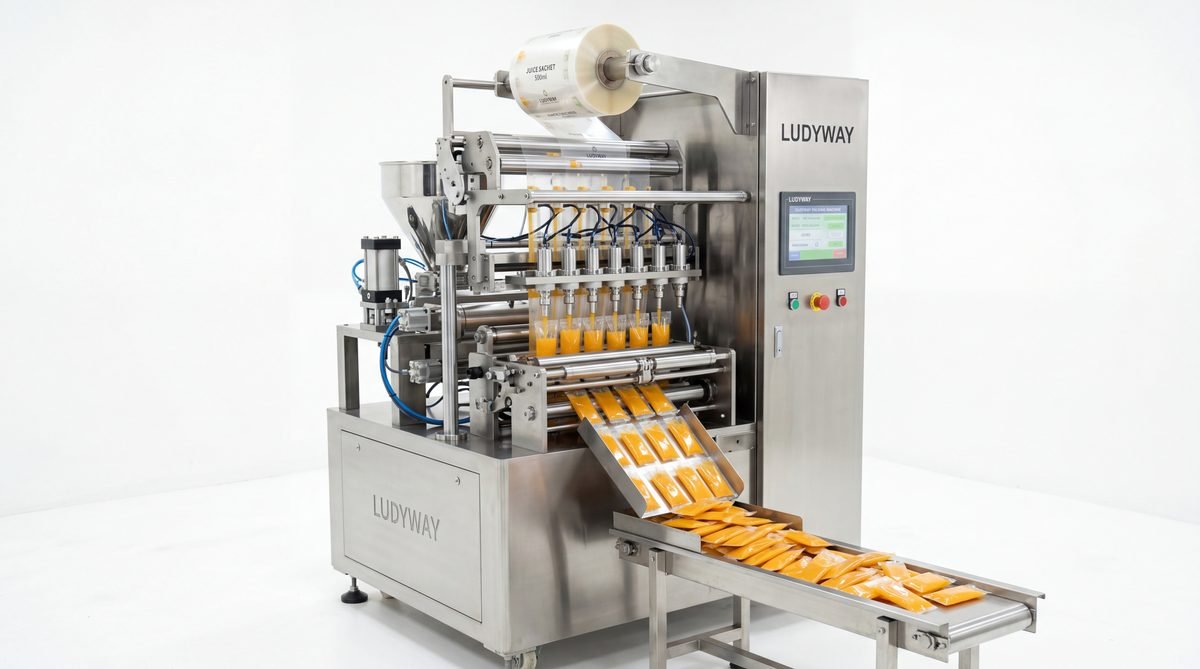
Consider Required Accuracy and Compliance
If your industry has strict fill tolerances, especially in pharmaceutical, nutraceutical, or high-value chemical products, higher-precision systems are usually worth the investment. Even small overfill percentages can create major product loss at scale.
Think About Production Speed
A manual or semi-automatic system may be enough for startups or niche products. But if your line is expected to grow, choose a system that can scale to higher output without compromising quality.
Plan for Cleaning and Changeover
If you run multiple SKUs, flavors, fragrances, or liquid formulations, fast cleaning and easy changeover are essential. A machine that saves only a few minutes per changeover can create major annual productivity gains.
Best Filling System by Liquid Type
| Liquid Type | Recommended System | Notes |
|---|---|---|
| Water, juice, vinegar | Gravity / Overflow | Ideal for thin, free-flowing liquids |
| Edible oil, syrup | Pump / Net Weight | Depends on precision and speed needs |
| Sauce, ketchup, paste | Piston | Strong choice for thick products |
| Shampoo, lotion, cream | Piston / Pump | Depends on viscosity and package format |
| Chemical cleaners, detergents | Pump / Overflow | Foam control may be required |
| Pharma oral liquids | Pump / Net Weight | Sanitary design and validation are critical |
Common Mistakes When Selecting a Liquid Filling Machine
- Choosing based only on initial price
- Ignoring future capacity expansion
- Not testing actual product samples
- Overlooking foaming, dripping, or corrosion issues
- Failing to match the machine with pouch, sachet, or bottle format
- Not considering after-sales support and spare parts availability
When a Turnkey Packaging Line Is the Better Choice
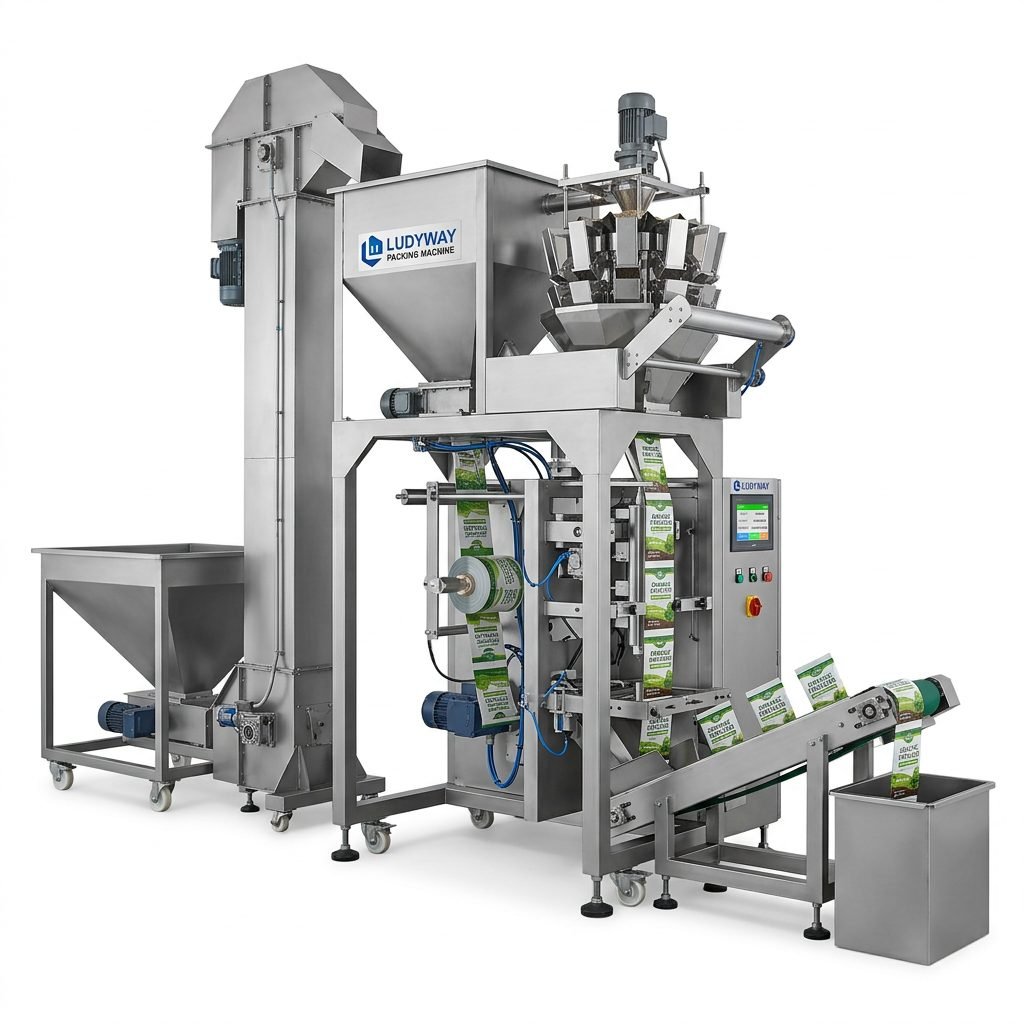
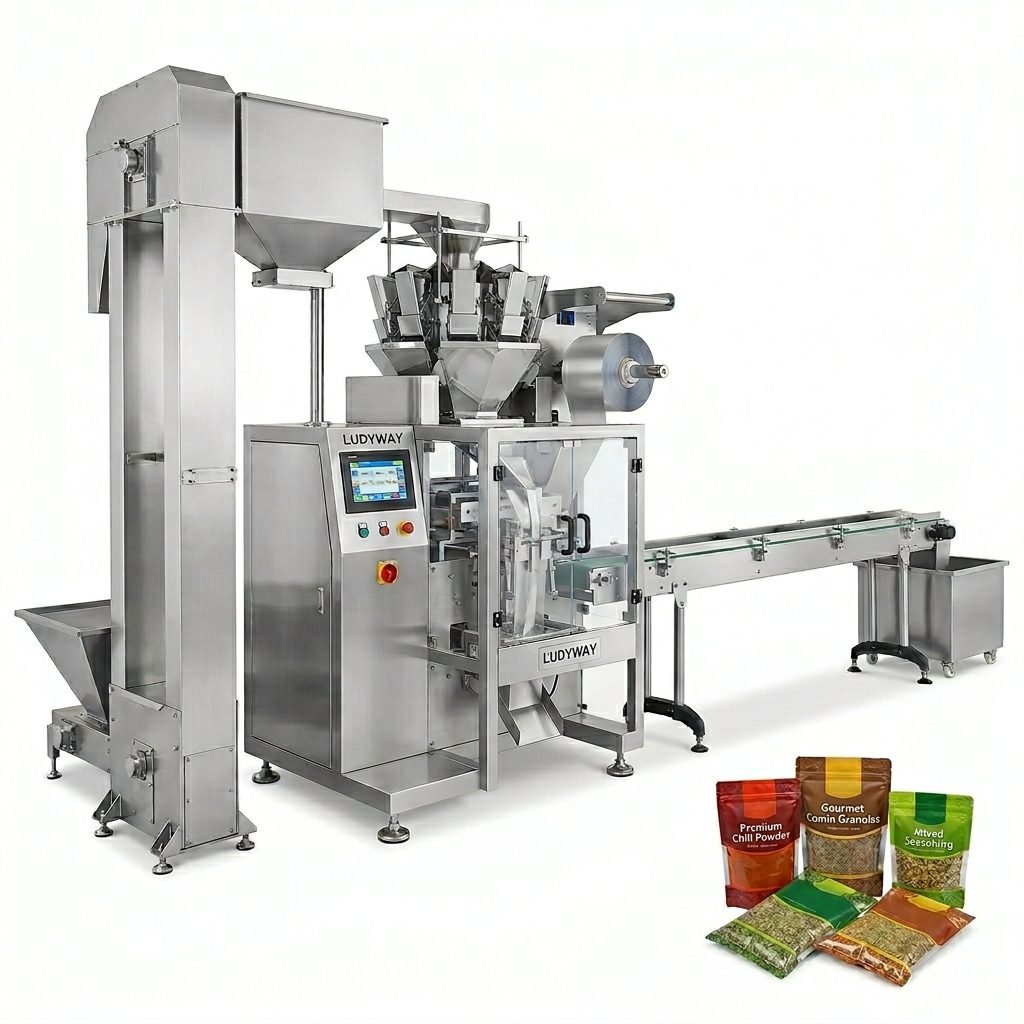
In many cases, the best solution is not just a filler, but a complete integrated packaging line. This is especially true when the project includes multiple processes such as feeding, filling, sealing, coding, inspection, labeling, cartoning, and end-of-line automation.
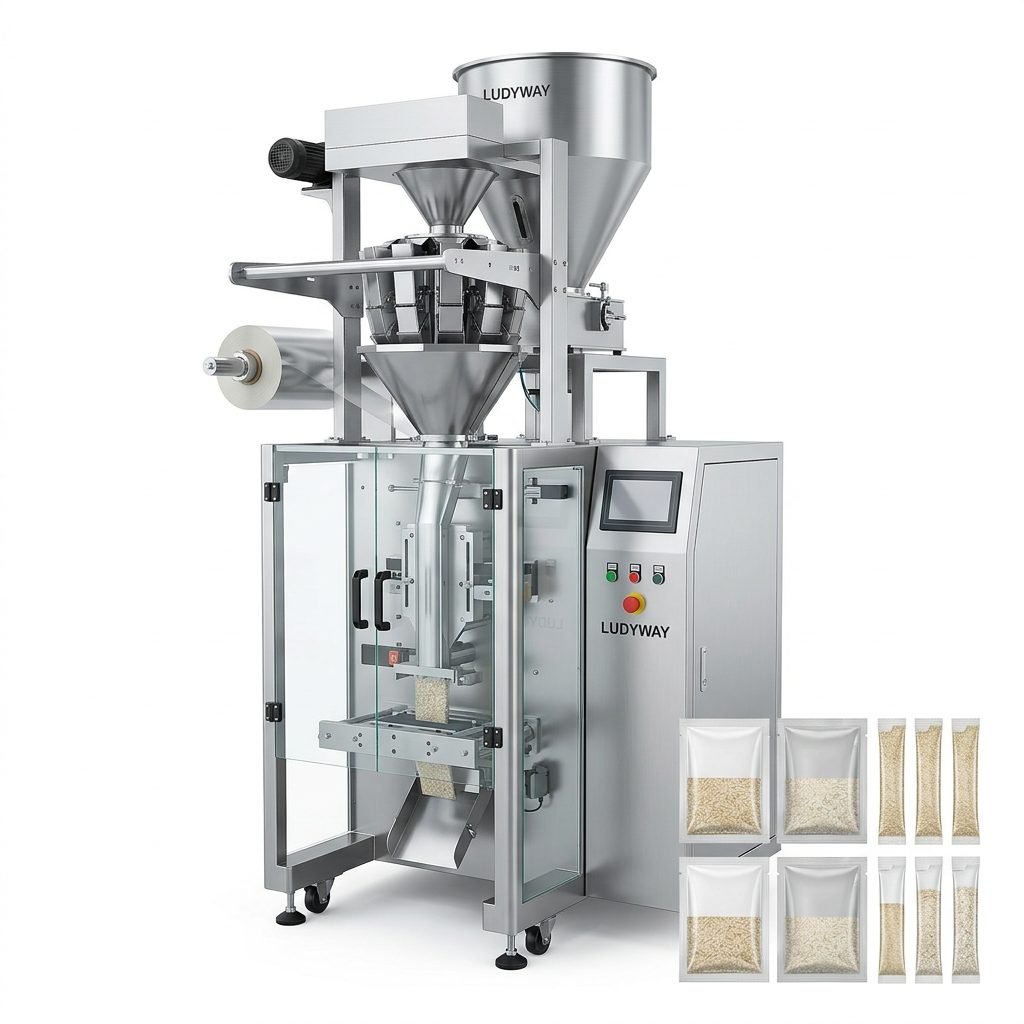
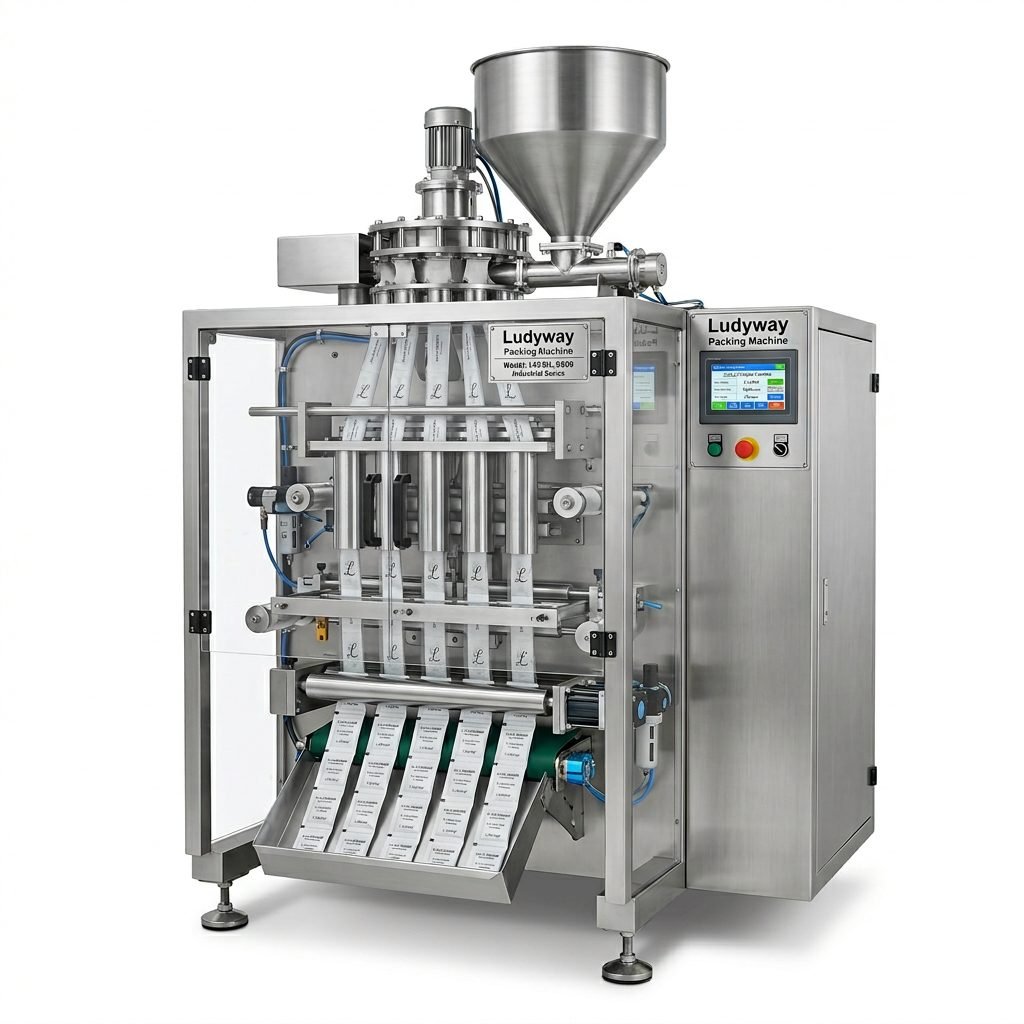
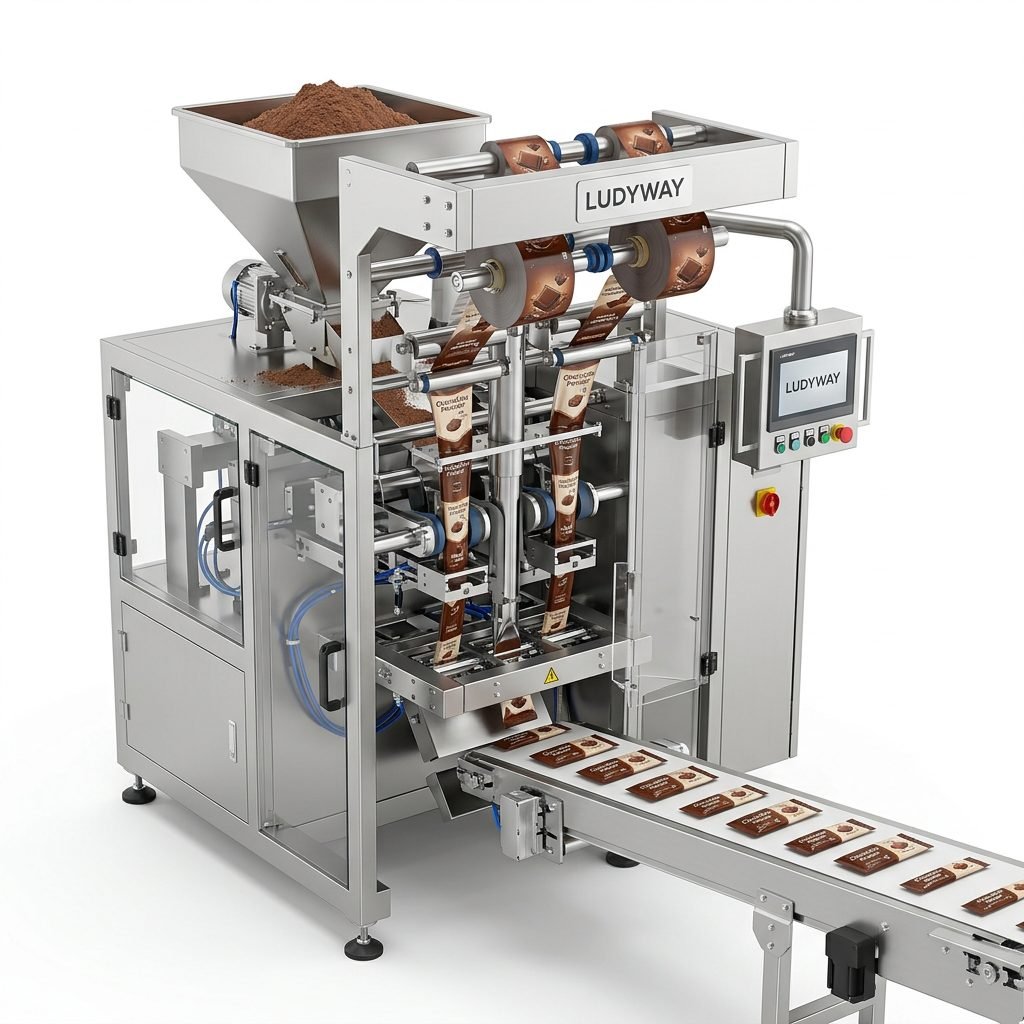
Businesses looking for scalable solutions often work with experienced manufacturers like Ludyway liquid packaging machine solutions, especially when they need customized equipment for food, pharmaceutical, cosmetic, or chemical applications.
Questions to Ask Before Buying
- What is the exact viscosity range of my product?
- Does the liquid foam, drip, or contain particles?
- What package format will I use now and in the future?
- What filling accuracy do I need?
- How many units per minute must the line produce?
- How often will I change products or package sizes?
- Do I need sanitary, corrosion-resistant, or explosion-proof features?
- Can the supplier provide testing, customization, and technical support?
Final Decision: Which Filling System Is Best?
There is no single best filling system for every liquid packaging application. The best choice depends on the balance between liquid properties, packaging format, accuracy, speed, hygiene requirements, and budget.
In general:
- Gravity fillers are best for simple, thin liquids
- Piston fillers are best for thick and viscous products
- Pump fillers are best for versatility across many liquid types
- Overflow fillers are best for consistent visual bottle fill levels
- Net weight fillers are best when precise weight control matters most
The smartest approach is to evaluate your product carefully, test real samples, and choose a filling system that supports both current production and future growth.